


Our children are our future. Education is at the heart at developing their skills and abilities and yet year after year we hear about the degrading state of our educational system. Our nation has spent trillions of dollars on failed programs that research and experts had promised would work. Achievement gaps persist, performance declines are accelerating and so it is of paramount importance that we explore novel ideas and solutions. You might not agree with many or any of the ideas below, and we certainly are not endorsing policies – our hope is just to create a space where bright, dedicated folks from the community can share their ideas – so that we can all come together and better understand each others experiences, concerns and how we might move forward together to build a brighter future.
J.W. Affourtit

As a society, education is a slow evolution. Microchip technology is consistently getting better and smaller and faster and we still have kids who are living, and breathing a digital world, sitting in classrooms for 8 hours a day sitting forward and writing notes with pencils. I’d love to see an approach more based in reality and less pressure to be “perfect” no two students are the same. College is not for everyone and some people will excel with their hands or craft. Instead of saying this is what you must do to be successful, we should start evolving education to be about what’s possible. Read more>>
Alayna Nowoslawski.

As a photographer part-time, my full time job is as an intervention specialist (special education). This is a topic that is important to me in so many ways. I have seen students love school, hate school, do great in school and really struggle in school. As a teacher, one of my main goals is to not only help my students succeed academically but also socially, relationally, personally and actually LOVE school. I feel like most of my teaching career has been made up of testing. We test our students on so many different things (state tests, weekly tests, formative tests, reading tests)…ALL OF THE TIME. Read more>>
Tarah Hines

I would infuse more play and rest into curriculums to help create safer and better learning environments. There are studies that show play to assist with integration and overall learning not just for kids but adults as well. The best teachers I’ve had in my life have been the ones that knew how to make classes fun and interactive but also challenging. The two aren’t mutually exclusive and together create more space for experimentation and reflection for students in real time. Read more>>
Georgia English

Let me start by giving a little bit of context about my role in relation to the educational system. I want to make it known that I am not a classroom teacher or district professional, and while I have worked in close partnerships with schools for over 10 years as a Community Music Teacher, I can’t completely speak to the system as a whole. What I can offer is what I’ve learned from listening to students in structured yet less formal settings. My team and I talk a lot about making space for students to decompress, access their creativity, and know that they are in a place where they belong. Read more>>
Eddison Smith III.

All students are not adequately served by the public education system. Many students come from different backgrounds and have unique interests that aren’t unlocked in the educational system. School systems should spend that time getting to know their students and exposing them to studies that would benefit their professional interests. Currently, the public school system spends countless hours teaching students math, science, reading, and social studies. Read more>>
Javen Oliver

Through the works of creation & art , I feel we can help the children in our schools systems become more invested in what they’re learning at the time. By making schools an “expression welcoming” atmosphere, kids will then be more inclined to work and focus in class. Interactive, honest, personal, & expressive methods used in the classroom will keep kids intrigued. The more they are emotionally invested, the better they will perform. Read more>>
Omar Altalib

Most of what passes for education around the world does not fulfill social needs. It can be characterized as a failure in many respects. Education can be improved in the following ways: Parents ought to be given more choice. Parents should be able to decide which school their child is sent to. The student should not be restricted to a government-imposed local school, and we should stop the administrators that only allow the student to go to one particular school. Read more>>
Dr. Jeanne Ford

As a former principal and school district-level leader, I understand the demands placed on these leaders. Much of the job is out of their control and they don’t take time to destress, When they are over-stressed, they are unable to provide the support needed by their staff and students. Many are becoming discouraged and burned out – and they are leaving education. One of the superintendents in a large district told me that he puts everything he can into training and mentoring his leadership team and staff, but because of his position, Read more>>
Tiffaney Strayhorne

Many of the changes I would like to see in the educational system are being instituted as we speak. I’ve spent a lot of time this year building the philanthropic portion of my profile through teaching, donating and taking the opportunities to display leadership in our local schools and community. The key points I always drive home is for children and young adults to remain consistent in their goals and disciplined, to think outside of the box when choosing a career path, and to take the time to nurture gifts that may come naturally to them by practicing with intent. Read more>>
Dion Saunders.

I would start by putting a heavier emphasis on learning trades and skills that can benefit society. I would then include household management as a study because so many people graduate and don’t know a thing about taxes, purchasing a home, or building credit. I think honing in on things like that will set students further ahead than teaching them about people they won’t even remember. I also think that information technology should be taught every year at every grade level. Being able to navigate a computer is like second-nature these days, and not having that skill will make life a lot less efficient. Read more>>
Amanda Hennessey

I would want a fun, safe, and empowering public speaking class to be a required part of either college or high school. In addition to teaching students how to create and deliver compelling presentations, I would really want this training to help people learn how to manage their nervous systems. I have a lot of clients who had a painful public speaking experience or two when they were younger. And that unhealed and unaddressed pain leads them to avoid opportunities and visibility when they are older. It makes me sad! Read more>>
Samantha Flunory
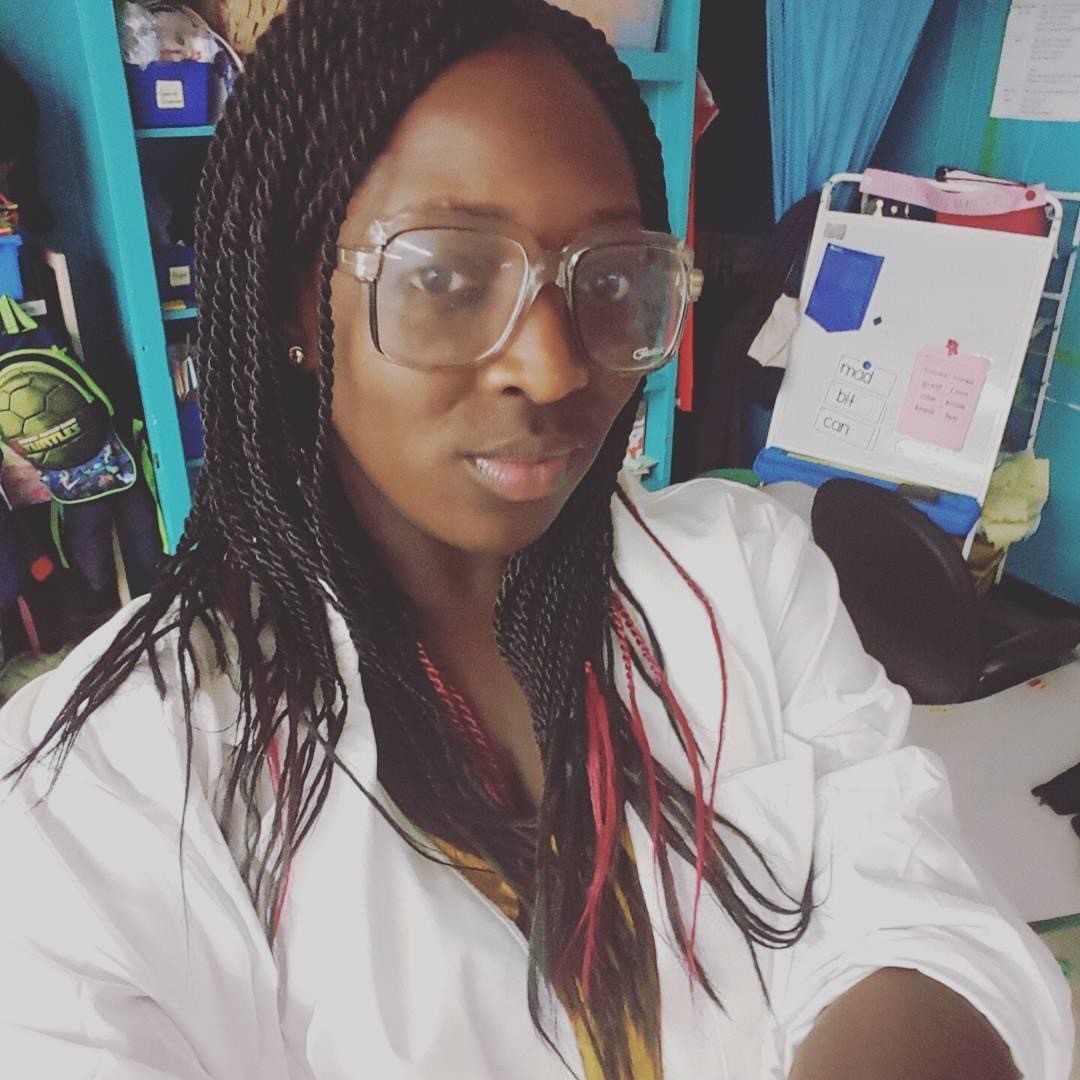
As an educator who’ve worked in a variety of settings one thing I would change about the system is how students are taught to navigate their world. We want students to be able to graduate from high school and be successful in their world but how ? Most of their hours are spent in a classroom where the education is teacher directed. Children should be able to opt into courses that they believe are beneficial for the goals they have in life. They should be taught real life skills and majority of the lessons should be student led. The educational system right now is an, “One size fit all” model. It should be shifted to focus on the individual needs of all. Read more>>
Kiarie DeGroat

What I would change about the educational system is simply the system itself. In America, our system isn’t designed for success of all children. We see this, I definitely see this, as a teacher in the Westside of Atlanta at the first black high school in Atlanta. Limited resources are given to schools that have a larger “minority” population and because of the community that may be around these children they also do not have the personal financial stability or support to sustain what their counterparts can. Read more>>
Yna Vargas

As a student, If we will talk about educational reform, I would highly suggest that education must always have the goal of being an “Education for All” and change must be in line with this primary goal. Of course, it is indisputable that many countries, especially those in the bracket of underdeveloped and developing ones experience low literacy rates due to various educational hindrances, like the inability to provide school buildings and facilities that can accommodate the number of students who will avail the services of the public education, the lack of teachers, and most specifically, poverty, the primary reason why our “supposed students” work at an early age and stop their education. Read more>>
Cletis Allen
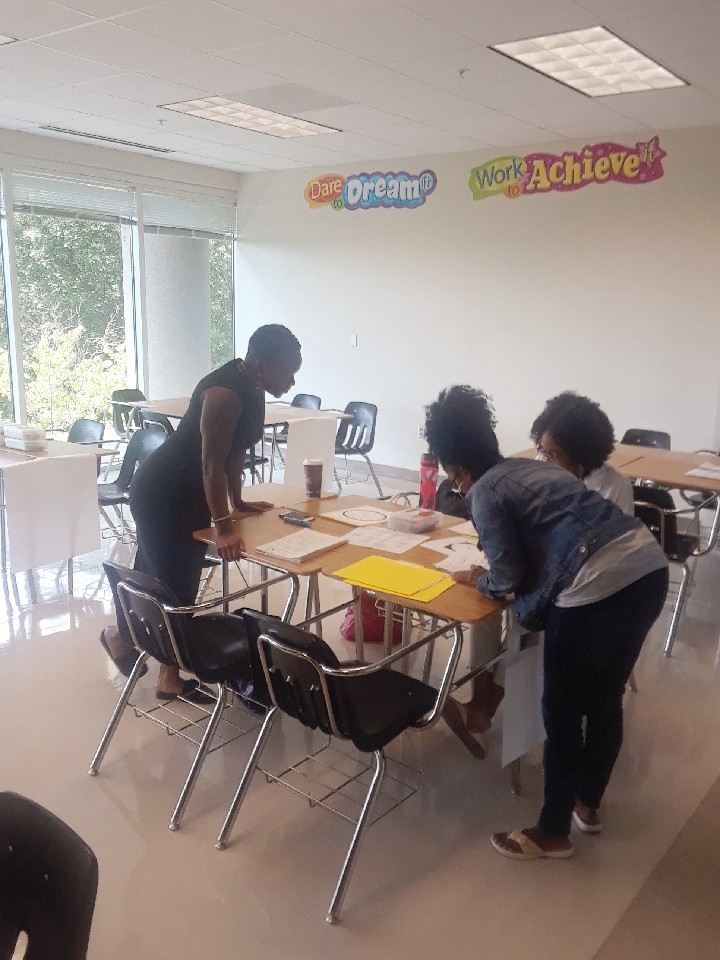
The current educational system has an unbalanced focus on Humanities content areas. In many districts and educational spaces, reading and math mastery has more importance than science and social studies mastery. In many classrooms and flexible learning spaces, reading and mathematics instruction is allocated to more than 75% of instructional time. This inequity in instruction creates limited time for topic exploration in science and social studies/history. I strive to balance learning schedules so all content areas receive equitable time for teaching and learning in Humanities. Read more>>
Tra Verdejo

I think we need to take the corporate new hire approach when it comes to the educational system, especially in HS. We have to prepare them with the right resources to be successful now, not 5-10 years.. We can’t wait until they go to college cause by then we lost them.. Read more>>
Jill Lauren

The most important skill that we can teach a young student is how to read. This essential survival skill enables an adult to fully function in society. Without the ability to read, for example, adults cannot apply for many jobs, complete coursework needed for certain careers, or read to their children. Yet, two-thirds of our nation’s students reach fourth grade unable to read proficiently. And many of these students will eventually find their way to prison, where the majority of inmates are illiterate. Read more>>
Hannah Davis

If I could change anything about the educational system it would be teaching students more skills that create revenue without the highest level of education (welding, photography, etc.), encourage community college courses, and teach them everyday life skills. Also, I think it would be great if they could learn from less of a regurgitation method and break things down and really understand the concepts more analytically. Read more>>