



We’re excited to introduce you to the always interesting and insightful Thomas Oberbauer. We hope you’ll enjoy our conversation with Thomas below.
Thomas , thanks for joining us, excited to have you contributing your stories and insights. Let’s kick things off with your mission – what is it and what’s the story behind why it’s your mission?
The hills east of El Cajon were my playground as a child. Visits to Mount Laguna and Cuyamaca Rancho State Park as well as Anza Borrego Desert State Park were regular occurrences. The diversity of wildlife and plants for those areas is truly great due to the unique environments that exist in San Diego County. My brother and I studied migratory and resident birds, discovering a rare one that was far out of its natural range, we had native toads, lizards, and deermice as pets and I learned to appreciate the wide variety of plants that are native to the region. Through an education at San Diego State University, my interest in the natural resources of this region continued to grow. My Master’s Thesis examined vegetation patterns in San Diego County, focusing on grasslands. Few other locations have such a variety of habitats ranging from coastal, interior valleys and foothills, forested mountains and deserts, with many unusual soil types and moisture conditions and all within a Mediterranean climate that enhances diversity. As data has been collected over the years, it has become more and more apparent that San Diego County is unique in the nation for the high numbers of species that occur here and the large number of those that are considered rare, endangered or otherwise sensitive due to their loss from urban expansion. I worked in the San Diego County government for 35 years concentrating on conservation of natural habitats through placement of open space on development projects and assisting Federal, State and Local conservation programs in this region for preserving important habitat lands. The latter part of this was achieved by assisting the County of San Diego in the preparation of Multiple Species Conservation Programs and working with the US Fish and Wildlife Service, California Department of Fish and Wildlife and non-profit conservation organizations to conserve lands. My goals and mission have been to continue to work for conservation purposes as well as make the general public aware of the unique resources in this County.


Awesome – so before we get into the rest of our questions, can you briefly introduce yourself to our readers.
I have the fortune being a third generation San Diegan. I became interested in Natural History as a child in the Coastal Sage covered hills east of El Cajon first using Golden Books and Audubon Bird Books. Several members of my family were inclined to study natural history and biology. My studies in college at San Diego State involved biology, botany, mammalogy and Ornithology and I received a Master’s degree with a study of the grasslands of San Diego County and created the first vegetation map of this area. While studying for my Master’s degree, I became a student worker for the Planning Department of the County of San Diego. From there, my work expanded into mapping of important natural resource areas, working with Wildlife Agencies on the designation of open space and preserve areas and participating in land acquisitions for large areas of important habitat under the regional Multiple Species Conservation Planning (MSCP) program.
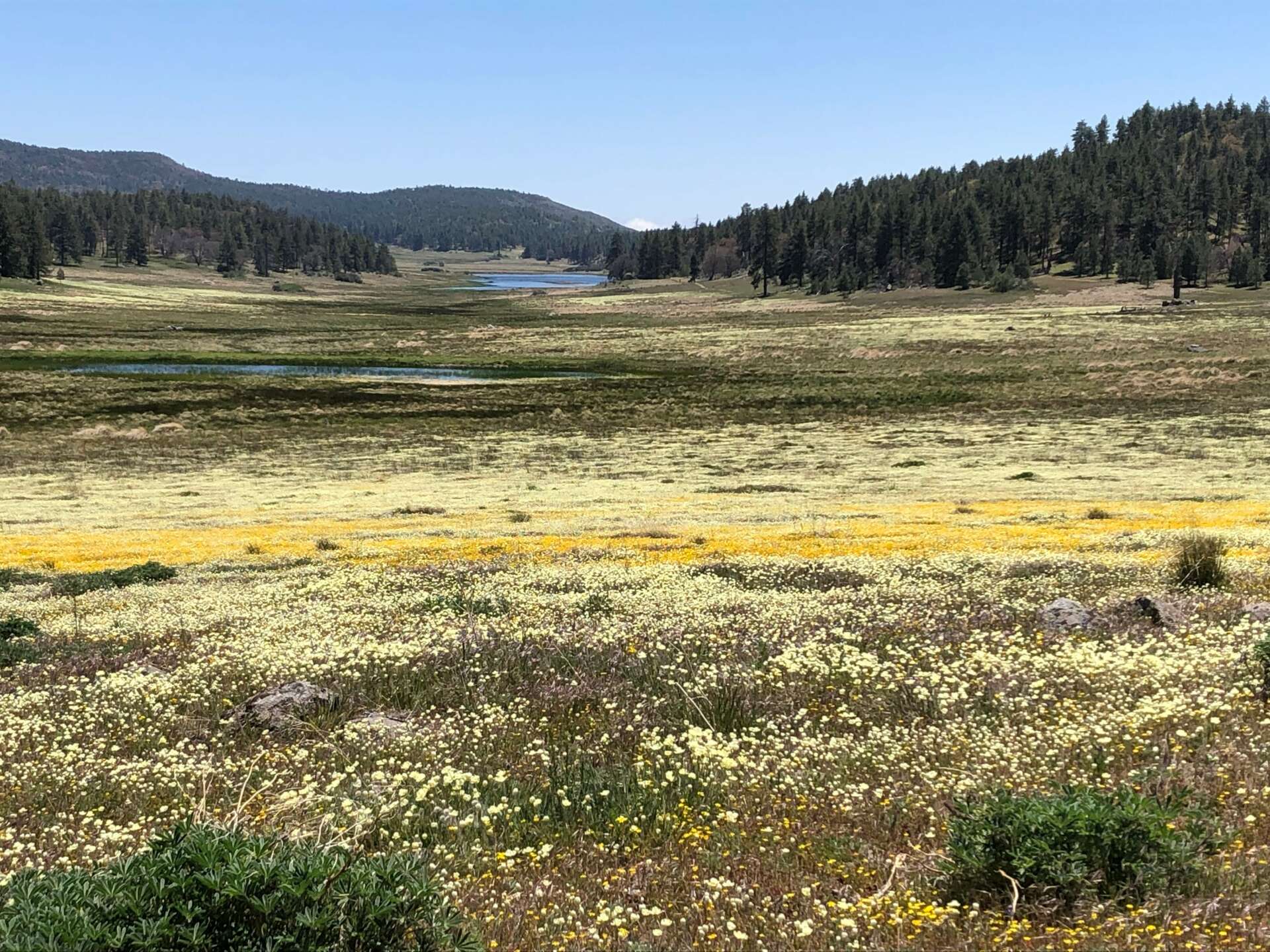
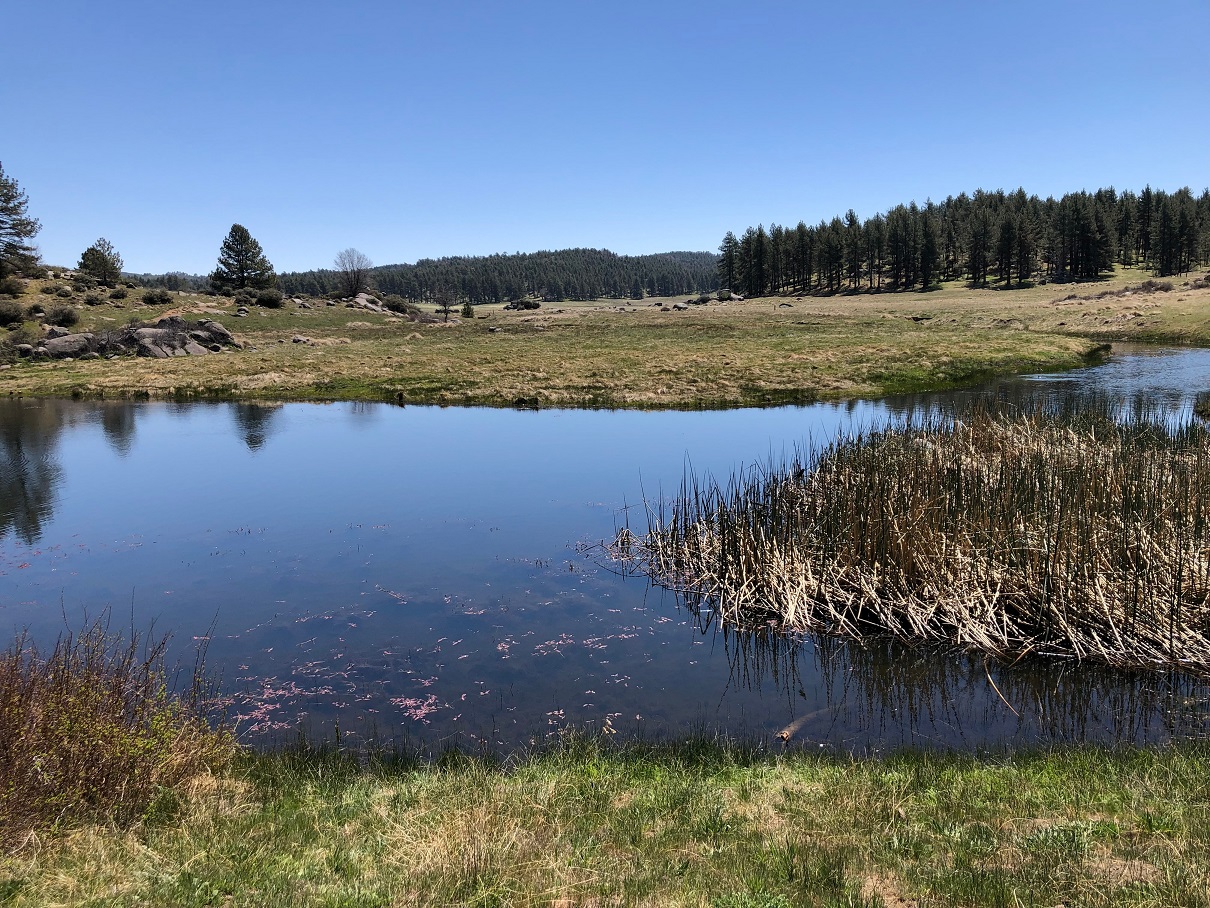
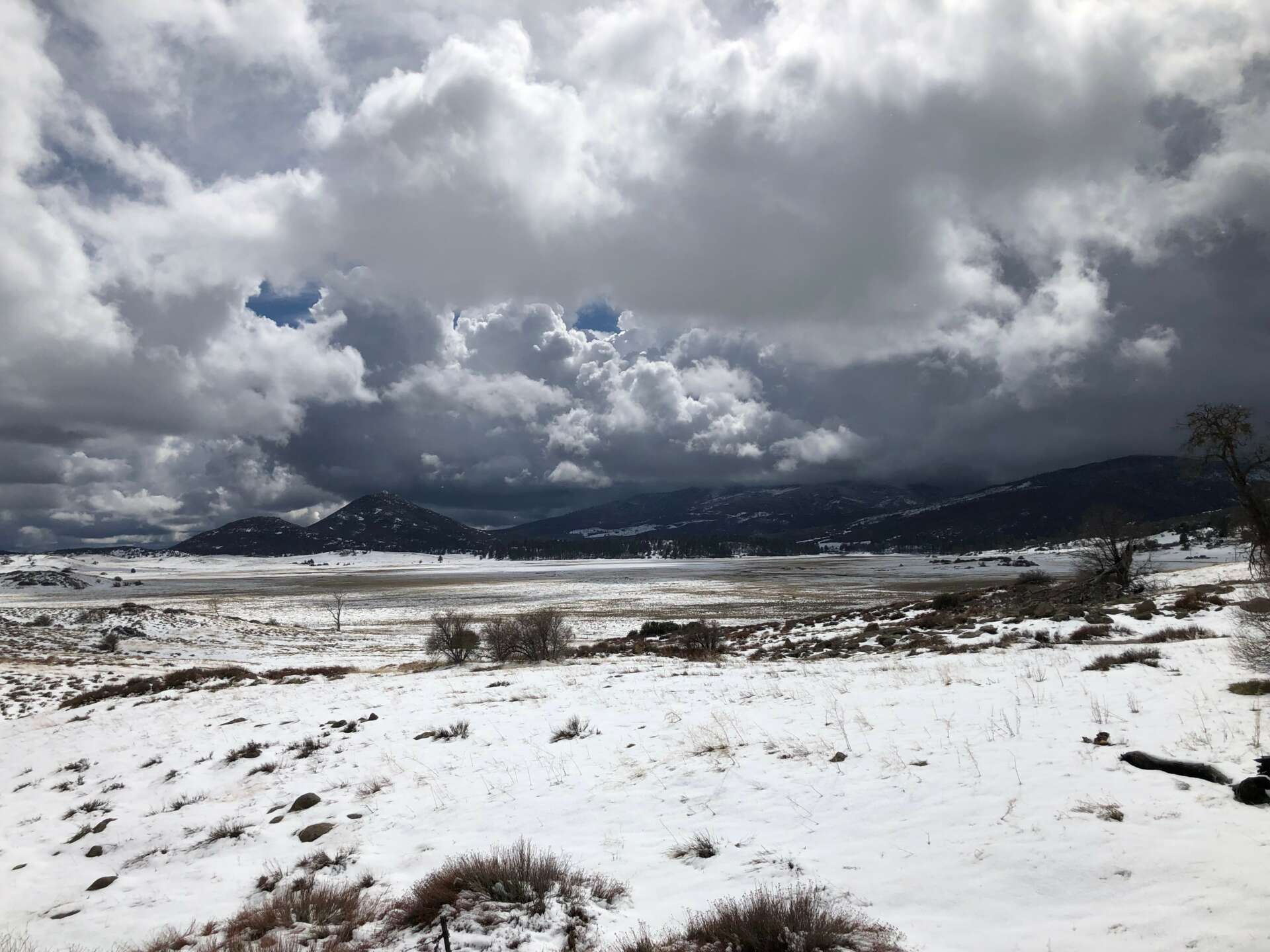
Outside of my duties with the County, I studied areas of Baja California, the islands of Baja California and California, and wrote many articles in natural history magazines about the important biological areas of San Diego County. My specialty has been botany, studying one of the most diverse botanical regions in North America and its many endemic, rare and endangered species. Unusual soils with high clay content and concentrations of iron and magnesium as well as soils derived from the remnants of Andes style mountains support a high number of really rare and interesting species of plants. Some are remnants of previous eras, tens to hundreds of thousands of years ago. Others are more recently evolved to survive in really unusual habitats such as vernal pools which are natural ponds that fill with rainwater during good rainfall seasons and support an array of plants and animals found nowhere else. San Diego County is one of the few areas in the country with a variety of habitats that range from coast, foothills, mountains and deserts so that one can travel through an incredible series of conditions within only a couple of hours. Within just one county, average rainfall can range from 6 inches at the lower Point Loma Light House to nearly 40 inches on Palomar Mountain and the top of Cuyamaca Peak and only a little more than 2 inches at Ocotillo Wells. The vegetation reflects the incredible range of conditions with not only coastal scrub lands and chaparral, but diverse coniferous forest habitats, montane meadows, and dry desert areas. The manner in which various species of plants come together at this point in time to create a natural community is fascinating to me and I continue to be surprised by unexpected combinations of plants. However, my interests are not simply plants, but the entire combinations of wildlife and plants that make up individual ecosystems in this region. For example, the diversity of birds in this county is unparalleled and this county alone supports more than half the species of bats that occur in North America.
My entire life’s work has been to not only work toward the protection of the important parts of this county so that its diverse resources can be maintained in perpetuity, but also to write and present information that publicizes it. While still in college, I worked as a field trip leader on bus trips for the San Diego Natural History Museum and for many years I served on the Board of Directors for the California Native Plant Society, both at the State and local level, and I served on the Board of the San Diego Natural History Museum. I now spend my available time studying locations in San Diego County by examining them in the field through long hikes and creating videos to describe their biological and natural history values. I have made a series of videos on the islands of Baja California that are viewable on Youtube under PLnaturalresources. I am working on more for parts of San Diego County and its periods of wildflower generation including the “Superbloom” periods of 2017 and 2019.
What do you think is the goal or mission that drives your creative journey?
San Diego is known worldwide for its beaches, sunshine, good weather overall, friendly people and border location with Mexico. People come here for vacations to enjoy the features this region has to offer and many of them decide to stay. In the mind of most people, especially those who are from eastern forested locations, because of the scrubland and chaparral habitats, the natural areas have little value and represent low level desert of little value. This cannot be farther from the real situation. My goal is to make everyone in San Diego County understand and appreciate the natural values that the one-of-a-kind collection of resources that this area supports and to encourage them to work toward their conservation.

What’s a lesson you had to unlearn and what’s the backstory?
While working in the planning and conservation field, one encounters situations where a development or habitat disturbing activity is proposed. It may be in an area with particularly sensitive habitats and species. It may be an area that is also proposed for conservation but for which no funding is available. As developments are proposed, they may fail due to the environmental impacts of the project or public opposition to the projects so that they are denied by decision makers. This can happen over and over in an area that is desirable for development regardless of the value of the natural habitat resources and the presence of important sensitive species. Conservation groups must mobilize over and over to generate the argument for rejecting the development project as one after another proposal is made. They may succeed many times in a row, creating a feeling that the land is secure. However, even after multiple successes to prevent an impactive development occur, it only takes one time that the argument for development is weighed more heavily than the value of the environment on the site and a development is approved for the habitat to be lost. The battle for conservation values is a never-ending battle, regardless how secure a site seems to be because a loss is permanent.
Contact Info:
- Website: Youtube PLnaturalresources This is all one word. There are ten videos on the islands of Baja California
- Youtube: Youtube PLnaturalresources This is all one word. There are ten videos on the islands of Baja California
- Other: Researchgate under my name
Image Credits
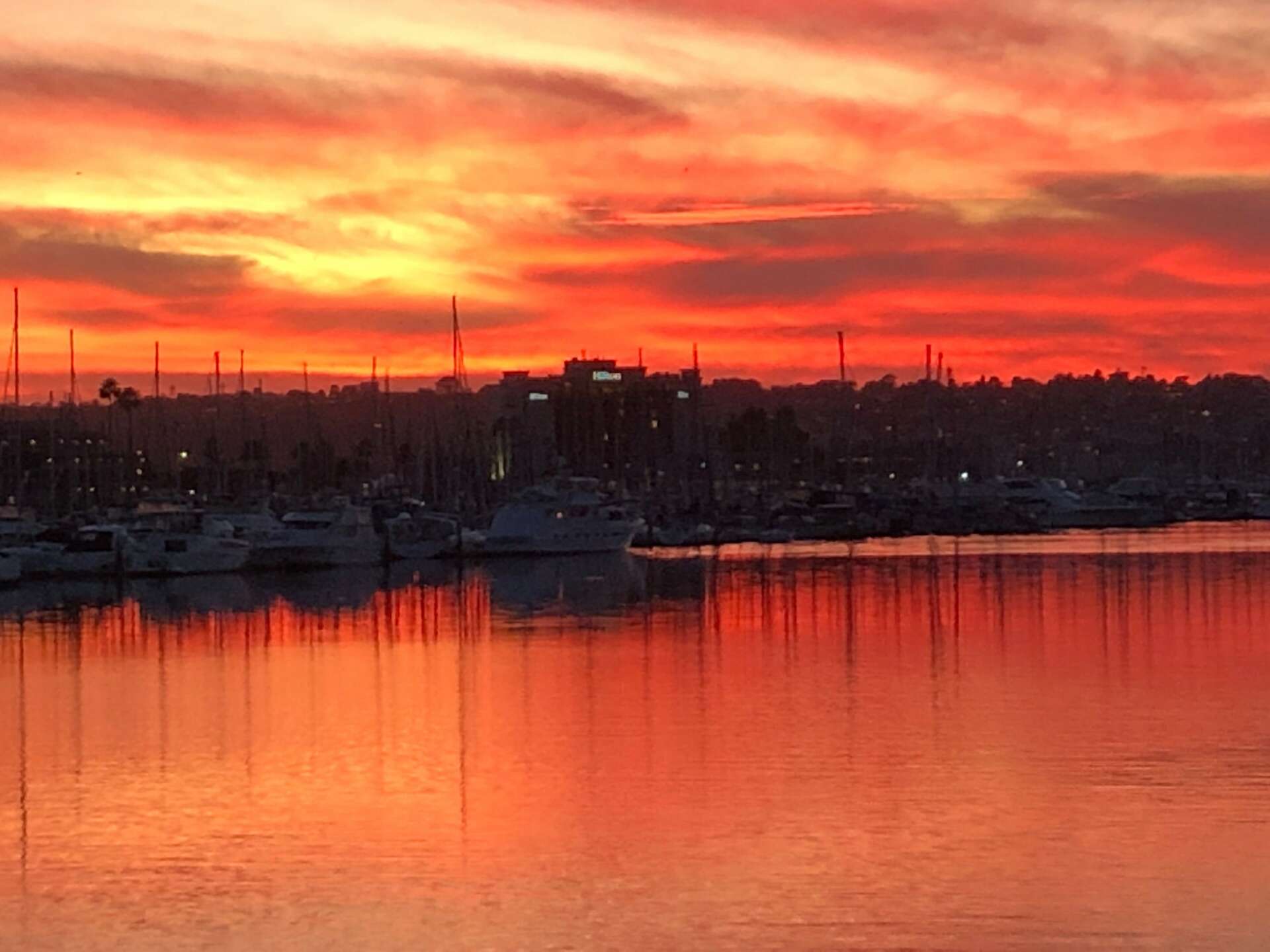
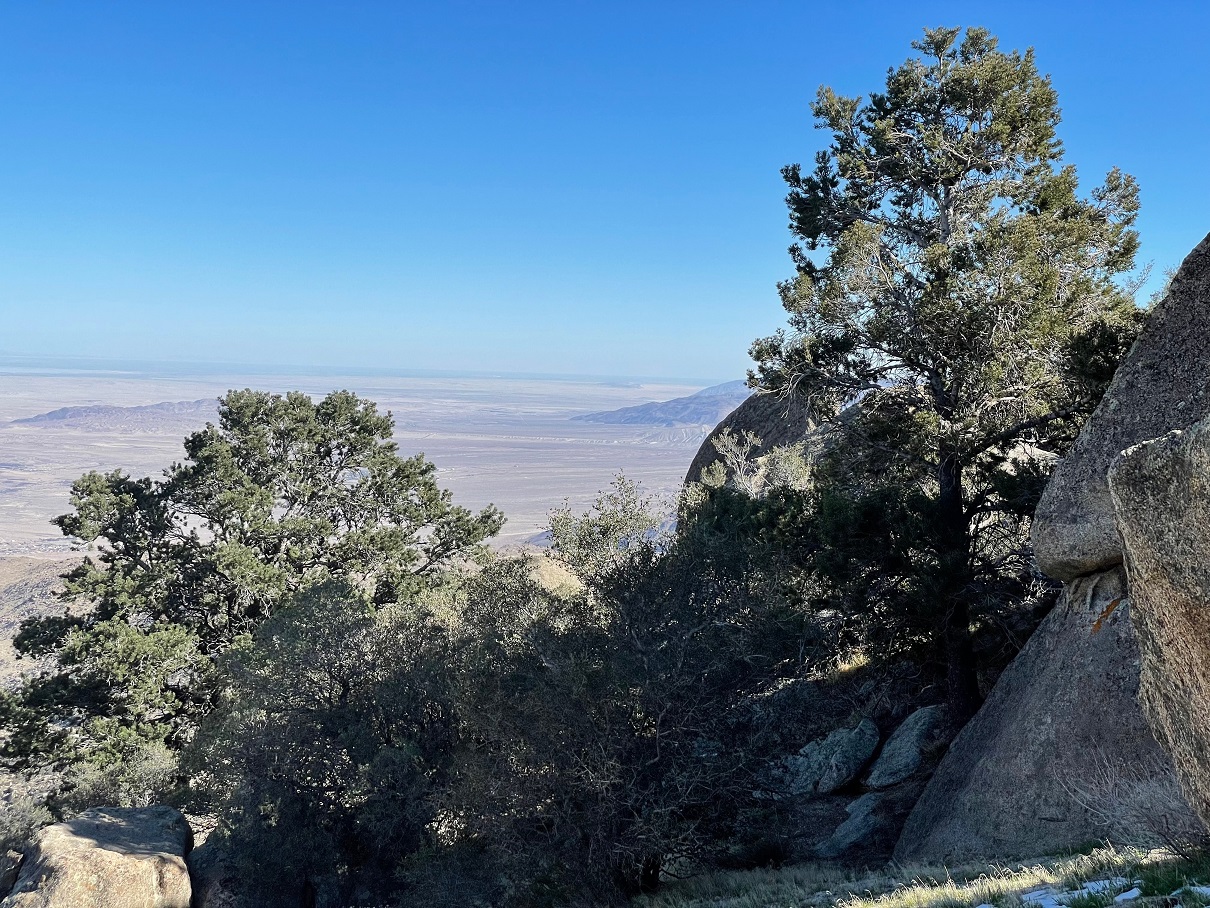
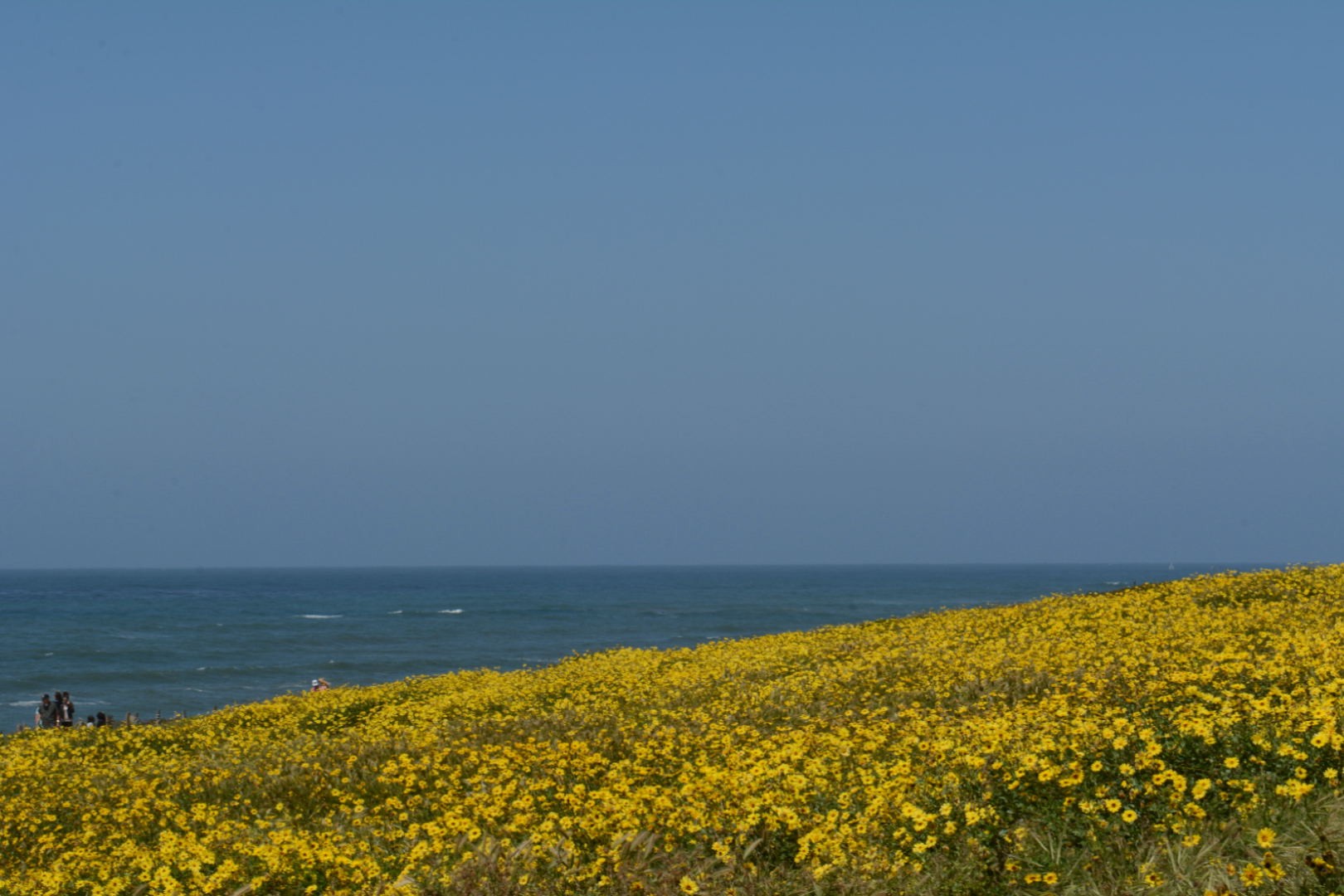
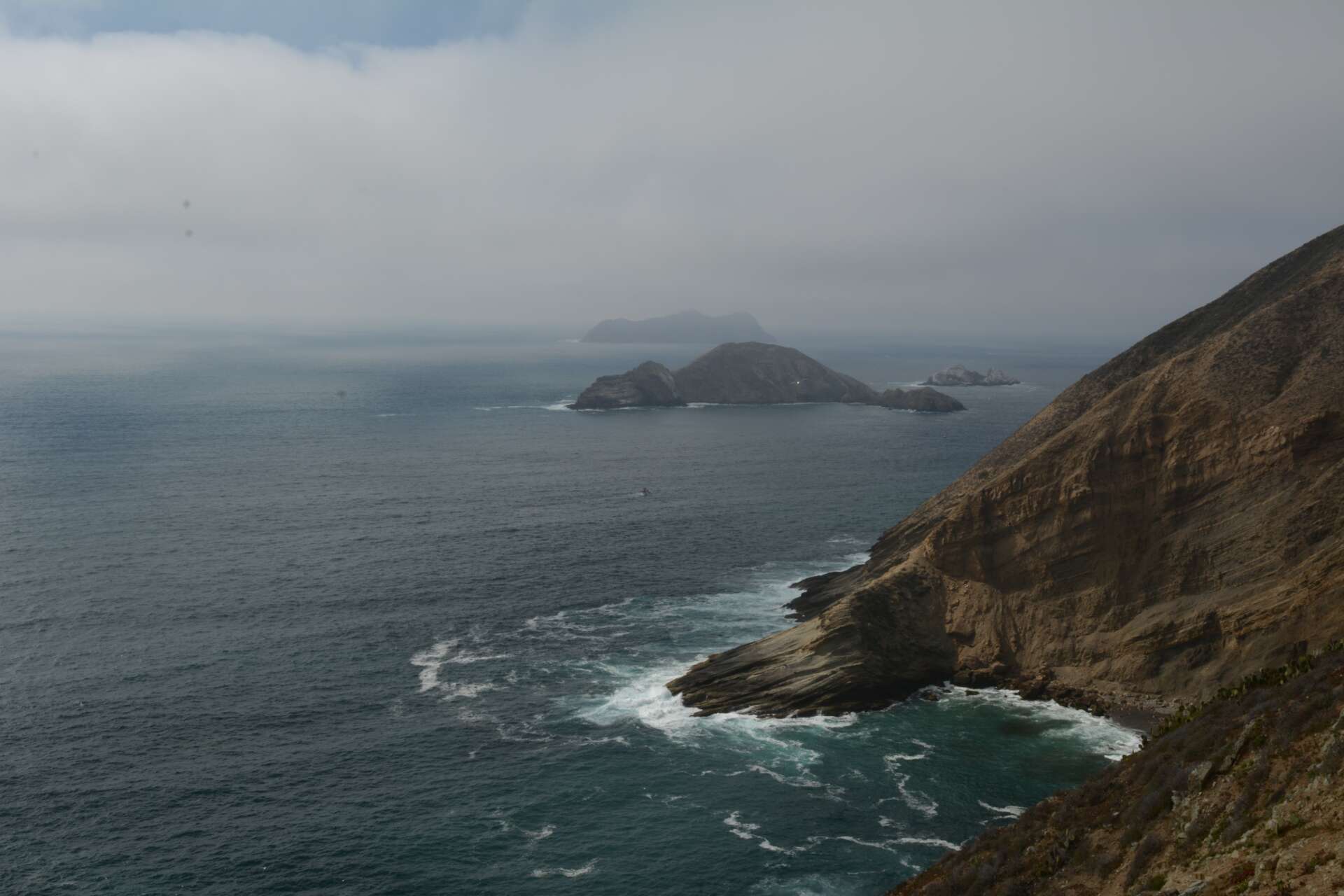
All photos were taken by me in the San Diego and Baja California island region. Thanks