

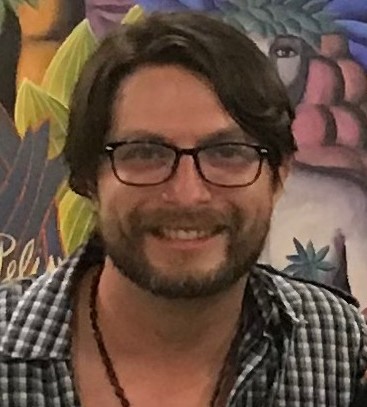

We recently connected with Art Friedrich and have shared our conversation below.
Art , appreciate you joining us today. We’d love to hear the backstory behind a risk you’ve taken – whether big or small, walk us through what it was like and how it ultimately turned out.
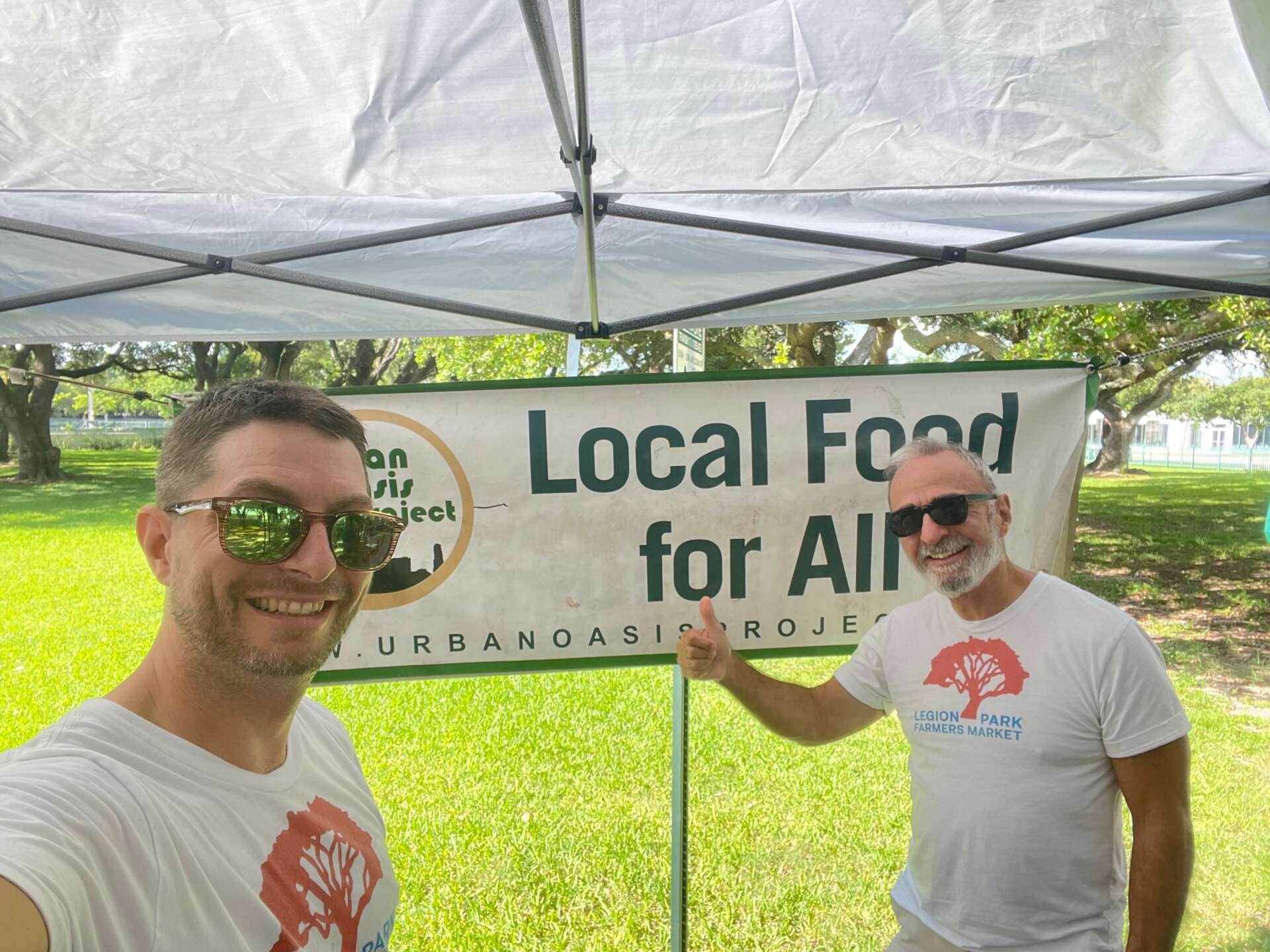
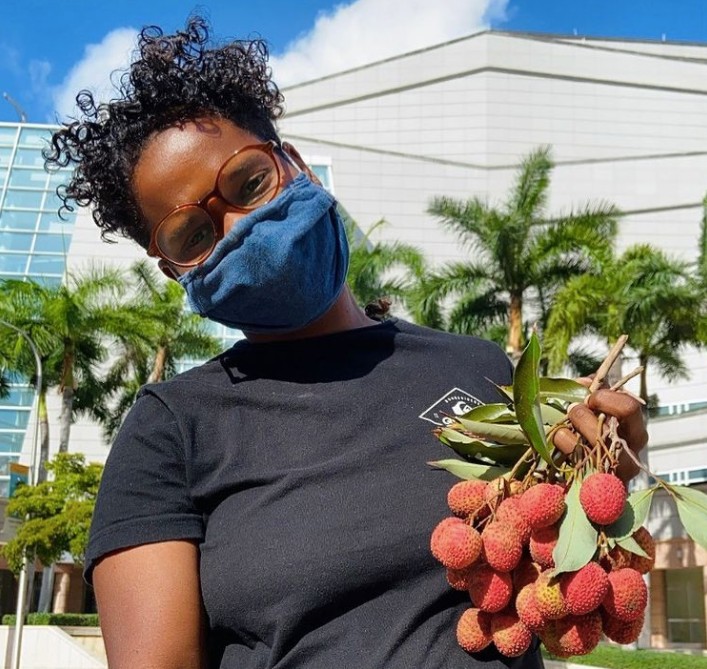
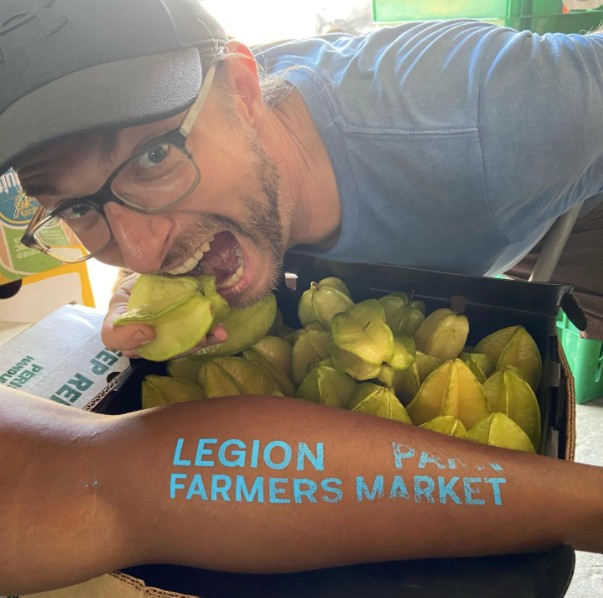
Running Farmers Markets, and aggregating produce from many farms to sell at those markets, is taking a big risk every week. We spend thousands of dollars each week on perishable products that are only good for sale for a few days, and then have to hope that the weather cooperates, the people come out, that theres no major disruptions that are going to keep us from connecting. We also have to have a solid gauge on just how much we can move each week, because produce margins are very slim and we’re always trying to get the customers a good deal while paying farmers their fair due for their very hard work and all of their risk. Just this past week, farms had an unexpected freeze in South Florida in the middle of peak season, and have lost acres upon acres of produce just before it’s prime. The reward is astounding, in the community we have built and the appreciation we get for bringing beautiful fresh local produce to people that they have rarely seen in South Florida. We’ve been able to use our produce stand as an anchor business to grow a market around us with 40 vendors at Legion Park and 25 in just one year at Vizcaya Village. It’s wonderful to be able to help so many others develop their products and ideas and their clientele and move their own small business along the path to being self sustaining. It’s great to have created new institutions within Miami-Dade, that are actually based on supporting new and small artisans with little capital resources, valuing opportunity for all, and supporting racial and environmental justice.
Art , love having you share your insights with us. Before we ask you more questions, maybe you can take a moment to introduce yourself to our readers who might have missed our earlier conversations?
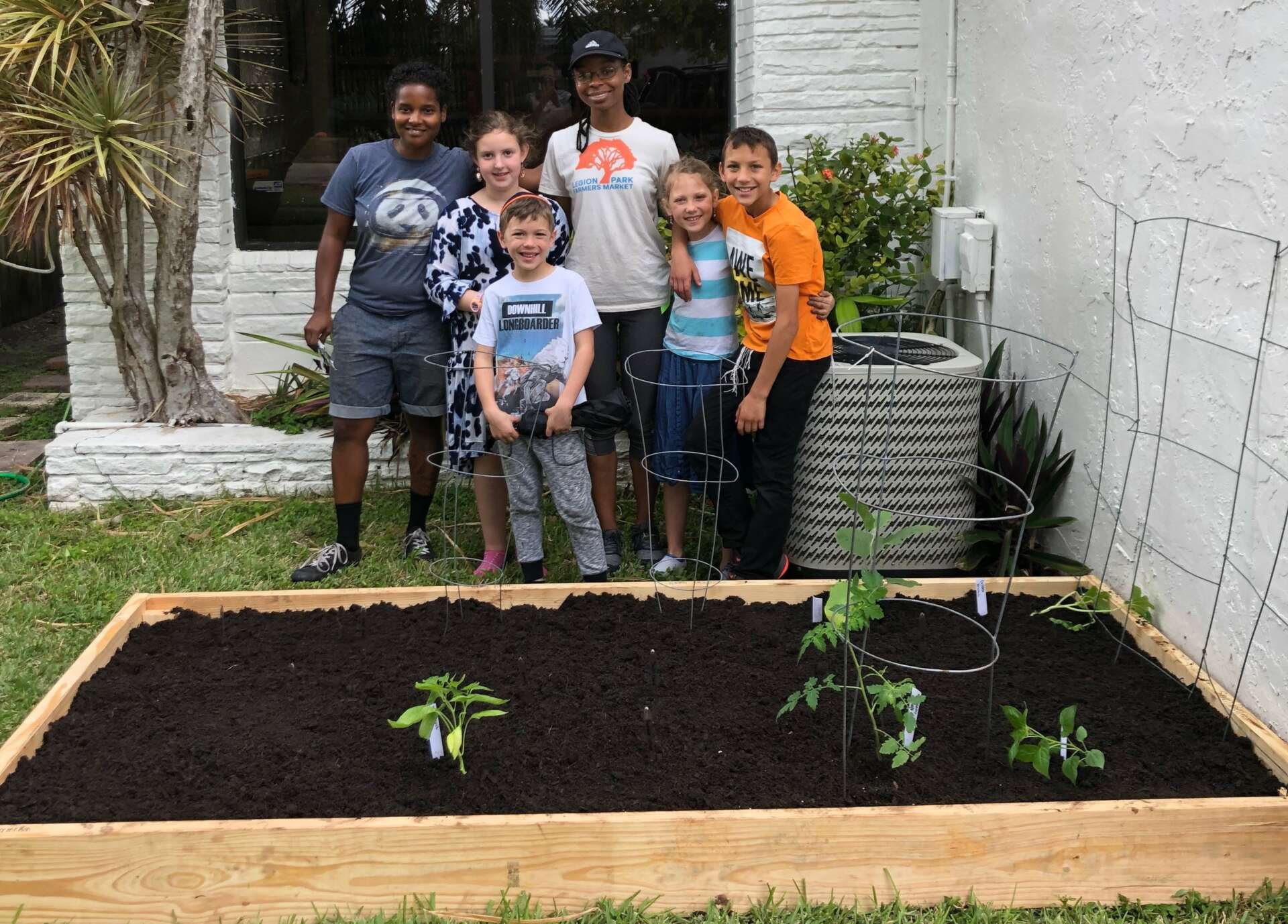
Urban Oasis Project was founded in 2009 to create a local food movement for everyone, which means we give special focus to addressing and centering historically marginalized communities based on race and economic privilege. We support local farms by bringing their produce to markets, we double the value of SNAP benefits at those farmers markets and we’ve operated Fruit and Veggie Prescription programs with local community health centers. We also plant gardens with people on a sliding scale payment system, to make it affordable for people of all incomes to connect with and grow some of their own food. We want people to value their food and their health, which go hand in hand, and believe that being involved in the process fosters that growth and lends more meaning to our everyday lives.
Other than training/knowledge, what do you think is most helpful for succeeding in your field?
Our success has largely grown from being open to diverse collaborations. We are always looking for others who want to partner up for events or workshops or just as a temporary vendor at a farmers market, and if we share some similar values we find ways to promote them and have them promote us. We’ve worked with hospitals, other small non-profits encouraging civic engagement, governments, schools… all kinds of different groups! Flexibility and generosity are key when the right partners are found who will be able to and lend us visibility and lead customers back to us. We also have to watch out for those who are only going to drain energy and resources away from us. It can be hard to discern, but one has to trust their intuition and do some due diligence to look into what someone really seems to be about, not just what they want to market.
We’d love to hear a story of resilience from your journey.
When the shutdowns started in 2020 and farmers markets were also closed, we were caught full handed- with thousands of dollars of perishables and no outlet to sell. We put the word. out for customers to meet us at a new location and had an incredible popup with a new system including distancing, only staff handling products, a dedicated cashier and more- all so we could continue to feed people. The next week, we had created a rough spreadsheet based preordering system to serve the huge number of people clamoring for food and to support local farms. Within two more weeks, we had totally onboarded with an online system, signed up hundreds of clients, and had to move to a bigger warehouse to accommodate the huge increase in volume. Our staff had to learn new skills and make many adaptations and work many 12 hour days, but we pulled through and were able to also begin giving away huge amounts of free veggies to families in need. It has been transformational to meet the challenge, and find ways to pivot to adapt to what the public needed. We’ve slowly migrated back to our traditional farmers market model, incorporating some of the conveniences we offered with online ordering at the same time, and can now meet the needs of many more people.
Contact Info:
- Website: urbanoasisproject.org
- Instagram: urban_oasis_project
- Facebook: urbanoasisproject
- Twitter: urbanoasisproj
Image Credits
Art Friedrich