


We recently connected with Hannah Givens and have shared our conversation below.
Hannah, thanks for joining us, excited to have you contributing your stories and insights. Can you talk to us about how you learned to do what you do?
One of the ways being autistic affects my creative life is that I don’t forget things I’ve learned. I was fortunate enough to take art classes in middle school, and when I picked art back up again in my twenties, I still knew things like how to proportion a figure, how to blend skin tones, and to break a potential subject down into shapes and lines. My lack of sense of the passage of time, which is a disadvantage in other contexts, means I still remember doing basic art exercises as if I’d just done them yesterday — things like drawing upside down, drawing with a grid, and drawing figures in different positions. So, I had already banked a lot of basic training as a child, and could pick up where I left off. Those lessons in human proportions and figure drawing have been especially helpful to me, and I recommend doing some classes in that area if you never have, because the human figure is complicated and hard to recreate realistically. I don’t always want to draw realistically, and don’t even draw humans all that often, but knowing those proportions and structures is helpful for a lot of different tasks.
In the ongoing learning process, the biggest challenge has been the sheer number of media available. It’s easy to get distracted from learning one medium well, and although some skills develop no matter what medium you’re working in, many of them aren’t transferable. What works for acrylic paint won’t work for oil or gouache. So, it can be hard to develop real skill in one if you’re constantly delighted by new things like I am.
As always, we appreciate you sharing your insights and we’ve got a few more questions for you, but before we get to all of that can you take a minute to introduce yourself and give our readers some of your back background and context?
As an autistic person, I’ve always felt pulled in a lot of different directions. Who am I? What am I interested in? How can I express what I’m thinking and feeling in a way that’s meaningful to me, but also a way that you’ll understand? Art is how I answer those questions.
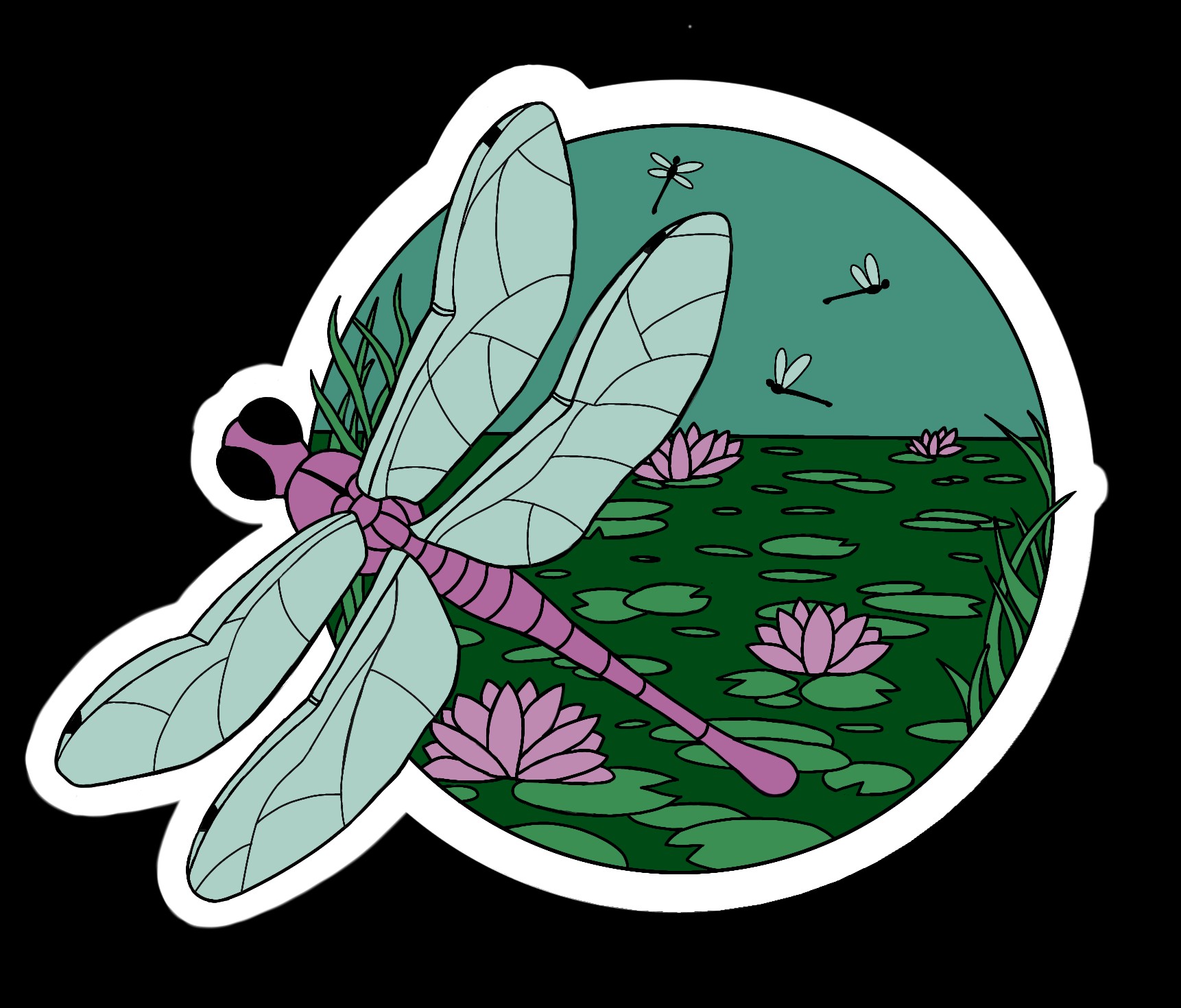
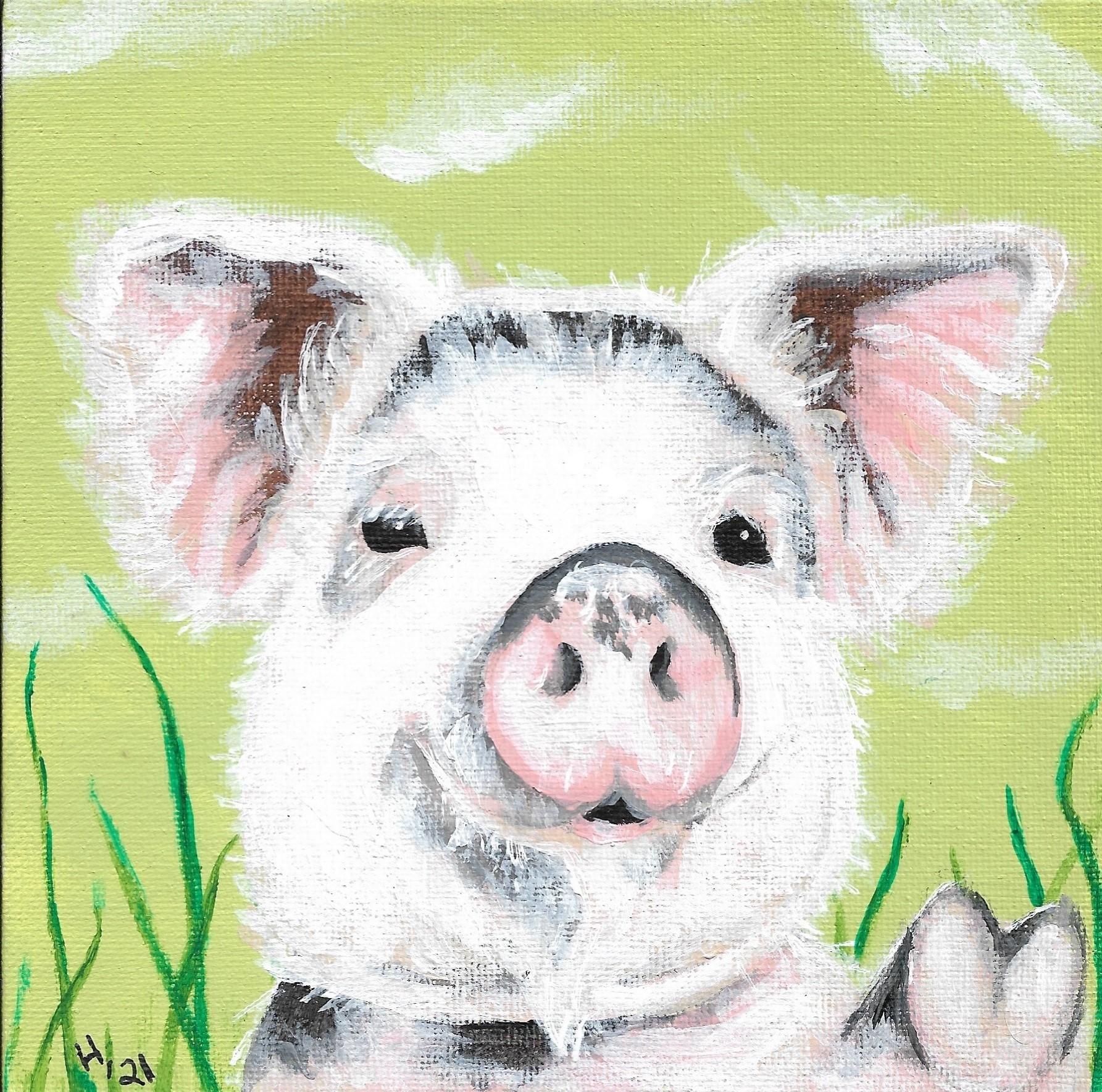
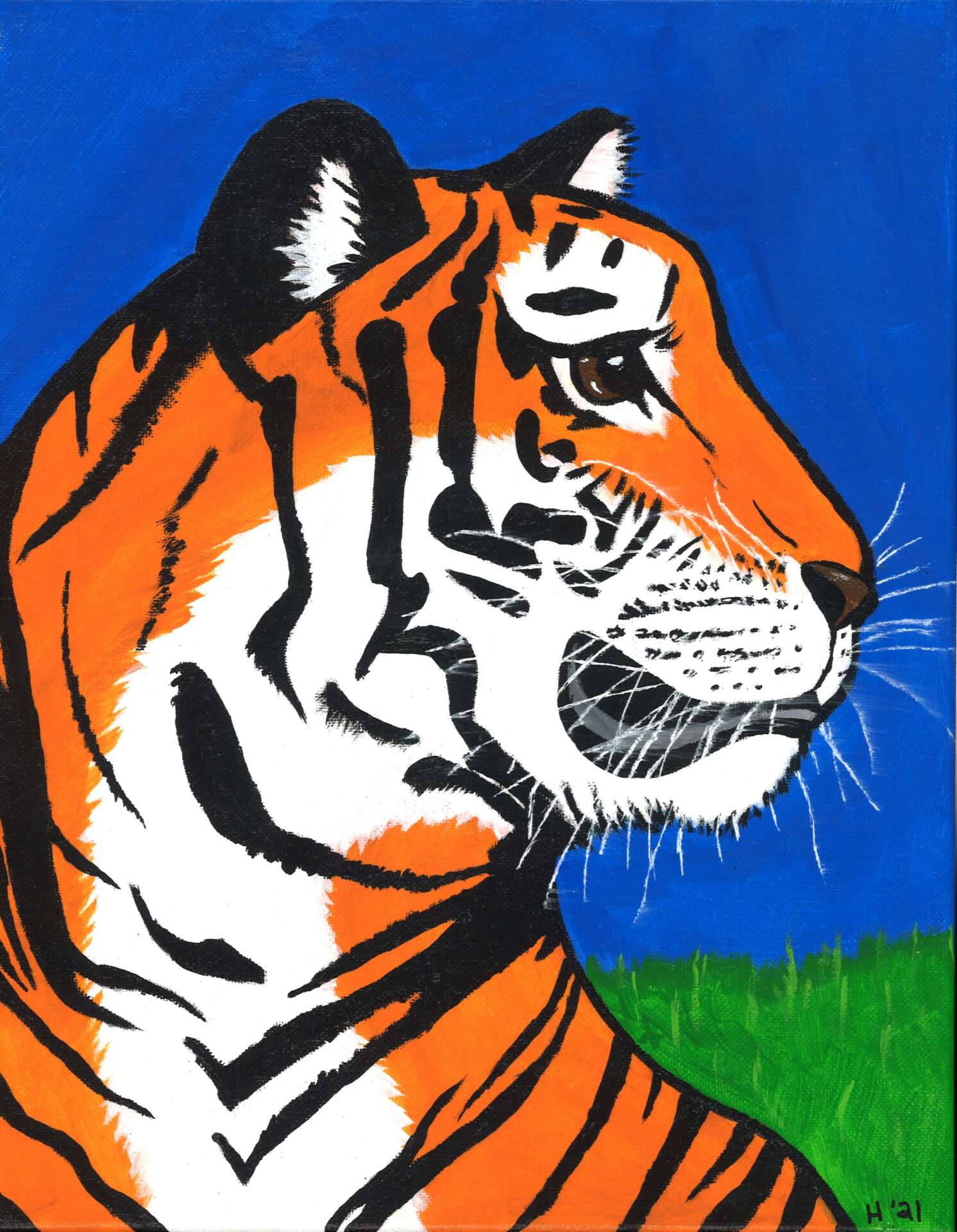
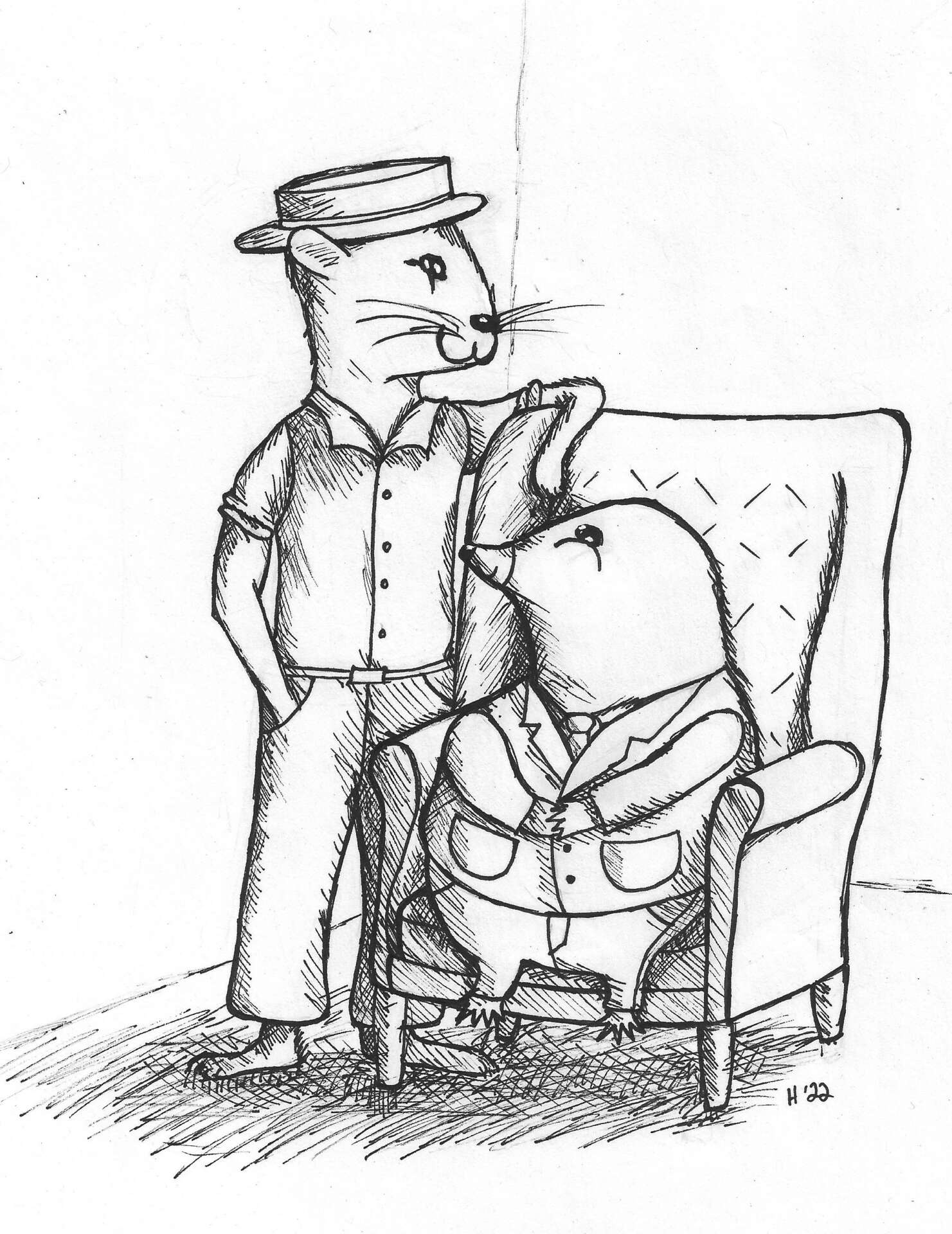
The majority of my custom work is in painting pet portraits, but I also work in comics, illustration, and puppetry. I love animals, plants, and living things, and I especially love creating art that embodies that in some way, bringing life to something inanimate. I create sequential art and comics, traditional art with a sense of narrative, and three-dimensional art that takes up space — especially toys and puppets that can move. At the same time, I make art because I love the sensory pleasure it can bring — touching things, playing with them, embracing the textures of fabrics and paints, and really being present with those things in a visual and tactile way. I use reclaimed materials whenever possible, and try to work in a way that respects the environment and my living inspirations.
What’s a lesson you had to unlearn and what’s the backstory?
I started out in academia, and suffered severe mental health consequences of trying to force myself into a lifestyle that wasn’t suitable for me. I had to unlearn the idea that I had to have a specific stable, intellectual lifestyle to matter as a person and matter to other people. Just because something is valuable doesn’t mean it’s the ONLY thing that’s valuable. A flexible, creative, unpredictable lifestyle is more sustainable for me, and my life is valuable no matter what.
In your view, what can society to do to best support artists, creatives and a thriving creative ecosystem?
I think we need to understand that everyone is different, and embrace the diverse experiences and abilities we have. We can’t depend on a capitalist society. We’re working ourselves to death in an attempt to survive, and as long as that’s going on, we aren’t supporting our artists and creatives. It shouldn’t be brave to carve out time for art and expression. It shouldn’t be hard to find time for that.
Even within the creative ecosystem we have now, neurodivergents and people with disabilities have a lot to offer and express, but don’t have equitable access to the outlets and opportunities that neurotypical and able-bodied artists have. A wheelchair ramp allows access for a person using a wheelchair, but how many art guilds provide detailed online instructions for how to join and participate in that guild? Autistic people like me may never be able to visit without those instructions and a clear understanding of what we’d be joining, but so many people brush it off with a “just call and ask” or other hurdle that’s insurmountable (or not worth the effort to surmount) for a person with a disability. Even something like small adjustments to community websites would go a long way to better support artists who want to participate, and that’s just one example.
Contact Info:
- Website: https://hannahgivens.com/
- Instagram: https://www.instagram.com/h.makes.art/
- Youtube: https://www.youtube.com/channel/UCrnirs1CKUE_Qo3tpbViRGQ
- Other: Redbubble – https://www.redbubble.com/people/H-Makes-Art/explore?asc=u&page=1&sortOrder=recent