

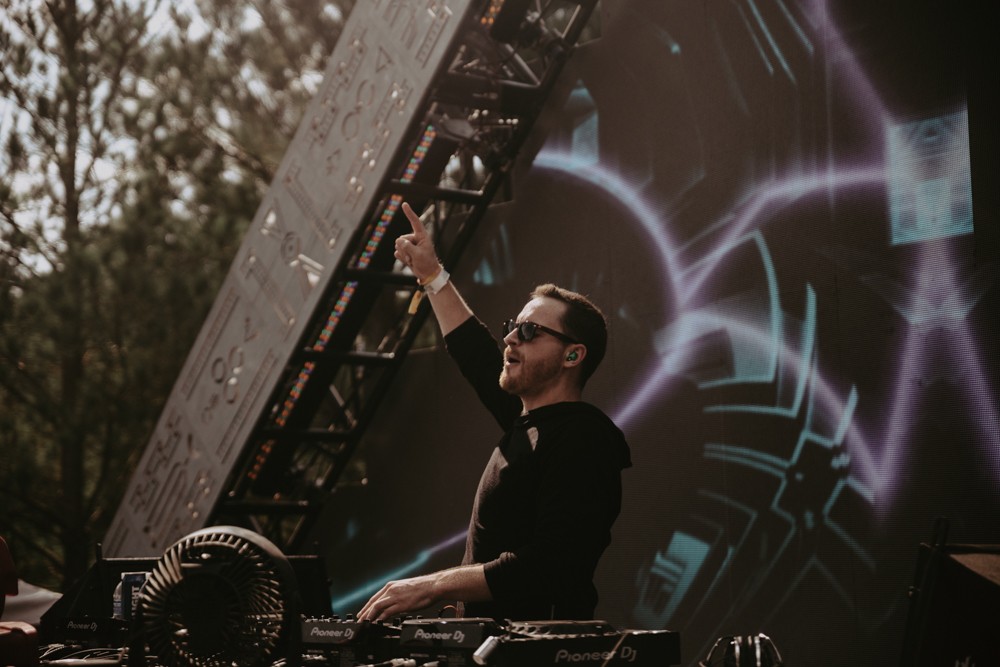

We caught up with the brilliant and insightful JD Farrell a few weeks ago and have shared our conversation below.
Hi JD, thanks for joining us today. Learning the craft is often a unique journey from every creative – we’d love to hear about your journey and if knowing what you know now, you would have done anything differently to speed up the learning process.
I learned to digitally produce and DJ through a collective group of friends and the internet. As a drummer, I was naturally inclined to beat matching and looping which is where my curiosity was peaked. I leaned in on dj sessions of my friends in the local scene and bought a Pioneer XDJ to teach myself. I would play around in my off hours from work, and within the first couple of months I was playing a Tuesday night show every week for my friend Josh at Red Martini. I would use each gig as practice and took them very seriously, but it still wasn’t enough for me I needed more, so instead of just focusing on djing I shifted to digital audio production. I was lucky enough that not just one but a few of my close friends were successful producers. I’m sure my tenacity and desire to match my production capability with my ear irked a few of them along the way, but I made sure I compensated them for their time for sessions together. I spent my first 2 years in webinar and live sessions beating my head against the wall until I started absorbing the constructs of sound design. Been an uphill learning experience ever since but I keep myself motivated with more music and creativity.
Knowing what I know now, really the only thing I would’ve done differently is started earlier. I am blessed with the resources and friends that I have, so I’ve been able to speed the learning process up relatively efficiently. I have a background in music and theory which certainly helps, but regardless of your background I would still recommend getting a mentor that really knows sound design, watching a lot of YouTube videos (couple of my favorite accounts to follow are ZenWorld and Yalcin Efe), and signing up for sound design courses through Sonic Academy, Dharma, Icon, or one of the endless resources available online. There are some cool accounts to follow on social media as well. I would recommend ones that involve the production tools you use like Arturia, Waves, Soundtoys, Fabfilter, u-he, xfer, etc. to help you polish your skills and overall understanding of your workstation.
Looking at the obstacles that have stood in my way of learning more they all come back to one thing – me. I am my biggest obstacle in learning more, as are you. We all have those days where we throw in the towel a few minutes early, or those evenings that we don’t follow through with our plans because we’re too tired, or whatever the excuse at the time may be. If I could take those times back and replace them with productive activity, I can only imagine how much further along I would already be. It’s easy for us to get locked into the present and forget that the effort is leading to something far greater in our future. We just have to be patient and give ourselves the chance to get there first. That requires a lot of failure and suffering, but in the long run it’s what makes the end result that much sweeter.
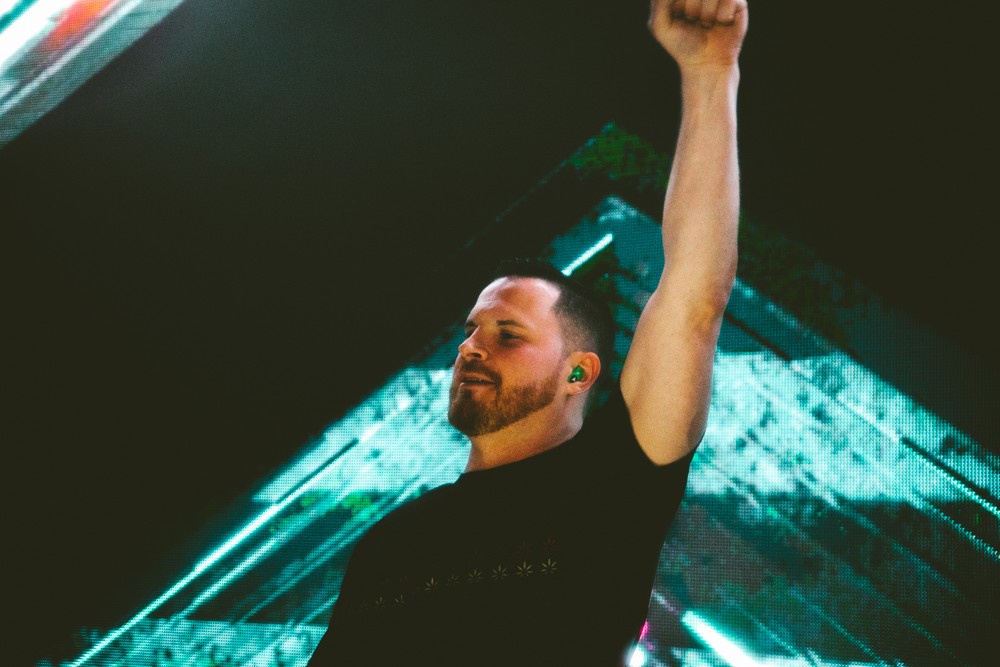
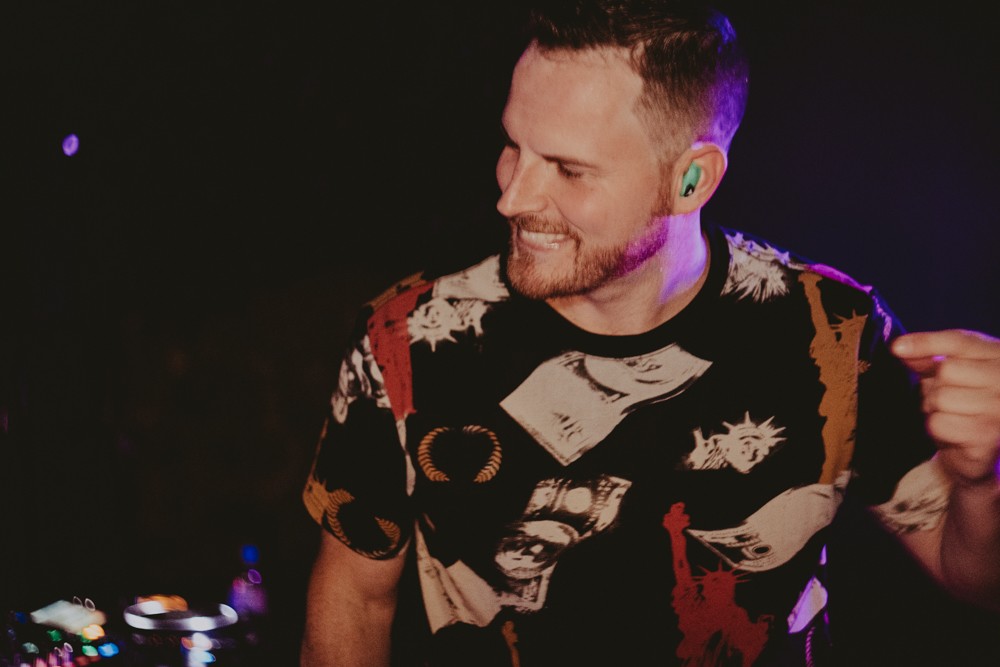
Awesome – so before we get into the rest of our questions, can you briefly introduce yourself to our readers.
I’m an artist born and raised in Metro Atlanta, currently residing in the city. I’m a staunch patriot and am proud to be a native Georgian, and hope my fellow Atlantans can help rally behind me so I can continue along this journey of bringing more of my music, our music, to the ends of the rest of the world!
What can society do to ensure an environment that’s helpful to artists and creatives?
Society doesn’t do too bad of a job of supporting artists in my opinion. Unfortunately, it seems as though those that hold job titles that involve supporting artists and creatives are the ones that probably need the most work. Management companies monopolizing talent, booking agents taking advantage of support or lower tier artists with minimal pay, systems designed to generate revenue streams that don’t payout the artists that actually created the product. Just a few areas to raise awareness. My best advice to society is to support your friends and local talent the same as your favorite artists. You’re the real reason anyone makes it!
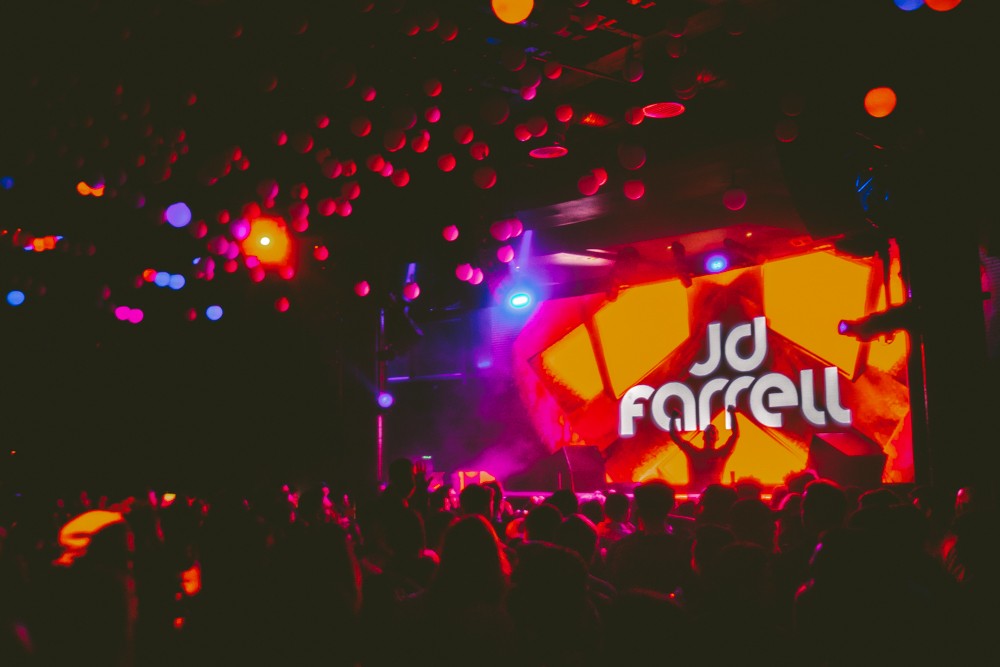
For you, what’s the most rewarding aspect of being a creative?
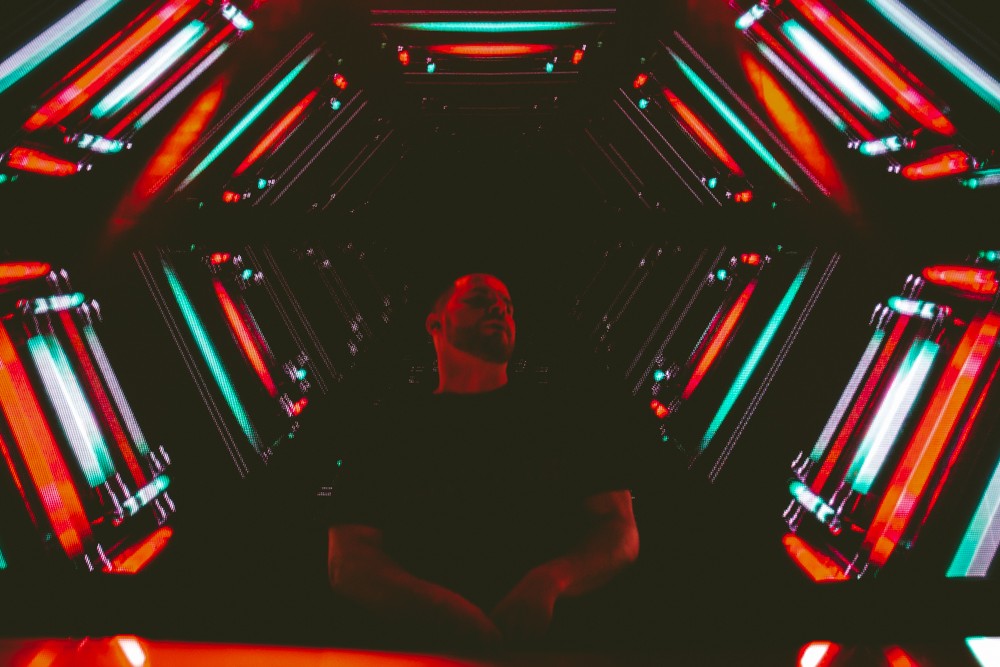
I feel like there’s a mutual consensus that as an artist the most rewarding aspect is seeing and hearing your music go off. When the drop kicks in and the crowd is in your hands it’s immeasurable how great of a feeling of accomplishment it is to see your work making an impact on other people’s emotions.
Contact Info:
- Instagram: https://www.instagram.com/jdfarrellmusic/
- Facebook: https://www.facebook.com/JDFarrellMusic/
- Youtube: https://www.youtube.com/channel/UCgq67K-PDKf_m_d1RATd9og
- Other: Spotify: https://open.spotify.com/artist/2W3bOfEGAQZwZbsKDJ9IsZ?si=N7-uu-K1S2O88yjhYXPo-w SoundCloud: https://soundcloud.com/jdfarrellmusic
Image Credits
Nolan Echols @aeyevisions