

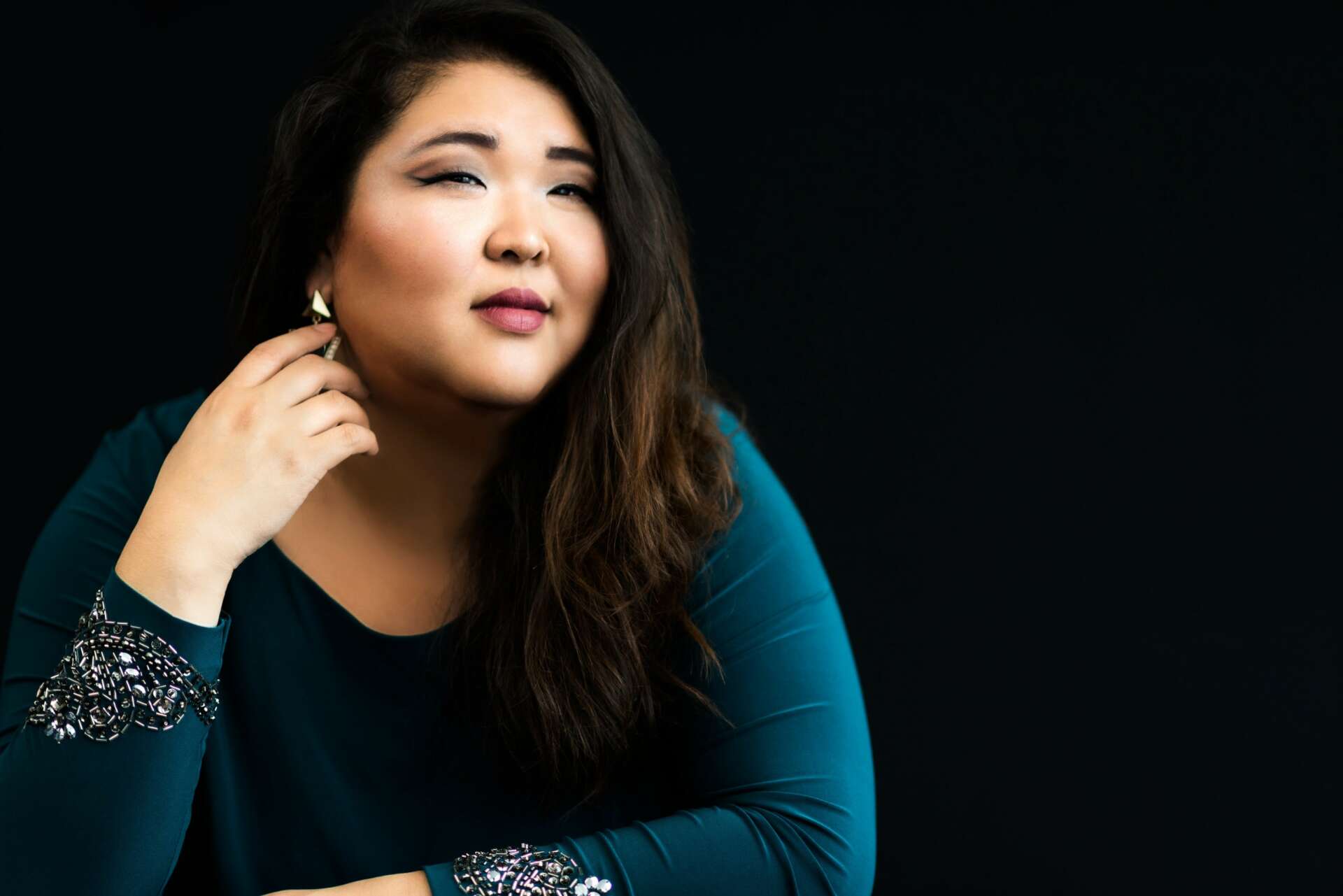

Alright – so today we’ve got the honor of introducing you to Alice Chung. We think you’ll enjoy our conversation, we’ve shared it below.
Alice, thanks for taking the time to share your stories with us today Can you talk to us about how you learned to do what you do?
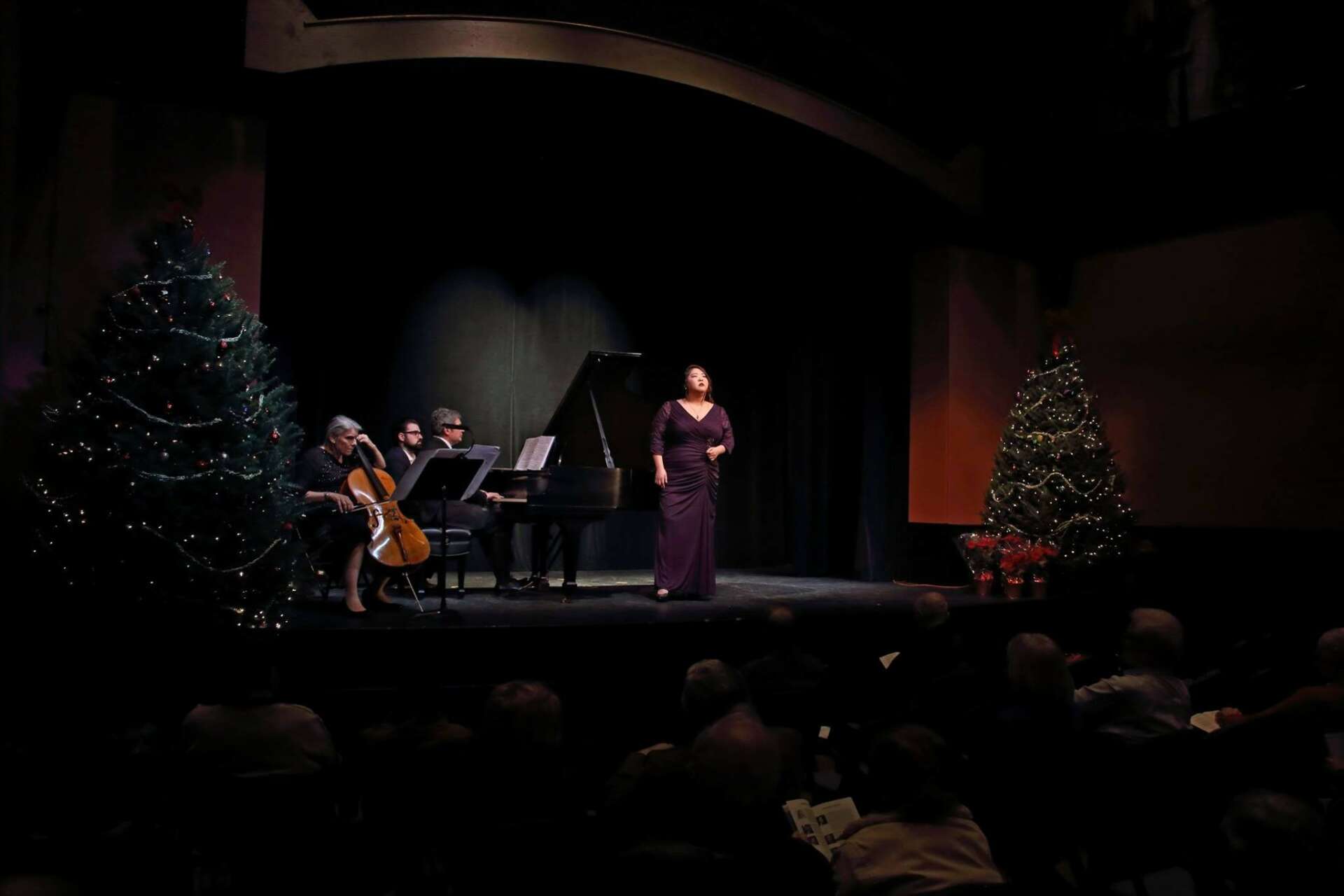
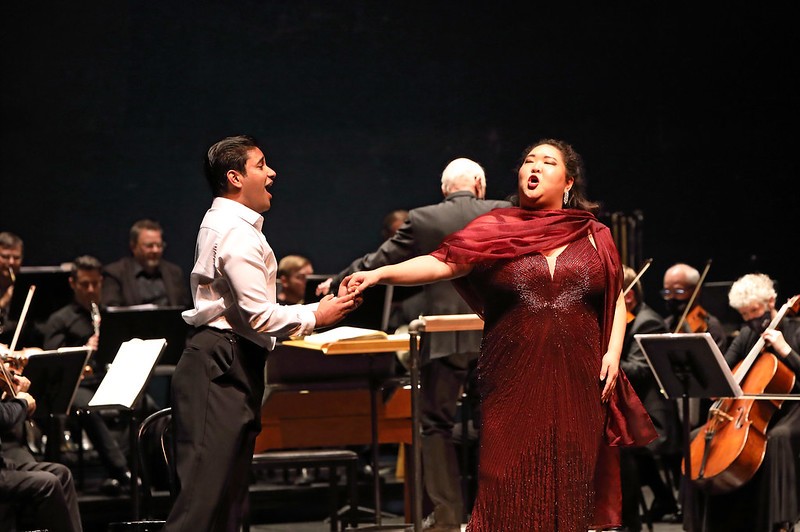
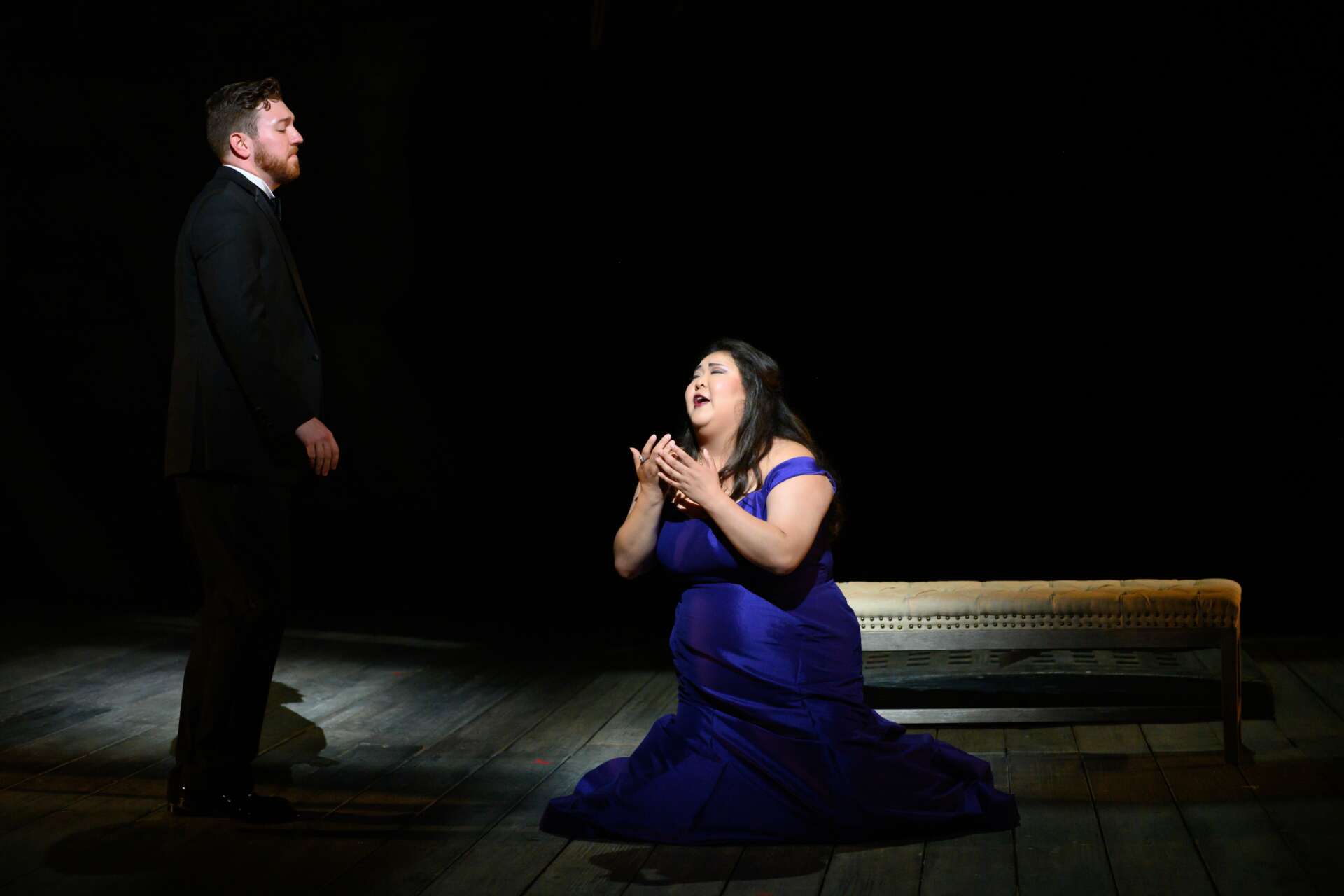
When I tell someone that I’m an opera singer, I think people usually think about the glamor and the glitz of being on stage, making loud sounds, and being dramatic. On occasion, I’ll have someone who takes a step further and asks me about learning and singing in different languages or sometimes even being physically prepared to sing in any pose, sitting, standing, running, upside-down, etc. But when singers talk with other singers, the shop talk shifts to topics that many people don’t think immediately think about when discussing show business: Mentality.
When your instrument is within you and you can’t really see everything that’s going on, we leave a lot to the mind and our technique to achieve the sound we want. This becomes even more particular based on where you are in your vocal journey, your physical age, your physical condition, and last, but not least, the weather. If I could go back and tell myself that my paranoia in catching a cold or singing incorrect notes caused more physical and mental harm that good, I would. As singers, the most underappreciated system of our life is the mind. Our mind can fortify our singing, remind us to safe that extra breath to complete a phrase, empty the daily struggles while we perform and practice, embody another being, and visualize our performance. Without our minds, music would just be sound and art would be without artistry.
This is something that every opera singer, every artist needs to find on their own. Because each individual is their own, I wouldn’t rush the process because the process is the part that is crucial to building up what makes them unique. I would hope that my thoughts on mentality would help guide what each artist wants to achieve and help people be kinder to each other and themselves. The only obstacle that may stand in the way: the mind. Just as much as the mind can be a superpower, it can also be closed off and debilitating. Sometimes it’s a chemical thing, sometimes it’s can be easy as flipping a switch. That’s why there is no speeding up, no quick fix, and you don’t want to speed by the journey. That’s where the magic happens. So the next time you’re getting to know an opera singer, ask them about their mind, not just their voice!
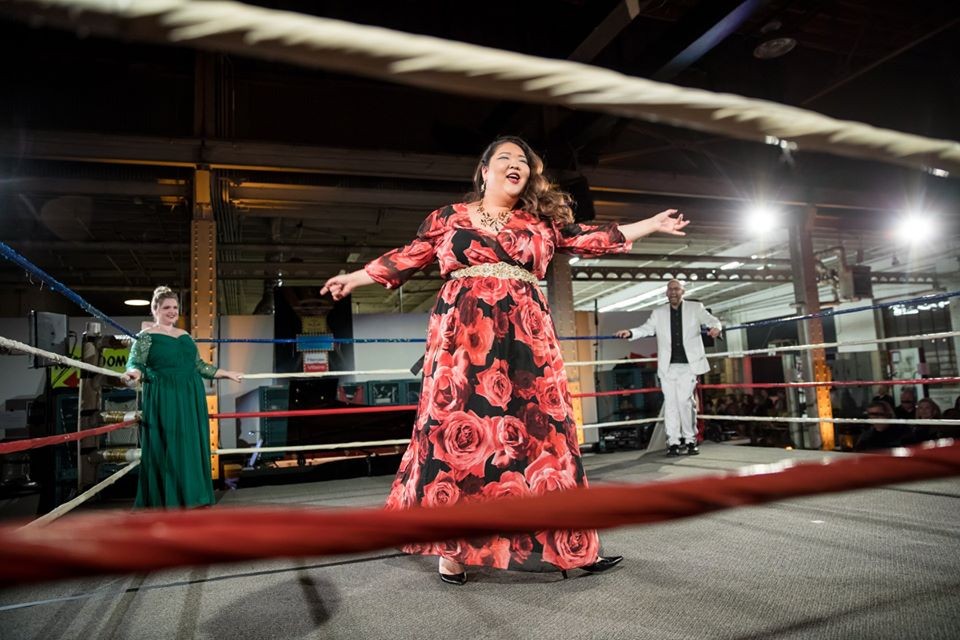
As always, we appreciate you sharing your insights and we’ve got a few more questions for you, but before we get to all of that can you take a minute to introduce yourself and give our readers some of your back background and context?
I always wanted to take voice lessons. No matter what I ended up doing, singing was always a big part of my life. When I finally had the opportunity to do so in college, I was lucky enough to be supported by all the faculty and my peers to consider opera singing as a career. Without them, I would not be where I am and in this industry. I never ended up getting an actual degree in music and I think it helped motivate me to work harder, not to prove to anyone that I belonged, but moreso because it was fun and challenging, much like leveling up in games. But ultimately, what struck a chord in me was a song composed by Johannes Brahms. I had never experienced music and text in such a deep level and that is what made me fall in love with classical music, not my decade-long experience of piano funny enough.
I think I am most proud of the work my colleagues and I have been doing through our arts and advocacy initiative Wear Yellow Proudly. Through this initiative, founded as a response to the spike in anti-Asian behavior and xenophobia due to COVID-19, we have been working towards the wider understanding of the vast people of Asian people and an appreciation for their art and cultures. It’s been a very insightful experience and helped me find my reason to be an artist, what it means to be artistic, and what I want to share through my artistry. I encourage all budding artists to explore many different avenues of creation and marrying your fortes.
What do you find most rewarding about being a creative?
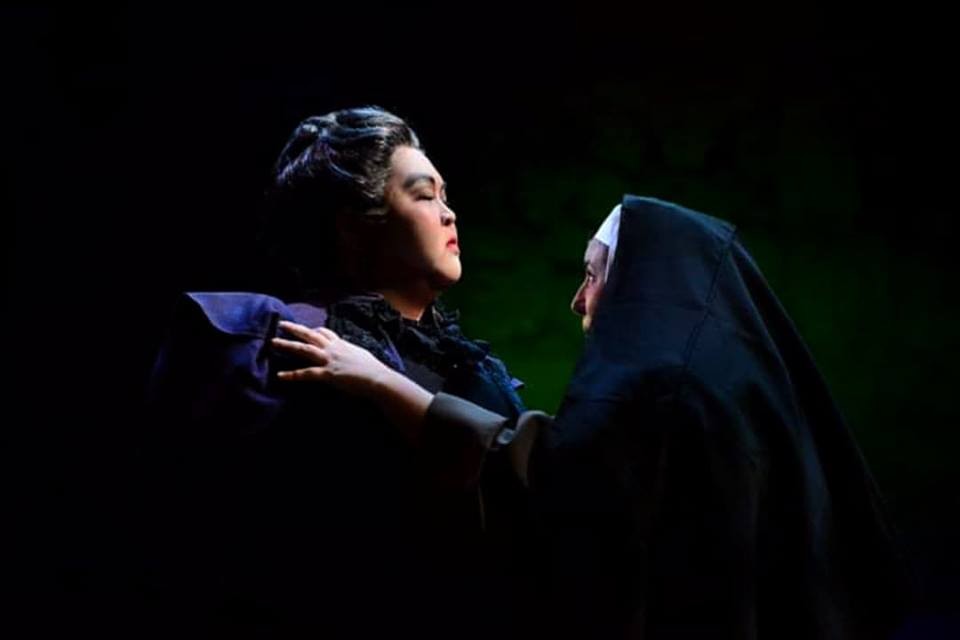
To me, the most rewarding aspect of being an artist is being able to control the narrative. For me, the medium to control the narrative is recital. As much as I love embodying different characters in opera and the dramatic stories, I’ve also come to realize that as an Asian-American woman, these stories are not and will never be MY story. I may be able to relate to some themes and concepts and aspects of being a woman, but my story, at the moment, isn’t an opera. In recitals, I can control what I share about myself. I can build my own story, whether it’s about me or someone else. The intimacy of the recital stage is so powerful and limitless as well. It’s when I truly am the most vulnerable, when I’m not wearing the makeup and costume of a character, when I’m not putting on the air of witch, or even when I’m not even singing words that I don’t believe in.
How about pivoting – can you share the story of a time you’ve had to pivot?
The weeks leading up to my decision to pursue the arts were a few of the hardest weeks in my life. I previously had been studying to be a doctor, then a psychologist, then a sociologist, which is the degree I ended up with. As a child of immigrants, to pursue the arts meant that I would be starving and struggling to pay the bills. It would mean that I would be wasting my life and wasting away. But the one thing that I couldn’t live with was regret. I was tormented by my practicality and my beliefs of what a good Asian-American would do. The risks and the unknown were vast and at the time, I certainly knew nothing of the industry. But, I took a chance, because if I knew that I had to. Because if I didn’t now, I didn’t know when my next opportunity would be, or if I would have one. I took the risk because I felt this was something worth pursuing, despite many other things I could do. I chose this path not knowing where it would lead me because it made me feel something the other options didn’t. I questioned whether or not the support I was getting was honest or false. I questioned whether I would even be accepted into other programs. I questioned whether I would be successful. And I also still question the meaning of success. I questioned whether my industry would be ok with the onset of Covid-19. I never run out of questions, but I also never run out of faith – faith in myself, my supporters, and what I bring to the table.
Contact Info:
- Website: alicechungmezzo.com
- Instagram: https://www.instagram.com/chungyac/?hl=en
- Facebook: https://www.facebook.com/alicechungmezzo
- Youtube: https://www.youtube.com/channel/UCLGchXzW6uOSoqxJFS98OIA
- Other: www.wearyellowproudly.org
Image Credits
John Matthew Myers, Don Valentino, Kristen Loken