

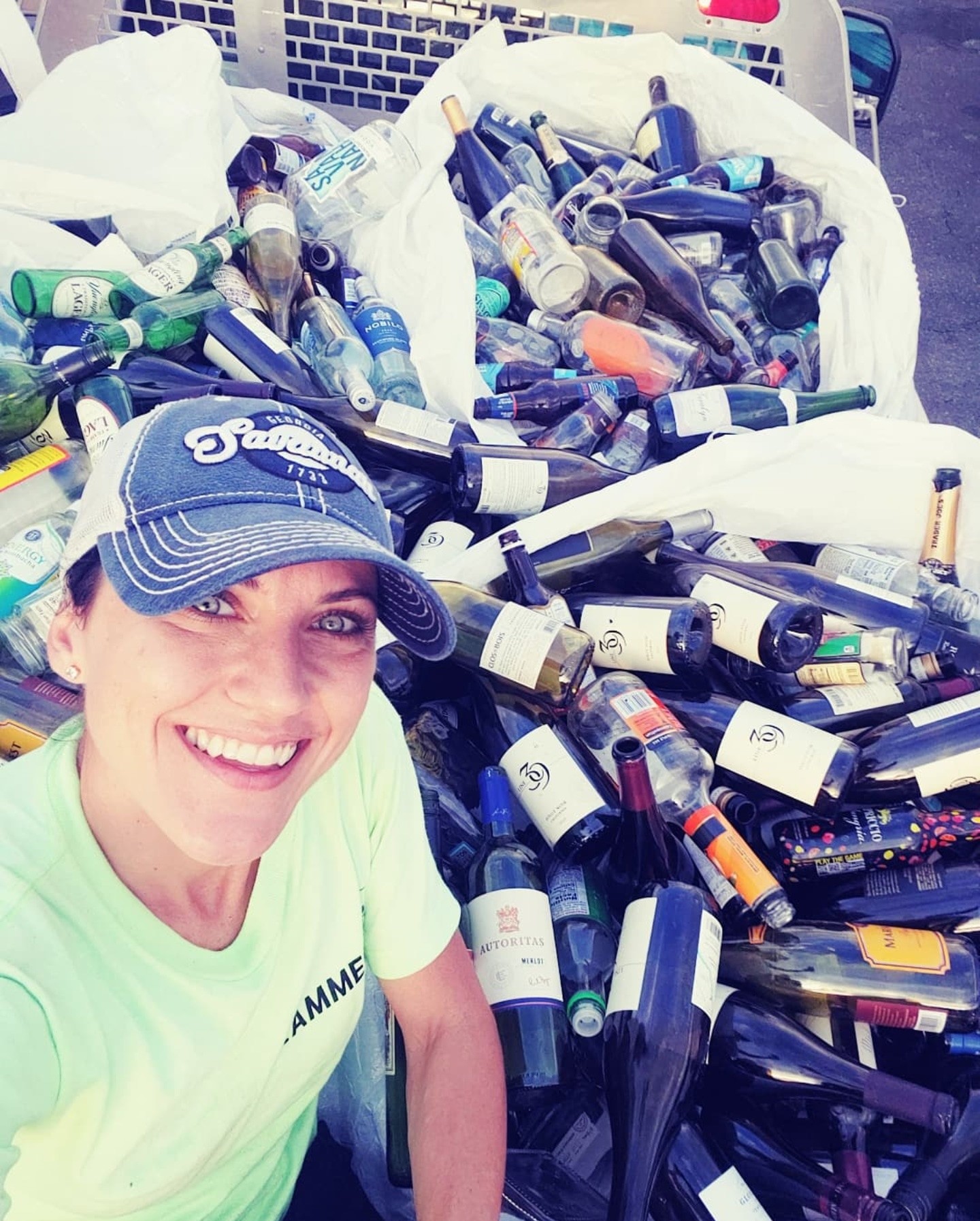

We’re excited to introduce you to the always interesting and insightful Malena A. Gauss. We hope you’ll enjoy our conversation with Malena A. below.
Hi Malena A., thanks for joining us today. Risk taking is something we’re really interested in and we’d love to hear the story of a risk you’ve taken.
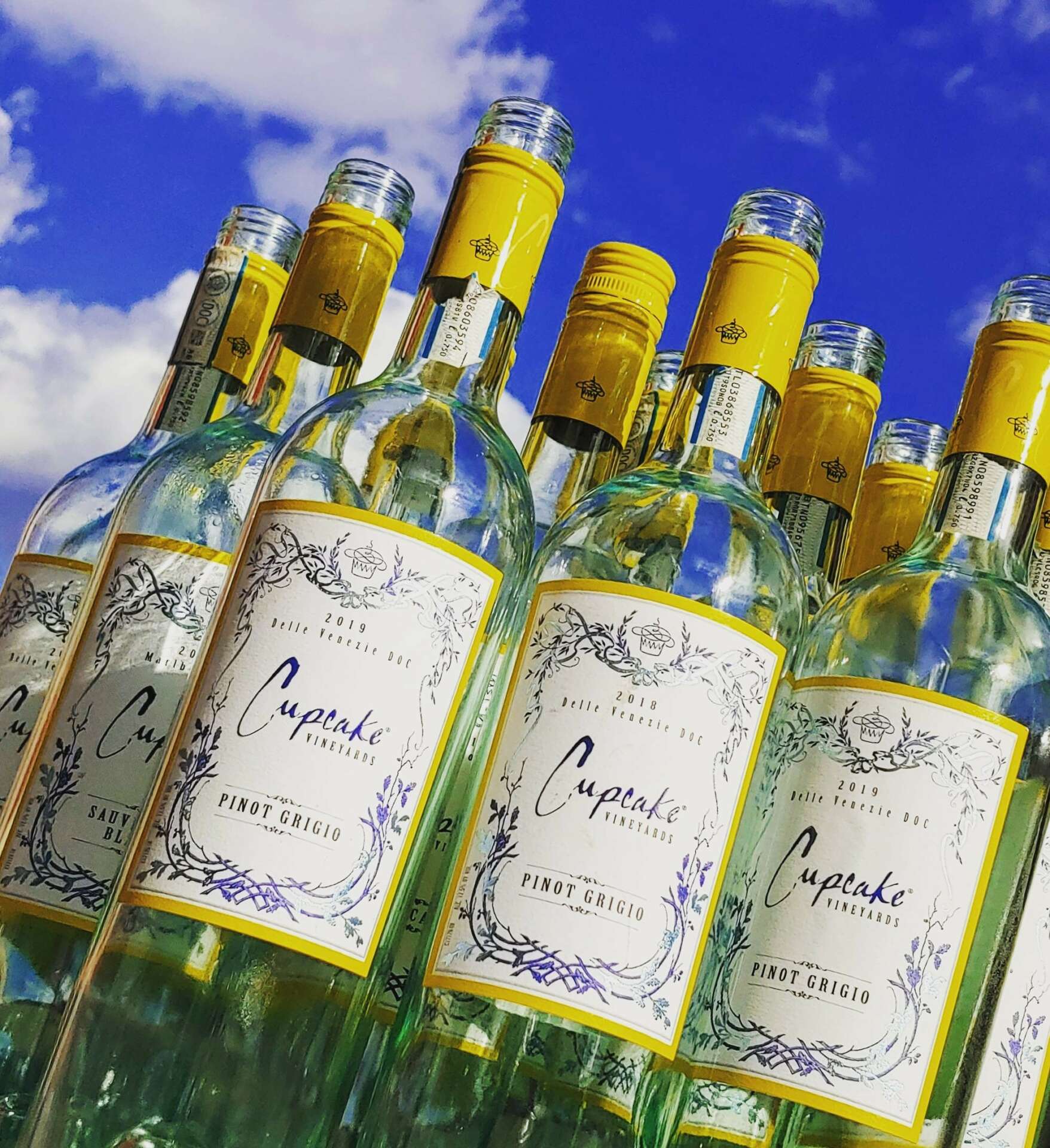
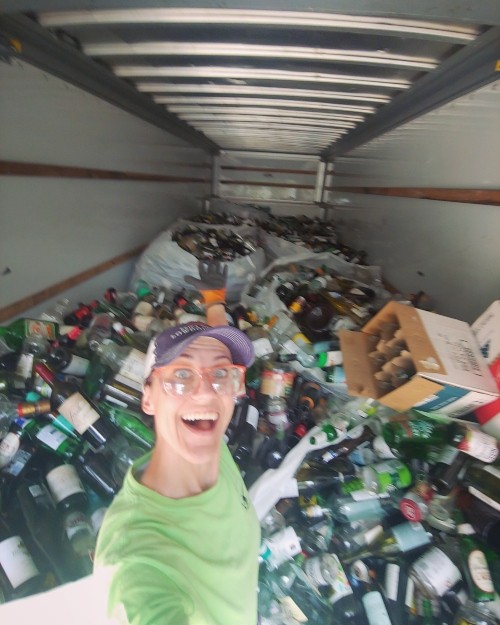
With a diverse background in Corporate Sales, Interior Design and Hospitality Management, being an entrepreneur came naturally to me. After traveling extensively for almost a decade, I landed in Savannah, GA. What was supposed to be a brief stopping point to reset and recharge, swiftly turned into my full-time home. I took everything that I had and invested it into opening a lighting and restoration showroom in January 2020. Most of the products were refinished, rewired, redesigned items that I salvaged from my many adventures “picking” through old warehouses and junk piles. I also created a custom line of drinking glasses cut from local Ghost Coast Distillery glass bottles. The tops were turned into light fixtures. This led me to have hundreds of glass bottles sitting in the stockroom! In March 2020 when the entire world came to a screeching halt and all commerce was forced to close, it was pure mayhem. Entrepreneurs don’t ever open a business with a fall-out plan (and certainly not one for a worldwide pandemic) because in our minds, failure isn’t possible; it’s part of the madness that pushes us to take insane risks. The only option at that time was to adapt. Sink or swim. Fight or flight. I had less than a week to clear out the showroom, stock and all. With over 400 cases of glass bottles on hand, I started calling to find somewhere to recycle them and what did I discover? The entire region, including our own municipality collecting them in recycling bins, was shipping the glass straight to the landfill!!! Say what now?
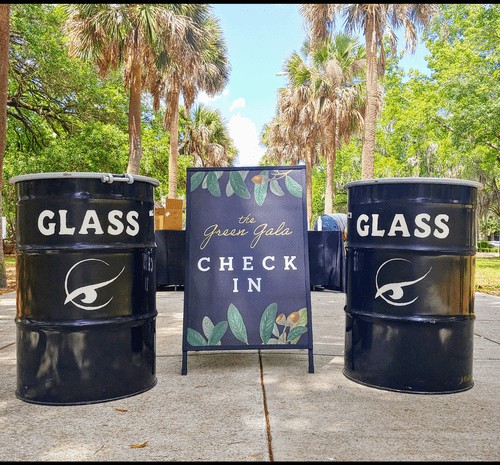
I immediately jumped into action: Hauled the showroom inventory into storage, loaded 400 cases of glass bottles into my second-story apartment and got to work. With $84 to my name, I bought a small stack of bins –stenciled the word “glass” on the side, handmade paper-mache business cards and used my SUV to build the first dual-stream, closed-loop glass recycling business in the Southeast.
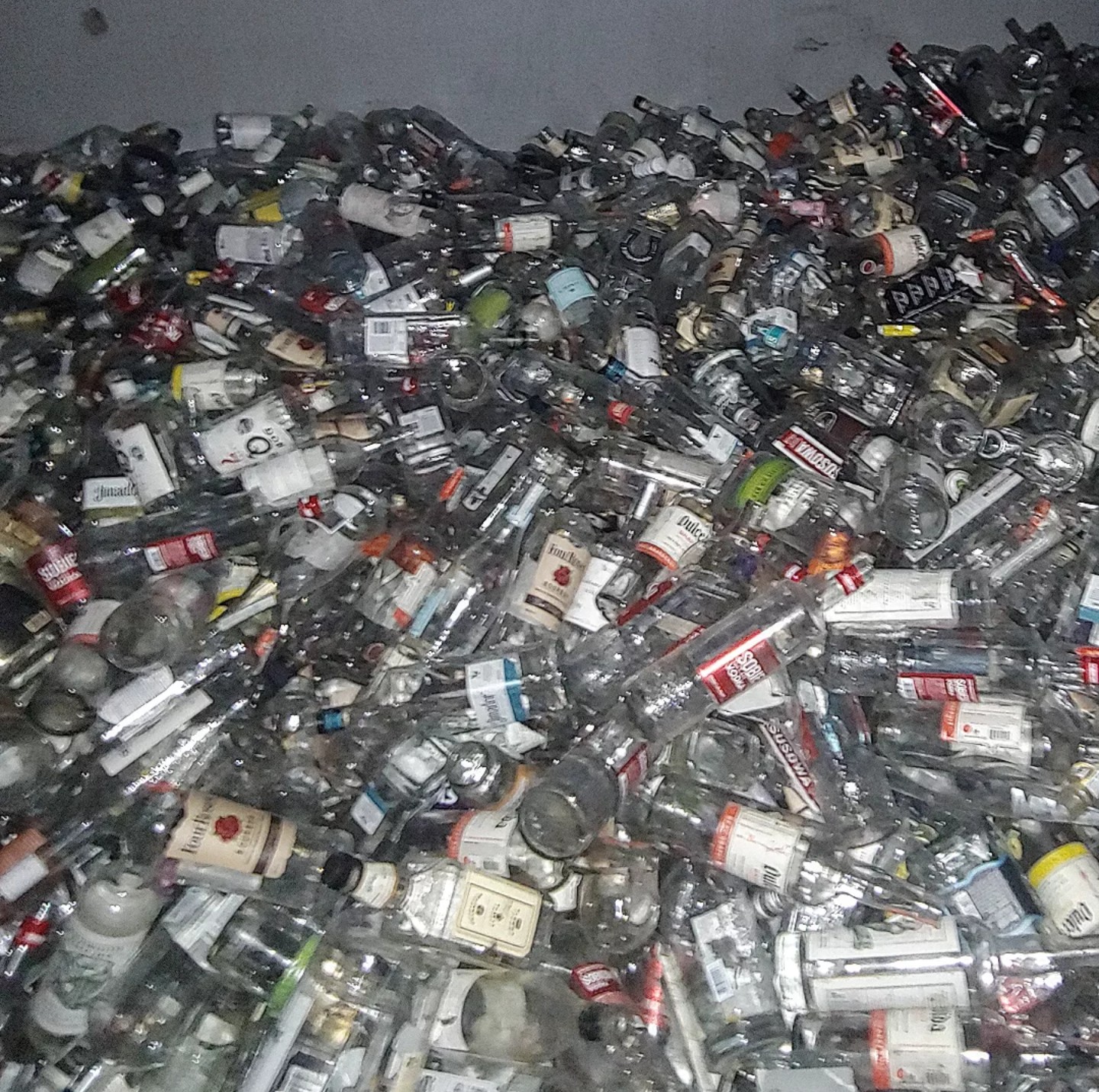
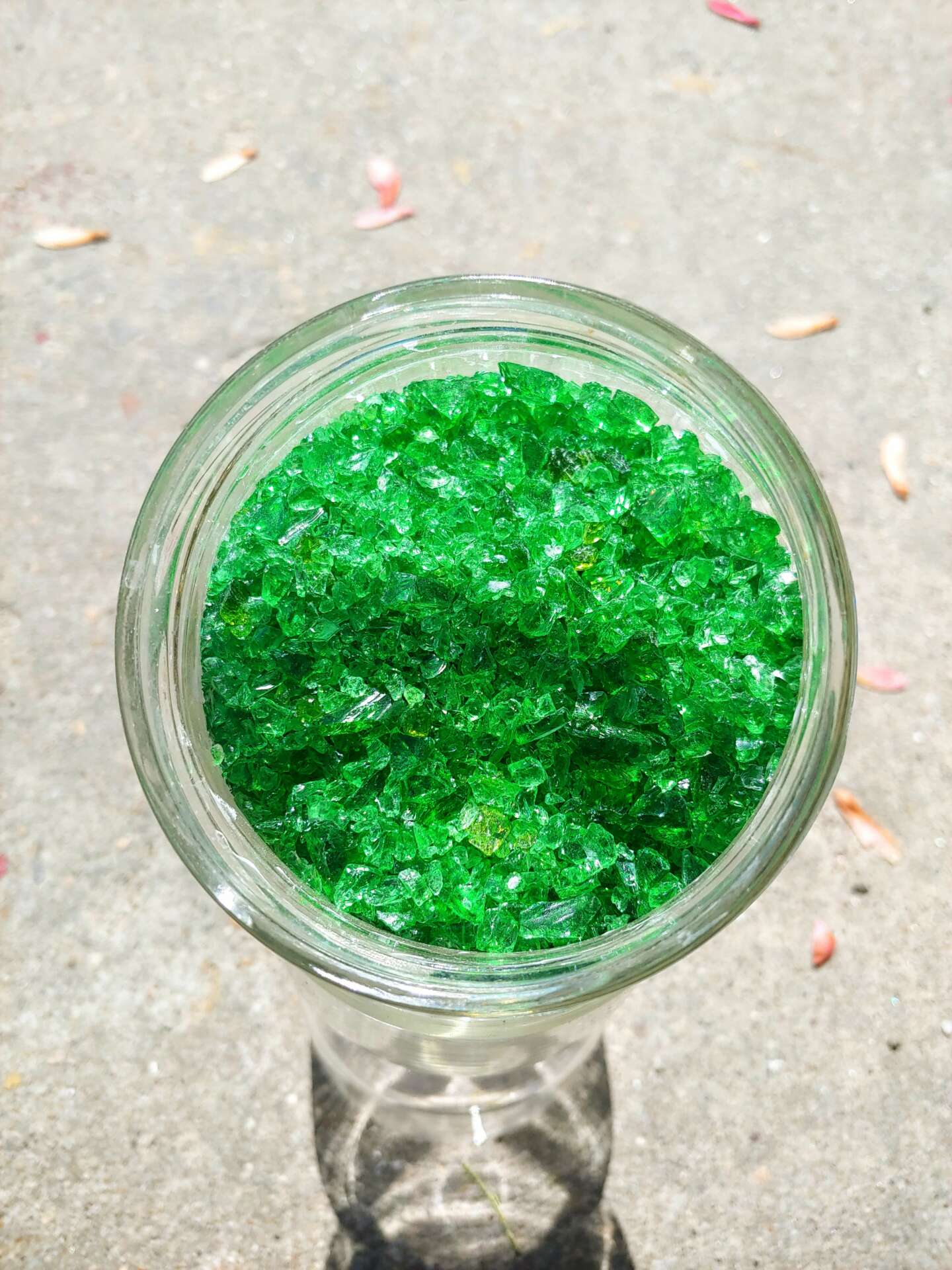
Today we save hundreds of tons of glass from the landfill via our dual-stream collection routes, where we then sort/clean and process the material back into usable high-grade supply for nationwide end markets. As an infinitely recyclable material, glass will never degrade in quality no matter how many times you collect and recycle it; using glass in place of raw material drastically reduces harmful impacts that are wreaking havoc on our environment. It also reduces waste volume by making use of a material that has senselessly been going to the landfill unnecessarily. In addition, we link up with artists, makers and retailers looking for more sustainable and readily available packaging solutions, providing wholesale glass containers at below market value. Glass is the only packaging material that is noted by the FDA as being a safe alternative to plastic, which is proven to leach chemicals into products over time.

As always, we appreciate you sharing your insights and we’ve got a few more questions for you, but before we get to all of that can you take a minute to introduce yourself and give our readers some of your back background and context?
I’ve always been a bit of a renegade in life. With a maternal bloodline of moonshiners and a paternal heritage of Blue-Collar German tracing all the way back to a renowned mathematician, it makes for a bold set of characteristics wrapped up into one 5 foot tall me. I believe that we make our own luck, but timing does play an integral role as well. With the flop of my first Savannah based business as a result of the pandemic, I was just trying to survive. When I discovered in my area that post-consumer glass was being collected for recycling but going to the landfill anyway, it came as no surprise when I decided to dig my heels in and do something about it. Besides, going forward and up was the only direction left. Without trying to sound like a 90’s motivational poster, it’s what you do after you fall that matters the most. I was simply a frustrated citizen that wasn’t getting any results and refused to landfill what I knew could be recycled and reused. As a woman in a male dominated industry, I am constantly faced with prejudice and condescension. It can be very discouraging, but I wake up every day truly believing in my solution to this problem and there is not anything that is going to stand in my way. I’m also not afraid to walk away from anything or anyone who tries to discourage or take advantage of me. I have had several business opportunities to rapidly scale but at what cost? Rest assured, I will never compromise my integrity or my core values to get ahead.
My company stands for true environmental sustainability by recycling glass. The recycling infrastructure is and has been broken for many many years. There is a baseline foundation of a process but each region, state, county, city and all the numerous private waste management companies within each one, all are doing things differently, some trying to achieve the same goal of actually recycling, others focusing solely on profits. There is a way to do both, but it will not be until we all get on the same page and work together that true and effective change will be enacted. The most important aspect is education. We as consumers WANT to do the right thing, but there is not enough information available to the public regarding the recycling industry. Manufacturers NEED more recycled material and are willing to use it, if ready supply can be made available. Basic economics tells you that’s a winning formula. There is an enormous opportunity for the United States to do it right. After the National Sword Policy was enacted, immediately this was used as an excuse as to why material wasn’t and couldn’t be recycled. What is not being realized fully enough is that we are a world super power of industrial commerce with economies of scale. There are bountiful markets for reuse right here in our own backyards. Of the millions of tons of waste going to the landfill each year, more than half of it doesn’t need to go there. It’s just a matter of bridging that gap between collecting the supply, processing it to be readily available then using our transportation network to get it to the right end market and doing it in a financially viable way. Many say that is not possible. My company is proof that it is. From the consumer to the manufacturer and every other entity on the supply chain in between, collectively we can solve this problem.
What I am building for our community is a pilot-program that can be replicated on a national scale. Instead of focusing on turning glass into something, my business model focuses on keeping glass as-is and simply condensing the volume. Can it be crushed all the way back into sand? Sure. But the market doesn’t support the cost of doing that on a grand scale. Can it be manufactured and transformed into a construction material? Absolutely. But then it’s being removed from the supply stream altogether where bottle manufacturers can’t use it again to make new containers; this in turn, continues the proliferation of dredging for raw material and CO2 emissions which are decimating our environment. By implementing a business strategy of a dual-stream collection service to generate revenue, that funding can help subsidize the cost of recycling the material. Consumers don’t realize just how expensive recycling actually is. There is also a common misconception that it is “free”. What should be clarified is whenever you drop off a recyclable material to a “free” drop-off site, the costs have to be covered somehow. Most of the time it’s by way of your tax dollars and a municipal/state budget allocation. As an independently owned operation, my company does not have access to government subsidies. Dual-Stream collection solves the problem of contamination and generates quality supply with minimal processing that can be swiftly reused by the manufacturing industry. With Georgia being the second largest state nationally for recycled glass end-markets and Savannah being a portside city, the material that my operation recycles doesn’t need to be transported very far to be reused.
Unfortunately, instead of supporting my local-woman owned operation, our municipality stated quite openly that my company was “not capable” of handling the volume and without performing any sort of due diligence, they chose to outsource a glass waste contract to a neighboring state; bolstering big business which will remove our glass from the supply stream altogether. It is a short-term solution at best. Contrary to their opinions, my company is always looking for more glass to collect for recycling and we have no restrictions on volume. The sky’s the limit! By supporting local, residents and businesses are contributing to a circular system that is truly sustainable for our environment.
Can you tell us about what’s worked well for you in terms of growing your clientele?
I cannot express enough how important it is to utilize the local community to feed your initiative. Contact local businesses and inform them of what you are doing and trying to achieve. If there is one thing that I have learned, it is that you will not find a stronger support system than other people who are also local business owners. Through commonly faced challenges, networking and resource sharing there is always someone else who has been through what you are going through now and can help. Communities coming together is a concept as old as time and we all want to see each other expand. Reach out and ask for help, grab a drink and get to know the staff of an establishment, send an email, make contact in whatever way you are comfortable with but never, ever feel like you are alone. The bulk of my early stage business has been solely supported on word-of-mouth marketing.

Do you have any insights you can share related to maintaining high team morale?
Be organized and consistent! Having clear objectives for the day to day as well as long-term goals which helps motivate the team and provides a clear understanding of what and why they are doing the tasks at hand. There are ways to stimulate passion in each individual person. Get to know your staff and their unique set of skills so each role and task suits their strengths best. Assigning group functions drives a sense of collective purpose. There’s a fine line between being a friendly manager and being perceived as a friend. Remain consistent with your position as a leader and that together it is a business that relies on collaboration, cohesion and productivity. Don’t be afraid to delegate and regulate. Personally, as a hands-on manager, I find that when staff see me as the owner willing to jump into the trenches at any given point drives respect and in turn a willingness to persevere.
It’s all about “tone”. Mistakes are going to happen….just don’t lose your sh*t.
Contact Info:
- Website: www.savannahglassrecycling.com
- Instagram: www.instagram.com/Lammergeiersav
- Facebook: www.facebook.com/SAVANNAHGLASSRECYCLING
- Linkedin: https://www.linkedin.com/in/malena-a-gauss-54340455/