


We recently connected with Jacob Spacek and have shared our conversation below.
Jacob, thanks for joining us, excited to have you contributing your stories and insights. Too often the media represents innovation as something magical that only high-flying tech billionaires and upstarts engage in – but the truth is almost every business owner has to regularly innovate in small and big ways in order for their businesses to survive and thrive. Can you share a story that highlights something innovative you’ve done over the course of your career?
Largely, my business is steeped in tradition. Historically, painting is one of the oldest human activities that we have records of, so artists have pretty much figured out every substrate you can possibly paint on by now. We have also built a long tradition of painting on all kinds of canvases of different shapes, sizes and materials….I could go on, but the point is that in such a historic profession, there is little room for innovation as far as product development. (That being said, I do have a couple ideas for new canvases which could be revolutionary, that I will not share with you yet.) The reason I bring all of this up, is that except when I have a client come to me with a very unusual request, I am rarely thinking of how can I invent the next groundbreaking artist’s canvas product that, but rather, I am thinking about efficiency of production and the logistics of moving my products around the state. While a canvas is lightweight, the canvases that my clientele want are large and expensive to ship. So far, I haven’t been able to reinvent the wheel here either, but I have come up with one creative solution that saved my business and has allowed me to thrive in Houston and begin to expand into San Antonio and Austin, while maintaining a small workforce.
In 2020, my wife and I decided it was time to leave Houston and move closer to family. We found a great place in Seguin, TX with a shop nearby that would allow me to make frequent trips to Houston, where the majority of my business still exists, but was much closer to my childhood home just outside of San Antonio. This presented me with one large problem to solve. How do I serve my clients in Houston while working 2 1/2 hours away? The first idea I had was to rent a cheap space and hire a part-time worker to hold store hours. This worked for a while. My clients could stop by 3 days a week and grab their orders or leave paintings for me to take with me to work on, but ultimately this was unsustainable. Even though I had found an affordable place and my part-timer was great, the whole system was inefficient and the cost of labor was very expensive for what I was getting. It often seemed like I was spending more time on the coordinating between my clients and my employee when and what products were supposed to be picked up and dropped off than it was worth.
This is where the innovation comes in. After about 6 months of trying to make this system work, my employee put in a 2 weeks notice. We had to figure out a solution and fast. We called several other businesses to try and work out a deal where we could rent space from them and my clients could pick up or drop off during their business hours, but this created a whole different set of problems. This idea especially didn’t seem to be worth it for the other businesses. We thought about hand delivering each order right to the client’s door, but there was no way I could keep up with those deliveries and I couldn’t find a driver with a truck or van big enough to deliver large canvases anyway. Finally after a very stressful couple of weeks and a lot of late nights brainstorming, we asked the question: what if we could let people in with a smart-lock?
This turned out to be a game-changer. It turns out that the technology to set up a completely remote location not only existed, but were readily available and affordable. We found locks that could be opened remotely with an app on the client’s phone and motion sensor security cameras to monitor our clients while they are in our studio. All of which can be accessed conveniently from our phones. We quickly found a better location and set up shop. We have been working this way ever since and even have plans to expand this system to locations in other cities in the future.

As always, we appreciate you sharing your insights and we’ve got a few more questions for you, but before we get to all of that can you take a minute to introduce yourself and give our readers some of your back background and context?
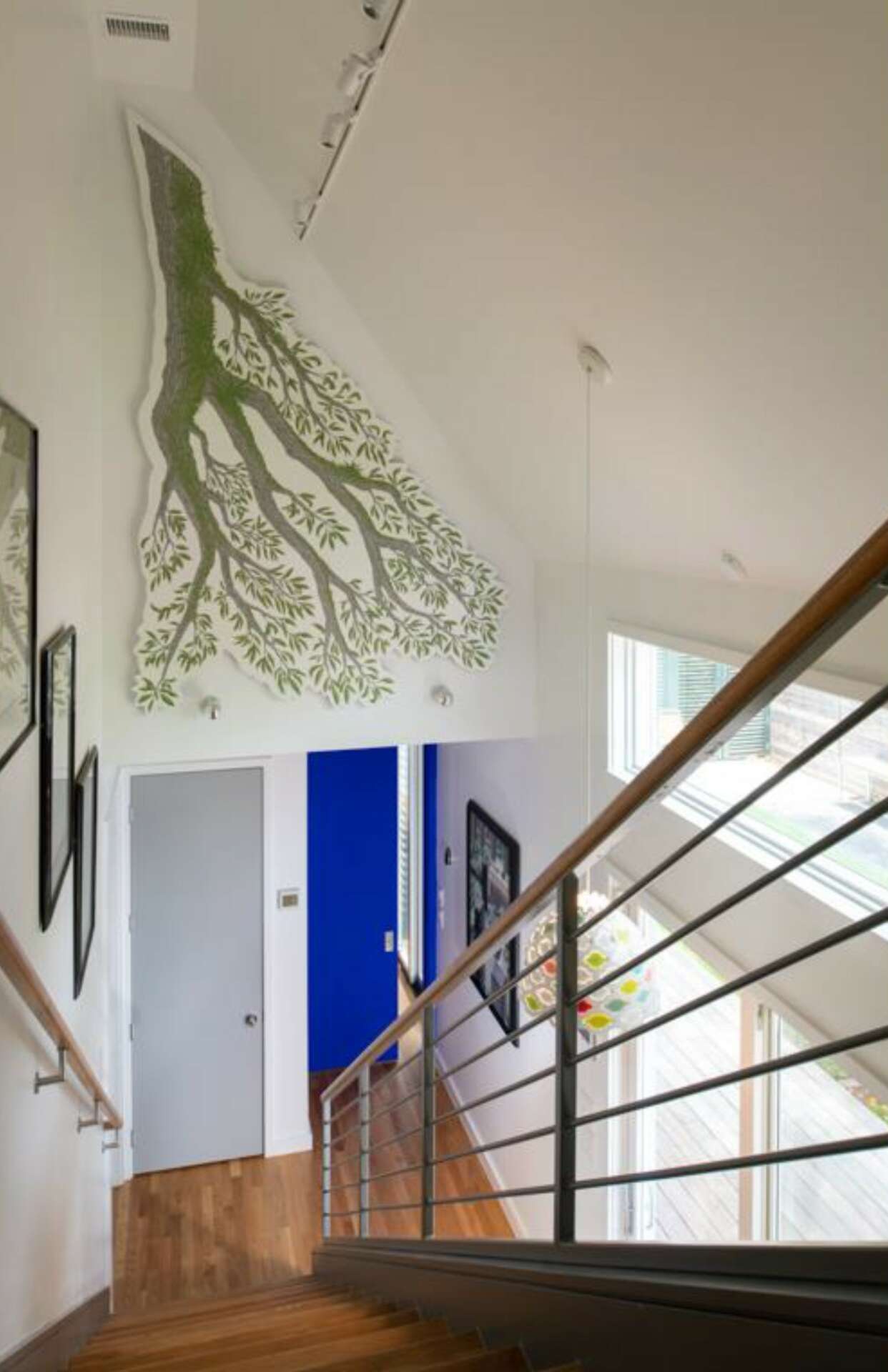
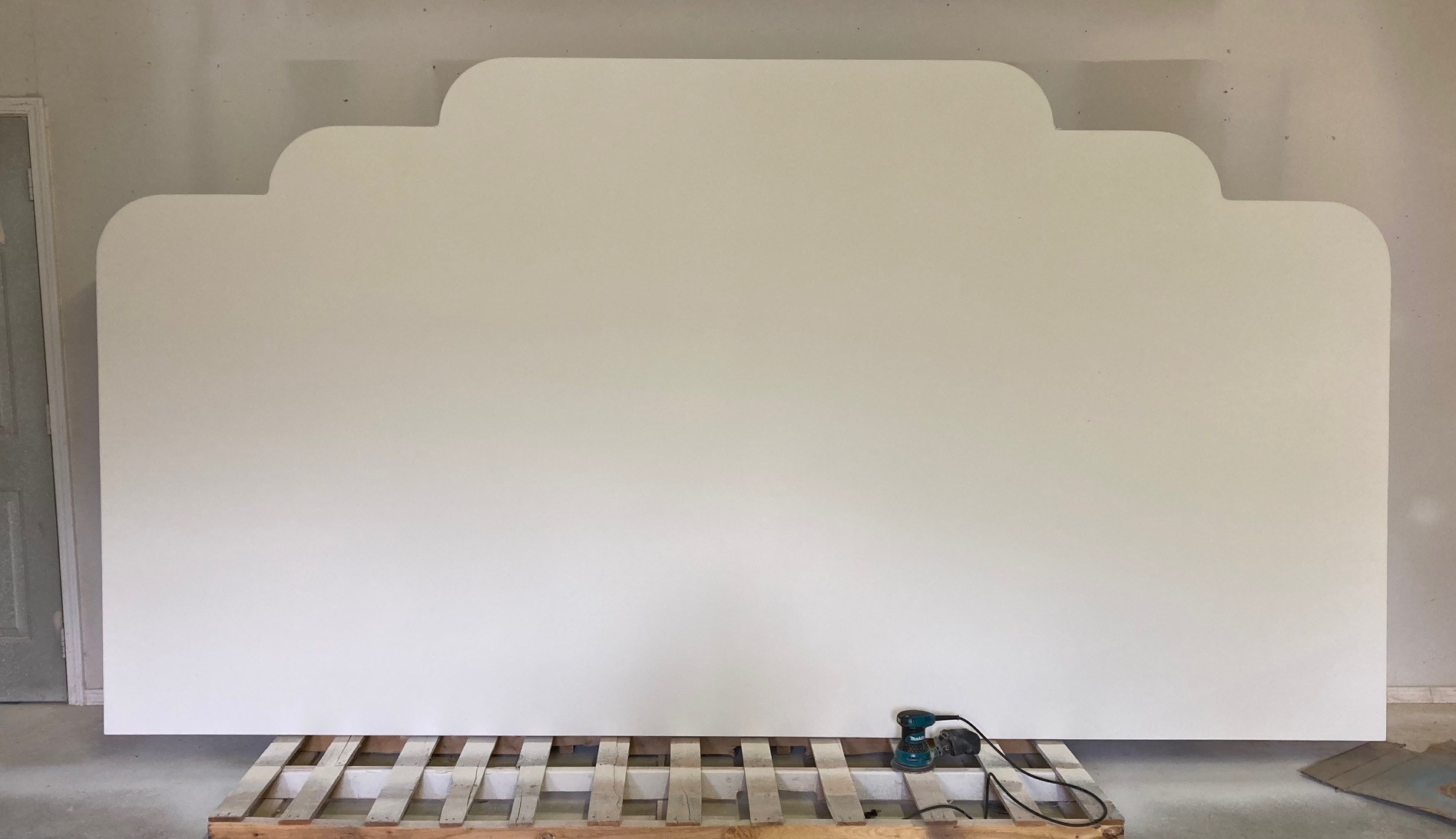
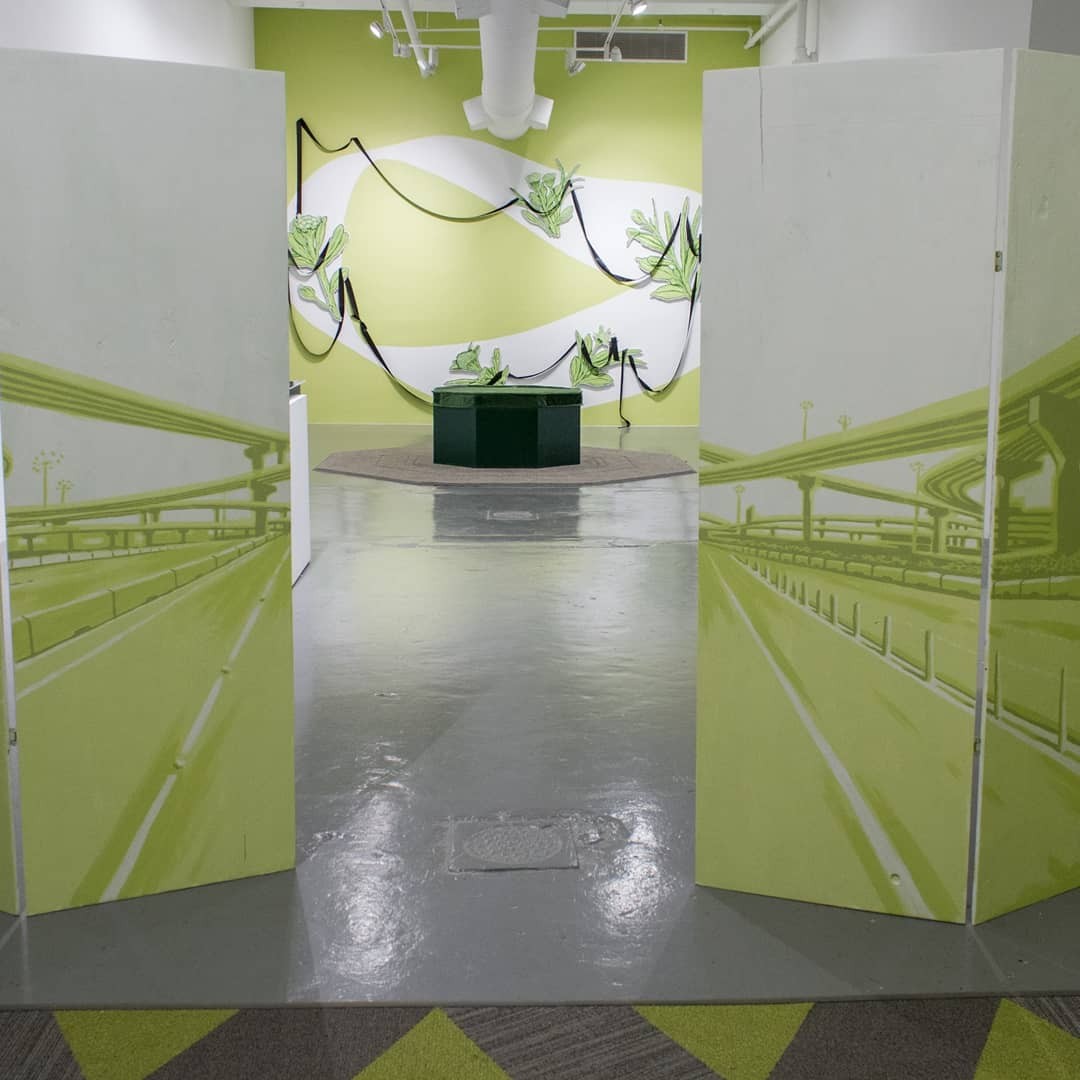
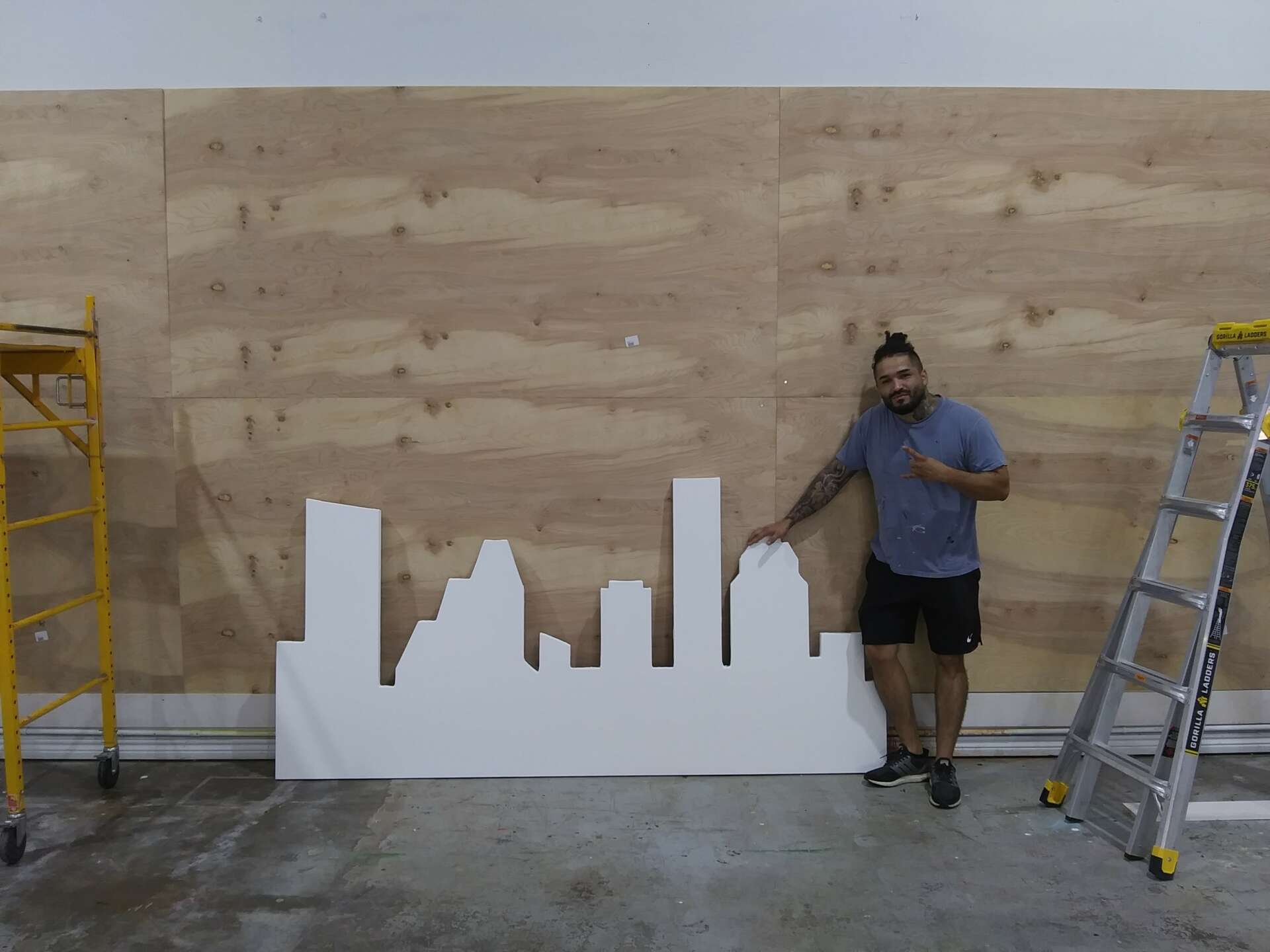
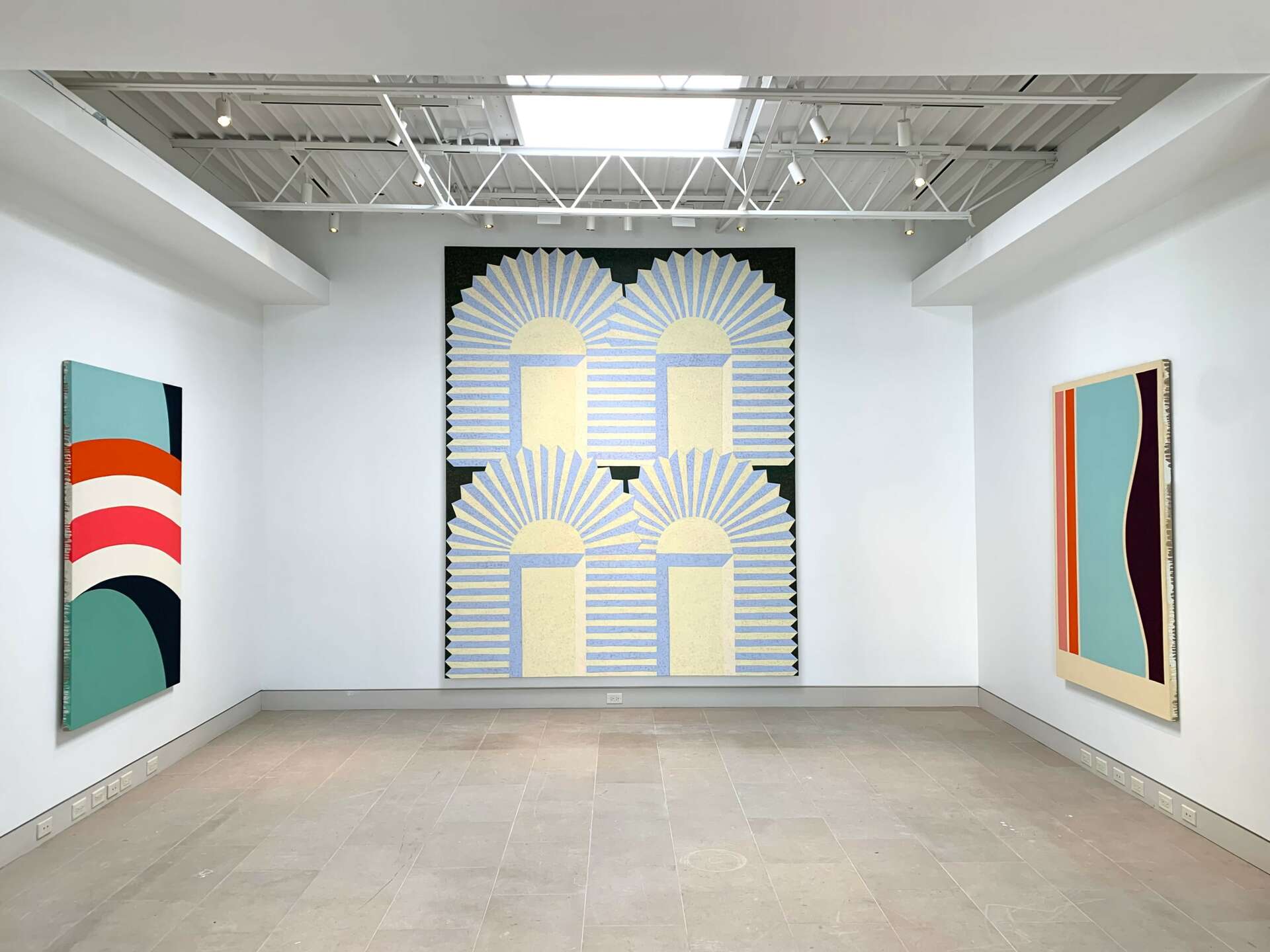
My name is Jacob Spacek, I am the owner of JS Canvas. My company builds by hand the highest quality canvases, artist panels, pedestals and other custom art supplies for artists in Texas and around the nation. I work with all level of artists to meet the needs of their studio practice. We build all shapes and sizes of canvases from the very smallest rectangles to very large, mural sized canvases. From basic geometric shapes to intricate and elaborate organic shapes. Artists can come to us with an idea to make something truly unique and we help them achieve their vision. We often sit down at the drawing table with an artist and literally draw out their project and take it from a small sketch to a fully realized work of art. We also work with may local art galleries and art collectors to stretch paintings that have been rolled up for shipping/storage purposes and repair the frames of canvases that have been damaged. One of the coolest things about operating a business in the art world is that I never know what kind of project an artist, gallery or collector is going to bring through the door next. Over the years, it seems like I have seen everything now, but I am still constantly surprised with the ideas that people have. The thing that I am most proud of is the level of quality that we have been able to achieve over the years. We are constantly committed to working with the best materials and always strive to maintain the highest level of quality down to the smallest detail of our products.
Okay – so how did you figure out the manufacturing part? Did you have prior experience?
The short answer is yes, I manufacture all of my products. Essentially that is my business: manufacturing, but not in the sense that I have a product line which is mass produced to sell to a large array of clients. While it is true that I am in the business of selling high quality canvases for artists to paint on and the majority of my business is exactly that, the reality of my business is that I sell creative freedom to the artist.
I have to work much more closely with my clientele than most business owners. The majority of my clients come to me with specific requests that are tailored to their particular practice. While, on one level, I have a standard, base product that I sell, on another level, I sell the idea that I am building a relationship with each client to tailor the product to meet their individual needs. When I get a new client, I always let them know that what I sell them first is designed to appeal to a broad range of professional artists, but that we at JS Canvas do custom work, so if they want something different, they can talk to me about and many times I end up working hand-in-hand to develop something suited exactly to the needs of their work. Sometimes this process is simple and straightforward, but other times, I end up changing what I do for the client drastically so that they get what they want.
The important thing that I have to keep in mind is that I am selling my clients on the idea that they can come to me with an idea or a problem or vision and that I will help them come up with a solution.
Let’s talk about resilience next – do you have a story you can share with us?
I think any small business owner would probably tell you that one of their best qualities is resilience. Yes, there are many things that help make an entrepreneur successful, but there is only one that is absolutely necessary and without it you will not make it: resilience. One of the quotes that has been deeply meaningful to me throughout my journey as a canvas maker is from Calvin Coolidge:
“Nothing in this world can take the place of persistence. Talent will not: nothing is more common than unsuccessful men with talent. Genius will not; unrewarded genius is almost a proverb. Education will not: the world is full of educated derelicts. Persistence and determination alone are omnipotent.”
I would define resilience as persistence and determination over the duration of time. You asked for me to share a story that illustrates my resilience, but I actually can’t think of anything related to my journey that doesn’t. The honest truth of owning a small business is that you have at least one (if not hundreds) reason to quit every single day. Including your days off, or, lack there-of. I don’t think I can share just one story of resilience. I will tell you this, any time you see a business, a large corporation or a one man shop, or anything in between, keep in mind that mere existence of that business is an example of resilience. I guess my story of resilience would be that I get up early each and every day and get to it. It is not a glamorous story, but it is mine, and it is the only way to achieve anything of meaning.
Contact Info:
- Website: www.jscanvasmakers.com
- Instagram: @jscanvas
- Facebook: JS Canvas
Image Credits
Franky Cardona Sarah Welch Matt Kleberg