
We recently connected with Anna Bobikova and have shared our conversation below.
Anna, appreciate you joining us today. Risk taking is something we’re really interested in and we’d love to hear the story of a risk you’ve taken.
For years, I watched people change not because someone gave them advice, but because they finally stepped into another point of view. Once I saw this so clearly in psychodrama work with a couple who were close to divorce. They were not lacking words; they had already said many words to each other. The problem was that each person felt unseen, unheard, and locked inside their own version of the story.
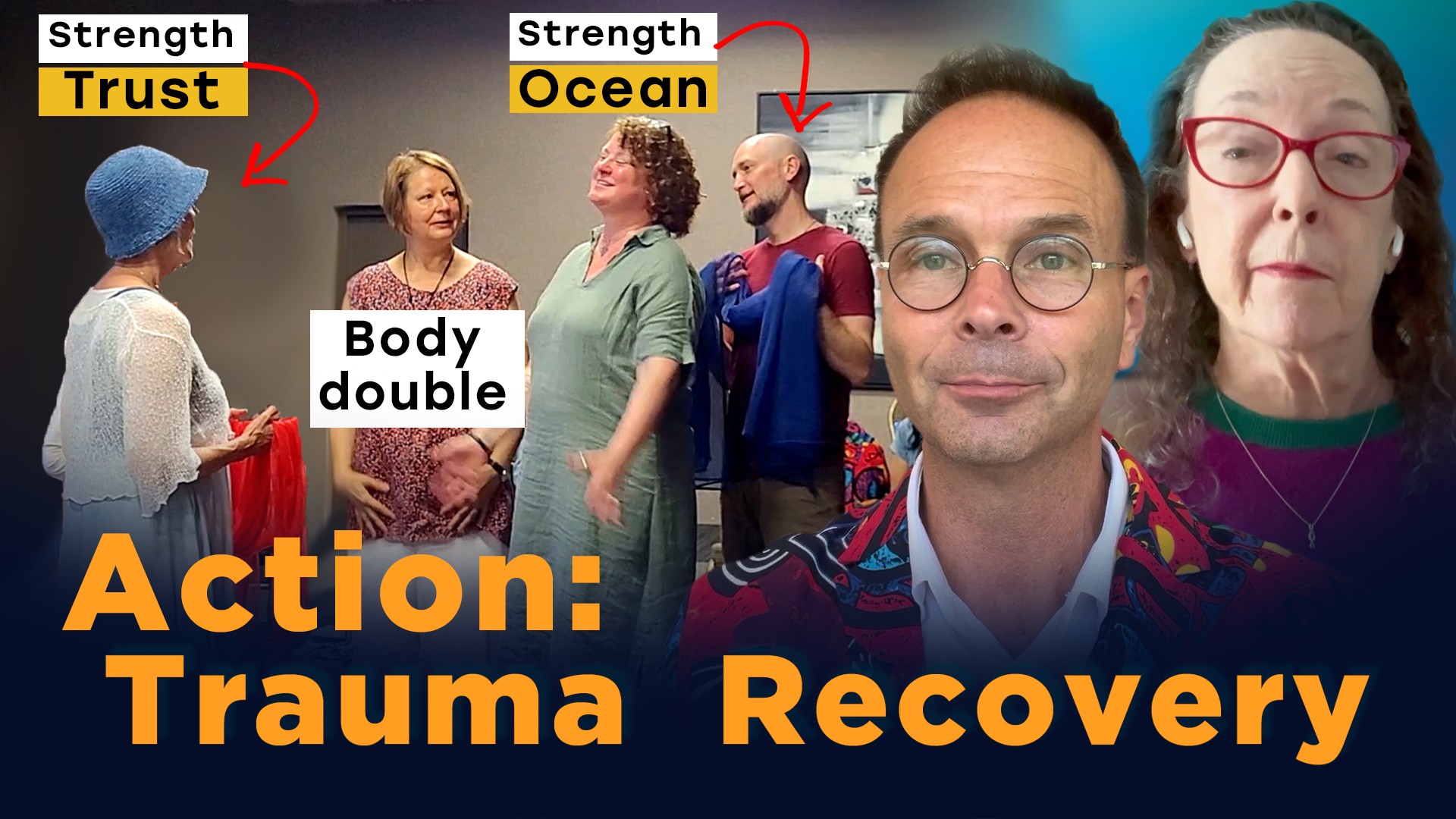
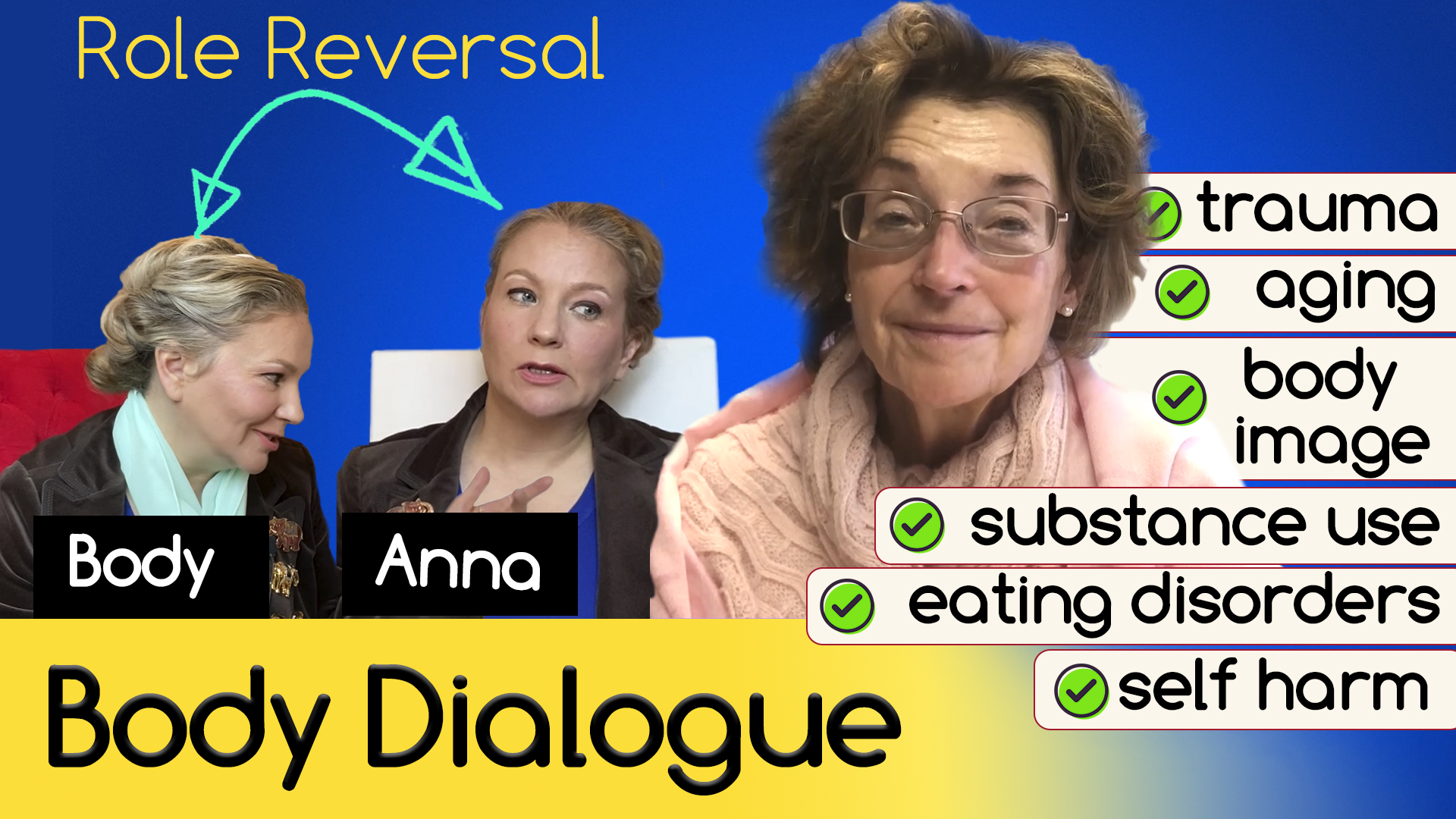
Psychodrama is an action-based method that helps people understand life not only by talking about it, but by stepping into it. Instead of only discussing a problem, a person may step into their own role, then into another person’s role, then into the role of an inner critic, a future self, a strength, or a part of themselves they have not fully heard yet.
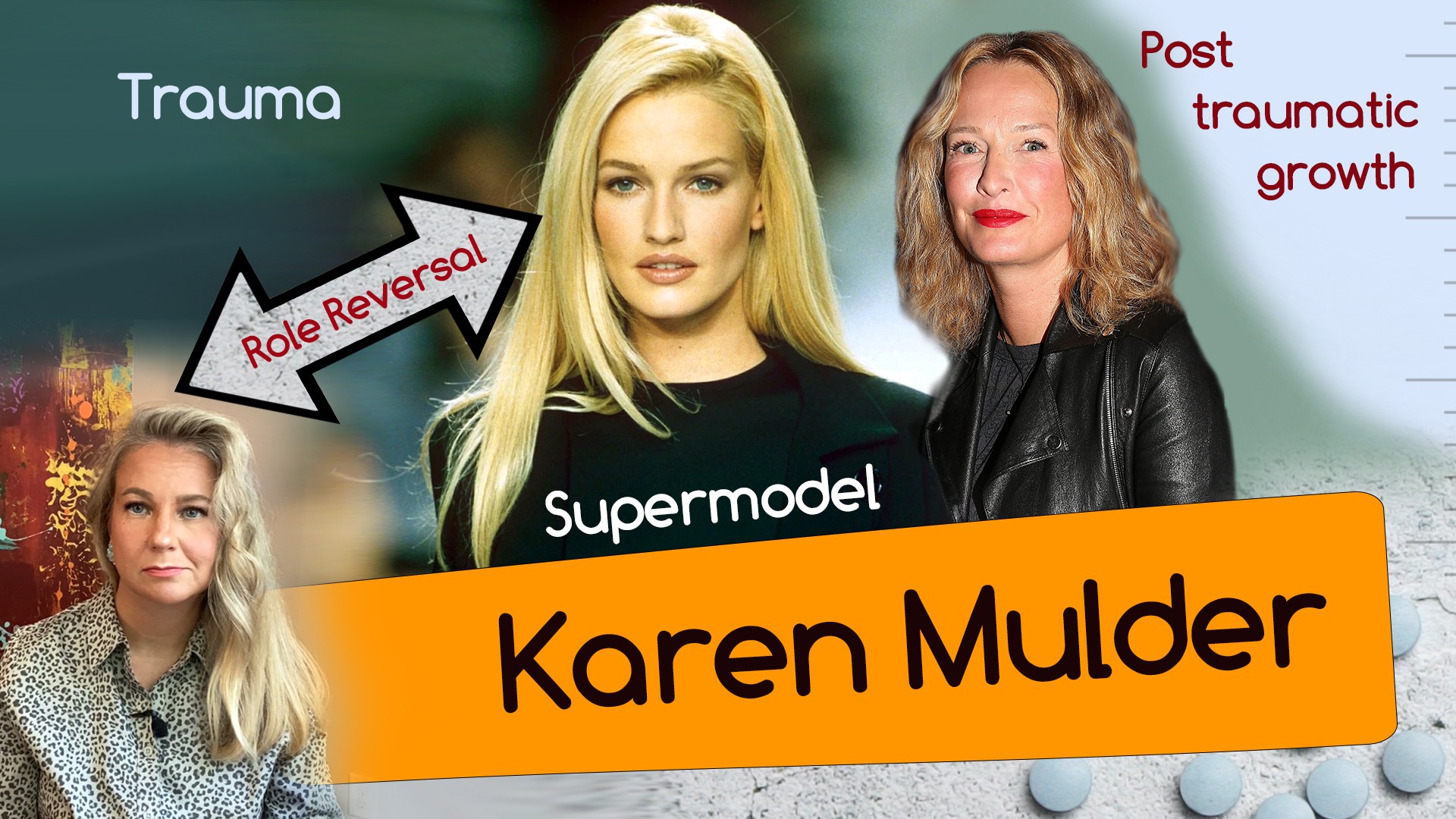
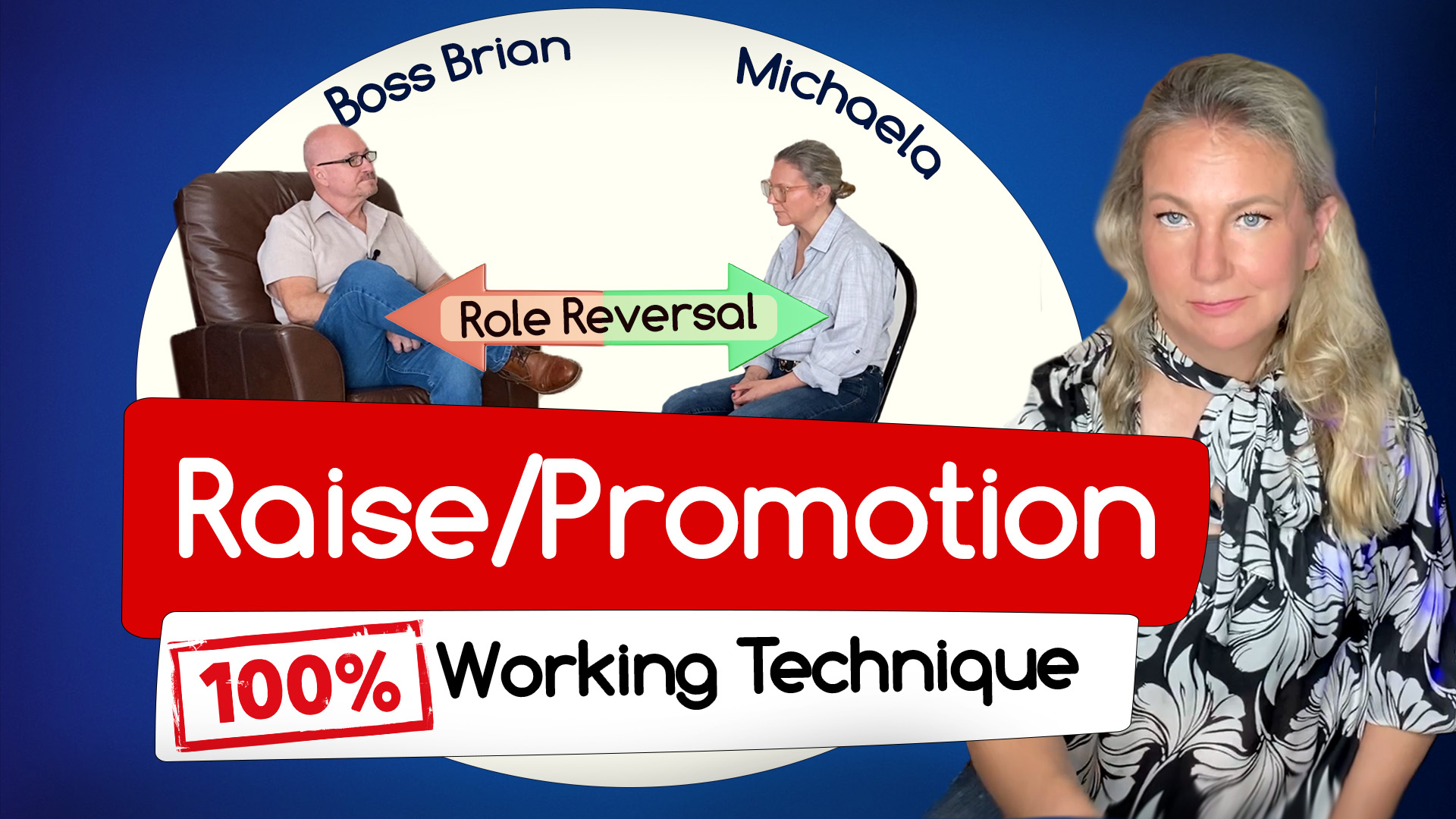
With this couple, role reversal allowed each partner to physically take the place of the other and speak from that position. Instead of defending themselves, they had to pause and feel what life might look like from the other side. And something began to change. The conversation was no longer only about who was right. It became about finally seeing the human being behind the conflict and the need to be right.
That is what makes me deeply believe in this work. Psychodrama can make invisible emotions visible. It can help people move from argument to understanding, from stuckness to new choices, from repeating the same pattern to trying a different response.
Traditionally, psychodrama has been practiced in therapy, coaching, education, training, and group work, usually with a trained facilitator and often in person. It is powerful, but it is not always easy to access. It can require travel, money, professional training, a group, or a specialized setting. Many people who might benefit from these tools never encounter them. That question stayed with me: could some of these tools become more accessible without losing their depth?
At first, I explored that question through professional online education. I founded Action Explorations Education (AEE) to make psychodrama, drama therapy, and action methods more available through structured video courses, interviews with experienced trainers, and free educational resources that people could return to at their own pace.
But over time, I noticed something important. Many people were already using small pieces of psychodrama in everyday life without knowing the name for it. They imagined conversations before having them. They replayed conflicts in their minds. They practiced what they wished they could say. They tried to understand another person’s perspective. That observation became the next step: exploring whether psychodrama-based practices could be taught safely, clearly, and responsibly in a self-help format.
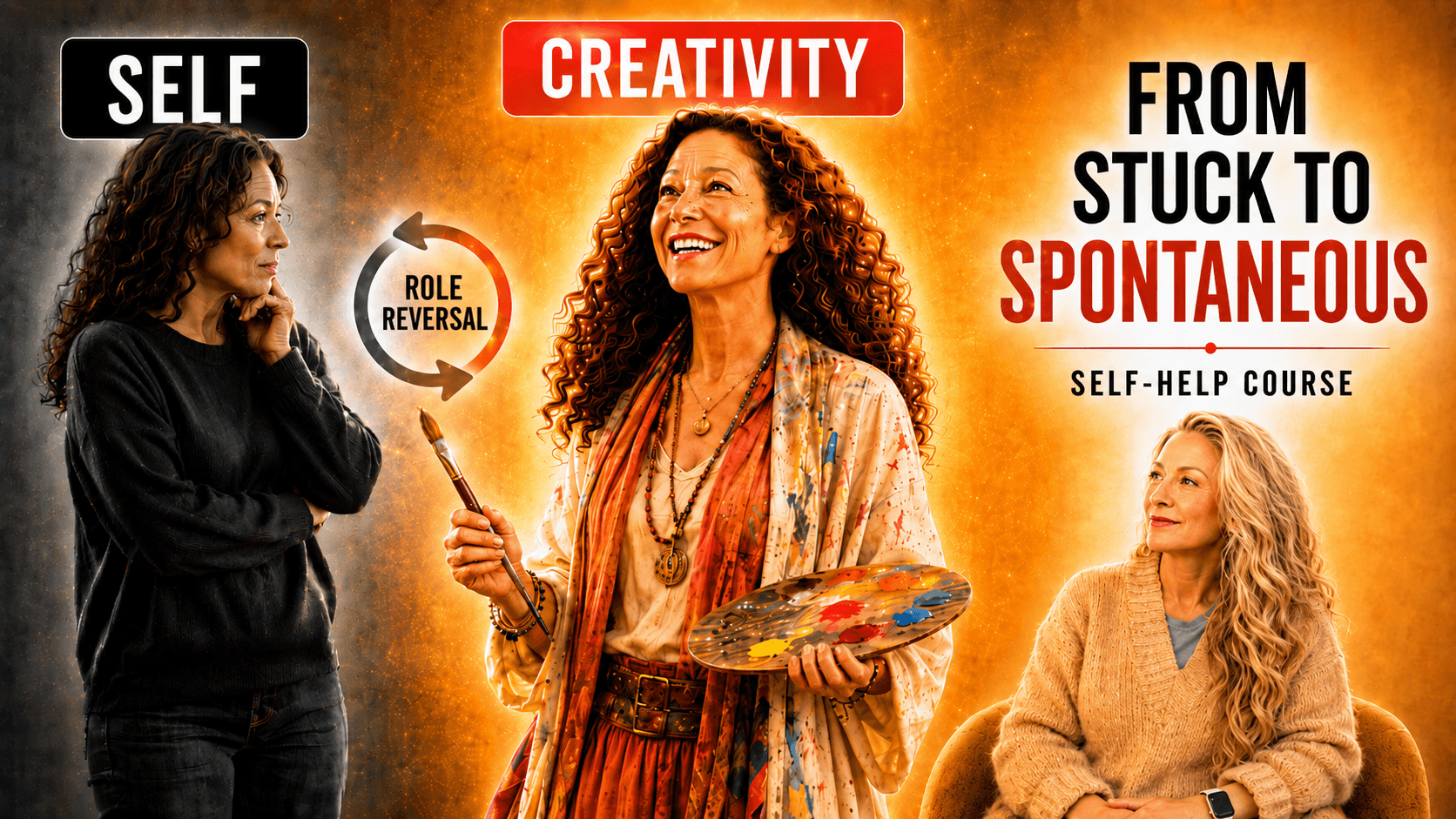
That became the foundation of my dissertation research study “From Stuck to Spontaneous: A mixed-methods review of a Video-Based Psychodrama Self-Help Course to Enhance Creativity”. I am studying whether psychodrama can be adapted into self-paced video courses without a live facilitator. This was a bold professional step because many people in the field believe psychodrama should only happen with a live professional present. Some worry that online self-help formats may be unsafe, too simplified, or not faithful to the method. I understand those concerns. In fact, those concerns are exactly why I chose to research this carefully rather than simply assume it would work.
I have now completed the study, and the full dissertation results are expected in August. Even before the final analysis is complete, the process has strengthened my belief that this direction is worth exploring. The bold step was moving outside the traditional model. The reward has been seeing the possibility that psychodrama may be able to reach many more people when it is structured carefully, taught responsibly, and made accessible.
As always, we appreciate you sharing your insights and we’ve got a few more questions for you, but before we get to all of that can you take a minute to introduce yourself and give our readers some of your background and context?
My path into this work was not linear. I came to psychodrama through several worlds: television, business training, coaching, counseling, and mental health. Earlier in my life, I worked in television project management, where I learned how to turn complex material into something people can watch, follow, and remember. Later, in business training and coaching, I saw how adults learn best when they are not only listening, but participating. My work in counseling and mental health added another layer: the importance of emotional safety, responsibility, and meeting people where they actually are.
Those experiences are what helped me build Action Explorations Education. I did not want to create only another online course platform. I wanted to create a learning space where experiential methods could be taught with structure, clarity, and respect for the people learning them.
One of the main problems we help solve is access. Traditional psychodrama training can be expensive, geographically limited, and difficult to fit into people’s lives. Many professionals want to learn from experienced trainers, but they cannot always travel to workshops, commit to long in-person training, or afford the full cost of traditional education. AEE gives them another doorway into the field.
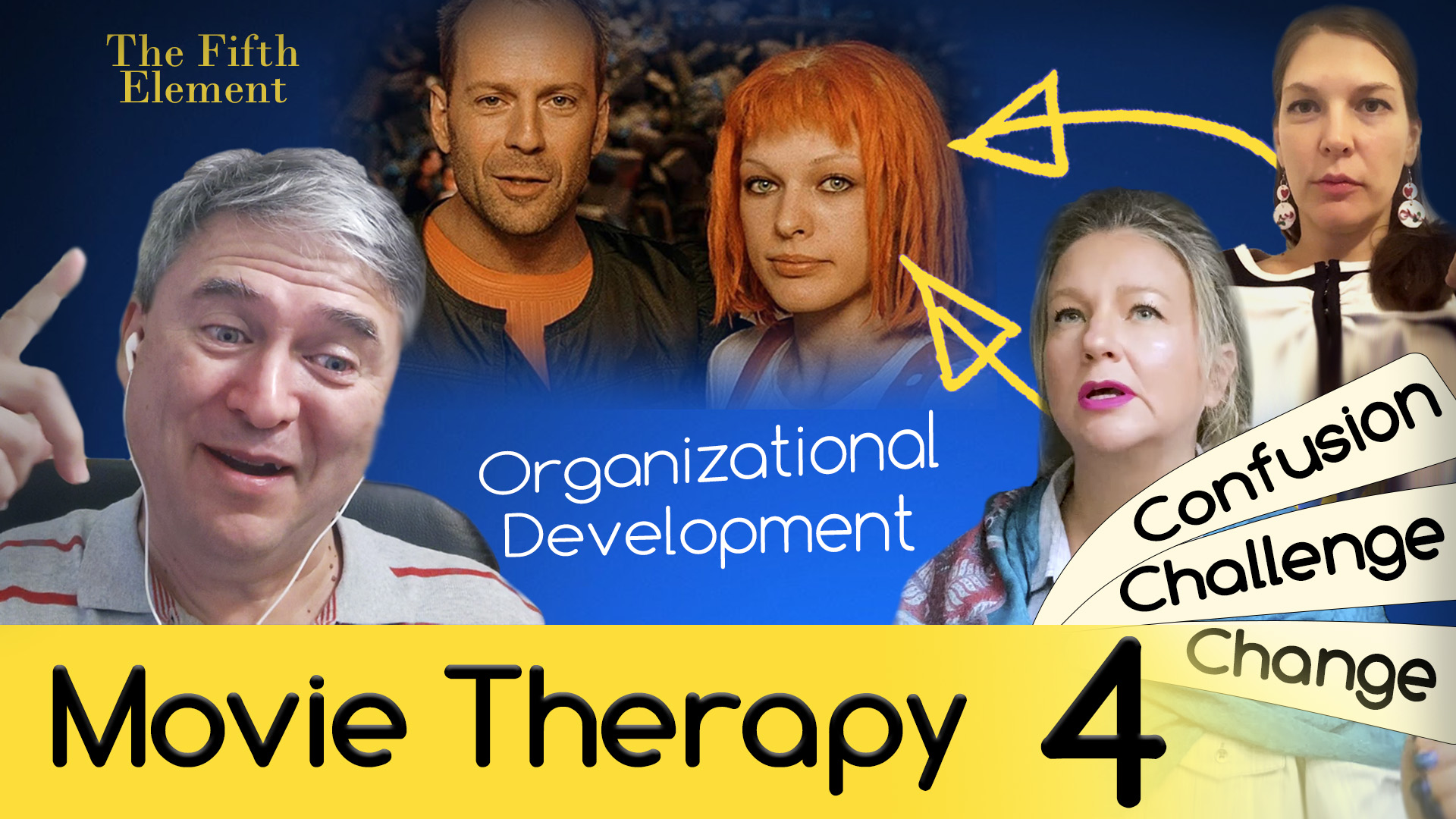
We hire experienced international trainers and preserve their teaching in structured video courses that people can return to later. The courses often include demonstrations, handouts, reflection questions, tests, and examples of how these methods can be used in real situations. The goal is not only to explain theory, but to help people see how the work actually moves.
We also offer free educational videos, articles, book reviews, and social media content, because I believe access should not begin only when someone is ready to buy a course. Sometimes a short video, a simple explanation, or one example can open a door for someone who has never heard of psychodrama before.
Our materials have reached customers in more than 100 countries, from all types of professional backgrounds. That matters to me because this method has often been kept inside small professional circles, even though its tools can be useful in many areas of life and work. Now AEE is beginning to expand into psychodrama-based self-help courses for the general public. The first one is connected to my dissertation research: From Stuck to Spontaneous: A 5-Day Psychodrama Creativity Practice.
This pre-recorded video course helps people choose one real-life area where they feel stuck and practice new ways of responding through short daily exercises. It can support people who feel blocked, frozen, self-critical, overwhelmed, unmotivated, or trapped in overthinking. It can also help with procrastination, perfectionism, creative blocks, decision-making, and the desire to become more spontaneous and creative in everyday life. What I want people to know about my work is that I am not trying to make psychodrama smaller. I am trying to make the doorway wider. What I am most proud of is that AEE is helping bring a powerful but often hard-to-access method to people who may never have encountered it otherwise.
Putting training and knowledge aside, what else do you think really matters in terms of succeeding in your field?
The most important skill is translation, it is not enough to know a method. You also have to help people understand why it matters, where it fits in their lives, and how they can actually use it. Psychodrama can sound strange or intimidating to someone who has never experienced it. Words like “role reversal,” “doubling,” or “sociometry,” may sound technical. But the human experiences underneath them are so familiar.
Everyone knows what it feels like to replay a conversation and think, “I wish I had said something different.” Everyone knows what it feels like to argue with someone and suddenly wonder, “Maybe I do not really understand what this looks like from their side.” Everyone knows what it feels like to have an inner critic, a scared part, a brave part, or a future self that wants something different.
That is where translation matters. My work is often about taking language that was developed inside professional communities and bringing it back to everyday human experience. I want people to understand that these methods are not abstract or theatrical for the sake of theater. They are practical ways of exploring real situations, real choices, and real relationships.
The challenge is knowing what to simplify and what not to simplify. If you simplify too much, the method loses its depth. If you do not simplify enough, people cannot enter it. So I am always asking: what is the essence of this tool? What needs to be protected? What can be explained more clearly? How can someone use this safely, without needing to become a professional psychodramatist first?
So for me, succeeding in this field is not only about mastering the method. It is about connecting depth and access, tradition and innovation, professional knowledge and everyday life. The key is to keep the soul of the method, but learn how to translate it for the people who need it now.
Any stories or insights that might help us understand how you’ve built such a strong reputation?
I think our reputation grew because Action Explorations Education was built through real relationships, not only through content. Psychodrama itself is relational. It teaches us to see people more fully, to listen to different roles, to understand hidden perspectives, and to create space for something new to emerge. In many ways, AEE grew through the same principles.
From the beginning, I reached out to experienced international trainers whose work I respected. Many of them had spent decades teaching, practicing, developing, and carrying important parts of psychodrama, drama therapy, trauma work, sociometry, education, and group facilitation. I wanted to help preserve their knowledge and make it available to people who might never be able to study with them in person.
That became one of the foundations of AEE: collaboration. We did not build a platform around one voice only. We built a learning space where different trainers, traditions, methods, accents, countries, and professional experiences could be represented.
I think people trust AEE because the work is serious, but not rigid. We respect the history and depth of psychodrama, while also being willing to explore new ways of sharing it: video courses, online libraries, free educational videos, article and book reviews, short social media stories, songs, and research-based self-help applications.
We also listened to what professionals actually needed. They wanted access to strong teaching, but also more examples, more structure, more affordability, and more opportunities to revisit the material after a workshop ended. Video made that possible.
For me, reputation is not built only by credentials, although credentials matter. It is built by consistency. It is built by showing up over time, creating useful resources, keeping relationships, collaborating, and staying connected to the deeper purpose of the work. That purpose is simple: I want more people to experience psychodrama not only as theory, but as something alive, practical, and transformative.
I believe these methods can help people step out of rigid roles, see new choices, understand others more deeply, and find more creative responses to life. If Action Explorations Education has earned trust, I think it is because people can feel that the work is not only about selling courses. It is about widening access to a method that has changed lives, including my own.
Contact Info:
- Website: http://www.actionexplorations.education/
- Instagram: http://www.instagram.com/actionexplorations/
- Facebook: www.facebook.com/anna.bobikova/ and www.facebook.com/ActionExplorationsEducation/
- Linkedin: http://www.linkedin.com/in/anna-bobikova/ and http://www.linkedin.com/company/action-explorations-education/
- Youtube: https://www.youtube.com/@ActionExplorations
- Other: TikTok: http://www.tiktok.com/@actionexplorations