



We recently connected with Kasia Bialek and have shared our conversation below.
Kasia, thanks for joining us, excited to have you contributing your stories and insights. What was it like going from idea to execution? Can you share some of the backstory and some of the major steps or milestones?
It was much less linear than it might seem today. It took me a few years. Before moving to Luxembourg, I had always worked as a freelancer alongside my studies. I often relied on my language skills, organizational abilities, and communication strengths to create opportunities for myself. What I didn’t realize at the time was how much my upbringing and education in Poland had shaped those skills.
I started my first full-time corporate job when I moved to Luxembourg. It was a huge change in my life! Working from 9 to 6… I began observing something that surprised me. Through my work in the media sector, I had many opportunities to attend events, conferences, and public discussions. I noticed a significant gap in public speaking and presentation skills compared to what I had been used to in Poland.
Of course, not everyone in Poland is a great speaker. However, many people grow up with regular exposure to public performance. From kindergarten onwards, children participate in school celebrations, performances, recitals, and events attended by parents, teachers, local authorities, and community members. Even if they are not the main performer, they become familiar with being on stage and speaking in front of an audience.
In Luxembourg and in the broader French-speaking environment, I noticed that this culture of early stage exposure was much less common. As a result, many highly qualified professionals had excellent expertise but lacked confidence when presenting, speaking publicly, or representing their organizations.
Thanks to my media work, I had opportunities to moderate events, interview people, and present in public. I realized that something that felt relatively natural to me was actually a major challenge for many others. The Luxembourgish audience appreciated me, their feedback was very positive.
In the meantime I got pregnant and I decided to quit my 9-6 job (yes, to 6, because in LU there is an obligatory lunch break that does not count like a working hour), try to create my own business and take care of my son. This decision wasn’t easy. I was analysing all pros-and-cons for several months. What gave me the biggest motivation? Clients who started contacting me. They said that they like me on stage so they would like me to moderate their events.
Looking back, the most important step was not creating a perfect plan. It was paying attention to a problem that people were experiencing every day and having the courage to test whether I could help solve it.

Kasia, before we move on to more of these sorts of questions, can you take some time to bring our readers up to speed on you and what you do?
I help professionals design communication that creates clarity and action — whether in meetings, workshops or public speaking situations, across cultures and languages.
I am a communication expert, meetings facilitator, public speaking coach, and multilingual event host with over 25 years of on-stage experience.
My journey began on stage at a young age, evolving through performances in theatre, television, and media events. These experiences shaped my storytelling and leadership skills.
In addition to hosting and curating key business events for top publications in Luxembourg,
I hold advanced degrees in linguistics and public relations, and I have worked across Europe in education and translation. My love for languages and culture is the foundation of my international career.
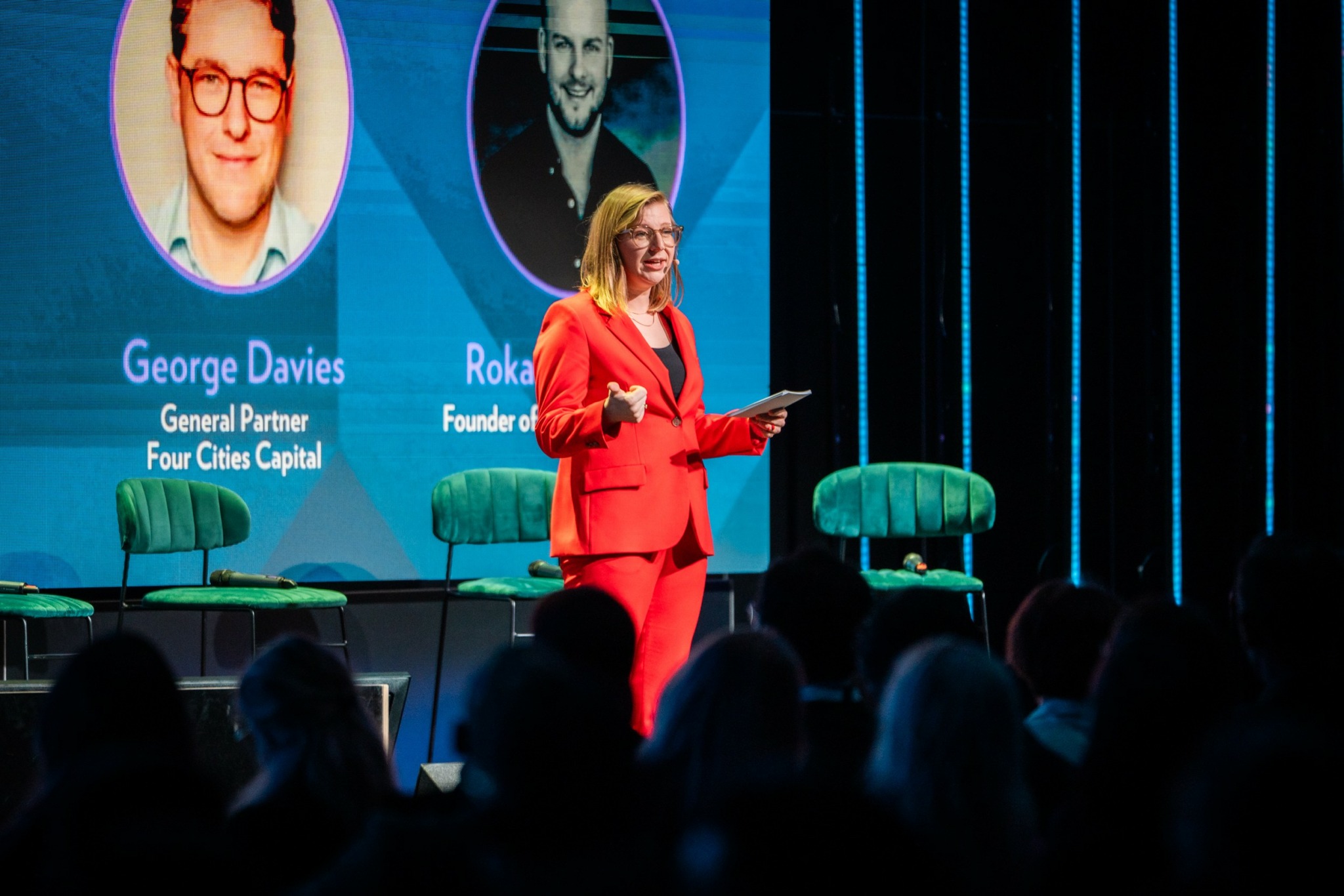
How did you build your audience on social media?
Honestly, for a long time I felt quite lost. I had been active on social media for years, but I was never particularly consistent. I would start a platform, post for a while, then change direction, explore a new idea, or focus on a different audience. Looking back, I think this is actually a normal part of entrepreneurship. When you’re building a business, you often need to experiment before finding your focus. My mistake was that I sometimes changed direction before giving a strategy enough time to work and before properly evaluating the results.
What really helped me build my reputation was starting to show up on LinkedIn simply as myself.
When I arrived in Luxembourg, I began sharing my experiences, thoughts, and challenges. Some posts were related to my work, while others were very personal. I even wrote openly about looking for a job in Luxembourg and asking my network for help. I wasn’t trying to build a business at the time—I was simply building relationships and documenting my journey.
That authenticity created opportunities I could never have planned for. Through LinkedIn, I met many interesting people, expanded my network significantly, and even received two job offers directly because people connected with the way I communicated. That experience taught me that personal branding is not about self-promotion; it’s about showing up consistently enough for people to get to know you.
The second factor was visibility. Through my work in the media sector, I had opportunities to appear publicly, moderate events, interview people, and be present in the local ecosystem. Rather than treating those experiences as separate from my personal brand, I used them to strengthen my professional identity and credibility.
Finally, I learned that different audiences require different approaches. Today, I manage several projects and activities beyond public speaking and communication training. Instead of trying to speak to everyone through a single brand, I have created separate brands and communication channels for different audiences and languages. This allows me to tailor my message to the people I want to serve and to communicate in a way that is relevant to their specific context.
Looking back, I don’t think my reputation was built through one viral post or one big opportunity. It was built through relationships, visibility, authenticity, and the willingness to keep showing up—even when I was still figuring things out myself.
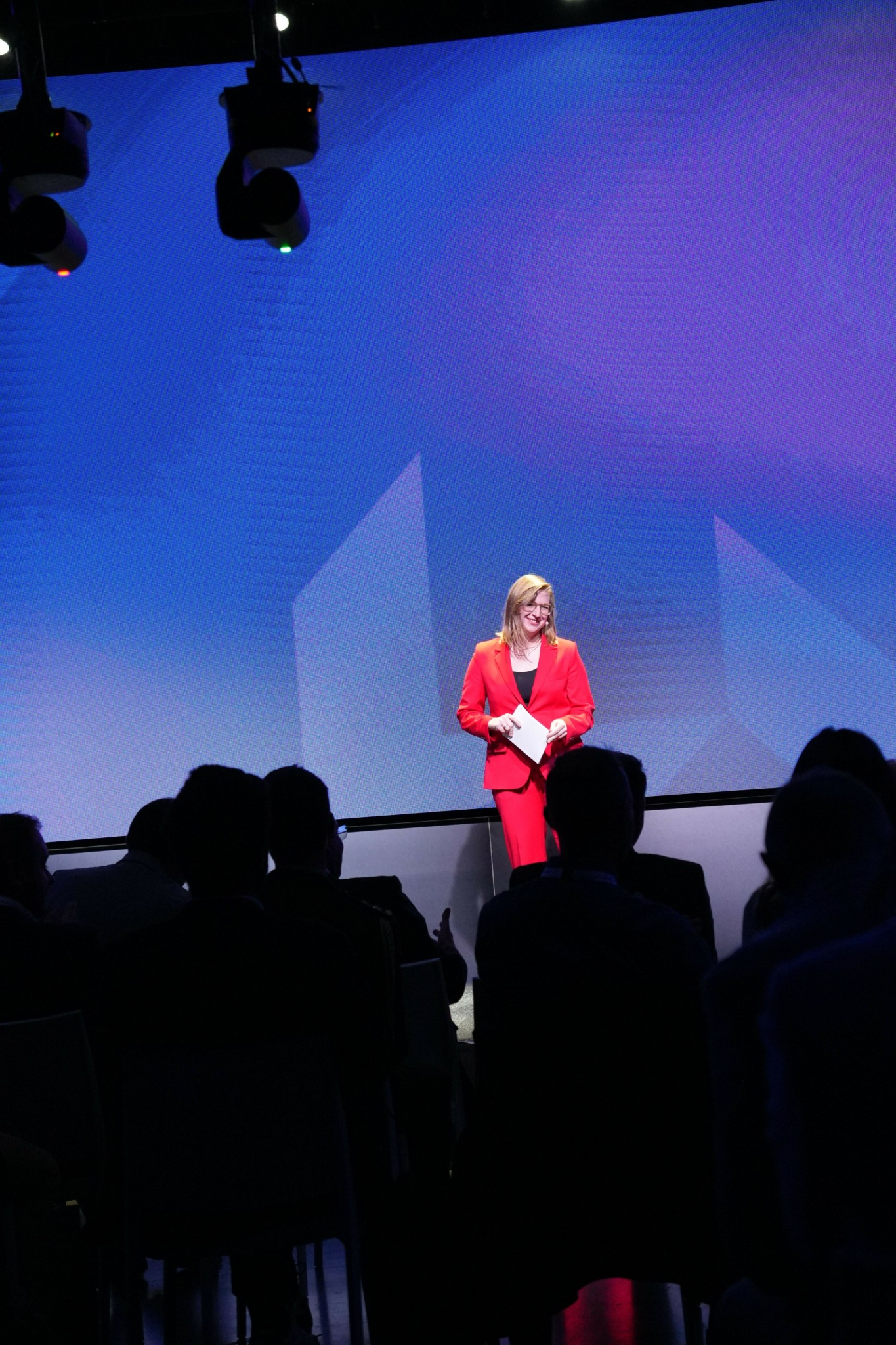
How about pivoting – can you share the story of a time you’ve had to pivot?
I’ve had to pivot several times in my life and career.
I moved from freelancing to a full-time corporate job, and later from employment back to entrepreneurship. But the biggest pivot was becoming a business owner while also becoming a mother.
People talk about work-life balance all the time, but I don’t think we speak honestly enough about what that transition actually feels like. Becoming a mother completely changed the way I worked, planned, and thought about time.
When you’re responsible for a young child, especially in the early years, you quickly learn that your schedule is no longer entirely your own. Sleepless nights, illnesses, unexpected interruptions, and the constant responsibility of caring for another human being make entrepreneurship very different from what most business books describe.
I had to learn how to build a business around uncertainty.
One of the biggest lessons was anticipation. I realized that if I had the opportunity to do something today, I shouldn’t automatically assume I would have the same opportunity tomorrow. So I became much more intentional about planning ahead, respecting deadlines, and creating systems that could support me even when life became unpredictable.
This pivot also forced me to learn many new skills. To make my business sustainable, I had to figure out things I had never done before: building a website, creating online offers, setting up payment systems, managing digital tools, and learning how to sell my services.
At the same time, I was continuing to develop different parts of my business. I work in communication, language training, community building, events, and education. On the surface, these activities may seem very different, but over time I realized they all revolve around one thing: helping people connect, communicate, and learn.
Looking back, this pivot taught me much more than business skills. It taught me resilience, adaptability, and the importance of creating systems instead of relying on perfect conditions. Because the truth is that perfect conditions rarely exist.
I am still pivoting today. The difference is that now I see pivoting not as a sign that something is wrong, but as a natural part of growth.
Contact Info:
- Website: https://app.easy.tools/pages/kasia-vox
- Instagram: https://www.instagram.com/kasia__vox/
- Linkedin: https://www.linkedin.com/in/kasiavox-publicspeaking-host/
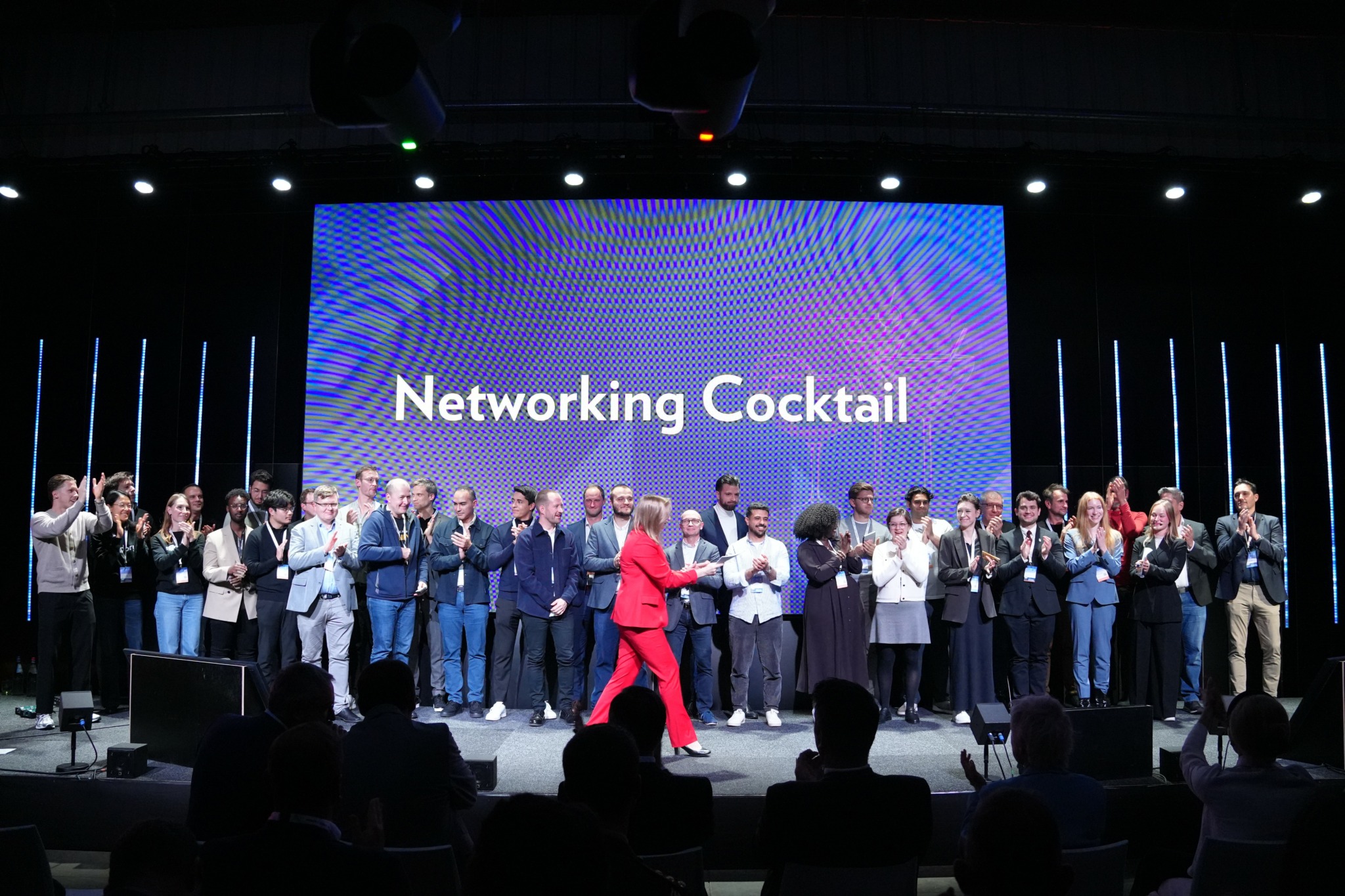

Image Credits
Agata Dobre Swiatlo
Luxinnovation
Paperjam