

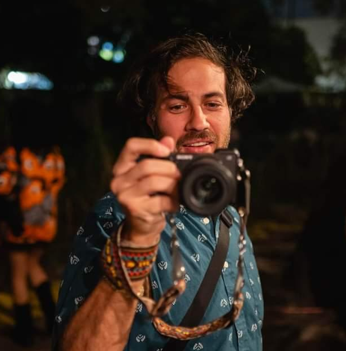

We caught up with the brilliant and insightful Yuval Ofir a few weeks ago and have shared our conversation below.
Alright, Yuval thanks for taking the time to share your stories and insights with us today. Can you talk to us about how you learned to do what you do?
I learned to do what I do mostly by doing it over and over in real situations, long before I had a clean title for it.
For years, I’ve been photographing artists, business owners, musicians, community organizers, restaurants, events, and the people who give a place its character. At the same time, I was writing, interviewing, producing events, curating projects, and building spaces where people could show up as themselves. Somewhere in the overlap of all that, I realized the thing I was really practicing was not just photography or writing. It was paying attention.
I learned how to notice the details people tend to overlook: the way someone talks about their work when they forget they are “being interviewed,” the object on a counter that says more than a polished bio ever could, the tension between who a person thinks they need to present as and who they actually are. My work has always been less about making people look polished and more about revealing what is already there: the raw, real, layered parts that make someone’s story compelling.
Knowing what I know now, I probably could have sped up the learning process by trusting that sooner. For a long time, I treated photography, writing, events, curation, and creative consulting as separate lanes. Now I understand that they were all teaching me the same skill from different angles: how to help people see themselves more clearly, and how to translate that into something others can feel.
The most essential skills have been listening, patience, curiosity, visual instinct, and the ability to make people comfortable without forcing anything. Technical skills matter, of course. You need to understand light, composition, language, timing, editing, and structure. But the deeper skill is learning how to be present enough that someone lets their guard down, and disciplined enough to shape what you notice into a story that feels honest.
The biggest obstacle was probably learning to value the way I naturally see things. I used to think I had to sound more professional, more polished, more easily categorized. But the more I tried to fit into a neat box, the further I got from the work that felt most true. Over time, I learned that the “hidden gems” are usually hiding in plain sight. My job is to slow down, pay attention, and help bring them forward.
Yuval, before we move on to more of these sorts of questions, can you take some time to bring our readers up to speed on you and what you do?
I’m Yuval Ofir, a Miami-based photographer, writer, storyteller, creative consultant, and longtime community arts organizer.
Most of my work comes from the same basic instinct: I’m interested in people, what shapes them, what they make, what they care about, and the details that often get missed when a story gets flattened into a bio, press release, or polished brand statement.
I didn’t come into this work through one clean path. Over the years, I’ve photographed the world around me as I’ve produced events, facilitated murals and creative projects, curated within community spaces, interviewed people, written profiles, built platforms, and created opportunities for artists to connect with audiences and each other.
One of the main vehicles for that work has been Yo Miami, an arts and culture platform I started over 15 years ago. Through Yo Miami, Yo Space, and related projects, I’ve intertwined local art, storytelling, community, and creative entrepreneurship. From exhibitions and live events to artist development, brand collaborations, public art projects, collectible pins, and cultural programming.
These days, a major part of my focus is private storytelling and narrative portrait work. I help individuals, artists, businesses, families, and organizations tell their stories through documentary-style photography, interviews, and written narrative. Some people come to me because they need stronger images. Some need copy that actually sounds like them. Some are trying to explain who they are, what they’ve built, or why their work matters.
I’m not here to make people look overly polished or packaged. I’m more interested in the raw, real, layered details that make a person, place, or project compelling.
The problem I often solve is that people are too close to their own story to know what is most interesting about it. They may have the facts, the timeline, the accomplishments, or the service they provide, but they don’t always know how to make someone feel why it matters. I listen closely, ask questions, pay attention to what is said and unsaid, and look for the texture underneath the obvious version of the story.
What sets me apart is the combination of roles I’ve lived in. I’m not only a photographer, and I’m not only a writer. I’ve also been an event producer, curator, journalist, community builder, creative director, and small business owner. I understand what it feels like to make something from scratch, and to care deeply about a project that doesn’t fit neatly into a category.
I’m most proud of the trust people have given me over the years. Letting me into their spaces, processes, businesses, families, and personal histories is not something I take for granted. The best moments are when someone reads a piece or sees a photograph and feels recognized, not just presented nicely.
At the core, my work is rooted in attention and care. Whether I’m photographing someone, writing about them, helping shape a brand story, or producing a creative project, I’m looking for what is true, specific, and alive. I want the final piece to feel like something that could only belong to that person, that place, or that story.
Any stories or insights that might help us understand how you’ve built such a strong reputation?
I think my reputation has been built through consistency, building and valuing relationships, and genuinely caring about the work and the people behind it.
Miami is a city where people notice who shows up over time. I’ve spent years photographing, writing about, producing, and supporting creative work here, not from a distance, but by being in the room, meeting people where they are, and staying connected beyond a single project or transaction.
A lot of that reputation has come through Yo Miami and the different projects connected to it, but also through smaller, quieter moments: showing up to events, following through on ideas, making introductions, helping artists feel seen, and treating people’s stories with care. I think people can tell when you’re approaching the work as more than just content.
I’ve also tried to build trust by being honest about what I see. I’m not interested in making everyone look like a generic polished version of themselves. I care more about finding the specific details that make someone’s work, personality, or story memorable. Over time, I think that point of view has become part of what people associate with me.
More than anything, I think my reputation has come from being present in Miami’s creative community for a long time and continuing to do the work in a way that feels personal, grounded, and real.
Is there mission driving your creative journey?
The mission driving my creative journey is to help people feel seen in a way that feels honest, specific, and lasting.
A lot of my work comes from the belief that everyone has details, contradictions, memories, habits, and histories that make them more compelling than the polished version they usually present. I’m interested in those layers. The things hiding in plain sight that reveal who someone really is.
Whether I’m photographing someone, writing their story, producing a project, or creating space for artists, I’m usually trying to do the same thing: slow things down enough to notice what matters, then shape it into something other people can connect with.
I don’t think of storytelling as decoration. At its best, it helps people understand themselves, helps others understand them, and preserves something that might otherwise get lost.
Contact Info:
- Website: https://www.yo-miami.com
- Instagram: https://www.instagram.com/yophojo/
- Facebook: https://www.facebook.com/itsyomiami
- Linkedin: https://www.linkedin.com/in/yuvalofir/
- Twitter: https://x.com/itsyomiami
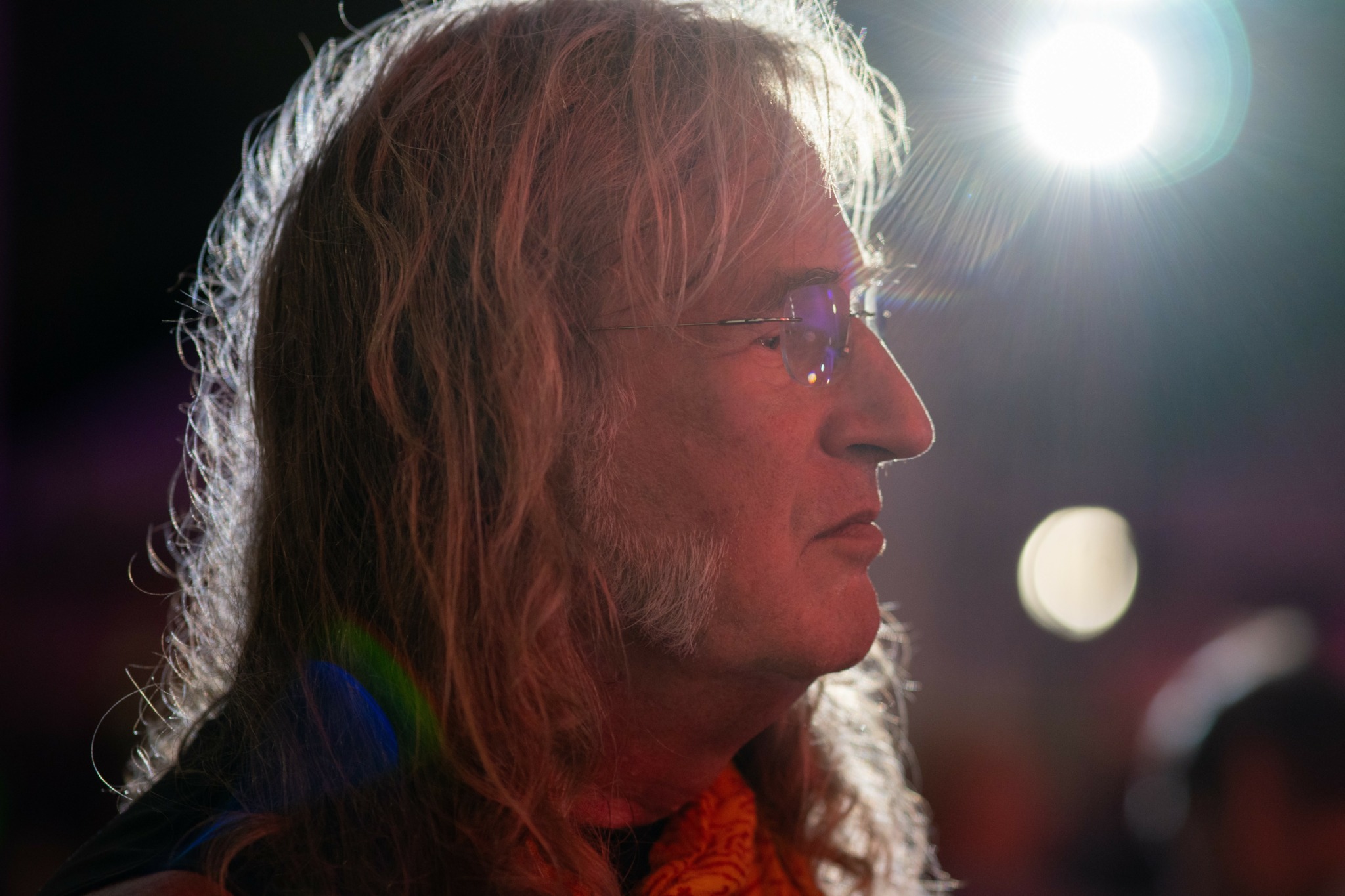
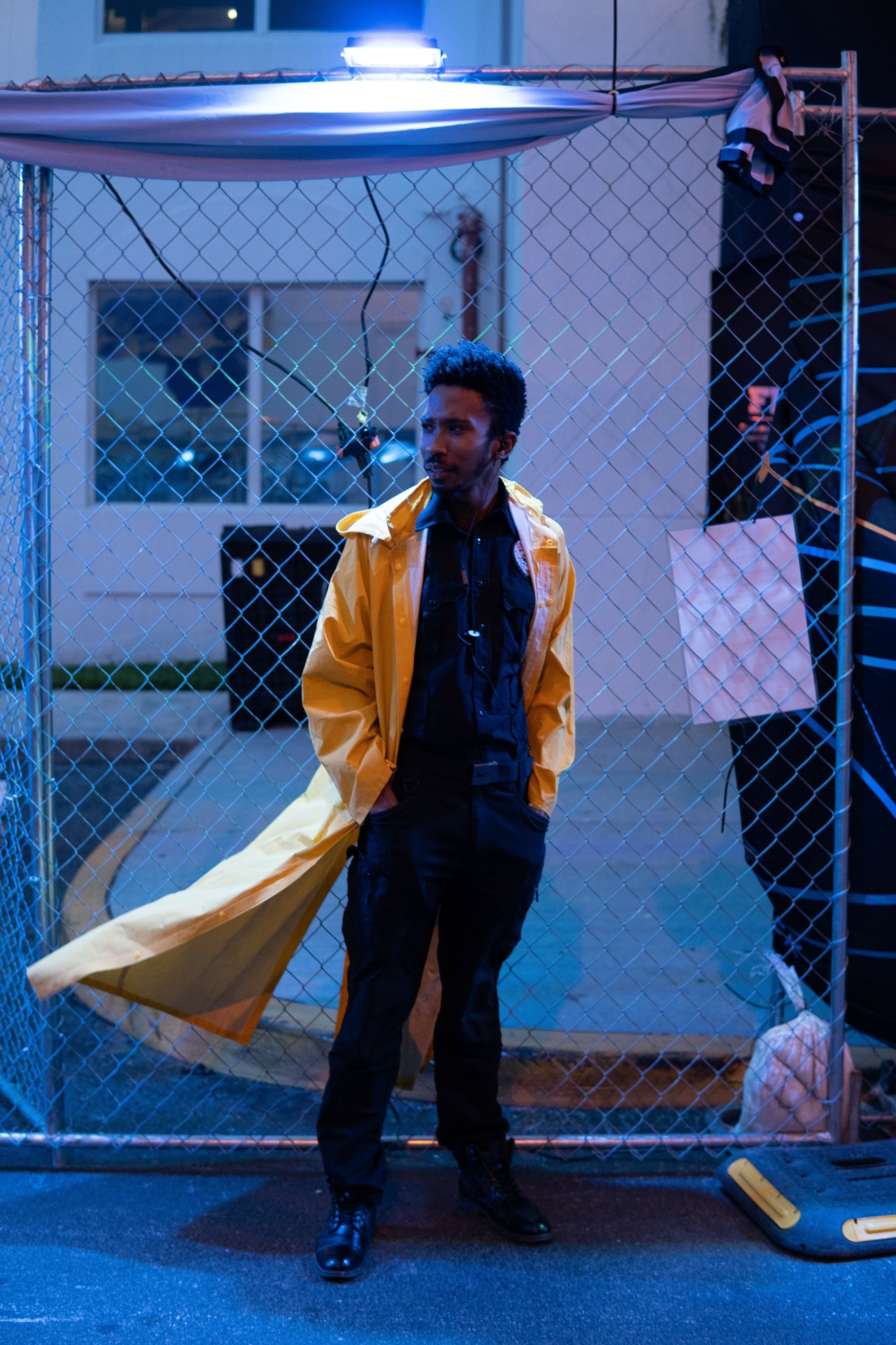
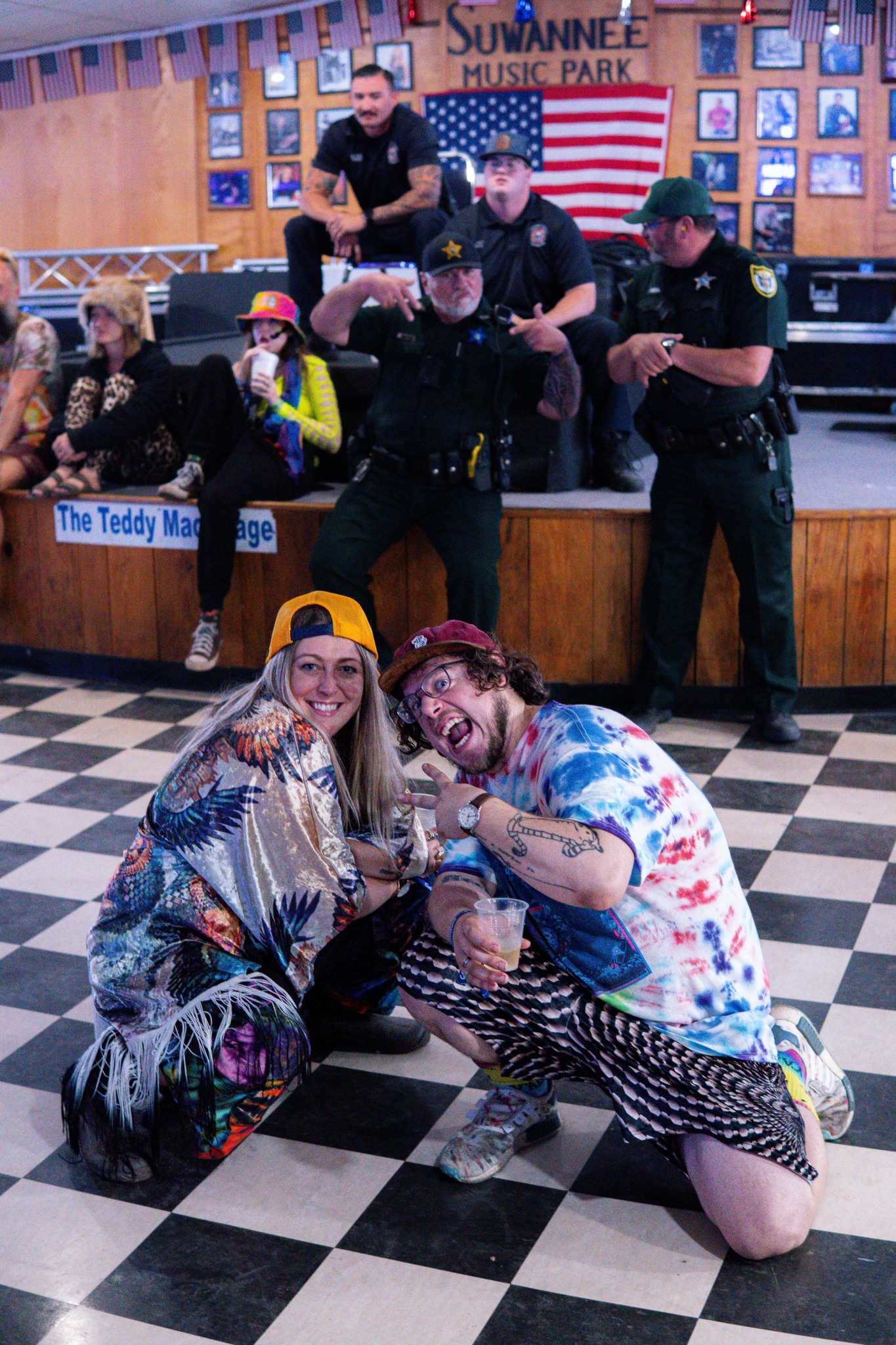
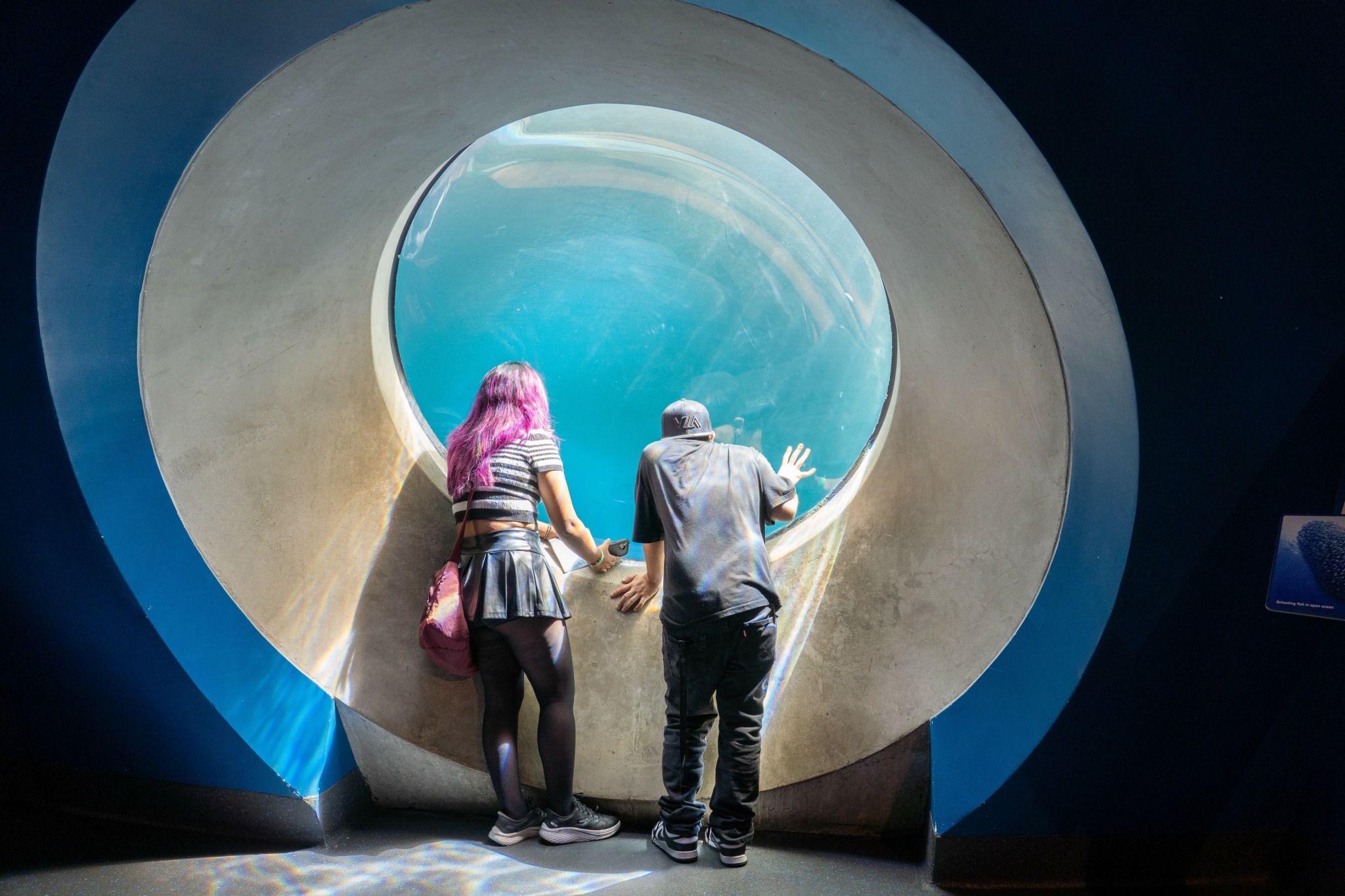
Image Credits
Yuval Ofir