

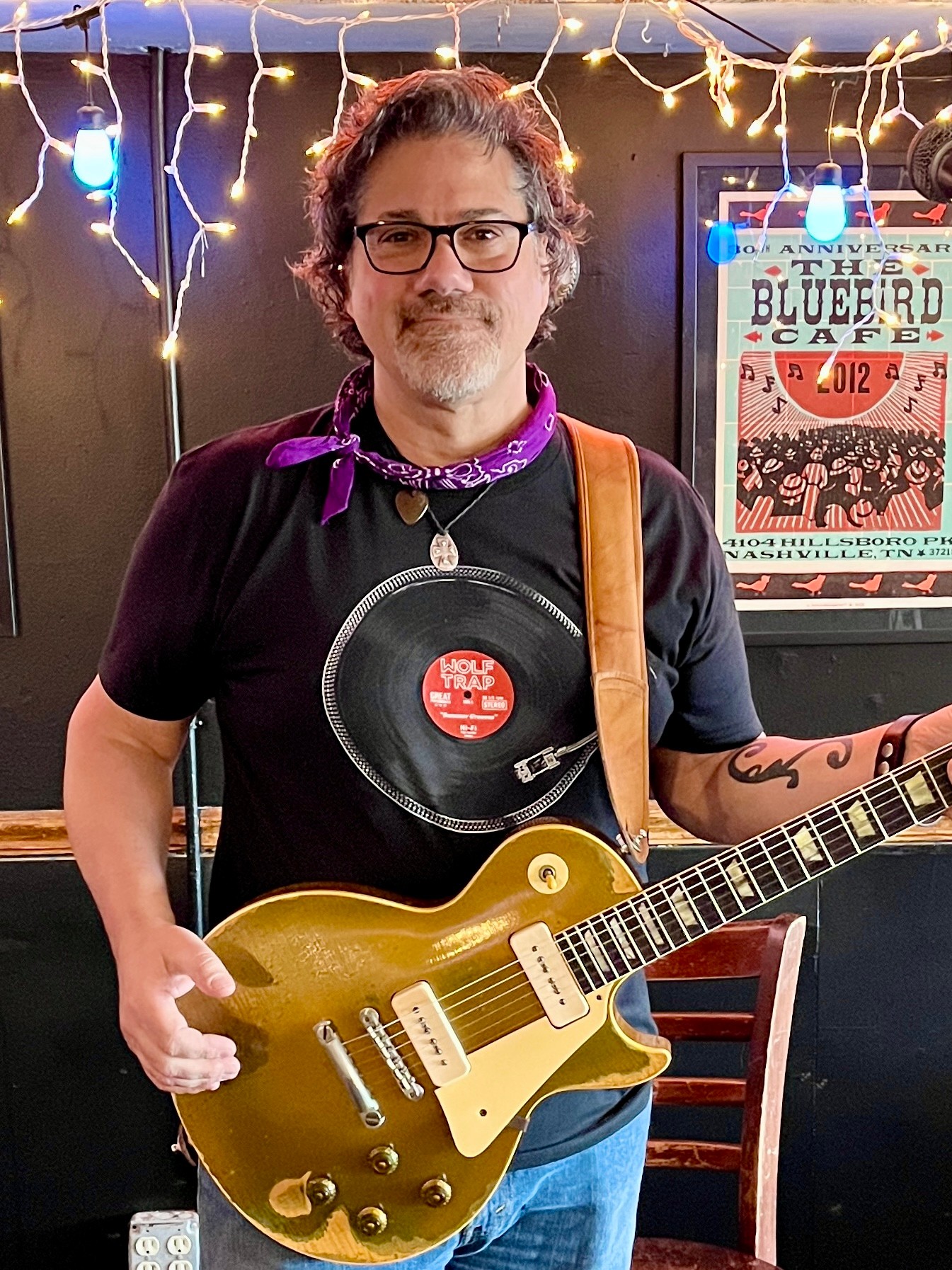

Alright – so today we’ve got the honor of introducing you to Brian Fechino. We think you’ll enjoy our conversation, we’ve shared it below.
Alright, Brian thanks for taking the time to share your stories and insights with us today. How did you learn to do what you do? Knowing what you know now, what could you have done to speed up your learning process? What skills do you think were most essential? What obstacles stood in the way of learning more?
I started playing guitar at 8 years old. Back then, it didn’t feel like “learning a craft” it was more the fun of making sounds and the challenge of playing my favorite songs. The most essential skill I had was patience. Yes, I wanted to know everything right away and wanted to be able to play everything right, but the journey of figuring it out was the fun part. It wasn’t just the reward of getting something right. for the most part my patience allowed me to see the value in every step. I think this was this key to not quitting when stuff got hard. One exception was reading music. It became an obstacle for me. My ear had formed fairly quick so sitting down to read notes felt weird. Plus, every time I tried, I almost got dizzy looking at the page. This is one aspect I didn’t pursue and I regret it. Reading music is not something I need today to do my work, but it does stop me from doing some type of gigs. Im not sure I’d have changed anything about my journey. I feel Ive been incredibly fortunate to have enjoyed my progress in a very authentic way.
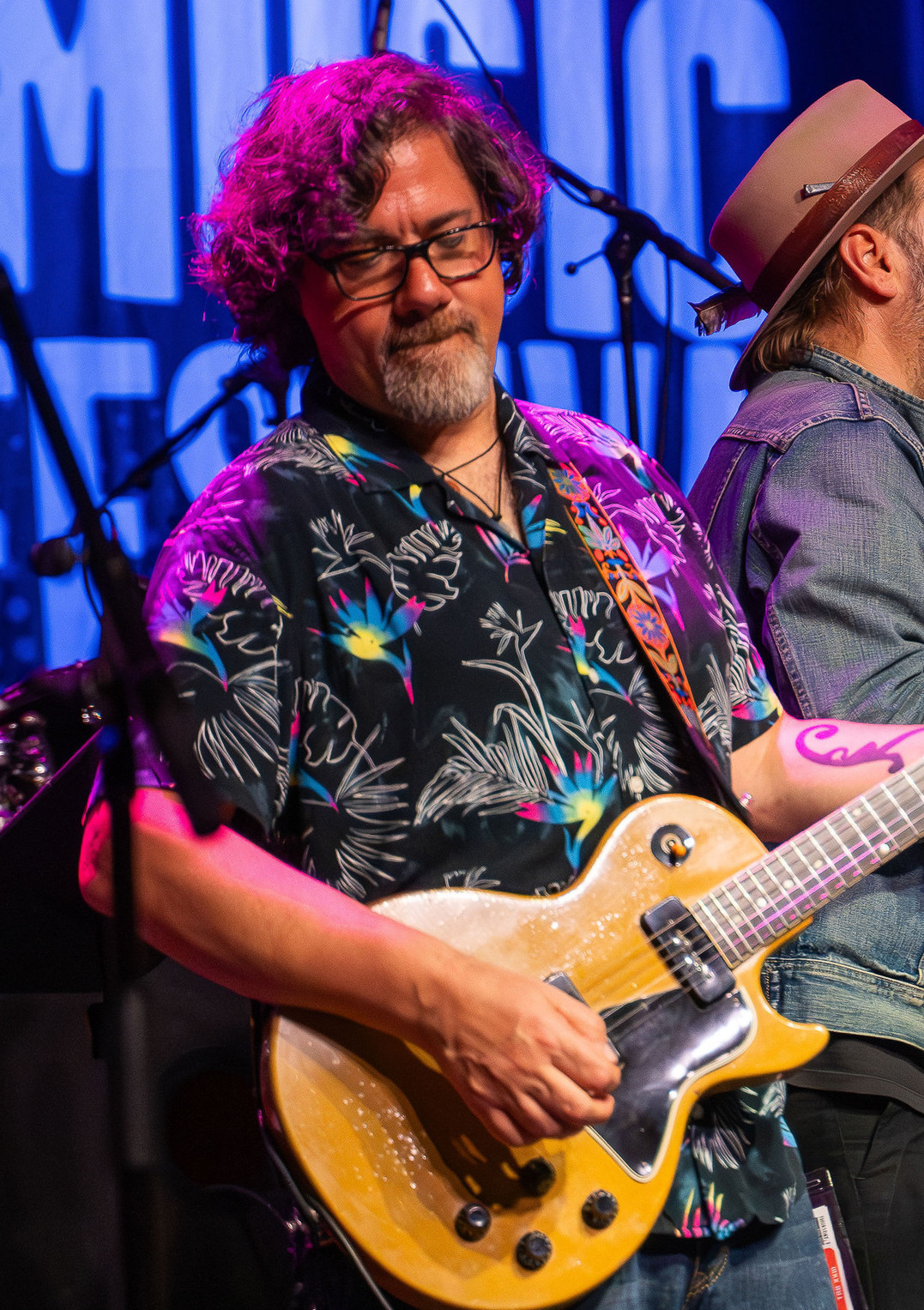
Brian, love having you share your insights with us. Before we ask you more questions, maybe you can take a moment to introduce yourself to our readers who might have missed our earlier conversations?
I’m a Guitarist, Record producer/mixer. I started very early recording myself and that started a love for the craft of making records. Recording was always like painting with sound to me. I saw it in layers. Having been in bands my whole life I had been a part of making many different records, both playing on and producing. It wasn’t until about 2013 that I switched my focus from live to studio work. What I’ve learned through all my years of working with musicians and artists is how you treat people is key in building trust. Trust is one of the biggest parts of my job as a Producer. We all have ideas, visions, and opinions. People need a place they feel safe but also feel heard. When things get hard or frustrating you need to know how to manage a room. I’ve been in situations where 7 people are working together and it’s not always with the same goal. Managing expectations, personalities and disputes become crucial to how a room “feels” under creative circumstances. I try to see things from as many different angles as possible to help formulate decisions. My success hasn’t been financial or chart topping. My success has been in the moments I’ve helped make for myself and others in creative situations. I want the people I work with to feel they made the record they wanted reguardless who’s ideas won. I tell artists all the time “Enjoy these moments of making this art, this record, this song. We don’t have control whether or not people will like it or you will have a huge hit. So enjoy the act of making the Art” I wake up excited to work everyday and I’m so very grateful for that.
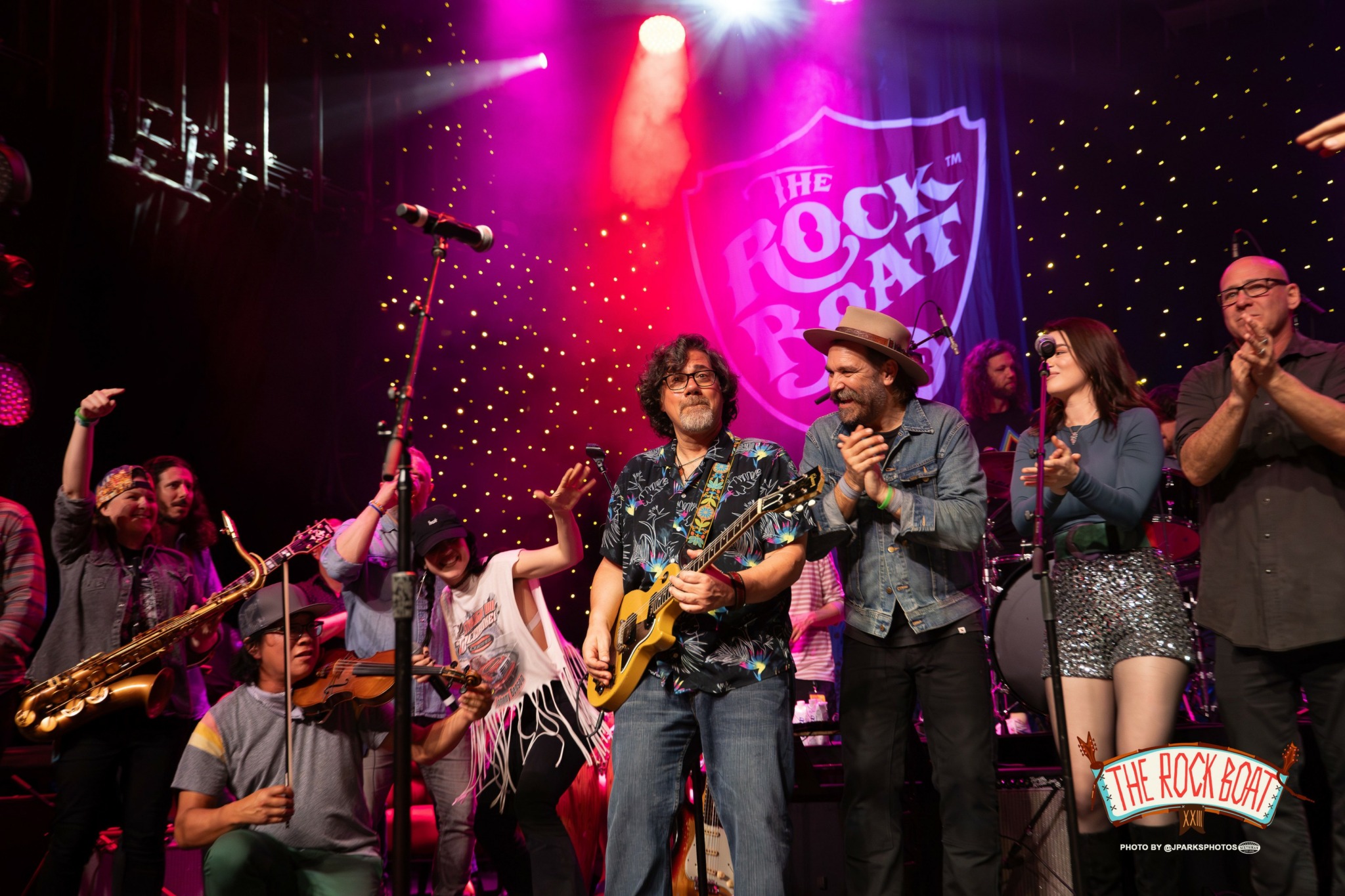
What’s the most rewarding aspect of being a creative in your experience?
For me the most rewarding aspect of being in a creative job is living a creative life. What I mean by that is this…My Life is made up of creative pursuits. I’m always thinking and creating in my mind. My job grants me the gift to be able to live the way I want to without having to quiet my creative side. I used to say “Being a musician is who I am” ….I no longer say that. I say “Being a musician is what I do and how I express who I am.” I get to live the life that is comfortable for me to live in. Wow…thats alot…sorry.
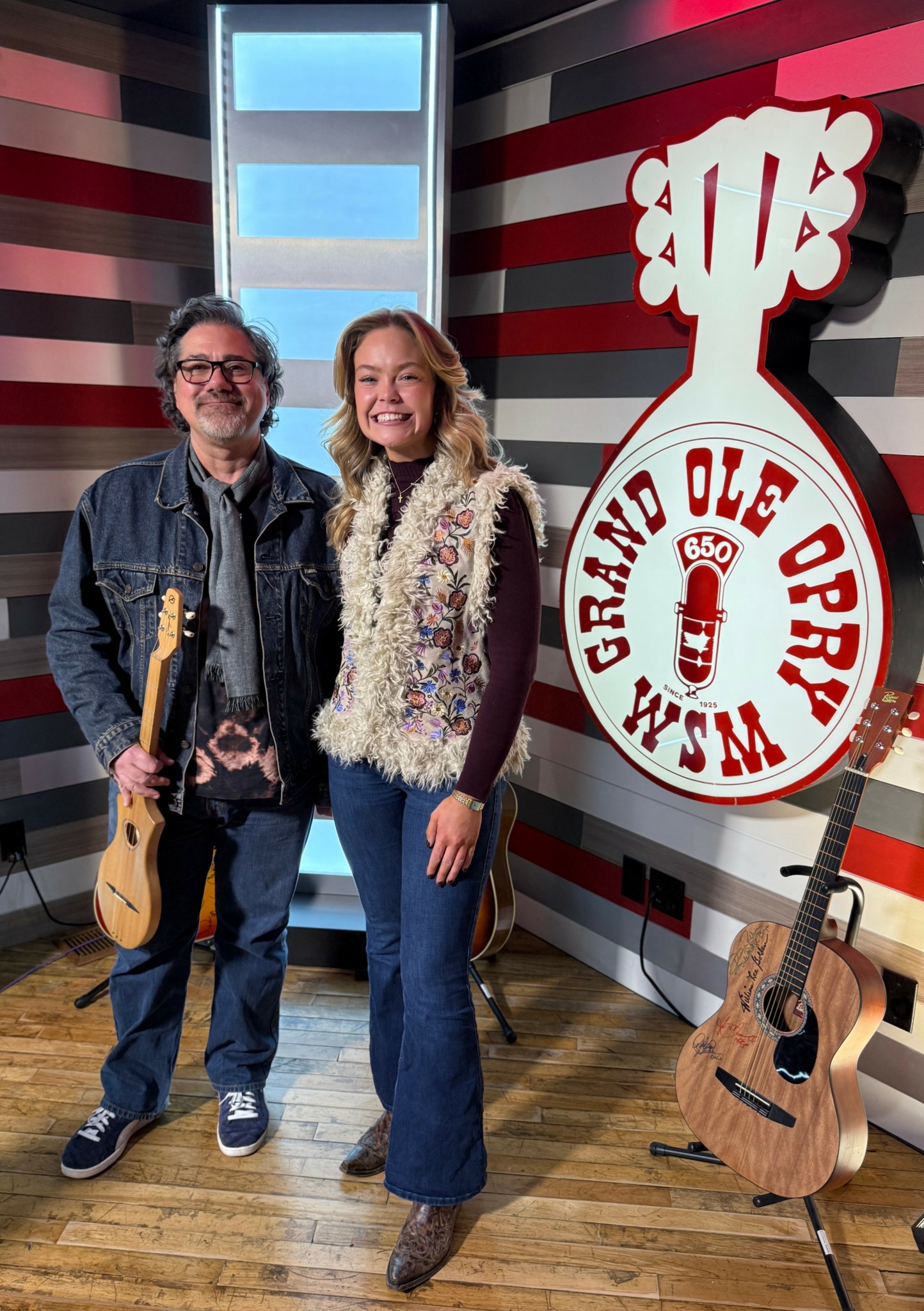
Learning and unlearning are both critical parts of growth – can you share a story of a time when you had to unlearn a lesson?
The biggest lesson I had to unlearn is…If you work really hard you will succeed. It always made sense. But what I’ve found is success is different for everyone. Working hard CAN be very helpful but it can totally burn you out.
I used to take every low dollar project because I worried if I said “no” I’d never find work again. I ended up doing projects that took more time than the money paid for. One day, I got asked to do a low budget project and I said “NO” we discussed money and it still seemed wrong. Within one week I was asked to do a project for 3 times the money with someone I was super excited to work with. If I had taken the previous gig I wouldn’t have been able to do this one. It was at that moment I decided to value myself by asking for more, and saying no to things I didn’t want to do. Im still working hard but not for “working hard” sake. Smarter not Harder is a real thing.
Contact Info:
- Website: https://linktr.ee/BrianFechino?utm_source=linktree_profile_share<sid=270bc111-7489-429c-b8b9-54de1eb37212
- Instagram: https://www.instagram.com/brianfechino?utm_source=qr
- Facebook: https://www.facebook.com/brianfechino
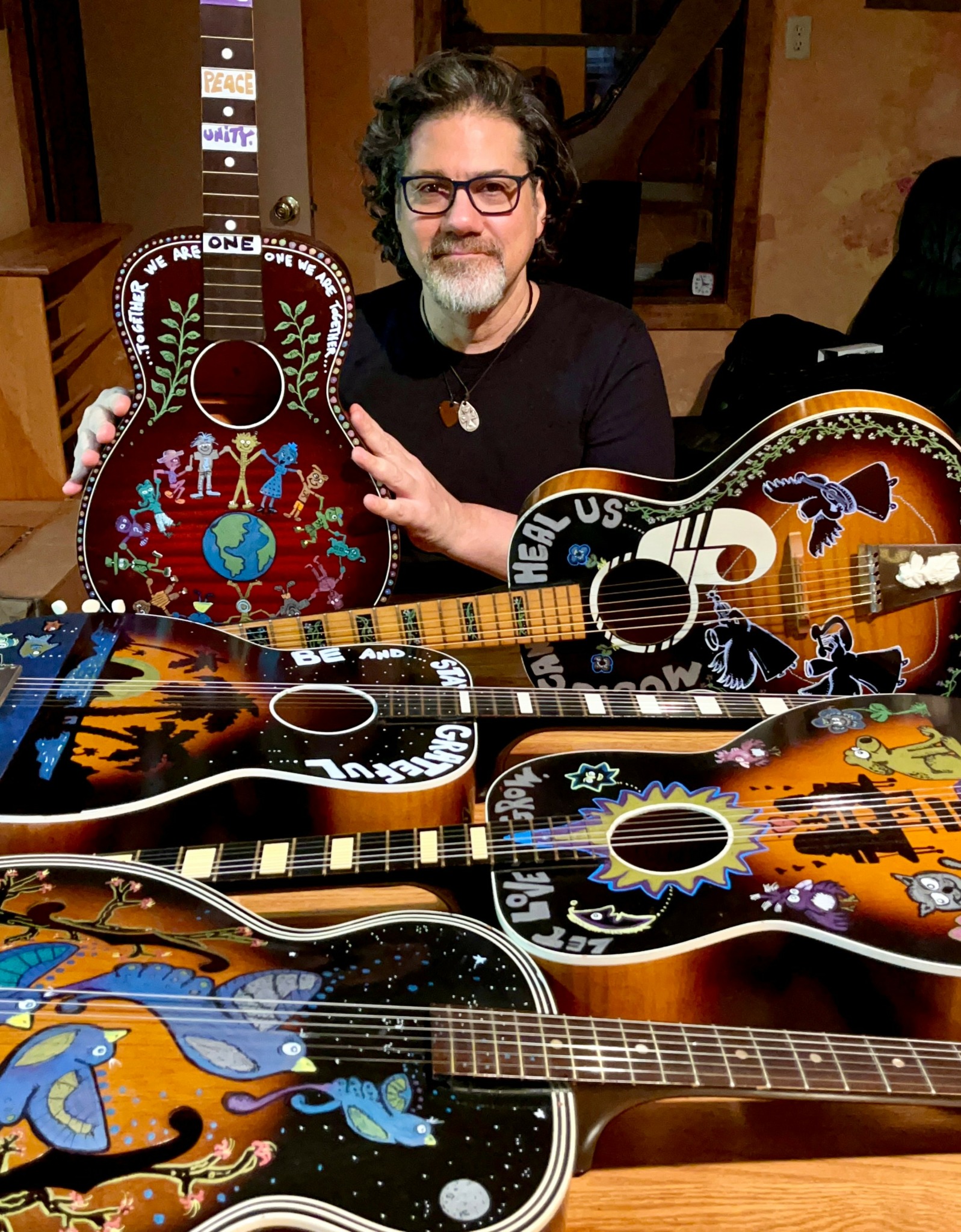
Image Credits
https://www.willbyington.com