
We recently connected with Oyindamola Adeniyi and have shared our conversation below.
Oyindamola, thanks for joining us, excited to have you contributing your stories and insights. Day to day the world can seem like a tough place, but there’s also so much kindness in the world and we think talking about that kindness helps spread it and make the world a nicer, kinder place. Can you share a story of a time when someone did something really kind for you?
It is a heavy thing to hear these words growing up: ‘You are such a strong girl.’ People usually tend to use these words because you are carrying a weight that is heavier than you should be carrying.
I grew up with my three siblings living with muscular dystrophy (a muscle-wasting condition that leads to disability and eventually death) in Nigeria, where awareness and support for the condition were very limited. Looking back, it felt like trying to grow a flower on a rock, like finding ways to flourish in an environment not designed to support you.
My mother and I were the primary caregivers during this period that I am about to share. I was a teenager then, navigating school, puberty and the challenges of moving into a newly built house in an underdeveloped area. For several years, we had no electricity. Eventually, we had to rely on a small generator popularly known as ‘I better pass my neighbour’.
Life was demanding, but whenever visitors came, we still had to play the role of gracious hosts. The house had to be cleaned, meals prepared and smiles solidly on my face, worn like the strong girl I was called to be. No matter how exhausted I felt, I believed I had to stay strong.
Then there was my mother’s elder sister, whom we lovingly call ‘Mummy Ilorin’ because she lives in Ilorin, which is several states away, so her visits were rare. Anytime she visited, it always felt like rain after a very long dry season. Unlike everyone else, she saw beyond the strong teenage girl who had to take care of the home, her siblings and herself. She would arrive with gifts for the family, but what touched me the most about her was something much smaller. Because of her dietary needs, she often brought her own food so that we would not have to worry about catering to her. Even then, she never wanted to add to our burden. That quiet consideration taught me that love is often found in the smallest acts.
What I remember most is that whenever she visited, she would tell me to go and rest, just like that. ‘Go and rest, Oyin. An older woman who had travelled across several states would insist on helping me with household chores while I took a break. No one had ever done that for me consistently. More importantly, she spoke words that I desperately needed to hear. She would point out the responsibilities I was carrying and remind me that I was still a child. She acknowledged that much of what I was doing should never have been my burden.
People praised my strength for years, but Mummy Ilorin was the first person who noticed my exhaustion. After my mother passed away, her kindness did not stop. She still calls my father, my siblings, and me individually. Every conversation is filled with prayers, encouragement, and reassurance that better days are ahead.
The kindest thing she did for me was seeing me, recognising the tired girl behind the strong girl and permitting me to rest. That gift stayed with me for years, and I will always be grateful for it.
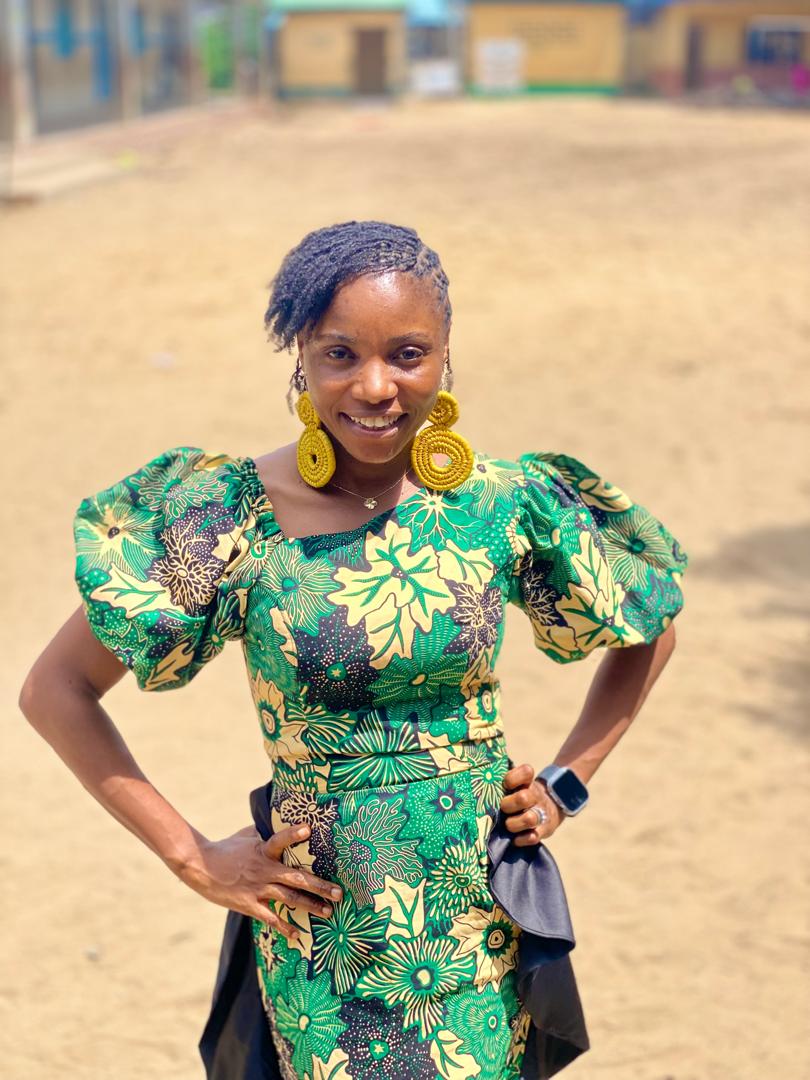
Awesome – so before we get into the rest of our questions, can you briefly introduce yourself to our readers.
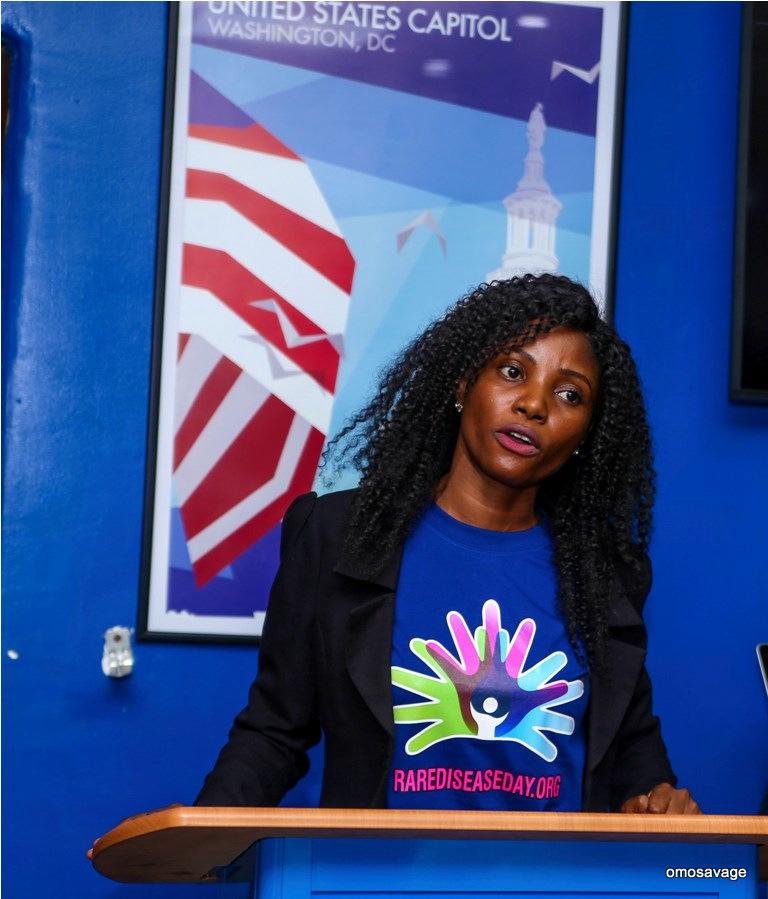
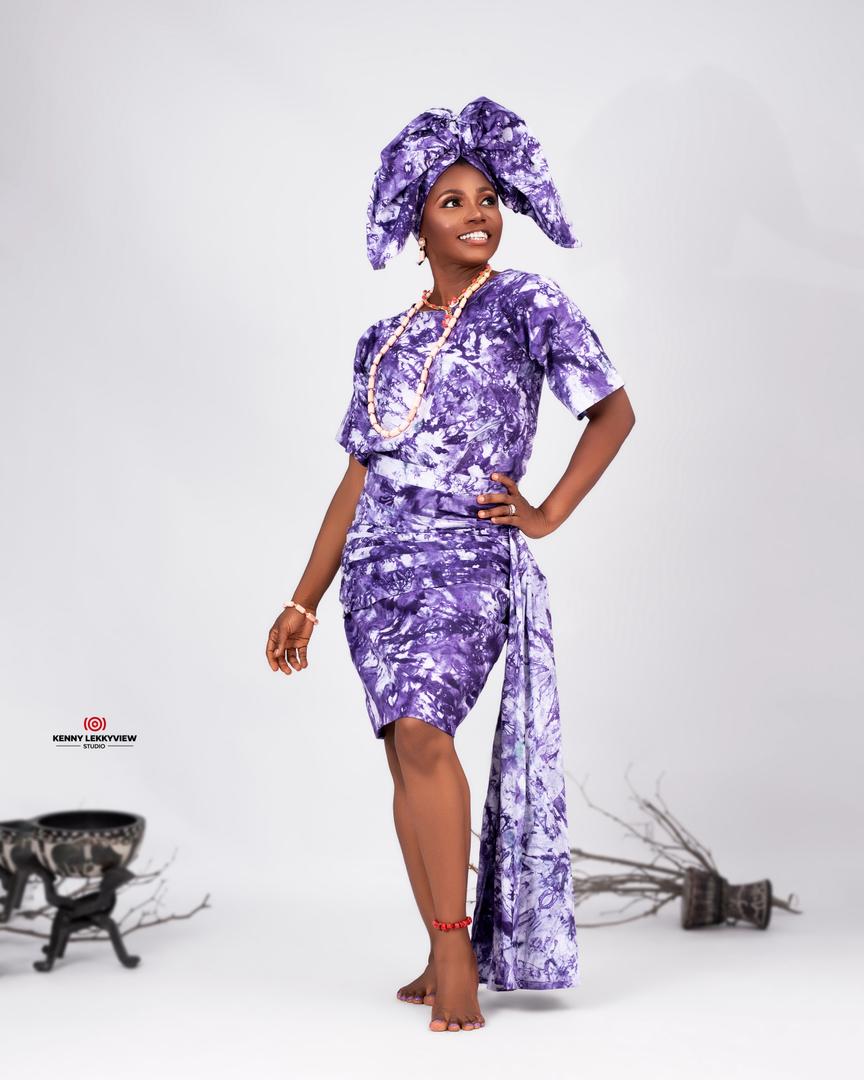
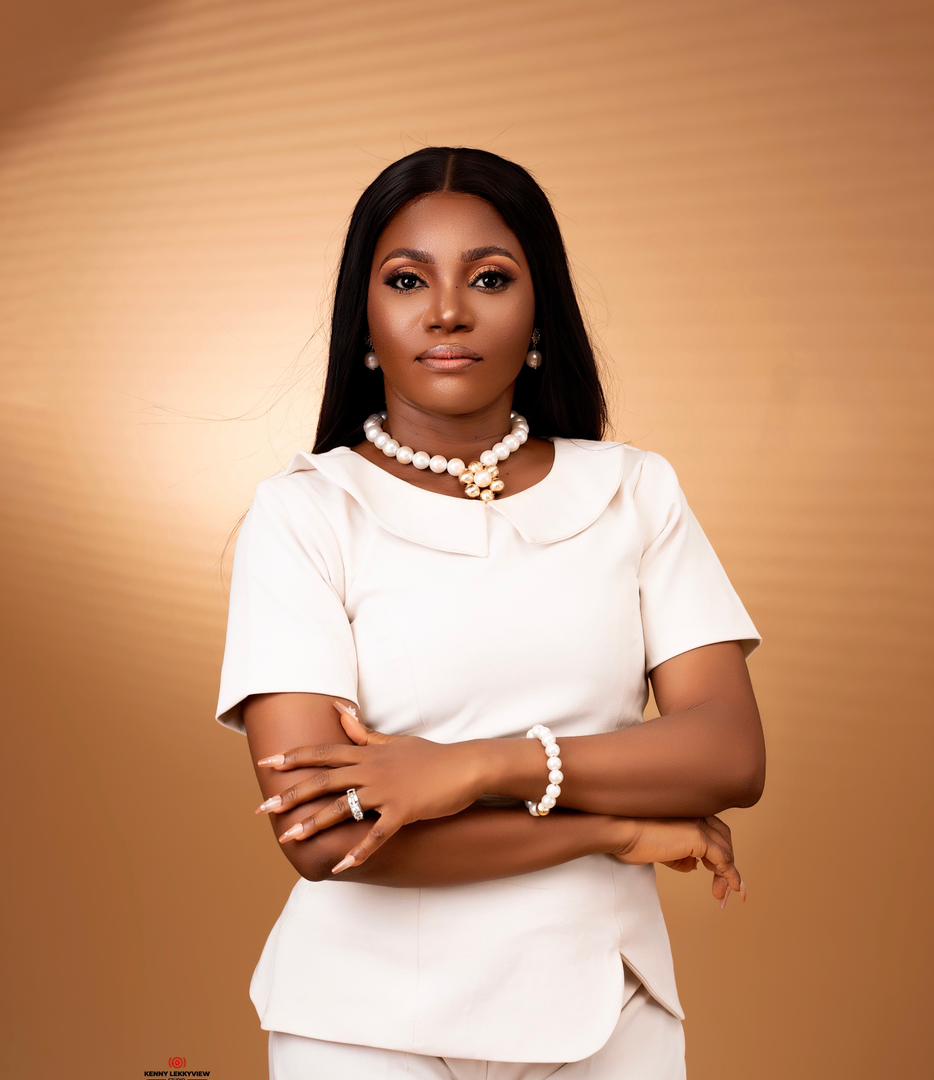
My name is Oyindamola Adeniyi-Jekami, and I am an educator, rare disease advocate, caregiver, and social impact leader passionate about helping children, families, and underserved communities thrive.
My journey into advocacy and education was shaped by my personal experiences growing up with three siblings living with muscular dystrophy. Witnessing the challenges faced by people living with rare diseases in Nigeria exposed me to the realities of inadequate awareness, limited support systems, and the emotional and financial burdens borne by families. Those experiences not only shaped my worldview but also ignited a lifelong commitment to service, education, and advocacy.
Professionally, I am an English educator with several years of teaching experience, and I currently work with learners across different age groups. My work extends beyond traditional classroom teaching into child development, special needs education, language instruction, and caregiver support. I am particularly passionate about helping children learn in ways that honour their individual needs, strengths, and cultural identities.
I am the founder of the Foundation for Neuromuscular Support Nigeria, a non-governmental organisation dedicated to raising awareness about rare diseases and providing support for individuals and families affected by neuromuscular conditions. Through advocacy campaigns, community engagement, storytelling, and educational initiatives, we work to ensure that people living with rare diseases are seen, heard, and supported. Connect with us on Instagram @ffnsng.
In addition to my advocacy work, I am also building “Yoruba for You”, a platform designed to help children learn and embrace the Yoruba language through engaging, culturally relevant educational content. As someone who deeply values indigenous language preservation, I believe that language is an identity, heritage, and connection.
What sets my work apart is that it is deeply rooted in lived experience. I do not advocate from a distance. I have lived the realities of caregiving, loss, resilience, and navigating systems that often overlook vulnerable populations. This perspective allows me to connect authentically with the people I serve and to create solutions that are practical, compassionate, and community-centred.
I am most proud of my ability to transform personal challenges into meaningful impact. Whether I am teaching a child, supporting a family affected by a rare disease, mentoring caregivers, or creating educational content, my goal remains the same: to help people feel seen, empowered, and equipped to thrive.
I want people to know that my work is driven by purpose. I believe that every child deserves access to quality education, every family deserves support, every language deserves preservation, and every person living with a rare disease deserves dignity, understanding, and opportunity.
At the heart of everything I do is a simple belief: when people are given the right support, they can flourish even in the most challenging circumstances.
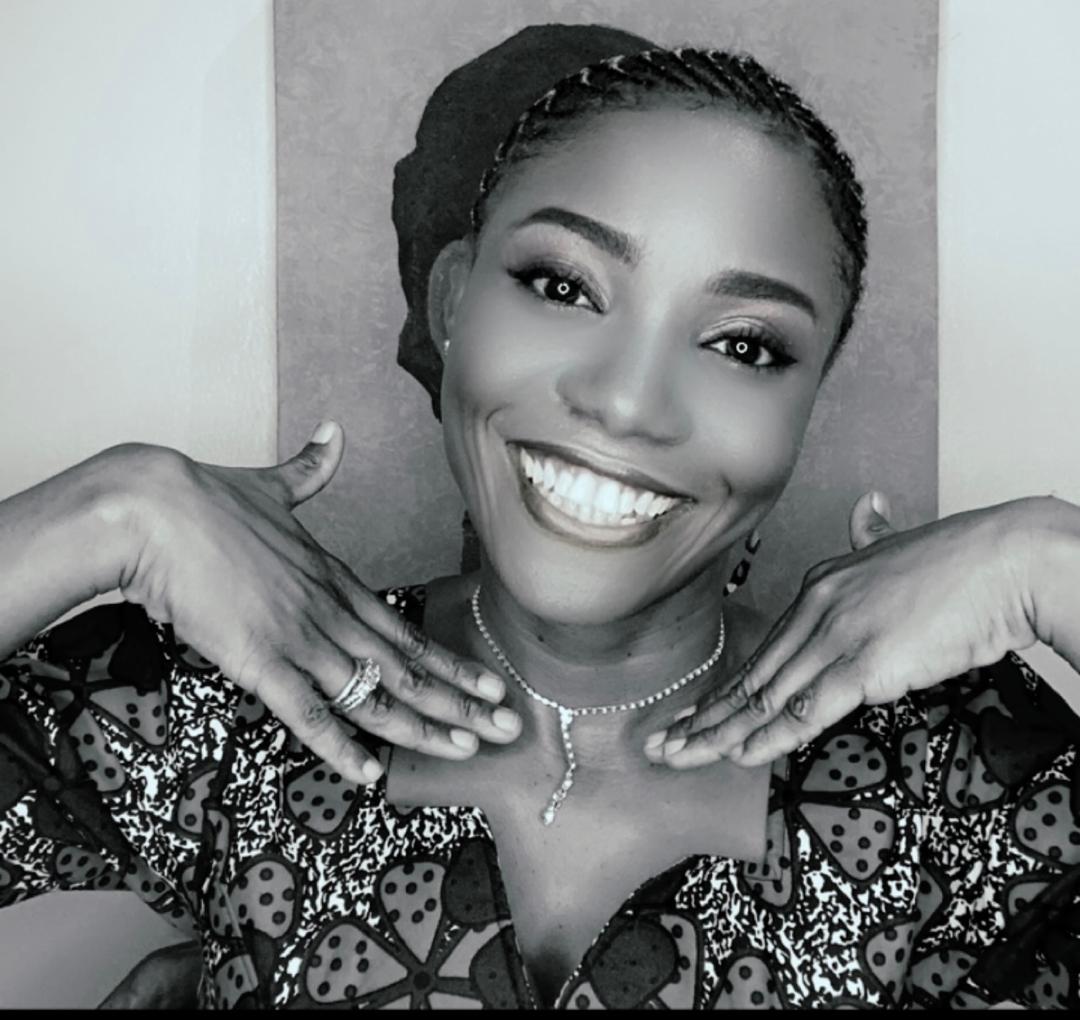
Let’s talk about resilience next – do you have a story you can share with us?
There are seasons in life when survival becomes your first education. My final year at university was one of those seasons. I was a daughter suddenly navigating life after my mother, my primary sponsor, had to retire because of her failing health. In that moment, everything about stability changed. My mother’s retirement meant that the allowance I depended on stopped almost completely. Yet, final year came with its own demands, such as project work, printing costs, departmental activities, and the everyday expenses of simply being a student. I quickly realised that if I was going to complete my degree successfully, I had to find a way to support myself.
I registered for the university’s work-study programme, which allowed students to work up to 20 hours a week. I also started offering tutorial services to earn additional income. The money was modest, but it gave me something important: dignity. It reminded me that I was not powerless in my own story. This new normal made me very intentional about spending. Whenever I received my wages or lesson fees, I bought only the essentials: a pack of noodles, a paint of gari, sachet water, and sanitary pads. I learnt how to stretch every naira.
One of the strategies I developed during that period still makes me smile when I think about it. To make my food last longer, I attended inaugural lectures and academic events whenever refreshments were being served. It was a double blessing. I would sit and listen to professors share years of research, experience, and wisdom, and at the end of it, I could count on having a meal. Looking back, I realise that some of my hardest days were also my most formative. I was learning far more than what was in my course outline. I was learning adaptability, resourcefulness, and gratitude.
My academics remained strong throughout that period, and I graduated as the second-best student in my department. There were moments when I wondered what might have been possible under different circumstances. I was juggling work, survival, family responsibilities, and my studies all at once. But rather than dwell on what I may have missed, I chose to focus on what I had achieved. Completing my degree under those conditions remains one of my proudest accomplishments.
What I am most proud of is that my circumstances did not define my attitude. Even in the middle of financial hardship, I still found ways to support other students who were struggling, and helping them reminded me that hardship does not take away your capacity to care.
That season taught me that resilience is learning to move forward with hope, creativity, and purpose when the path ahead is uncertain. Those lessons continue to shape how I approach life today.
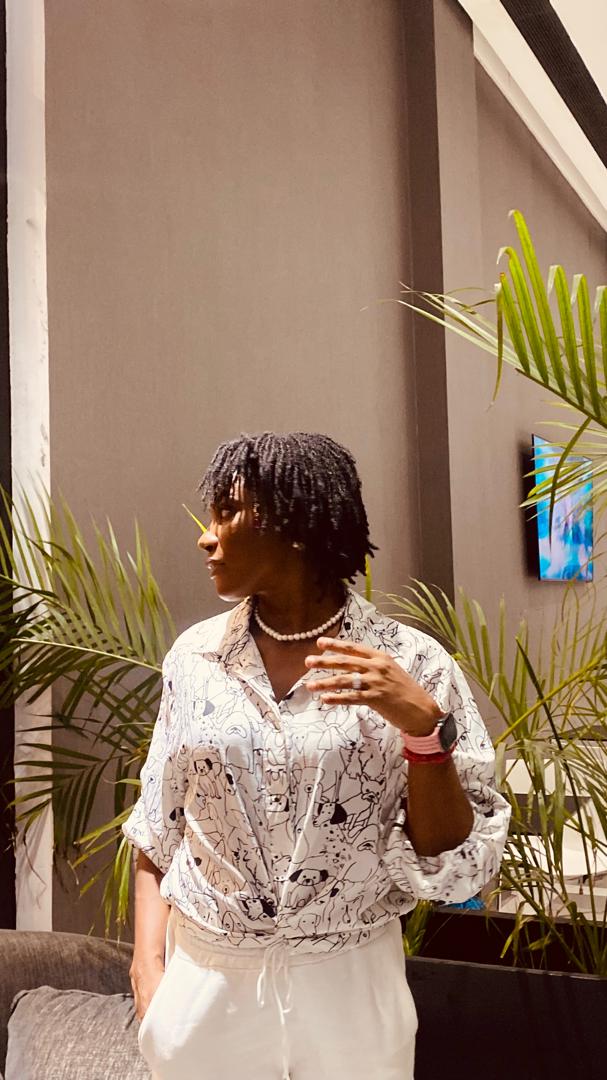
What’s a lesson you had to unlearn and what’s the backstory?
For a long time, I thought love was self-sacrifice, such as giving up your rest, your comfort, and sometimes even your health for the people you care about. Growing up as a caregiver to my siblings, that became my normal. I learnt early that no matter how tired I was, things still had to be done. To me, love meant always showing up, even at my own expense.
When I got married, that belief began to change. In our first year of marriage, I would often push myself to do everything: house chores, responsibilities, and anything that needed to be done. My husband would stop me and say I was doing too much and that some things could wait. He kept encouraging me to rest. At first, I didn’t understand him. In my mind, rest only came after everything was done. But he would explain that this mindset leads to burnout and that rest should be part of life, not something you earn after exhaustion. One illustration he used really stayed with me. He compared it to a phone battery. He said, “You don’t wait until it completely dies before charging it. You recharge it when it gets low, around 20%, so it continues to function well.” That helped me realise I had been operating like someone who only rests when there is nothing left to give.
Over time, I began to understand something important: love should not come at the expense of your health, your peace, or your identity. And if someone becomes angry because you cannot constantly overextend yourself, then that is expectation without consideration, not love. He also taught me that true love is consideration, not depletion.
Today, I have learned that I can love people deeply without losing myself in the process. I can care for others and still protect my well-being. And that has been one of the most liberating lessons of my life.
Contact Info:
- Website: www.ffns.org.ng
- Instagram: https://www.instagram.com/ms._oyin/