

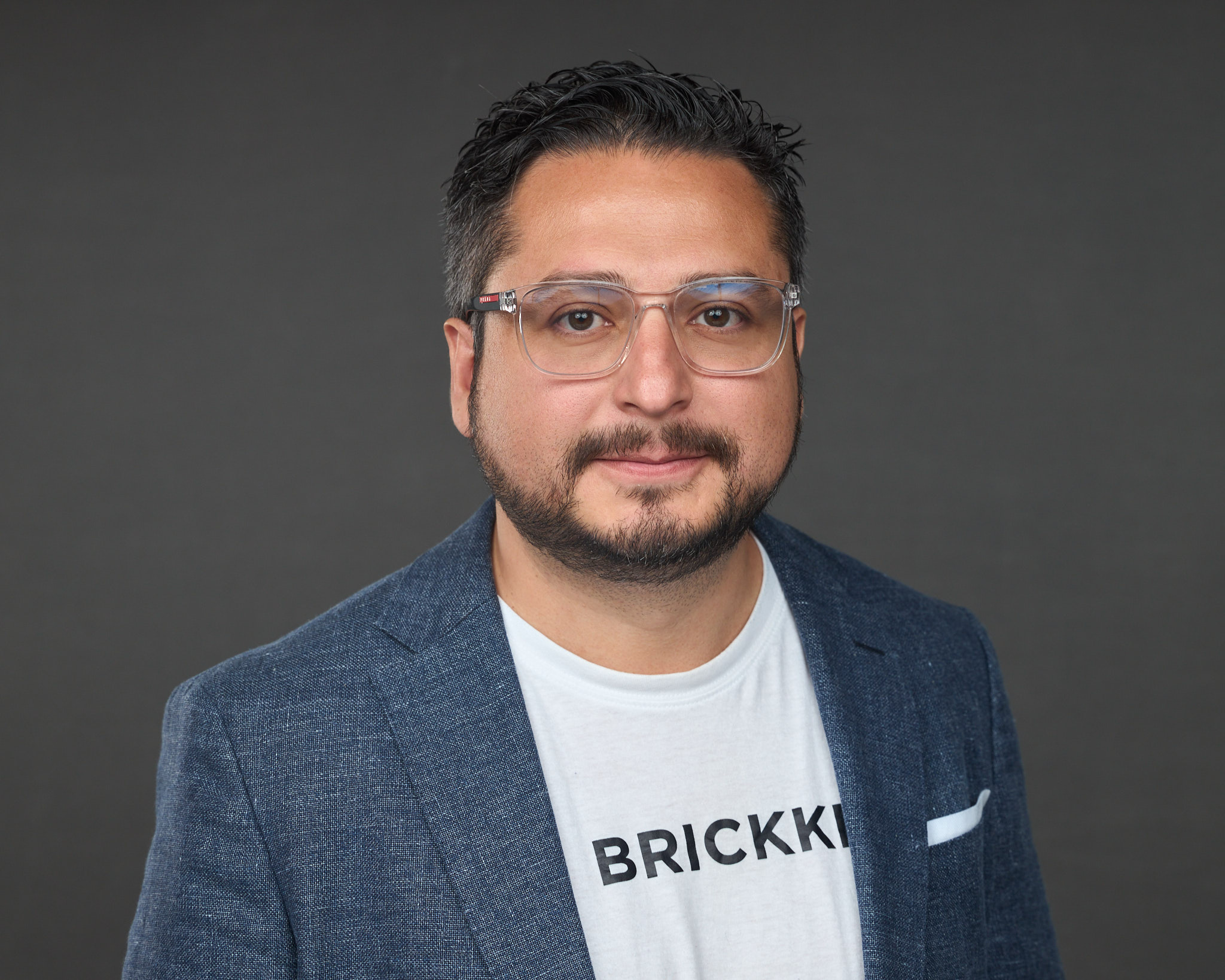

We were lucky to catch up with Edwin Mata recently and have shared our conversation below.
Edwin, thanks for taking the time to share your stories with us today Please tell us about starting your own firm and if you’d do anything different knowing what you know now.
Starting Brickken was less about launching a company and more about acting on a conviction that private markets would eventually become digital.
My background is in law and M&A, and during that time I saw how much friction existed around ownership, fundraising, transfers, and asset management. Transactions involving millions of euros often relied on fragmented processes, disconnected systems, and significant manual work. I became convinced that tokenization was not simply a new financial product. It was a better infrastructure layer for how assets could be issued, managed, and distributed.
The decision to start the company was actually the easy part. The difficult part was building in a market that was still trying to understand what tokenization even meant.
In the early days, the main challenge was not technology. It was education. Every conversation required explaining the problem, the opportunity, and why digital assets would eventually become part of mainstream finance. We had to build credibility before we could build a customer base.
Another challenge was that regulations, market standards, and institutional adoption were all evolving simultaneously. We were building a company while the industry itself was being built around us. That required constant adaptation without losing sight of the long-term vision.
The first years were focused on assembling the right team, building a product that solved real operational problems, and staying disciplined through multiple market cycles. We learned very quickly that hype creates attention, but only execution creates a business.
If I could do anything differently, I would spend even more time talking to customers earlier. Founders often believe their biggest challenge is product development. In reality, understanding the customer problem with absolute clarity is usually far more important than adding features.
My advice to young professionals considering starting their own firm is simple: don’t start a company because you want to be an entrepreneur. Start a company because you have identified a problem that you cannot stop thinking about solving.
There will be periods where progress feels slow, markets change direction, capital becomes scarce, and plans need to be rewritten. The founders who survive are rarely the smartest or the luckiest. They are the ones who maintain conviction long enough to see their thesis become reality.
Building a company is ultimately an exercise in persistence. If you are solving a real problem and remain committed through the difficult years, the market eventually catches up.
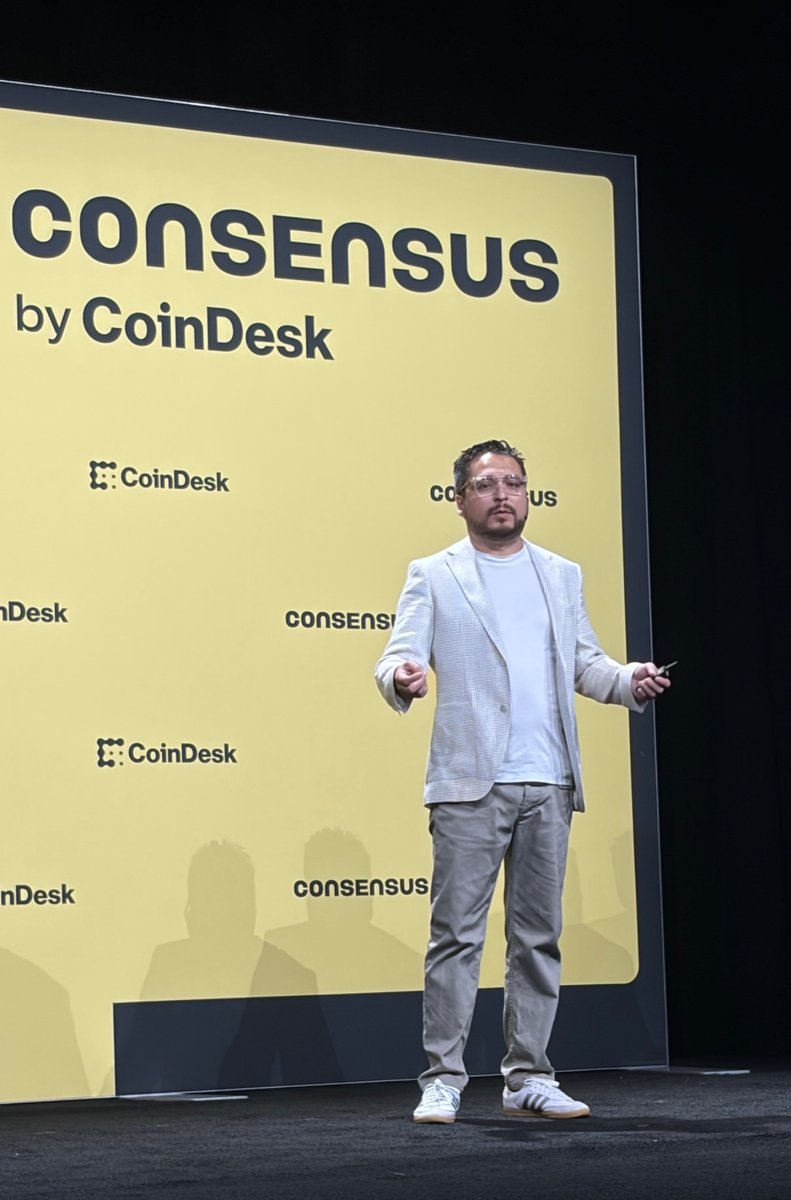
Edwin, love having you share your insights with us. Before we ask you more questions, maybe you can take a moment to introduce yourself to our readers who might have missed our earlier conversations?
I’m the founder and CEO of Brickken, a company building tokenization infrastructure for financial institutions, asset managers, issuers, and service providers.
My professional background is in law.
What stood out to me was how much of the financial system still relied on fragmented processes, disconnected records, intermediaries, and manual reconciliation. The movement of capital had become global and digital, but much of the underlying infrastructure had not evolved at the same pace.
That observation led me to blockchain technology and eventually to tokenization. I became convinced that digital assets were not simply a new asset class. They represented a new infrastructure layer for ownership, issuance, compliance, and capital formation.
That conviction led me to start Brickken.
Today, Brickken provides the infrastructure organizations use to tokenize and manage financial assets throughout their lifecycle. Our clients include issuers, institutions, fund managers, and enterprises operating across multiple jurisdictions and asset classes, including private credit, debt instruments, equity, commodities, and fund structures.
What differentiates us is our focus on infrastructure rather than speculation. Much of the conversation around digital assets historically focused on trading and short-term market activity. Our focus has always been on the operational layer: onboarding issuers, managing compliance, maintaining verifiable records, supporting lifecycle events, and creating infrastructure that can operate within regulated financial environments.
Over the years, I’ve become increasingly convinced that the future of finance is not simply tokenization. The larger transformation is the emergence of programmable capital, where assets, compliance systems, data, and eventually AI agents can coordinate through digital infrastructure rather than manual processes.
That belief has shaped the direction of Brickken. We have evolved from a tokenization platform into infrastructure designed to support the next generation of digital financial markets.
What I am most proud of is not a particular funding round, headline, or market milestone. It is the fact that we have built a company that continued executing through multiple market cycles while staying focused on long-term fundamentals. We have worked with organizations across more than 30 countries and helped bring hundreds of millions of dollars of assets onto digital infrastructure, all while continuing to invest in the foundations required for institutional adoption.
The main thing I want people to know about me and about Brickken is that we are builders. We spend far more time thinking about operational problems than market narratives. Technology matters, but technology alone is never enough. Adoption comes from solving real problems for real organizations. That principle has guided every major decision we have made and continues to shape where we are heading next.
Have you ever had to pivot?
One of the biggest pivots in my career happened after Brickken was already operating successfully.
When we started the company, our focus was straightforward: help businesses bring assets on-chain through tokenization. At the time, the market was still emerging, and most conversations centered on issuance. The challenge was proving that digital assets could represent ownership more efficiently than traditional systems.
As we worked with more issuers, funds, and institutional participants, we realized tokenization itself was not the final destination. It was only the first layer.
Clients were not simply asking how to issue a token. They were asking how to manage compliance, lifecycle events, investor onboarding, reporting, distribution, and eventually how these assets could interact across different systems and jurisdictions. The problem was much larger than issuance.
That realization forced us to rethink our entire business. Instead of building a tokenization platform, we began building infrastructure.
The shift required changes across product development, positioning, partnerships, hiring, and long-term strategy. We invested heavily in areas that did not immediately generate revenue because we believed the future of the industry would depend on infrastructure rather than individual transactions.
Today that conviction continues to shape Brickken. We are focused on the infrastructure layer that supports tokenized assets, programmable capital, regulated workflows, and eventually AI-driven financial coordination.
The lesson for me was that founders must be willing to evolve their vision without abandoning their mission. The mission remained the same: modernize private markets. The path to achieving it changed significantly as the market matured.
How did you build your audience on social media?
I never approached social media as a growth hack or a personal branding exercise. From the beginning, I saw it as a way to participate in a conversation about where financial markets were heading.
When we started Brickken, tokenization was still a very niche topic. Most people had never heard of it, and many of those who had associated it exclusively with speculation. I realized early on that if we wanted to build a company in this space, we also had to help educate the market.
My approach was simple: share what I was learning, share what we were building, and share my perspective on where the industry was going.
Over time, that created something much more valuable than followers. It created relationships.
Many of the people who follow my content today are not just followers. They are clients, partners, investors, founders, regulators, builders, and friends I’ve met throughout the journey. Some conversations started with a comment on a post and eventually became partnerships or business opportunities years later.
One thing I’ve learned is that consistency matters far more than virality. A single post can generate attention, but trust is built over hundreds of interactions. People want to know what you genuinely believe, how you think, and whether you continue showing up when market conditions become difficult.
The other lesson is that audiences respond to authenticity. The posts that perform best are often not the most polished. They are the ones where you’re sharing a real observation, a lesson learned, or an honest perspective about what is happening in the market.
For anyone starting today, my advice is to focus on contributing rather than broadcasting. Don’t think about building an audience. Think about becoming part of a community. Share your experiences, document your journey, engage with others, and be patient.
Most people overestimate what can happen in a month and underestimate what can happen in five years of consistently showing up. Looking back, that’s how our audience was built—one conversation at a time.
Contact Info:
- Website: https://www.edwinmata.com
- Instagram: https://www.instagram.com/edwinmata.eth
- Linkedin: http://www.linkedin.com/in/edwinmatanavarro
- Twitter: https://x.com/edwin_mata
- Other: https://www.forbes.com/councils/forbesbusinesscouncil/people/edwinmata/
