
We recently connected with Jessica Lostetter and have shared our conversation below.
Hi Jessica, thanks for joining us today. We’d love to have you retell us the story behind how you came up with the idea for your business, I think our audience would really enjoy hearing the backstory.
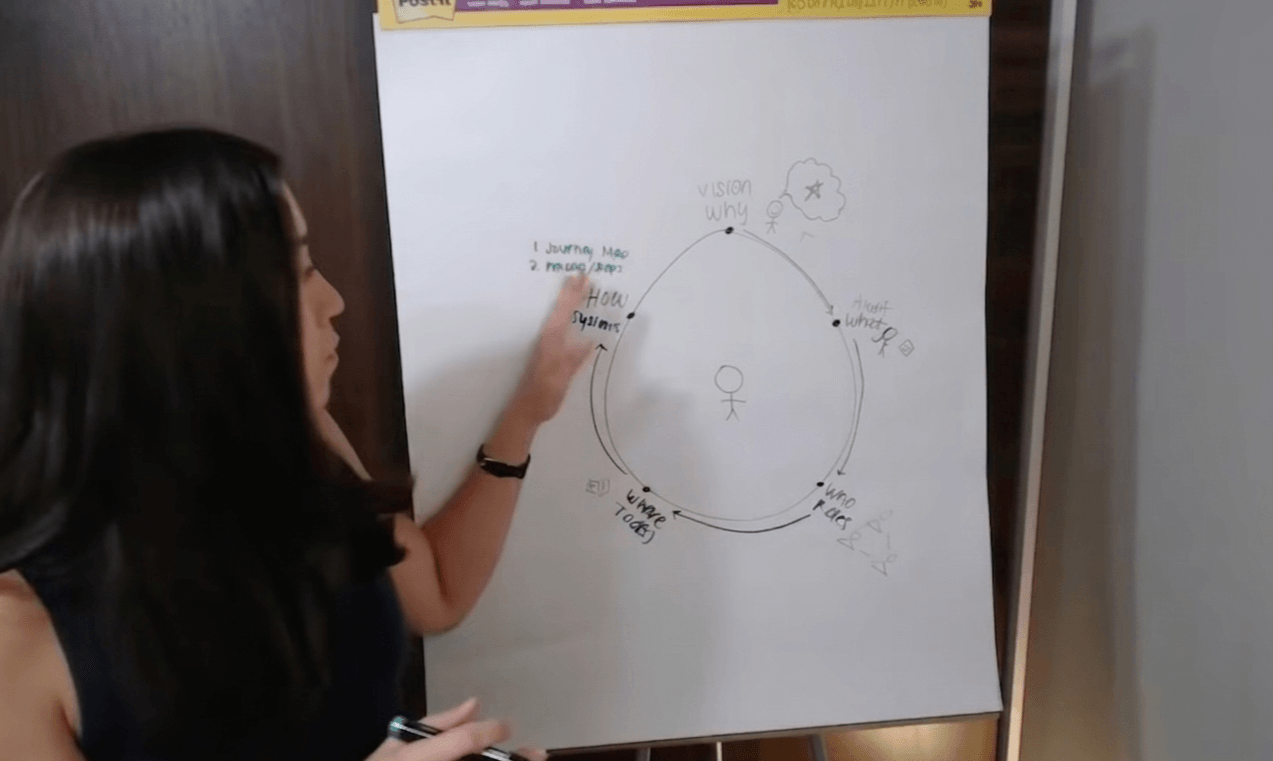
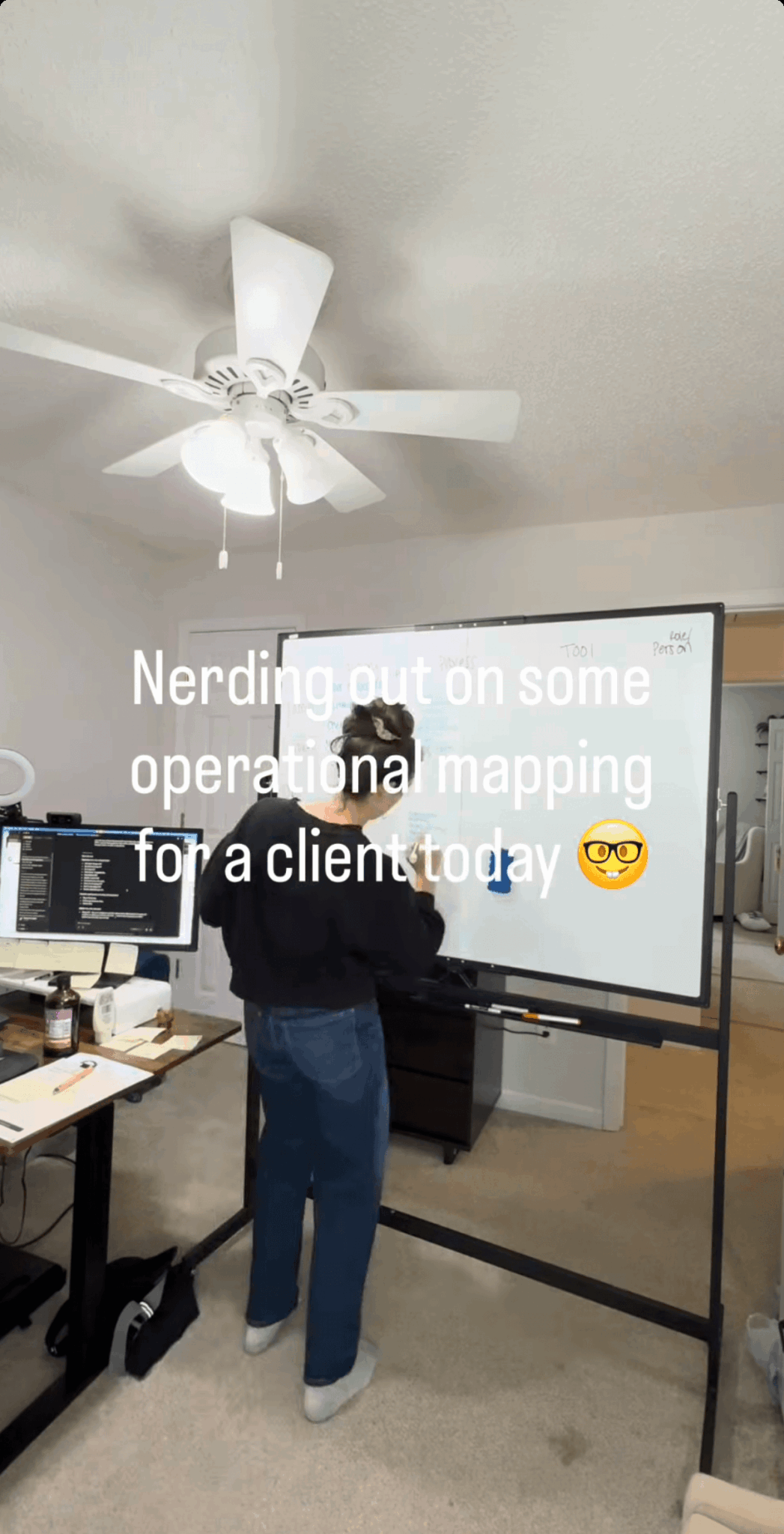
I’ve always been a systems thinker. I didn’t know that’s what it was called for a long time — I just knew that when things were chaotic, my brain automatically started building the map that would make it make sense. In my corporate career, I’d walk into a mess of scattered files and disconnected processes and just… see the path through. My colleagues found that weird and impressive in equal measure. To me, it was obvious.
Around that same time, I heard someone on a podcast (shout out to School of Self Image with Tonya Leigh) say that if you’re going to start a business, you should do something you can’t shut up about. And I remember laughing a little, because the answer was so obvious I couldn’t believe I never thought of it before. I have never once had to force myself to care about getting organized. I make lists for fun. I see a chaotic system and my brain immediately starts building the fix. I have been this way my whole life and it’s genuinely fun for me.
What I didn’t realize until much later was that it wasn’t obvious to most people. And that gap — between how naturally organizing information comes to me and how genuinely hard it is for others — was the seed of everything.
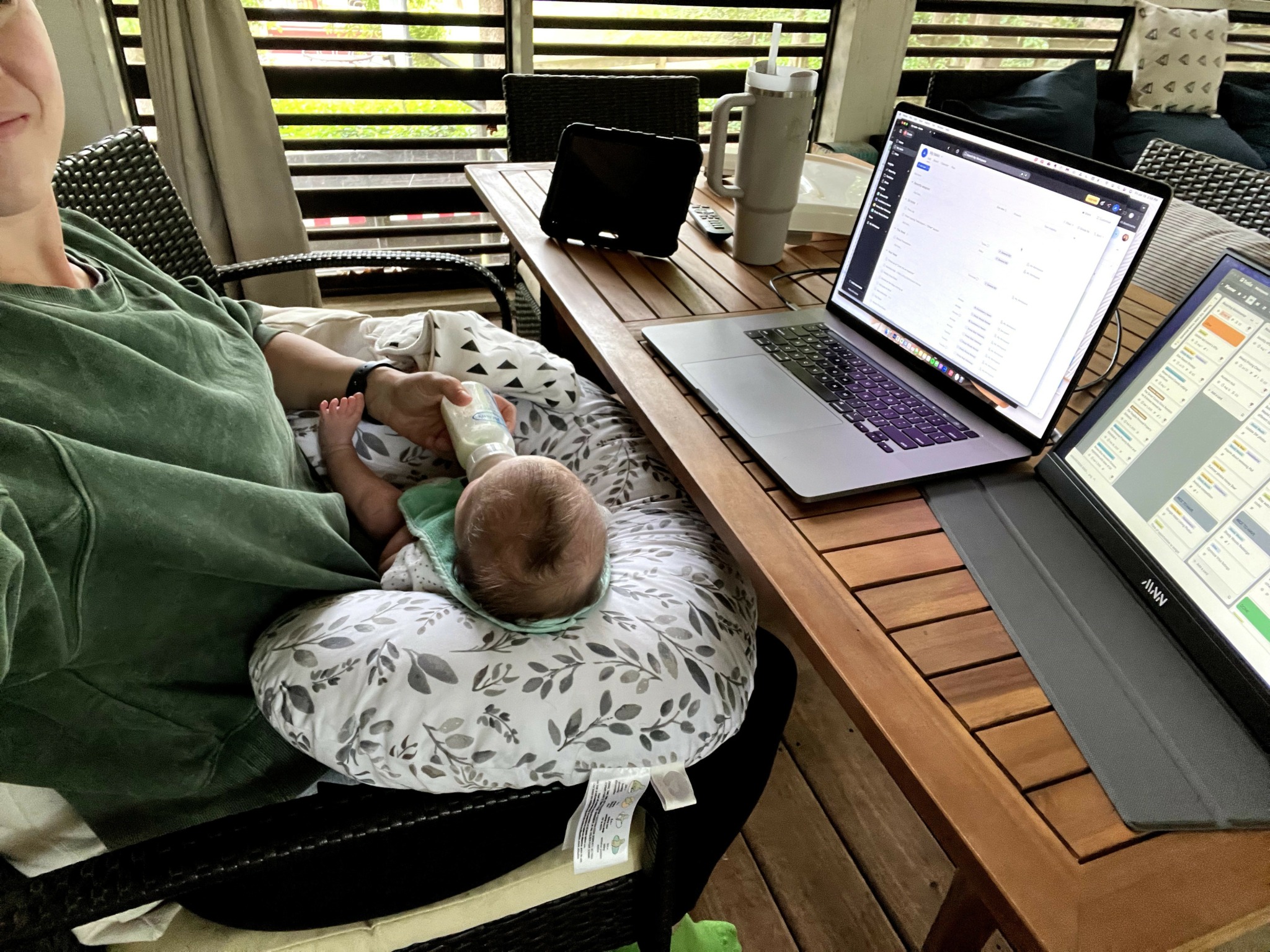
The real turning point came during a stretch of my life where I had almost too much going on at once. A full-time corporate career, a short-term rental business I was building and operating, two babies in quick succession. I wasn’t surviving it on discipline alone. I was surviving it because I had engineered a way to hold all of it. I had systems for my household. Systems for the business. And somewhere in the middle of building those, I realized I had reclaimed somewhere between 10 and 15 hours a week — not by doing less, but by removing myself as the thing everything ran through.
That was the moment the idea really crystallized. Not that I should teach systems. But that I could help women think differently about their time and energy — and that if I could build it for myself, I could build it for them.
What made me believe it was a real business was a very specific observation: the women who were struggling weren’t struggling because they weren’t smart or disciplined or capable. They were struggling because nobody had ever taught them to think this way. There was no class on it. No playbook. Organization gets treated like a personality trait you either have or don’t — and if you don’t, you’re just supposed to white-knuckle your way through.
That’s not true, and I knew it. Organization is a skill. And skills can be taught.
The other thing I saw — and this is what I think makes Built for Both genuinely different — is that most of the solutions out there pick a lane. Productivity apps and coaches focus on your business. Home organization is its own separate world. But the women I was talking to weren’t struggling because their business was a mess or their home was a mess. They were struggling because their whole life was one interconnected system that nobody was treating as a whole. You can’t fix the business without fixing the mental load at home. You can’t be present at home if your business is running on chaos. It’s all connected.
So I stopped trying to be a business systems person or a home organization person and started being the person who helps ambitious women build the capacity to hold both. That’s what Built for Both is.
Jessica, love having you share your insights with us. Before we ask you more questions, maybe you can take a moment to introduce yourself to our readers who might have missed our earlier conversations?
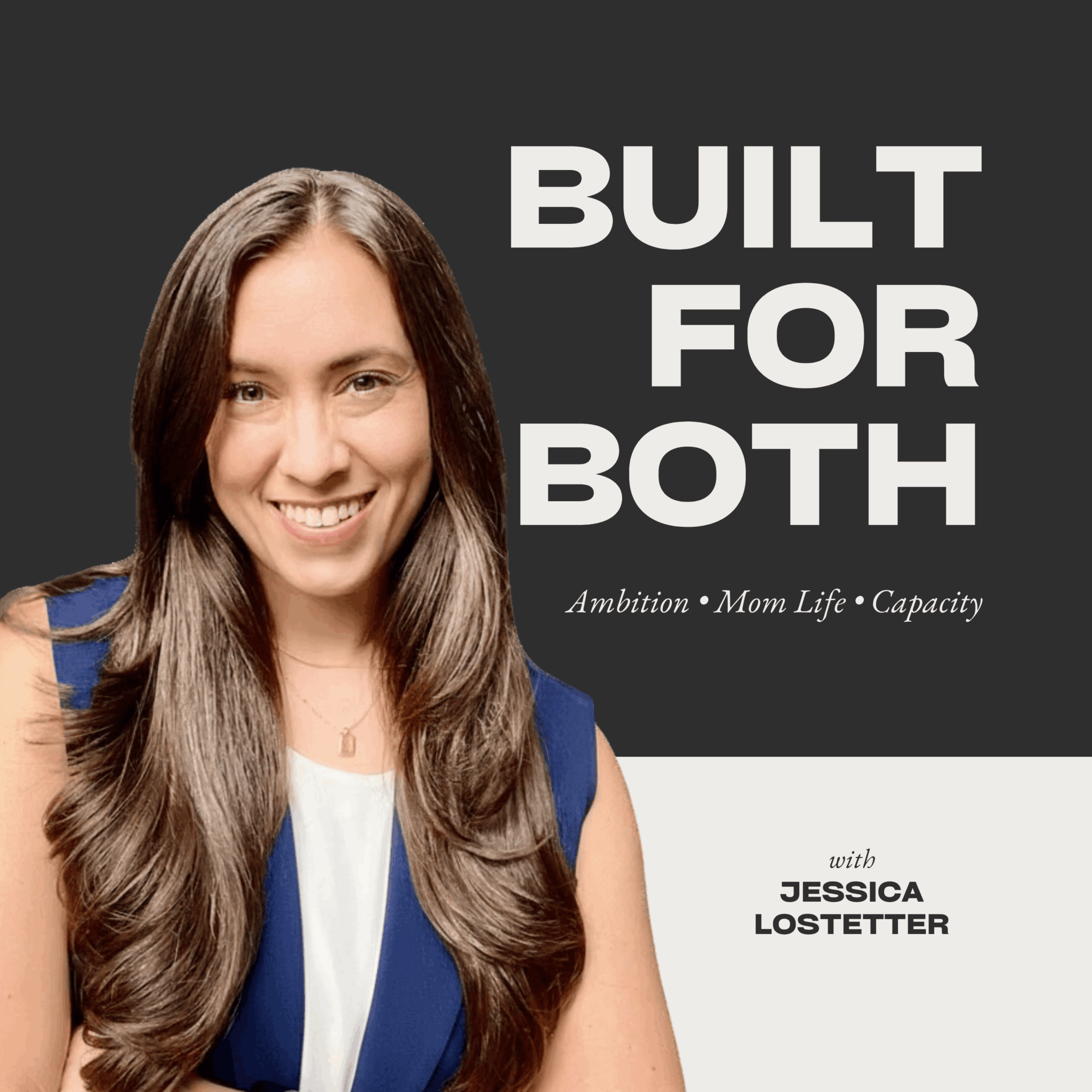
I’m Jessica Lostetter, founder of Built for Both Collective. I’m a mom of two toddler girls, a wife, and someone who has quite literally never been able to stop thinking about how to make systems work better. My husband will tell you I reorganize things for fun. He’s not wrong.
I spent 15 years in corporate before betting on myself and making the leap to entrepreneurship. During that time in corporate I also built a short-term rental portfolio — two properties of my own, plus a management business serving other owners — and the thing that made that business sellable wasn’t just the revenue. It was the systems. Every process was documented, every role was clear, everything ran without me holding it together. I watched that happen and thought: this is the thing. This is what I want to help other people build.
We had savings, we had a plan, and we had a belief that it was worth leaning on our reserves to go all in. I have big goals for myself and my family, and it was time to take a leap of faith and bet on myself. That’s something I try to instill in my clients too — that belief that you and your goals are worth investing in too.
So I launched Built for Both Collective, a coaching and consulting business for ambitious women who are building a business and raising a family and feel like they’re constantly one step behind in both. I offer two ways to work together: private consulting, which is a done-for-you service where I build your custom systems and hand them off to you ready to use; and group coaching, where you learn the skills and get hands-on support while you build what you need to reach the next level of capacity. Both paths lead to the same place — a life where you leverage the right systems and habits to create time and capacity in your life so you can grow your business without sacrificing your presence at home.
What I’m most proud of isn’t the systems themselves. It’s what happens after. One client found 20 hours in her week she didn’t know she had. Another had tried every tool and app and planner on the market and finally found something that actually stuck — because it was built for her life, not someone else’s. Another told me I introduced her to processes she didn’t even know existed and that it completely transformed how her business operates. And beyond the individual wins, what fills me up most is being surrounded by women who are building their dream business and their dream life at home at the same time — and actually believing they can have both. That belief shift is as much a part of the work as any system I build.
The thing I most want people to know about me and this brand is that this work isn’t just for people who feel like a mess. Some of the women I work with are already pretty pulled together — they just need a fresh set of eyes on how their life is running, someone to spot what they can’t see because they’re too close to it. What we build together isn’t about fixing something broken. It’s about building something that actually fits — the business you’re growing, the family you’re raising, and the life you actually want.

We’d appreciate any insights you can share with us about selling a business.
Yes, I sold my short-term rental management business, and it’s one of the experiences I draw on most in the work I do now.
The buyer was someone I’d connected with through a group coaching program — we were essentially building similar businesses with similar frameworks, so the handoff was remarkably smooth. He understood the model, he understood the systems, and because everything was already documented and running without me at the center, he could step in and operate it almost immediately. That’s not an accident. That was the result of building it a specific way from the beginning.
The lesson I’d share with any entrepreneur thinking about selling one day — even if that day feels far off — is this: build it to sell from day one, even if you never actually sell it. That mindset changes how you make decisions. It forces you to ask, constantly, whether you’re the bottleneck. Whether someone else could run this without you explaining it from scratch. Whether the value lives in your head or in the business itself.
For me, having the right systems, processes, and documentation in place is what made a relatively small business genuinely valuable to a buyer. He wasn’t just buying revenue. He was buying a structure he didn’t have to build himself. That’s worth something real — and it’s often the difference between a business someone wants to acquire and one they’d have to rebuild from the ground up.
The people who taught me how to build that business drilled this into me early, and I’m grateful they did. I now try to pass it on to every client I work with, regardless of whether selling is on their radar. Because the discipline of removing yourself as the operating system — of building something that holds without you holding it — makes the business better whether you sell it or not.


How do you keep your team’s morale high?
When I brought on my first hire for my last business, the process of building the job description started with my company values before the duties of the position. And during the interview, I asked her which one resonated with her most. I wasn’t looking for the right answer. I was looking for her answer. What she said told me more about her character than any resume line ever could. My philosophy was simple: I can teach skills. I can’t teach values. Hire for the person first.
I approached training with the same intentionality from day one. Before she started, I had already recorded videos of most core processes that she would be responsible for. Her job in the first few weeks wasn’t to shadow me for hours. It was to watch those videos and then write the SOPs herself, in her own words. That process did three things all at the same time: it trained her, it stress-tested the systems, and it allowed me to continue moving the business forward without that dreaded “time to train” setback. We also followed a model my business coach taught me: I do it, you watch; you do it, I watch; then you do it. By the time we got to the third phase, she owned it. And she knew exactly where she was headed because we had a 90-day milestone plan from the start. Not a vague “get comfortable” timeline — specific skills, specific programs, specific tasks she should be able to do by the end of week one, week four, week eight.
But the thing that made it actually work — the thing I think gets skipped most often — was the combination of communication and autonomy. From the beginning, I wanted her input. Her opinion mattered and she knew it. When she made a mistake, we fixed it together and then looked at what gap in the system allowed it to happen. Because a mistake is rarely just a people problem. It’s usually a process problem. Treating it that way kept trust intact and kept us both focused on getting better rather than pointing fingers.
The advice I’d give any entrepreneur building a team — even a team of one — is this: get everyone bought into the goal (both the individual goals and company goals) and the why, not just their role. People don’t show up for job descriptions. They show up when they understand where you’re going and what their part in it means. Get that right and the morale piece largely takes care of itself.
Contact Info:
- Website: https://builtforbothcollective.com/
- Instagram: https://www.instagram.com/jessicalostetter/
- Linkedin: https://www.linkedin.com/in/jessicalostetter/
- Youtube: https://www.youtube.com/@BuiltforBoth
- Other: Podcast: https://open.spotify.com/show/033jxqhGXPTiDZqp3xJq0Z?si=Up67DpqHQnW0xvzTeYThkw&nd=1&dlsi=2e4639a297a242e9
Threads: https://www.threads.com/@jessicalostetter