
We caught up with the brilliant and insightful Jason Pietruszka a few weeks ago and have shared our conversation below.
Jason, thanks for joining us, excited to have you contributing your stories and insights. One deeply underappreciated facet of entrepreneurship is the kind of crazy stuff we have to deal with as business owners. Sometimes it’s crazy positive sometimes it’s crazy negative, but crazy experiences unite entrepreneurs regardless of industry. Can you share a crazy story with our readers?
The craziest thing that’s ever happened in my business wasn’t a lawsuit, a difficult client, or a project gone wrong. It was waking up and realizing that an entire community where we had built homes, relationships, and friendships was burning.
As the Pacific Palisades fire unfolded, I wasn’t watching it on the news as a distant event. Many of the neighborhoods affected were places where my company had worked for years. Clients’ homes, active projects, friends, and families were suddenly in the path of a disaster that nobody could control.
What made the experience even more difficult was that I wasn’t only helping others navigate the loss—I was experiencing it myself. I lost two homes in the fire. While clients were trying to understand what came next, I was asking many of the same questions. I was dealing with the same uncertainty, the same insurance challenges, the same rebuilding process, and the same grief that so many of my clients and friends were experiencing.
In the span of a few days, everything changed.
Phones that would normally ring with questions about design selections, schedules, or budgets were now ringing with people asking if their homes were still standing. Conversations shifted from construction timelines to evacuation routes, insurance questions, and whether utility companies were going to be moving everything underground.
As a business owner, you’re trained to solve problems. But this was different. There was no immediate solution. No amount of planning, project management, or hard work could stop a wildfire.
What made the situation so surreal was the emotional conflict. On one hand, I was grieving personal losses and trying to figure out what came next. On the other hand, I felt a responsibility to show up for clients and friends who were looking to us for guidance during one of the most difficult moments of their lives.
The weeks that followed were unlike anything I’ve experienced in entrepreneurship. Instead of focusing on growth, sales, or profitability, our focus became service. We spent countless hours answering questions, helping people understand rebuilding options, connecting them with resources, and simply being available when they needed someone to help them navigate the unknown.
The experience also reminded me why I got into this business in the first place. Construction is often viewed as a transactional industry, but for us it’s always been personal. We build the house. Our clients make it a home. When those homes were lost, we weren’t simply rebuilding structures—we were helping families rebuild the places where birthdays were celebrated, children were raised, holidays were shared, and memories were created.
The experience emotional, and at times overwhelming. But it is also one of the most meaningful chapters of my career. It reminds me that entrepreneurship isn’t just about building a company. Sometimes it’s about standing shoulder to shoulder with your community during its hardest moments, helping people rebuild their lives while rebuilding your own.
Awesome – so before we get into the rest of our questions, can you briefly introduce yourself to our readers.
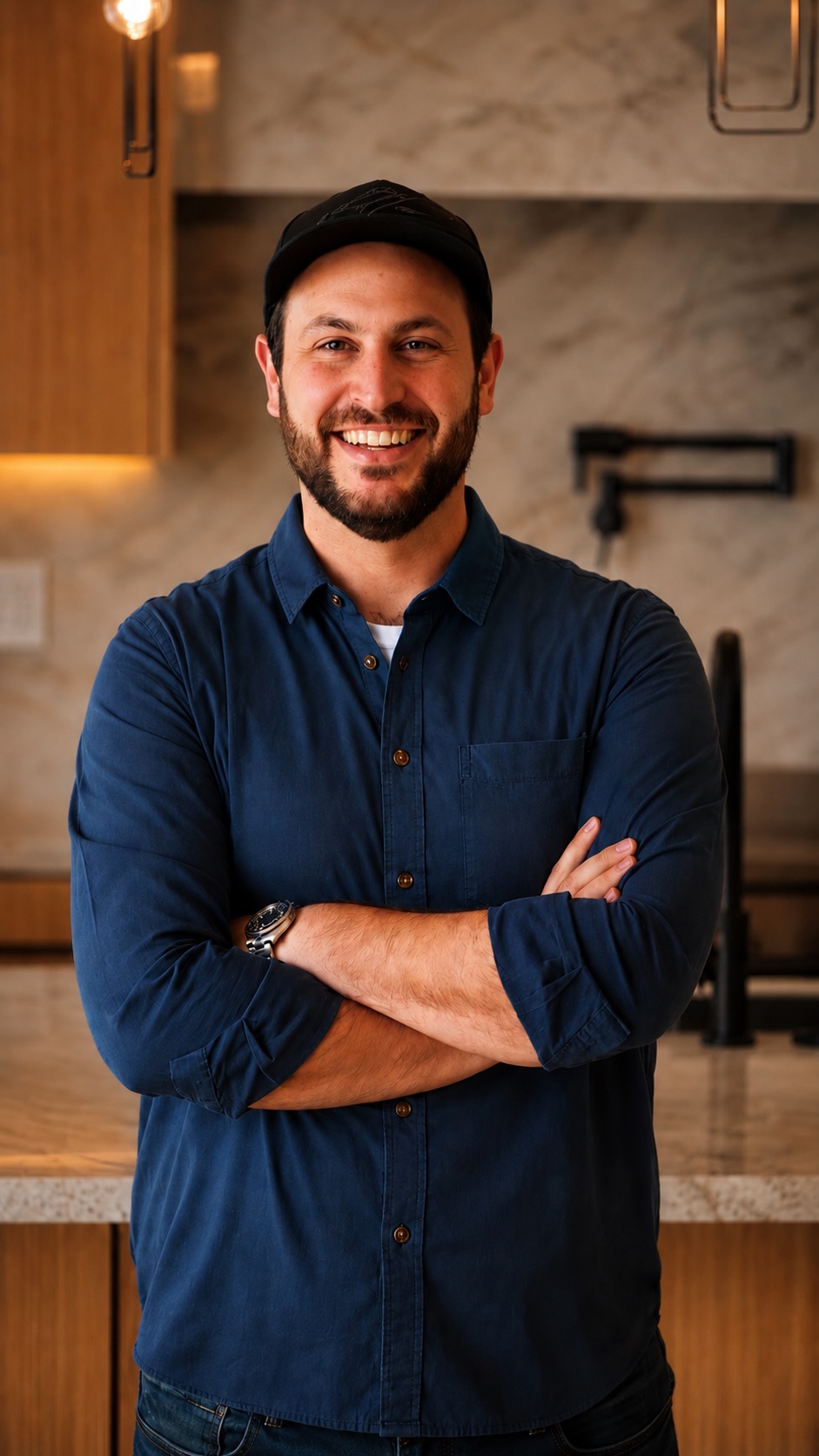
My name is Jason Pietruszka, and I’m the founder of JJP Construction Inc., Shelter, and GoLandscapers. At the core, I’ve always been a builder. Whether it’s a custom home, a landscape transformation, a business, or even a technology platform, I’ve always been drawn to the process of taking an idea and turning it into something real.
I entered the construction industry more than fifteen years ago and quickly realized that many homeowners were facing the same challenge: they had a vision for what they wanted, but they didn’t know how to navigate the process of bringing that vision to life. There were architects, designers, engineers, contractors, consultants, and countless decisions to make along the way. What should have been an exciting experience often became overwhelming.
That realization shaped the way I built my businesses.
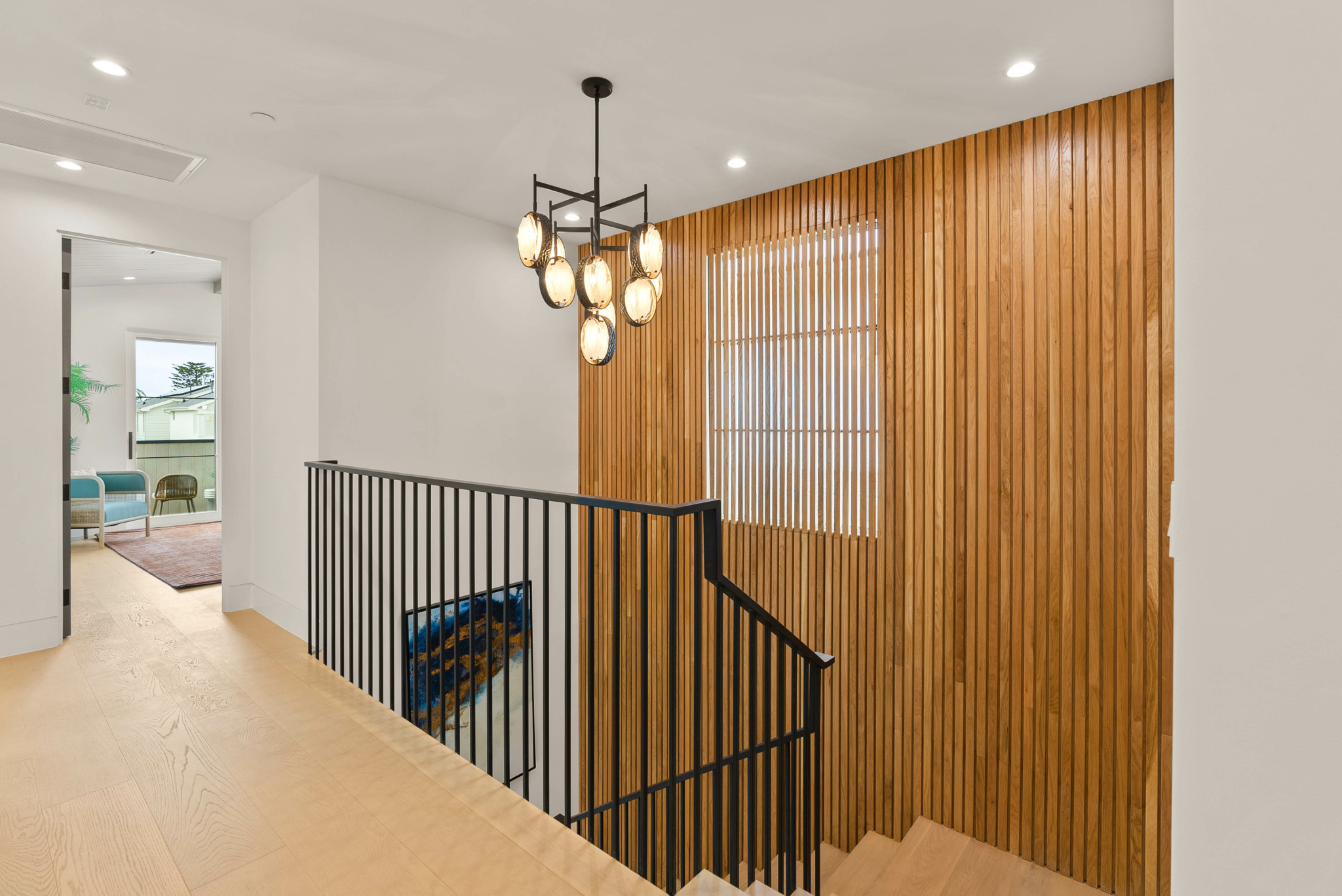
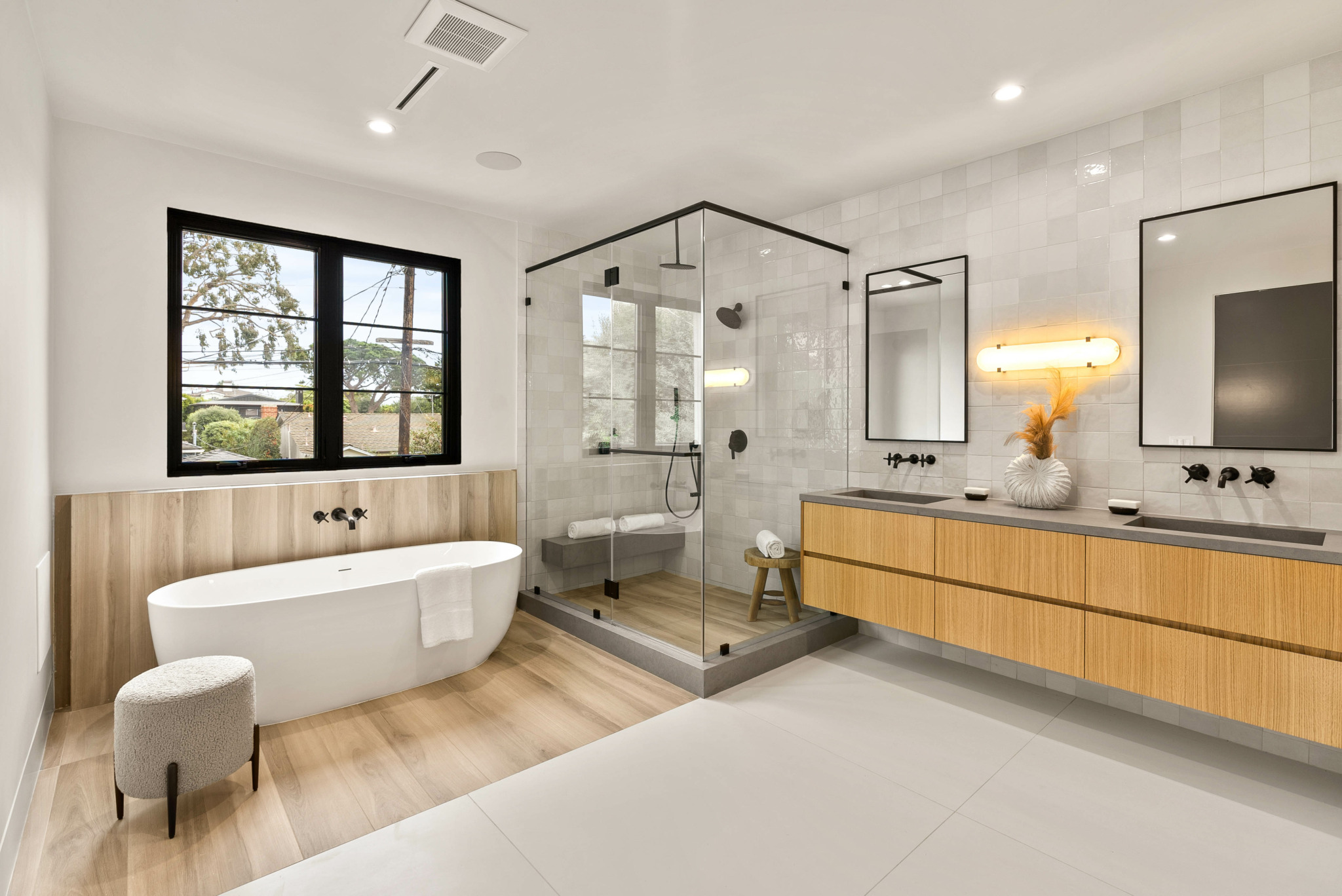
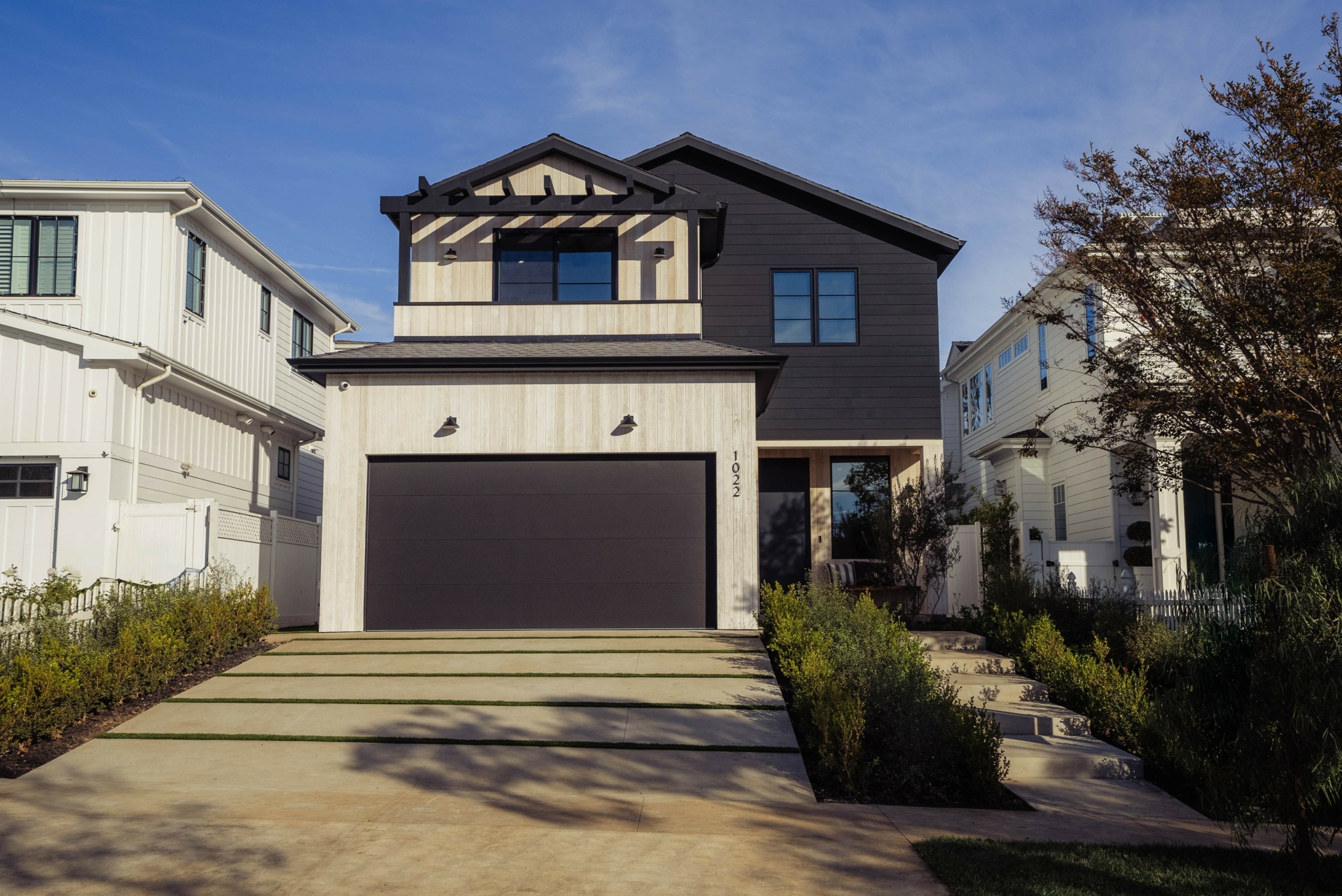
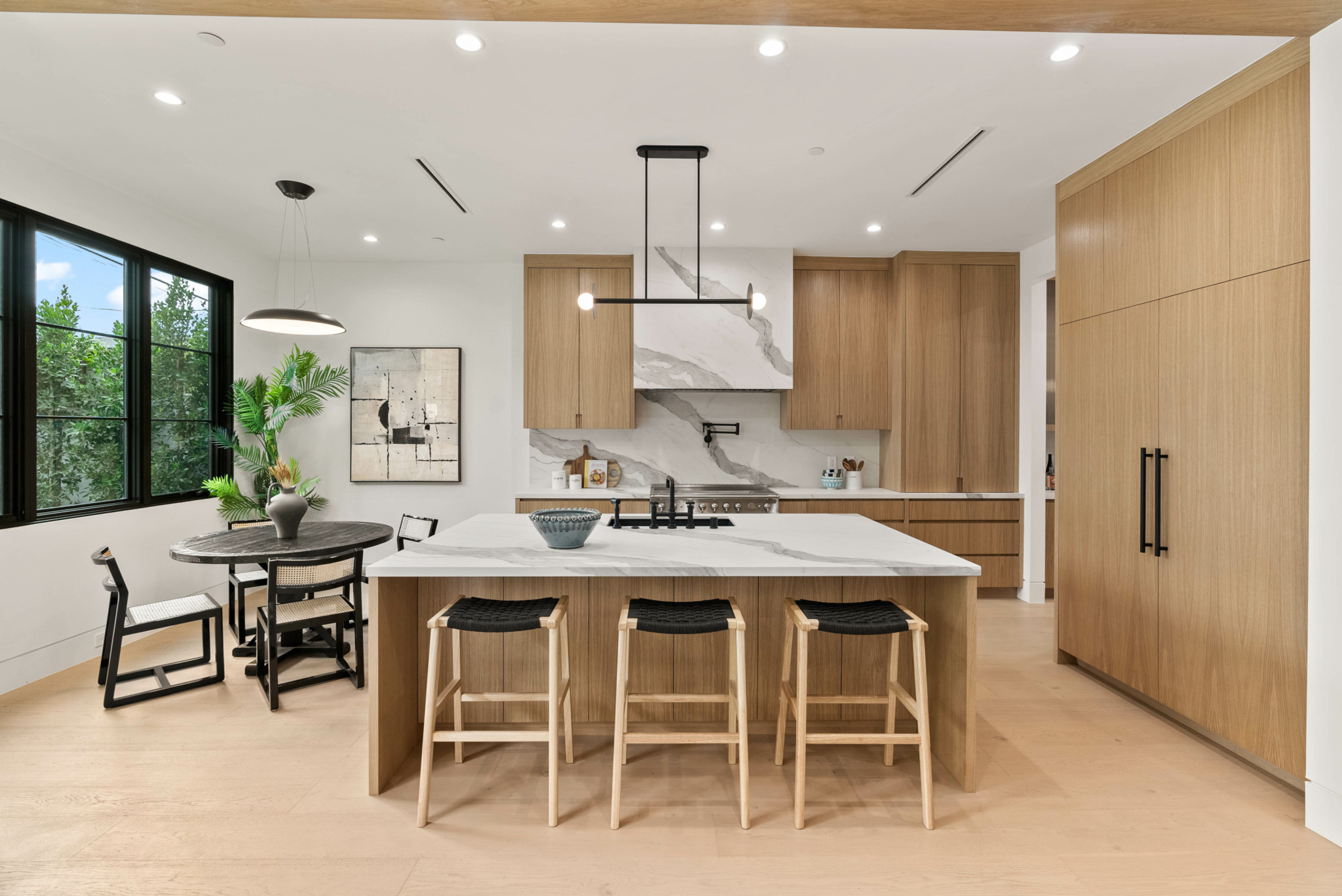
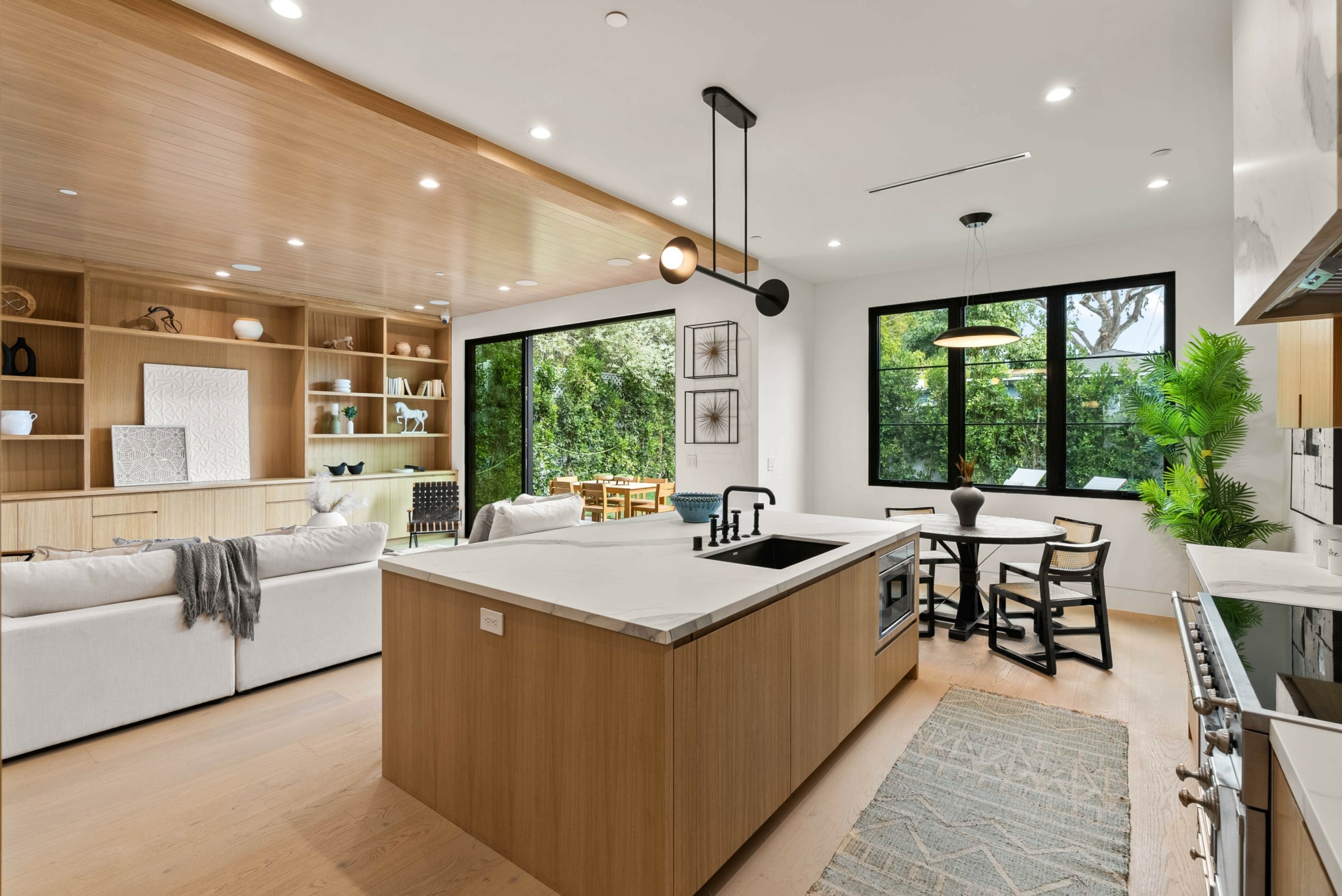
Through JJP Construction, we focus on high-end residential construction, custom homes, major renovations, and design-build projects throughout Los Angeles. Through Shelter, we provide architectural design, interior design, planning, and visualization services that help clients see and refine their vision before construction begins. Through GoLandscapers, we help clients create outdoor environments that complement the homes we build. Together, these companies allow us to guide clients through every stage of the process, from concept and design to construction and completion.
What sets us apart is that we don’t view ourselves as simply builders. We see ourselves as problem solvers and partners. Every project presents challenges, whether it’s a difficult property, a complex design, permit hurdles, budget constraints, or unexpected conditions discovered during construction. Our job is not just to build what is drawn on a set of plans. Our job is to help clients navigate the entire journey and make informed decisions along the way.
I’ve always believed that communication, expectations, and execution are the three pillars of a successful project. Most problems in construction can be traced back to one of those areas. When expectations are clear, communication is consistent, and execution is strong, projects tend to succeed. Those principles have become the foundation of how we operate.
In recent years, I’ve also become passionate about integrating technology and artificial intelligence into our business. Like many entrepreneurs, I found myself frustrated by inefficient systems and disconnected information. That led me to build ShelterCRM, a platform designed to help organize communication, meetings, tasks, and project information in a way that better serves both our team and our clients. It started as an internal solution and evolved into something much larger.
Of all the things I’m proud of, I’m most proud of the relationships we’ve built over the years. Construction is a business built on trust. Clients invite us into one of the most personal parts of their lives: their homes. We don’t take that responsibility lightly. Many of our clients become long-term friends, and much of our work comes from referrals and repeat relationships, which I view as one of the greatest compliments a business can receive.
If there’s one thing I’d want people to know about me and my brand, it’s that we genuinely care about the outcome. We build the house. Our clients make it a home. Behind every project is a family, a story, a dream, or a new chapter in someone’s life. It’s easy to focus on plans, permits, budgets, and schedules, but what motivates us is helping people create spaces where memories will be made for generations.
At the end of the day, I don’t see our work as simply constructing buildings. I see it as helping people bring their vision to life, and that’s what continues to drive me every day.
How’d you build such a strong reputation within your market?
I believe my reputation was built the same way most lasting reputations are built—one relationship at a time.
When I first started, I didn’t have a large marketing budget, a recognizable brand, or a portfolio full of high-profile projects. What I did have was a commitment to doing what I said I was going to do. Early on, I learned that clients don’t necessarily expect perfection, but they do expect honesty, communication, and accountability.
Over the years, I’ve found that trust is the most valuable asset a builder can have. Construction projects are often some of the largest financial and emotional investments people will make in their lives. Clients are placing enormous trust in the professionals they hire, and I have always tried to respect that responsibility.
I often tell my team that communication, expectations, and execution are the three pillars of every successful project. Most challenges in construction can be overcome if people communicate clearly and expectations are properly set from the beginning. Problems tend to arise when one of those things breaks down. We have built our company around those principles, and I believe clients recognize and appreciate that.
Another factor that helped build our reputation is that we never viewed projects as transactions. We viewed them as relationships. Some of our strongest client relationships started with relatively small projects and grew over time into major renovations, custom homes, referrals to family members, and introductions to friends. Many of our clients today came from referrals, which I believe is one of the strongest indicators that you’re doing something right.
I also think consistency matters more than people realize. Anyone can deliver great service when things are going smoothly. Reputation is often built during the difficult moments—the unexpected site conditions, permit delays, design changes, budget discussions, and challenges that inevitably arise during construction. How you respond in those moments is what clients remember. We have always tried to be transparent, solution-oriented, and accountable, even when the conversations are difficult.
The Pacific Palisades fire reinforced this lesson for me. During a time when many families were facing uncertainty and loss, our focus shifted away from projects and toward helping people navigate what came next. Those experiences reminded me that reputation isn’t built by advertising or awards. It’s built by showing up consistently, doing what you say you’ll do, and being there for people when they need you.
If I had to summarize what helped us build our reputation, it would be simple: we genuinely care about our clients, we communicate openly, and we treat every project as if it were our own. Over time, those small decisions compound into trust, and trust becomes reputation.
We’d love to hear the story of how you built up your social media audience?
To be honest, I didn’t start my social media journey with a grand strategy. I wasn’t trying to become an influencer or build a massive following. I was simply documenting the work we were doing and sharing projects that I was passionate about.
As a builder and entrepreneur, I’ve always enjoyed the creative side of the business. Whether it’s a custom home, a renovation, a landscape transformation, or a design concept, there’s something exciting about watching an idea become reality. Social media became a way to share that process with others.
In the beginning, I made the same mistake many business owners make: I thought every post needed to be perfect. I spent too much time worrying about the right photo, the right caption, or whether people would care. Eventually, I realized that people connect with authenticity far more than perfection.
The content that consistently performed best wasn’t always the polished final project photos. It was the behind-the-scenes moments. The design decisions. The construction challenges. The lessons learned. The problem-solving. The transformation process. People enjoy seeing how things are built, not just the finished product.
Over time, I also learned that social media is less about broadcasting and more about building relationships. Some of our best opportunities have come from conversations that started online. Clients, architects, designers, subcontractors, and other entrepreneurs often reach out because they feel like they already know who we are and how we operate.
One of the biggest shifts for me was realizing that social media isn’t really a marketing platform—it’s a trust-building platform. Before someone hires you, they want to know who you are, how you think, what you value, and whether they can trust you. Social media gives people a window into that.
My advice for anyone just starting is simple: stop trying to go viral and start trying to be useful. Share what you know. Document what you’re doing. Teach what you’ve learned. Show the process, not just the outcome. The people who need your services are often more interested in your expertise and authenticity than perfectly curated content.
I would also encourage people to be consistent. Most accounts don’t fail because they lack talent; they fail because people quit too early. Building an audience takes time. Trust takes time. Relationships take time. A single post rarely changes anything, but hundreds of honest posts over months and years can completely transform a business.
Looking back, I think the audience we’ve built came from simply showing up consistently, sharing our work, and giving people an honest look at what happens behind the scenes. We never focused on chasing followers. We focused on sharing value, and the audience followed naturally.
Contact Info:
- Website: https://www.jjpconstructioninc.com
- Instagram: https://www.instagram.com/jjpconstruction/
- Facebook: https://www.facebook.com/Jjpconstruction
- Linkedin: https://www.linkedin.com/in/jason-pietruszka-5b8444194/
- Youtube: https://youtube.com/jasonpie