

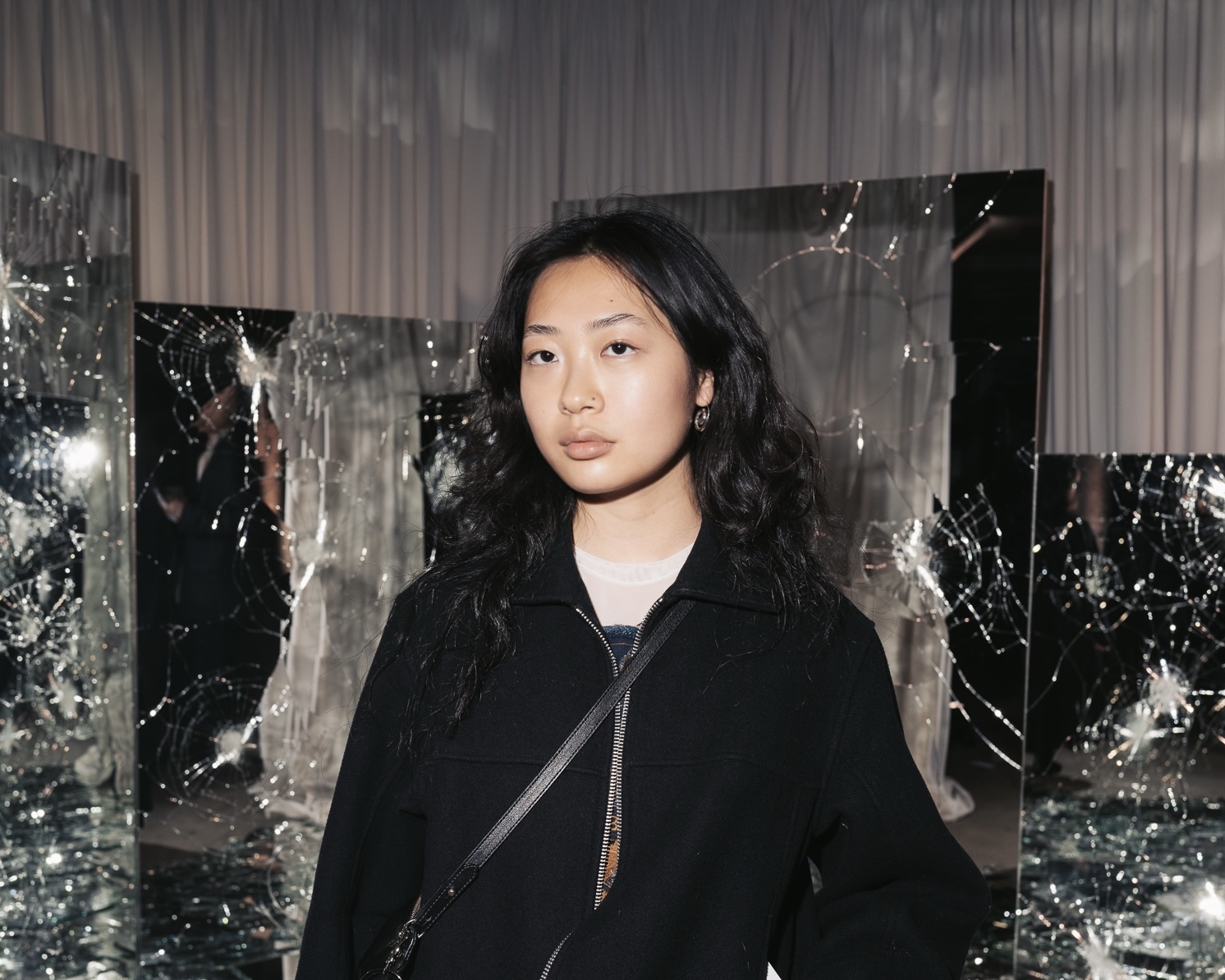

We recently connected with Tianyun Lan and have shared our conversation below.
Hi Tianyun, thanks for joining us today. Can you talk to us about how you learned to do what you do?
I didn’t learn what I do in a very structured way at all. I kind of moved through different parts of the industry first—PR, casting, production, design—and only later focused on styling. At the time it felt a bit all over the place, but looking back it actually helped a lot because I understood how things function beyond just my role. Most of what I learned came from being on set. You just get thrown into situations and have to figure things out, like what to do when something’s missing, when things don’t fit, when timelines shift. That’s where the real learning happens.
If I could go back, I think I would trust my instincts earlier. In the beginning I was paying a lot of attention to how other people worked and what felt “correct,” instead of just responding naturally. I’d also probably document things more, because you learn a lot in passing moments and then forget them.
The biggest skills for me have been problem-solving and being adaptable. Things rarely go exactly as planned, so you have to stay calm and adjust quickly. Communication too, just being able to understand people and translate ideas.
One of the hardest parts early on was just access. Getting into the room is the hardest step. And even once you’re in, everything moves so fast that you don’t always get time to process what you’re learning. But I think that’s also what shaped me—I had to become resourceful and figure things out as I went.
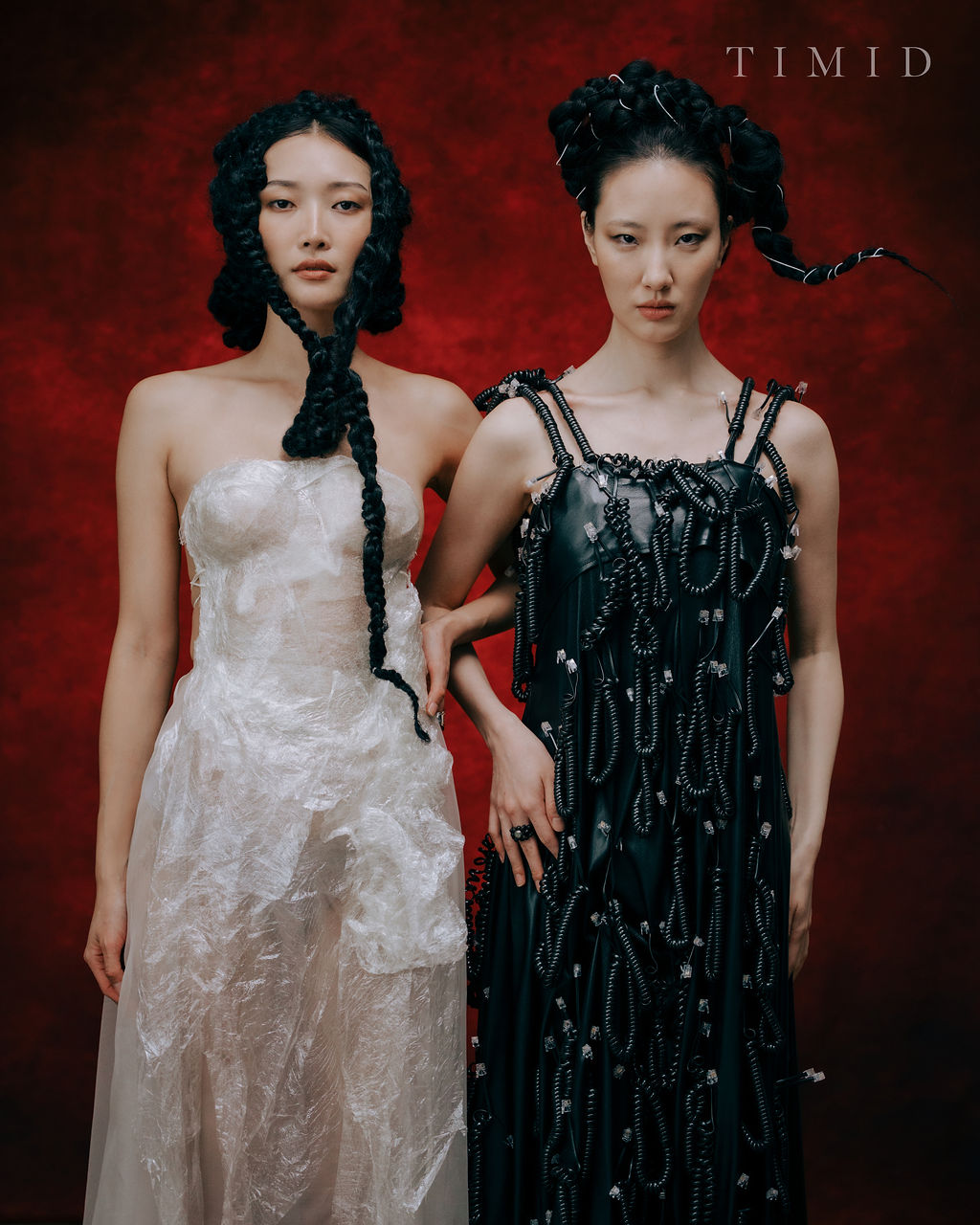
Tianyun, before we move on to more of these sorts of questions, can you take some time to bring our readers up to speed on you and what you do?
I’m Tianyun Lan, a New York–based stylist and visual creative working across editorial, commercial, personal styling, and wardrobe projects. My background is in fashion design, but over time, my work naturally expanded into different areas of image-making and visual direction. What interests me most is how clothing changes the way someone feels, moves, and presents themselves, whether that’s in a campaign, on set, at an event, or just in everyday life.
A lot of my work is collaborative, and I work with a mix of brands, publications, artists, and private clients. Some projects are very image-focused and conceptual, while others are much more practical and personal. I actually really enjoy that balance. Editorial work lets me experiment visually, while personal styling is much more about understanding someone’s lifestyle, personality, and how they want to exist in the world. I think both sides inform each other.
I don’t really approach styling from a “what’s trending” perspective. I’m more interested in building an overall feeling or presence. I also think my work is influenced a lot by the fact that I’ve lived and worked in different places around the world and around very different kinds of people. I pay attention to how aesthetics shift depending on environment, culture, personality, and context.
Over the past few years, I’ve been lucky to work on projects that have been featured in publications like Conde Nast, ELLE, and L’Officiel, while also collaborating with both independent creatives and established brands. More than anything, I want people to feel like my work has a point of view. Even when the visuals are polished, I never want things to feel too perfect or distant. I think the most interesting images usually have some tension, personality, or humanity in them.
What I’m most proud of is probably that my career has developed pretty organically through relationships, curiosity, and being open to different kinds of work instead of forcing myself into one lane too early. I’ve been able to experience a lot of different creative worlds, and that continues to shape how I think and work.
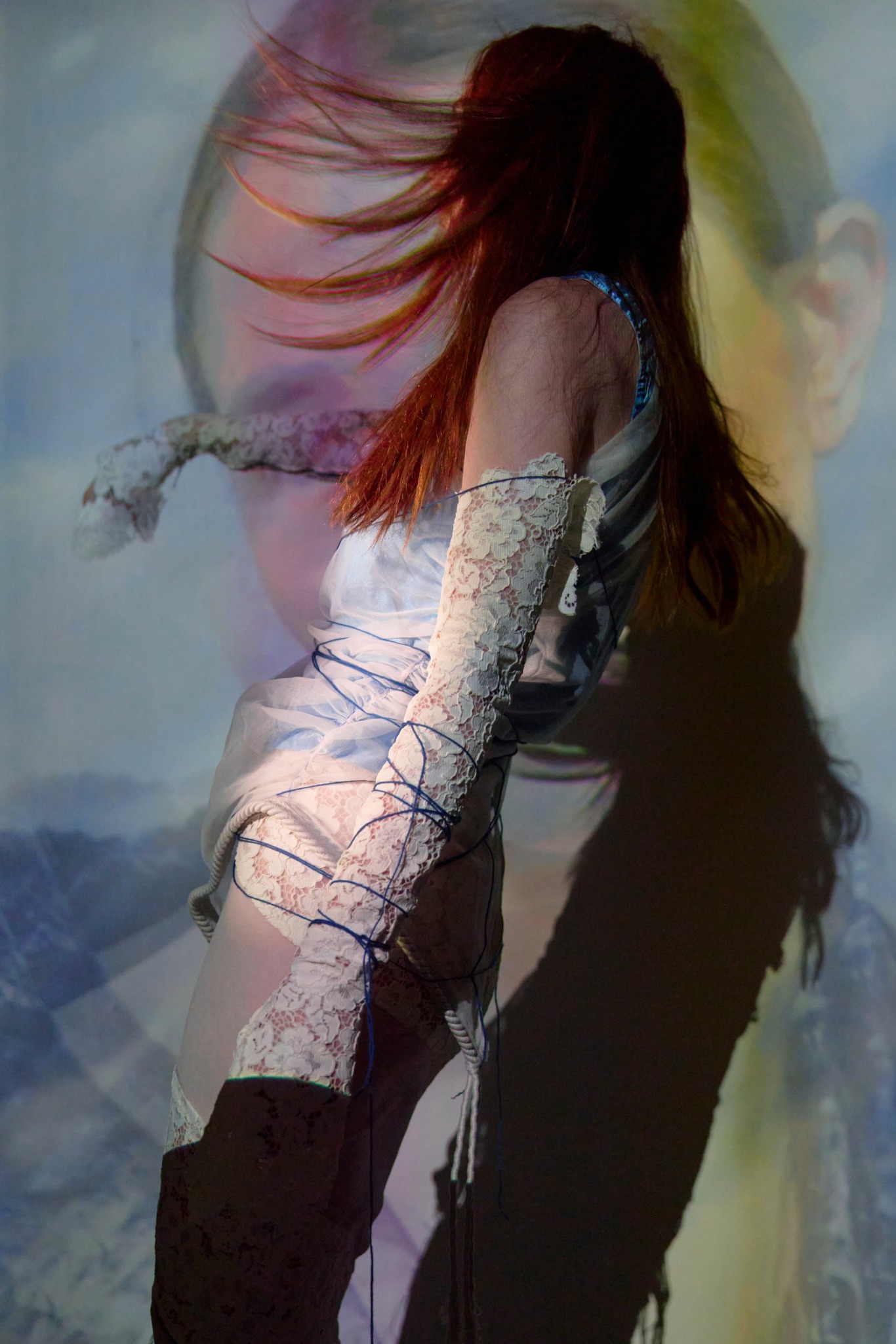
What do you find most rewarding about being a creative?
The most rewarding part is probably seeing how an idea changes once it moves through other people. A project usually starts as something very abstract in my head, but once you bring in a team, a subject, clothing, movement, lighting, or even just the energy of the day, it becomes something completely different and much more alive. I really enjoy that process of translation.
I also like that creative work constantly changes the way I observe the world. Even outside of work, I’m always noticing small things — how someone styles themselves naturally, how certain environments affect people’s behavior, or how emotion can completely change the way an image feels. It keeps me very mentally engaged all the time.
I think one of the most fulfilling things is when people connect to the work in a way I didn’t fully expect. Sometimes someone notices a detail or interprets something differently than I intended, and I actually love that. I don’t think creative work should feel completely fixed. I like when there’s room for people to bring their own experiences into it.
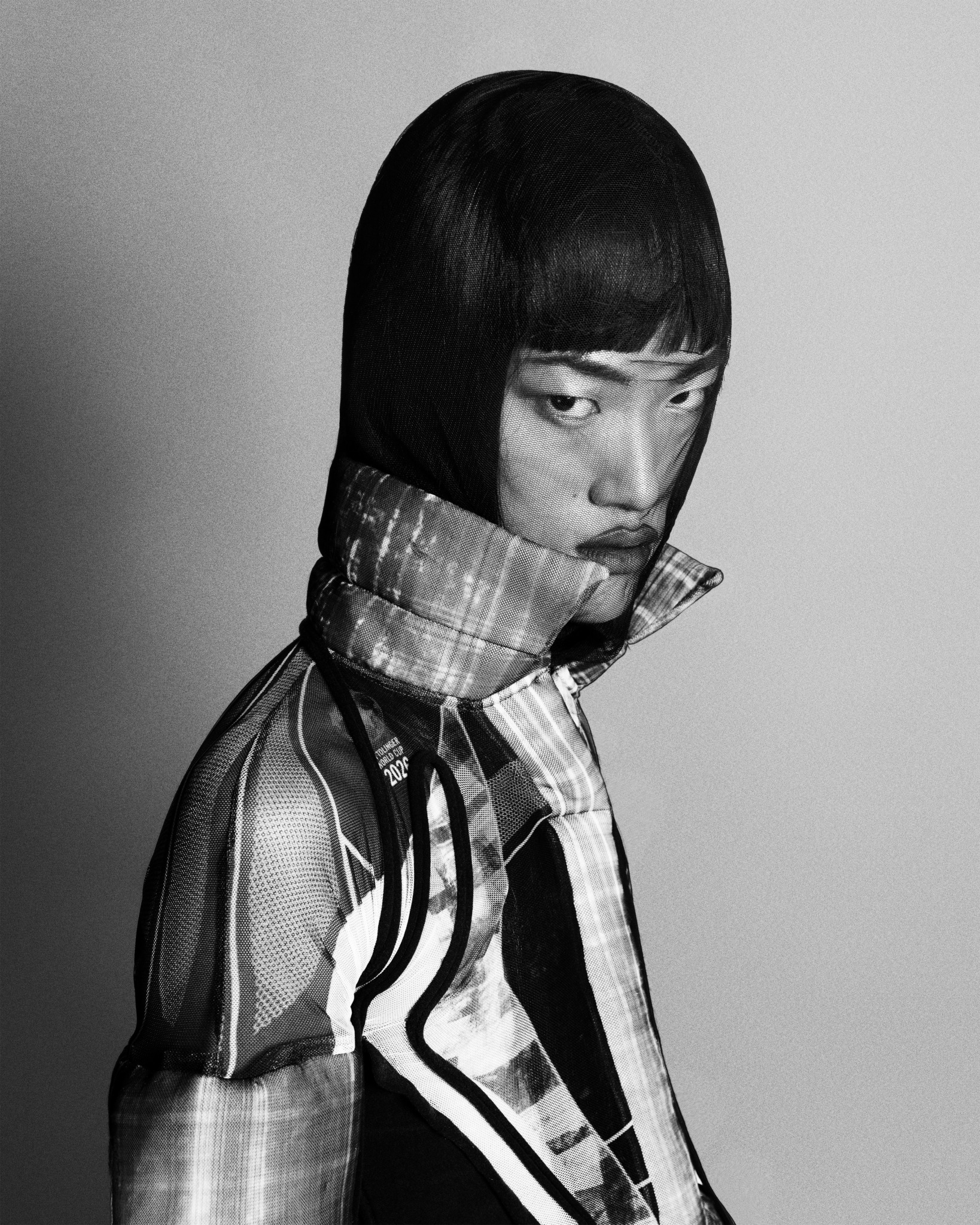
How do you keep your team’s morale high?
One of the most important things is understanding that every person works differently, especially in creative environments where emotions, pressure, and personalities are all very present. A team works best when people feel trusted and respected. Even small things like acknowledging someone’s effort, checking in, or making sure people feel included in conversations can completely change the energy on set or during a project.
I also believe morale comes a lot from the environment that’s created around the work. Creative projects can get stressful very quickly, so staying calm and solution-oriented makes a huge difference. People respond well when they feel like problems are being handled instead of amplified. I’ve learned that the tone of a team usually reflects the energy of the people leading it.
Communication and flexibility are really important as well. Things don’t always go exactly as planned, so being able to adapt without making everyone panic is a huge skill. I try to approach collaboration in a way where people feel comfortable contributing ideas instead of feeling afraid to speak up. The best teams are the ones where people feel like they’re building something together rather than just completing tasks. That energy always shows in the final outcome too.
Contact Info:
- Website: https://www.tianyunlan.com/
- Instagram: https://www.instagram.com/tianyun___
- Linkedin: https://www.linkedin.com/in/tianyun-l-b1993119b/
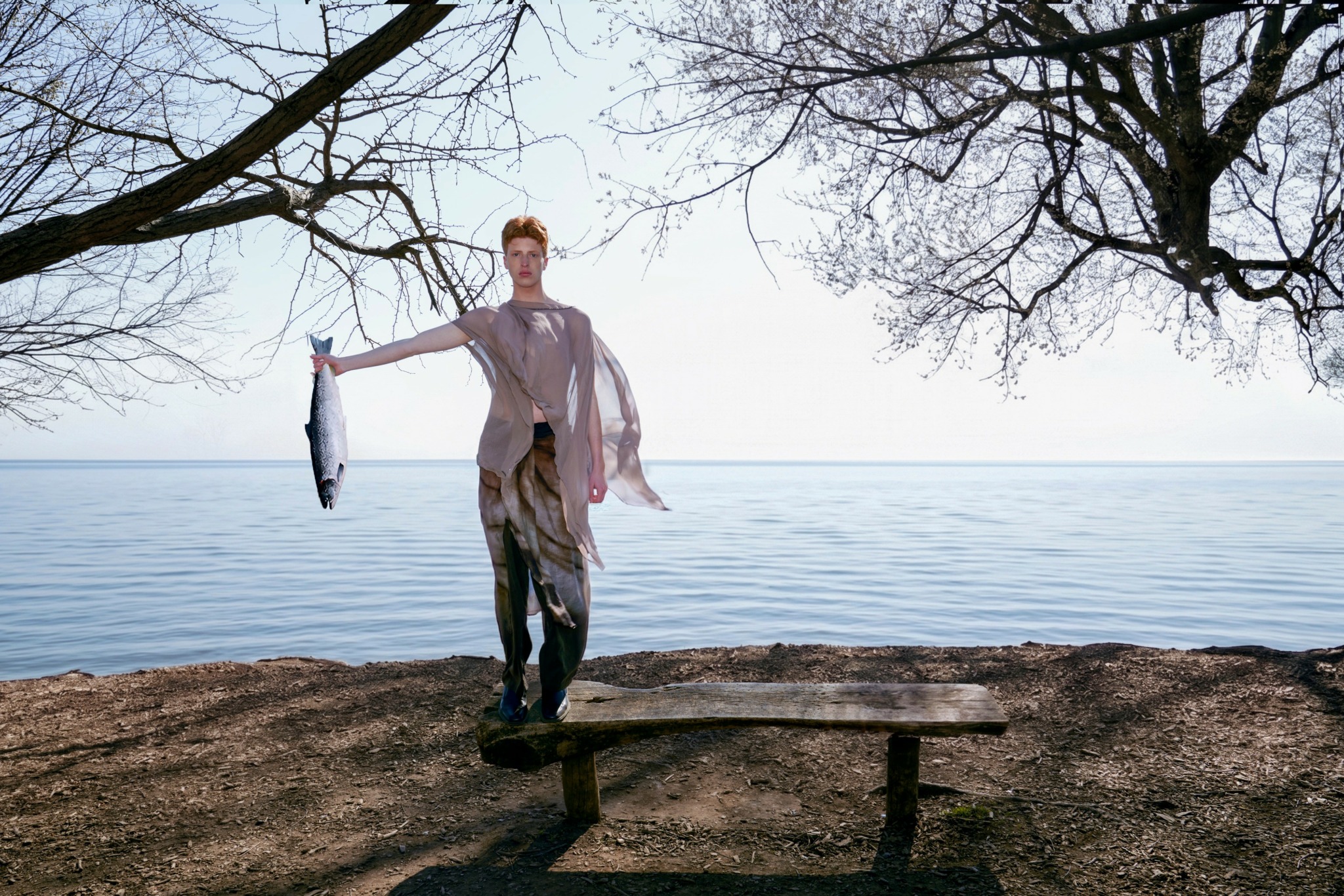
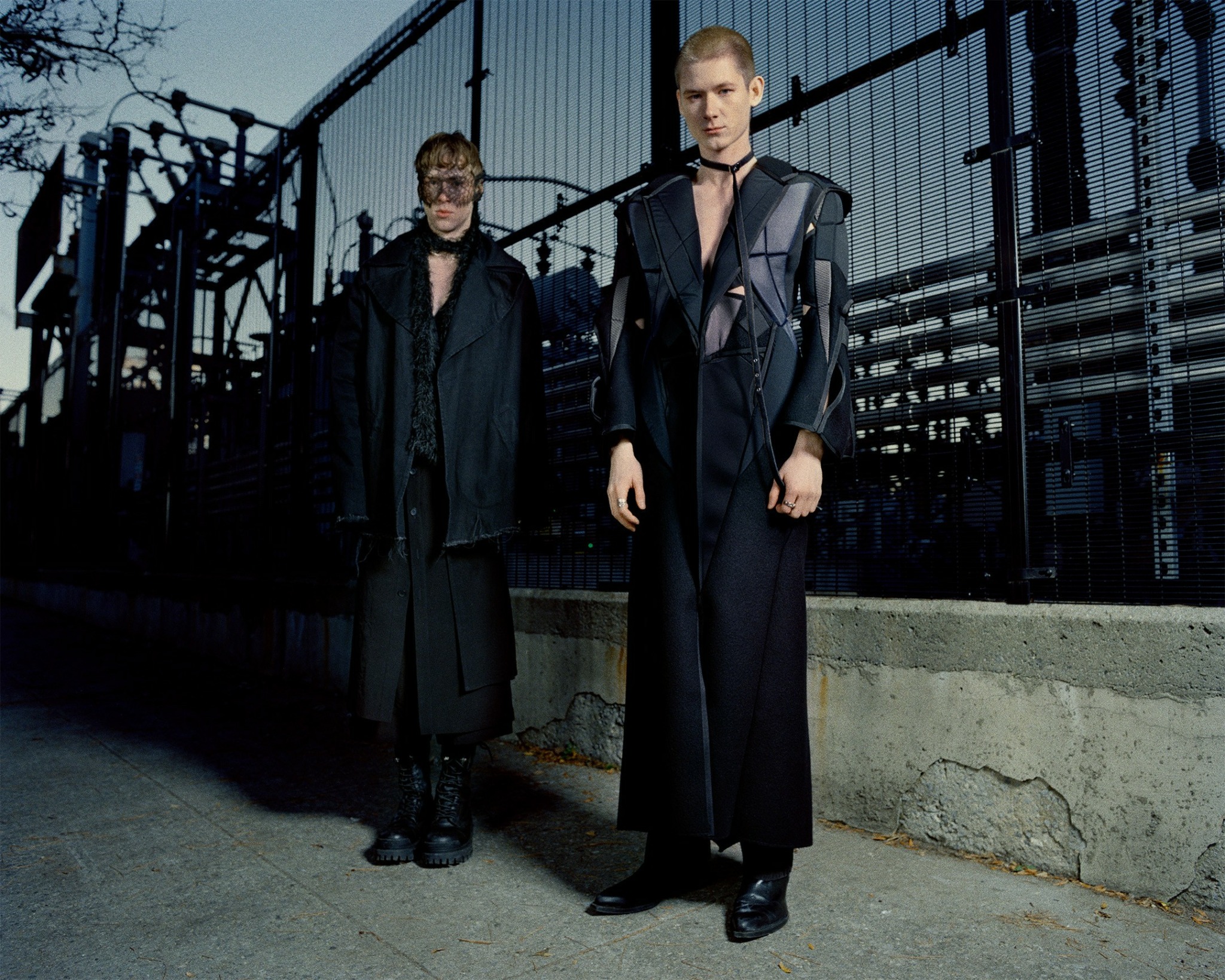
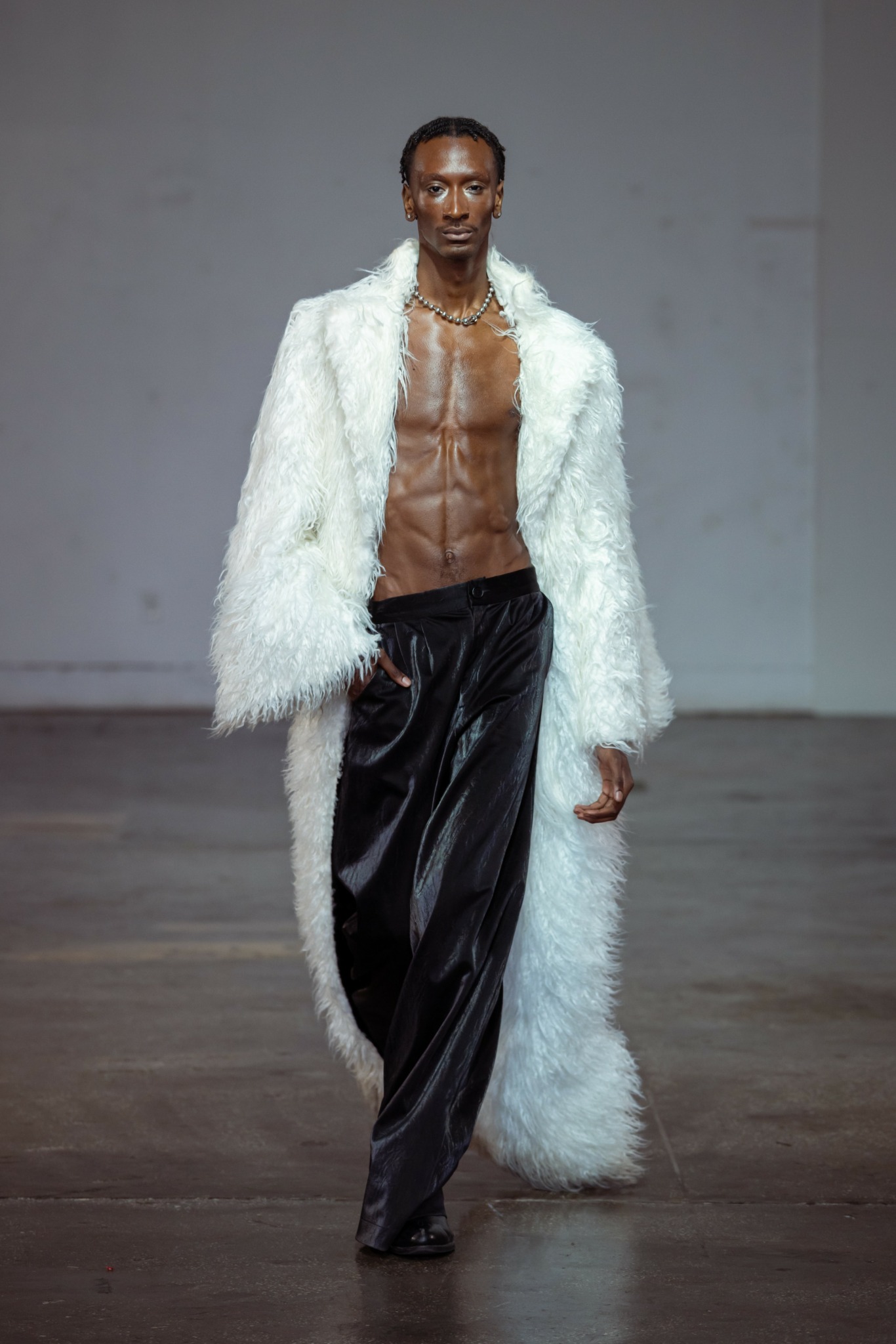
Image Credits
1. Photograph by Han Alexander
2. Fractures on TIMID Magazine, photographed by AnnAnn Puttithanasorn
3. Blowin’ By the Wind, photographed by Stella G
4. Photographed by Sanding Yi
5. Photographed by Jasper
6. Photographed by Sanding Yi
7. Puma Campaign, directed by @bb.faith
8. Evacuate from Meaning by Jiangyuan Ai, Brooklyn Fashion Week