

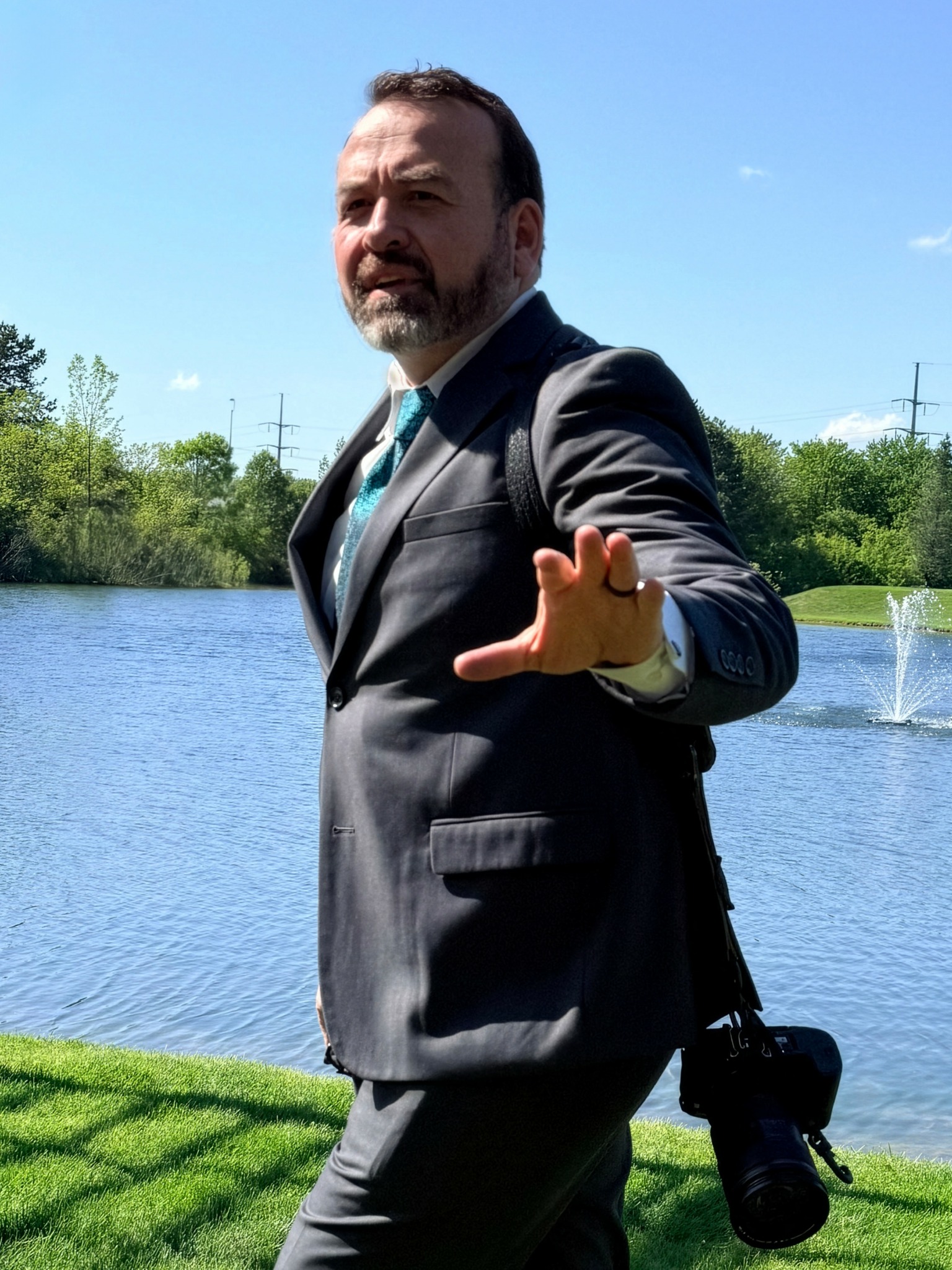

We were lucky to catch up with Harry Acosta recently and have shared our conversation below.
Harry, thanks for taking the time to share your stories with us today Are you happier as a business owner? Do you sometimes think about what it would be like to just have a regular job?
Becoming my own boss is the best decision I’ve ever made. I work every day, nearly all day — but if I want to run to the store or grab a coffee with a friend at 2pm, I can do that almost any day I choose. That freedom is the whole thing.
When I finished college, I landed my first corporate job as a graphic designer, which eventually led to art director. At the time I thought, steady paycheck, this is great. What I didn’t realize was how soul-crushing an office would be for me — and I didn’t fully feel it until I’d spent close to 20 years in one. I was surrounded by people who didn’t love what they did, and it showed: low-quality work, no real work ethic, no accountability. Now, if a project falls short, I have no one to blame but myself. I wouldn’t have it any other way. Instead of doing the minimum to get by, I treat every project as a chance to learn and walk away with more than just a paycheck.
So do I ever think about going back to a regular job? All the time, honestly — and one recent moment stands out.
A client, through what I can only describe as a massive breakdown in communication through an online translator, sent me an email questioning everything: my experience, my competence, whether my work was even real. They accused me of being a fake, threatened to drag in a lawyer, and said they’d be happy to see me in court. Heavy words to read. But here’s the thing — they were scared I’d take their money and never deliver, and I was just as concerned they wouldn’t pay me honestly. It was fear on both sides. And reading that text, it hit me: that this person had never actually seen a single piece of my work. Their whole opinion of me was built on nothing they’d looked at. That realization took all the sting out of it.
Did the thought of a 9-to-5 cross my mind? For a second. But then I remembered something — I had plenty of moments like that in an office, honestly far too many. A regular job doesn’t protect you from uncomfortable people or unfair situations. If anything, being my own boss, I have far fewer of those moments, not more. I get to meet new people constantly, people who help me grow and create things I couldn’t on my own. The occasional rough one is the cost of that freedom, and it’s a cost I’ll take every time. At the end of the day I’m still my own best boss, and my own toughest critic.
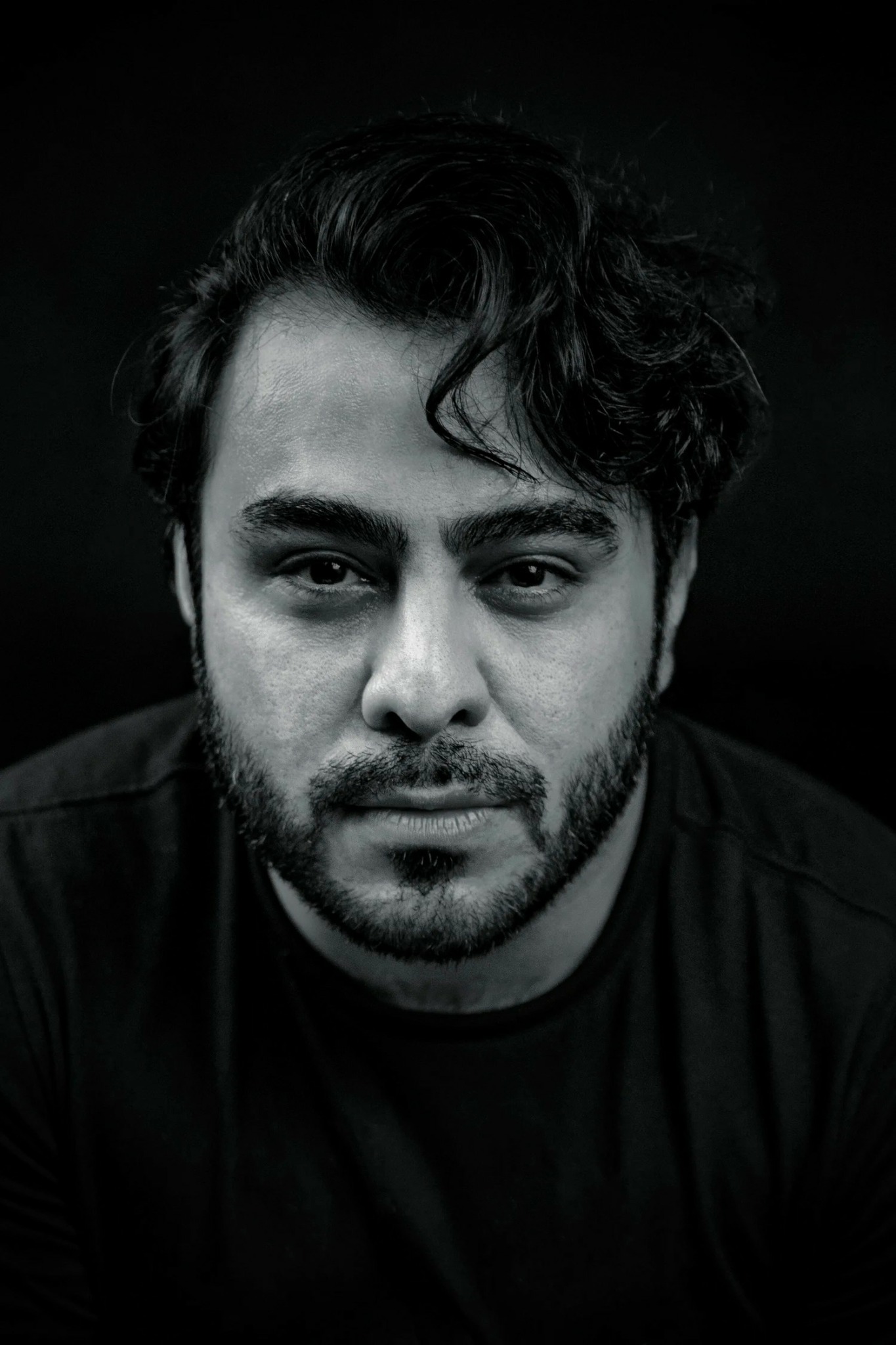
Awesome – so before we get into the rest of our questions, can you briefly introduce yourself to our readers.
I’m a photographer and videographer based in Columbus, Ohio. How I got here is a bit of an accident — or maybe an irony.
The Columbus creative scene is small and tightly woven. Everyone knows everyone, partly because you’re constantly changing jobs to stay ahead of the next round of layoffs. That caught up with me at my last corporate role, where I’d gone from art director to in-house photographer. Coincidentally, that was the same month I bought my first professional camera — so I had this brand-new investment sitting on my credit card bill and no replies coming back on my job inquiries.
Eventually a hiring manager leveled with me. He said they could see my design portfolio online, but they could also see my photography portfolio — and the photography was strong enough that they didn’t think I’d stick around as a designer. My camera work had basically priced me out of my own field. That was the moment I stopped fighting it and went all in.
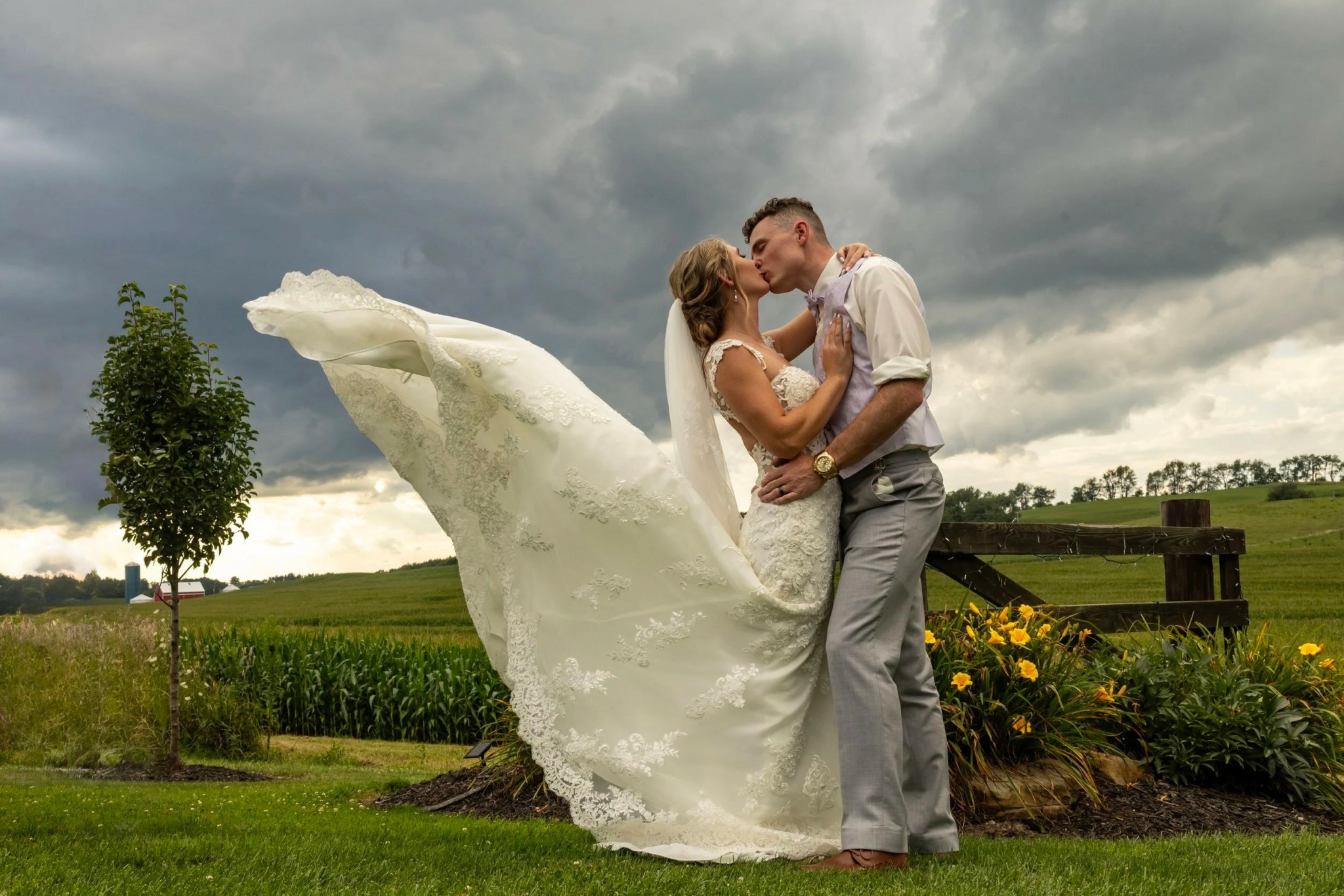
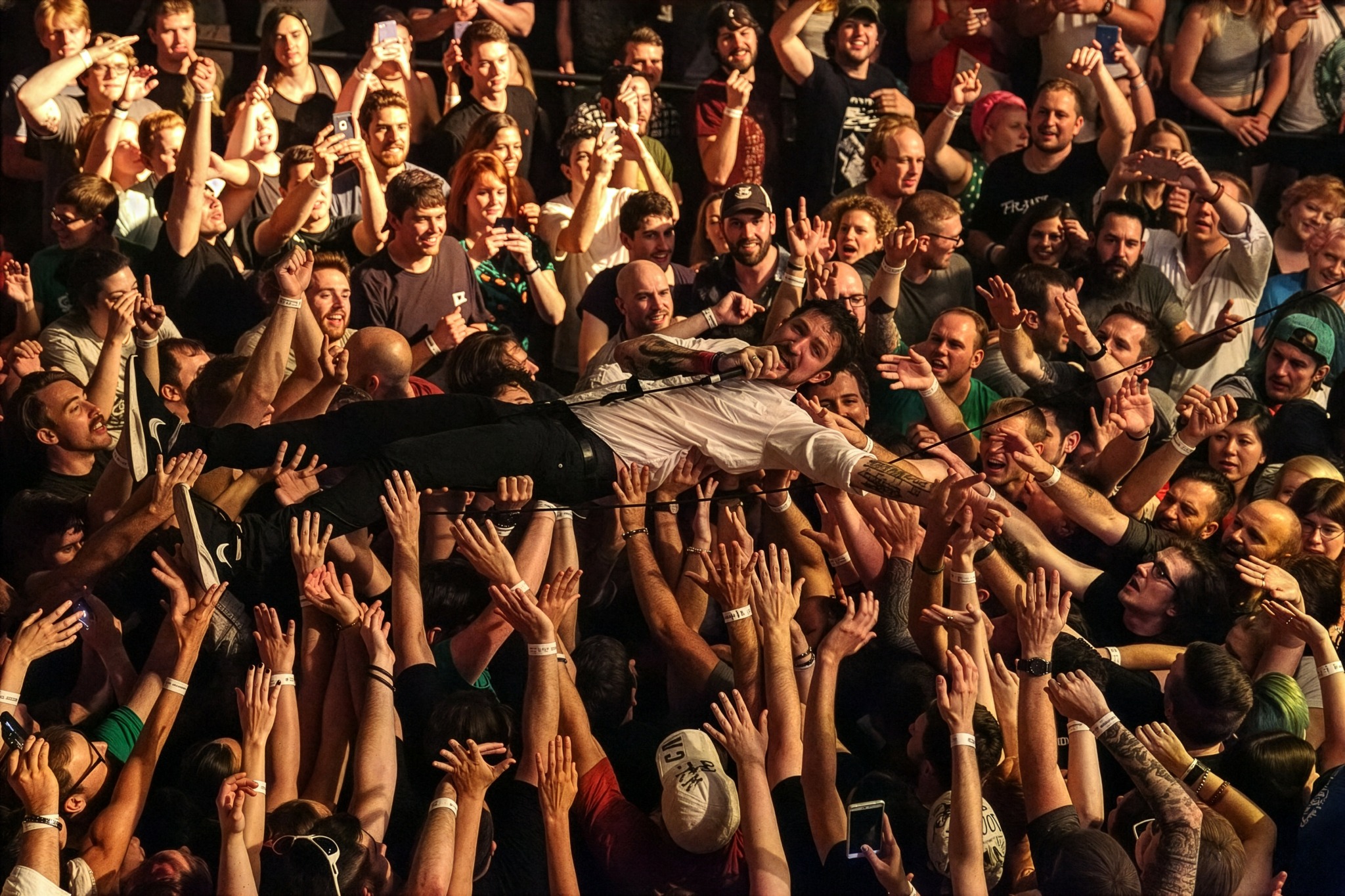
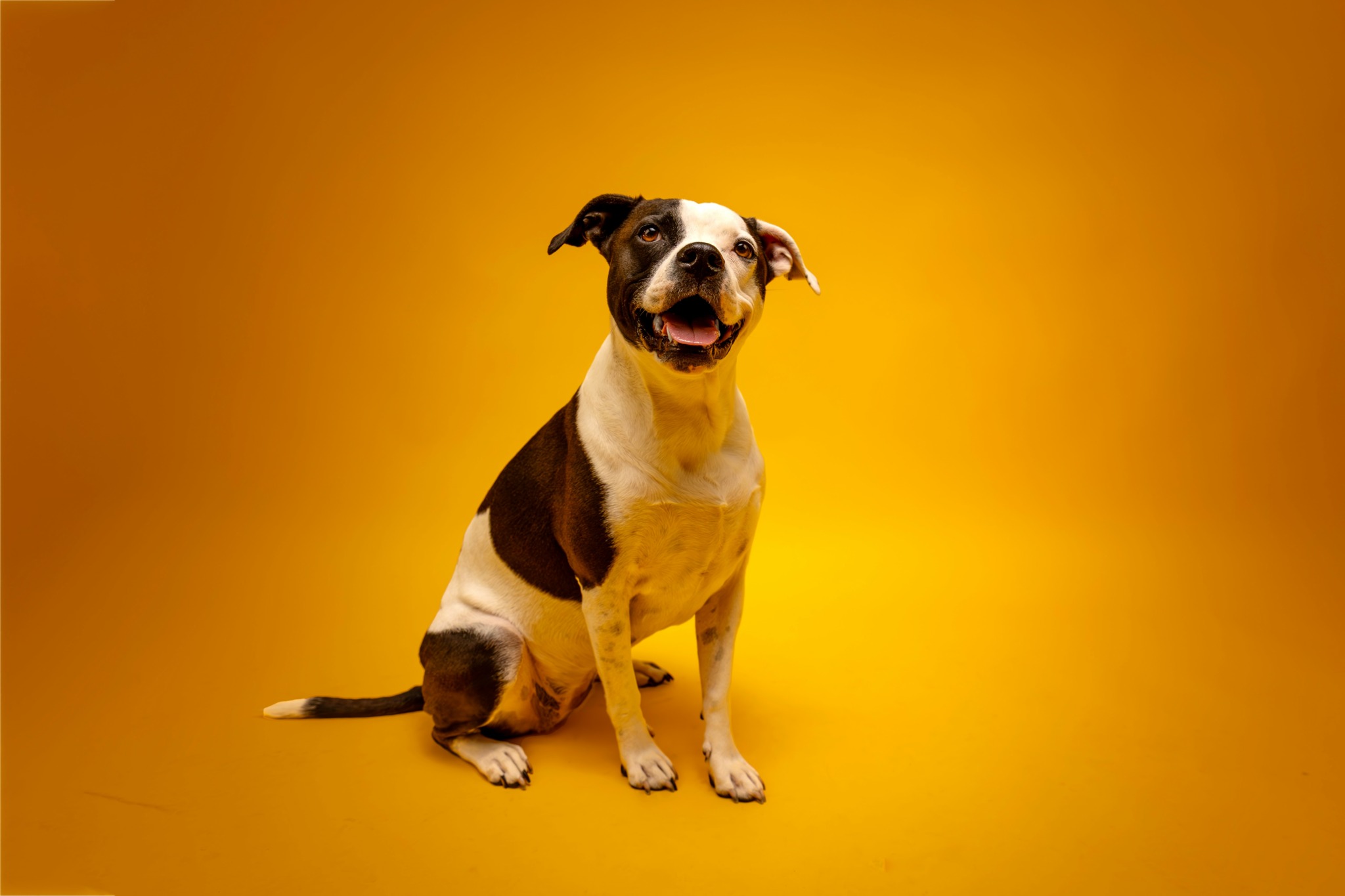
These days I shoot events, headshots, and commercial work, along with video. I’m also a certified drone pilot, so I can bring an aerial angle to the work when a project calls for it. Outside of client work, I run A Trillion Souls, a concert photography and music journalism platform where I’ve been covering live music for about a decade.
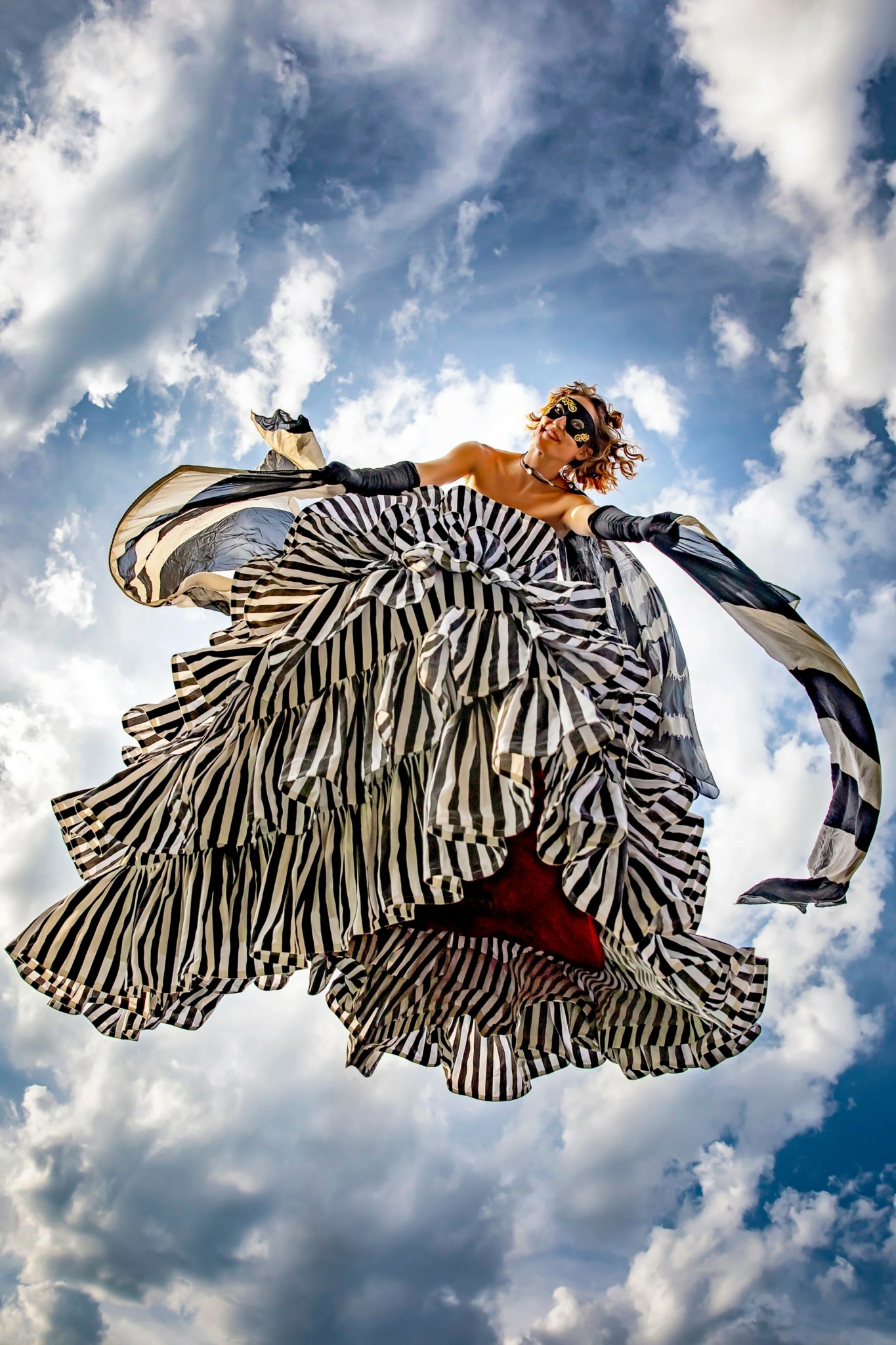
What sets me apart is the eye behind the camera. The art-director years trained me to think about composition, light, and storytelling the way a designer thinks about a layout — and photography is where all of that finally has room to breathe. I’m not just clicking a shutter; I’m building a frame. That range is the other half of it: I can move from the loud chaos of a concert pit to the quiet of a headshot setup and bring the same intention to both.
What I’m most proud of is the longevity and the breadth — close to ten years of published music coverage, an event and client reputation built on people who trust me with some of the biggest days of their lives, and a body of work that stretches across all of it. The main thing I want people to know is simple: I show up, I care, and I bring a designer’s eye to everything I shoot.

What’s been the most effective strategy for growing your clientele?
Growing my online presence, hands down. That’s been the single biggest driver — it’s how my work reaches people I’d never meet otherwise, and it lets the work do the talking for me.
Because when a lot of people start a business, ego takes over. They think they need a storefront with a giant logo out front, a lovely waiting room, and a big impressive office — all to prove how successful they are before they’ve actually proven anything. I went the other way. My clients don’t come to a flashy address; they find me online, see what I produce, and tell the next person.
I work out of a great warehouse space in downtown Columbus. It keeps my overhead low, gives me a real studio for controlled shots, and puts me steps from everything I’d want outside the door — the park along the river, the urban skyline, and the collegiate architecture around COSI. That location does far more for my work than any waiting room ever could. The space serves the photography, not my ego — and a strong online presence is what gets that photography in front of the people who hire me.
We’d love to hear a story of resilience from your journey.
Every January, business slows to a crawl — a few headshots, maybe a wedding booking or two, and that’s it.
Early on, that stretch was genuinely frightening. The work dries up, the bills don’t, and I remember thinking that if I didn’t figure it out, I wouldn’t make it to spring. To this day, every January I catch myself thinking: if this were my first year in business, I’d be scrambling to find another job right now. That thought is exactly why I never let it get to that point again.
Instead of panicking, I learned to plan for it. I treat the slow weeks as the part of the year I actually control. I use the time to sharpen my skills, reflect on everything from the year before, and dig into my processes — what worked, what wasted time, what I can do better. Money can still get tight, but only if I haven’t prepared, so I make sure I always have.
That’s the resilience, honestly. Not surviving one dramatic moment, but building a business that bends with the seasons instead of breaking under them. The same January that would’ve broken me in year one is now the most productive planning stretch I’ve got.
Contact Info:
- Website: https://harryacosta.com
- Instagram: harryacostaphotography
- Facebook: https://www.facebook.com/atrillionsouls
- Linkedin: harrynacosta@gmail.com
- Twitter: @atrillionsouls
- Youtube: https://www.youtube.com/channel/UCZOM7EatRsSyaRFkwHyUupg
- Yelp: https://www.yelp.com/biz/harry-acosta-photography-columbus
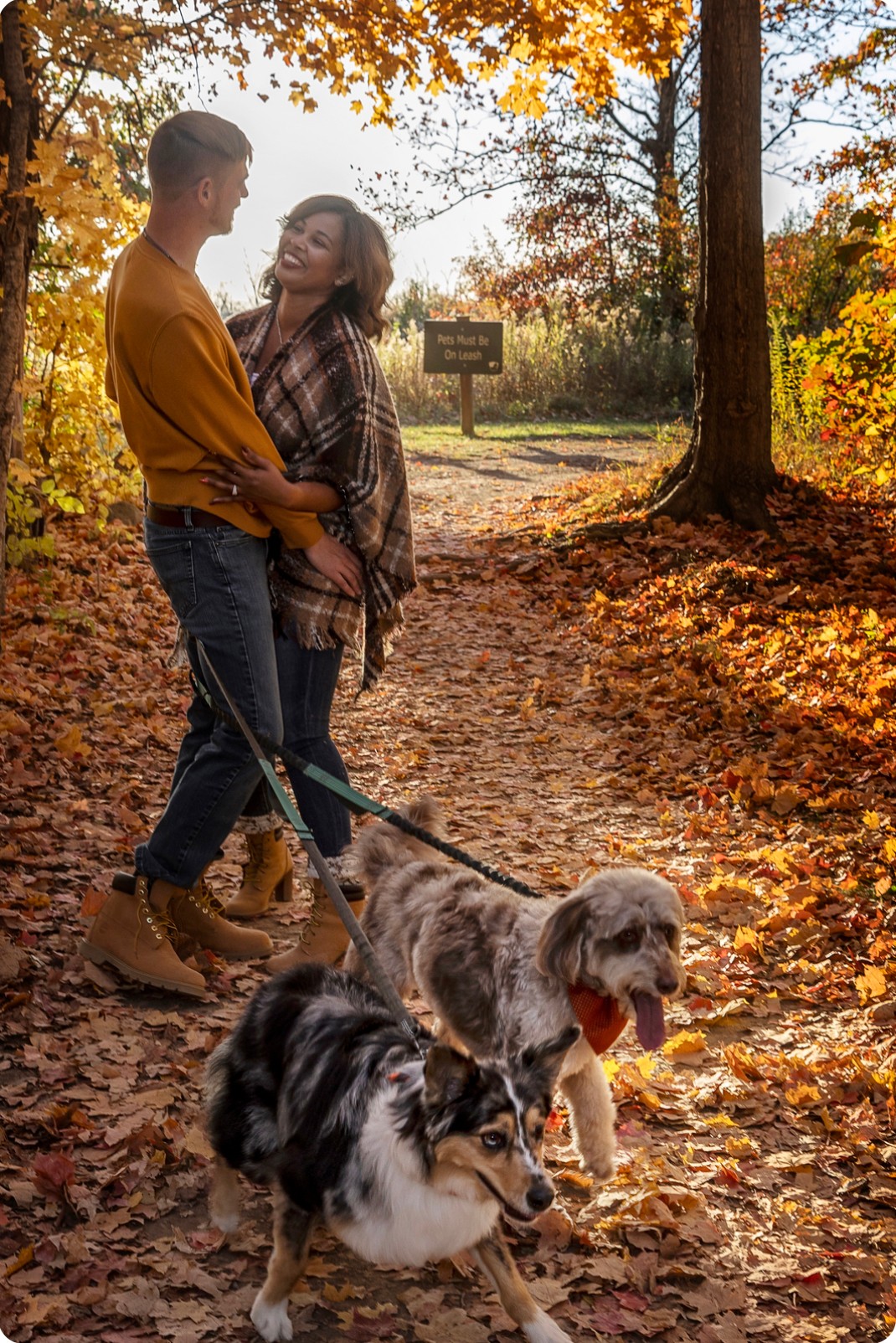
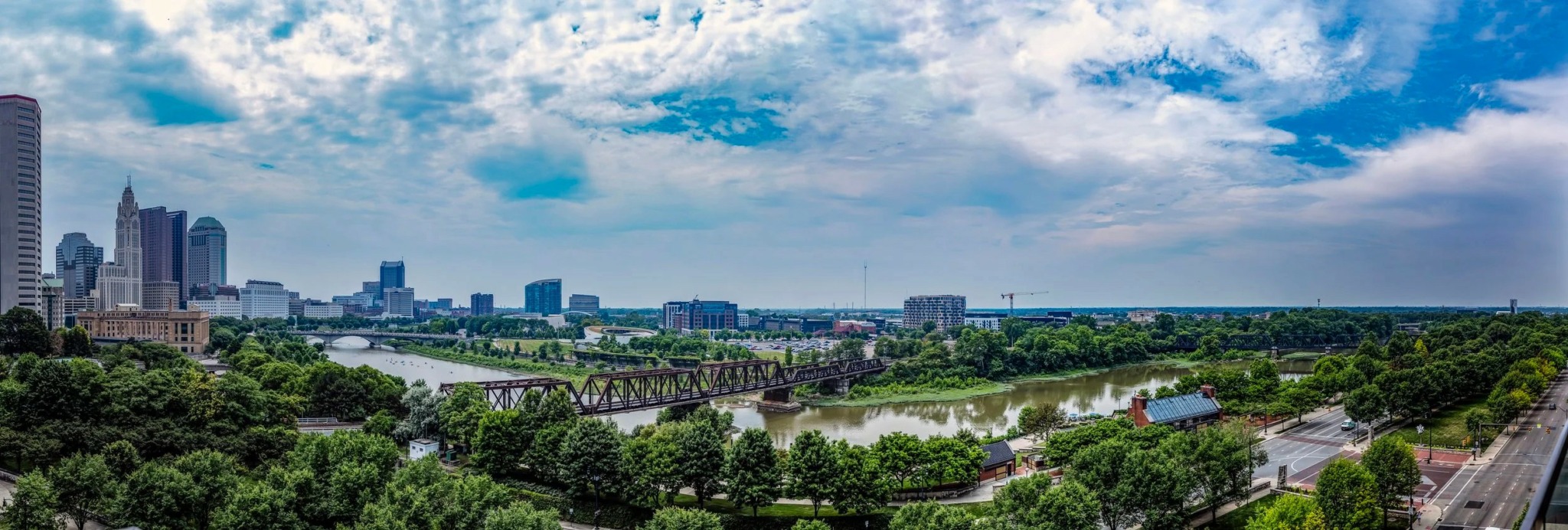
Image Credits
All files ©Harry Acosta ( https://harryacosta.com )