



We were lucky to catch up with Amy Peterson recently and have shared our conversation below.
Amy, looking forward to hearing all of your stories today. Risk taking is something we’re really interested in and we’d love to hear the story of a risk you’ve taken.
One of the biggest risks I’ve taken recently is one that, from the outside, probably doesn’t look risky at all.
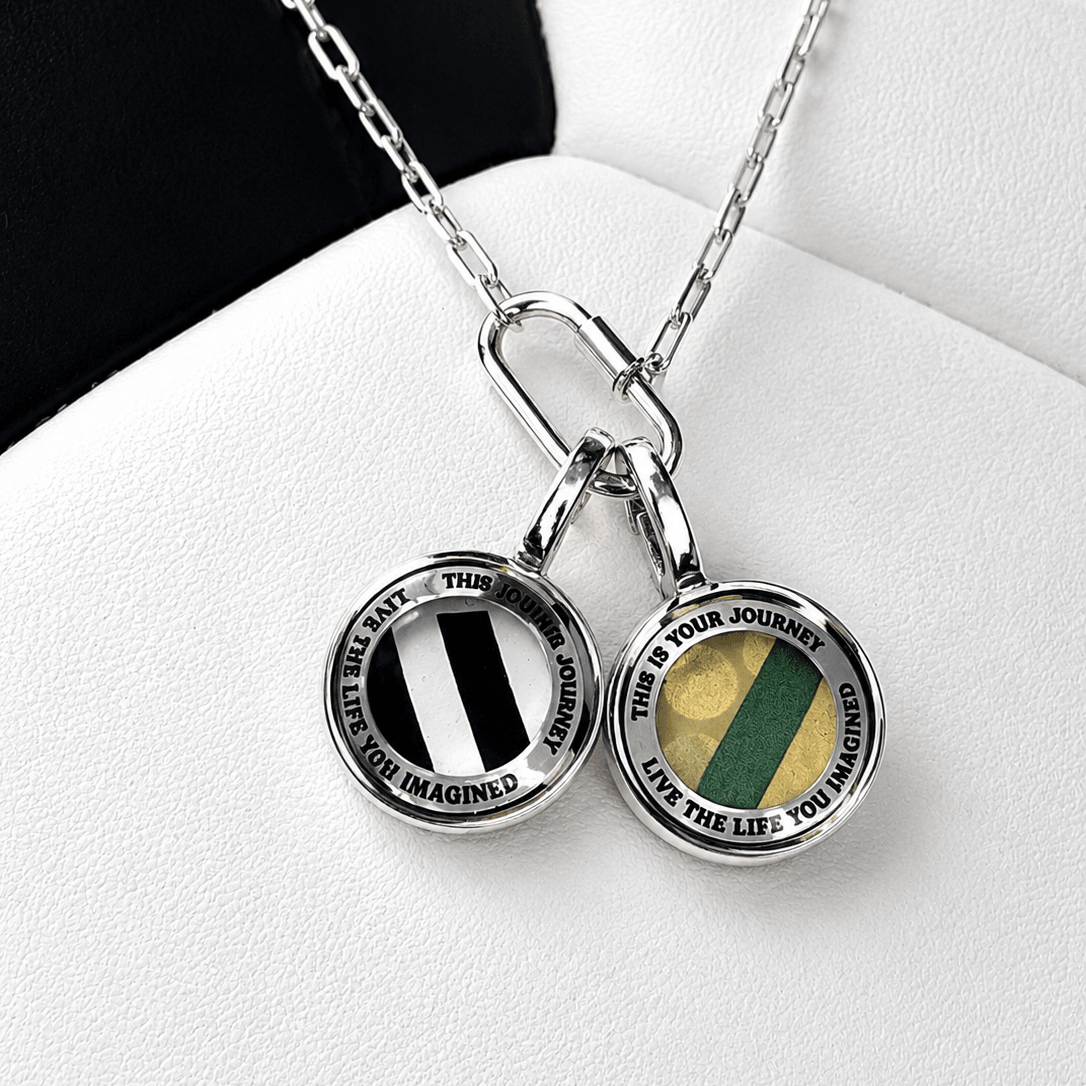
For the past 13 years, I’ve built Rebel Nell in Detroit. Our story is deeply rooted in this city. We transform repurposed materials into jewelry and gifts while creating employment opportunities for women facing barriers. Detroit has been our home, our inspiration, and our strongest community of supporters.
But at some point, every founder has to ask a difficult question: Is the thing that got us here enough to get us where we want to go?
This year, we made the decision to step outside of our comfort zone and pursue a collaboration with two-time World Cup champion Ashlyn Harris. Together, we launched a collection made from repurposed World Cup soccer balls. On the surface, it was a product collaboration. In reality, it represented something much bigger.
It was a bet on ourselves.
The partnership required significant investment of time, resources, and energy. More importantly, it meant intentionally putting Rebel Nell in front of an audience that largely had never heard of us before. For over a decade, we have built a loyal following in Detroit. This collaboration challenged us to think nationally and to believe that our story could resonate far beyond our city limits.
The launch itself was exciting. There was momentum, media attention, and a surge of activity. Then came the part that nobody talks about enough: the quiet.
The days and weeks after a big launch can be unsettling. You refresh reports. You analyze numbers. You wonder if the investment was worth it. You question whether you made the right decision. As an entrepreneur, this is often where panic starts to creep in.
What I’m learning is that growth rarely happens on our timeline.
Building awareness with a new audience takes time. Relationships take time. Trust takes time. Just because the results aren’t immediate doesn’t mean the seeds aren’t taking root.
The real risk wasn’t launching the collaboration. The real risk was being willing to expand beyond what felt safe and familiar. It was choosing growth over certainty.
The story is still unfolding, but already the collaboration has introduced Rebel Nell to thousands of people who had never encountered our brand before. We are seeing new conversations, new opportunities, and new doors opening. Most importantly, it has reinforced a lesson I seem to keep learning over and over again: if we want to grow, we have to be willing to get uncomfortable.
Sometimes risk is less about taking a leap and more about having the patience to stay in the air long enough to see where you land.
Amy, before we move on to more of these sorts of questions, can you take some time to bring our readers up to speed on you and what you do?
My name is Amy Peterson, and I am the Founder of Rebel Nell, a women-owned social enterprise based in Detroit.
Before starting Rebel Nell, I spent 11 years as Associate Counsel for the Detroit Tigers. From the outside, it looked like I had my dream job. But while living next door to a shelter for women and children in Detroit, I witnessed firsthand the challenges many women faced when trying to rebuild their lives. Again and again, I saw talented, capable women struggling to find employment because of circumstances that often had little to do with their abilities. I couldn’t stop thinking about how different someone’s future could be if they were simply given an opportunity.
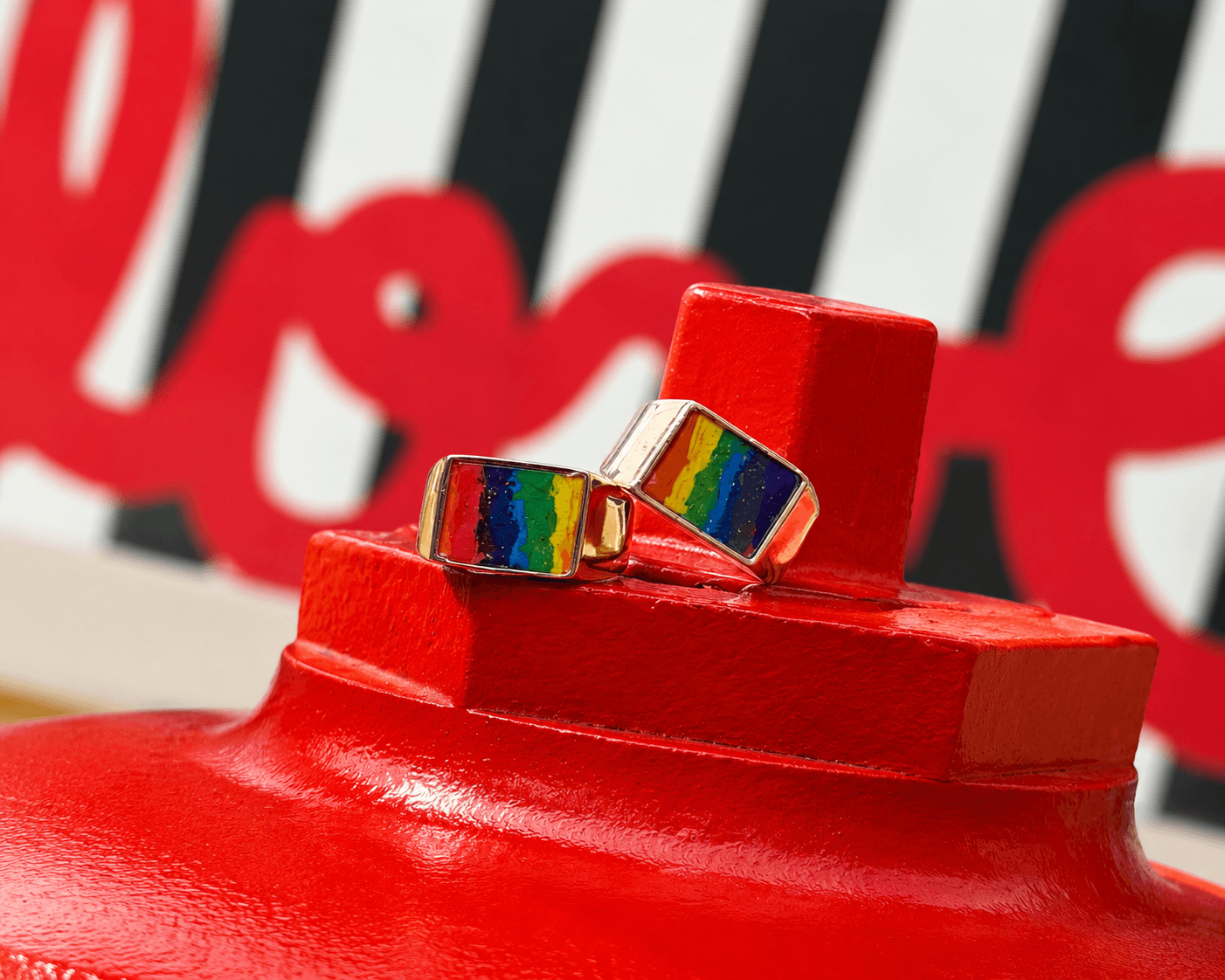
In 2013, I founded Rebel Nell with a simple but ambitious idea: create beautiful products that generate meaningful employment for women facing barriers to work. What started with collecting fallen graffiti from Detroit’s walls has grown into a nationally recognized social enterprise that transforms materials with history into jewelry, gifts, and experiences that connect people to a moment, a place, or a purpose.
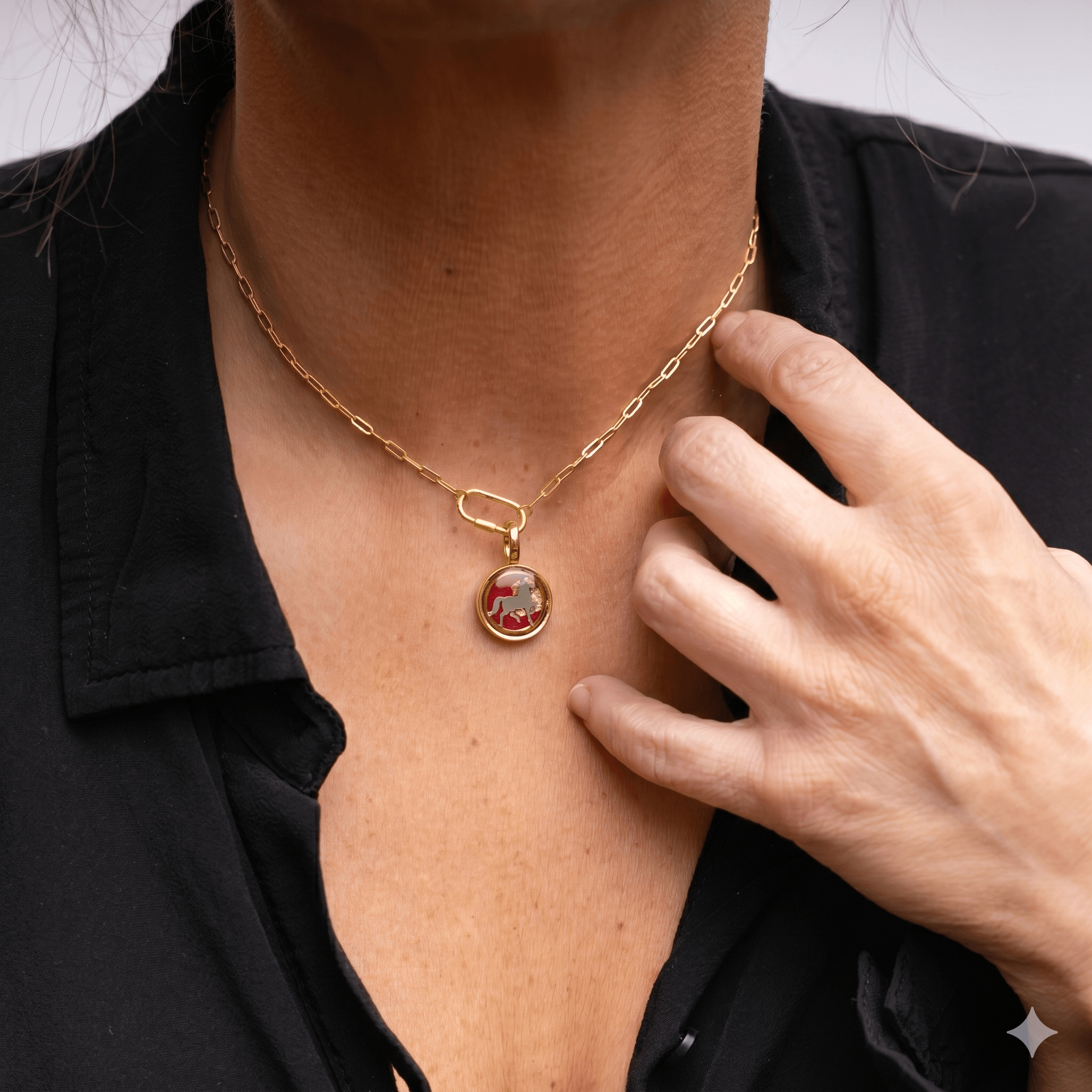
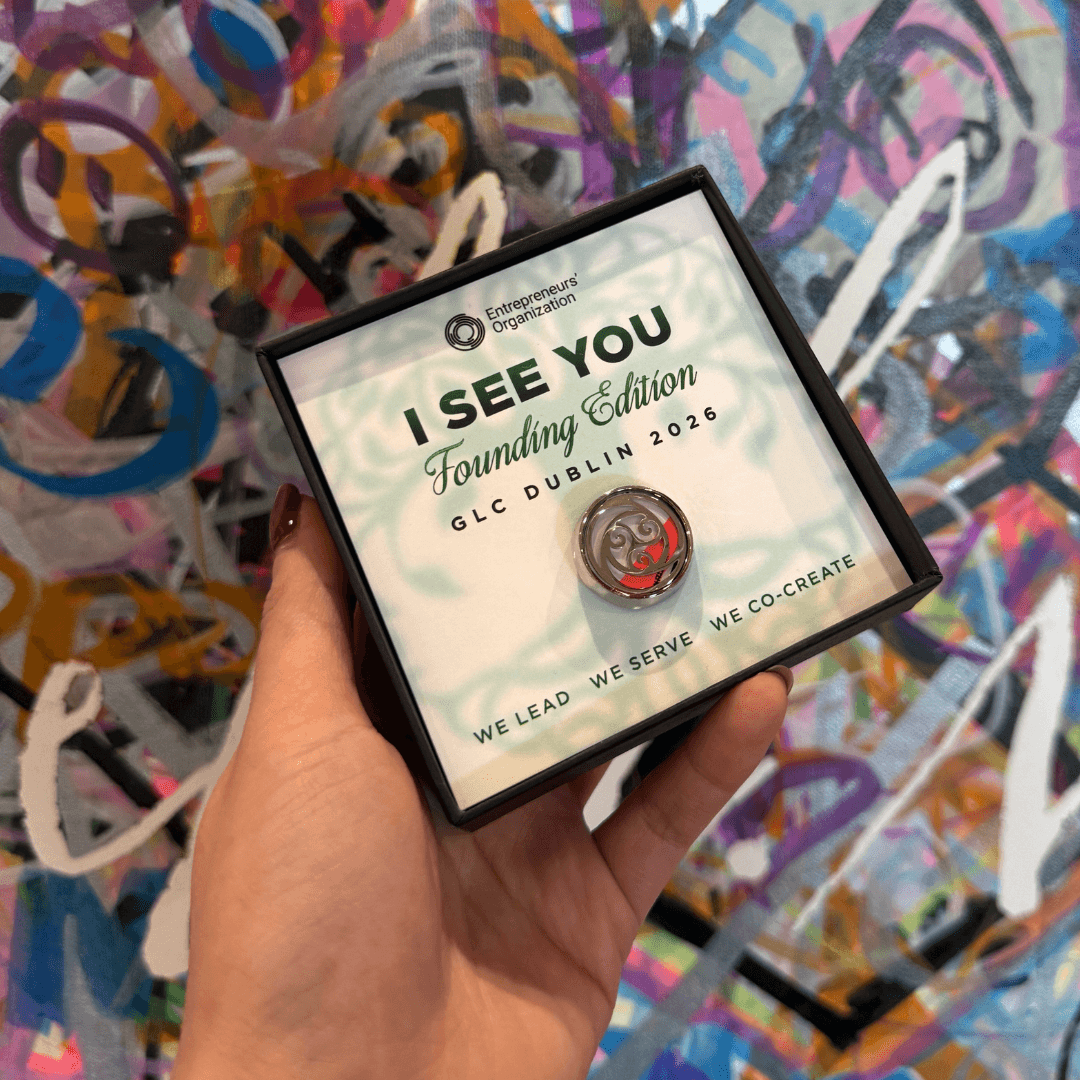
Today, Rebel Nell creates one-of-a-kind jewelry, custom corporate gifts, branded merchandise, and interactive experiences using repurposed materials from around the world. We have transformed everything from Detroit graffiti, historic theater seats, and stadium materials to race car vinyl, World Cup soccer balls, architectural elements, and other iconic materials into meaningful keepsakes.
What sets us apart is that every material we use already has a story. We don’t simply create products; we preserve memories. Whether it’s a fan taking home a piece of a beloved venue, an employee receiving a gift made from materials tied to their company’s history, or a customer wearing a piece of Detroit graffiti, every item becomes a tangible connection to something bigger than itself.
At the same time, our mission remains at the center of everything we do. Rebel Nell exists to create opportunities for women facing barriers to employment. Through our social enterprise model and partnership with Teach. Empower. Achieve. (TEA), we provide employment, financial literacy, career development, mental wellness support, and other wraparound services designed to help women build sustainable futures. Over the years, we have employed dozens of women transitioning out of shelter living and provided thousands of hours of workforce development and support.
One of the biggest problems we solve for our clients is helping them create authentic connection. In a world overflowing with generic merchandise and forgettable promotional products, organizations are searching for meaningful ways to tell their stories. We help brands, sports teams, venues, nonprofits, and corporations transform materials from their own history into products and experiences that people genuinely treasure.
What I’m most proud of isn’t any single collection or collaboration. It’s the fact that we have built a business that proves impact and profitability can coexist. More than a decade later, Rebel Nell is still growing, still innovating, and still creating opportunities for women who deserve a chance to thrive. We have expanded from a small startup into a nationally recognized brand while staying true to the mission that inspired us from the very beginning.
More than anything, I want people to understand that Rebel Nell is about possibility. We take things that others overlook—whether it’s discarded materials or people who have been underestimated—and reveal their value. Every piece we create serves as a reminder that beauty, purpose, and opportunity can come from the most unexpected places.
That belief is the foundation of Rebel Nell, and it continues to guide every decision we make today.
Has your business ever had a near-death moment? Would you mind sharing the story?
One of the closest calls we’ve ever had at Rebel Nell happened in 2022, nearly a decade into the business.
Over the years, I’ve had several moments where I wasn’t sure if we were going to make it. Entrepreneurship has a way of humbling you. But this particular moment stands out because it was entirely self-inflicted—and it taught me one of the most important lessons of my career.
For years, one of my mentors repeated the same piece of advice: “Never let the back of the house catch up to the front of the house.”
What he meant was simple. You can always improve systems, operations, inventory management, processes, and infrastructure. But if you stop prioritizing sales, customers, and growth, eventually there won’t be a business left to support.
In 2022, we did exactly what he warned us not to do.
At the time, Rebel Nell was growing, and we knew we needed stronger systems. We invested heavily in building out our inventory management processes, operational infrastructure, and internal systems. We spent countless hours trying to make everything more efficient and scalable.
The problem was that while we were focused on improving the back of the house, we weren’t putting nearly enough time, attention, and resources into the front of the house—sales, marketing, customer acquisition, and revenue generation.
We convinced ourselves that once the systems were perfect, growth would naturally follow.
It didn’t.
The reality is that no inventory system, no process, and no operational improvement can compensate for a lack of sales.
Before long, the warning signs started appearing. Revenue slowed. Cash became tight. The pressure mounted. I found myself lying awake at night wondering how we were going to make payroll and keep the business moving forward. The irony wasn’t lost on me—we had built a stronger operational machine, but we had neglected the very thing that fuels every business: customers.
It was a painful realization.
We had to make difficult decisions, refocus our priorities, and put our energy back where it belonged. We shifted our attention toward sales, strategic partnerships, corporate gifting, experiences, marketing, and customer growth. We became far more disciplined about measuring what actually moved the business forward.
The experience changed the way I lead.
Today, I absolutely believe in investing in systems and infrastructure. But I’ve learned that they must serve growth, not replace it. A beautiful backend means very little if there isn’t enough revenue coming through the front door.
Looking back, that period was one of the most stressful chapters in Rebel Nell’s history, but it ultimately made us stronger. It forced us to become more financially disciplined, more focused, and more intentional about where we spend our time and resources.
The lesson was simple but unforgettable: businesses don’t fail because they lack systems. They fail because they run out of customers, cash, or both.
Whenever I find myself getting distracted by operational perfection, I still hear my mentor’s voice reminding me: “Never let the back of the house catch up to the front of the house.”
It’s advice I’ll carry with me for the rest of my career.
What’s a lesson you had to unlearn and what’s the backstory?
One thing I’ve had to learn—and am still actively learning—is that the mindset that helps you survive isn’t always the mindset that helps you scale.
For the first decade of Rebel Nell, I wore every hat imaginable. I was the salesperson, marketer, fundraiser, operator, problem-solver, and often the firefighter putting out whatever blaze appeared that day. In many ways, that level of involvement was necessary. We were building something from nothing, often with limited resources and a lot of uncertainty.
Over time, that survival mindset became part of my identity. If something wasn’t getting done, I stepped in. If sales dipped, I worked harder. If there was a problem, I solved it myself. Those instincts helped keep Rebel Nell alive through countless challenges.
But eventually those same instincts became a liability.
As the company grew, I started building a stronger leadership team. We hired talented people. We invested in systems. We created processes. Yet whenever things felt shaky—when sales slowed, a launch underperformed, or uncertainty crept in—I found myself jumping back into old patterns. I would insert myself into projects, double-check work, make changes at the last minute, or take things back onto my own plate.
I thought I was helping.
In reality, I was often digging up the seed every few days to see if it was growing.
A dear friend and coach shared something with me recently that hit me like a ton of bricks: “You can’t plant a seed and constantly dig it up to see if it’s growing.”
That was me.
I realized I had spent years believing that my value as a leader came from doing, fixing, rescuing, and controlling outcomes. What I needed to unlearn was the belief that everything depended on me.
The truth is that growth requires trust. Trust in your team. Trust in the systems you’ve built. Trust in the process. Most importantly, trust that not every dip is a disaster and not every quiet moment requires intervention.
Today, one of my biggest leadership challenges isn’t learning something new—it’s unlearning the belief that I have to carry everything myself.
The next chapter of Rebel Nell won’t be built because I work harder. It will be built because I create the space for other people to lead, contribute, and thrive.
And if I’m honest, that’s far scarier than starting the business was.
But it’s also where the growth lives.
Contact Info:
- Website: https://www.rebelnell.com
- Instagram: @rebelnell
- Facebook: @rebelnelldetroit
- Linkedin: https://www.linkedin.com/company/rebel-nell
- Youtube: @rebelnell
Image Credits
none