

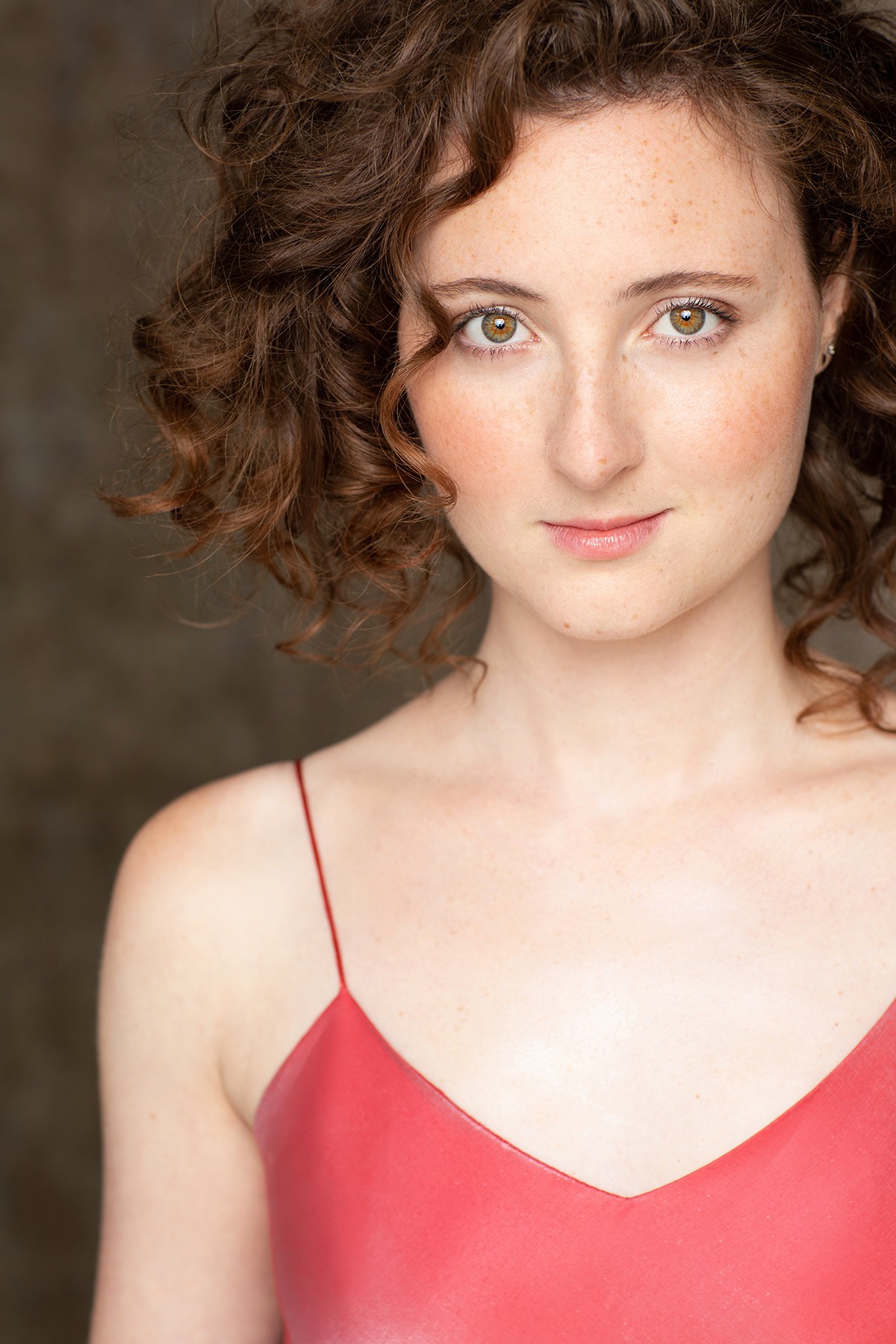

We caught up with the brilliant and insightful Maeve Thompson Osgood a few weeks ago and have shared our conversation below.
Maeve, looking forward to hearing all of your stories today. We’d love to hear about the things you feel your parents did right and how those things have impacted your career and life.
My parents and I have always had a very supportive and equal relationship with one another. Growing up, I thought this was how every family operated. The more I spoke to friends and other families, however, the more I realized just how rare it is to have complete mutual respect and trust between a child and their parent. I am one of the most fortunate kids in the world to have had parents who respected me, which is a realization that didn’t hit until I was a full grown adult.
Parents of artistic children have a very difficult time straddling the line between support and realistic expectations. As anyone who has ever auditioned for a middle school play or high school musical can tell you, deciding to put your art out there for the world to accept or decline is one of the scariest things you can do. Some kids have talent, some have confidence, some have neither and just want to be part of an event. Then the resolute kids like me already know that performing is the one and only thing we will be doing for the rest of our lives.
My mother was a professional dancer and my father was and is a photographer, so art was always held in high regard in our family. Schedules were shaped, trips were taken, competitions were entered in order to center art in our lives. The way artistic expression shapes and expands our brains is well documented and tested, and it was important to my parents that their children be well-rounded creatives. That being said, “the artists life” is a scary concept for any parent: What if my child can’t make rent? What if they get exploited? What if they aren’t as talented as we think they are? What if they’re extremely talented, but they just don’t make it?
My parents had all of these fears and more while raising me. However, instead of deterring me or trying to push me down a different path, they decided to simply trusted me to ask for the tools I needed, and watch me go to work. If I asked to be in musicals, they put me in dance lessons. When I decided I needed vocal training, they found a voice teacher. When I said I wanted to put on my own theatre production, they offered our house as rehearsal space. We had an open dialogue of self-reflection and constructive criticism that showed me they took my interests seriously. When I explained that performing was the career I planned on, we treated it that way as a family. As my high school friends started to get pushback from their parents senior year, my parents asked just once “Are you sure this is the path you want to take?” When I said yes, they nodded and helped me edit my college applications for drama school.
The best thing any parent can do is try to understand and support their child. When children feel seen and trusted, they bring that confidence into their adult lives. Starting your own life is difficult, everyone fails and struggles over and over as careers change, wants and needs conflict and opportunities present, then disappear. When my two biggest supporters trust me to make good decisions, it is a thousand times easier to trust myself. I don’t know how other people keep themselves motivated, but every time I take on a new challenge, it is because my parents showed me I can handle it. They give me all the strength I need to become the artist I want to be.
Awesome – so before we get into the rest of our questions, can you briefly introduce yourself to our readers.
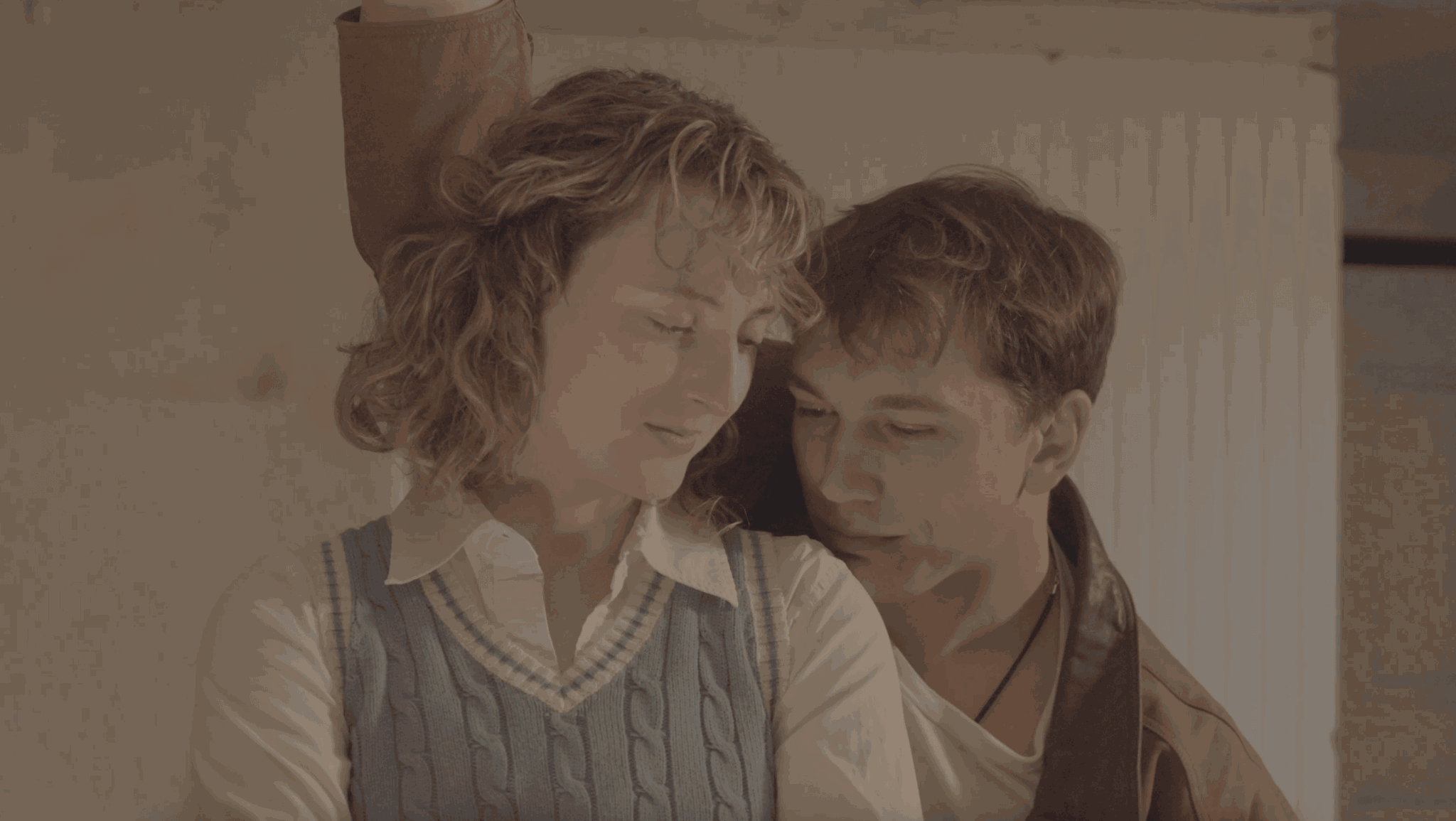
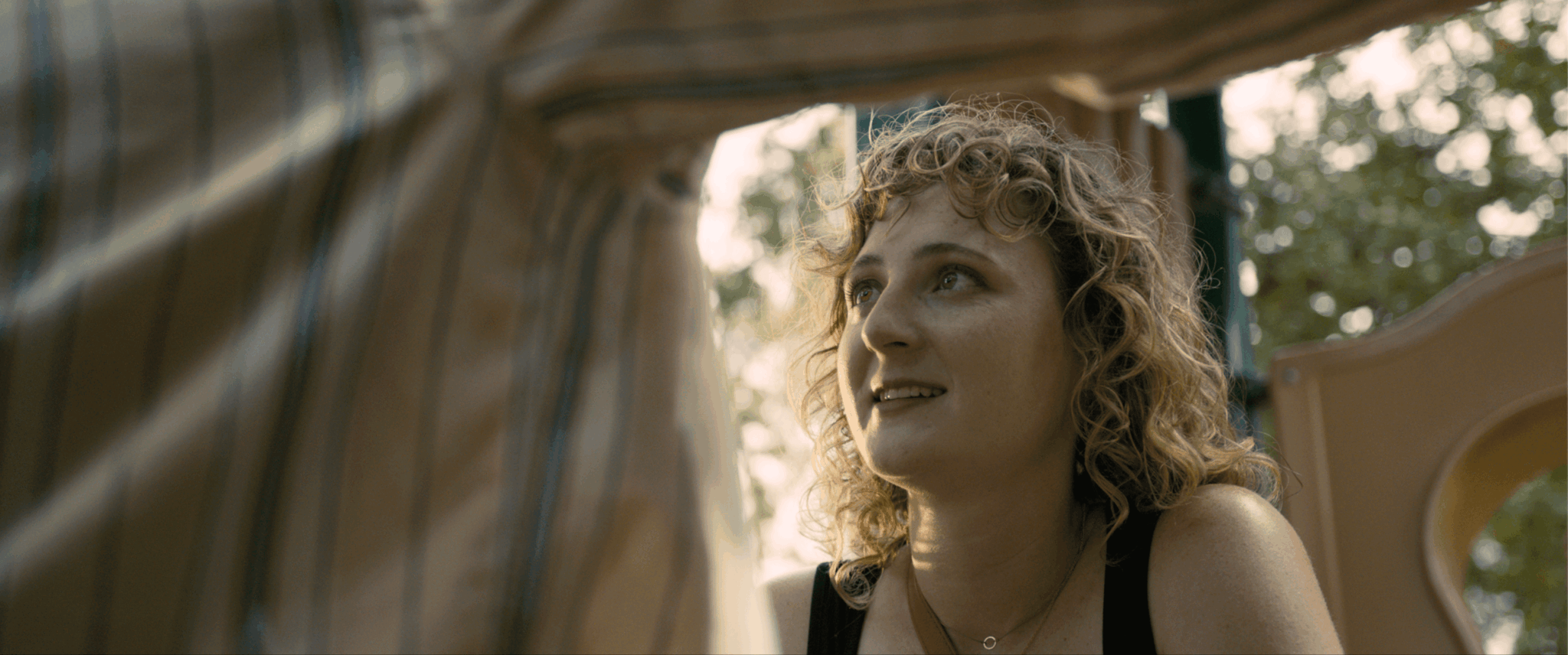
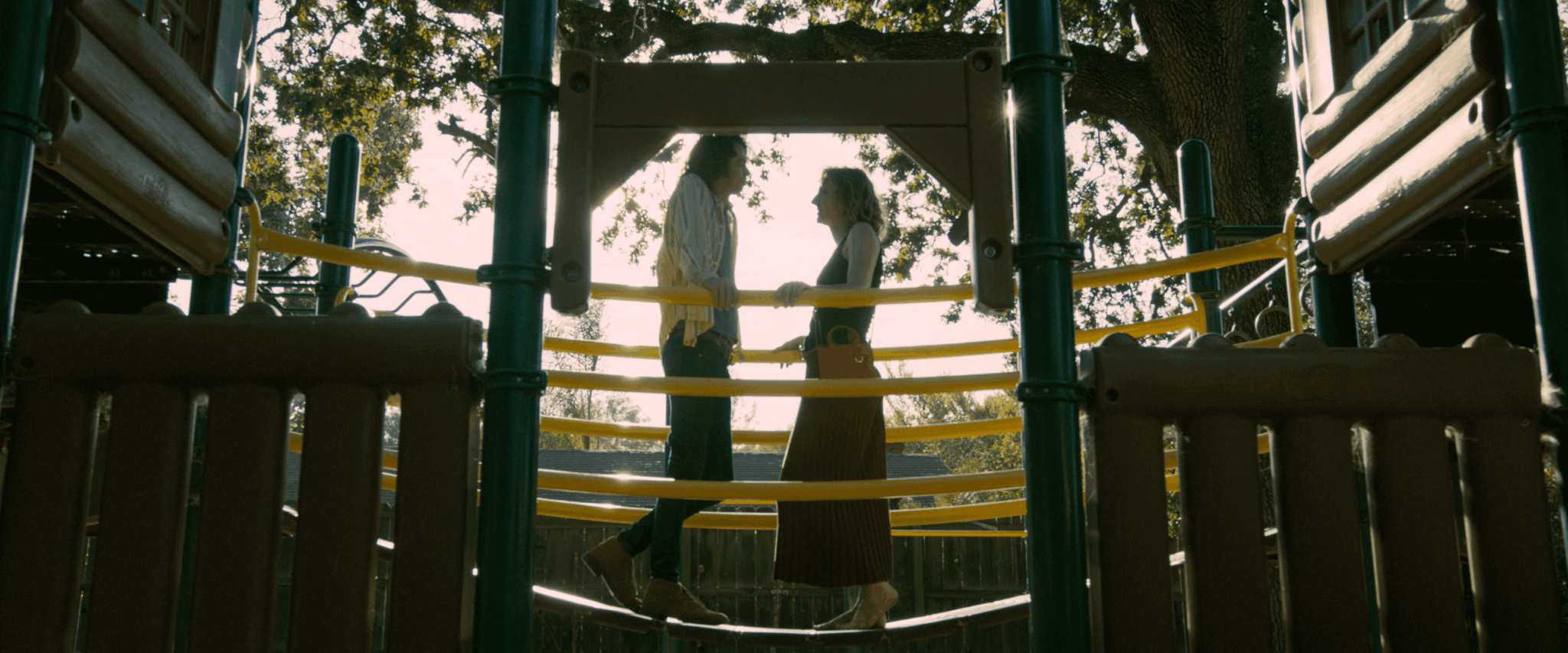
I am an actor, independent producer and writer in Los Angeles. I got my start acting on stage in North Carolina, but have turned into a full-fledged independent filmmaker since moving to LA. After graduating with a BFA in Acting for Film, I was auditioning and producing plays with friends. This quickly turned into writing scripts and creating films, the most recent of which is a thriller piece titled While You Watched, which will be featured at the LA Shorts Film Festival this year.
I have dedicated myself to creating my own work. I will continue to audition and hunt for representation, but as I settled into LA, I found a lot of creative freedom in writing stories and bringing them to life. Actors always tell you how they slogged through years of auditions before finally landing a one-liner that got cut from a major network show. The more I heard those stories, the more I thought “What am I supposed to do while I wait for that kind of breakthrough?” Frankly, I’m not a fan of waiting! So I started writing, conceptualizing and finding like-minded talented people with skills to offer. I have now led several projects and acted or participated in many others that I didn’t have to find behind a paywall. The more this industry pushes influencer monetization and stockholder protection, the more gratification I have found in sticking to my true art form. Now, I am in the position to create incredible projects that put the art first, and that is what I plan to stick to.
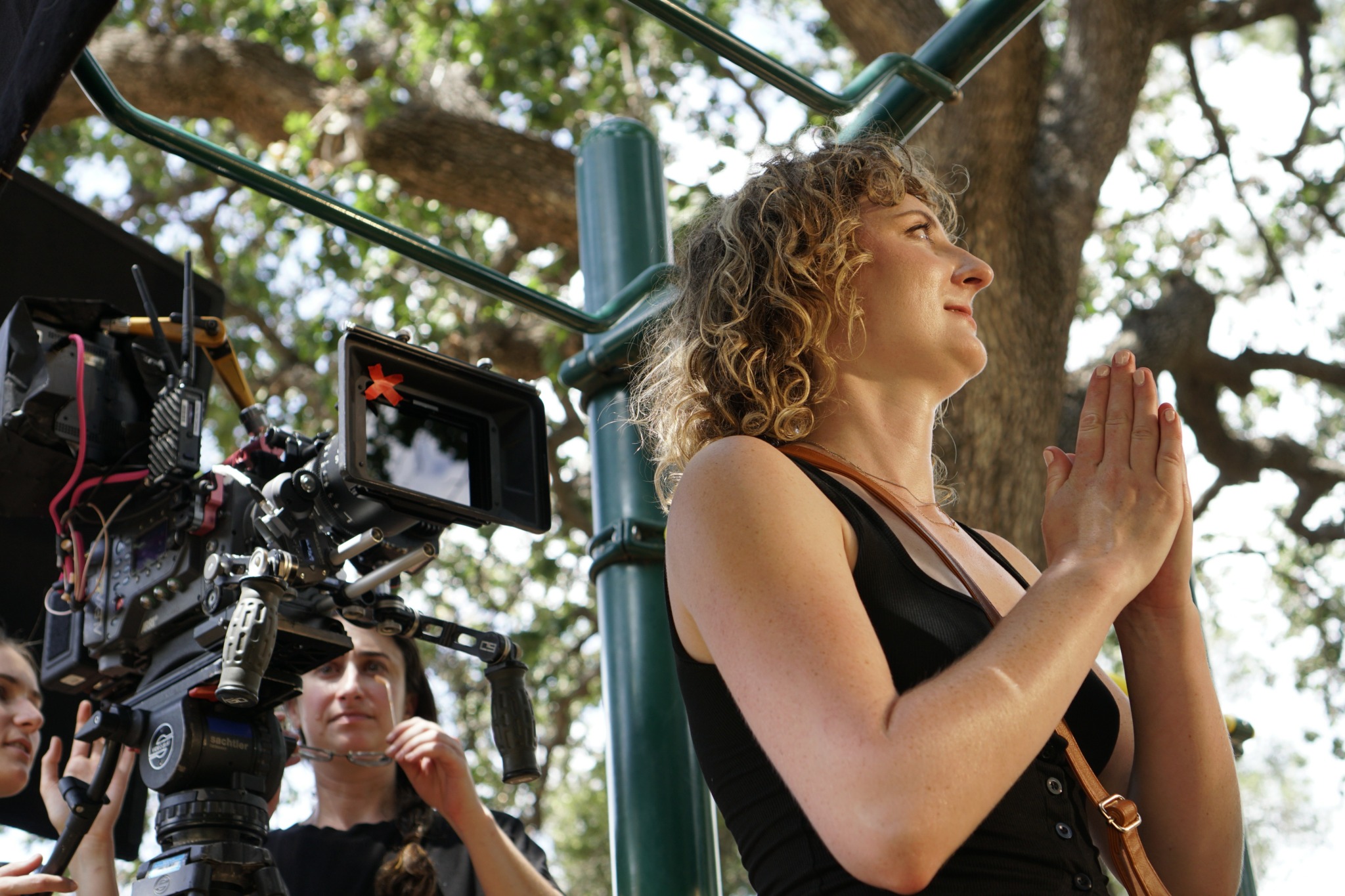
What can society do to ensure an environment that’s helpful to artists and creatives?
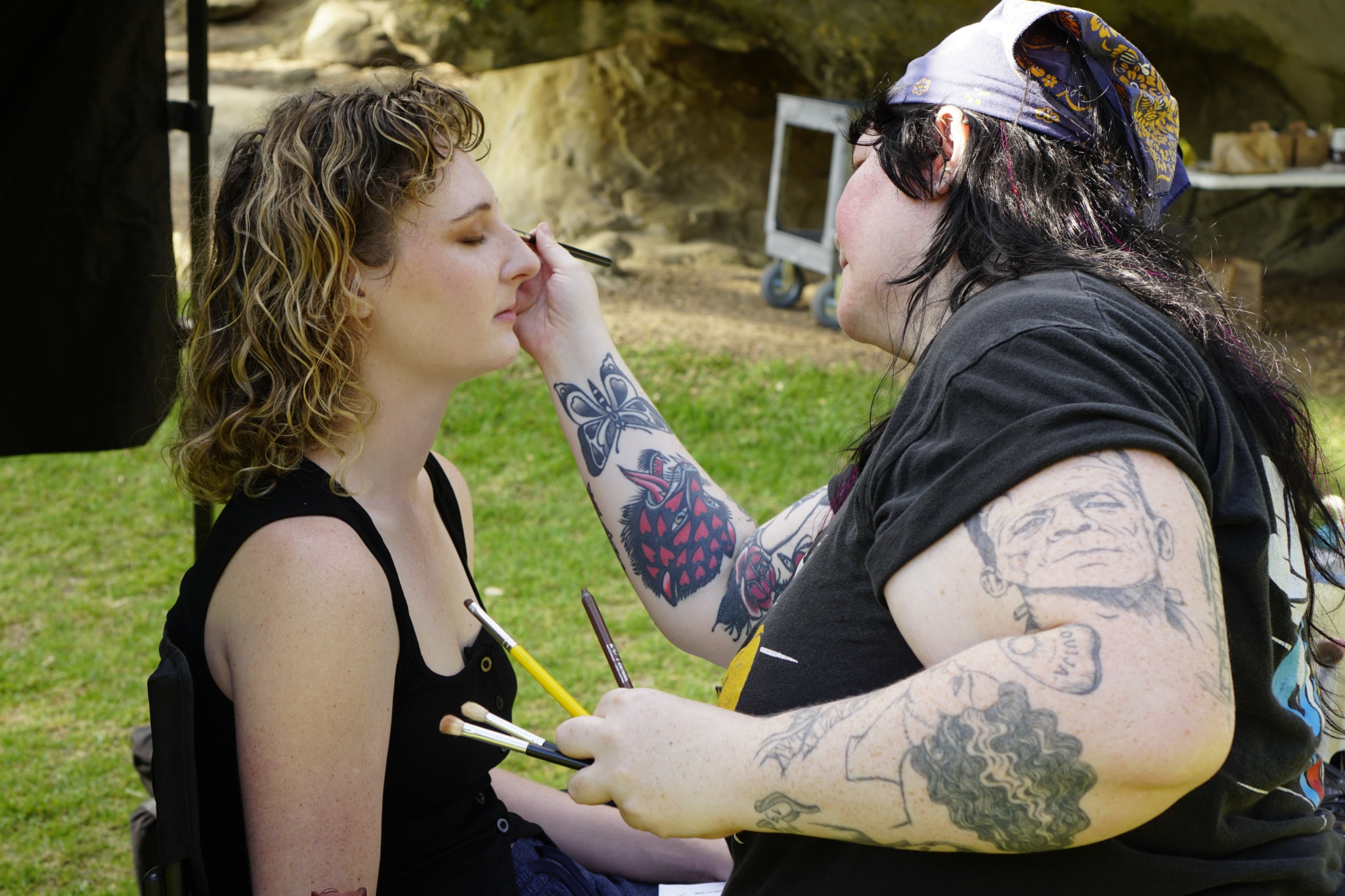
Pay us and watch our work! I say this humorously, but the biggest challenge we face and independent filmmakers selling our ideas to streaming services or large companies is “How will this make us money?” The answer is: by audiences appreciating and watching it. Watch our films, donate to our funding campaigns, subscribe to our websites and social media pages. If you want to see good films and TV shows, support the filmmakers who are writing them. Scroll through crowdfunding websites and see what projects sound like shows and movies you’d like to see! Ten dollars here, twenty there – you wouldn’t believe how far that kind of support goes. If you show production companies that you want to see good art, that you’re willing to buy tickets for theaters, they will help us make it. Many of the biggest blockbuster films in the world started with a couple friends writing a script and scraping together enough money to rent a camera: please be the reason we can finish a day of filming and pay our crew. You have no idea how much of a an influence you as the audience have.
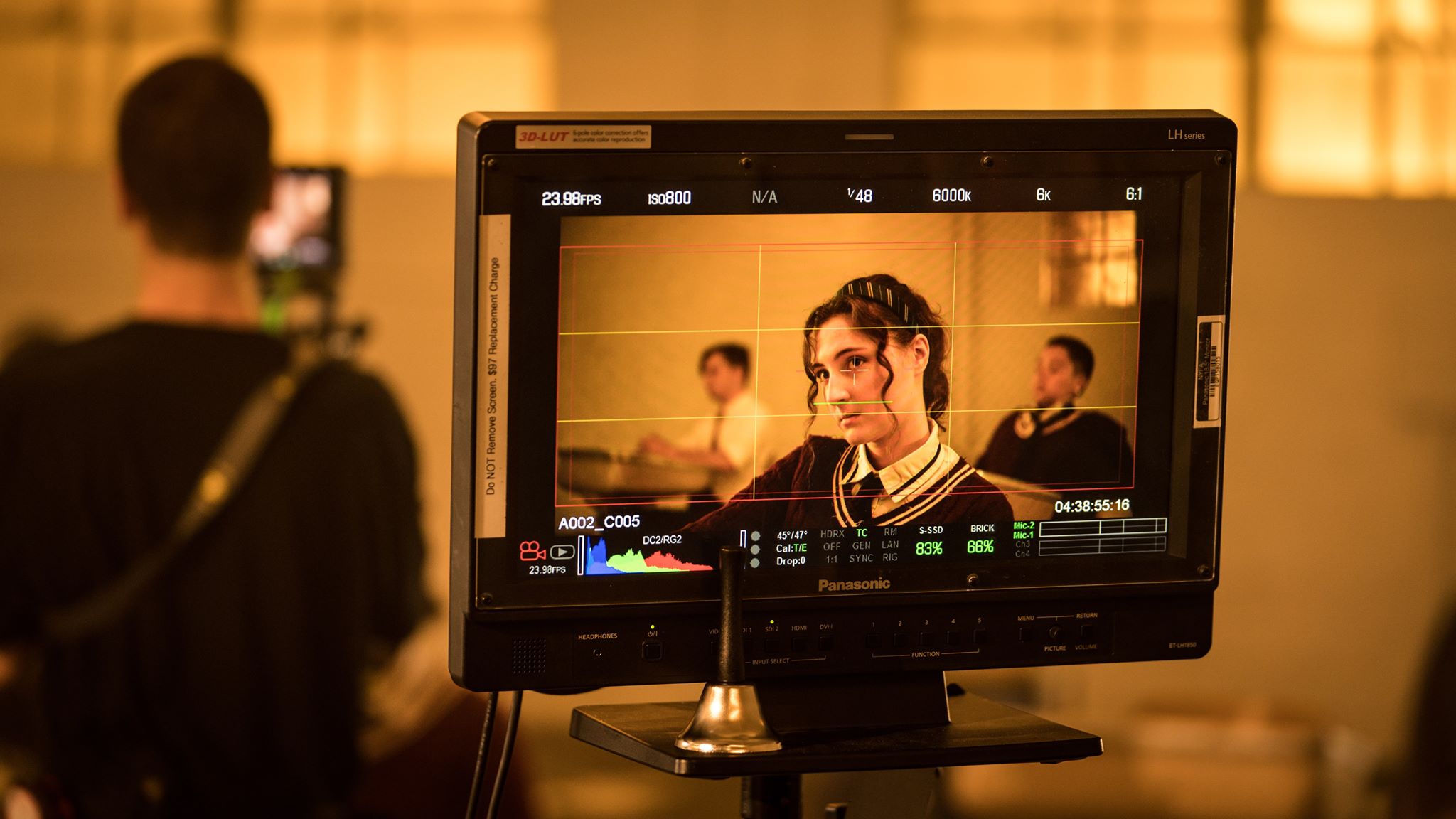
We often hear about learning lessons – but just as important is unlearning lessons. Have you ever had to unlearn a lesson?
Pretty early on, I had to unlearn the lesson of “If I don’t get the part, I must not be talented.” Growing up with theater and auditions for high school plays, it was really hard to take rejection. There are only 10 girls to choose from, why didn’t I get the lead? This is a great part for me, why didn’t my teacher like what I did? As I grew as an artist and started auditioning in LA, the sheer amount of rejections started to gnaw at me. My teachers had prepped me for it, everyone told me actors get rejected a thousand times before they finally get a “yes”, but living through it; every day, every audition, for years? There’s no way it wouldn’t get to me. It was a callus I had to build up, and it finally started to heal over a few years ago.
There are truly a million reasons you won’t get a part, and it seldom has to do with talent. I actually started to believe this when I was creating my own projects and ended up on the other side of that casting table and realized how many other factors effected the casting process. If I continued to let every rejection hurt me, I was going to drown: so I started treating the auditions themselves as the win.
Acting is what I love, it’s the most connected I ever feel to the world. Every time I step into an audition room or set up my camera to tape, it’s just another opportunity to act. If I get to do that, the result doesn’t matter: I already got to do the best part!
Contact Info:
- Website: https://maevethompsonosgood.weebly.com
- Instagram: https://www.instagram.com/maevethompsonosgood?utm_source=qr
- Other: https://www.imdb.com/name/nm9889007/?ref_=nv_sr_srsg_2_tt_3_nm_5_in_0_q_maeve%20th
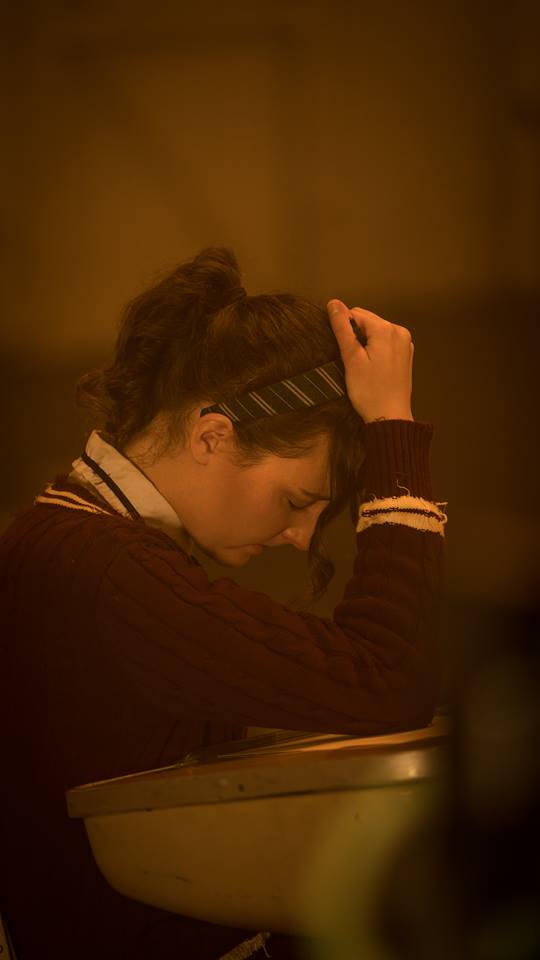
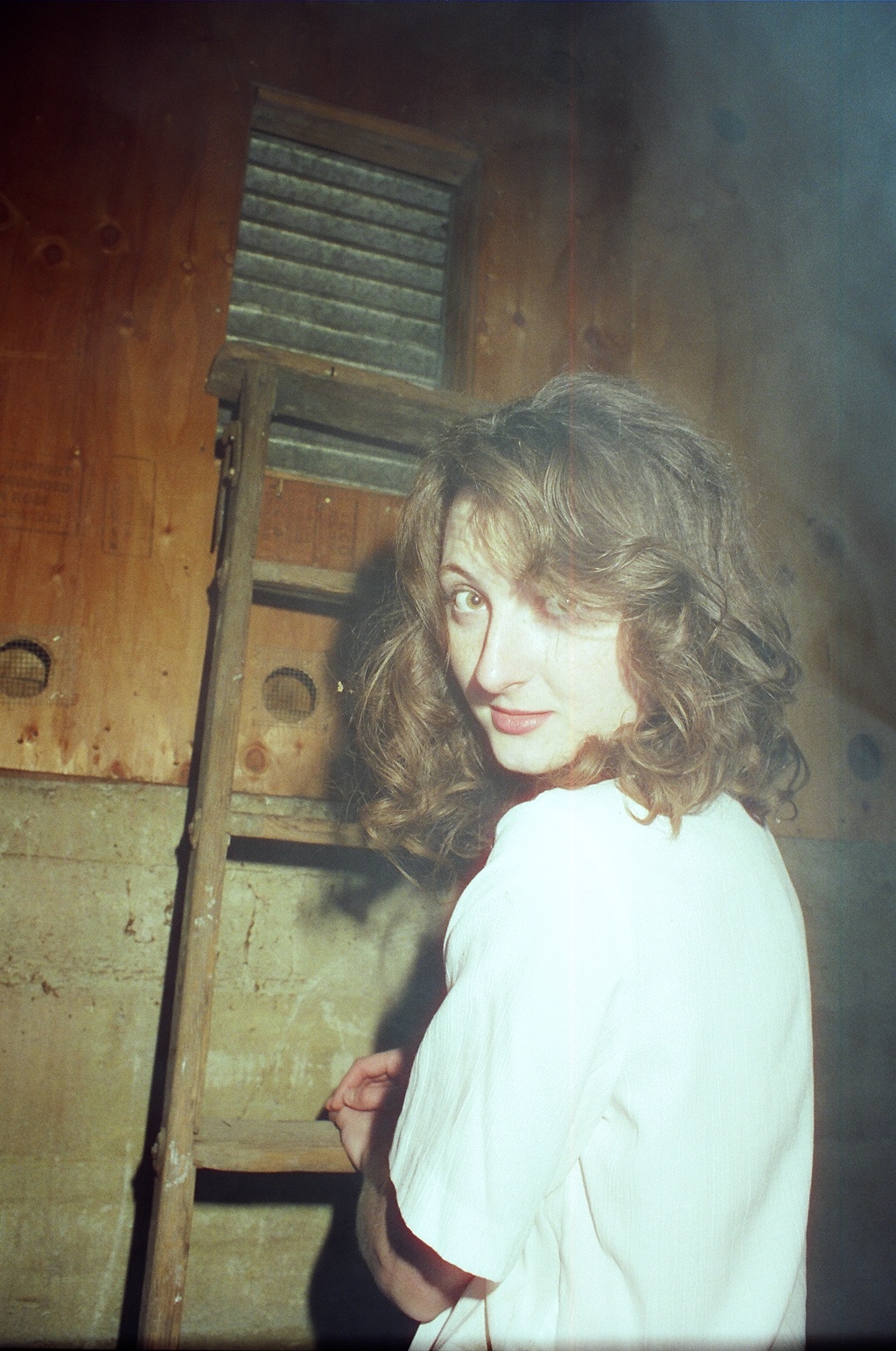
Image Credits
Dana Patrick
Kevin Sulla
Sarah Dickerson
Kelvin Shum