

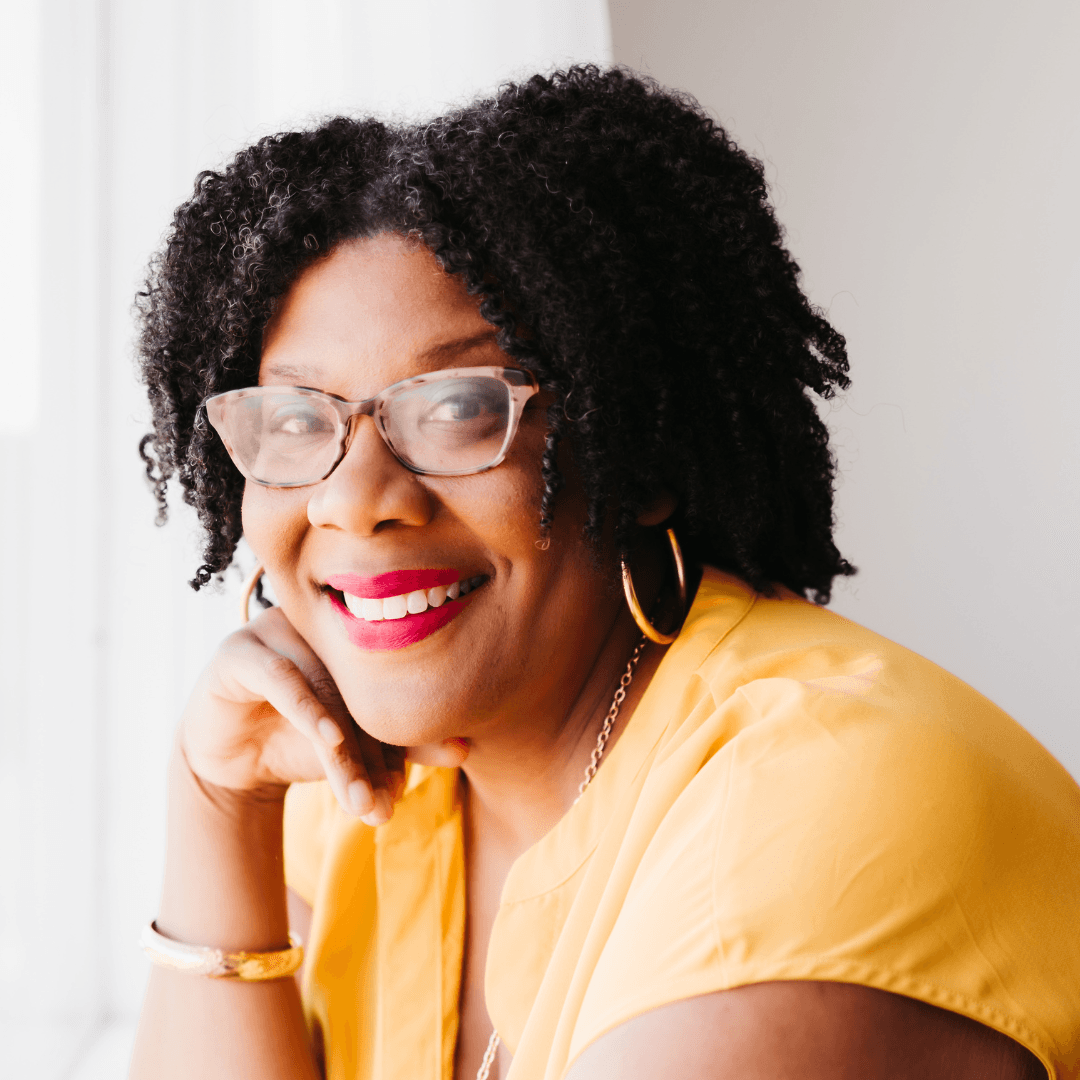

We were lucky to catch up with Christina Jones recently and have shared our conversation below.
Christina, thanks for joining us, excited to have you contributing your stories and insights. Risk taking is something we’re really interested in and we’d love to hear the story of a risk you’ve taken.
Honestly, the biggest risk I ever took was betting on myself — and it didn’t feel courageous at the time. It felt terrifying.
I had spent years in education — starting my career in 2002, moving from the classroom into instructional leadership and eventually district level work, nationally and internationally. I had given everything I had to building systems, leading teams, and helping organizations grow. And then in 2022 I was laid off. The environment had been toxic and dehumanizing for a while, and the way it ended stripped whatever dignity was left in the room.
So I did what any practical person does. I started applying for jobs. Chasing opportunities I was clearly qualified for. Watching doors close anyway. Every role that showed up came with red flags I couldn’t ignore. And somewhere in that frustration I got still enough to ask myself a harder question — why am I betting on everyone else’s dream? I have spent my whole career helping other people build their vision. Why won’t I take a chance on my own?
I thought about that line from the movie Passenger 57, where Wesley Snipes says, “Always bet on black” — and something in me just settled. So I stopped chasing what wasn’t meant for me, surrendered the need to control every outcome, and made the decision to build something rooted in my own mission, vision, and purpose. That’s how Humane in the Membrane, LLC was born. Not from a perfect plan or a safety net — from a moment of faith and the conviction that my vision was worth betting on. And that I was worth betting on too.
Three years later it’s the most meaningful work of my life. The risk didn’t just pay off. It set me free.
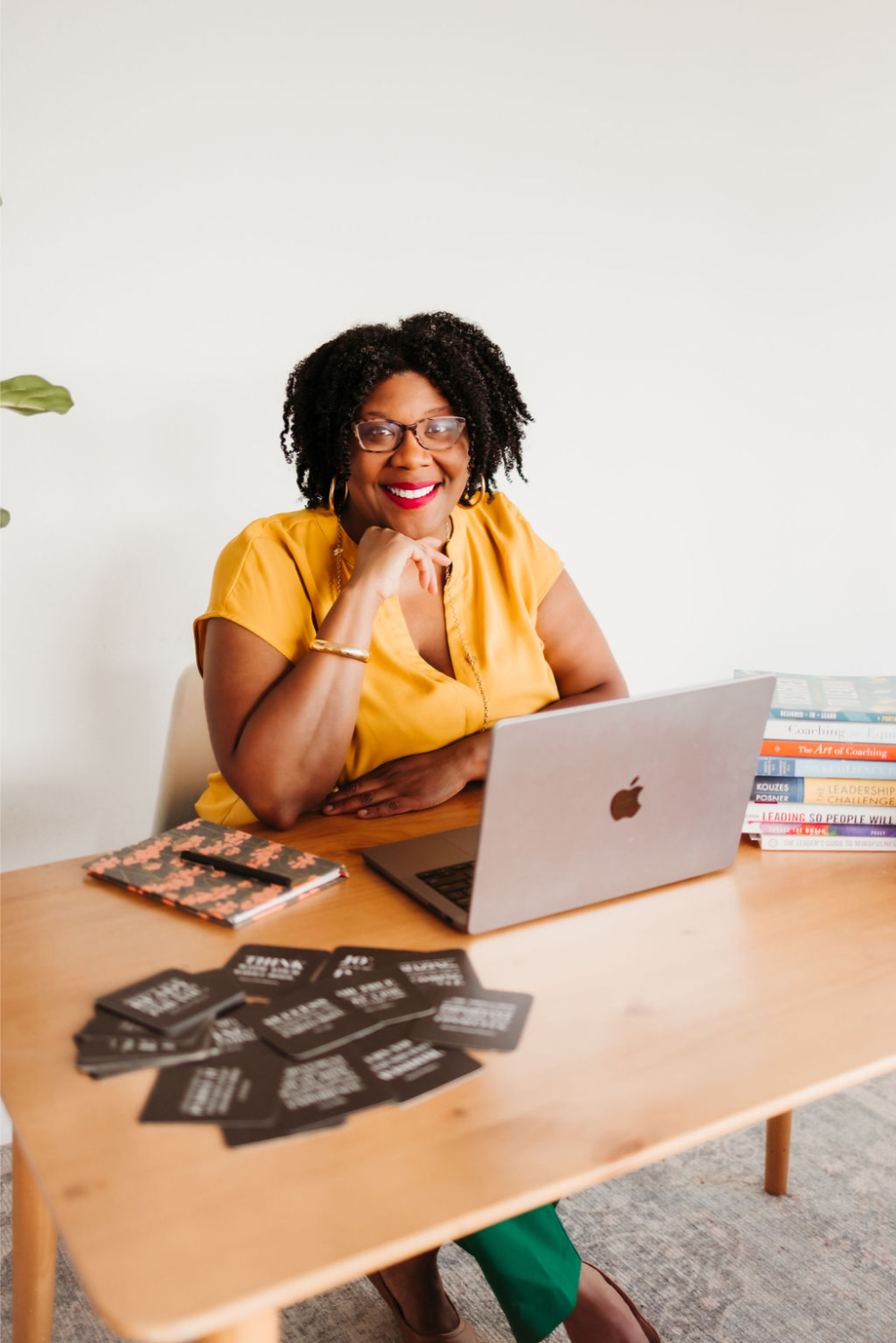
Christina, love having you share your insights with us. Before we ask you more questions, maybe you can take a moment to introduce yourself to our readers who might have missed our earlier conversations?
Humane in the Membrane came directly from something I had been sitting with for years. Even while I was still inside organizations, I kept noticing a gap that bothered me. I’d be sitting in professional learning or leadership training — equity work, organizational change — and my colleagues would walk away saying “I learned so much.” And I’d still be sitting there, full of emotions I hadn’t had space to process. As I talked to other colleagues, I discovered I wasn’t alone. No matter what identities people carried into the room, the same thing kept surfacing. The learning was happening at us, not with us. We were being asked to engage with ideas theoretically — from a purely brain-based framework — without anyone making room for what the heart and body were carrying.
The truth is – learning is not just a cognitive process. Leadership is not just a strategic one. They are both soulful, spiritual, embodied experiences. They require all of us — the mind, yes, but also the heart, the lived experience, the emotions we walk in with. When we separate those things and only honor one of them, we shortchange the entire process. You can transfer knowledge all day long. But transformation? That requires an embodied experience. That gap — between knowledge and transformation, between strategy and the people who have to carry it out — that’s what I built HITM to close.
Here’s what I’ve come to understand — you cannot transform an organization by only pulling one lever. At HITM we look at strategy through the intersections of learning, leadership, and systems. They’re not sequential. They’re triangulated. Simultaneous. No matter what the entry point is — a leader who needs to grow, a team that needs to align, a system that needs to be rebuilt — you need all three. And at the core of all of it is one question: how are we building capacity? That’s what my proprietary HEART Framework™ addresses — how to simultaneously build learning, leadership, and systems capacity so that clients achieve clarity, reach their outcomes, and move into full coherence where everything operates in harmony toward the same purpose.
The moment I live for is when someone’s shoulders finally relax. When their eyes get wide and they say “you see it. You see exactly what I’m going through.” That relief. That feeling of not being alone in the problem anymore. That’s the freedom work. The work that gets me free and gets other people free too. If you’re a leader who’s tired of spinning and ready to move with clarity and purpose — that’s exactly who I built this for.
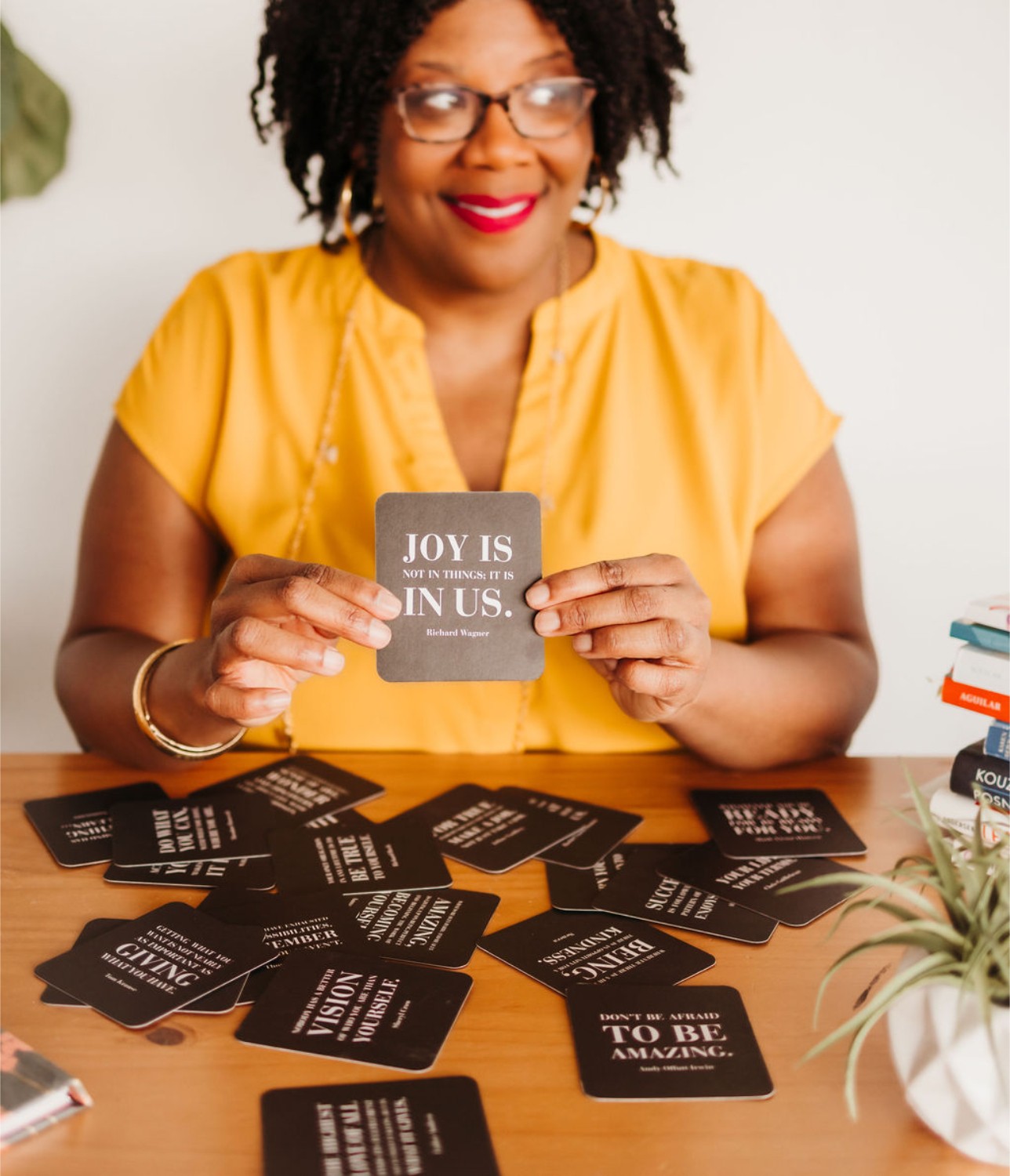
We’d love to hear a story of resilience from your journey.
What I’ve come to understand is that starting a business is basically a mirror. Every fear you’ve ever had, every insecurity you’ve pushed down, every unhealed place in you — it all comes right to the surface. And you have two choices. You can run from it or you can face it.
I chose to face it.
I’ve always believed you cannot do for others what you have not worked out for yourself. You cannot coach someone through fear if you haven’t sat with your own. You cannot lead someone through uncertainty if you haven’t learned to navigate it. So early on I made a commitment — whatever came up in building this business I was going to go through it, not around it. And things came up. Fear of failure. Fear of success. Grief over the version of my life I thought I was supposed to have. Questions about whether I was enough. I felt all of it. And I kept building anyway.
What carried me through was the deep knowing that this work matters. That somewhere there is a leader who is stuck, overwhelmed, and carrying more than they should — and they need someone who has walked through their own fire to help them find their way out. My challenges became my curriculum. The workshops I’ve developed, the book I’m writing, the Grace Over Grind lifestyle brand I’m building — none of it came from having it all together. It came from getting free myself so I could help others do the same. Resilience isn’t about not feeling the hard things. It’s about feeling all of it — and building anyway.
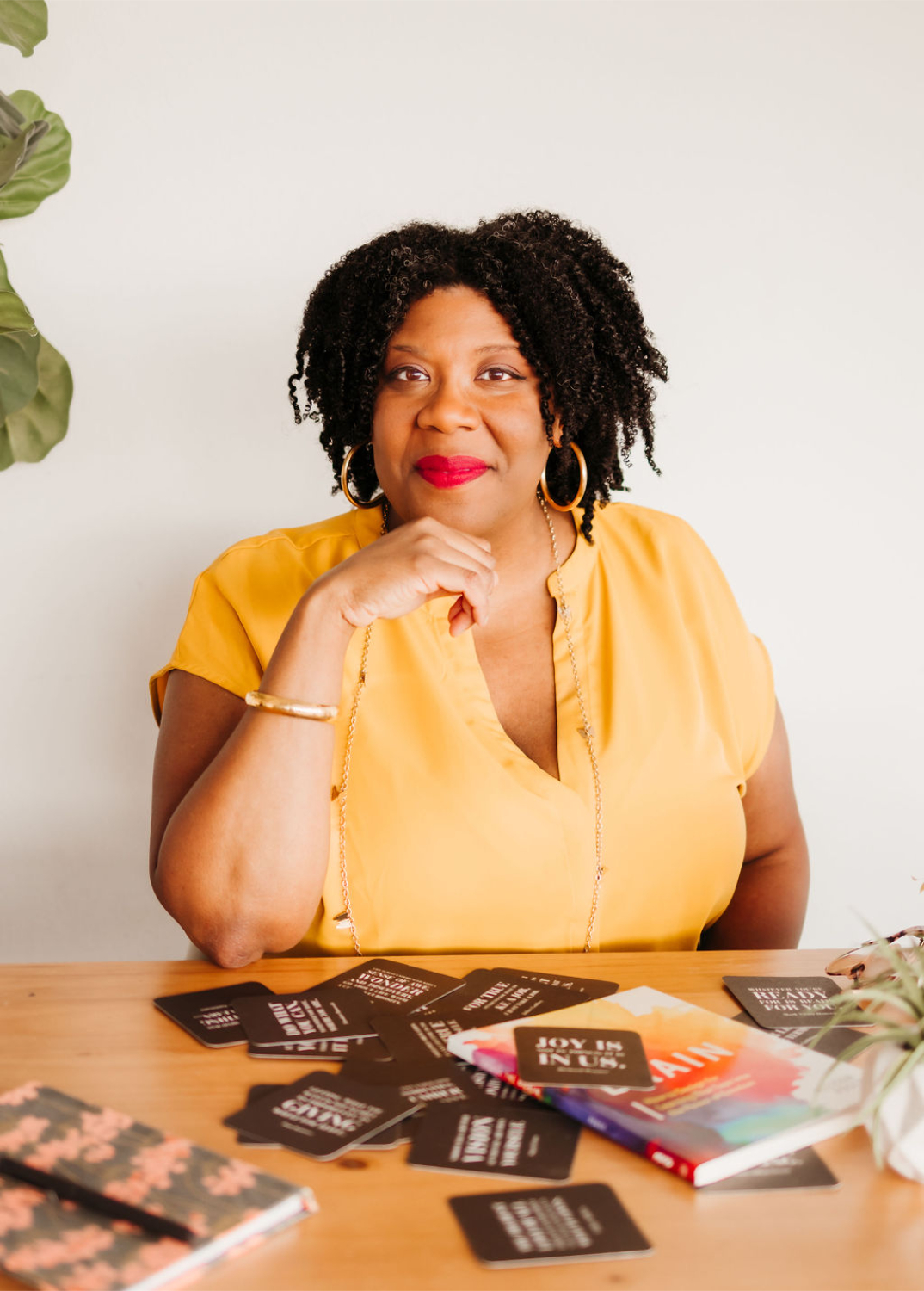
What’s a lesson you had to unlearn and what’s the backstory?
The biggest thing I had to unlearn was the blueprint.
I had a very clear picture of what my life was supposed to look like — what success meant, what the milestones were, what the timeline should be. I had internalized all of it without even realizing it. Including the idea that if I hadn’t reached a certain point by a certain age I had somehow failed. When my path got disrupted I had to face something uncomfortable. That map was never mine to begin with. It was handed to me. And it was never designed for where I was actually going.
Nobody teaches you how to be an entrepreneur. Nobody sits you down and says — here is what it looks like to build something from scratch, to bet on your own vision, to redefine what impact means on your own terms. So I had to unlearn a lot. I had to unlearn that transactional performative version of professionalism and replace it with something real — showing up fully, finding genuine connection, recognizing that most of us are seeing the same broken things in the world and trying to figure out together how to change them. That’s community. I also had to unlearn the idea that my impact had a ceiling — that it lived inside a classroom, a team, or an organization. What I know now is that my reach is far beyond anything I could have imagined from inside those walls.
Most importantly — I had to unlearn the timeline. There is no late. There is no behind. There are multiple milestones in a life and the ones that matter most aren’t on anybody else’s chart. They’re the ones you earn by doing the hard honest work of becoming who you were always called to be. I’m still unlearning. And I think that’s exactly the point.
Contact Info:
- Website: https://www.humaneinthemembranellc.com
- Linkedin: https://www.linkedin.com/in/christina-jones-bb3874207/
Image Credits
Photography by Znoor Photography, 2024