

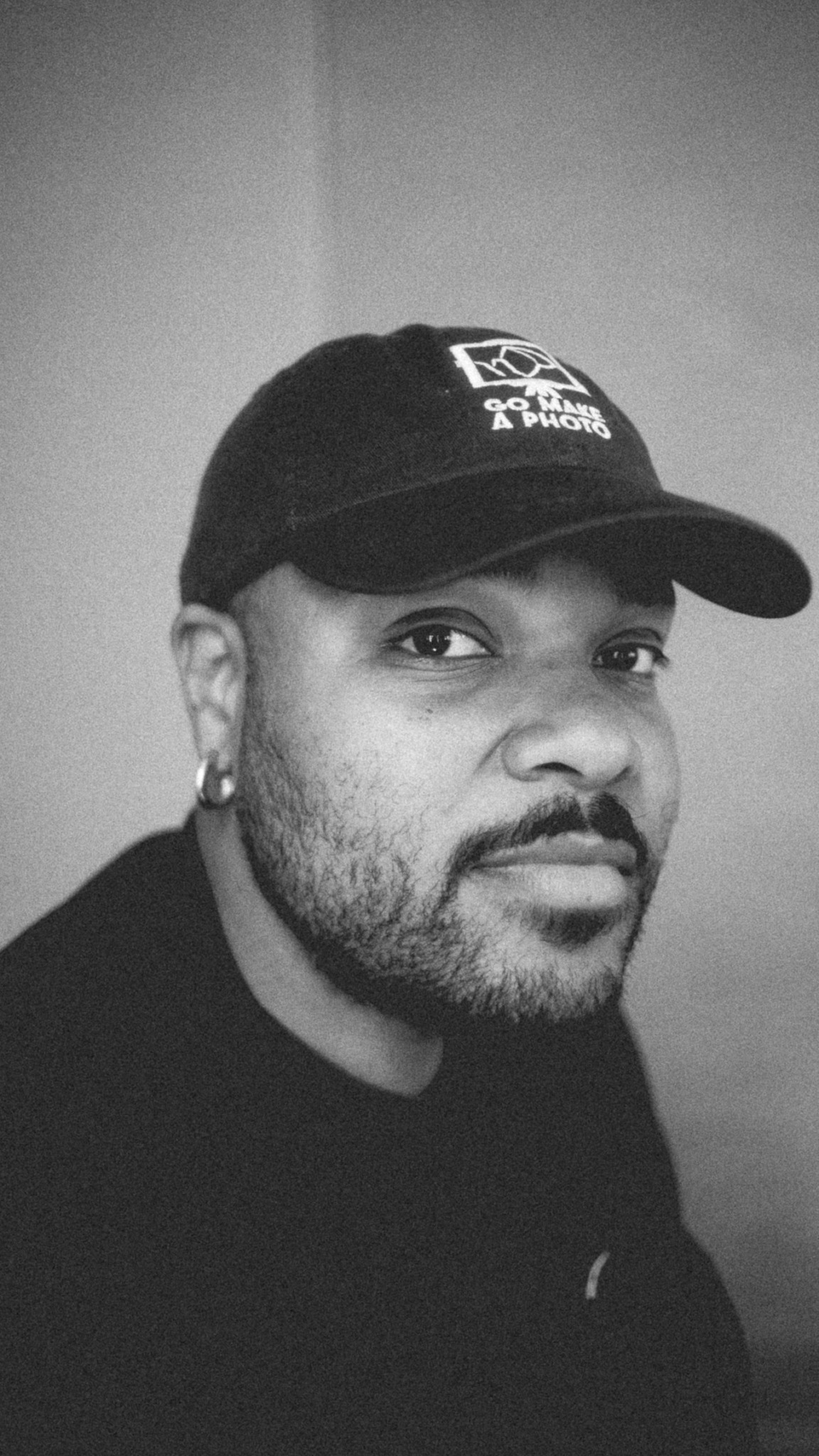

We were lucky to catch up with Stephen Miller recently and have shared our conversation below.
Stephen, thanks for joining us, excited to have you contributing your stories and insights. What’s been the most meaningful project you’ve worked on?
The most meaningful project is actually something I’m working on right now. It is an event series centered around movement for photographers. It combines conversations, education, and experiences focused on mobility, recovery, and long-term wellness for creative professionals. The inspiration for this project comes from a personal experience. About ten years ago, while traveling in Europe, I suffered an injury that forced me to confront something I had never seriously considered before: what if I couldn’t physically do the work I love? Photography had always been both my passion and my livelihood, and for the first time, I realized that an injury could take that away.
That experience changed the way I think about my body and my career. I began learning more about mobility, recovery, and sustainable movement practices. Over the years, I incorporated yoga, Pilates, recovery work, and cold plunges into my self-care routine. These practices helped me not only recover but also continue working at a high level. What makes this project especially meaningful is that movement is fundamental to photography. The photographer moves, the camera moves, and the subject moves. Every image depends on motion in some way. Yet many photographers spend years carrying heavy equipment, standing for long periods, traveling constantly, and working through physical pain without thinking about how to support their bodies. Through this event series, I want to create a space where photographers can learn tools that help them sustain their careers for the long term. My goal is to encourage creatives to view physical wellness not as a luxury, but as an essential part of their practice. If this project helps even a few photographers continue doing what they love for years longer than they otherwise could have, it will be a success.

Awesome – so before we get into the rest of our questions, can you briefly introduce yourself to our readers.
A camera was first placed in my hands at the age of 12. Photography was already part of my family’s story; both my mother and grandfather were hobbyist photographers who understood the power of preserving a moment in time. What began as curiosity quickly became a lifelong pursuit. I went on to study photography at Howard University, and over the past twenty years, photography has taken me to more than twenty countries around the world. Working across both film and digital formats, I have built a freelance career photographing everything from global brands to intimate family gatherings. While I have had the privilege of creating work for organizations such as Apple and The New York Times, the majority of my work has been for families, friends, and everyday people who have trusted me to document their lives. As cameras have become more accessible through smartphones, the ability to capture moments has expanded dramatically. Yet I believe there is still no substitute for a professional photographer’s eye, presence, and commitment to storytelling. My love for the still image, combined with a deep natural curiosity about people, has always drawn me toward documenting meaningful moments and human connection. I consider it a privilege to be invited into intimate spaces: birthdays, celebrations, milestones, quiet family gatherings, and entrusted with preserving memories that will outlive the moment itself. I often think about the relationship between Pete Souza and Barack Obama and Michelle Obama. The access, trust, and intimacy that allowed those photographs to exist remind me that photography is ultimately about relationships. Today, my work is driven by a desire to create a visual time capsule of this moment in Black history. Through portraits, documentary work, and everyday observations, I hope to contribute to a record that shows future generations that joy, abundance, love, creativity, and community have always been present. My goal is not simply to document history, but to preserve the humanity within it.

What can society do to ensure an environment that’s helpful to artists and creatives?
Participate. Engage. I feel like people have become so numb to seeing truly incredible work because a lot of it is delivered right into our hands. Travel, go see the work in person, get up close to it, and take in the details. How was it framed? How is it lit in the gallery? What paper was used? These are all considerations that artists who showcase their work make, and many artists are very intentional about these things. Tell the artist what you did or didn’t like about their work. Bring a friend, show a friend. Discussing new artwork you have seen can add so much color to your conversations. Sit with the work. Read the artist’s statement. Ask yourself if the work moves you. Let it move you.

Have any books or other resources had a big impact on you?
I’m honestly always reading something, but recently I read “Never Split the Difference” by Chris Voss and Tahl Raz. This book changed the way I approach most conversations. One of my best friends, Daya, always says that “everything is a negotiation.” But I feel like most artists hate negotiation, because we hate having to convince someone our work is valuable. It’s also very humbling to hear what people perceive the value of your work to be. I found this book to be very helpful in approaching conversations about compensation and in selling prints of my work. I spent years leaving a lot of money on the table, money that frankly would have helped me invest in tools and infrastructure. Tools and infrastructure that would have allowed me to experiment, made me a better artist, and made me more money.
Another book I read and that I think all artists should read is “Profit First” by Mike Michalowicz. This is a book I wish I had read 10 years before I read it. I have never had a problem making money as an artist, but this book gave me a system to ensure my business could sustain itself, and the money would be there to pay for things when I needed it. Implementing the Profit First system has been transformational.
Contact Info:
- Website: https://www.stephenlamiller.com
- Instagram: @stephenlamiller


Image Credits
These Photos were all taken by Stephen L. A. Miller (me)