

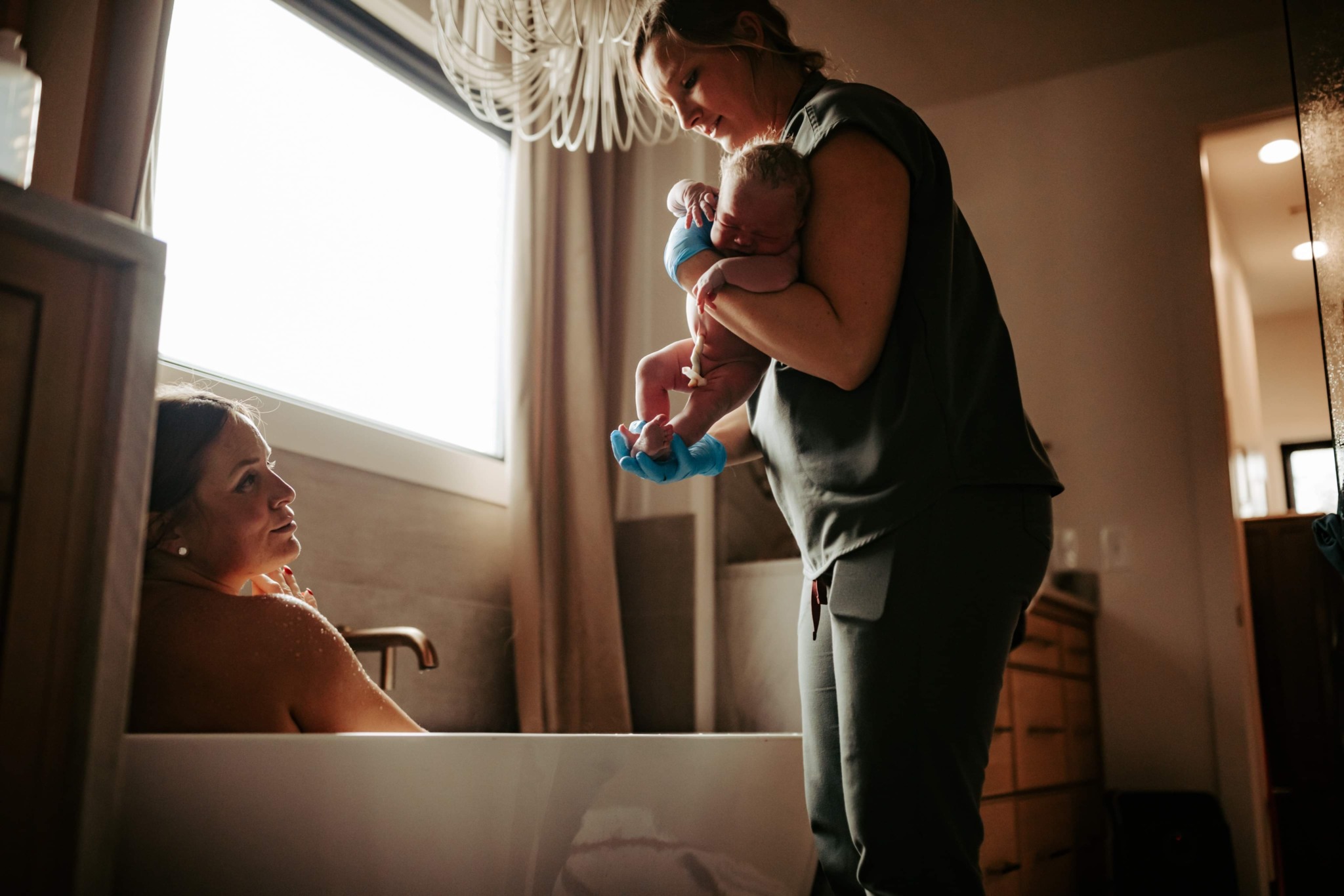

We’re excited to introduce you to the always interesting and insightful Cassi Pearce. We hope you’ll enjoy our conversation with Cassi below.
Cassi, thanks for joining us, excited to have you contributing your stories and insights. Can you share a story with us from back when you were an intern or apprentice? Maybe it’s a story that illustrates an important lesson you learned or maybe it’s a just a story that makes you laugh (or cry)?
There are several pathways to becoming a midwife. The one I chose was an apprenticeship under a credentialed midwife who acted as my preceptor, what’s called the PEP route, or Portfolio Evaluation Process. Through PEP, you build your clinical experience and education over time, and once you’ve met all the requirements, you’re eligible to sit for the exam to become a Certified Professional Midwife (CPM). My clinical training included birth observation along with prenatal, intrapartum, postpartum, and newborn care as a student midwife under supervision. Though it wasn’t required, I also chose to attend midwifery school and pursued my Bachelor’s in the Science of Midwifery at Midwives College of Utah.
As a student, I spent countless hours away from my family…clinic days, trainings, births. From the beginning, I knew this was something I was called to do by God, but there were plenty of moments where I questioned whether I was even qualified to be in the room. Who was I to witness the most important work of women, in the most vulnerable moments of their lives? Talk about imposter syndrome. But I kept showing up anyway.
To go the PEP route, you have to find a preceptor willing to mentor you, sign off on your paperwork, and walk you to the finish line. I was lucky, finding a preceptor wasn’t a struggle for me, which I know is a real barrier for a lot of students. I trained under several different midwives, in different settings. Some had shared call schedules; others practiced solo and carried the full load themselves. I worked rotations, I worked 24/7. At one point I spent an entire week camped out in Arkansas during what we called a “baby storm” where so many mothers were delivering that week that it made more sense to stay put than drive back and forth to Missouri. So I spent an entire week away from my family. I once spent 76 hours at a woman’s side while she labored her first baby into the world. Birthdays, anniversaries, holidays, weddings, vacations…I’ve missed my share of all of it.
It was difficult AND important work. I showed up anyway, because this was what I was called to do. I trusted God’s hand in it all. I leaned on Him, and my family. The single most important factor in making any of it possible was the support of my family. Without a support system in place, this work is next to impossible. I’m so grateful for the grace they gave me. Relying on help, cancelled plans, rearranged schedules, all of it.
Honestly, my apprenticeship was one of the hardest seasons of my life, even with that support in place. Trying to be a mother, a full-time student, an apprentice midwife, a wife, and a good friend all at once wore on me. I often felt like I was letting someone down. I was approaching burnout before I was even certified. I had two of my children during midwifery school and my apprenticeship, and four weeks postpartum after my sixth child was born, I was called to a birth. The resentment in that moment is something I still carry, as a student midwife who also wanted a sacred postpartum experience of her own. There are lessons in every experience I walked through. I didn’t know it at the time, but I was being molded into the midwife I would become, even in the thick of it.
One of the most important lessons I took from that season was about boundaries. It sounds simple, but it took me a long time to really understand it: we cannot be whole midwives without them. Boundaries with our clients, our mentors, our businesses, our capacity, and ourselves. This work will take everything you give it and still ask for more. Learning to say no even when the pressure, the guilt, and the calling all say yes is what makes this work sustainable. It’s what makes it possible to keep showing up, year after year, for women in their most pivotal moments.
A lot of my training was honestly spent trying to become a version of the midwives I was learning from, as if that was the goal. But I came to realize that’s not what I was called to do, and it’s not what people would actually be looking for when they came to me. They wouldn’t want a copy of my preceptors, they’d hire me for who I was. It’s a bit like being a daughter: your mom is part of who you are, but it’s the ways you’re different from her that make you, you.
If I could tell an aspiring midwifery student one thing, it’d be this: find your own voice, learn your own rhythm, trust your calling, learn everything you can, remain curious, and don’t lose yourself trying to become someone else.
Looking back, I can’t point to one birth that changed everything for me. It was really the accumulation of all of it, the lessons in resilience, boundaries, and self-care, and the lessons women themselves taught me in labor, which are the ones I hold closest. If I had to name what stuck with me most, it’s this: if you really listen to a woman in labor – her tone, her body language, what she fears, her rhythm – you’ll know almost everything you need to know to support her. So much of midwifery is just that: listening. To her, to your own intuition, to God’s discernment, and to the physiology you’ve spent years learning.
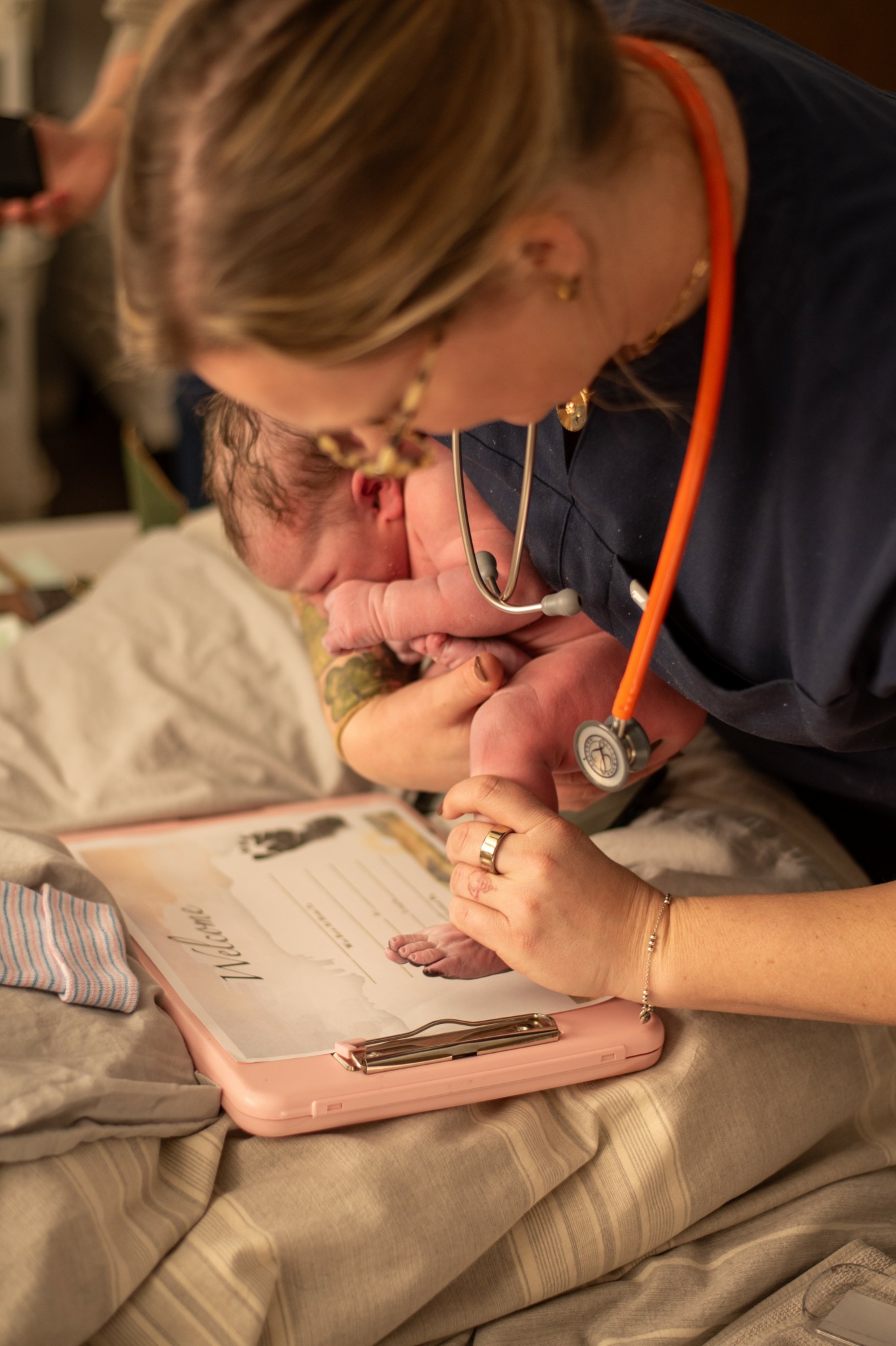
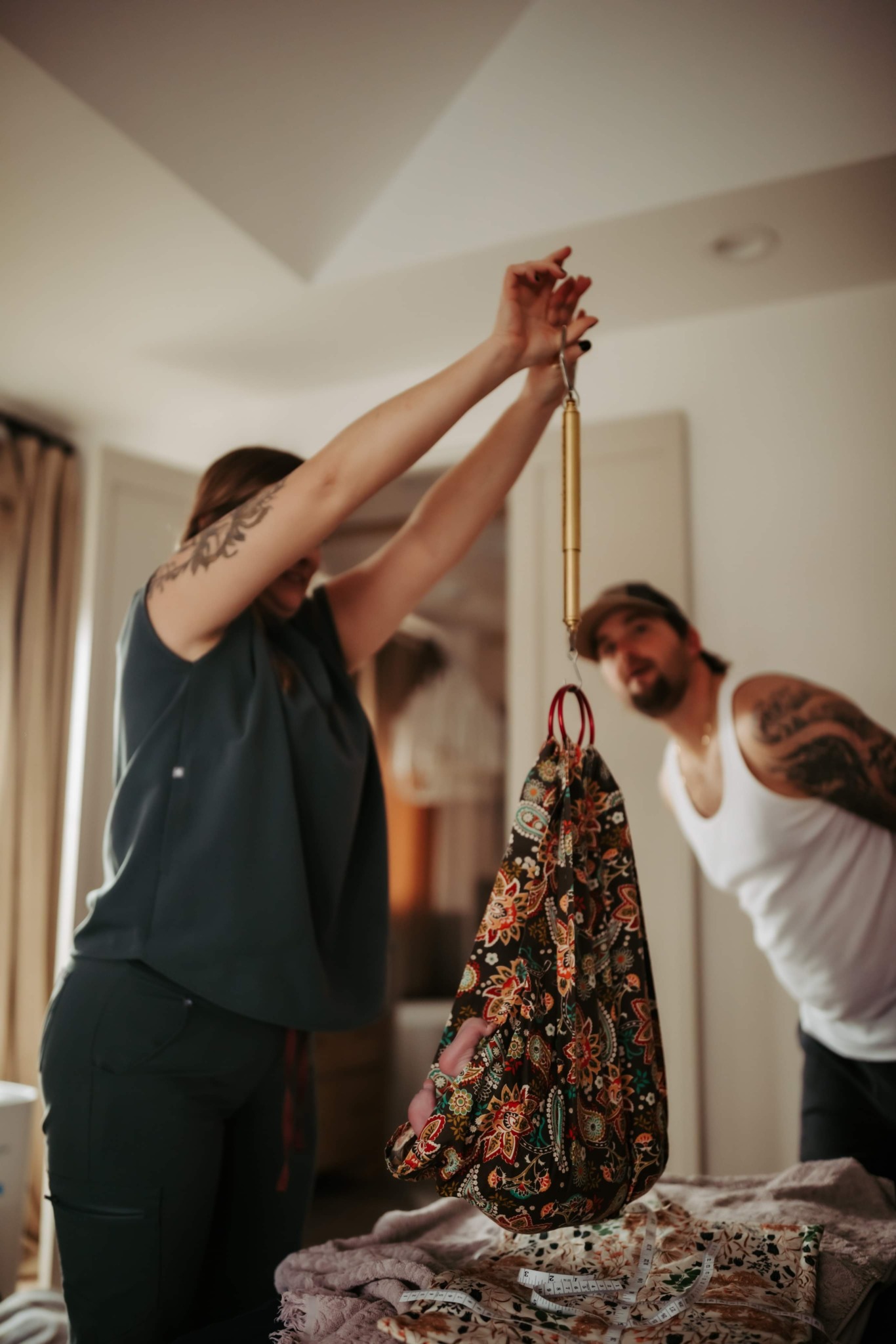
As always, we appreciate you sharing your insights and we’ve got a few more questions for you, but before we get to all of that can you take a minute to introduce yourself and give our readers some of your background and context?
What I offer
I offer home birth midwifery care – prenatal, labor and birth, and postpartum care extending through the first year. My care is rooted in my faith and in what I believe is my calling to this work, to be His hands and feet and help mothers cross the threshold into motherhood.
The extended postpartum care is something I think really sets me apart in this field. Postpartum care shouldn’t end at a six-week checkup and a conversation about birth control – it is so much more layered than that, and honestly, a lot of mothers need the most support after that six-week mark, not before it. Postpartum mood disorders can show up anywhere within that first year. It is my heart to make sure families have a safe place to land in that first year, and someone in their corner.
Who I serve
Honestly, this is a tricky question for me to answer in a typical “this is my target market” kind of way. When I first stepped out on my own as a midwife, I knew I wanted to serve women, and serve them well. Over the years I’d already worked with people from so many different walks of life, and that diversity has remained true in my practice.
Rather than deciding in advance exactly who I’d serve, what’s been pivotal for me (and still is) is pausing and asking God to bring me the clients I’m meant to serve. “Place the people in my life that You desire, not the ones I think I want.” That’s been my posture from the beginning, and it’s meant my clients come from all kinds of backgrounds and circumstances.
That said, widening access to maternity care matters deeply to me. In practice, that means offering sliding scale fees and payment plans, and welcoming clients on Medicaid – figuring out how to make this kind of care reachable for more people, regardless of income, is something I think about a lot in how I run my practice.
What sets me apart
I like to hope that my faith, my passion for community, commitment to informed evidence-based care, educating and empowering women, set me apart. Much of what I’ve brought into my own practice was shaped from my experiences in motherhood. In my pregnancies and postpartum seasons I had many questions that never felt truly answered by my care providers. I didn’t wholly understand the birth process (or how capable my body was) myself until I hired a doula and had a midwife of my own. Postpartum, I felt lonely, disconnected and overwhelmed. I struggled with postpartum mood disorder, much of my memory of birthing my babies and raising them as babies is a blur when I try to recall it, and this was a huge awakening for me. I knew this was not something I was alone in feeling. And I knew it could be a more healing, transformative, and overall a more supportive experience for mothers.
My experience shaped my vision for what I wanted to offer as a midwife. I want to rebuild the birth community here, and this to me means mothering the mothers. We cannot support our community without supporting the mothers in it.
What Im most proud of
What I’m most proud of is my resilience. I started Evren Midwifery a little over a year ago with no roadmap for running a business, coming out of an apprenticeship that was anything but easy. What I had was hard work, a willingness to listen to myself, and a trust in God that this was exactly where I was supposed to be.
Everything I’ve built has come through word of mouth — through trust, through relationships, through showing up consistently for my clients. There was no big launch, no marketing playbook. Just the work, and faith that the work would speak for itself.
And when I look at where Evren Midwifery is today versus where it started and I’m really proud of that. Not because it’s perfect or finished, but because it’s real, and it’s turning out to be a beautiful community, and it was built on something that holds so much.
Something I wish more people understood is that the United States has one of the highest maternal mortality rates in the developed world and it’s only getting worse, not better. For Black women in particular, the disparity is staggering. Midwife-led care and home birth for low-risk pregnancies has consistently shown comparable or better outcomes in many categories. This isn’t fringe thinking, it’s supported by research. Expanding access to qualified midwifery care isn’t just about birth preferences or philosophy. It’s a public health issue. It’s why I do this work, and it’s why access matters so much to me.

Any stories or insights that might help us understand how you’ve built such a strong reputation?
Honestly, I’m not sure I can fully explain what makes clients want to refer me, other than that they had a positive experience with me and my team, and that means everything to me. Word of mouth referrals are something I don’t take lightly. They feel like the highest compliment in this work.
What I can speak to is what I bring to the table clinically. I hold a very low transfer rate, and I care for women who are often searching for something specific – a low intervention, VBAC-friendly provider, someone with experience in breech births, someone who has attended twins. Finding a midwife willing and qualified to support these cases in this can be really difficult. I’m grateful to be that midwife for these families.
But I think what keeps people coming back – and what they tell others – is simpler than any of that. I believe it’s the time I spend with them. Taking the time to build relationship with families, ensuring they feel cared for, and heard, creates a ripple that spreads farther than just the relationship I build with them. It affects the other relationships in their lives; with their partner, with their friends, family, and with their baby.
In a maternity care system where women are often rushed through appointments and left with unanswered questions, that time is so valuable. There is so much beauty that comes from building trust in a relationship that has the potential to shape how a woman mothers not only her child, but herself.
Do you think you’d choose a different profession or specialty if you were starting now?
Yes. Without hesitation, though what that “yes” means has shifted a lot for me over the years.
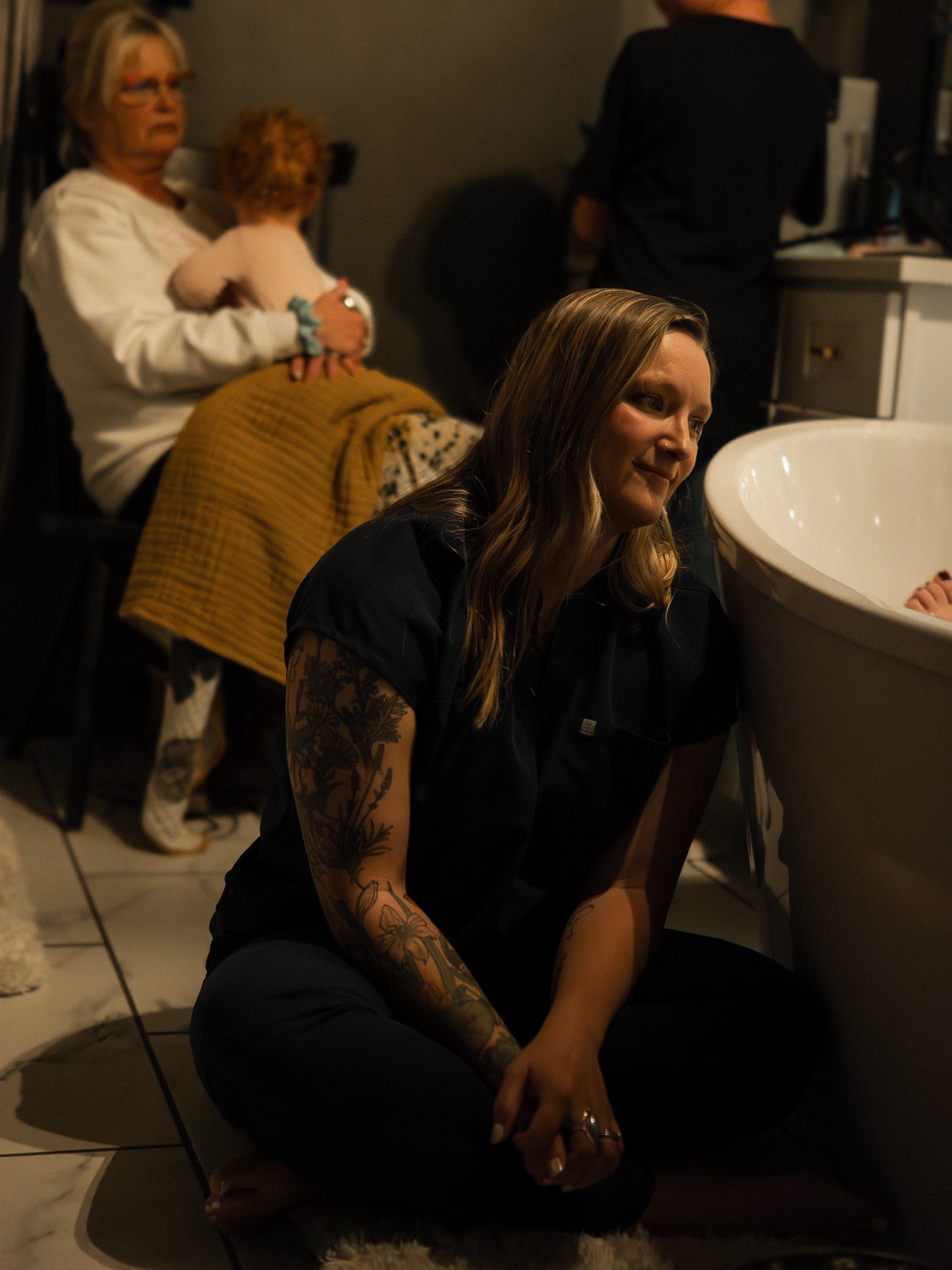
My faith is really what keeps me anchored in this work. I believe I’m here to be His hands and feet, and that the way I show up for people – in their fear, their joy, their hardest moments – is part of how I get to show them love. Being a midwife, being with women is a ministry.
Birth holds so much that’s unknown. I’ve come to believe each person’s story is already being written, in a way that’s bigger than anything I can control. Doing everything “right”, choosing a midwife, choosing a home birth, doing all the things, doesn’t guarantee an easy or smooth outcome. I had to learn that the goal was never a “successful” birth in that sense. The real experience is what we learn, about ourselves, about each other, about God, through whatever the birth brings.
So yes, I’d choose this again. Not because it’s easy, but because it’s where I’ve found the most meaning.
The word ‘midwife’ literally means ‘with woman.’ With. Not for, not over, not in charge of. With. That single word has always felt like the most complete job description I’ve ever heard. To be with a woman in the unknown, in the sacred, in the hard and the holy – that’s the work. And aside from mothering, I can’t imagine being called to anything else.
Contact Info:
- Website: https://evrenbirth.com
- Instagram: https://www.instagram.com/the.evren.midwife?utm_source=qr
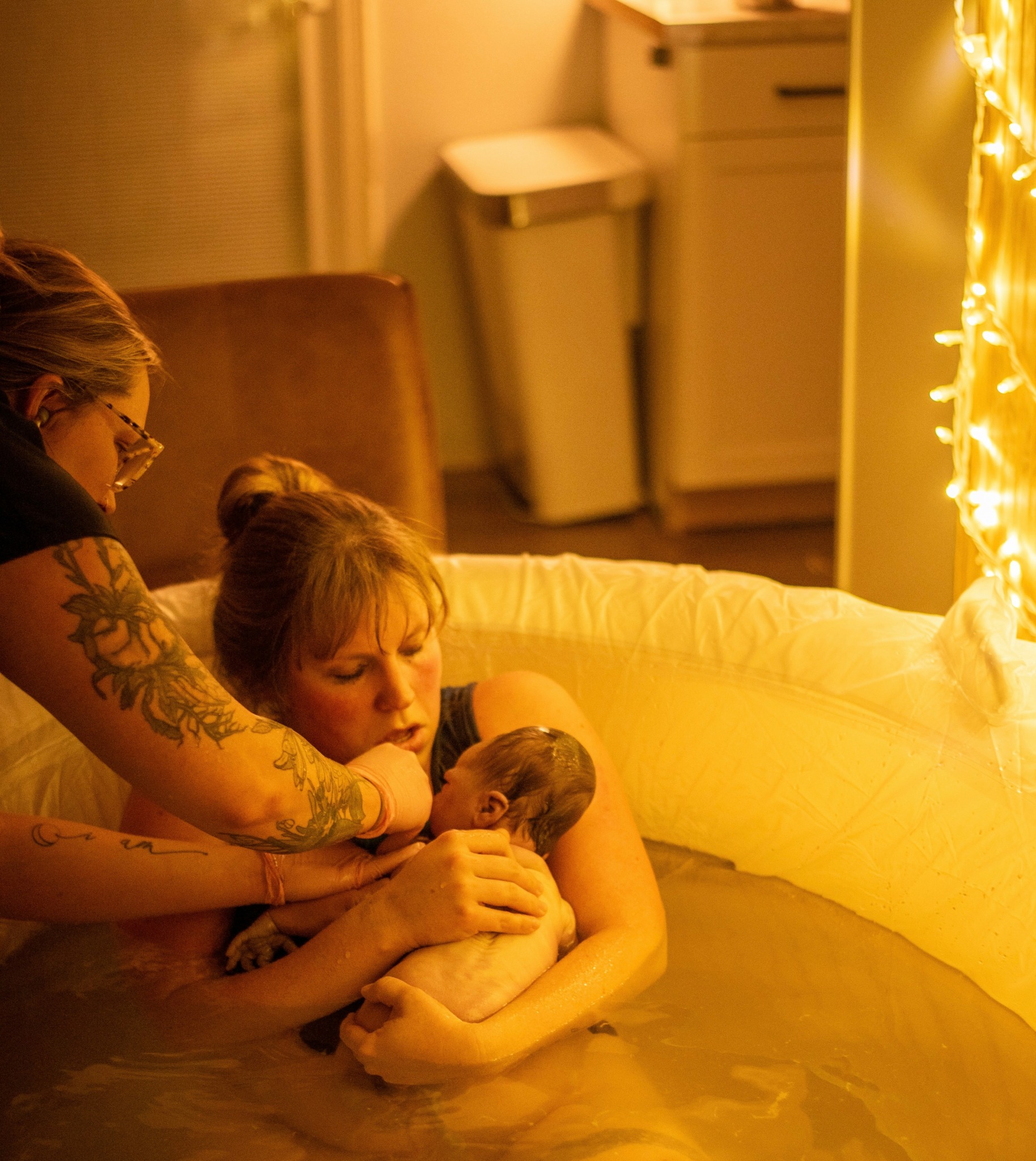
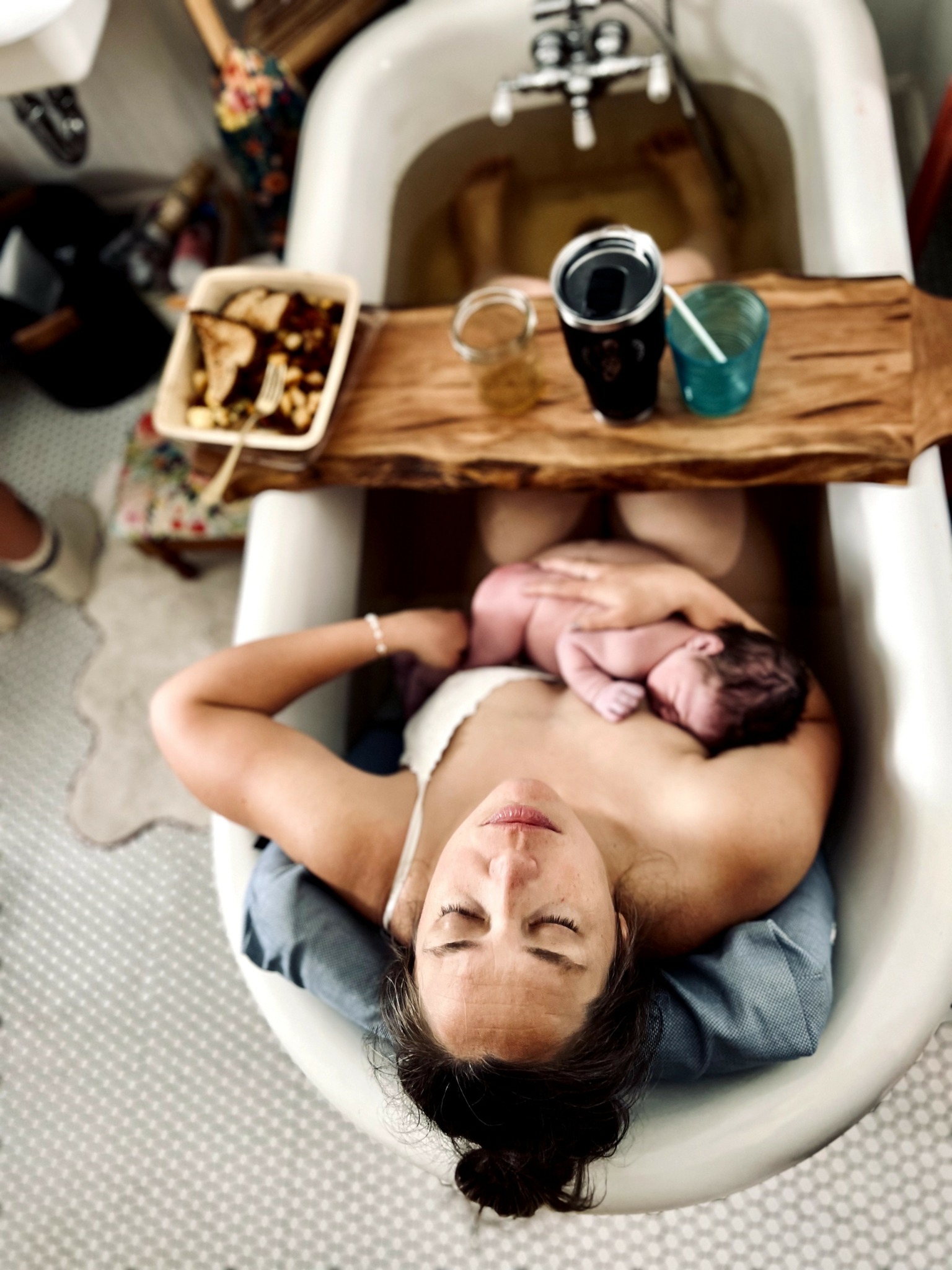
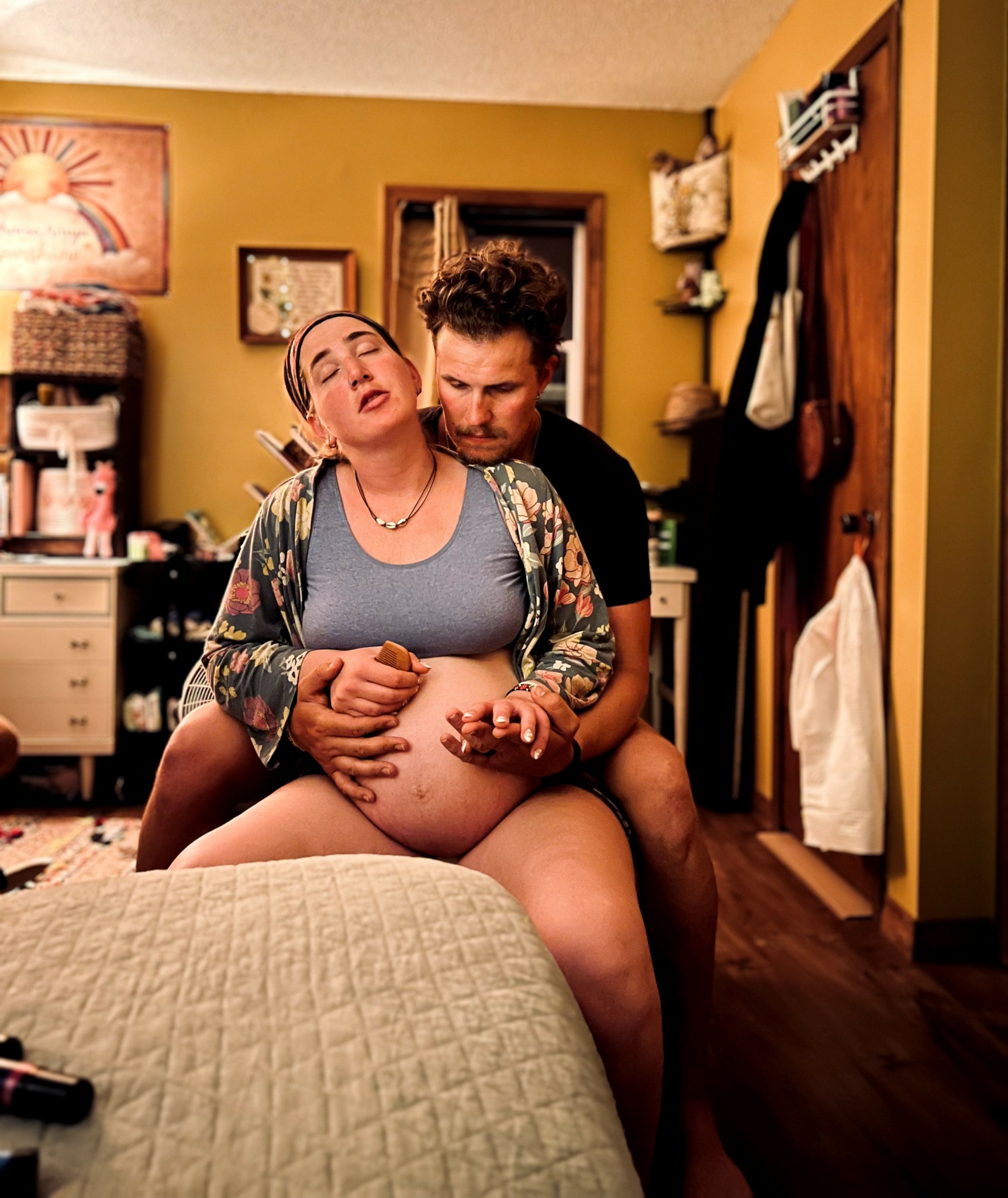
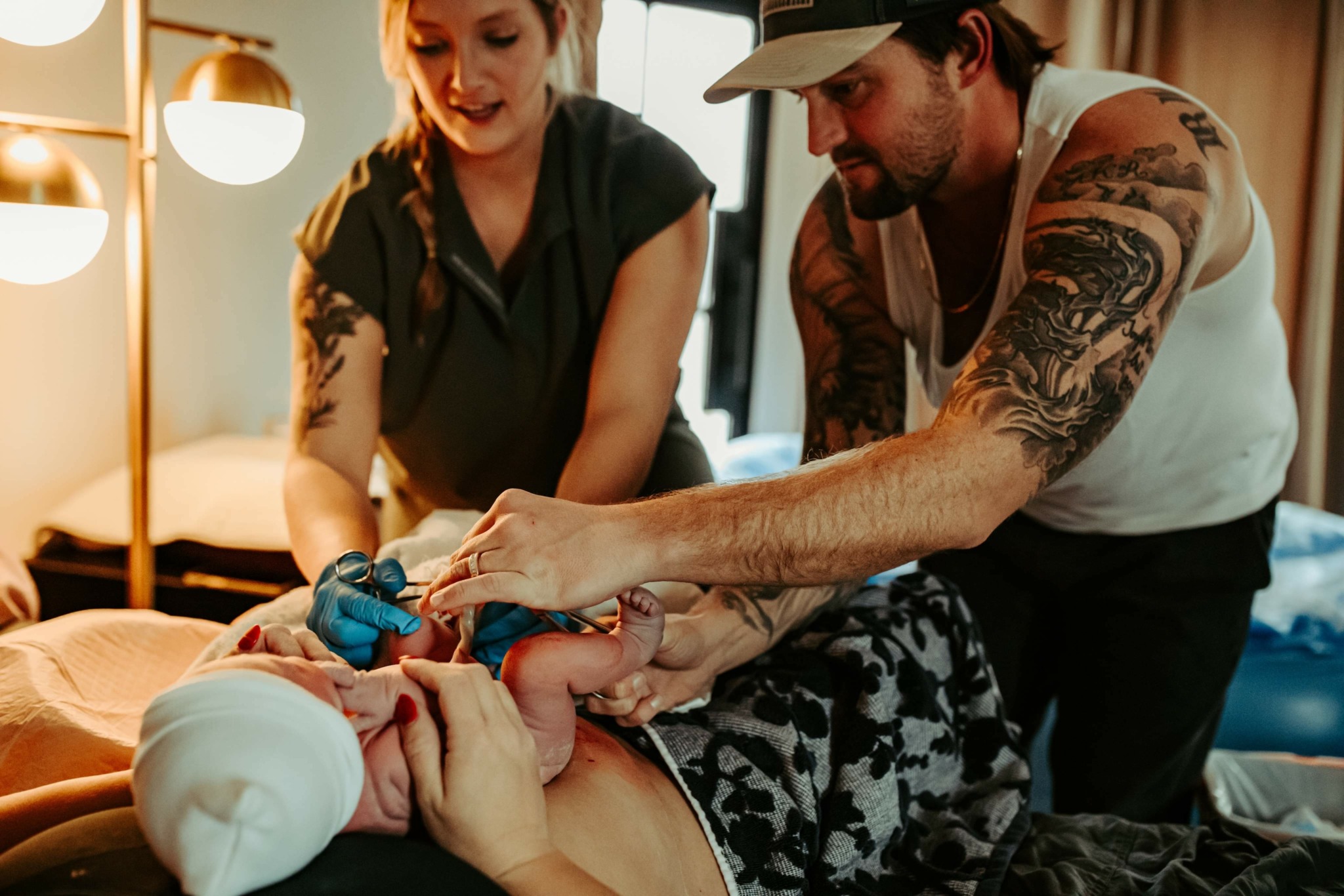
Image Credits
Little Gems Birth Stories