

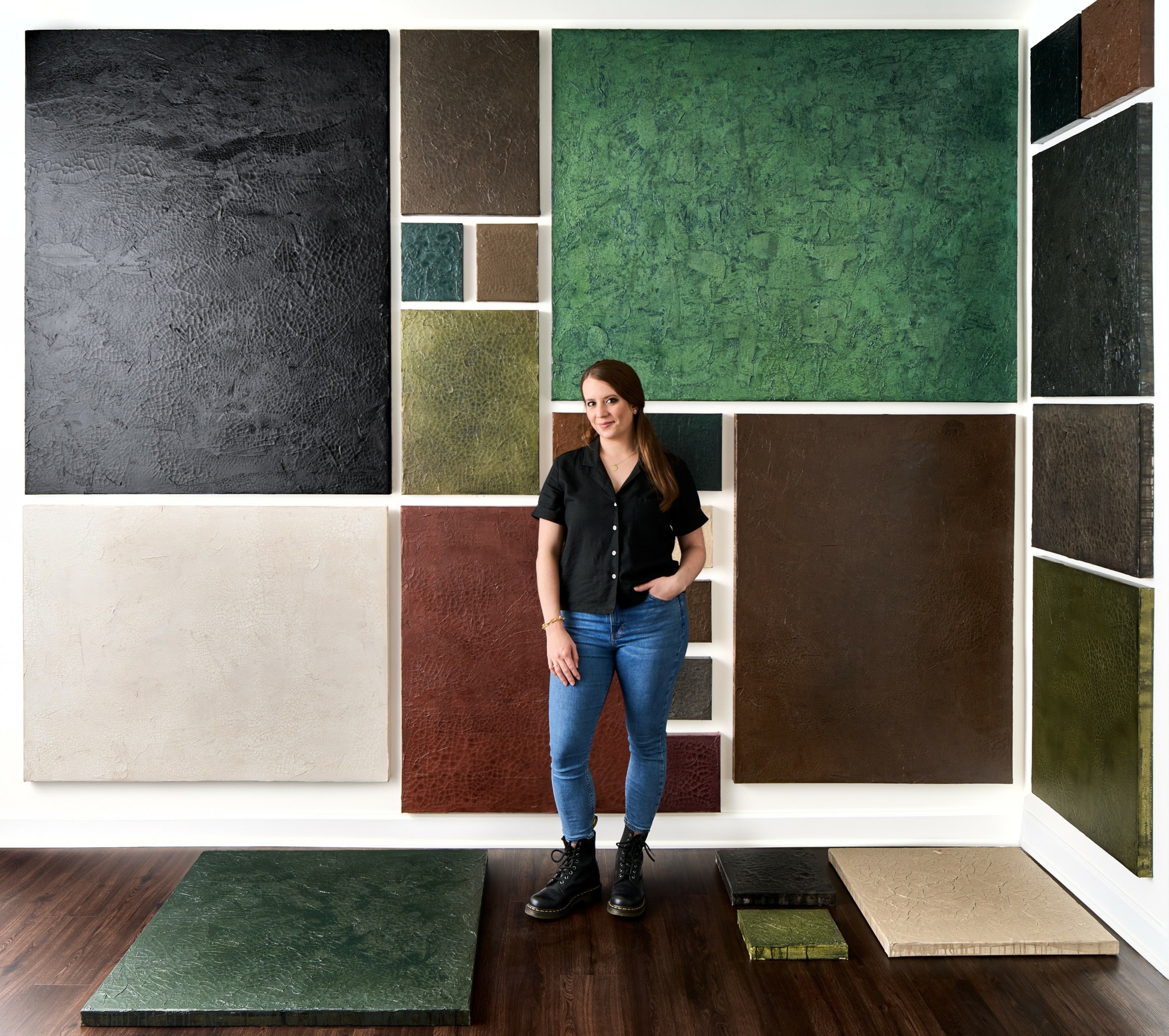

We’re excited to introduce you to the always interesting and insightful Carina. We hope you’ll enjoy our conversation with Carina below.
Hi Carina, thanks for joining us today. What’s the best or worst investment you’ve made (either in terms of time or money)? (Note, these responses are only intended as entertainment and shouldn’t be construed as investment advice)
One of the best investments I’ve made as an artist is getting my favorite or most meaningful pieces imaged in high-resolution files for print reproductions and commercial licensing opportunities. This was a big up front investment cost for me, but resulted in several commercial deals and print sales that have made it worthwhile several times over.
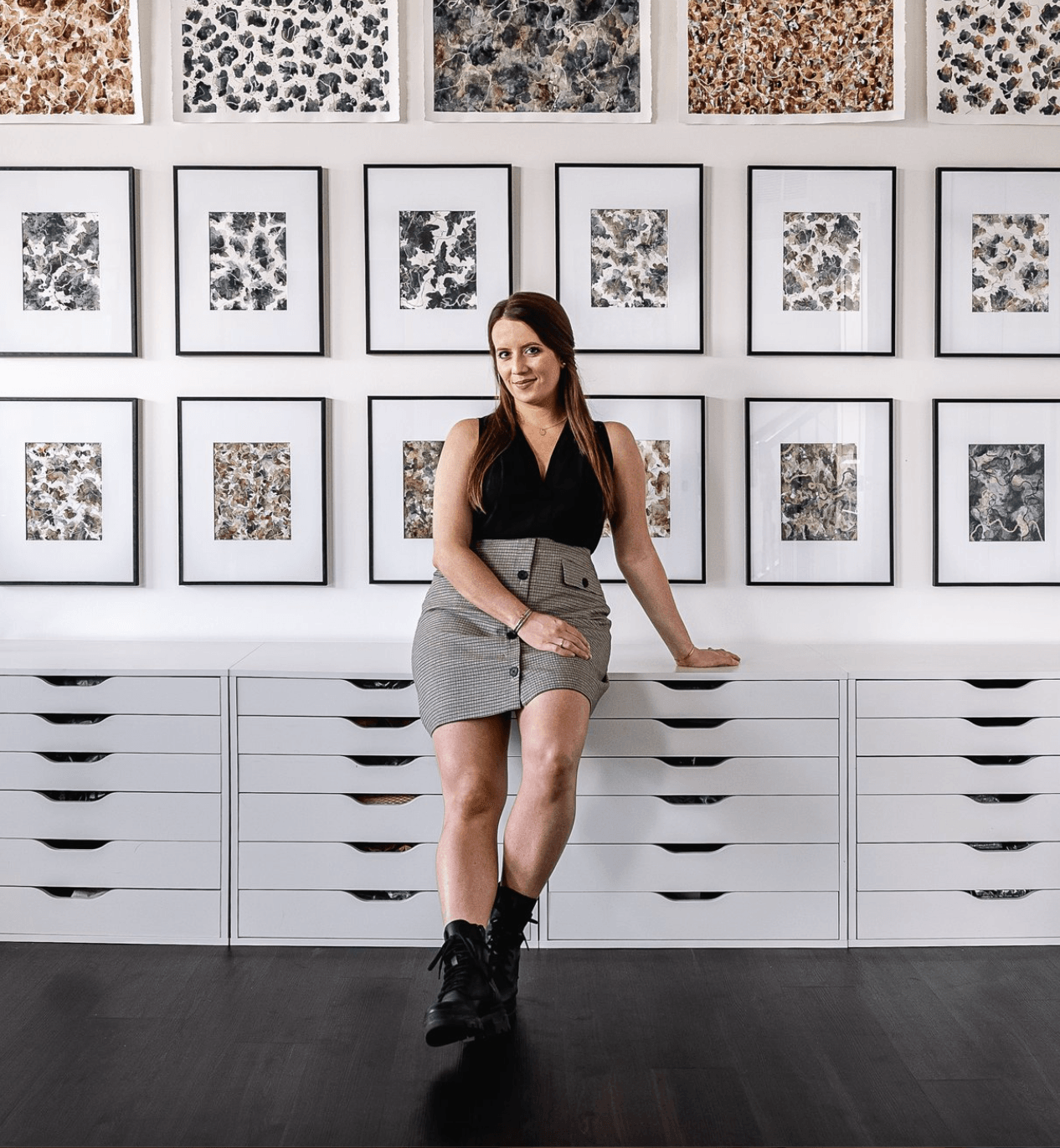
Awesome – so before we get into the rest of our questions, can you briefly introduce yourself to our readers.
I’ve always been a creative person with an interest in visual arts. I painted and drew as a kid, loving summer art camps and opportunities to DIY decor for the holidays. In high school I took Advanced Placement Art and I think that was the first time I really considered doing something creative, though I didn’t feel I could start with it as a full-time career. Eventually in college I sold little, very underpriced school-themed and world map paintings to pay for art supplies. In 2018 while still in law school, I decided to try my hand at an art Instagram page and participating in my first art fair after creating large-scale canvases for my studio apartment. Soon enough, I had more art than I could keep!
Today, I balance my time as a full-time attorney for a large international law firm specializing in white collar defense, and as an artist. I’m also a new mom, so there has been a lot of juggling of priorities! That said, I really appreciate my ability to leverage my right brain and left brain through my analytical legal work and creative artistic work. I actually feel like being able to jump back and forth helps me view things through a unique perspective, and enables me to creatively problem solve and remain open-minded in a field where things tend to be more traditional and not as innovative.
I really pride myself on the mission of my art business, which is giving back a portion of proceeds to non-profit organizations supporting social justice and humanitarian causes. To-date my collectors and I have raised over $10,000 for a variety of organizations that provide a range of services, from disaster and hunger relief to protections for immigrants, women, children, and animals.
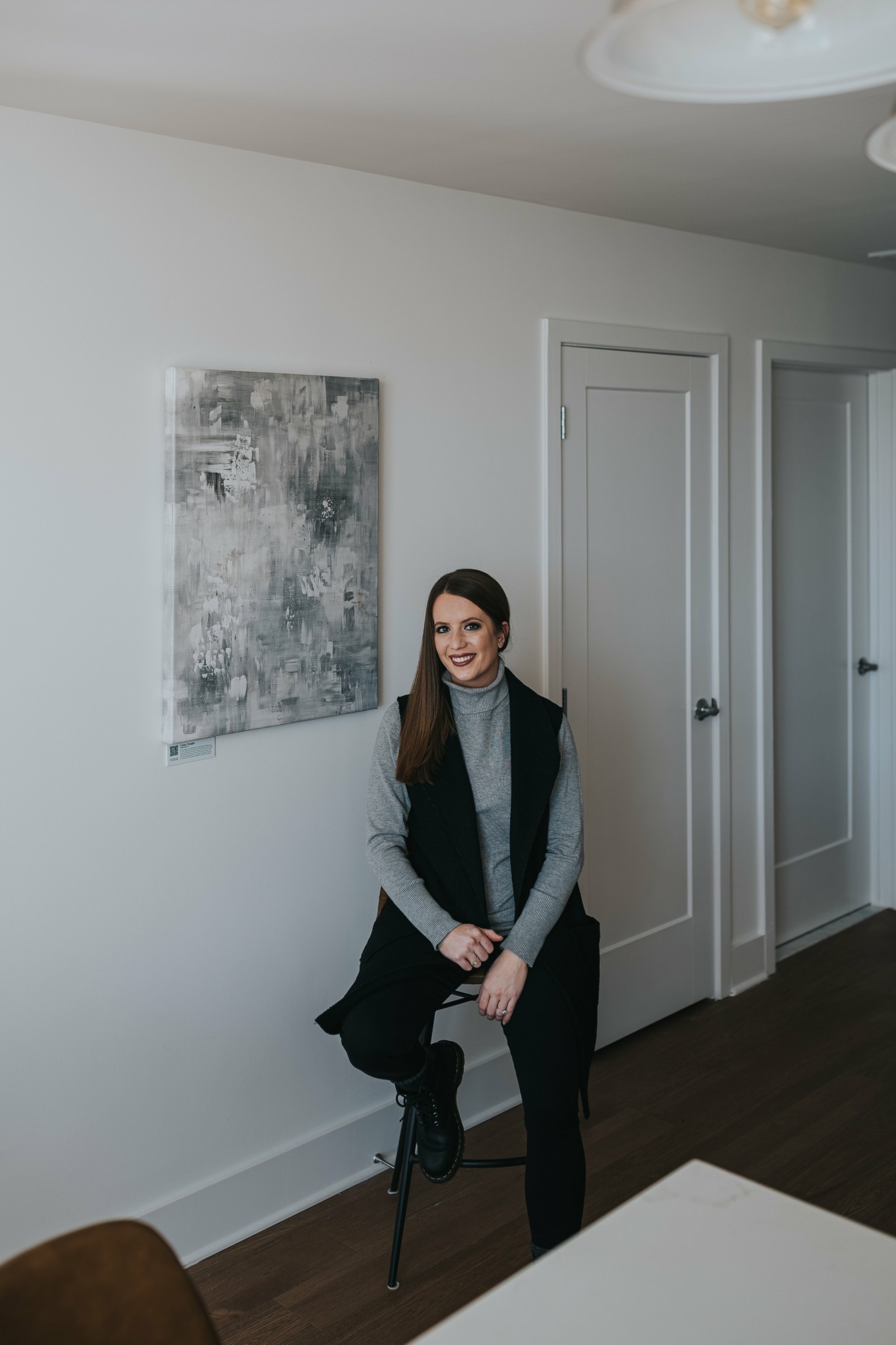
What’s the most rewarding aspect of being a creative in your experience?
Particularly as someone who has a full-time professional services career in addition to my creative work, I’ve come to realize that the most rewarding aspect of being a creative is that everything that I do is a direct reflection of time, energy, and dedication that I’ve put into building up my art practice. Whereas my corporate work is part of a team and driven by different client and company demands or other stakeholders, I can completely mold my art practice to reflect my values and vision in a way that nobody else can change without my consent. I have the liberty to collaborate with others and take risks in a way that I am not able to do otherwise. And as I proudly look back to the time I started my business to now, I can see how much growth I’ve achieved, both as an artist and as a business owner.
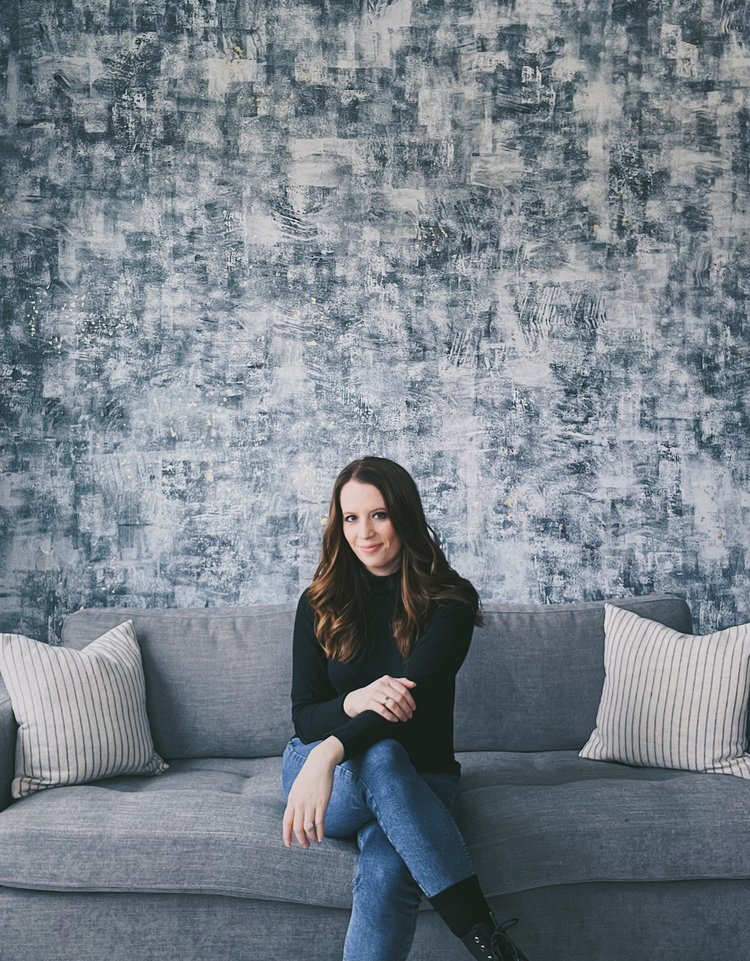
How can we best help foster a strong, supportive environment for artists and creatives?
Support living artists! Attend craft fairs, recommend artists you know to people who may be in the market or are aficionados, like/share/engage with content by creatives, and initiate opportunities to incorporate creatives into events or other activities–especially when they are paid opportunities. Unfortunately there is too much exposure-only “compensation” which does not pay bills, and forces creatives to seek alternate paid work. Because of that, people who would otherwise be able to focus their time and energy on creative endeavors have to significantly scale back, and sometimes cease to create altogether. Cultivating a community where creatives are supported and integrated makes it more likely that creatives will thrive and the community will flourish in ways that set it apart from sterile communities that do not have the same appreciation for creatives and what they bring to the table.
Contact Info:
- Website: https://www.carinatenaglia.com/
- Instagram: https://www.instagram.com/carinatenagliaart/
- Facebook: https://www.facebook.com/CarinaTenagliaArt/
- Linkedin: https://www.linkedin.com/in/carinatenaglia/
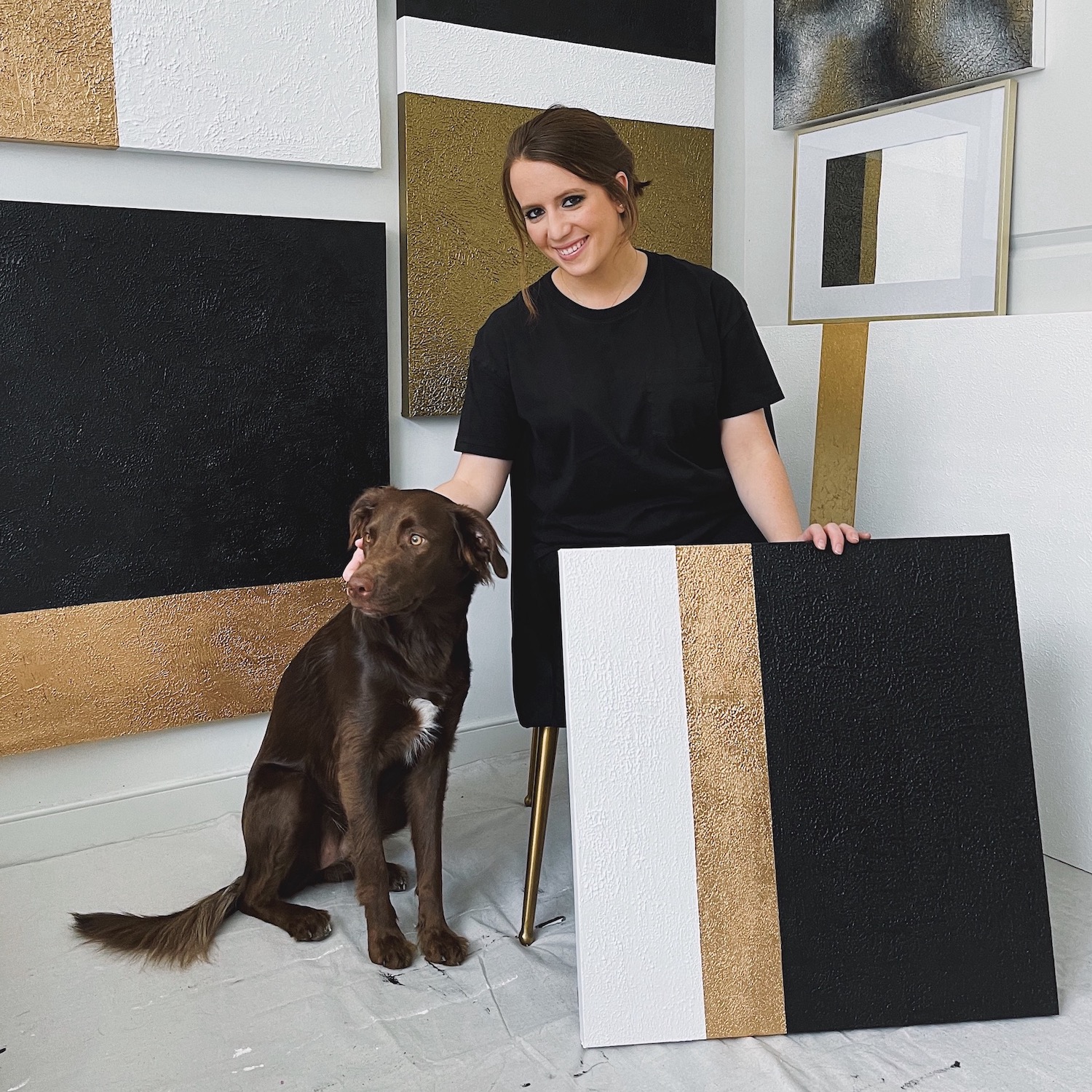
Image Credits
Ian Michelman