

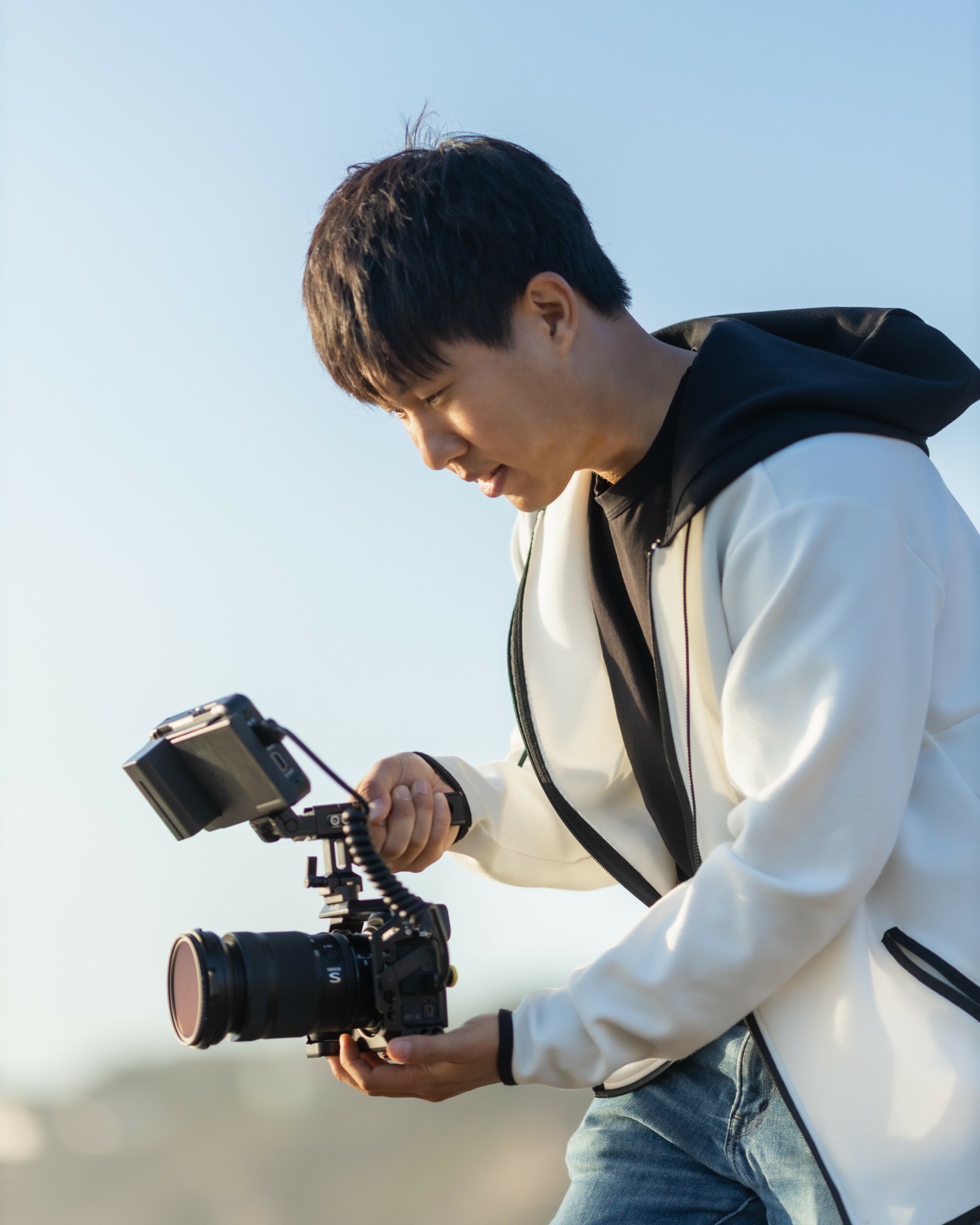

We were lucky to catch up with Peeradon Ariyanukooltorn recently and have shared our conversation below.
Peeradon, appreciate you joining us today. How did you learn to do what you do? Knowing what you know now, what could you have done to speed up your learning process? What skills do you think were most essential? What obstacles stood in the way of learning more?
I started photography out of genuine love for it. An elective course in university gave me enough of a foundation to understand the technical terms, and from there I believe most of my growth came from observing, practicing, and analyzing the images I admired. I would study a photograph and try to reverse engineer it: how did they think about it, shoot it, and edit it to get that result?
In the early years I went to a lot of seminars and lectures run by associations and camera brands, like the Nikon School workshops here in Thailand. But the part I could never have done without was being inside a community of photographers. That started back in university and carried into the photography groups on Facebook that were popular at the time. Seeing other people’s work and trading techniques and experiences with them was one of the real keys to how my craft developed.
And then there is practice, and more practice. Back in my student days I carried my camera to campus every single day, because after class I would go hunting for golden hour light in different corners of Bangkok. That stretch was when my skills improved the fastest. Every day was something learned. The goal was simple: be better than I was yesterday, and learn from whatever I had gotten wrong or had not done well enough.
Once I felt fluent with stills, I wanted to learn cinematography. Studying in Los Angeles a few years ago was where that began, building a solid foundation first before pushing further, much like I had done with stills. But the thing that grew me the most was the work itself. Practicing on real projects, experimenting, and learning from what actually happened on set.
As for what stood in the way of learning more, I believe it comes down to your own mental state. Sometimes the situation or the opportunity arrives at the wrong moment. You might be under pressure from work, or dealing with something personal. Creative work depends so much on having a clear head, and your state of mind affects both the work and your ability to learn from it more than people tend to admit.
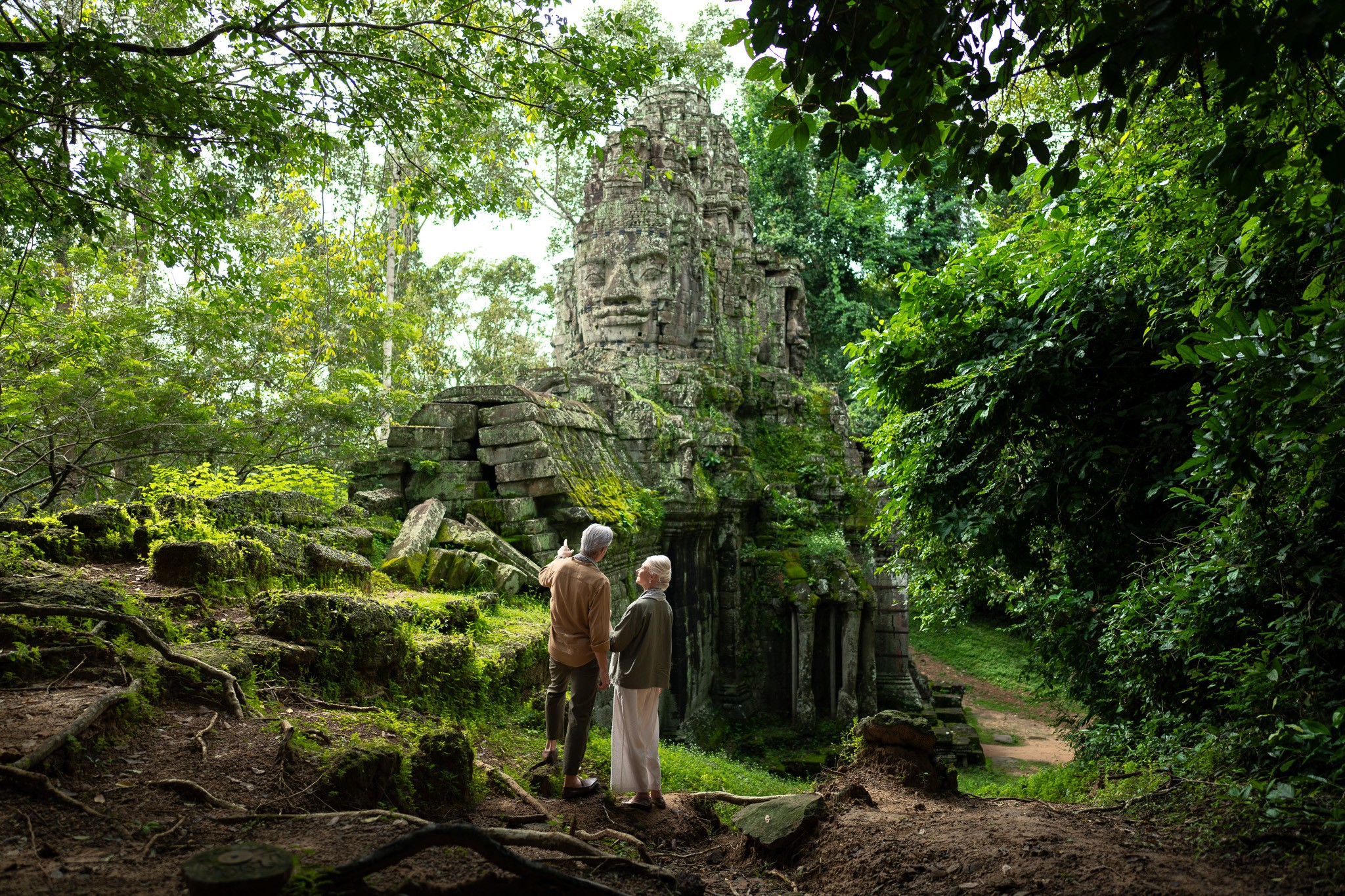
Great, appreciate you sharing that with us. Before we ask you to share more of your insights, can you take a moment to introduce yourself and how you got to where you are today to our readers.
I’m Zan (Peeradon Ariyanukooltorn), the photographer and visual director behind ZANYAMA, a solo studio based in Bangkok, available worldwide. I work mainly in architectural and hospitality imagery, in both stills and cinematic video, for brands that want their spaces captured with a real and considered point of view.
My path into this started with architecture. I trained as an architect at Chulalongkorn University, which is where I learned to actually see space: how light moves through a room, how proportion and perspective shape the way a place feels. Photography began as something I loved on the side, and over time it became the thing I cared about most. Years later I went to Los Angeles to study cinematography, because I wanted to carry the same eye into motion and not just into single frames.
That phrase, the same eye, is the center of everything I do. What I offer clients is one eye across every format. Whether it is a full cinematic production or fast iPhone-native content, the sensibility behind it stays consistent, because it comes from one person rather than an assembly line.
What sets my work apart is a standard I hold to: real, and still perfect. I believe deeply in capturing what is genuinely there, the actual space and the actual light, but believing in reality does not mean settling for whatever the camera happens to catch. The composition, the light, the finish all still have to be immaculate. To me that is the harder and more valuable discipline. Anyone can manufacture a flawless looking image now, but making a real place look its absolute best, on its own terms, takes an eye that has spent years learning how a space actually wants to be seen.
This matters more than it used to. As more of what we see is synthetically generated, audiences are quietly starting to distrust images that feel too produced to be true. I think the long term value sits with work that is unmistakably real and still beautifully made. I am not against new tools, and I use them where they genuinely serve the work. But when the bulk of a piece is generated rather than captured, it quietly loses the credibility that made it worth looking at in the first place. My job is to keep the image on the right side of that line.
So the real problem I solve is trust in the image. When you work with ZANYAMA you are not hiring a faceless studio or a template. You are getting a named person with an architectural foundation, an international standard of craft, and the range to move from a cinematic walkthrough to a quick social piece without losing the thread that ties them together.
What I am most proud of is that the work still looks like mine. After years in stills and then moving into video, the eye carried across both. If there is one thing I would want a future client to know, it is exactly that. The format can change. The person looking through the lens does not.
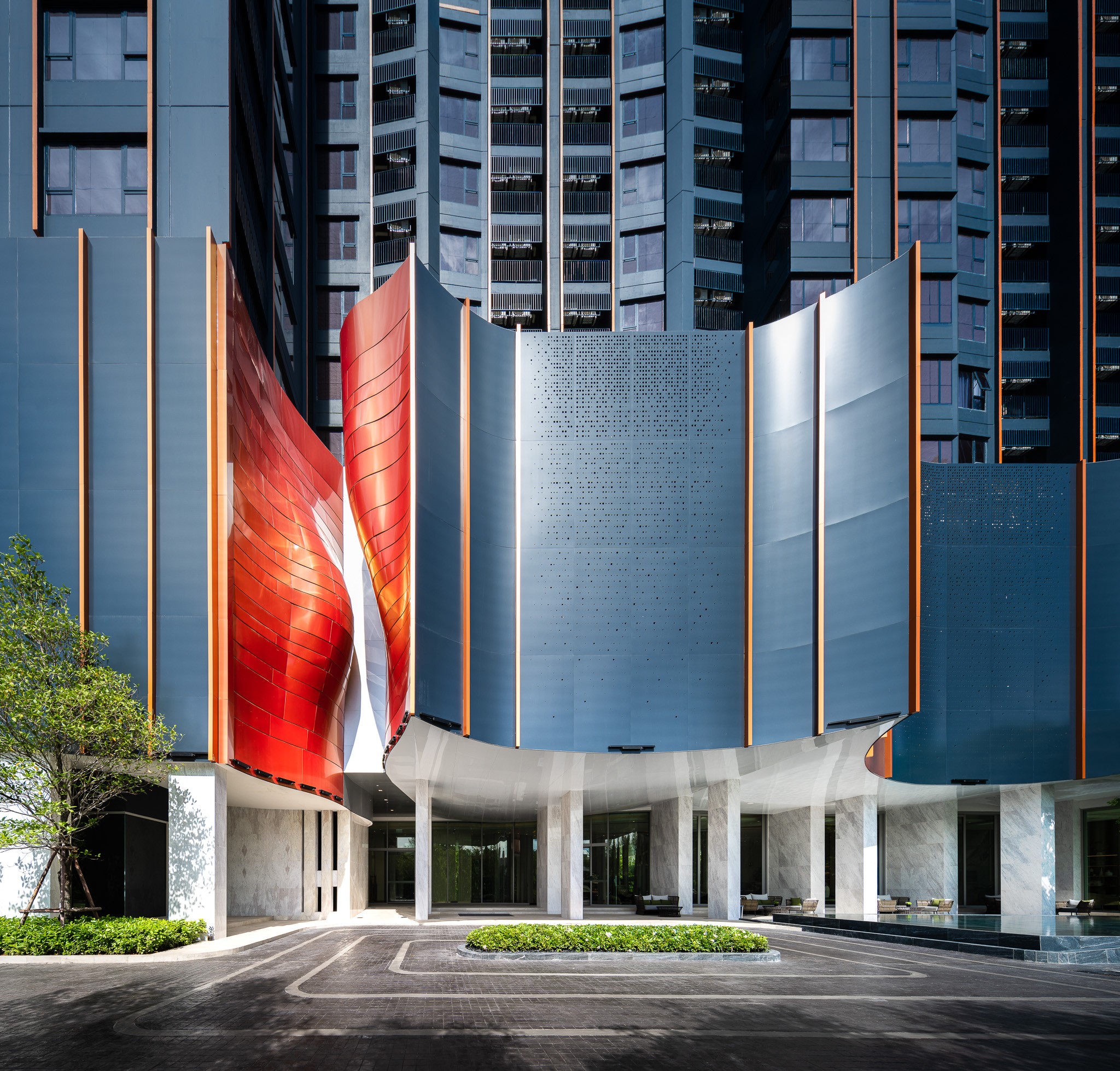
Can you tell us about a time you’ve had to pivot?
For years I was a stills photographer, and I was comfortable there. I knew the craft, I was known for it, and the work was steady. The pivot was choosing to give that comfort up on purpose and become a beginner again in cinematography.
Staying where I was already good would have been easier. But I kept feeling that stills could only hold part of what I wanted to say about a space. A photograph captures one moment in a room. Motion lets you move through it, feel its rhythm, and show how it shifts with time and light. I wanted that vocabulary, so I built the cinematography foundation properly, the same patient way I had built my stills foundation years before.
The hard part was not the technical learning. It was sitting in the discomfort of being unskilled again after being known as someone who was skilled. What carried me through was realizing that the thing I was actually good at was never the camera. It was the eye. The gear and the format were only tools serving it. Once I saw that clearly, moving from stills to motion stopped feeling like starting over and started feeling like the same eye learning a new language.
That is the pivot that made ZANYAMA what it is now. I am not a stills photographer who also shoots a bit of video. I am one visual sensibility that works in whatever format the story needs.
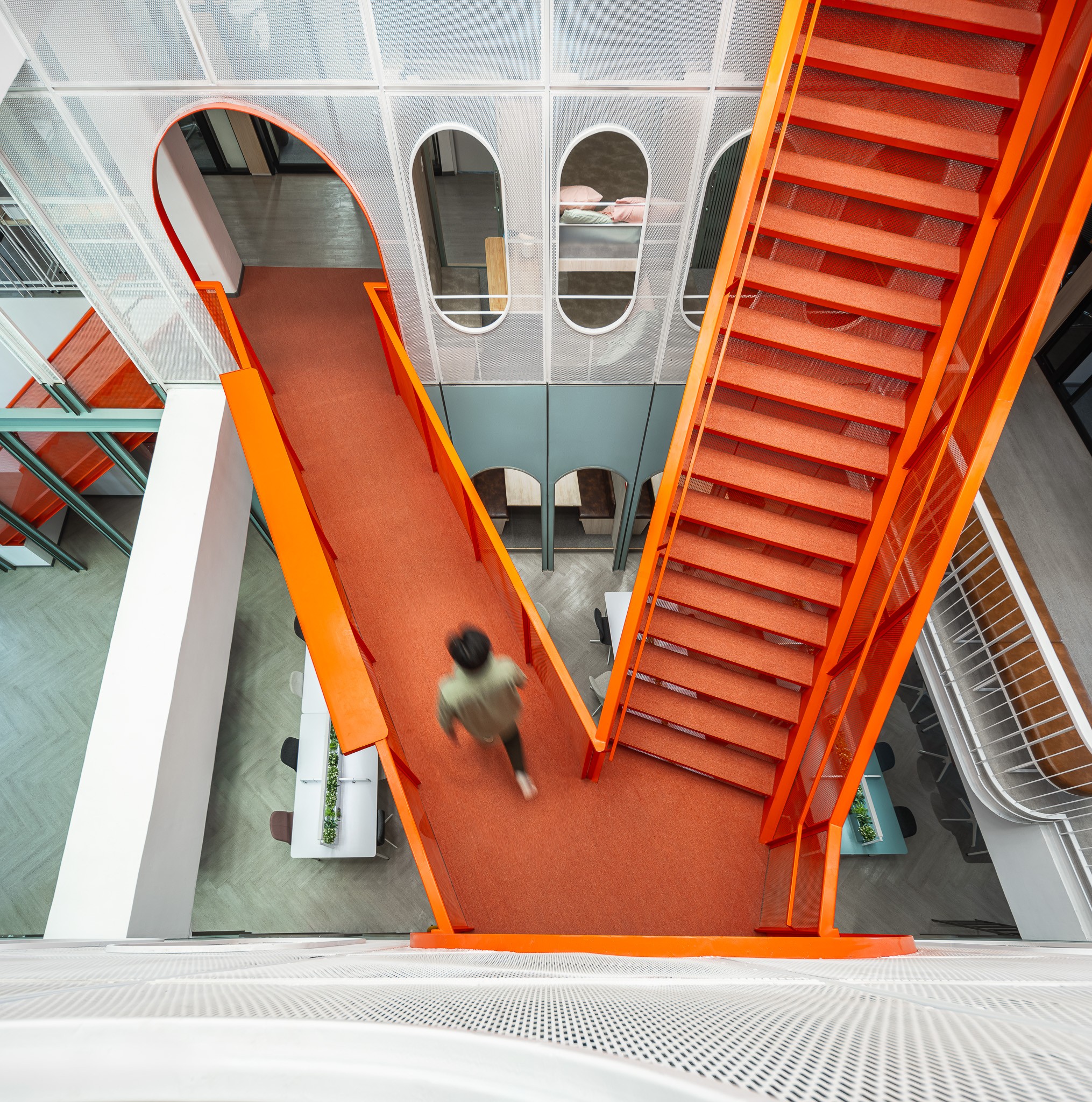
We’d love to hear a story of resilience from your journey.
The period I would point to is the pandemic. Like many people in creative work, I watched the projects slow down and the calendar empty out. For someone whose momentum depends on being out shooting and staying connected to people, that stillness was genuinely hard.
But the forced quiet turned into something I did not expect. With the noise of constant work gone, I finally had room to think about what I actually wanted my career to be, instead of only taking the next job in front of me. That reflection is where two of the biggest decisions of my life came from: to expand seriously into video, and to go to the United States to learn cinematography at the source.
So the resilience was not really about gritting my teeth and surviving a bad stretch. It was about refusing to treat that stretch as wasted time. The slow period became the incubation for everything that came after. Looking back, I do not see those years as a gap. I see them as the pause that gave the rest of my work its direction.
If there is a lesson in it, it is that a forced stop is not always a loss. Sometimes it is the only time you get quiet enough to hear where you actually want to go.
Contact Info:
- Website: https://www.zanyama.com
- Instagram: https://www.instagram.com/zanyama_
- Facebook: https://www.facebook.com/yamakunz
- Linkedin: https://www.linkedin.com/in/peeradon-ariyanukooltorn-b8702a106/
- Twitter: https://x.com/zanyama_
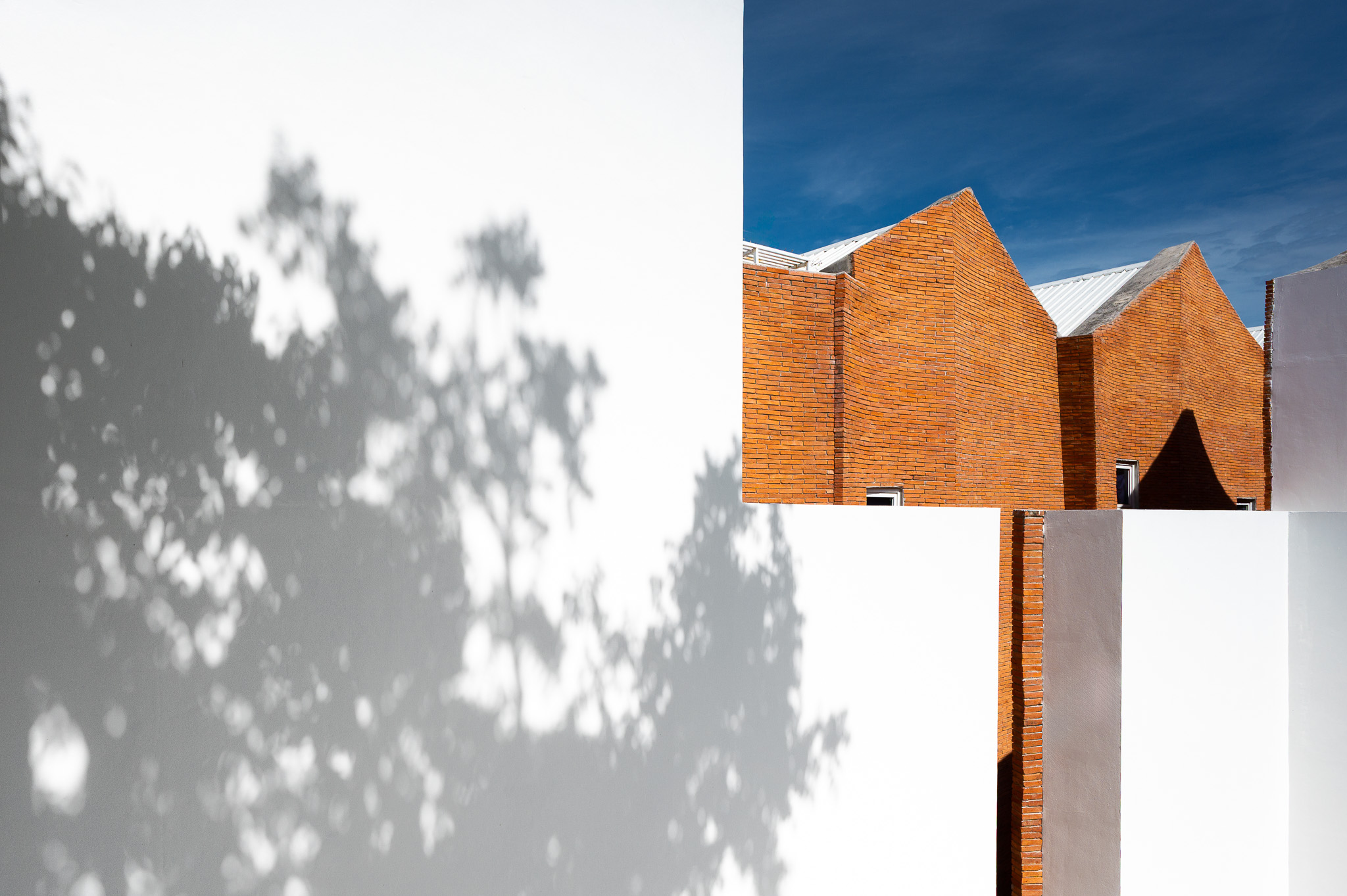
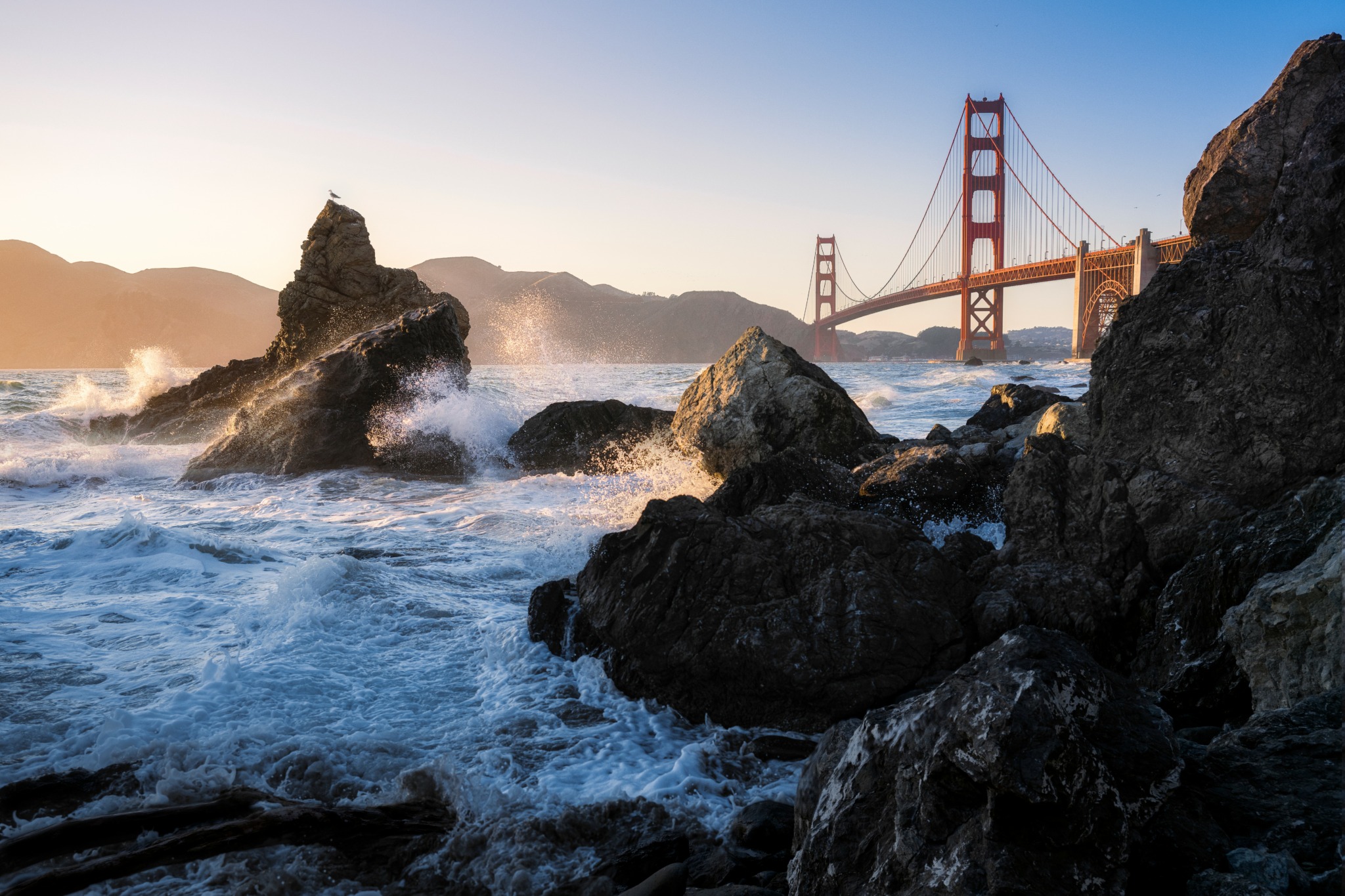
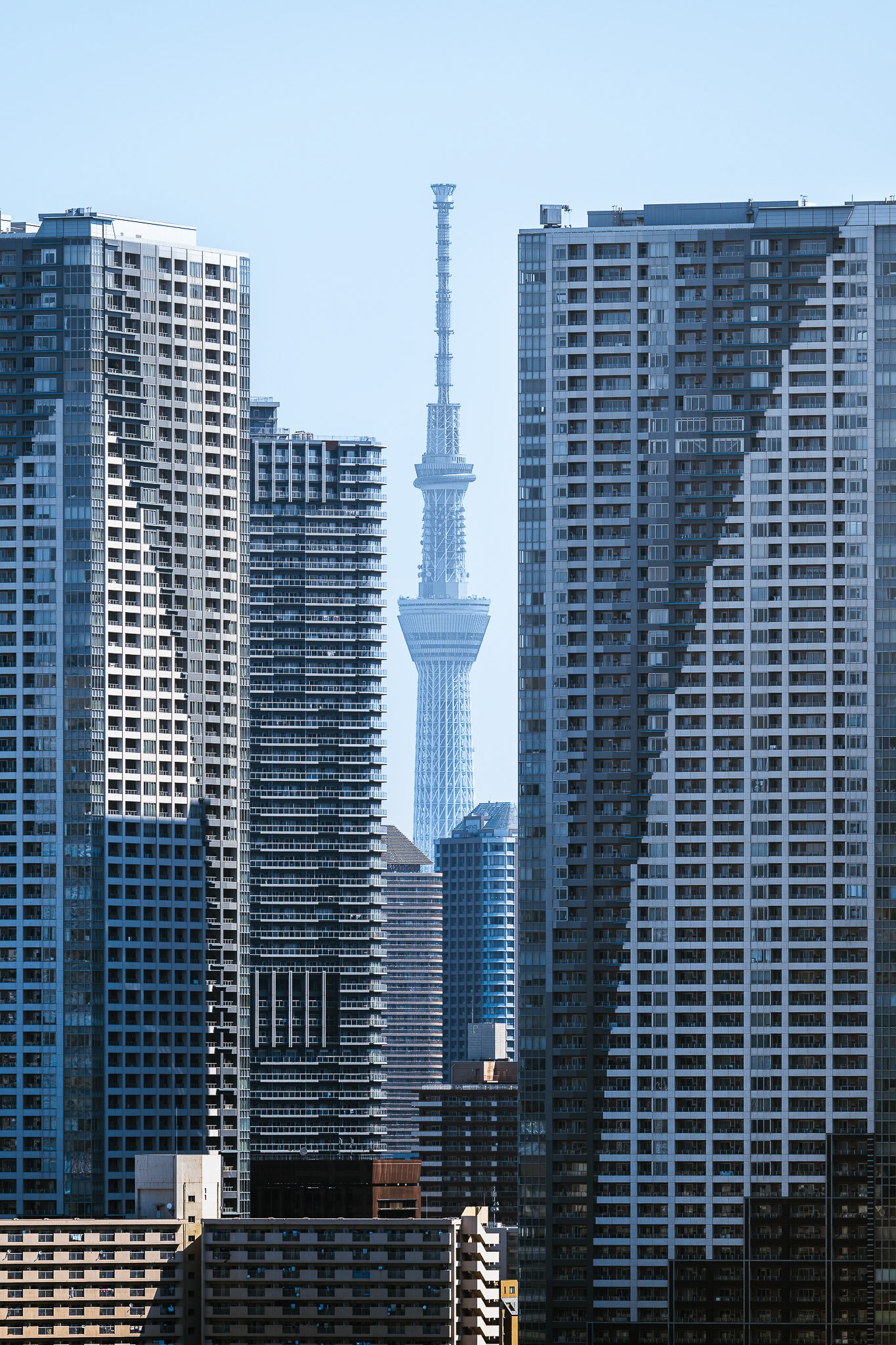
Image Credits
Copyright ZANYAMA