

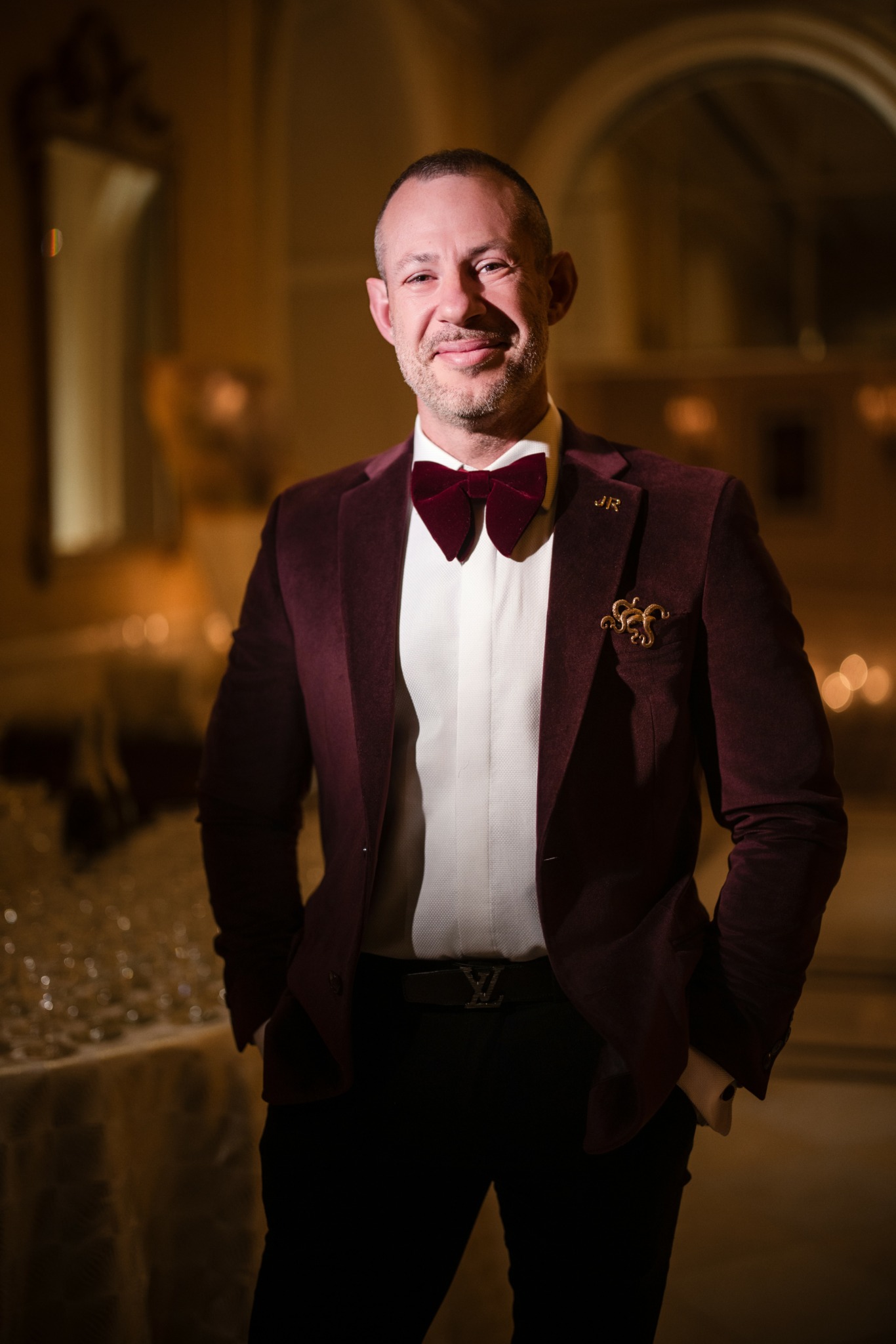

We caught up with the brilliant and insightful Julian Ribinik a few weeks ago and have shared our conversation below.
Julian, appreciate you joining us today. Do you have any key partners or vendors – if so, how’d you find them and start working with them?
Finding Key Partners: The Luxury NYC Wedding Market
For me, the biggest partnership breakthrough wasn’t about cold outreach. It was about being genuinely useful first, then positioned as the obvious choice when opportunity came up.
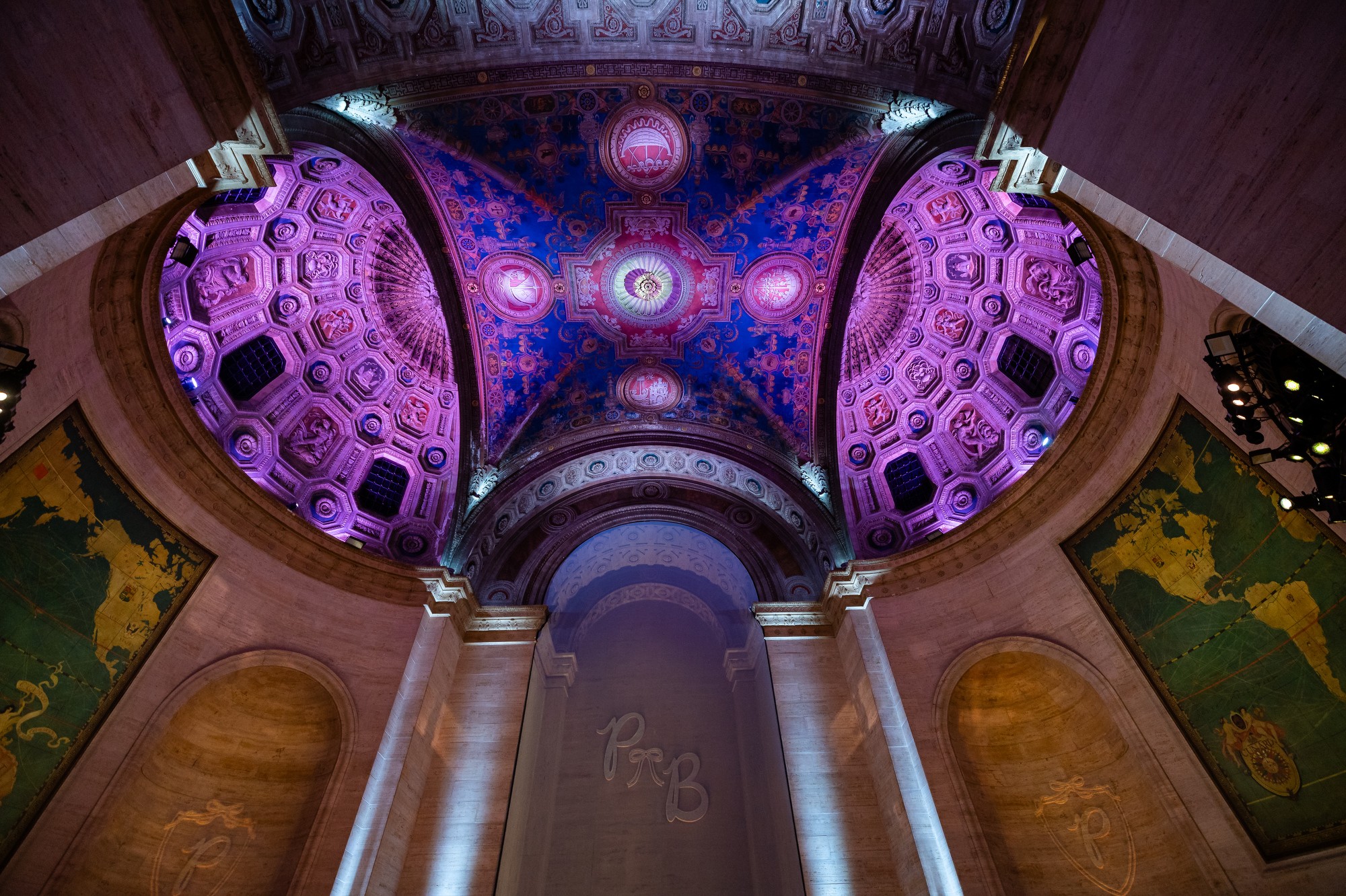
The clearest example is my venue relationships in NYC. I didn’t go in saying “I want to shoot here.” I spent years doing the work: shooting other events at those venues, building real relationships with their event coordinators, understanding their aesthetic and operational style, showing up consistently, and becoming someone who knew how to move within their ecosystem without creating friction.
How I Actually Found Them
Through other planners and vendors who’d already done the legwork. Someone would say “If you’re going to shoot at Cipriani, you need to know Sarah.” Then I’d shoot an event there, build the relationship, and suddenly the venue coordinator is recommending me to other planners. That’s the real deal.
I also attended industry events, joined WIPA (Wedding Industry Professionals Association), showed up to mixers not as a photographer hunting for work, but as someone genuinely interested in the craft and the community. That’s how I ended up as Director of Marketing for WIPA NY. They didn’t recruit me. I showed up, I was useful, I understood their mission, and eventually they asked if I’d take on a leadership role.
Why They Made the Deal
They didn’t feel like they were making a deal. They felt like they were working with someone they already trusted.
The venues keep putting clients on my calendar because:
I solve their problem (I know how to shoot in their space without disrupting service)
I make them look good (the photos speak for themselves)
I’m professional and don’t cause drama on-site
The planners recommend me because I charge what I’m worth, I deliver excellence, and I’m easy to work with. No games, no overproduction of copy, no scheduling links they have to manage. Just a direct conversation about what the couple needs.
What I’d Do Differently
I’d have been more deliberate about networking strategy earlier. I spent too many years just shooting and hoping people would notice. What I know now:
Relationships matter more than portfolio. A decent photographer with strong venue relationships will book more than an incredible photographer nobody knows.
Be useful before you ask for anything. I should have spent more time understanding what planners and venues needed, not just pursuing bookings. Now I listen more, offer insight, make intros, share knowledge. That positions you as a peer, not a vendor.
Pick your market and own it. I focused on NYC and Brooklyn weddings. I didn’t chase NJ or Queens or generic “destination weddings.” That focus made me known for something specific, and when someone asks a planner for a NYC wedding photographer, my name comes up.
Invest in the community, not just transactions. WIPA membership, sponsorships, being visible at industry events. These aren’t direct revenue plays. They’re positioning plays. They work over years, not months.
Document and communicate the partnership value. I should have been clearer earlier about what makes a venue or planner-photographer relationship actually work. Now I can articulate that, and it changes the conversation from “hire me” to “let’s work together differently.”
The Insight
The best partnerships happen when both sides stop negotiating and start collaborating. A venue doesn’t “deal” with a photographer. They either work with someone who gets it, or they don’t. The deal-making mindset actually signals that you’re transactional, and that’s the opposite of luxury.
Now when I talk to a new planner or venue contact, I’m not asking for their business. I’m asking what kind of clients they work with, what their vision is, where they see gaps in their current vendor relationships. That conversation almost always leads somewhere useful, whether it’s a booking, a referral, or just a stronger network.
That’s the thing about this business: the network is the business.
Great, appreciate you sharing that with us. Before we ask you to share more of your insights, can you take a moment to introduce yourself and how you got to where you are today to our readers.
I’ve been a photographer for nearly 24 years. I started in 2002, and I didn’t come into this through art school or some lifelong passion for the craft. I came into it because I was good with people, I understood how to make clients comfortable, and I had something to say visually. The rest built from there.
Before photography, I spent 13 years in the tech world as a senior leader at Varonis Systems, a publicly traded software company. I managed teams, I dealt with crisis management, I learned how to navigate complex business operations. That background shaped everything I do now. I don’t just take photos. I manage events. I understand logistics, client psychology, and how to deliver under pressure.
I was born in Latvia when it was still the Soviet Union. My family moved to Israel when I was young, and I grew up there before eventually landing in New York to build my photography business. That international background, that immigrant mindset, that shaped how I see people and moments. I’m not looking for the glossy version. I’m looking for what’s actually happening.
In 2016 I made a serious commitment to my health and fitness. I eliminated alcohol, restructured my nutrition, and started training seriously. That work led to certifications as a health coach, sports nutritionist, and personal trainer. I now run a wellness brand called BioPrime Wellness alongside my photography business.
This wasn’t a side quest. It was a reinvention. It taught me something crucial: discipline, consistency, and showing up for the work matters more than talent. You can have natural ability in photography. But if you don’t show up, if you don’t care about the craft, if you’re not willing to push yourself, you’ll plateau. I refuse to plateau.
What We Actually Do
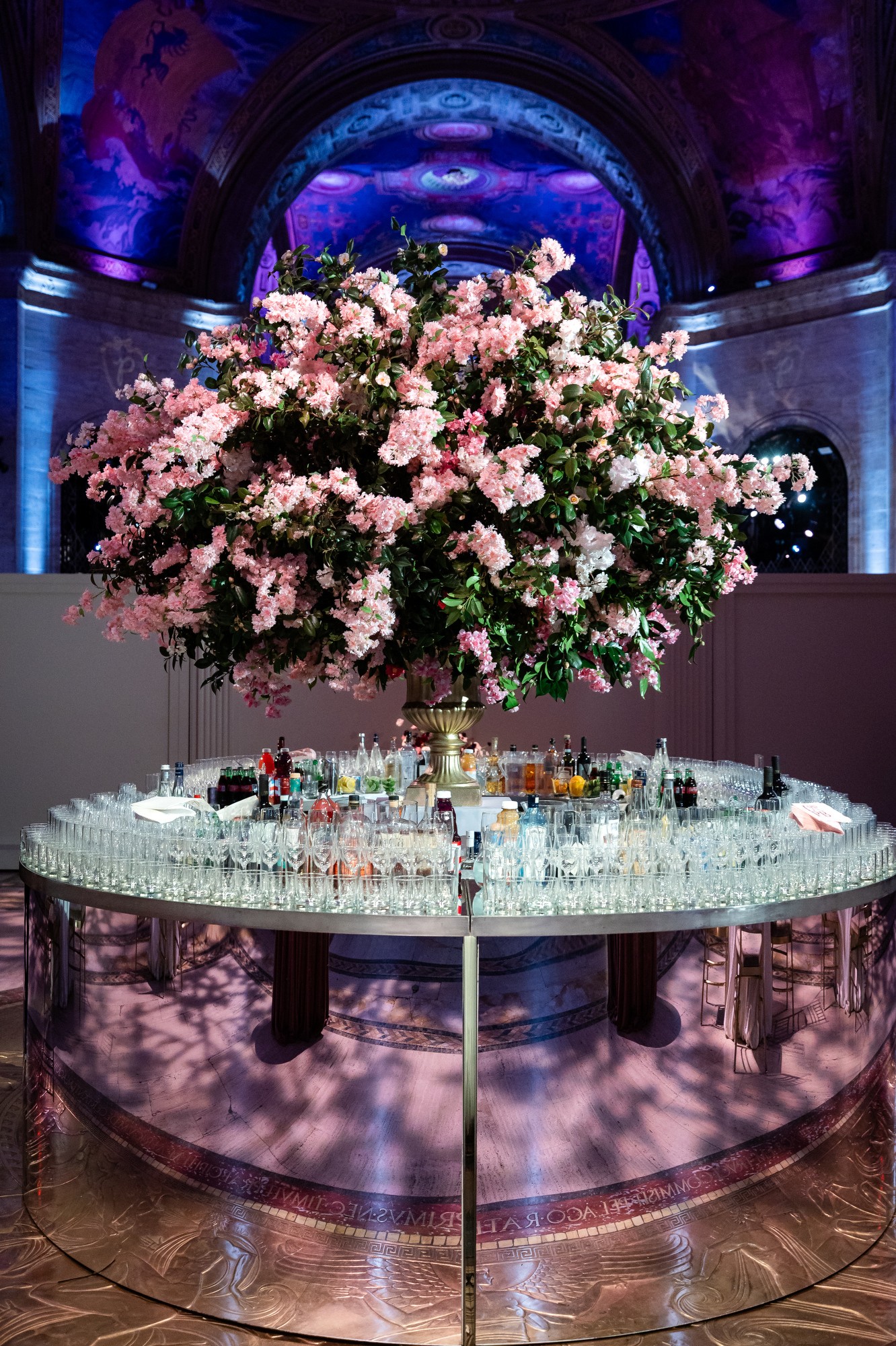
Julian Ribinik Studios specializes in luxury wedding and mitzvah photography in New York City and Miami. We shoot roughly 20-25 weddings and bar/bat mitzvahs per year. We work with high-end planners, venues like Cipriani, The Plaza, and other top-tier spaces. We also work directly with couples who find us through our reputation and our published work.
On the mitzvah side, we shoot multi-day events: rehearsal dinners, morning services, receptions, after-parties. We manage crews, coordinate with videographers, and produce work that tells the full story of the celebration, not just the highlights.
We also consult with other wedding professionals on business operations, client management systems, AI integration, and networking strategy through JRS Consulting.
The Problem We Solve
Most couples hire a photographer and get a transactional relationship. You meet once before the wedding. You get a list of questions to answer on a form. On the day, the photographer follows the shot list, keeps things moving, and delivers the files.
We solve the problem of feeling like a line item.
When you work with us, you’re working with someone who’s spent 24 years understanding human behavior, real emotion, and how to be invisible while capturing what matters. We know how to position ourselves in a room so we’re not in your way. We know how to anticipate moments before they happen. We know how to make people feel comfortable enough to be themselves.
The other problem we solve: boring, over-produced, soulless wedding photography. There’s a lot of it out there. It all looks the same. Couples are tired of it.
What Sets Us Apart
First, depth of relationships with venues and planners. We’re not a traveling photographer looking for the next booking. We’re woven into the NYC luxury wedding ecosystem. Planners recommend us. Venues know our work. That’s not luck. That’s 24 years of showing up consistently and delivering.
Second, our philosophy: “Led by the Moment. Focused on What’s Real.” We’re not interested in recreating poses from Pinterest. We’re interested in what’s actually happening. The real laugh at the altar. The genuine moment between the groom and his father. The quiet second before the bride walks down the aisle. That’s where the magic is, and we’re trained to see it and capture it.
Third, we understand that a wedding isn’t just about beautiful photographs. It’s about the experience of being photographed. We’re calm. We’re professional. We don’t create stress or drama on the day. We move through the event like we belong there, because we’ve done this hundreds of times.
Fourth, my background in business means I understand your event as a logistics challenge, not just an aesthetic one. When something goes wrong, when timing shifts, when a venue changes a detail, we adapt. We don’t fall apart because the light changed or the timeline got compressed.
What I’m Most Proud Of
Longevity. Twenty-four years in a business where most photographers burn out in five.
Consistency in quality. Our work from ten years ago still holds up. It’s not dated. It’s not trend-chasing. It’s real, and real doesn’t age.
The relationships with our clients. We shoot weddings where we’ve shot the parents’ weddings. We have clients who refer their friends, their siblings, their business partners.
The fact that I’ve reinvented the business multiple times without losing the core. We’ve integrated AI into our photo booth experience. We’ve shifted how we position ourselves in the market. We’ve launched new revenue streams. But the photography has stayed the same: authentic, real, focused on moments that matter.
What You Need to Know About Us
We’re not the cheapest option. We’re in the luxury tier because we deliver luxury work and a luxury experience. If you’re looking for a bargain photographer, we’re not it.
We’re direct. We don’t use a lot of marketing fluff. Our website isn’t covered in flowery language. Our emails are straightforward. We’re not trying to be trendy or cute. We’re trying to be professional and clear.
My wife Evgenia is also a photographer. She specializes in boudoir and editorial work, and she often works as a second shooter on our weddings. When you hire us, you’re getting both of us in the equation.
We care about the craft. We’re constantly looking at other photographers’ work, analyzing what works, pushing ourselves to improve. Photography is not static. The industry changes. We change with it.
And finally: we understand that your wedding or mitzvah is one of the most important days of your life. We don’t take that lightly. We show up as professionals who understand the weight of that responsibility. That’s not something we trade away for a quick booking.
Can you talk to us about how your side-hustle turned into something more.
Yes. Photography started as something I did nights and weekends while working at Varonis Systems. It became my full-time business, and now it’s the foundation for everything else.
How It Happened
I was good at my corporate job. I managed teams, handled crises, ran operations. But around 2002, I started shooting weddings and events on the side. It paid well, it kept me sharp creatively, and it was a completely different kind of problem-solving than software.
The turning point came when the photography income started matching my corporate salary. Then it exceeded it. At some point, you look at your calendar and realize you’re managing two full-time jobs. The photography was winning. The clients were better. The work felt more real.
So I left corporate and went full-time with photography around the mid-2000s. That’s nearly 20 years ago now.
Key Milestones
Built the luxury NYC wedding niche and stayed focused. Didn’t chase trends or try to be everything to everyone. That focus created reputation.
Got recognized. Featured in major publications, Top 5 ranking in NYC from Brides Magazine and Wezoree.
Scaled by saying no. We only do about 20-25 events per year. That’s intentional. More money? No. Better clients and better work? Yes.
Reinvented around 40. Added AI integration, consulting, a wellness brand, now building FORGE (a fitness app). The photography business became the launching pad for other things.
The side hustle never really became “just a business.” It became the center of everything. And from that foundation, we’ve built other ventures that would’ve been impossible without the credibility and cash flow of the photography work.
Alright – so here’s a fun one. What do you think about NFTs?
I think NFTs were a solution looking for a problem. For photographers specifically, they promised scarcity and ownership verification on digital files. Except most couples don’t care about owning an NFT version of their wedding photos. They want the actual files they can print, share, and display.
The blockchain stuff was interesting from a technical standpoint, but it didn’t change how people consume or value photography. If anything, it added friction.
I watched photographers jump into NFTs when the market was hot, thinking it was the future. It wasn’t. It was a speculative bubble that benefited the platforms and early adopters, not the artists.
My take: If you’re a photographer and you’re spending time figuring out how to sell NFTs instead of deepening client relationships and producing better work, you’re distracted. I’d rather invest in real stuff: my website, my reputation, my network, the actual files my clients want.
Technology is only useful if it solves a real problem. NFTs didn’t solve one for me or my clients.
Contact Info:
- Website: https://www.julianribinik.com
- Instagram: https://www.instagram.com/julianribinikstudios
- Facebook: https://www.facebook.com/julianribinikstudios
- Linkedin: https://www.linkedin.com/in/julianribinikphoto/
- Twitter: @julianribinik
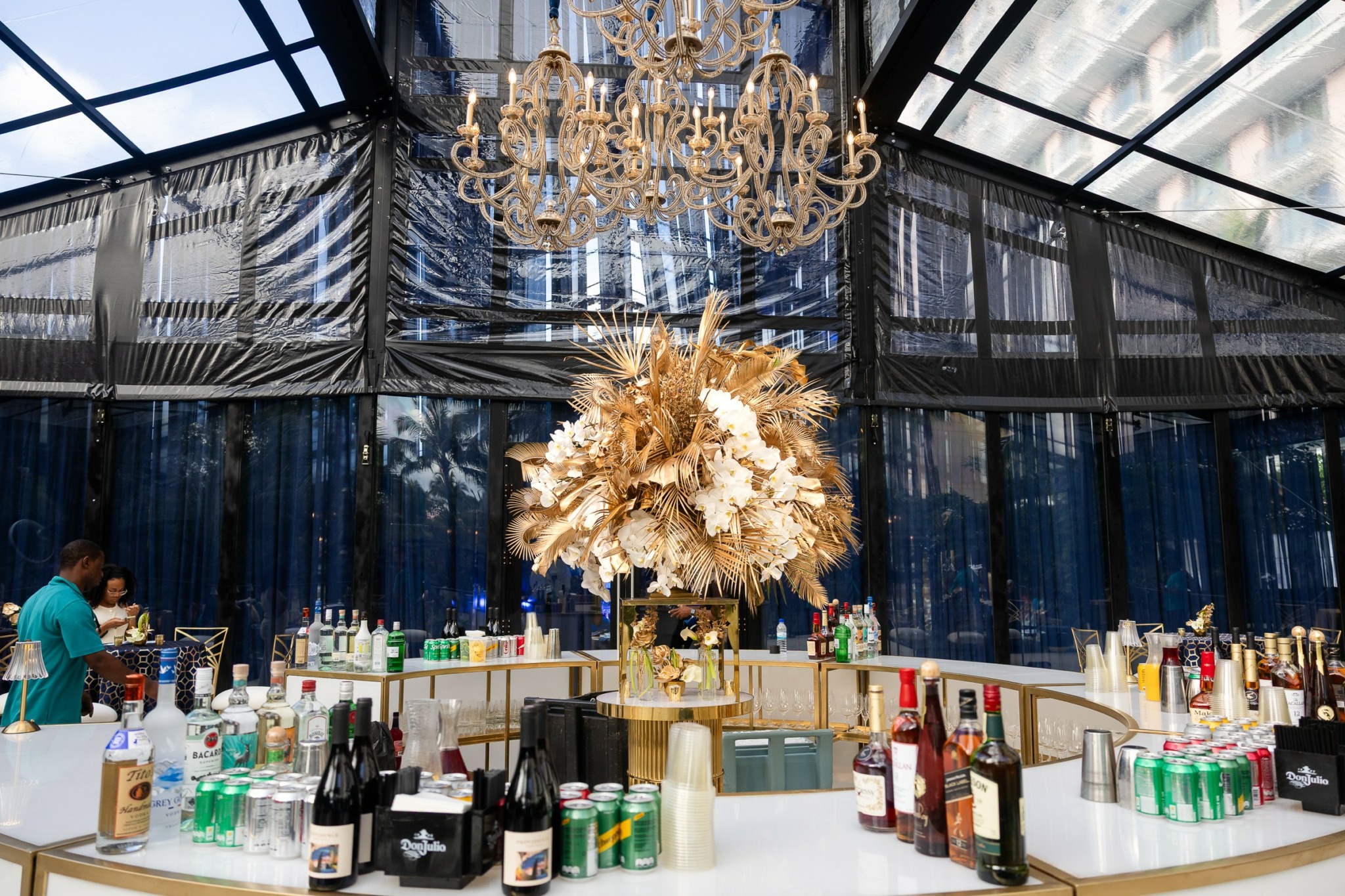
Image Credits
Julian Ribinik Studios
Susan Stripling Studios