



We recently connected with Sophie Saint and have shared our conversation below.
Sophie , appreciate you joining us today. Can you walk us through some of the key steps that allowed you move beyond an idea and actually launch?
Most of what I’ve learned came from doing. I spent countless hours researching, asking questions, learning from experienced builders, and getting hands-on with projects. Restoration is one of those crafts where there’s only so much you can learn from watching videos or reading manuals. Eventually, you have to pick up the tools and start figuring things out for yourself.
Looking back, I probably could have accelerated the process by finding mentors earlier and spending less time worrying about what I didn’t know. Some of my biggest breakthroughs came from being around people with decades of experience who were willing to share their knowledge.
The most important skills weren’t necessarily technical. Patience, problem-solving, and persistence have probably been just as valuable. Every restoration project presents challenges you didn’t expect, and learning how to work through those moments is a huge part of the craft.
The biggest obstacle was overcoming intimidation. Automotive restoration can feel overwhelming when you’re first starting, especially if you don’t come from that world. But I’ve found that most people are willing to help if you’re genuinely curious and willing to put in the work. The hardest part is often just giving yourself permission to begin.
As always, we appreciate you sharing your insights and we’ve got a few more questions for you, but before we get to all of that can you take a minute to introduce yourself and give our readers some of your background and context?
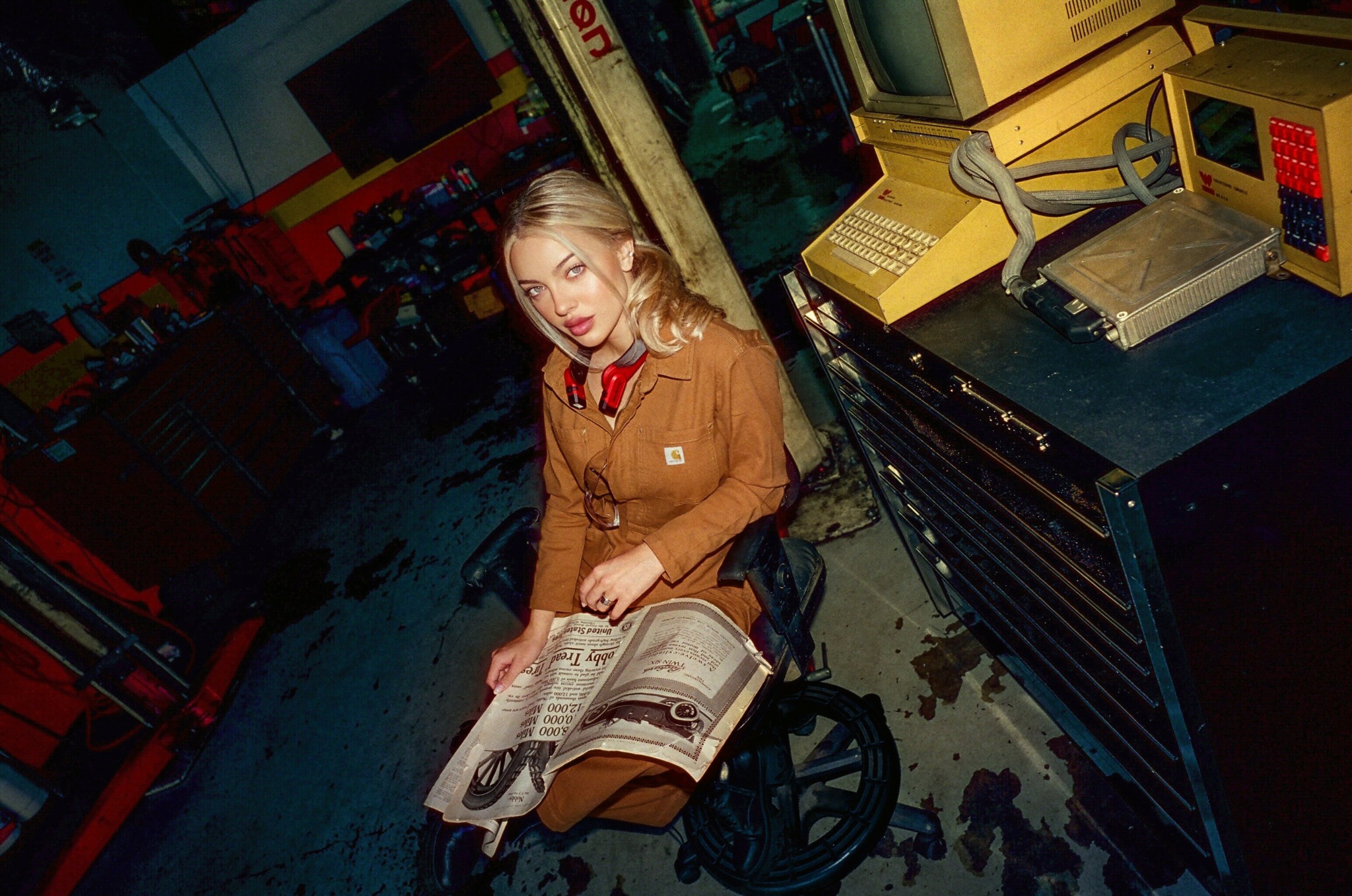
I’ve always been drawn to building things with my hands. Some of my earliest memories are working on projects with my dad, including restoring an old school bus together. I grew up around tools, construction, and things that were constantly being repaired, rebuilt, or reimagined. Being part of that process at a young age taught me to see potential where other people might see something unfinished or overlooked.
As I got older, that interest evolved into vintage cars, home renovation, and entrepreneurship. I’ve always been fascinated by things that carry history—older homes, vintage cars, and objects that were built with intention and meant to last. I love understanding how something works, why it was built the way it was, and how it can be brought back to life.
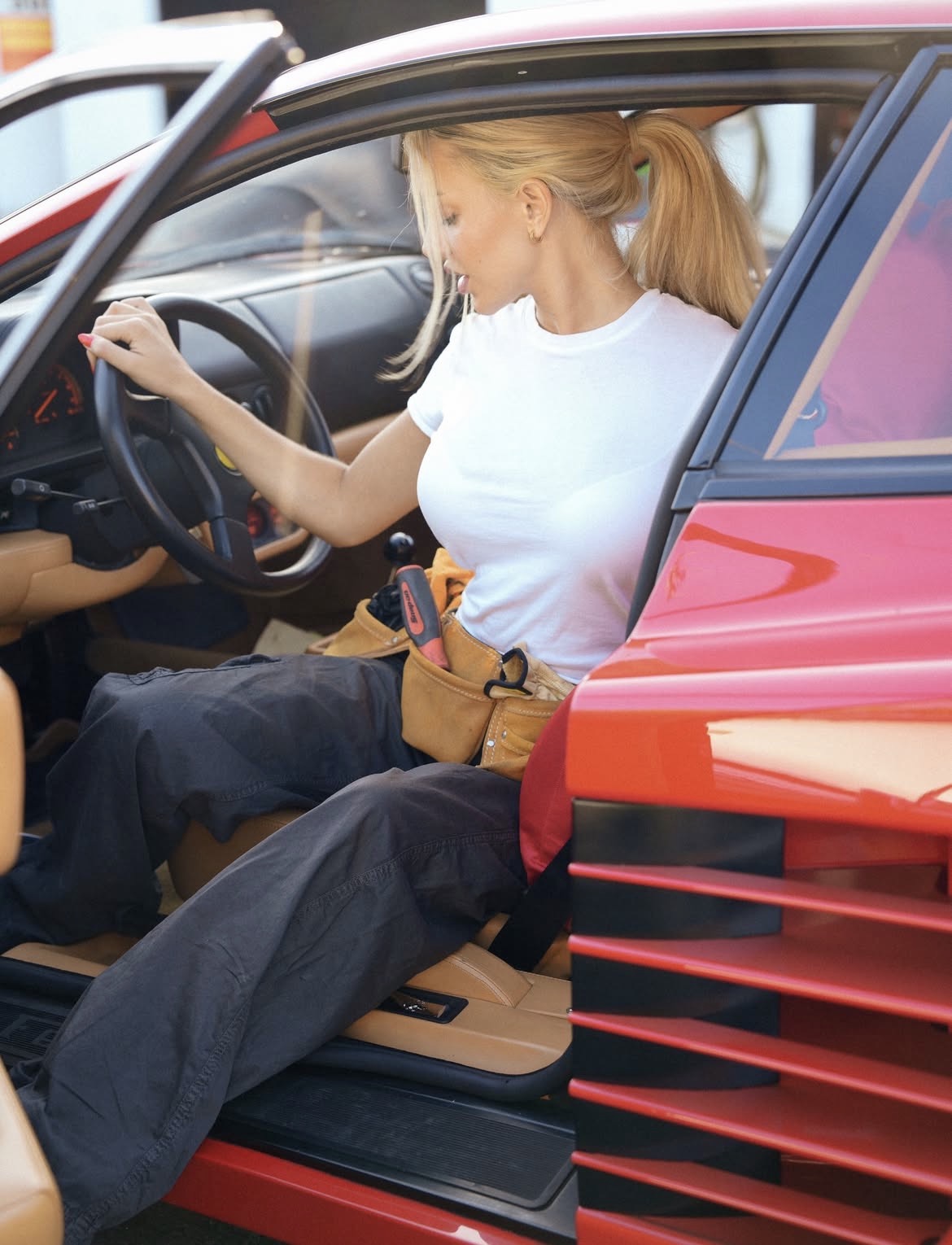
Today, my work spans vintage car restoration, building businesses, and creating content that documents the process. I founded Tokyo Drift Experience, a driving experience company inspired by my love of automotive culture and Japanese design, and I’m currently building a women’s workwear brand inspired by my experiences working in hands-on industries.
What I’m most proud of is helping make these spaces feel more accessible. I didn’t come from a traditional automotive background, and a lot of what I’ve learned came from curiosity, persistence, and being willing to ask questions. If my work encourages someone to start a project, learn a new skill, or pursue something they’ve been intimidated by, that’s incredibly meaningful to me.
At the end of the day, I want people to know that you don’t have to have everything figured out before you begin. Most of the things I’ve built started with curiosity and a willingness to learn along the way.
Any insights you can share with us about how you built up your social media presence?
I built my audience by sharing the process rather than just the finished result.
From the beginning, I documented what I was learning, what I was building, and the challenges that came with it. I never approached social media as someone who had all the answers. I was simply sharing my experiences in real time, and I think people connected with that honesty.
A lot of social media focuses on polished outcomes, but I’ve found that people are often more interested in the journey. The setbacks, mistakes, and problem-solving moments are usually the things that resonate most because they’re relatable.
My biggest advice is to create something you’re genuinely passionate about. Trends come and go, but genuine curiosity is what keeps you showing up consistently over time. Don’t wait until you’re an expert to start sharing. Some of the most valuable content comes from documenting what you’re learning as you go.

What do you find most rewarding about being a creative?
For me, it’s taking an idea and turning it into something real.
Whether it’s restoring a car, building a business, renovating a space, or creating something from scratch, I love the process of bringing a vision to life. There’s something incredibly rewarding about seeing a project evolve from an idea into something tangible through hard work, creativity, and persistence.
What’s even more meaningful is seeing how that work impacts other people. Some of the most rewarding messages I receive are from people who decided to start their own project, learn a new skill, or pursue an interest they had been hesitant to explore.
I think creativity has a ripple effect. When people see what’s possible, they’re often inspired to create something of their own. If my work helps someone feel a little more confident about taking that first step, that’s probably the most fulfilling part of all of it.
Contact Info:
Image Credits
Sophie Saint