



Alright – so today we’ve got the honor of introducing you to Hyotak Woo. We think you’ll enjoy our conversation, we’ve shared it below.
Hyotak, thanks for taking the time to share your stories with us today Did you always know you wanted to pursue a creative or artistic career? When did you first know?
I am an interior architectural designer driven by my curiosity about the relationship between people and the built environment. Throughout my life, I have always been interested in observing how people interact with spaces and questioning why environments are shaped the way they are. I was born in Venezuela, raised and educated in Argentina, Ecuador, Korea, The United States, Bolivia, Mexico, and Hong Kong.
Growing up as a Korean in Latin America, I was constantly exposed to different cultures and ways of living. I found myself drawing comparisons between Korea and the countries I lived in — not only through traditions and lifestyles, but through the spaces people occupied every day. Why did our buildings look so different from one another? Why were our materials different? Why were our bathrooms different? Why were furniture dimensions and spatial relationships different?
Over time, I realized these differences were a direct reflection of cultural values, climate, history, and ways of life. This realization became the foundation of my approach to design: understanding people first in order to create spaces that feel meaningful, familiar, and connected to those who experience them.

Hyotak, love having you share your insights with us. Before we ask you more questions, maybe you can take a moment to introduce yourself to our readers who might have missed our earlier conversations?
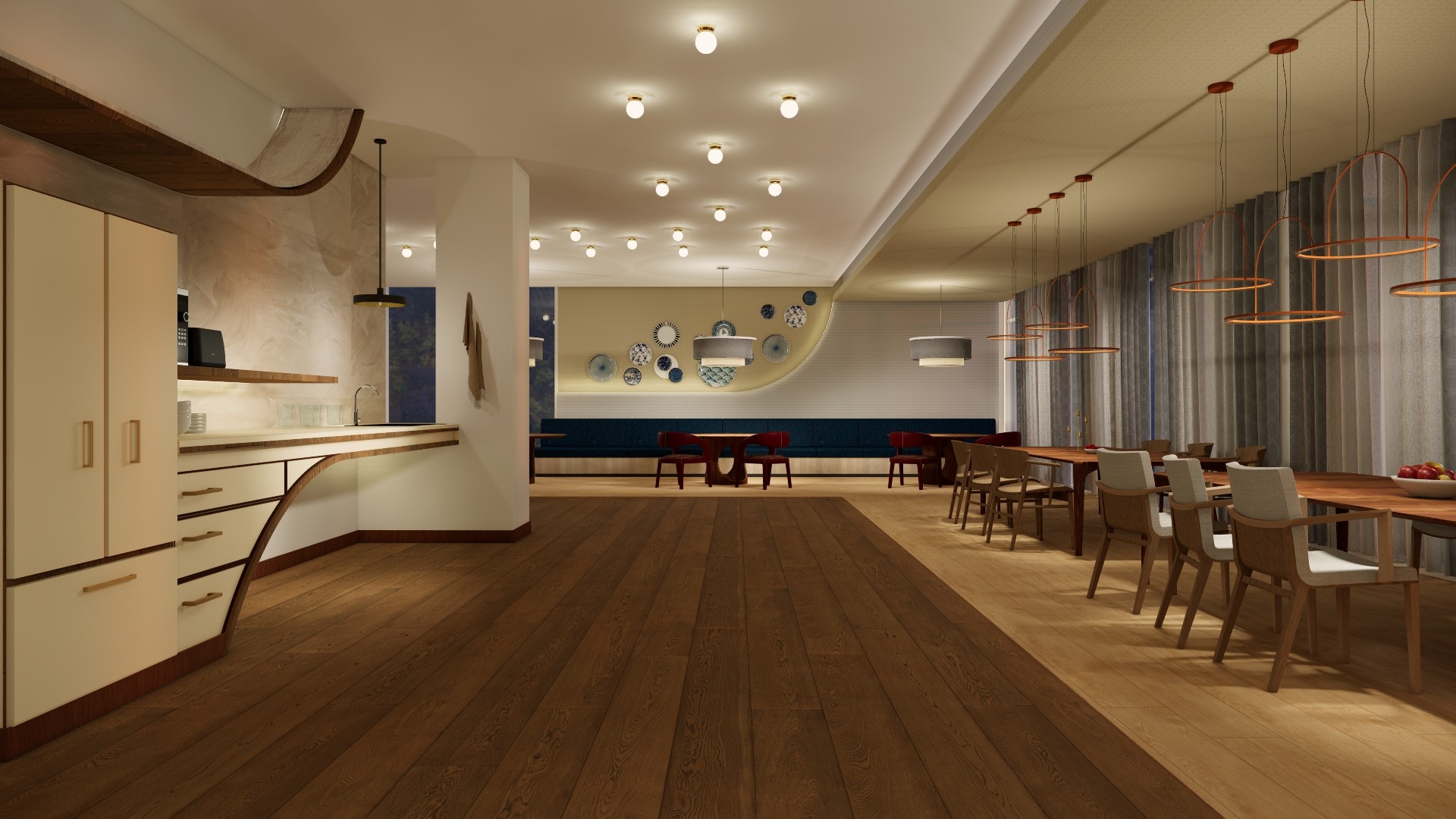
My work focuses on hospitality, workplace, and human-centered environments where design becomes a medium for storytelling and interaction. I am especially drawn to hospitality because of its ability to create emotional connections through atmosphere, materiality, and experience. I believe the most successful spaces are not simply visually compelling, but spaces that influence how people feel, behave, and connect with one another.
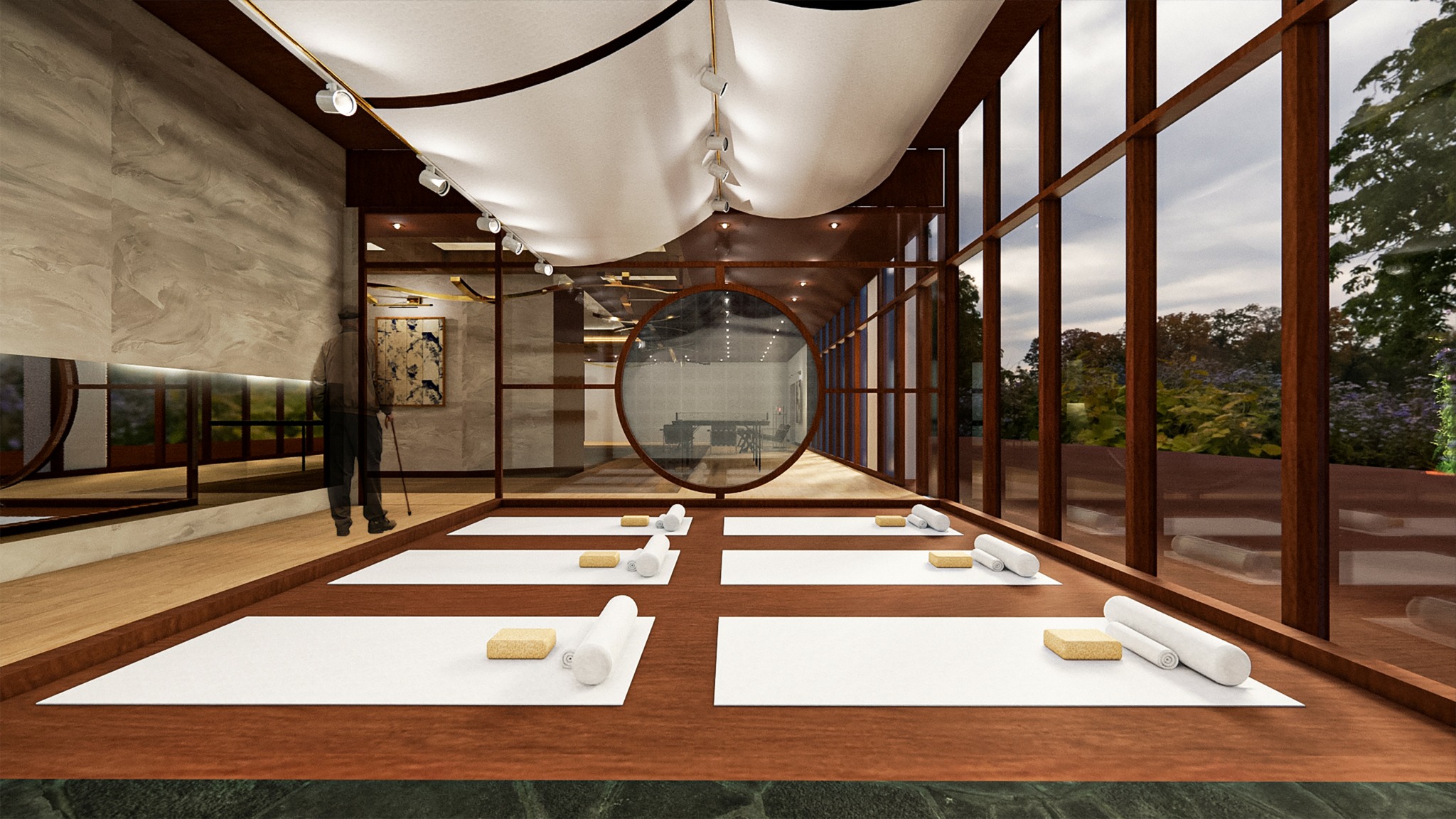
Throughout my academic and professional journey, I have explored different scales and types of environments — from wellness and healthcare spaces to hospitality and large-scale entertainment projects. My capstone project, Shim, a dementia daycare and therapy center in South Korea, explored how design could support memory, movement, and emotional well-being. This project was recognized through multiple awards and was featured on Dezeen.
During my time at Savannah College of Art and Design, my work was recognized through the IIDA Best of Best Awards Georgia Chapter, receiving recognition across the Heal/Learn/Serve, Dine/Play/Shop, and Work categories, as well as through the IDA Design Awards and the Angelo Donghia Foundation National Scholarship.
Professionally, I have continued developing my understanding of how design moves from concept into reality. Through experiences at Lamar Johnson Collaborative in Chicago and HKS Architects in Atlanta, I gained exposure to different project types and design processes. Today, I work at Fogarty Finger in New York City as an interior architectural designer, where I am contributing to the premium interiors for the new Cleveland Browns NFL stadium in Ohio.
What I am most proud of is the perspective I bring into design. Having lived across different countries and cultures, I naturally approach each project by asking deeper questions about people, identity, and experience. I am always interested in understanding the story behind a space — why it exists, who it serves, and how it can create a meaningful connection.
What sets me apart is my ability to combine cultural observation, conceptual thinking, and a growing understanding of the technical aspects of design. I am not only interested in creating beautiful spaces, but in creating spaces that reflect the people and communities they belong to.
Looking back, are there any resources you wish you knew about earlier in your creative journey?
One resource I wish I had discovered earlier in my creative journey is the strength of the design community itself. Early in my education, I viewed growth mostly through the lens of improving my own skills — learning software, developing concepts, and refining my design abilities. However, I gradually realized that one of the most valuable resources in this field is the network of people who are willing to share their knowledge, experiences, and support.
Organizations such as LEED, IIDA, and ASID have introduced me to a community of professionals who are genuinely invested in connecting with and supporting the next generation of designers. Once I understood the potential of these organizations, they became a major part of my growth as a designer.
Through these communities, I was able to build relationships with professionals, gain insight into the industry, and discover opportunities that I would not have encountered on my own. The mentorship, encouragement, and conversations I had with people in the field helped me better understand the profession beyond what can be learned in a classroom.
Looking back, I wish I had recognized earlier that design is not an individual journey. While creativity and technical skills are important, the people around you can shape your perspective, open doors, and challenge you to grow. The support I received from the design community has been monumental in the opportunities I have been fortunate enough to experience, and it is something I hope to continue contributing to as I grow in my own career.
How can we best help foster a strong, supportive environment for artists and creatives?
I believe one of the most important things society can do to support artists, creatives, and a thriving creative ecosystem is to actively engage with design and share their perspectives.
Designers do not design for designers — they design for everyone. Whether it is a building, an interior, a product, or a public space, design ultimately exists to serve the people who experience it. Because of that, the voices and opinions of those users are one of the most valuable resources in improving design.
There is often a discussion that design is subjective, and I agree to a certain extent. Personal experiences, emotions, and cultural backgrounds all influence how people perceive a space. However, I also believe that the success of design can be measured by the value it creates and the number of people it benefits. A successful design is not only one that is visually compelling, but one that improves experiences, solves problems, and creates meaningful connections.
For this reason, I believe non-designers have an important role in shaping the future of design. Feedback should not be viewed as criticism of the creative process, but as a foundation for growth. When more people feel comfortable sharing their experiences and perspectives, designers gain a deeper understanding of the communities they are designing for.
To strengthen the creative ecosystem, society should recognize that design is not created in isolation. It is a collaboration between designers and the people who use the spaces around them. By encouraging conversations around design and valuing diverse perspectives, we can create environments that are more inclusive, accessible, and representative of the people they serve.
Contact Info:
- Linkedin: https://www.linkedin.com/in/hyotak-woo
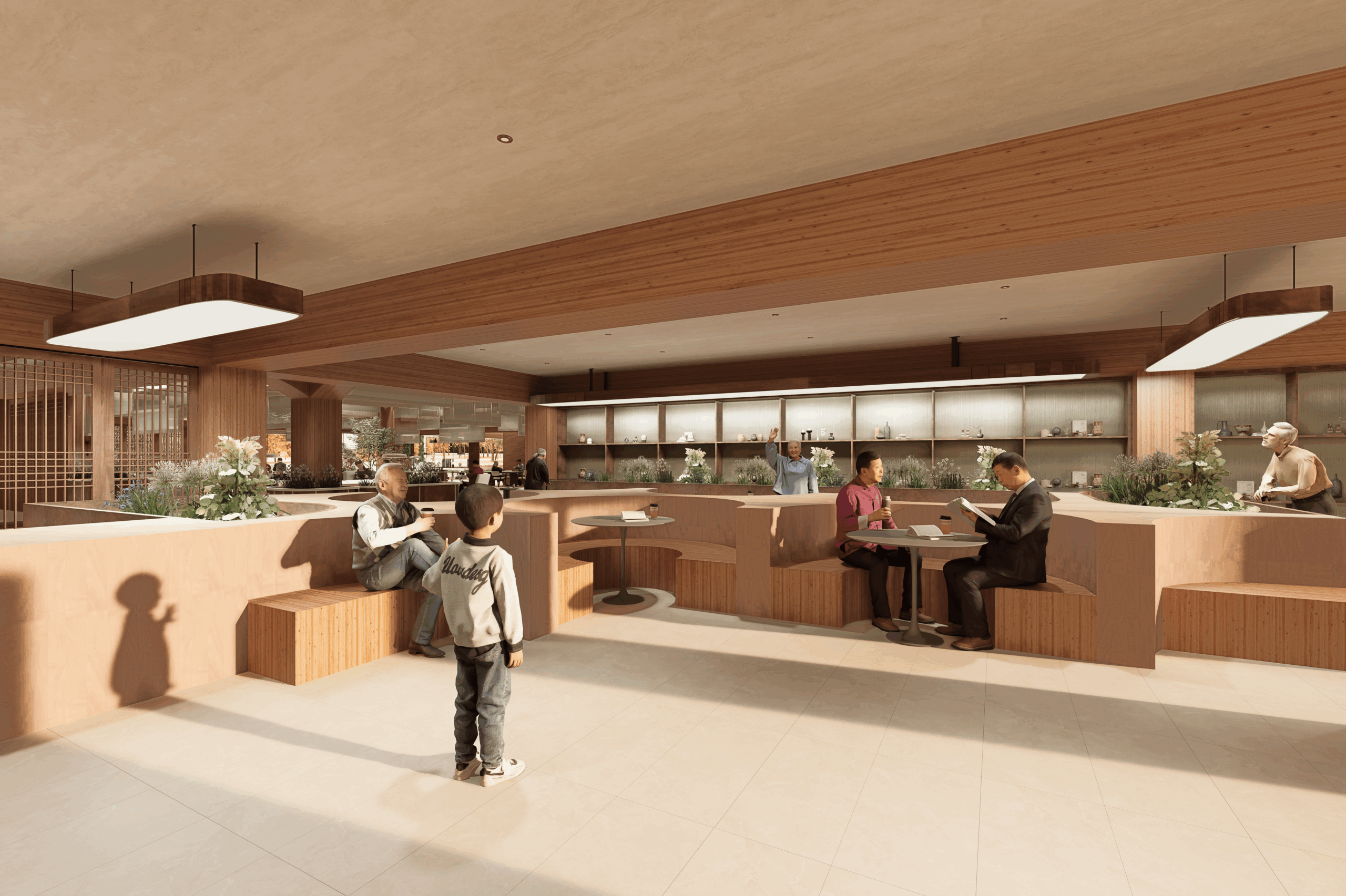
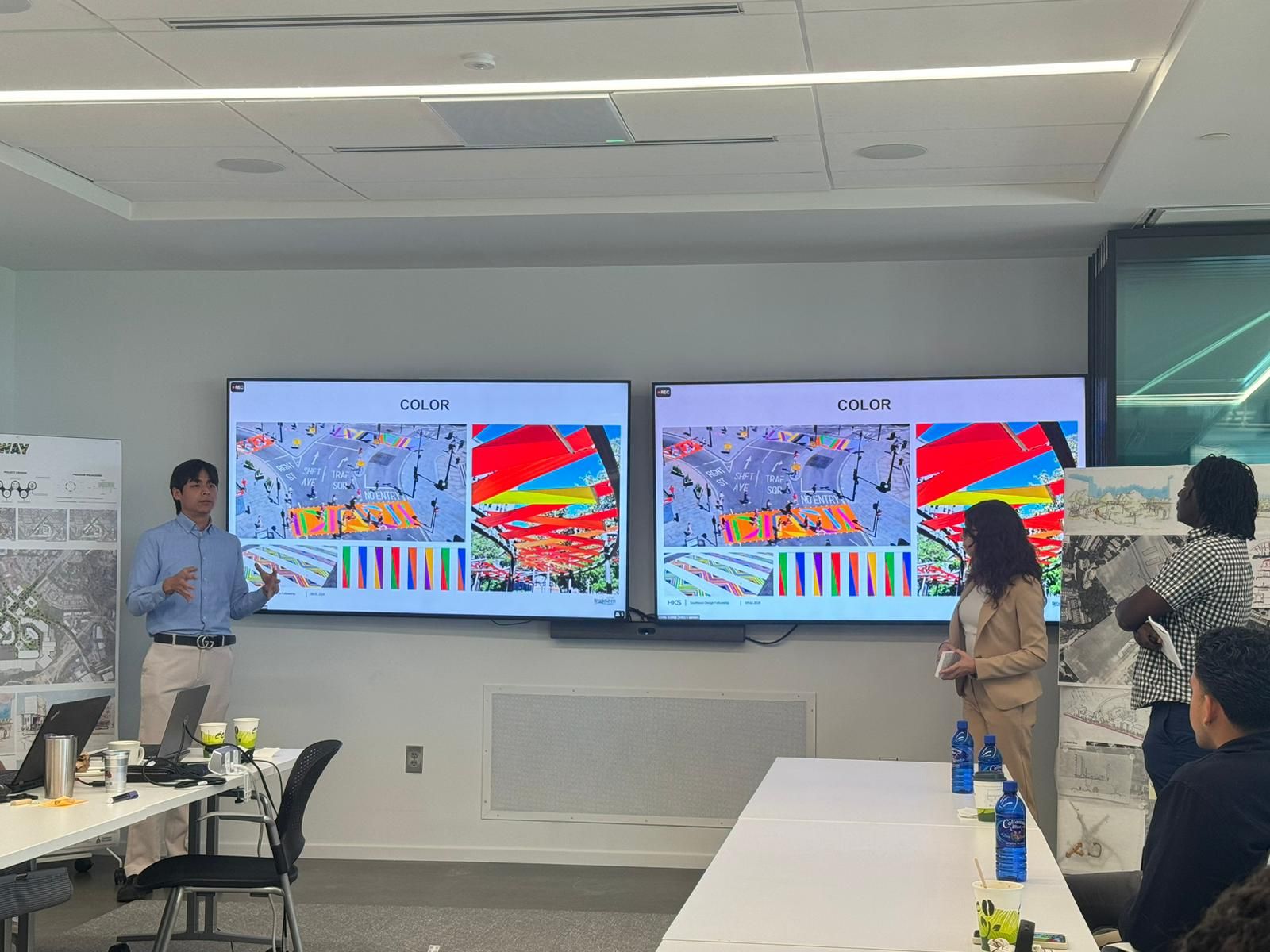

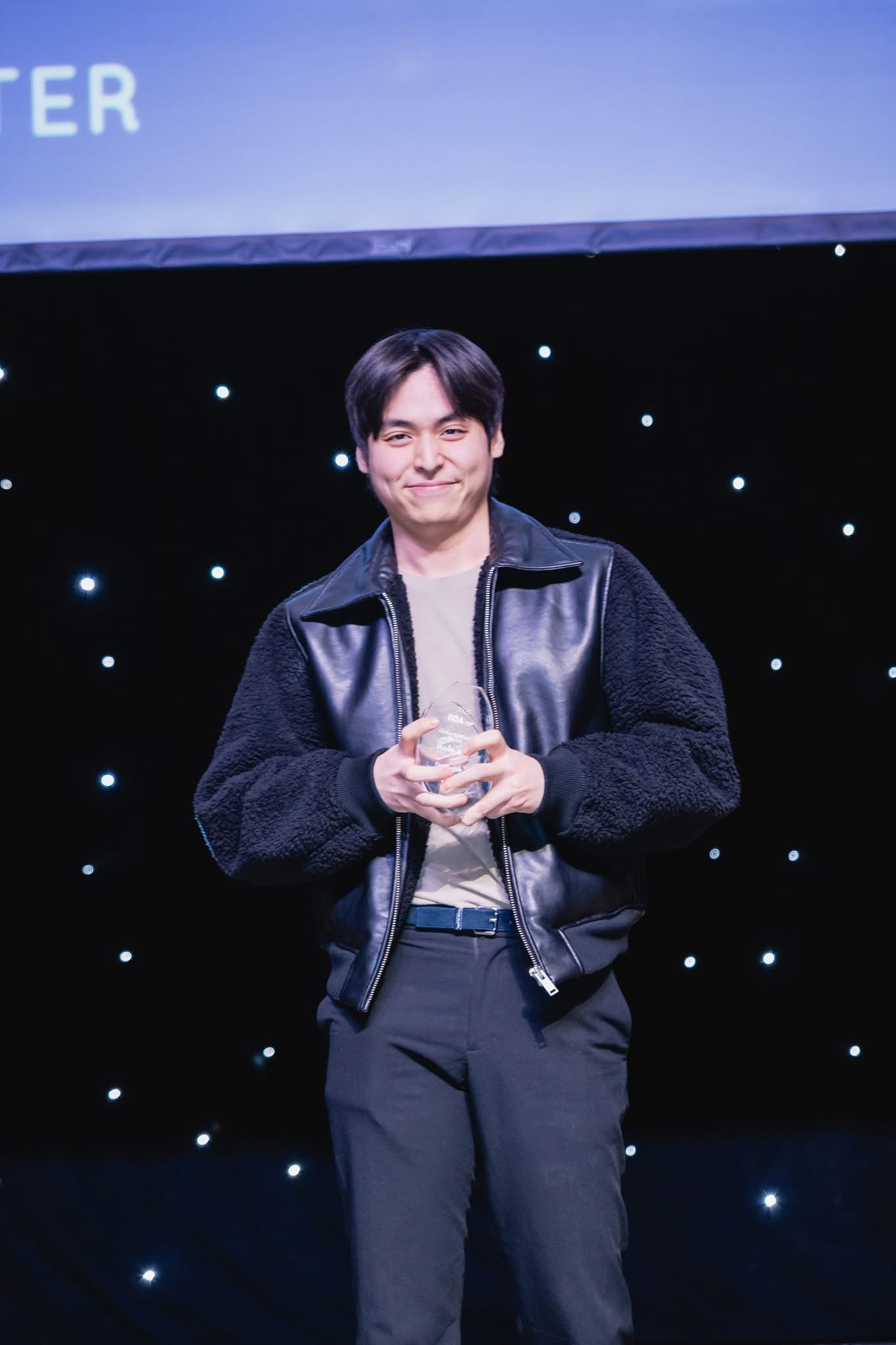
Image Credits
https://www.scad.edu/sites/default/files/PDF/scad-academic-catalog-2024-25-accessible.pdf
This is for the SCAD fender image with me and two classmates