

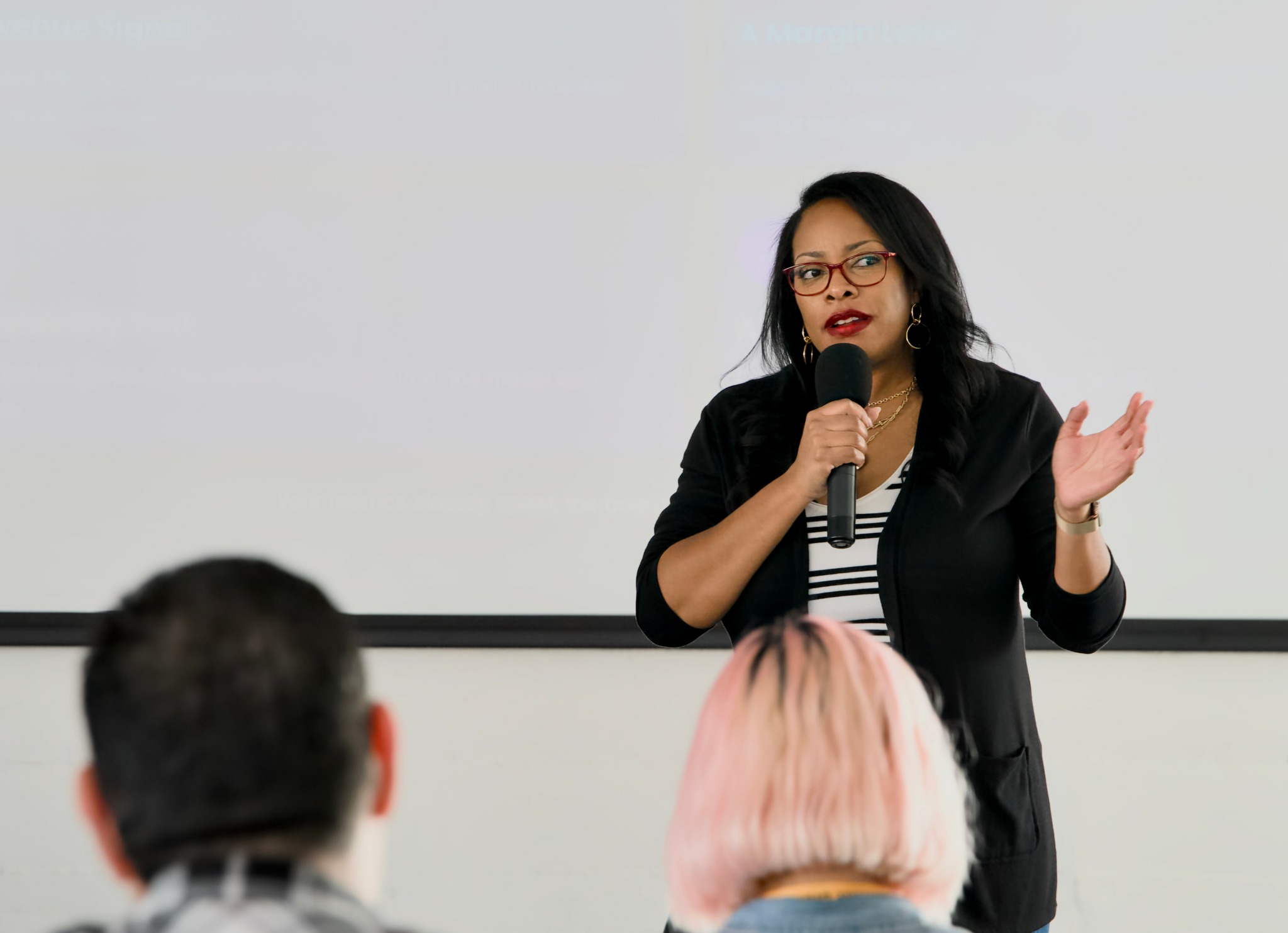

We’re excited to introduce you to the always interesting and insightful Ty Givens. We hope you’ll enjoy our conversation with Ty below.
Ty, thanks for taking the time to share your stories with us today The first dollar your firm earns is always special. We’d love to hear about how you got your first client that wasn’t a friend or family.
Honestly? Pure luck.
I launched my business in November 2016 and landed my first paying client in December 2016. Looking back, I got that client because I wasn’t very good at explaining what I actually did.
At the time, my company was called The Workforce Pro. I attended an event and spent most of the evening trying to give my elevator pitch to as many people as possible. I wasn’t very successful. Eventually, I had a conversation with the founder hosting the event. She liked my energy and wanted to explore ways we could work together.
After talking through her goals, we landed on a project that had absolutely nothing to do with customer support. She hired me to build a directory for her network.
The work itself was simple, but it gave me something much more valuable than revenue. It gave me experience, confidence, and access to a community of people.
It also taught me one of the most important lessons I’ve learned as an entrepreneur: knowing exactly who your product is for matters.
You can be great at what you do, but if people don’t understand what you do or who it’s for, you’ll spend a lot of time talking to the wrong audience.
Sometimes you have to go through a few iterations before you get it right. I certainly did.
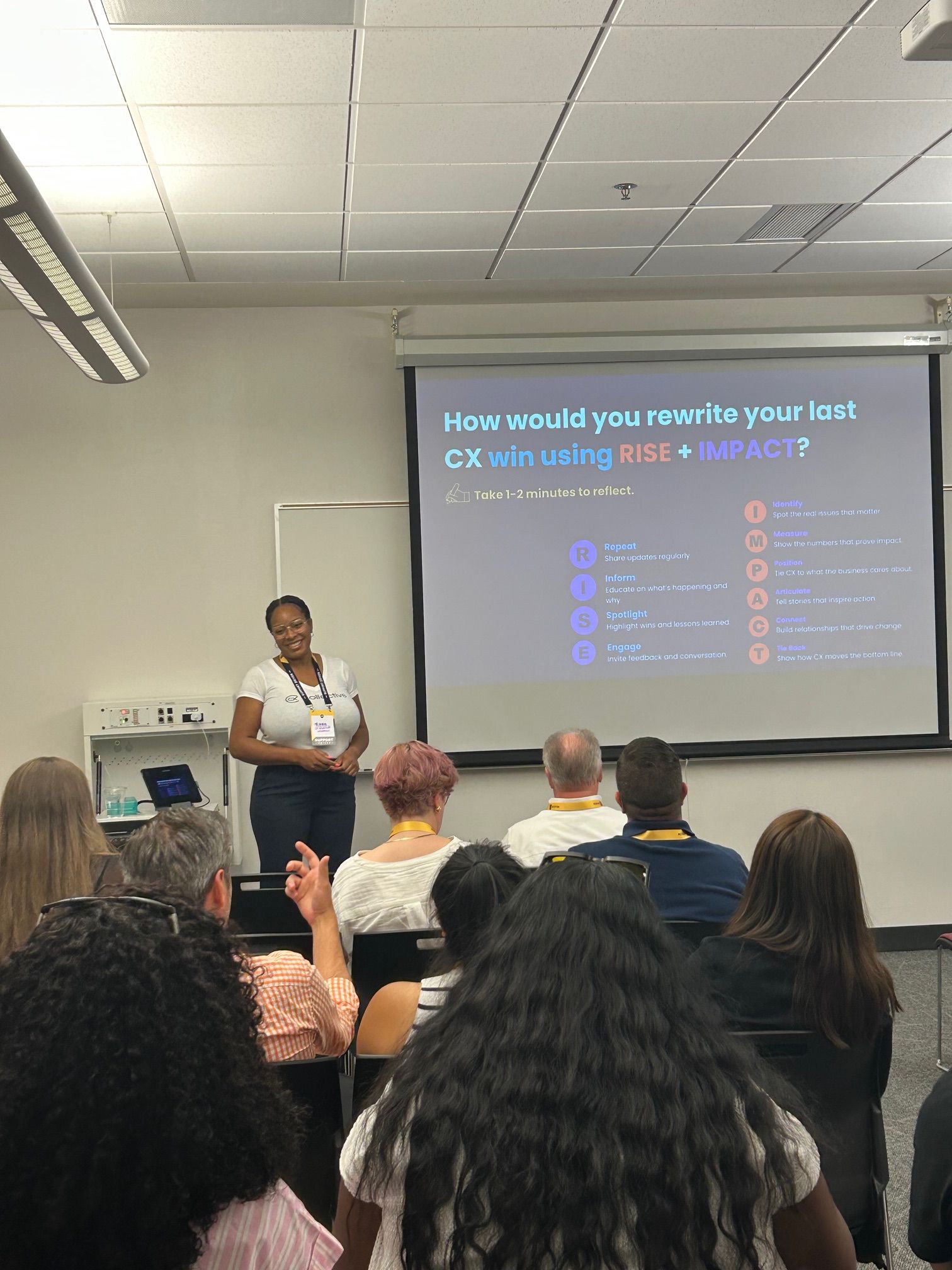
Ty, love having you share your insights with us. Before we ask you more questions, maybe you can take a moment to introduce yourself to our readers who might have missed our earlier conversations?
I’ve spent more than 25 years in customer support and operations, although I certainly didn’t set out thinking this would become my career.
I started working in a call center when I was 18 years old. What began as a job quickly became a passion. Within six months, I had moved into operations, and by the age of 24, I was leading my first department for a Fortune 500 company. By 29, I was managing global support operations.
Today, I am the Founder and CEO of CX Collective, a consultancy, education company, and software provider focused on helping growing businesses build customer support organizations that scale.
We primarily work with companies that have up to 20 support agents. These organizations are often at a critical stage of growth. They’ve moved beyond the startup phase but haven’t yet built the operational infrastructure, specialized roles, or systems that larger companies rely on.
Many of these support leaders are wearing multiple hats. They’re managing people, handling escalations, creating schedules, coaching agents, building reports, and trying to improve the customer experience, often all at the same time.
At CX Collective, we help these teams leverage the same operational strategies, technology, and best practices used by Fortune 500 companies, but in a way that is practical and achievable for smaller, growing teams.
One of the biggest challenges these leaders face is that most customer support software is built for much larger organizations. Smaller teams are often forced to adapt enterprise tools that weren’t designed for their realities. Recognizing this gap, we’ve begun building our own tools specifically for support teams with 5 to 20 agents.
What sets us apart is that we don’t simply provide recommendations. We become an extension of our clients’ teams. We help leaders move from reactive to proactive, replacing chaos with structure and giving them the tools, systems, and confidence they need to support growth.
If there’s one thing I want people to know, it’s that customer support is far more than answering questions. When done well, it becomes a powerful driver of customer loyalty, company growth, and business success.
We’d love to hear a story of resilience from your journey.
Over the last 10 years, I’ve had to pivot more times than I can count to keep up with the market and find the right fit for CX Collective.
When I launched my business in 2016, I quickly learned that understanding your own value and communicating it to others are two very different things.
For years, I struggled to explain what we did. I focused on the process because that’s how I think. I knew the what and the how. What I didn’t fully understand at the time was that buyers care most about the why. They want to know what problem you’re solving and why it matters for them.
There were many moments when I questioned whether I had chosen the right business. It’s hard to sell something that people don’t immediately understand they need.
Eventually, I realized that companies weren’t looking for processes or operational frameworks. They were looking for solutions to visible business problems. Customers were waiting too long for support, teams were overwhelmed, and leaders were struggling to keep up with growth.
That insight changed the trajectory of the business.
Instead of leading with capabilities, we began leading with outcomes. We expanded our services to include help desk implementation and optimization, helping companies build the systems, processes, and customer experiences they needed to scale. Once we solved the visible problems, we could improve the operational challenges behind the scenes.
A few years later, it became clear that the name *The Workforce Pro* no longer reflected who we were becoming. We rebranded to *CX Collective*. It was another leap of faith and another lesson in entrepreneurship. Even today, I’ve learned that if you operate in a niche industry, not everyone will understand what you do. That’s okay. The people who need your help usually do.
Most recently, the rise of Artificial Intelligence has forced another evolution. Nearly every company is trying to figure out AI, whether they’re ready or not. At the same time, many leaders are being overwhelmed with conflicting advice and inaccurate information.
Rather than resist the change, we’ve chosen to embrace it. Today, we’re combining AI with decades of operational expertise to build practical tools specifically for support teams with 5 to 20 agents. Our goal is to give leaders the confidence to adopt new technology without sacrificing accuracy or the human experience.
If entrepreneurship has taught me anything, it’s that resilience isn’t about avoiding change. It’s about being willing to evolve, even when you don’t have all the answers.
And if the last decade has taught me anything about customer experience, it’s that while technology will continue to transform how companies serve customers, I believe human connection will once again become the ultimate differentiator in the future.
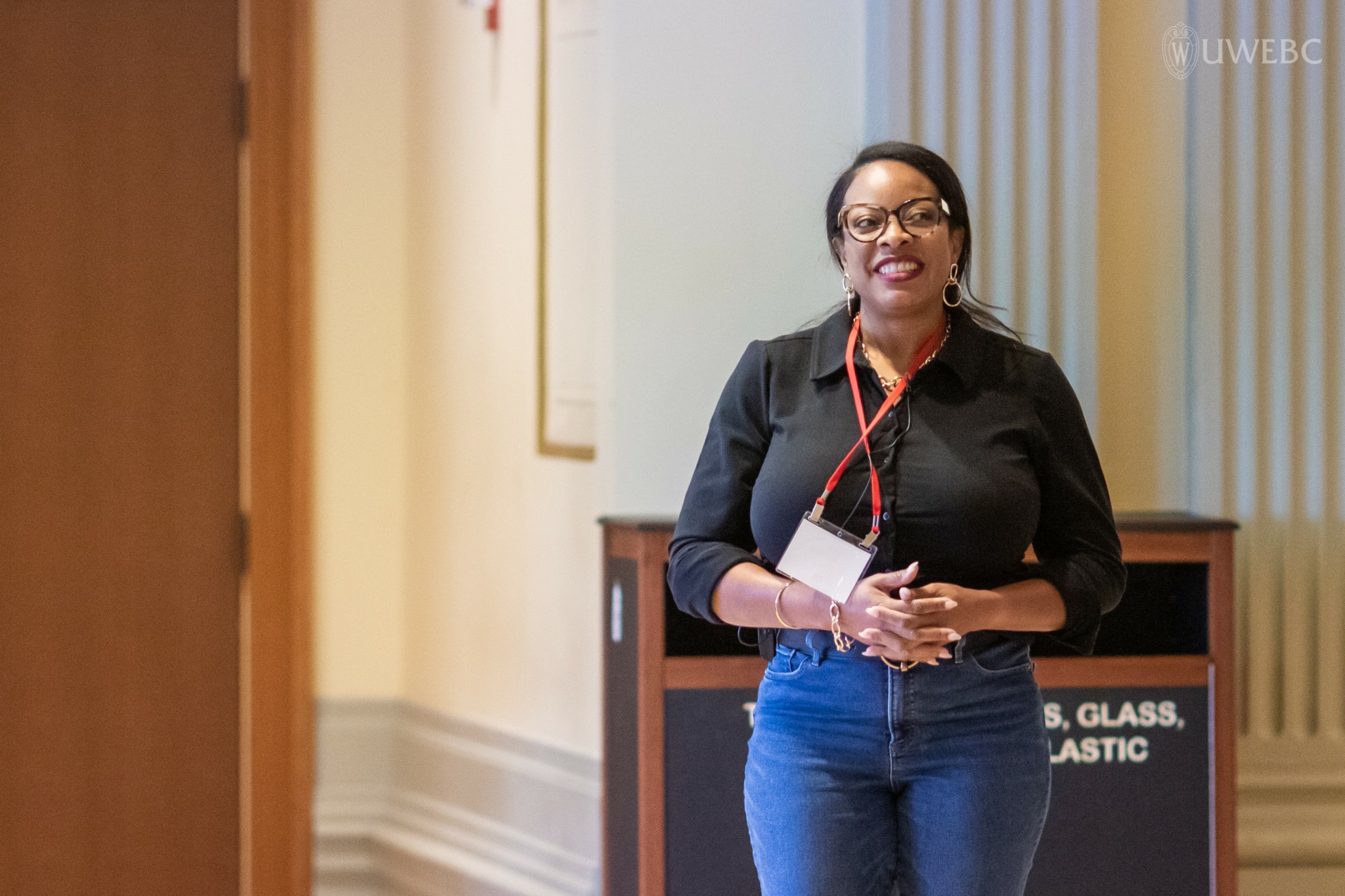
How about pivoting – can you share the story of a time you’ve had to pivot?
One of the hardest lessons I’ve learned as an entrepreneur is that expertise alone does not build a business.
When I started my company, I assumed that if I delivered exceptional work, clients would naturally find me. I quickly learned that wasn’t true.
For years, I struggled to communicate the value of what we did. I would leave networking events frustrated because I knew I could solve significant problems for businesses, yet I couldn’t explain those solutions in a way that resonated with potential clients.
There were many moments when I questioned myself. Was I solving the wrong problems? Was the market too small? Was I simply not cut out for entrepreneurship?
What kept me going was the impact we were having on the clients we did serve. Every time we helped a company improve the customer experience, create structure for their teams, or make life easier for their employees, it reinforced that the work mattered.
Over time, I realized that resilience isn’t about never doubting yourself. It’s about continuing to move forward despite those doubts.
Nearly ten years later, I’m still learning, still adapting, and still evolving. Entrepreneurship has taught me that resilience isn’t a single moment. It’s the willingness to keep going, keep listening, and keep improving, especially when things don’t go according to plan.
Contact Info:
- Website: www,cxcollective.com
- Instagram: @cx.collective
- Facebook: https://www.facebook.com/ty.givens.twp
- Linkedin: https://www.linkedin.com/in/tybryantgivens/
- Youtube: https://www.youtube.com/@cxcollective
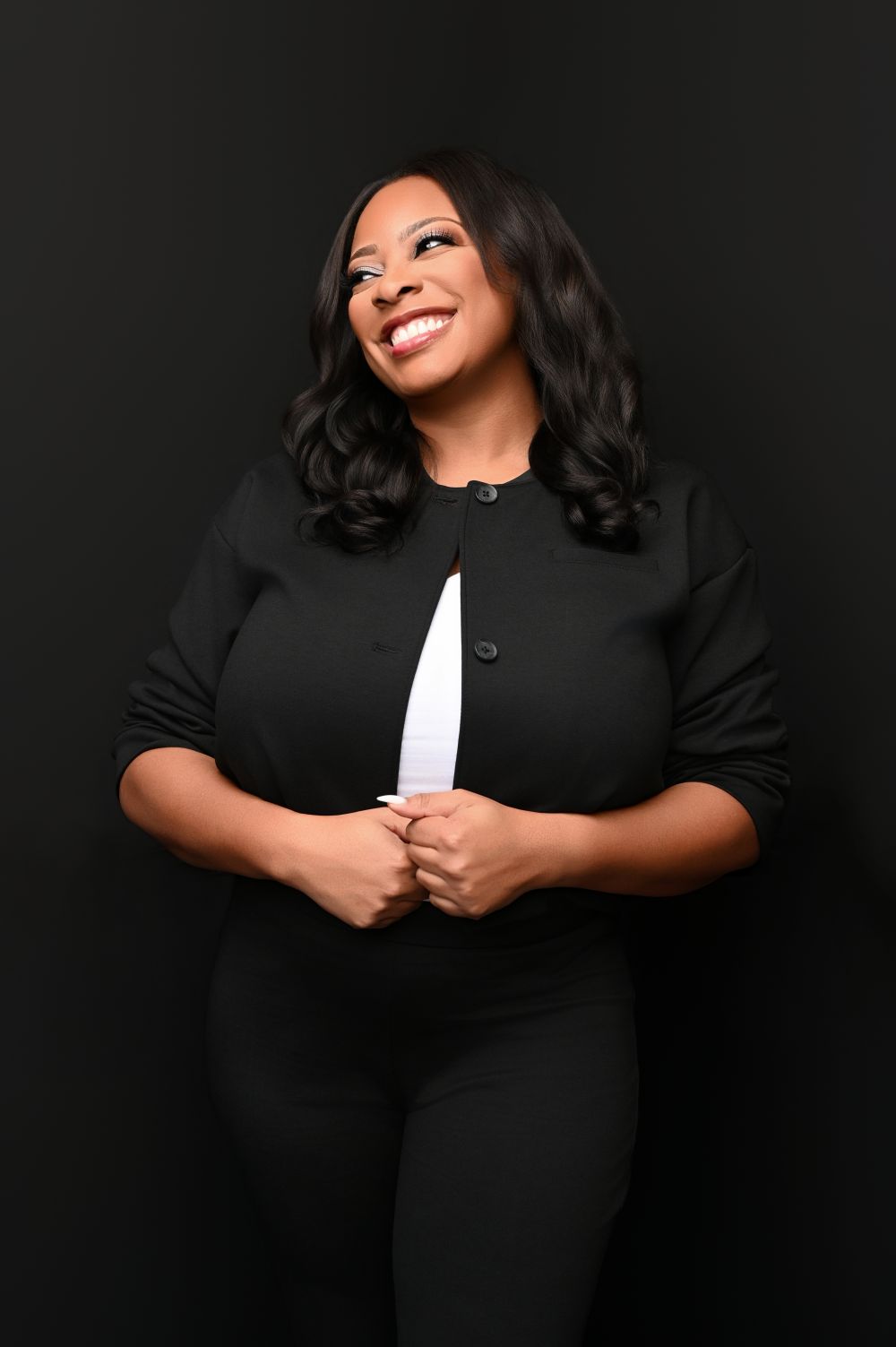
Image Credits
Rayne Duronslet Photography
Scott Tran, Support Driven