


Alright – so today we’ve got the honor of introducing you to Matthew Bird. We think you’ll enjoy our conversation, we’ve shared it below.
Matthew, thanks for taking the time to share your stories with us today Can you talk to us about a project that’s meant a lot to you?
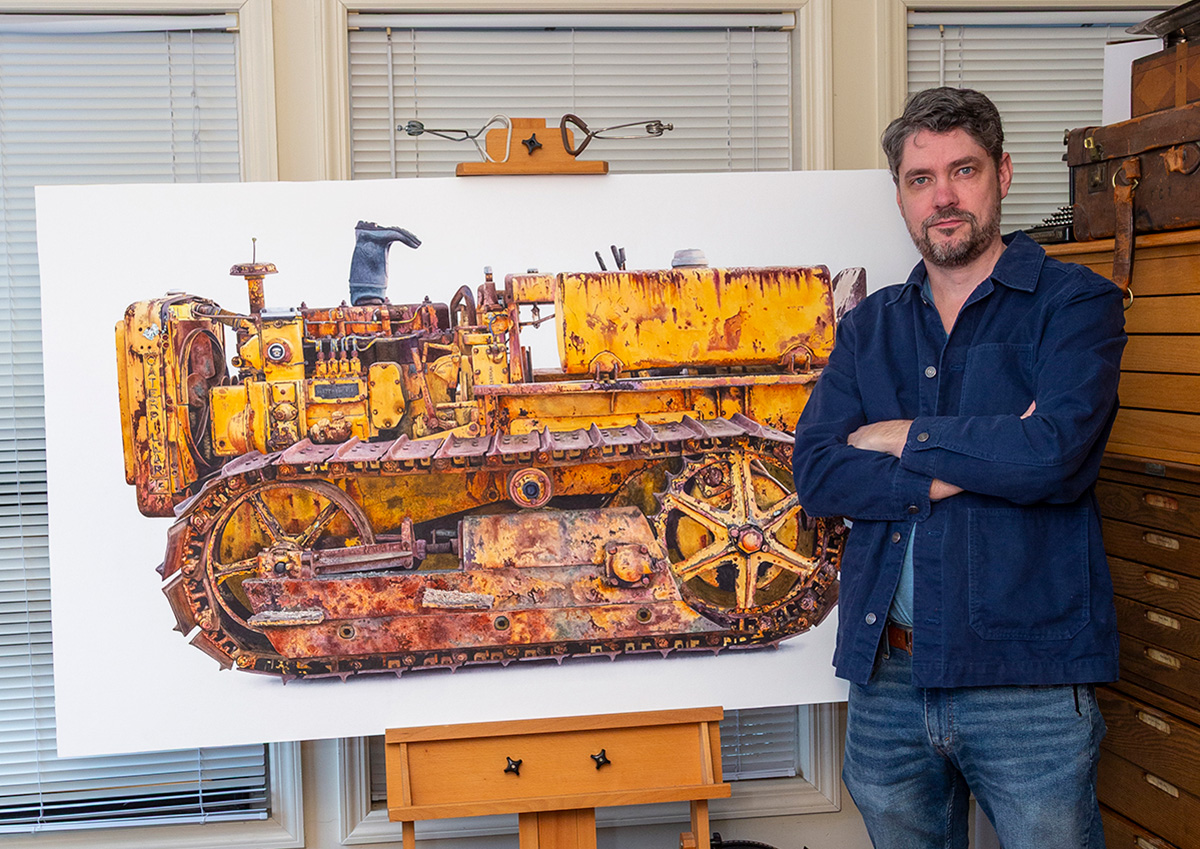
Maybe not the most meaningful, but the start of this year brought in a new commission that turned out to be special. I was contacted by a prior collector, so they were familiar with my work, but they asked for something completely different: an old, rusted-out, Caterpillar tractor. As a fairly traditional still life painter, this was a bit of a 180 from my normal subjects, but I was intrigued.
The other wrinkle that made this unique was the scale; he had a specific place in his home in mind and wanted the size to be 5’ x 3’. As a watercolor painter, this is a bit different from the norm, but I was fairly confident I could pull it off.
It was a fun challenge, and I enjoyed working outside my comfort zone. If you had asked me a year ago if I would be painting bull dozers I would have laughed. But I took great interest in the project and finding the beauty in an old worn out machine. It also unlocked some new creative ideas for me. Since then I’ve been exploring themes of aged mechanical items at a larger than life scale. Sometimes you just need a nudge to try something new and lots of creative possibilities can follow.

As always, we appreciate you sharing your insights and we’ve got a few more questions for you, but before we get to all of that can you take a minute to introduce yourself and give our readers some of your background and context?
I am a fine artist specializing in figurative and still life painting. My studio is located outside Baltimore, Maryland, although I work across the U.S. and internationally.
I graduated from Pratt Institute, but for as long as I can remember I have been painting and drawing—it’s what God made me to do. Few things bring as much joy as when I have a brush in my hand!
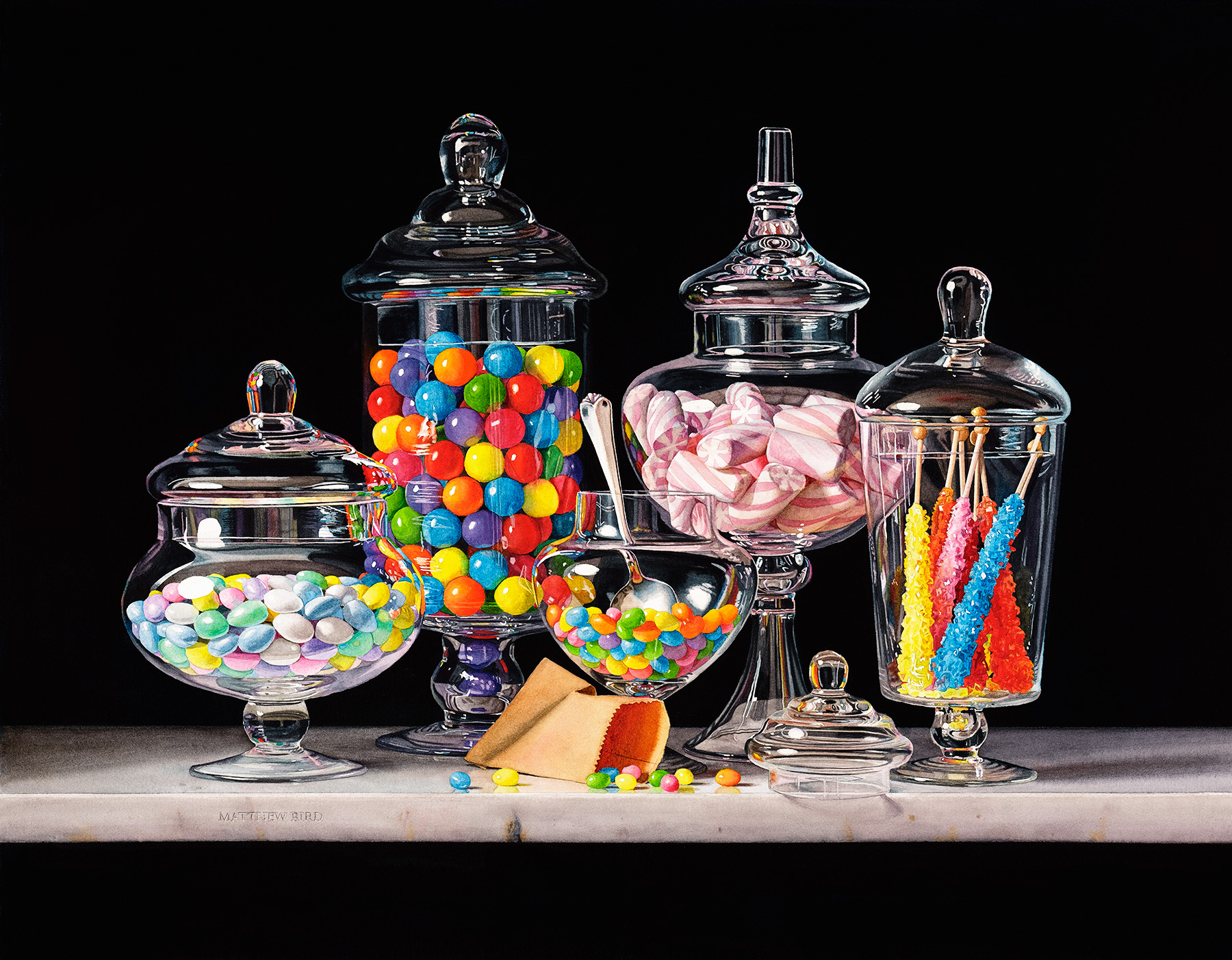
My subjects communicate my deep love and respect for nature and life, and I hold the view that beauty can be found all around us, especially in things often overlooked. I love working with clients to bring their passions to life through their affinities and interests.
Can you tell us about a time you’ve had to pivot?
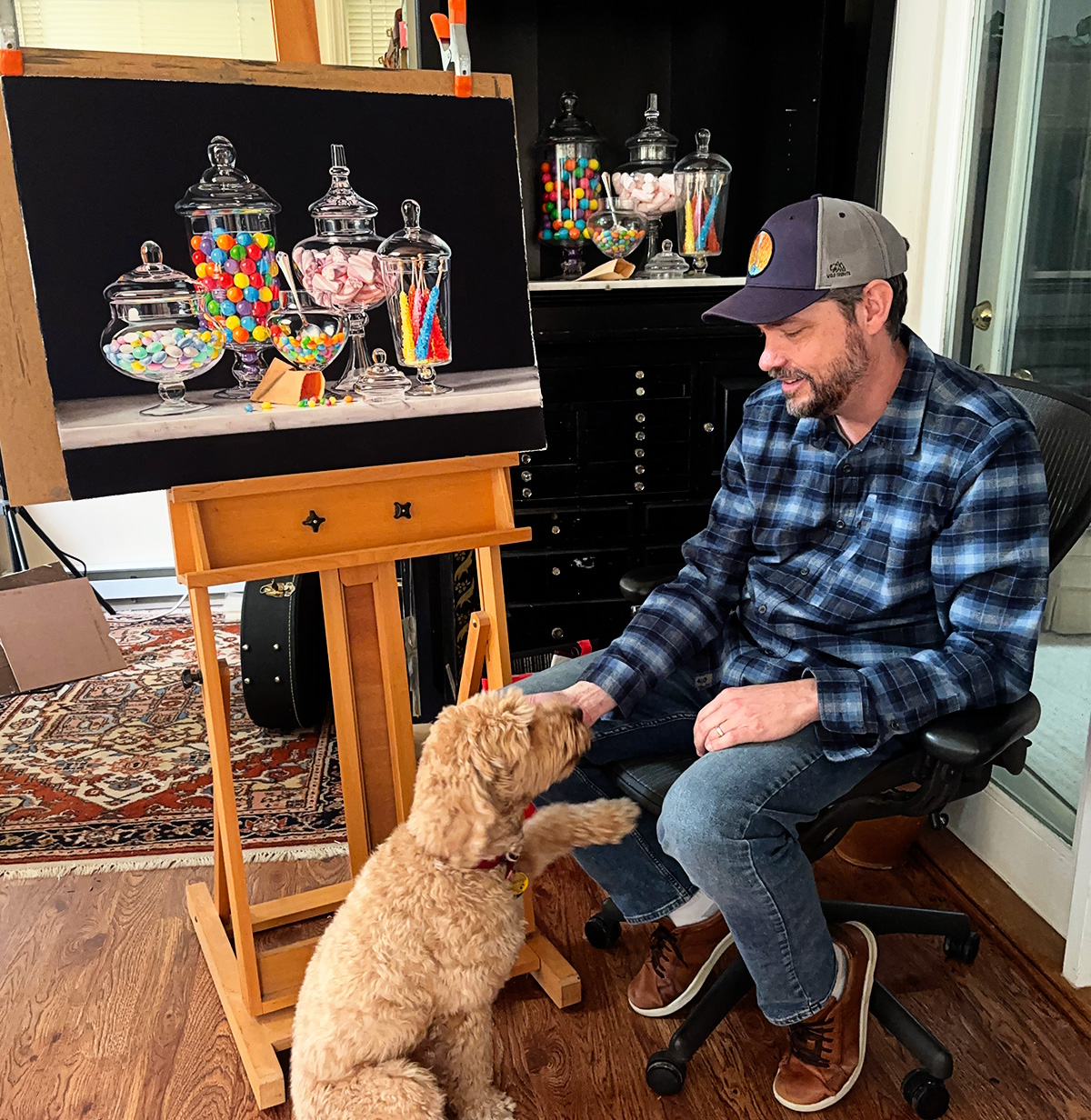
One of the biggest pivots for me was leaving a full-time job to focus more on painting. Like many creatives who graduate from art school, I began working part time as a graphic designer to bring in extra money until my painting career took off.
This temporary arrangement turned into a full-on career path, and a decade later I was an Associate Creative Director in a large agency. I was burnt out, unhappy, and barely painting at all. This was around the time that my wife and I were expecting our first child, so some major changes were coming. I left my full-time position so I could be home more and figure out how to make it as a professional artist.
Focusing more on my family also meant they were the subjects of a lot of my paintings, and my art stepped up to a new level. A pivot point in my career came when I painted a portrait of my daughter titled “Lost In Thought.”
I entered the piece in the National Watercolor Society’s International Exhibition, and received one of the top awards. It was just the nudge I needed to redouble my efforts and keep going. I knew I could make it as a painter.
How can we best help foster a strong, supportive environment for artists and creatives?
Besides just supporting the arts, I think society in general needs to foster connoisseurship and taste. As AI churns out more and more “content” it will be increasingly important for us to be able to discern what is good, true, and beautiful. This is not to say that AI doesn’t have its uses, but behind every computer-generated work of art, there are real creatives still making the things that are feeding the models.
Instead of mindlessly scrolling, I want to sharpen my critical skills to be able to look at, think about, and evaluate the art forms that appeal to me. Hopefully the use of AI, both good and bad, will bring a greater love and appreciation for real creativity and handcrafted works of art.
Contact Info:
- Website: https://matthewbird.com
- Instagram: https://www.instagram.com/_matthewbird_/
- Facebook: https://www.facebook.com/MatthewBirdStudio
- Youtube: https://www.youtube.com/@matthew-bird
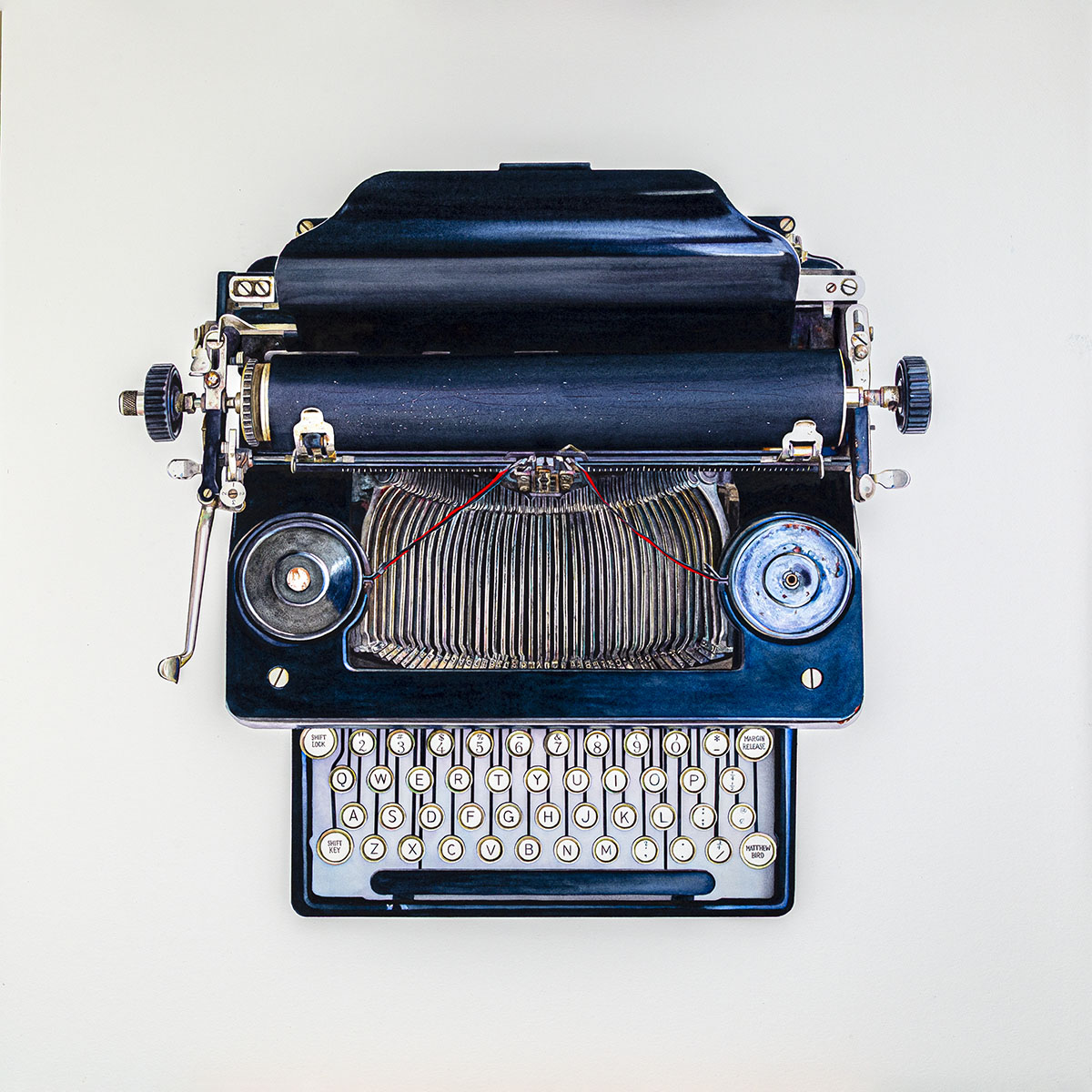
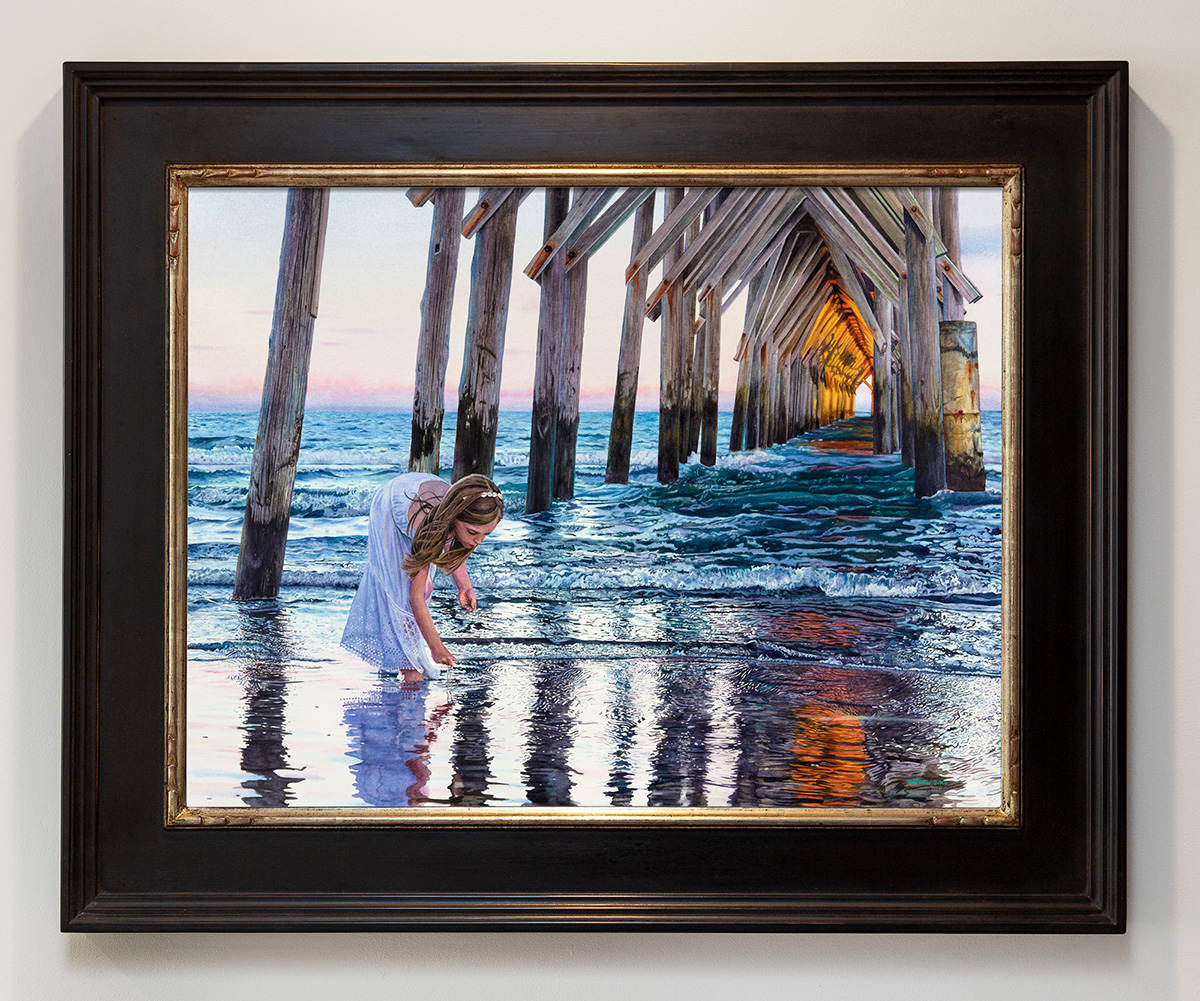

Image Credits
All images © Matthew Bird