

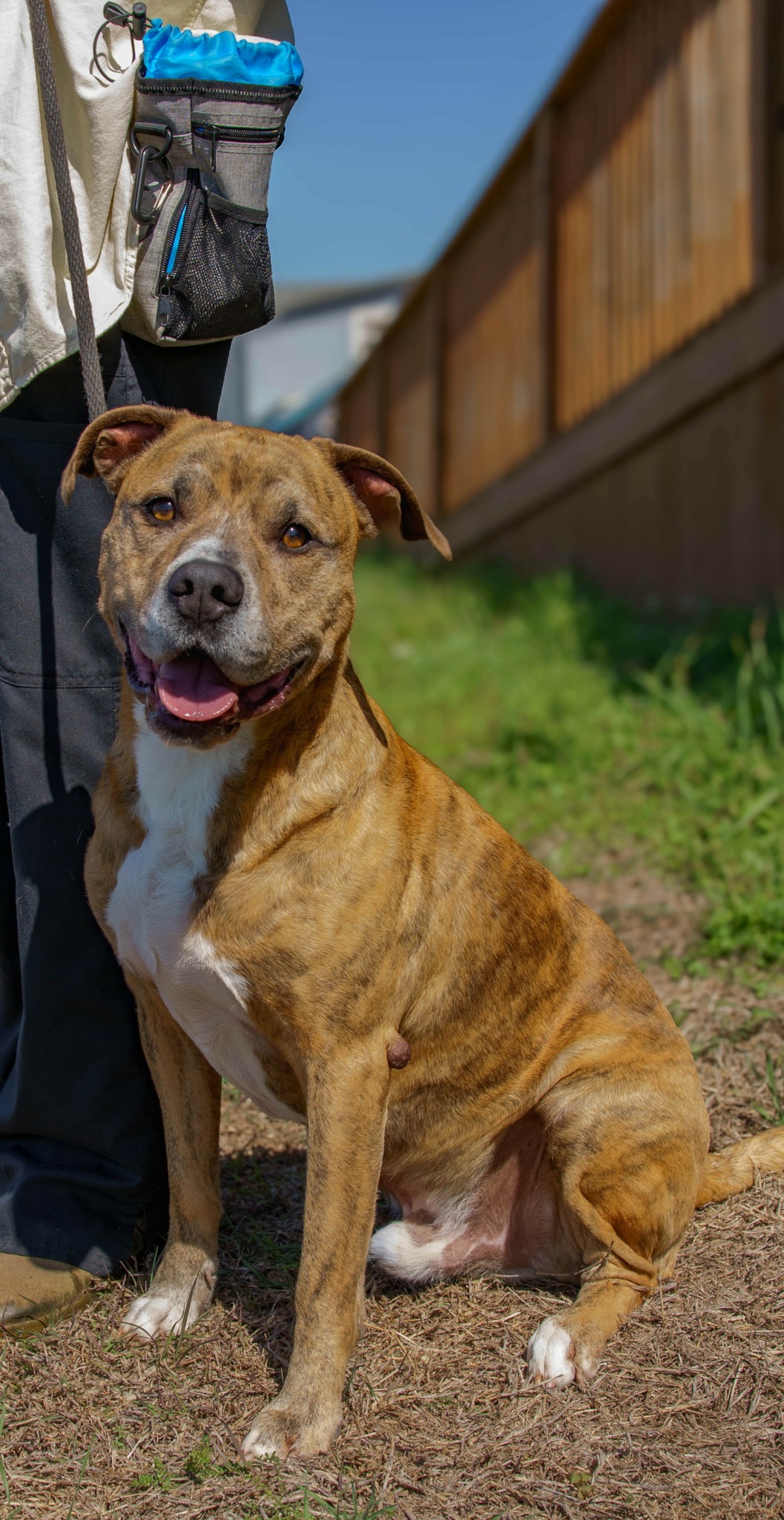

We’re excited to introduce you to the always interesting and insightful Rene Smith. We hope you’ll enjoy our conversation with Rene below.
Alright, Rene thanks for taking the time to share your stories and insights with us today. How did you come up with the idea for your business?
The idea for my business came from a very real situation that forced me to see a gap I couldn’t ignore. In 2017, I was medically retired from the Army, early in sobriety, fostering dogs, and trying to rebuild a sense of direction. I originally wanted to become a service‑dog trainer because I loved the work and had started training my own PTSD dog from the shelter. “Street Dog Rehab” was a bit of a play on words at the time.
Then a large pack fight happened in my home. Overnight, I had a house full of dogs with behavior baggage and a human baby on the way. I learned quickly how little support existed for people dealing with serious behavior issues. Most of the time, the humans were like me: trying to do the right thing, in way over their heads, and with no easy way out. Many didn’t have the language to describe what was happening, and others were too afraid of being judged to even ask questions.
The idea for the business came directly from that gap. I realized that if I could understand the behavior from the technical side and also translate it clearly to the outside, I could help people who were stuck in the same place I had been. The logic was straightforward: the need was obvious, the stakes were high, and no one else was addressing the problem in a way that felt accessible or sustainable.
What made it feel worthwhile was the mix of urgency and clarity. I knew the work mattered because I had lived the consequences of not having support. And what motivated me was the possibility of creating something that didn’t just address the behavior itself, but also the structures that make behavior work usable for real people.
That’s how the idea formed for my work. It was out of necessity, lived experience, and the sense that if I didn’t build this, the people who needed it most would continue to fall through the cracks.
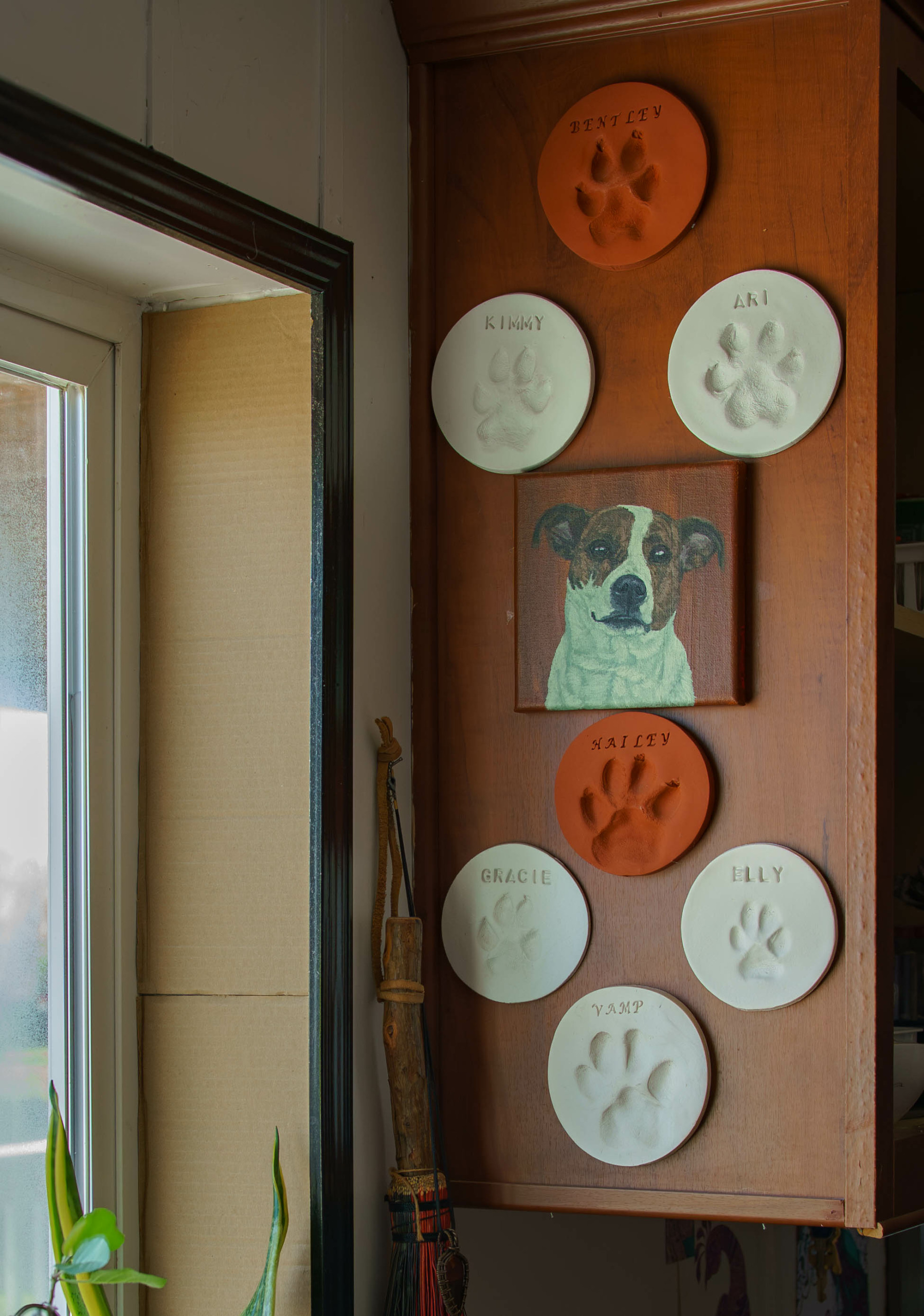
Awesome – so before we get into the rest of our questions, can you briefly introduce yourself to our readers.
These days, my work focuses on helping people understand behavior in a way that feels clear and doable. My tagline is “behavior is complex, your next step doesn’t have to be,” and that’s really the backbone of how I support clients. I’m always looking for the next workable move, not the only perfect one.
I still work directly with families who need behavior support, and that remains a core part of my business. Over the last few years, though, I’ve had 2 surgeries and a seizure which has led me to adjust how I work. Those experiences forced me to slow down and rethink what supporting clients with behaviorally challenging dogs could look like. Instead of stepping away, I shifted my focus from aggression as a specialty to the actual process of using a digital medium to track complex situations. I started paying closer attention to the mechanics of behavior momentum: how small changes stack, how patterns build, and how humans can track those shifts without getting overwhelmed.
That shift opened the door to something new. I’ve been experimenting with ways to support other professionals by helping them organize the information inside their cases. I’m not offering full backend services yet, but I’m testing tools, workflows, and tracking systems that make it easier to see momentum over time. It’s a natural extension of the work I already do with clients: noticing the micro‑changes, documenting them in a way that makes sense, and helping people stay oriented even when the behavior feels chaotic.
What sets my work apart is that I’m always looking at the through‑line. Not just the behavior in front of us, but the pattern underneath it. I help people understand where momentum is building, where it’s slipping, and where a small adjustment can make the whole picture easier. Most clients don’t know how to describe what they’re seeing. Most professionals don’t have a clean way to track a case from start to finish. I bridge that gap by creating structure around the messy parts like timelines, observations, intensity shifts, and the subtle changes that matter more than people realize.
What I’m most proud of is that the work has stayed human. I want people to feel supported, not judged. I want them to understand what’s happening, not just follow instructions. And I want them to feel like they have a partner who can help them see the bigger pattern when they’re too close to the moment. Street Dog Rehab today is a place where people can find language and structure for the things they’re experiencing.
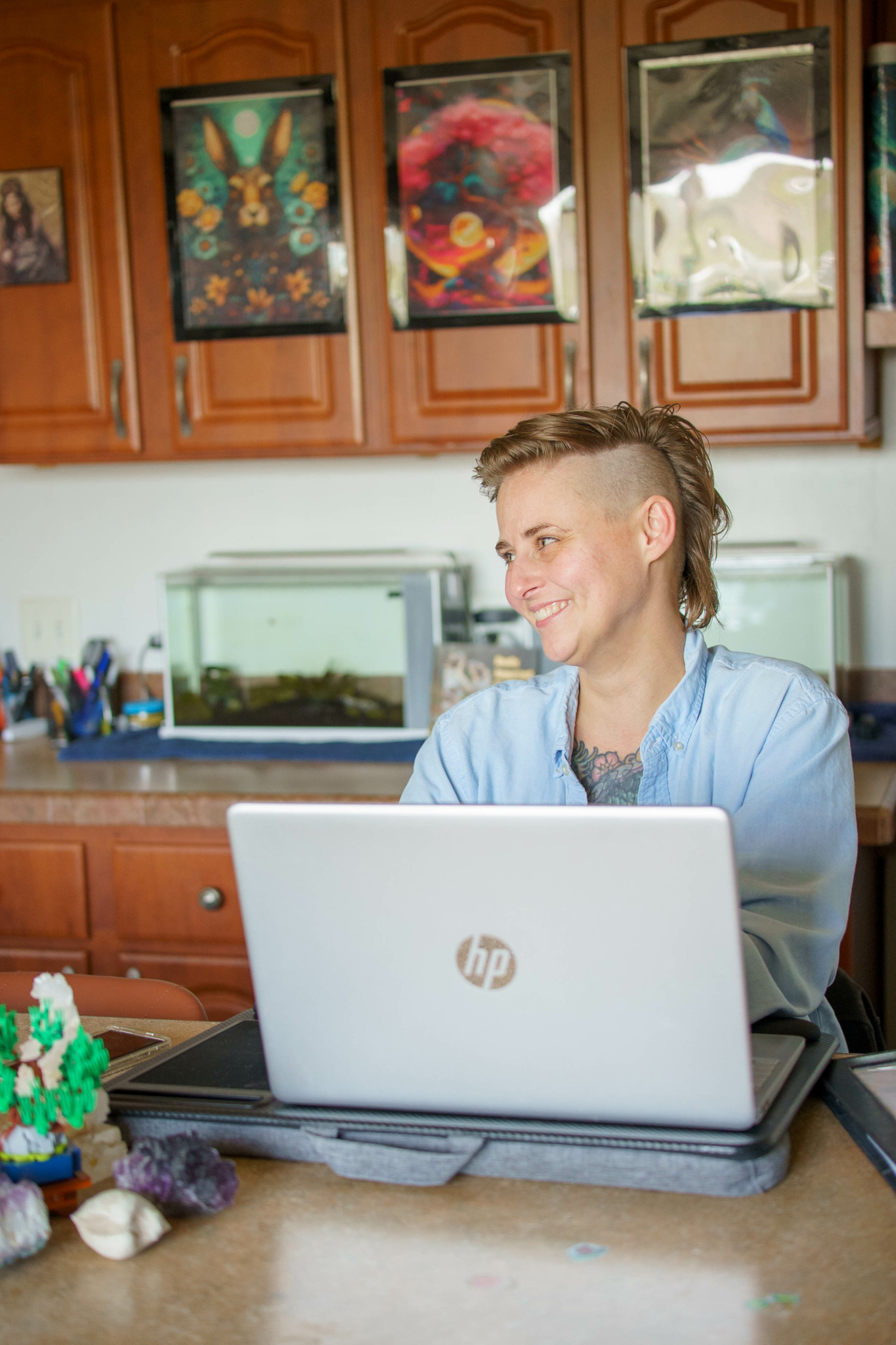
Any thoughts, advice, or strategies you can share for fostering brand loyalty?
Every week on Tuesdays I make my rounds. I check in with all active clients to see how things are going, what changed, and what needs adjusting. It’s simple and it keeps people from feeling like they’re not doing this alone. Most clients tell me the consistency of those rounds is what makes them feel supported and helps them see time passing more clearly. We work in cycles of 4-6 weeks where we reassess out goals and recommit to new ones before doing another round. People are more confident coming on and off training when there’s a low‑friction entry and exit plan. They don’t feel trapped in a long commitment, and they don’t feel like they “failed” if they need to pause and come back. That flexibility has actually led to better results and longer‑term relationships.
I also use a Zoom Doc table for each client so they can access all their notes, videos, and session summaries directly from their phone without needing to log in or jump through hoops. Having everything in one place makes the work easier to follow, and it reduces the overwhelm that usually comes with behavior cases. It’s efficient, and clients appreciate being able to reference their plan anytime without digging through emails.
A big part of fostering loyalty has been clarifying not only when clients will hear from me, but also when they won’t. Mondays are my one day a week where I “don’t exist” and being upfront about that boundary has actually strengthened trust. Clients know exactly when to expect communication, and they also know I’m not silently ignoring them. That makes the relationship feel more reliable on both sides.
For me, loyalty comes from clients knowing there’s real value in reaching out. They know that when they contact me, they’re going to get direction, or a specific next step that actually helps. I’m always working on improving the resources people can access between sessions so they feel supported, not dependent. My goal is to make the work feel doable, not daunting.
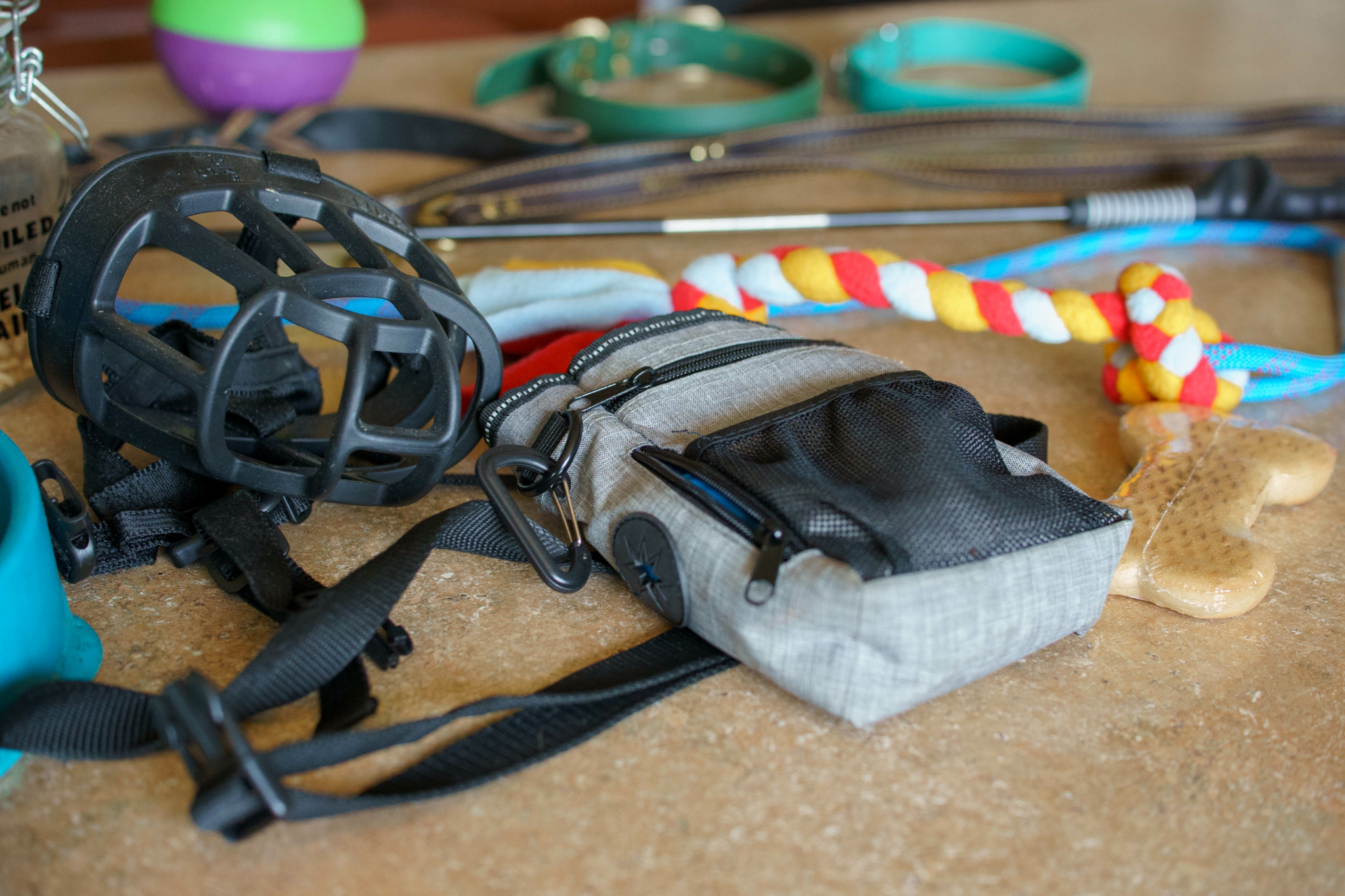
How about pivoting – can you share the story of a time you’ve had to pivot?
The biggest pivot I’ve made in my business was shifting from in‑person work to fully virtual. At the time, I worried going virtual would limit what I could do, but it ended up sharpening my work. I had to get clearer, more intentional, and more structured in how I communicated. I couldn’t rely on being physically present to experiment with how the dog is responding to training, so I had to build systems that helped people understand what they were seeing and what to do next.
As I went deeper into the training profession and the online community, I noticed another problem: there was a lot of tension, and almost no clear way to track a case over time so everyone involved could stay on the same page. Conversations asking for help were often derailed into moral debates instead of focusing on the actual behavior. People weren’t speaking the same language, and without a shared timeline or structure, it was easy for things to get lost or misunderstood.
Now I’m in the middle of a second pivot working to address that problem directly. I still work with clients and their dogs, but I’ve started shifting some of my focus toward supporting the other humans behind the screen — the trainers, consultants, and business owners who are doing the boots‑on‑the‑groundwork I can’t always do anymore. Instead of stepping back I’m finding ways to continue forward even if it looks different than what I originally dreamed it would be.
This new direction is still developing. I’m experimenting, testing tools, and figuring out what’s actually useful without overpromising anything or compromising my work quality. When circumstances change, I adapt the version of the work that still lets me show up fully. Each shift has made the business stronger, more sustainable, and more aligned with what people actually need I’m confident in this new direction.
Contact Info:
- Website: https://www.streetdogrehab.com
- Instagram: https://www.instagram.com/streetdogrehab/
- Facebook: https://www.facebook.com/rene.smith.925088
- Youtube: https://www.youtube.com/@thatdogtrainer
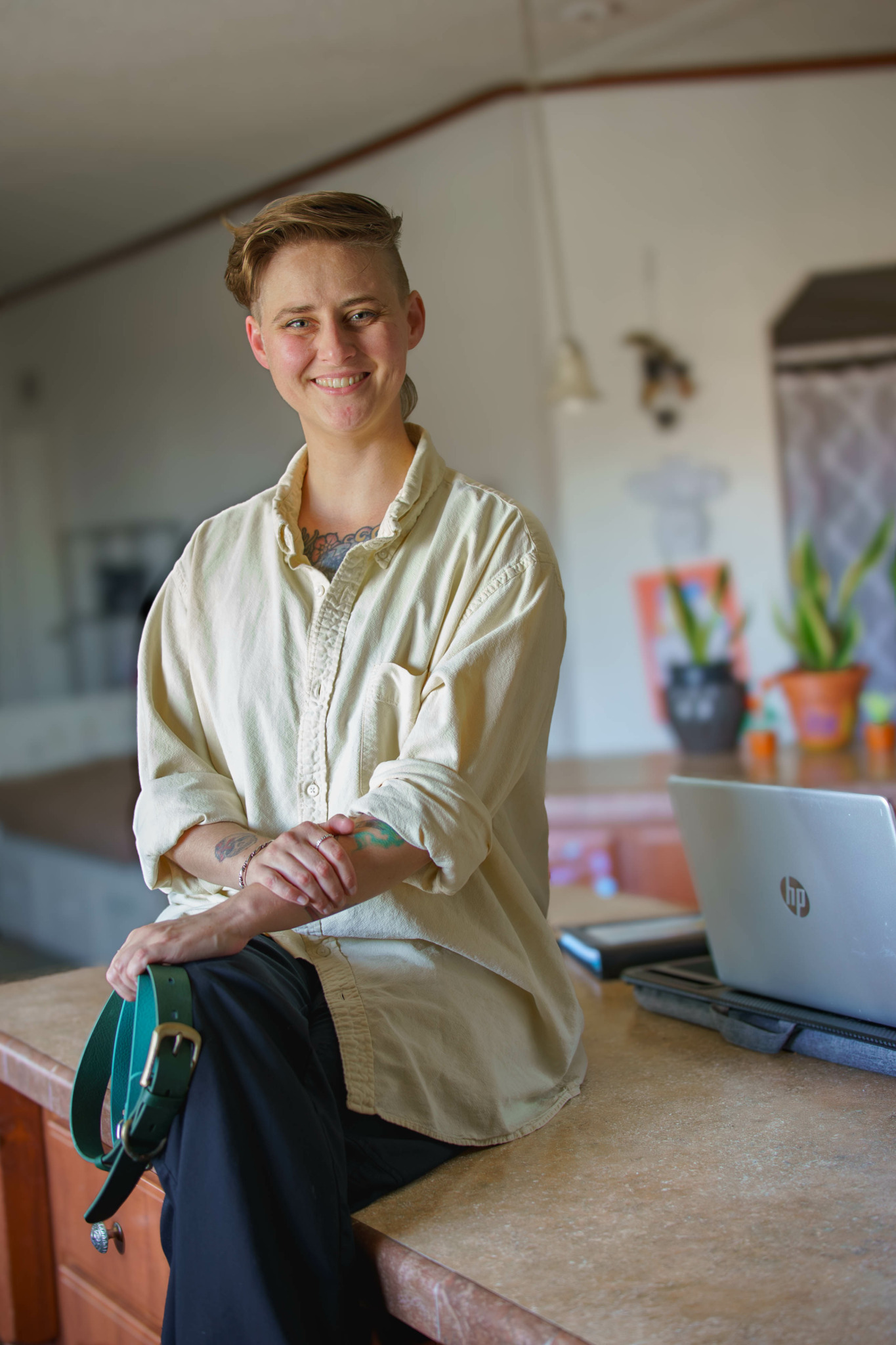
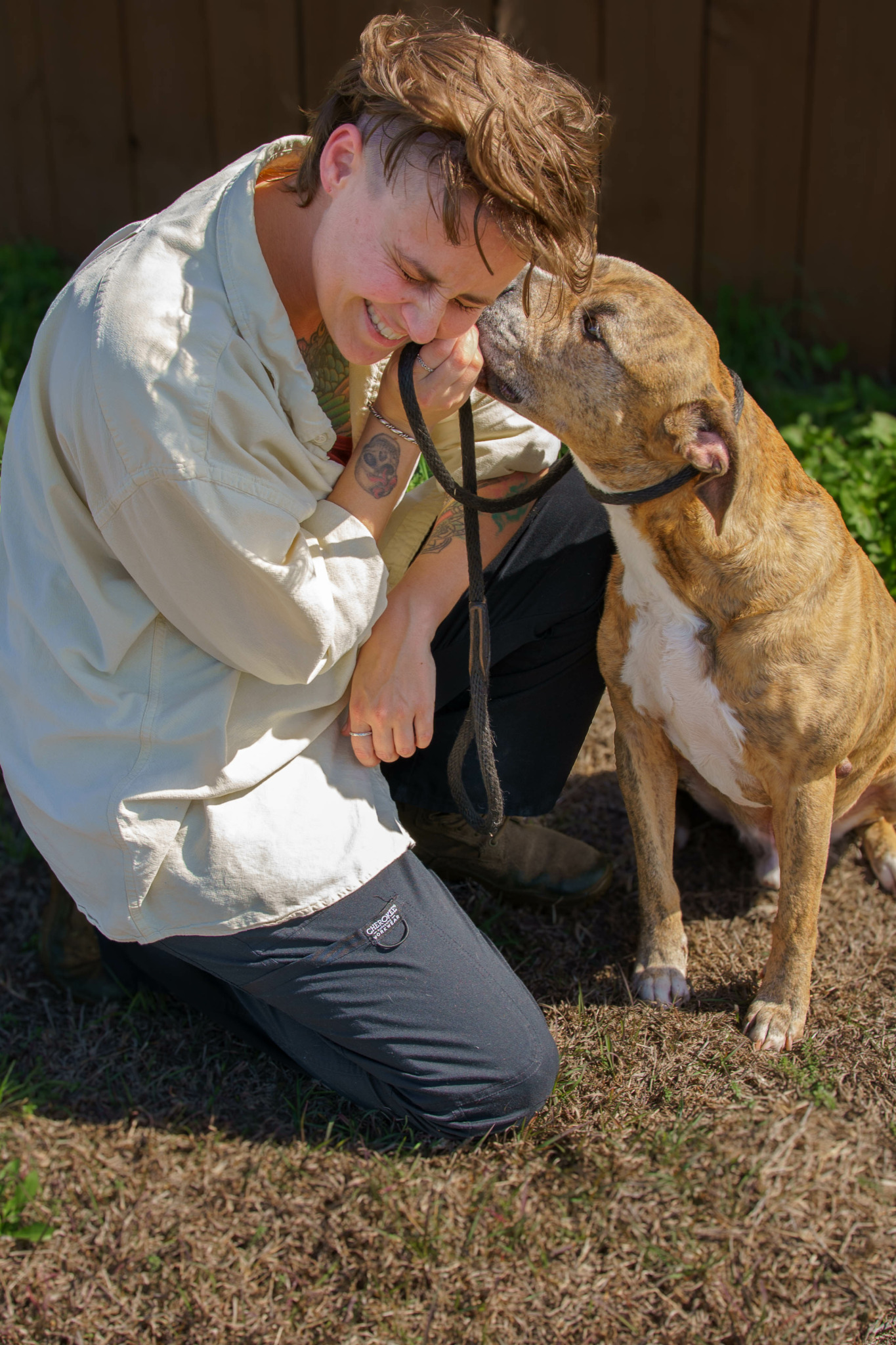
Image Credits
https://www.facebook.com/profile.php?id=61576307287642