

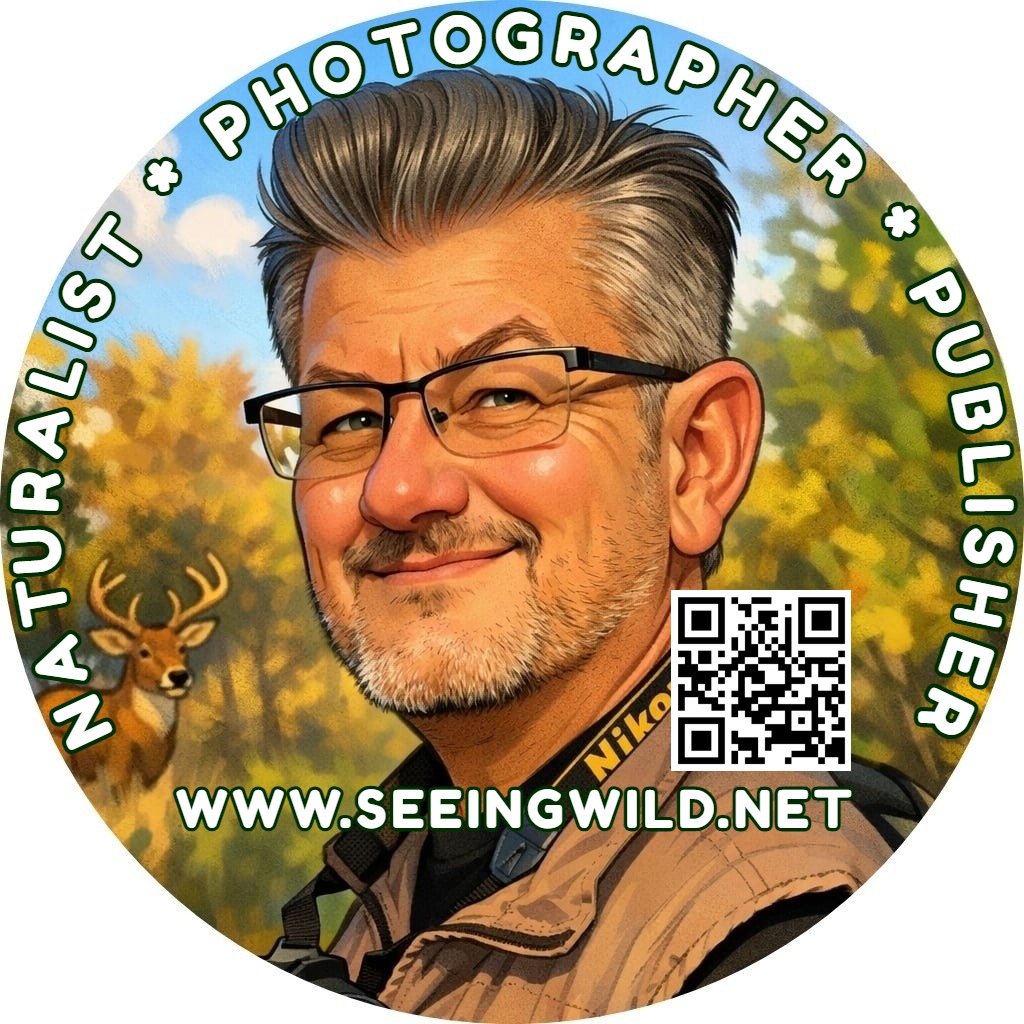

Alright – so today we’ve got the honor of introducing you to Dennis Stewart. We think you’ll enjoy our conversation, we’ve shared it below.
Dennis, thanks for joining us, excited to have you contributing your stories and insights. How did you learn to do what you do? Knowing what you know now, what could you have done to speed up your learning process? What skills do you think were most essential? What obstacles stood in the way of learning more?
To be perfectly honest, I never knew I had a passion for wildlife photography until I was well into my thirties. I had always loved the outdoors. Hiking, fishing, and spending time in nature were simply part of who I was, but photography was never something I seriously considered.
That changed when I picked up a small 35mm film camera to take with me on a trip to the zoo with my young daughters. I just wanted to capture some memories, but something clicked. Looking through that viewfinder gave me a completely different way of seeing the world, and before long I found myself wanting to learn more and spend more time behind the camera.
I had no formal photography training and never attended photography school. What I did have was a passion for nature, a willingness to learn, and a natural eye for composition. From there, I improved one photograph at a time. Every outing became a learning experience. Every mistake taught me something new. I switched to digital photography early on and never looked back because it allowed me to learn faster and experiment more freely.
Looking back, I probably could have accelerated the process by finding mentors, joining photography clubs, and seeking out more structured instruction. Instead, I learned mostly through experience, trial and error, and countless hours in the field. While that may not have been the fastest route, it was certainly the most rewarding.
The skills that proved most important were patience, persistence, and observation. Wildlife photography is about much more than understanding camera settings. You have to learn animal behavior, anticipate moments before they happen, and be willing to wait for the right opportunity. Some of my favorite images came after hours, or even days, of preparation and patience.
The biggest obstacle was simply time. Like most people, I was balancing family, work, and everyday responsibilities while trying to improve my craft. There were also far fewer learning resources available when I started than there are today. Even so, those challenges taught me an important lesson. Passion and perseverance will take you much farther than talent alone. If you’re willing to keep showing up, keep learning, and keep trying, improvement becomes inevitable.
As always, we appreciate you sharing your insights and we’ve got a few more questions for you, but before we get to all of that can you take a minute to introduce yourself and give our readers some of your background and context?
I am, by nature, a fairly quiet person—someone who simply cares deeply about the world around me. Wildlife photography was never part of some grand career plan. It began as a hobby, a way to connect with nature and capture moments that inspired me. In the beginning, I never imagined it would become anything more than that.
As I started sharing my wildlife images online, I received encouraging feedback from other photographers and nature enthusiasts. That support gave me the confidence to submit my work to magazines, photography competitions, and wildlife publications. Slowly but surely, opportunities began to appear.
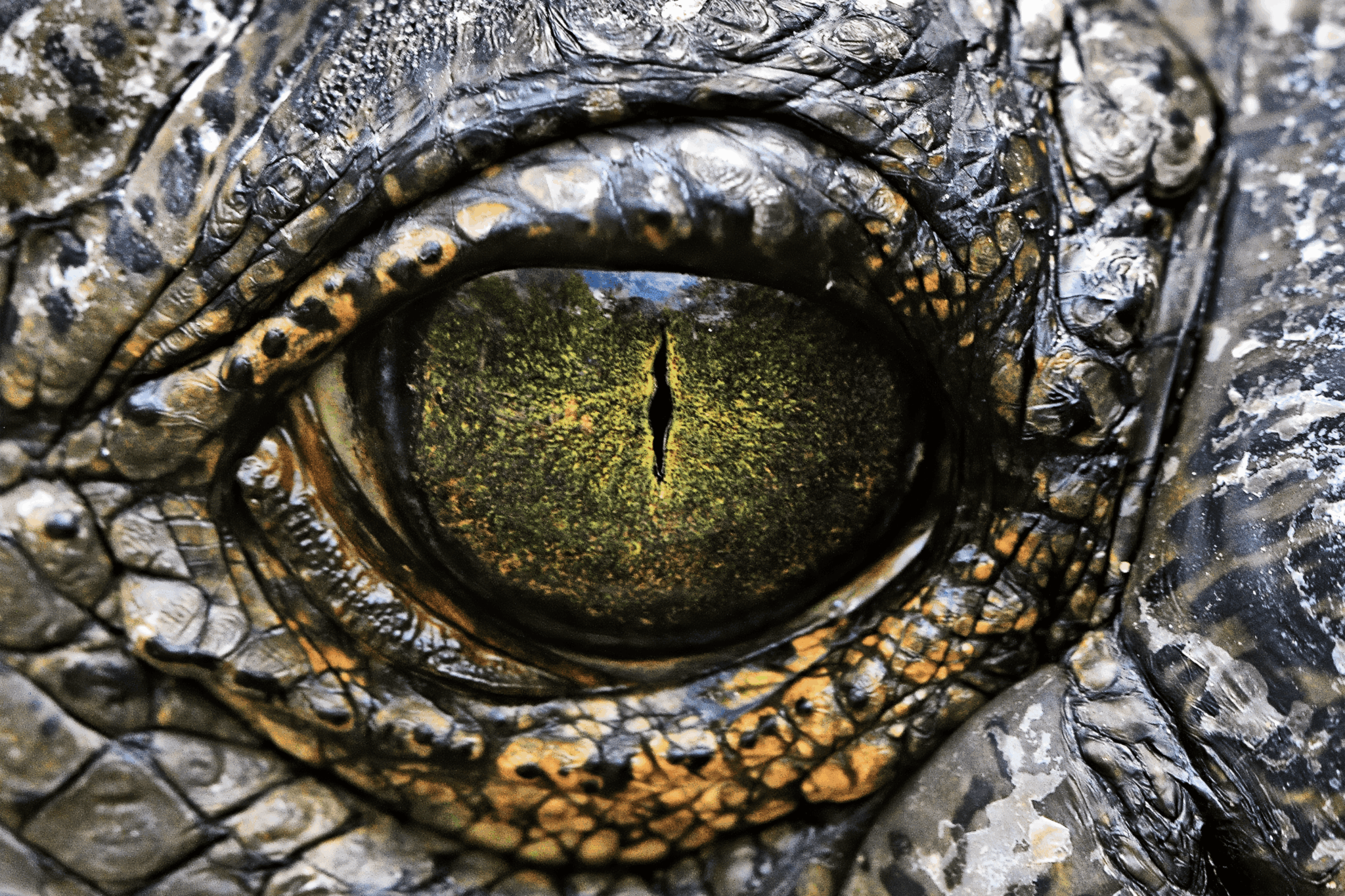
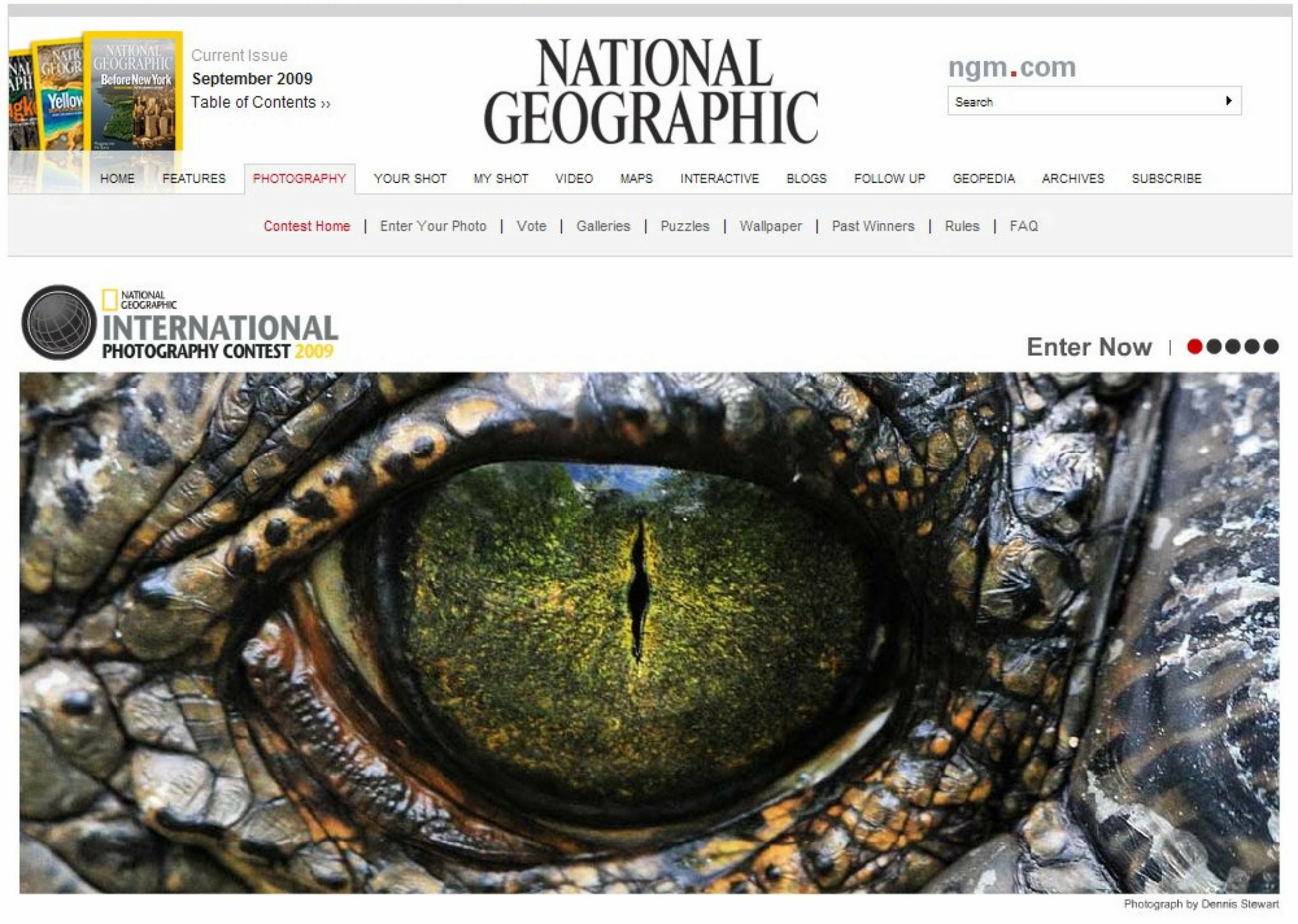
One of the most significant milestones in my journey came when several of my photographs were recognized by National Geographic through their online photography community, My Shot. I was honored to have multiple images selected as “Shot of the Day,” and one of my photographs was even featured on National Geographic’s online banner page.
That image, a close-up photograph of a gharial’s eye, remains my most recognizable work to date. Over the years, it has been viewed by millions of people around the world and has been featured in magazines, used as the cover image for a Scholastic publication, incorporated into product branding in the United Kingdom, and even appeared in promotional materials for a Hollywood feature film. I later chose that same image as the cover for my first wildlife photography book, SEEING WILD, which was released in 2025.
Along the way, I have been fortunate to see many of my photographs published in magazines and displayed in public exhibitions, including a public arts project in Fort Worth, Texas. While those accomplishments have been incredibly rewarding, what means the most to me is knowing that my work has helped people pause, look a little closer, and develop a deeper appreciation for the incredible wildlife that shares our planet.
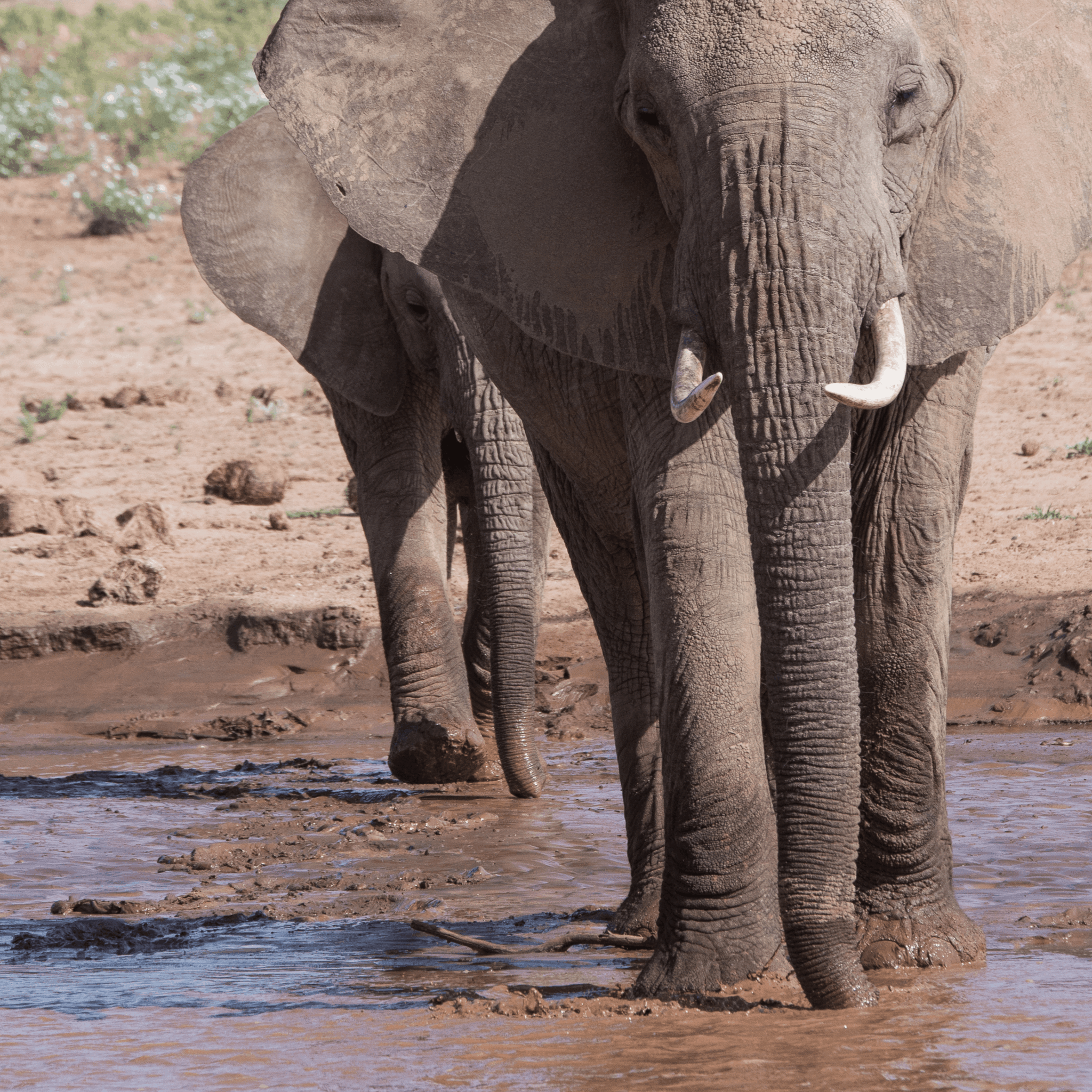
What sets my work apart is that I approach wildlife photography not simply as a photographer, but as someone who genuinely loves and respects the natural world. Every image represents patience, observation, and often countless hours spent waiting for a fleeting moment that may only last a second. My goal has never been just to create beautiful photographs. It has always been to tell stories, inspire curiosity, and encourage conservation through imagery.
Of all my accomplishments, I am most proud that a passion which began with a simple camera and a love of nature has allowed me to reach people around the world. If there is one thing I would like readers to know about me and my work, it is that every photograph is rooted in a genuine respect for wildlife and a desire to share the beauty, wonder, and importance of the natural world with others.
Is there mission driving your creative journey?
Without hesitation, my mission today is very simple: I want to inspire others. More than anything, I want to inspire my grandchildren as they grow up.
Through my wildlife photography, my stories of adventure, and my passion for the natural world, I hope to encourage people to slow down and truly notice the beauty that surrounds them every day. We live in an incredible world, yet so much of it often goes unseen as we rush through our daily lives.
I want future generations to understand that we share this planet with countless remarkable creatures, each playing a role in the larger story of life on Earth. If my photographs can spark a sense of wonder, curiosity, or appreciation for wildlife in even a small way, then I feel I have accomplished something meaningful.
While I am proud of the recognition my work has received over the years, the greatest reward is knowing that an image can inspire someone to look a little closer, care a little more, and develop a deeper connection with the natural world. If my grandchildren and others grow up with that sense of wonder and respect for nature, then I will consider my creative journey a success.
What’s a lesson you had to unlearn and what’s the backstory?
Growing up in the inner city of Cincinnati, Ohio, I spent much of my childhood creating adventures wherever I could find them. I remember making a homemade slingshot and practicing with it endlessly. I would set up cans, bottles, and other targets in the small backyard behind our home. In reality, it was little more than a brick-covered space tucked away in an alley, surrounded by concrete, row houses, asphalt, and the constant noise of city life.
Despite the urban surroundings, there was a patch of wildness there. Trees stretched overhead, and thick overgrowth provided shelter for countless birds, mostly sparrows. To me, it felt like a small sanctuary hidden in the middle of the city.
One day, I spotted a bird perched high in the tallest tree. It was singing loudly, and without really thinking, I raised my slingshot and aimed in its direction. I had no intention of hitting it. In fact, I assumed the pebble would fall far short and simply scare it away.
Instead, the stone found its mark.
I can still remember watching that bird fall from the tree. Moments earlier it had been alive, singing, and completely unaware of me. Then, in an instant, it was gone. My heart sank. I felt an overwhelming sense of regret and sadness that has never left me.
Looking back, that moment became one of the most important lessons of my life. It taught me that every living creature has value and that life itself is precious. It also taught me that our actions, even those we think are insignificant, can have lasting consequences.
I believe that experience helped shape the person I became. It instilled in me a deep respect for wildlife and a desire not only to observe nature, but to protect and appreciate it. In many ways, that lesson has stayed with me throughout my entire journey as a wildlife photographer. Rather than taking from nature, I have spent my life trying to celebrate it, share it, and inspire others to see its beauty.
Contact Info:
- Website: https://www.naturesrealm.net/
- Instagram: https://www.instagram.com/seeingwild/
- Facebook: https://www.facebook.com/MyNaturesrealm
- Linkedin: https://www.linkedin.com/in/naturesrealm/
- Twitter: https://x.com/seeingwild
- Other: AMAZON – https://www.amazon.com/Seeing-Wild-Dennis-John-Stewart/dp/087565908X
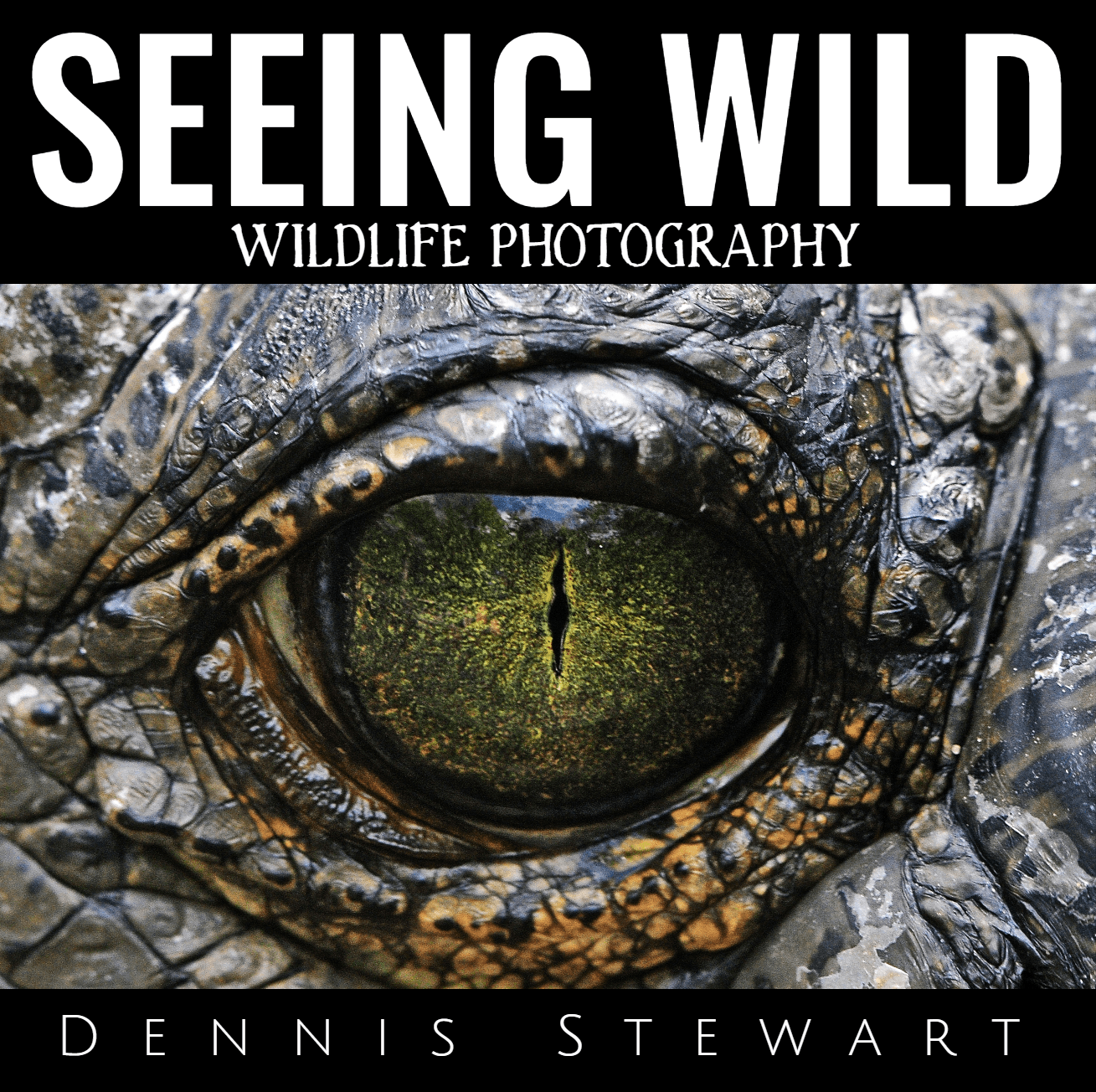
Image Credits
I own the copyright to all the images provided.
Copyright Dennis J. Stewart