
Alright – so today we’ve got the honor of introducing you to Aimée Joaristi. We think you’ll enjoy our conversation, we’ve shared it below.
Aimée, looking forward to hearing all of your stories today. Can you open up about a risk you’ve taken – what it was like taking that risk, why you took the risk and how it turned out?
Being an artist means working on the edge of a razor blade: either you get cut, or nothing happens.
My first risk was telling my father, when I was about fourteen, that I wanted to be an artist. My father was a strong, conservative man. I still remember the way he looked at me and said, “We’ll enroll you in drawing classes,” as if to calm my aspirations while gently steering me toward a more financially secure future.
When I voiced that desire again, I was seventeen and absolutely certain that I did not want to pursue any traditional career. The easiest and most comfortable path was to study interior design. It was art disguised as playing house, it came as naturally to me as breathing, and my father had no objection. I went from being the worst student in my high school class to the best student at university. I graduated with distinction and landed a job at one of Madrid’s leading interior design firms.
Many years later, while visiting a construction site in Costa Rica, I met an architect whose work I was supposed to critique and whom I was meant to guide through the interior design process. The day after meeting him and reviewing the project, I asked him, “Do you want to be my business partner?” That was the beginning of my architecture and design practice, through which I achieved considerable success, designing and building more than 350 high-end projects, becoming one of the top firms in Costa Rica.
As the years passed, however, I began to feel a growing sense of monotony and boredom, despite the success and recognition of both my practice and my firm.
In 2013, tired of the deference and diplomacy required to carry out high-end projects, I told my business partner that I was going to become an artist. He could hardly believe it. “What do you mean, become an artist?” he kept asking. I told him that it was something I had always wanted, and that I felt frustrated by the compromise I had made in my youth—having to turn toward interior design as a creative means of survival rather than embracing life as an artist, pure and simple.
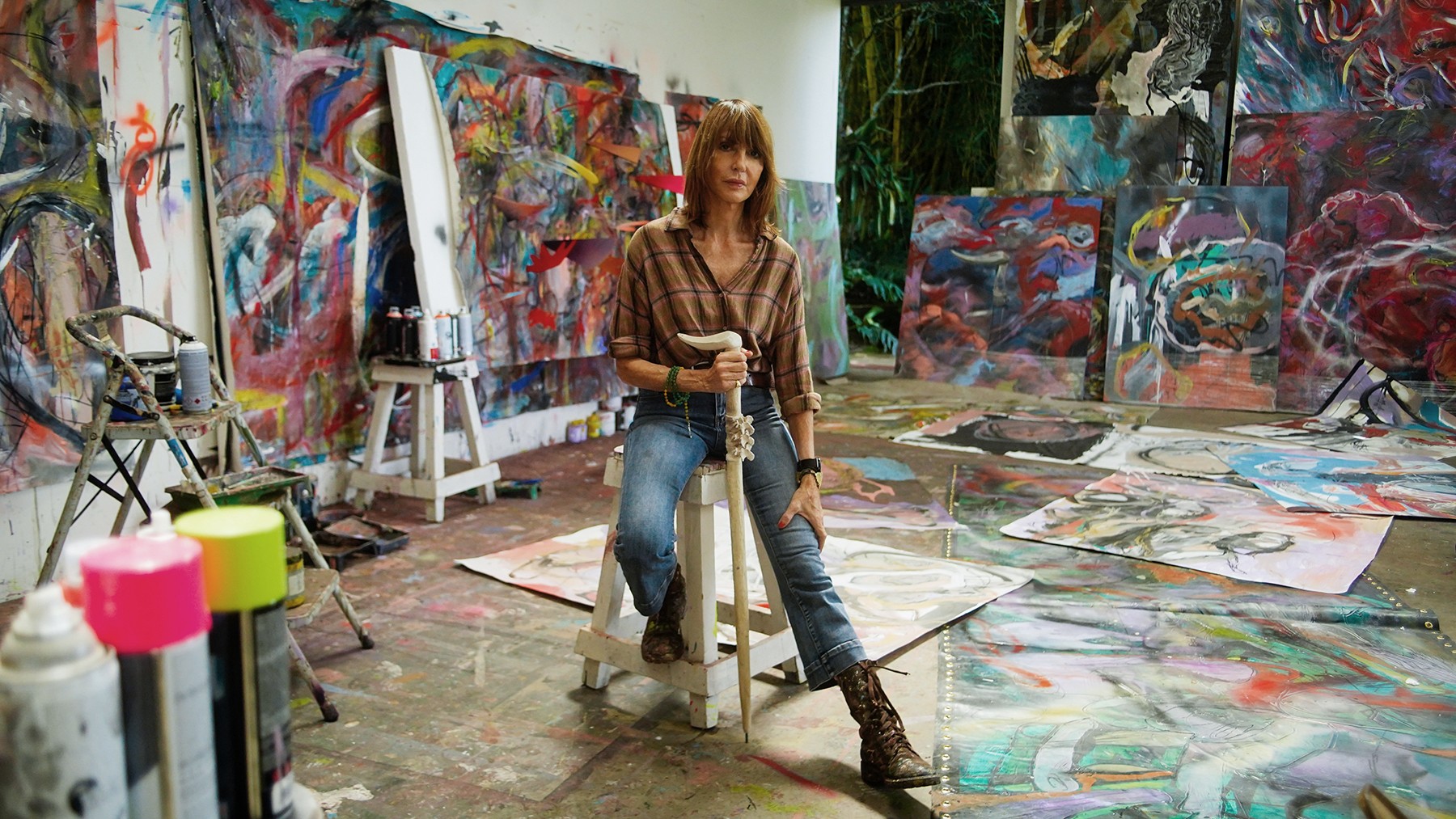
There was an empty commercial space next to my office, so I bought every kind of paint, brushes, canvas, and contraption I could find, and set up my first small studio. I would escape from meetings whenever I could, and when clients arrived, I would greet them covered in paint and with very little interest in anything else.
Still, I continued running the firm until 2019, when the pandemic arrived as if fallen from the heaven, accompanied by a serious car accident in which I fractured my spine in two places. The accident happened as I was leaving a house under construction that I was designing and building—what I did not know at the time was that it would become the last house I would ever designed with my firm.
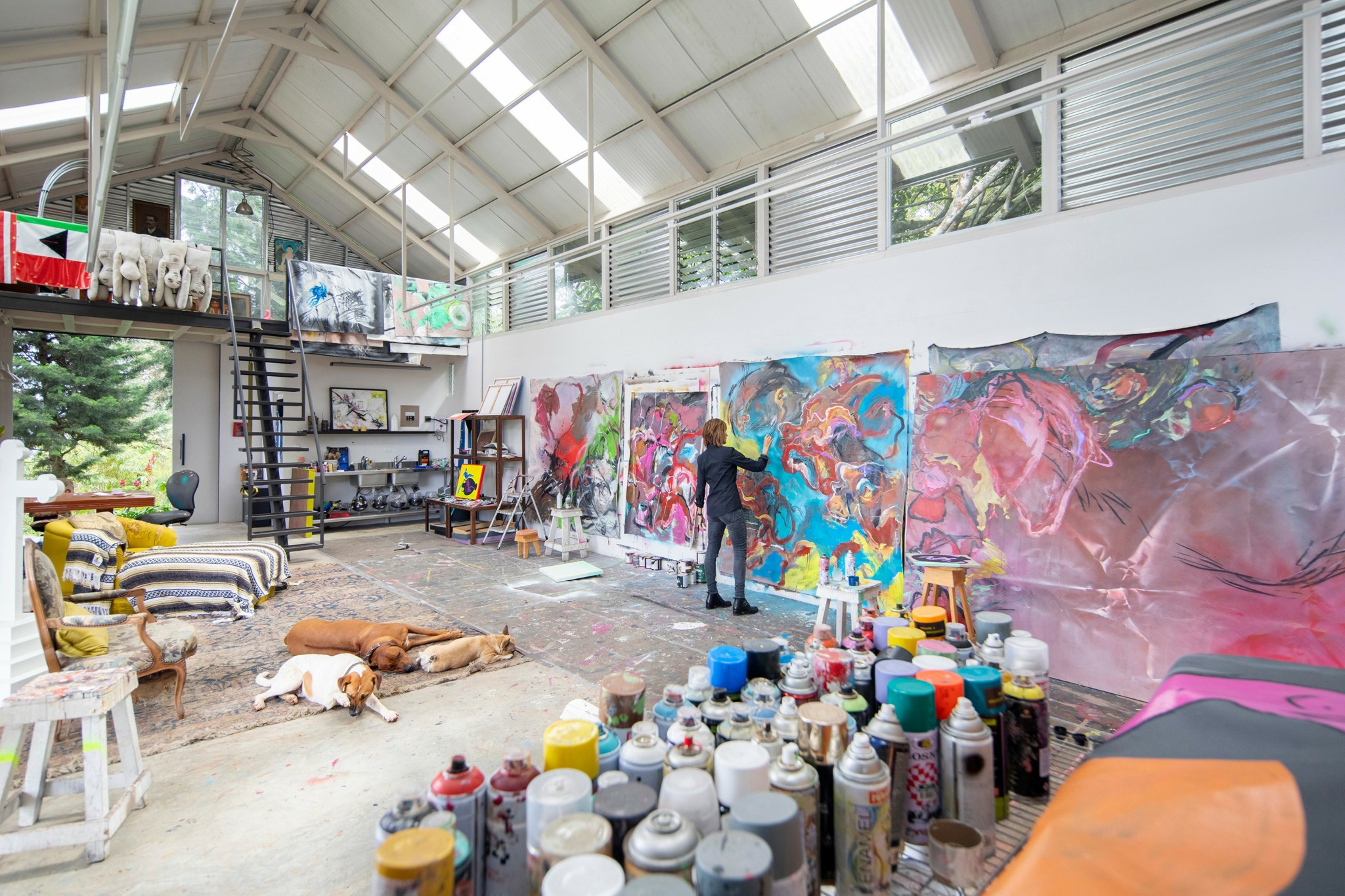
There was no other path left but to make a radical decision and dedicate myself to what my heart and spirit had been asking of me all along. I built the art studio I work in today, a space I had envisioned with absolute clarity for years. I permanently closed my successful architecture and interior design practice and devoted myself exclusively to my uncertain artistic career.
Risk taker? Yes.
All the way.
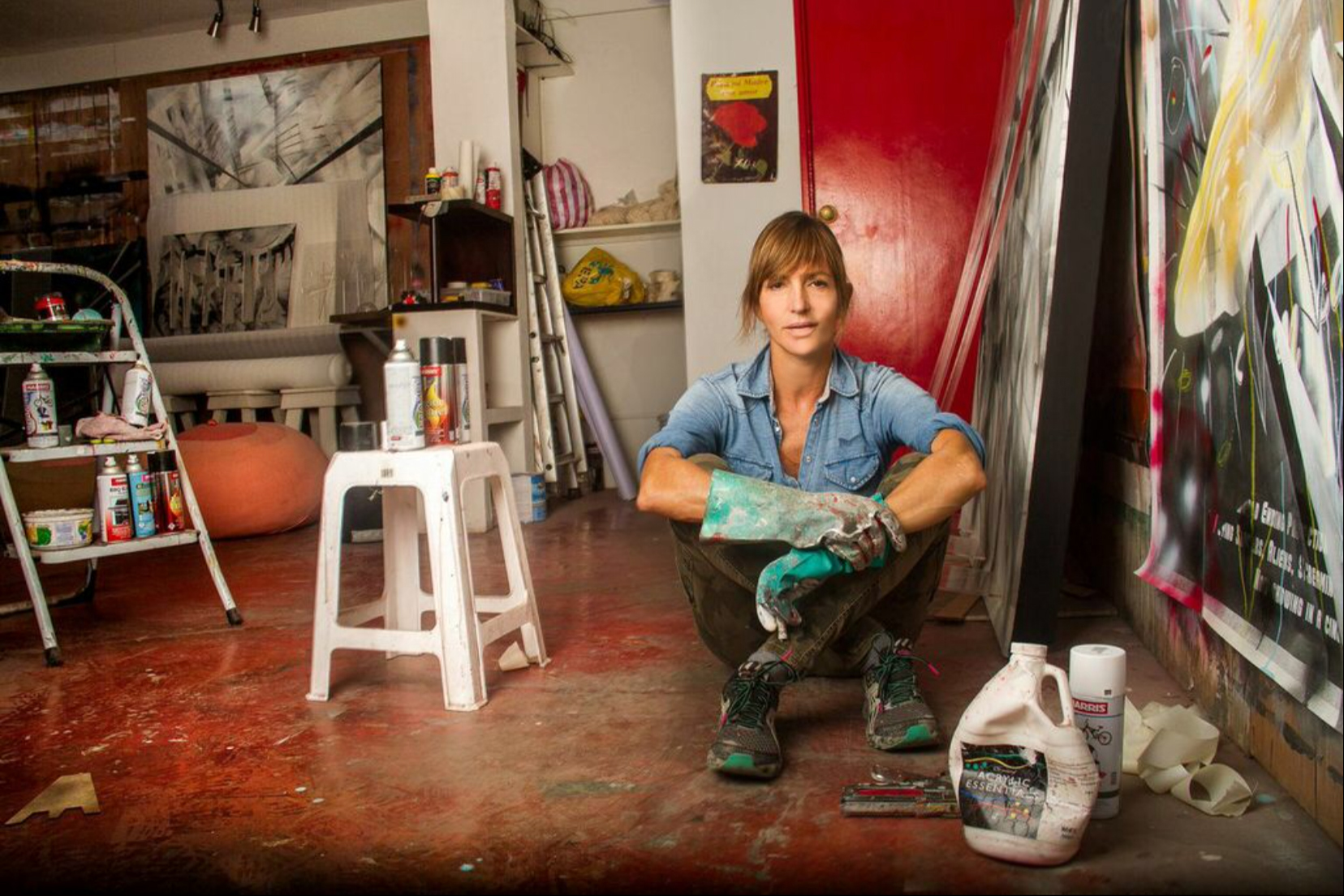
As always, we appreciate you sharing your insights and we’ve got a few more questions for you, but before we get to all of that can you take a minute to introduce yourself and give our readers some of your background and context?
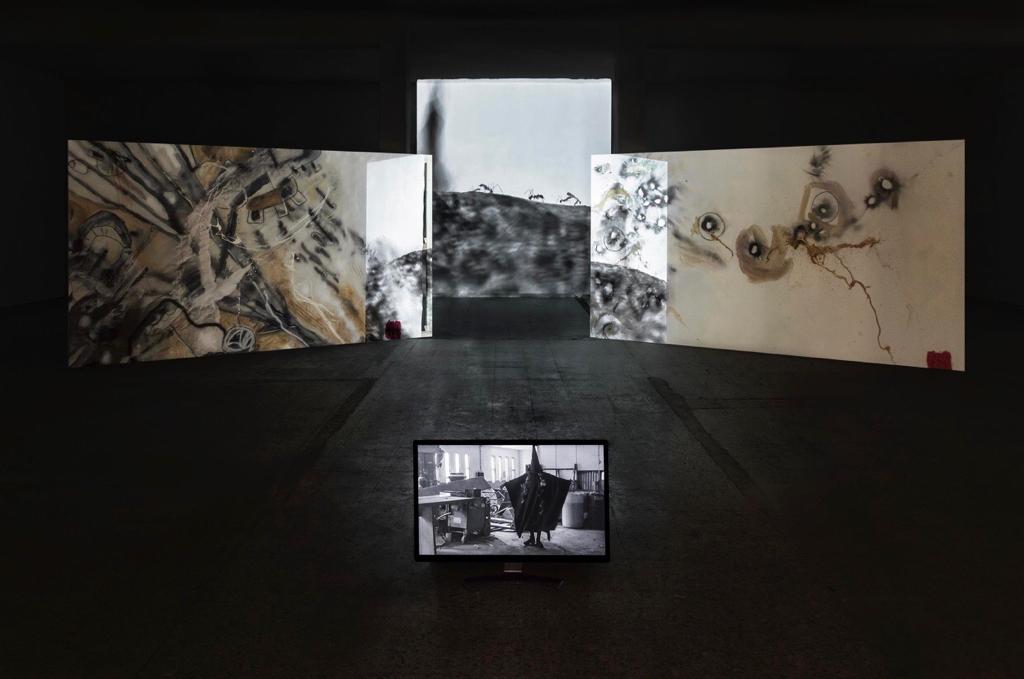
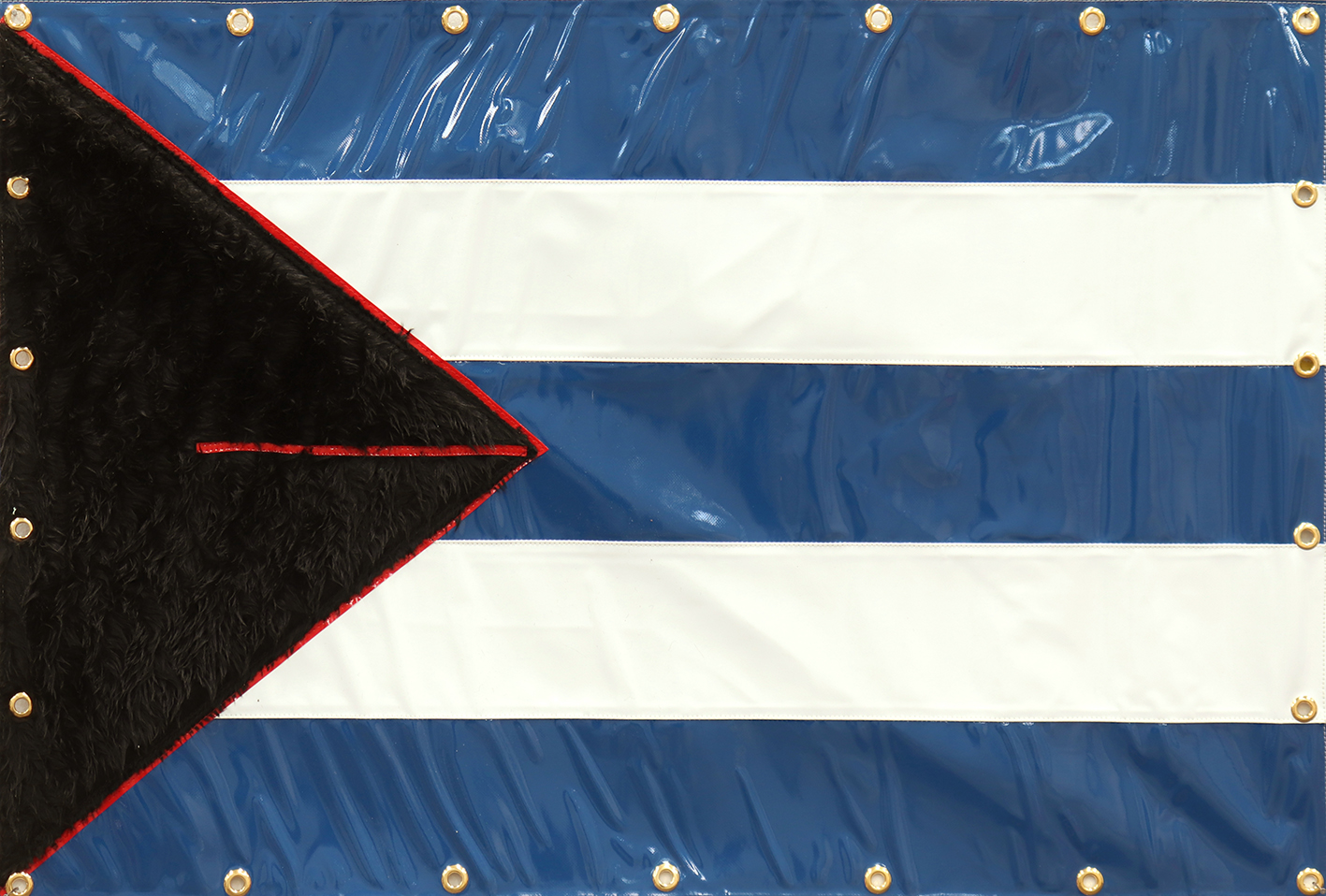
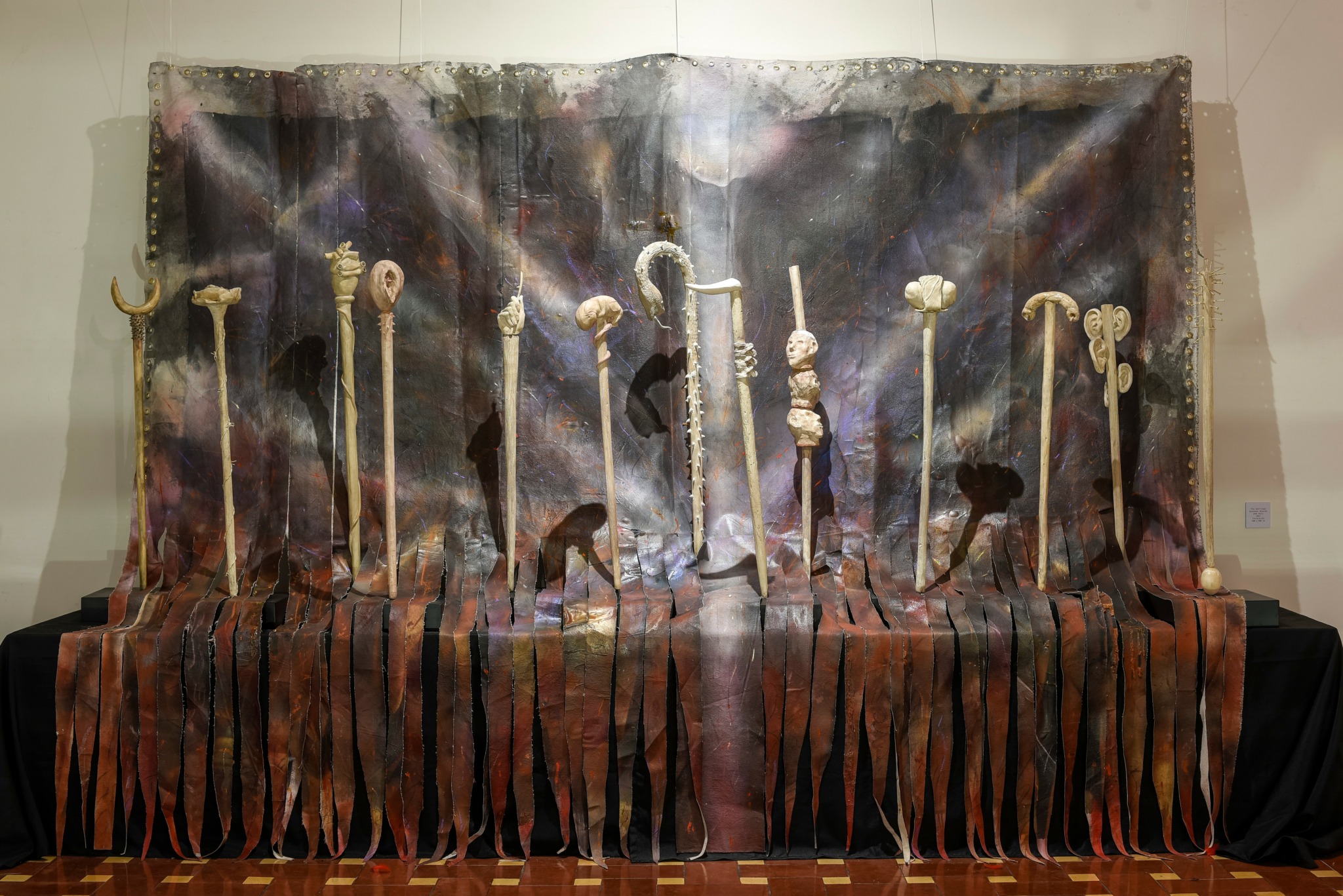
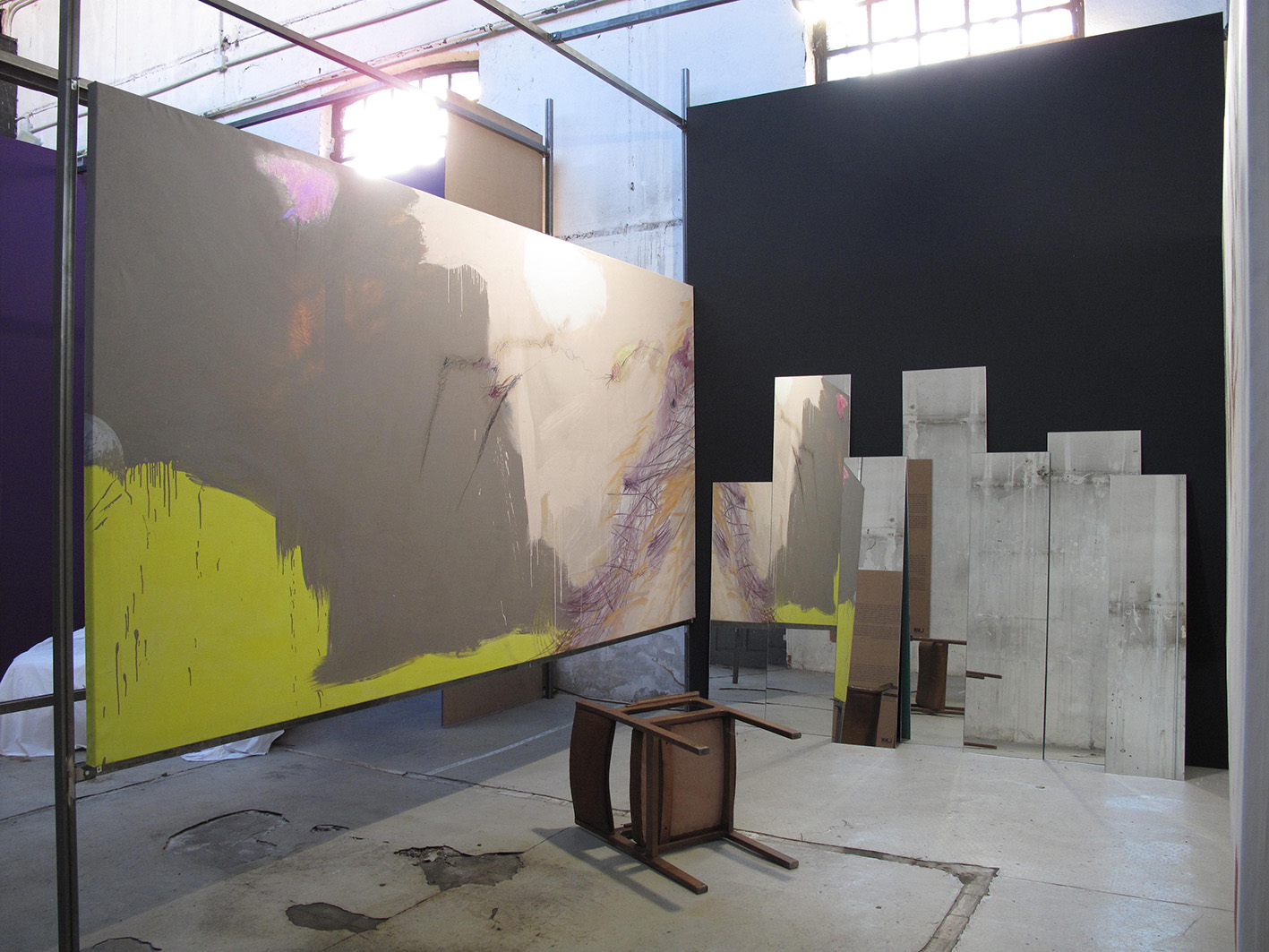
My work responds to an irresistible emotional and intellectual need. I work on multidisciplinary artistic projects as opportunities arise through exhibitions in museums, galleries, art fairs, and other venues. My practice comes from the depths of my being and seeks the utmost honesty, without concern for aesthetics or established canons. This is how I approach painting, photography, installation, video, and sculpture, often combining them within larger installations.
Originality tends to emerge naturally, as my work responds to deeply personal criteria. I do not seek to resemble anyone else or fit within any established framework. In artistic practice, so-called problems often become opportunities, serving as creative catalysts. The only real challenges tend to be organizational or logistical in nature, but these are part of the everyday reality of being a fully committed professional artist.
In general, my works have been described as emotive, powerful and uncompromising. Rather than creating a decorative environment, they generate a space that questions, challenges, and provokes reflection. I believe that, when used in the right balance, art can bring tremendous character and presence to a space.
What I am most proud of is having dared to turn my life around completely at an age that many would consider professionally late. I was not twenty—I was fifty-six. Yet even today, at sixty-eight, I still feel as though I am forty-two or forty-three.
I would like to be remembered for my sense of humor combined with strong self-criticism, as someone who values home and family, and for my authenticity—and, of course, for having a good body, hahaha.
Is there mission driving your creative journey?
In a way, the mission I have had in life has been rather light, even though the results of my work might suggest otherwise. I have always sought—and continue to seek—the moment. I never think in terms of the long term, but rather in short, intense stretches of time.
It is also very difficult for me to distinguish my mission as a person from my mission as a creative. They are inseparable. As a result, being demanding with myself and constantly striving for excellence—not only as a professional but, above all, as a human being—is what makes me wake up every day with tremendous enthusiasm.
Life is something that happens every day; it is not about some ultimate destination. Less drama.
We often hear about learning lessons – but just as important is unlearning lessons. Have you ever had to unlearn a lesson?
Since every profession I have pursued in my life has been self-taught—and I have been successful in each of them—the main thing I have learned is that, for me, academia would not be an advantage. On the contrary, it would become a crushing weight, taking away the wings with which I have naturally navigated my creative world.
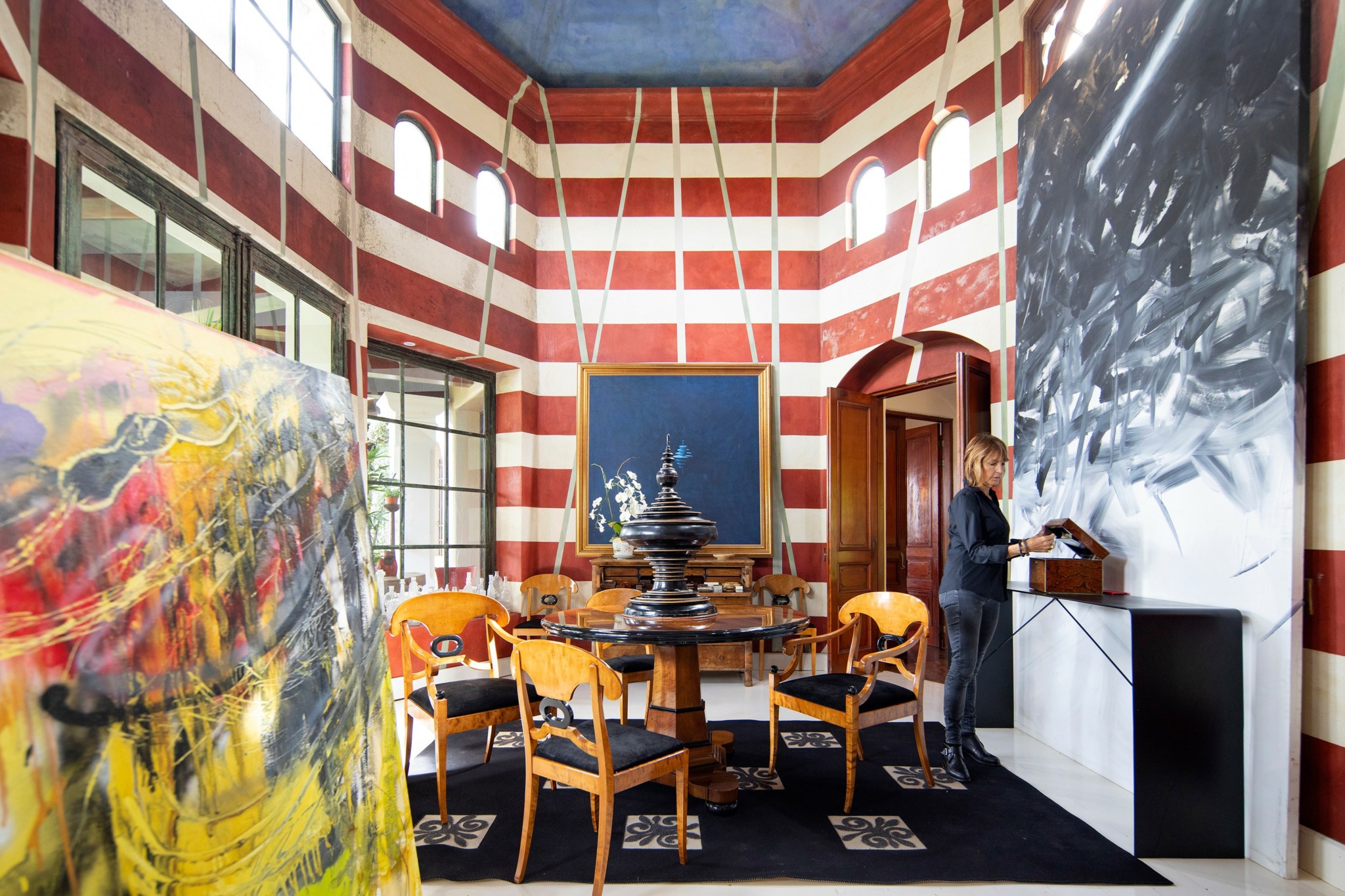
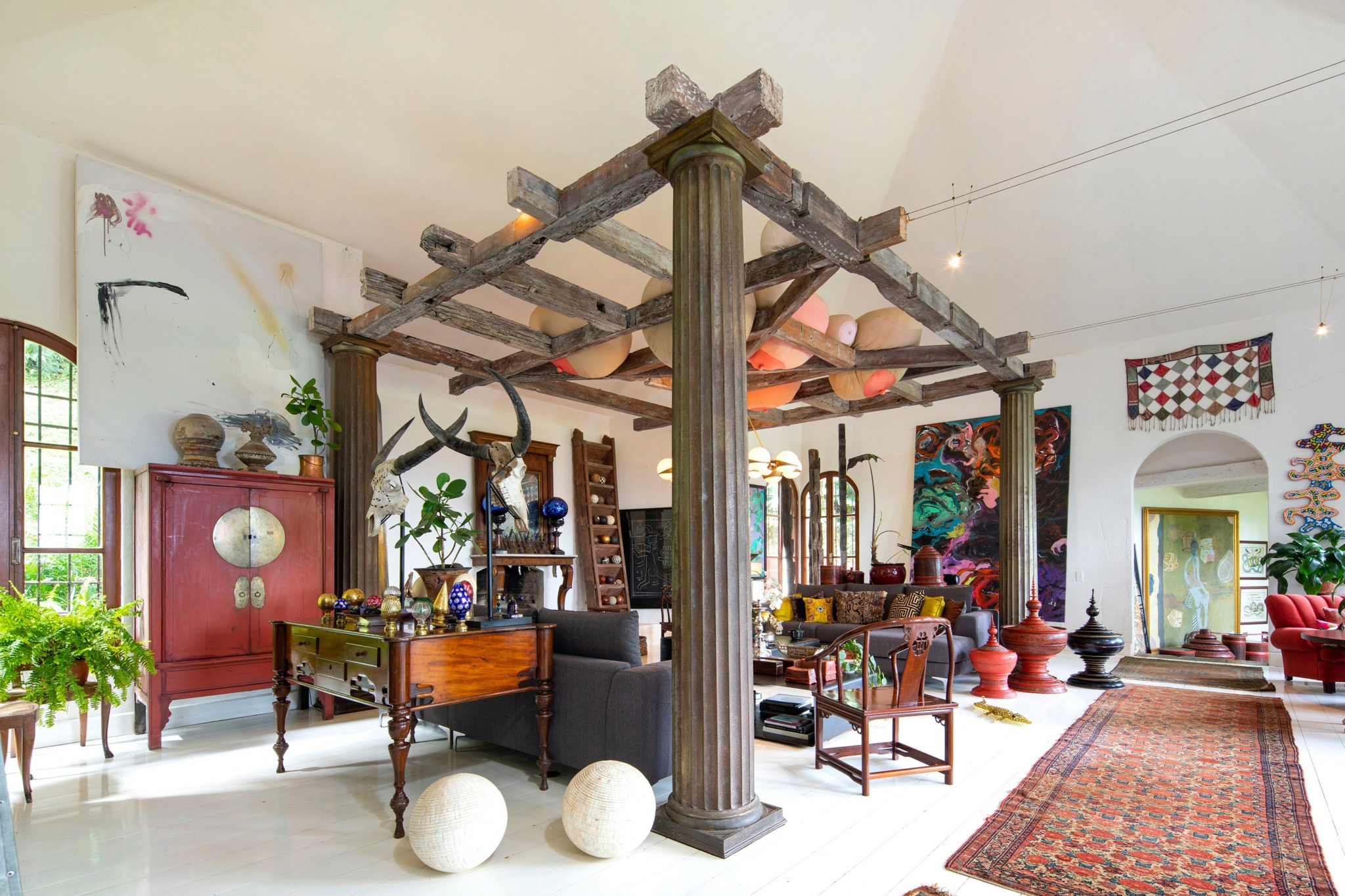
Much of what I studied and learned in interior design I have had to deconstruct in order to build my own universe, one in which all eras, textures, materials, and elements of the past, present, and future coexist. It has turned my personal world into an eclectic zoo. In the same way, I bring this approach into my artistic practice.
Contact Info:
- Website: https://www.aimeejoaristi.com/
- Instagram: https://www.instagram.com/aimee_joaristi/
- Facebook: https://www.facebook.com/aimeejoaristiart
- Youtube: https://www.youtube.com/@aimeejoaristi