



We were lucky to catch up with Shaneka Boucher recently and have shared our conversation below.
Shaneka, thanks for taking the time to share your stories with us today We’d love to have you retell us the story behind how you came up with the idea for your business, I think our audience would really enjoy hearing the backstory.
So I was a first-generation college student. And I got in. I did the work, I got there. But once I was actually on campus, I realized pretty quickly that getting in and being prepared were two completely different things.
There were all these things everyone else seemed to just… know. How to talk to a professor during office hours. How financial aid actually worked beyond the letter you got in the mail. How to ask for help without feeling like you were exposing that you didn’t belong there. My parents hadn’t been through it, so they couldn’t hand me that knowledge ahead of time. I had to find out the hard way. The impact was to my grades, self esteem and mindset.
The thing about that experience is, it doesn’t make you bitter, necessarily. It makes you protective. I remember thinking: somebody coming up behind me shouldn’t have to learn this the hard way. There’s no reason a kid should have to discover the gap right when it matters most.
That thought is really where SRTM started. It wasn’t a business plan. It was more like a conviction I carried with me. I wanted youth to have the support I didn’t have. Not just academically, but the whole picture knowing how to advocate for themselves, understanding the systems around them, having adults who were invested in them specifically.
What’s true is that SRTM didn’t arrive fully formed. It evolved. As I grew in my own career and gained more experience, more access, more credibility it got easier to actually build the groundwork underneath that original feeling. The mission stayed the same. What changed was my capacity to build something real around it.
And if you look at what SRTM is today, you can see all of it in there education, because that was my way through; justice, because the gap I fell into wasn’t random, it was structural; youth voice, because nobody asked me what I needed, I just had to figure it out; and community, because none of us do this alone, even when it feels like we are.
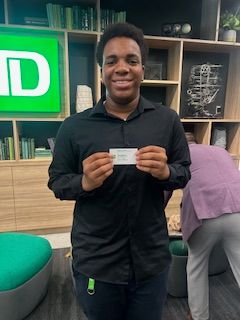
Shaneka, before we move on to more of these sorts of questions, can you take some time to bring our readers up to speed on you and what you do?
I’m Shaneka Boucher, President and Founder of Social Responsibility Through Me, a community-based nonprofit in Camden, New Jersey. I’m also a former Camden City Council Member for Ward I but SRTM is where it started, back in 2010, and it’s the thread that’s run through everything I’ve done since.
I’m a first-generation college student. I got into college, but I quickly learned that getting in and being prepared are two very different things. There were things nobody in my life could tell me ahead of time, because nobody had walked that road before me. I had to learn by stumbling and usually by the time I figured something out, it had already cost me. That experience didn’t make me bitter. It made me protective. I didn’t want the next generation of youth to have to discover those same gaps the hard way, right when it mattered most.
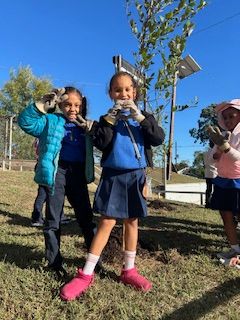
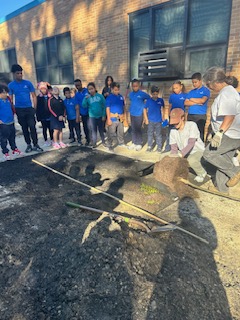
That feeling is what became SRTM. It started small and evolved the more experience, access, and credibility I built in my own career, the more groundwork I could lay underneath that original conviction. Today, SRTM serves 500+ Camden youth annually, grades K through 24, across four school campuses, with programming in youth development, environmental education, civic engagement, and workforce readiness.
What sets us apart: we don’t just serve youth we employ them. SRTM has put 100+ Camden youth on payroll as paid program staff, not unpaid “participants.” That’s an intentional choice. There’s a real difference between telling a young person “we’ll take care of you” and telling them “we trust you with responsibility, and we’ll pay you for your work.” Paying our youth as staff means they’re building a resume, a work ethic, and a professional network years before most of their peers and it means SRTM’s programs are run, in part, by the very community we serve.
We’ve built that work on 16 years of deep, trusted relationships across Camden’s schools, families, and community institutions not parachuting in with a program and leaving, but staying, year after year, through more than $5 million raised for youth programs, scholarships, and travel, and 30+ partnerships with schools, universities, government agencies, and law enforcement across the region.
What I’m most proud of isn’t a single program or grant it’s that SRTM exists at all, at this scale, after this long. Building something from nothing into an organization that 500+ young people rely on every single year, in a city that’s often overlooked or written off, is the thing I’d point to before any award or headline. That’s the work. That’s still the work.
How do you keep your team’s morale high?
This is something we’re always working on . I don’t think it’s ever “solved,” it’s maintained.
The biggest shift for me was realizing that investing in people isn’t a cost, it’s the strategy. We send our team through trainings, and as people grow into bigger roles with more responsibility, we pair them with executive-level coaches. That’s not a perk we offer once someone’s already senior. it’s how we get people to senior. If I want someone to grow into a role, I have to actually build the bridge to get them there, not just hand them the title and hope.
The other piece is permission to fail. We allow our employees to make mistakes. That’s intentional. If people are afraid to get something wrong, they stop trying new things, and an organization that stops trying new things stops growing. At the same time, we balance that with real recognition. We have reward systems in place every month for our most improved employees, so growth gets noticed, not just outcomes. Sometimes the person who improved the most isn’t the person who had the best month and we want them to know we see that too.
Underneath all of it, we promote from within whenever we can, and we treat our team like family. At SRTM specifically, that philosophy runs even deeper, because some of our staff are the young people we set out to serve in the first place. We employ Camden youth as paid program staff not just as participants in a program, but as people building a resume and a future. So when I think about managing a team and maintaining morale, I’m not just thinking about retention or productivity. I’m thinking about whether the person in front of me is leaving better equipped than when they started, whatever seat they’re sitting in.
That’s the test I hold myself to. Not did we get the work done this month, but did our people grow this month, and did they feel valued while they did it.
Can you share a story from your journey that illustrates your resilience?
Being a Black woman founder in the nonprofit space is rare. And building something that’s not primarily funded by grants and individual donors especially here in New Jersey is even rarer.
We’ve been turned down. We’ve been turned away. We’ve often gone without the government support that, frankly, our track record should have earned us. We’ve proven, over and over, that we connect with young people at a higher rate than most other organizations doing similar work. But we also made a choice early on to stay out of the politics and just focus on the needs of the community. And because of that we were small and quiet, and we weren’t playing the relationship game the way some others were . A lot of city leaders and funders overlooked us.
Here’s what I’ve come to believe, though: that was the recipe for our growth, not the obstacle to it.
Because we didn’t have the support, we had to find other ways to fund this work. We had to prove ourselves through our track record not through who we knew, not through relationships, but through results. And honestly, I’m thankful for that now. I’m thankful for the trials. I’m thankful for the doors that shut in our face. Because what we’ve built, we earned the right way. Nobody handed this to us. Nobody can ever say we got here off a connection or a favor.
That matters to me more than almost anything else about SRTM. Our success isn’t sitting in a grant award letter or a press release. It’s in the lives we’ve changed and the young people we’ve impacted along the way and that can’t be taken away from us. It can’t be tainted, because it was never given to us in the first place. It was earned.
And at the end of the day, people remember who was there for them when they needed someone. That’s the resilience story, really. Not that we survived being overlooked but that we used it. We let it make us more accountable to the community instead of more dependent on the people who weren’t showing up for us anyway.
Contact Info:
- Website: https://www.srtme.org
- Instagram: Social Responsibility Through Me
- Facebook: Social Responsibility Through Me
- Linkedin: Shaneka Boucher
- Twitter: none
- Youtube: Social Responsibility Through Me
- Yelp: none
- Soundcloud: none
- Other: https://gaming.srtme.org
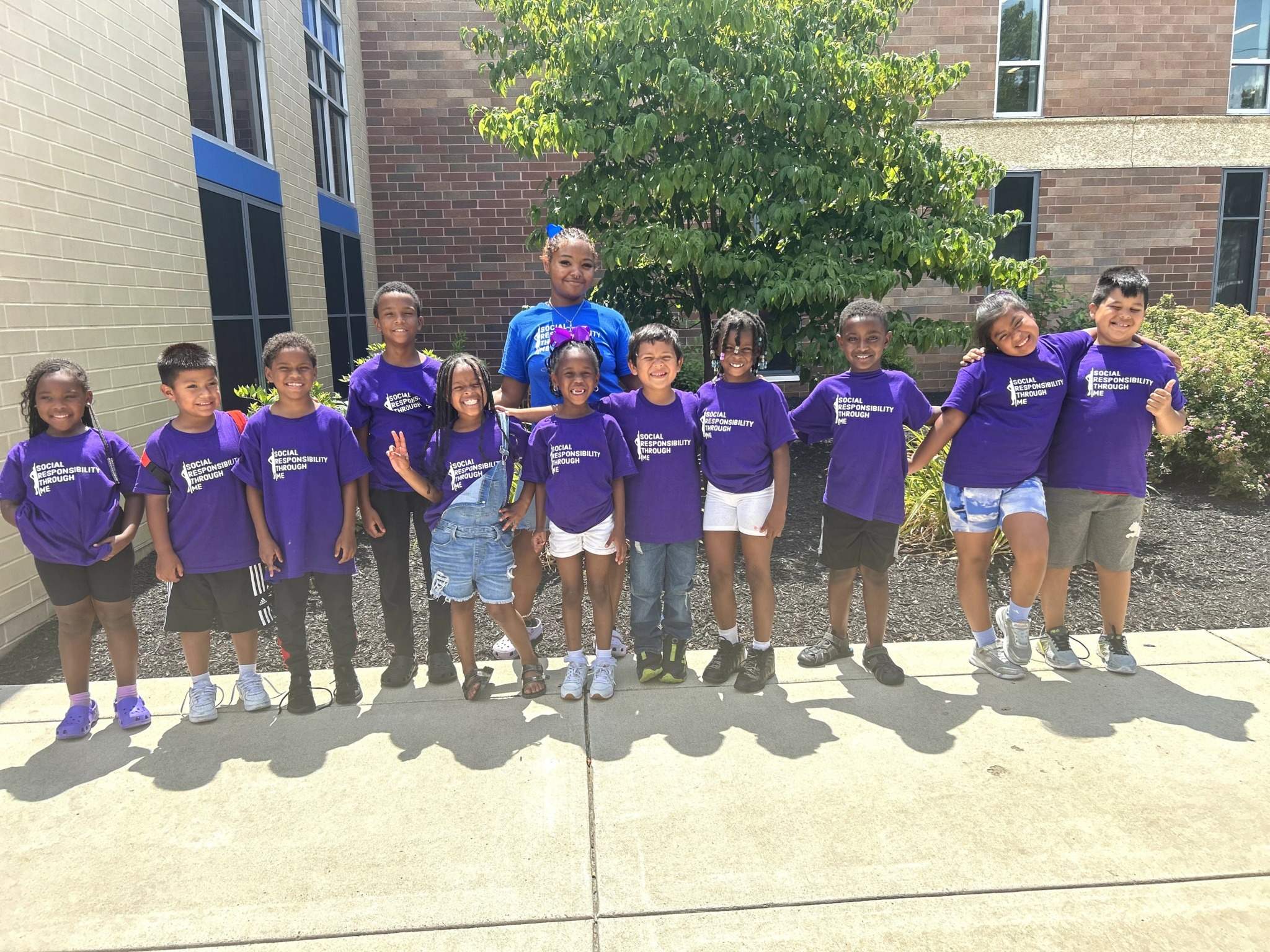
Image Credits
none