

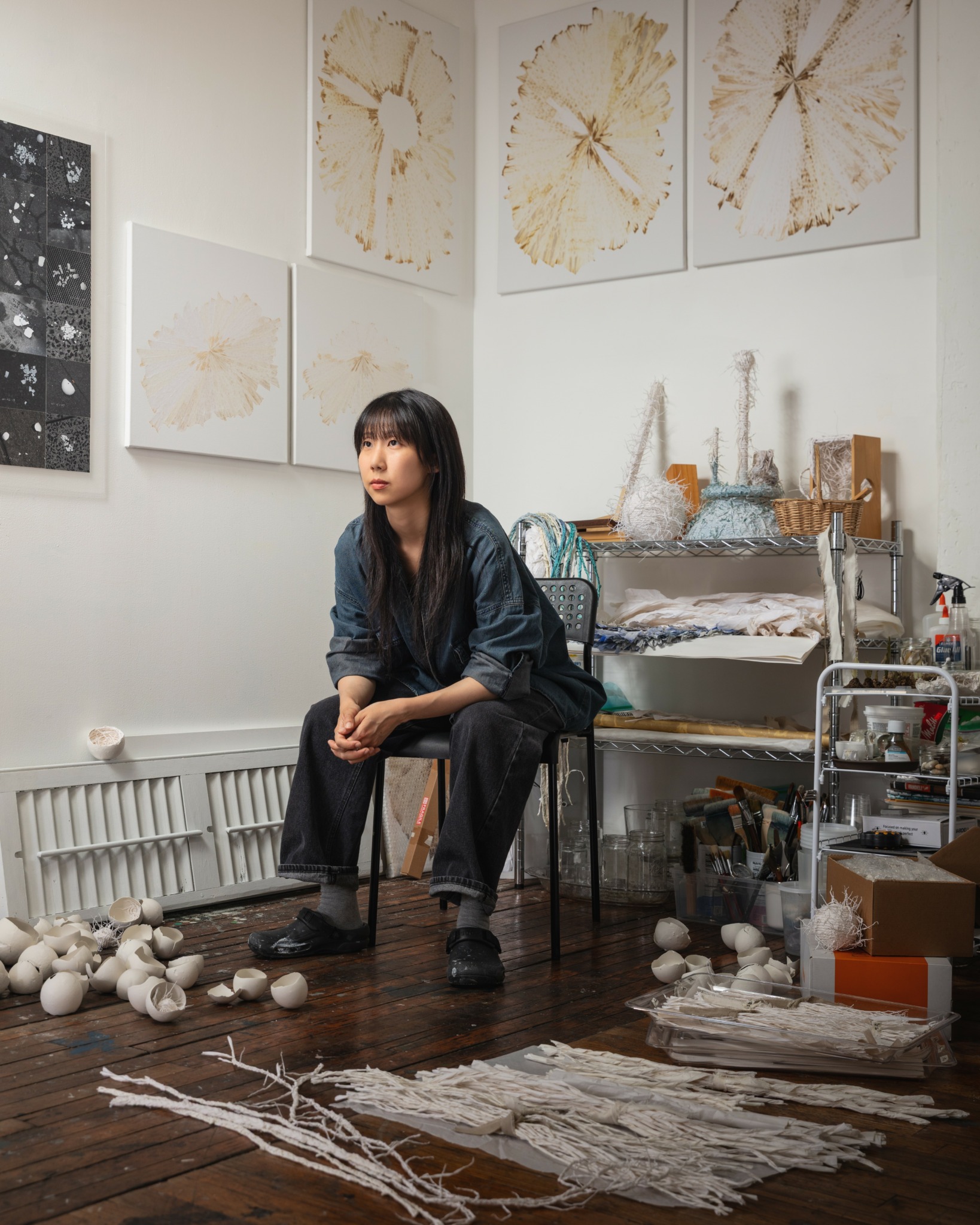

Alright – so today we’ve got the honor of introducing you to Yujin Hur. We think you’ll enjoy our conversation, we’ve shared it below.
Hi Yujin, thanks for joining us today. We’d love to hear about a project that you’ve worked on that’s meant a lot to you.
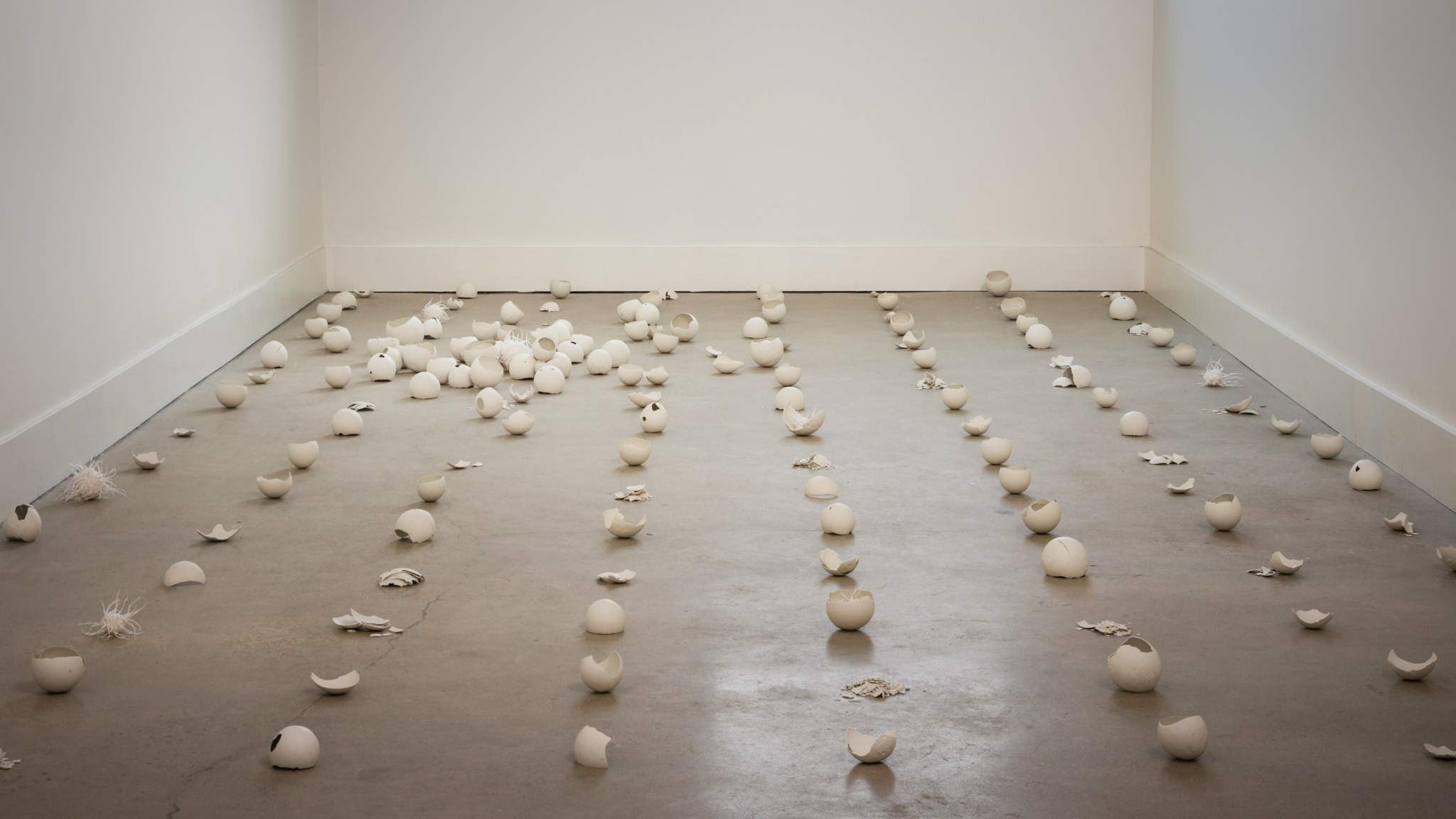
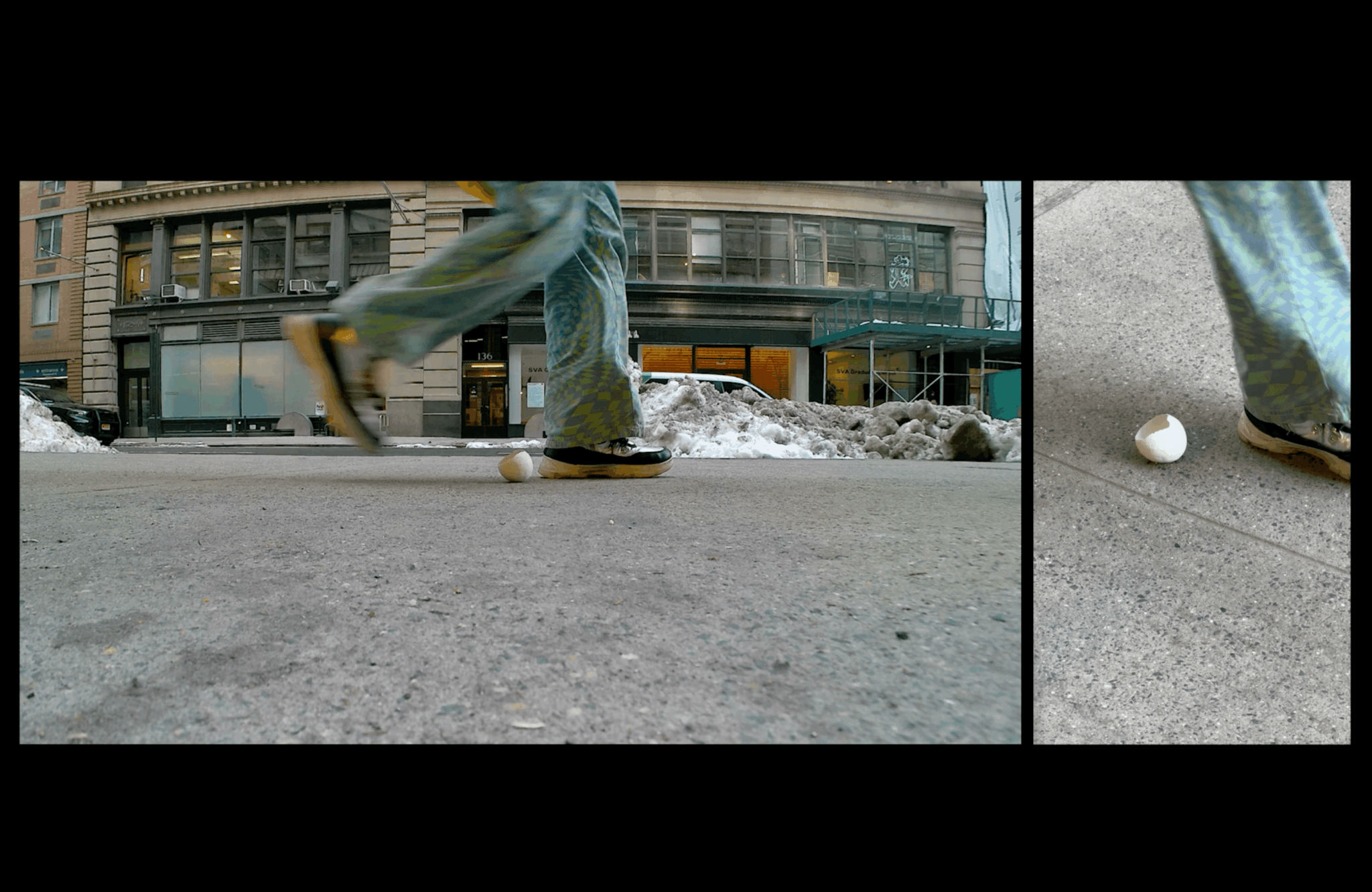
My most meaningful project so far is my recent work, Underneath. It’s an ongoing installation, video, and photography project that explores care and responsibility in urban environments that we share with non-human beings.
This project feels especially meaningful to me because it marked several firsts in my practice. It began with my concern about bird-window collisions, and I started questioning how these human-centered environments affect other living things. While my previous work often dealt with broader themes such as time, transformation, and cycles, Underneath was the first project that more directly reflected an issue I had been thinking about and observing in my everyday life.
It was also my first time actively working in public spaces. I placed plaster eggshell forms in real public pathways and allowed them to encounter people in unpredictable ways. The project also introduced an interactive element, where viewers’ movements and decisions became part of the work itself. On top of that, it was a big shift in materials. I’d been working almost exclusively with paper for years, but this was the first project where different materials took the main role.
Underneath was developed as my MFA thesis project. Moving in a totally new direction just a few months before graduation felt pretty risky. I could have stayed safe and expanded on what I already knew, but I decided to take a chance on something unknown. And that choice ultimately expanded my understanding of what my work could be. More than a single project, Underneath became a turning point that opened up new possibilities and helped me better understand the kind of work I want to make going forward.
Yujin, before we move on to more of these sorts of questions, can you take some time to bring our readers up to speed on you and what you do?
I’m a multidisciplinary artist from South Korea, currently based in Brooklyn. My work spans time-based and interactive installations, sculpture, video, and photography, often using materials like paper, water, and natural pigments that respond to time and natural forces.
I actually got my start in art through an interest in stage design back in high school. I’d always liked creative things like music and visual arts growing up, but during high school, I ended up working with stage lighting in a broadcasting club. That naturally led me to become interested in how space and stage environments are constructed. Even though I didn’t stay on the stage design path and chose to study fine art more broadly in college, I still carry a strong interest in how environments shape experience. I’m especially drawn to immersive works that can be experienced physically, almost like light that the viewer can sense with their whole body.
My approach to art is deeply rooted in my high school years spent living in the mountains of Korea, where I observed the slow shifts of seasons and the subtle movements of small lives. This experience shaped how I view time, change, and the relationships between coexisting beings. What excites me most about my practice is not having full control over the outcome. I focus on creating the conditions for the materials’ inherent qualities to reveal themselves, embracing the unpredictability of the process.
For example, in my Water Path series, I submerge paper threads in water, allowing the material to reveal its own temporal movement. In another series, Where It Paused, I work with paper and found wooden furniture to trace their shared origin and explore interrupted cycles of natural transformation. In this way, my practice engages with ecological relationships and natural cycles. More recently, in works like Underneath, I have been focusing on participatory, site-specific installations and ways of engaging more directly with public space and environmental conditions.
Can you share a story from your journey that illustrates your resilience?
There was a period in Korea when I struggled with anxiety, to the point where even moving around felt difficult. I eventually had to quit my job, and although I had always loved traveling, flying started to feel like something I might never be able to do again. During that time, I began setting small daily ‘missions’ for myself—just gradually expanding what I could handle, step by step. The fear didn’t completely disappear, but I slowly started preparing for graduate studies and easing into the idea of leaving. Eventually, I took a 14-hour flight that once felt impossible and came to New York on the other side of the world.
After arriving in New York, however, I encountered another set of difficulties. The language barrier and the unfamiliar cultural environment made it hard to adjust, and I often felt like I was no longer the person I used to know myself as. I experienced ongoing uncertainty and low self-confidence, and especially during my first year, it was extremely difficult. Similar to my earlier fear of flying, there were moments when it felt like nothing would improve and that there was no way out of that state. At that time, I realized my mindset needed to shift, and I kept thinking about how I could keep going through it.
We often hear about learning lessons – but just as important is unlearning lessons. Have you ever had to unlearn a lesson?
I used to be a perfectionist. I rarely shared my work or emotions before I felt completely certain, and I held myself to very high standards. Back in Korea, I didn’t even see this as a problem.
But in New York, that way of working no longer functioned. The more I tried to be perfect, the more I found myself unable to start anything at all, stuck in a constant state of hesitation. After that difficult first year, I began to gradually let go of that perfectionism I had been holding onto. Instead of trying to control every thought, I started to loosen my grip and move more intuitively and spontaneously. In a way, it brought me back to how I felt during my high school years—which I often think of as when I felt most like myself: open, unconstrained, and aligned with who I naturally am. I started telling myself, “just try it,” or “it will work out somehow,” and I became more accepting of mistakes and discomfort. This is still not always easy, but I am no longer in a state where I completely freeze and cannot begin.
What has become important to me is not being a fully prepared or perfect version of myself, but accepting my incomplete state and, beyond that, continuing to discover who I truly am in this unfamiliar place. This is how I am currently living and working in New York.
Contact Info:
- Website: https://www.yujinhur.com/
- Instagram: @yuzin_artworks
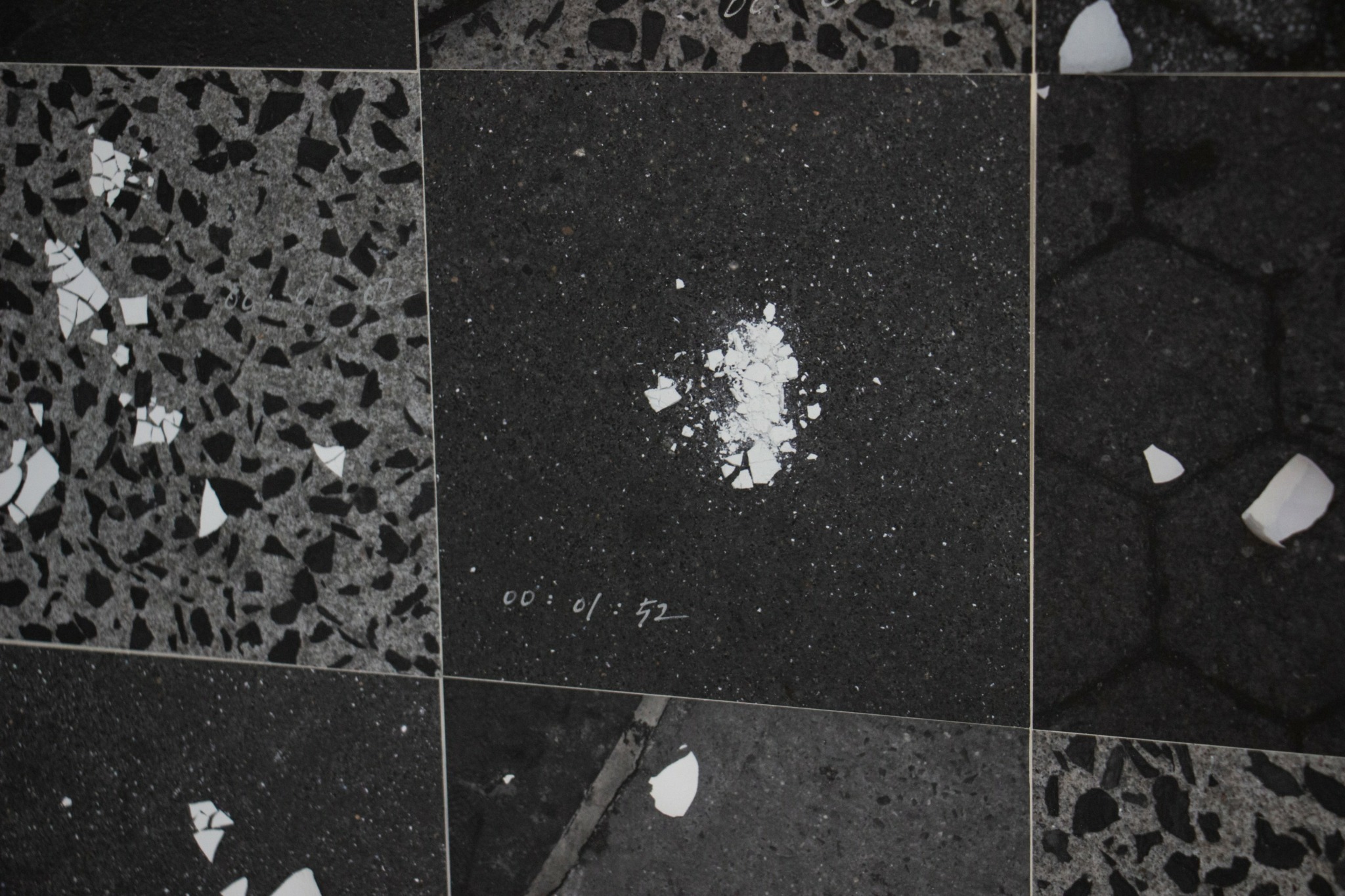
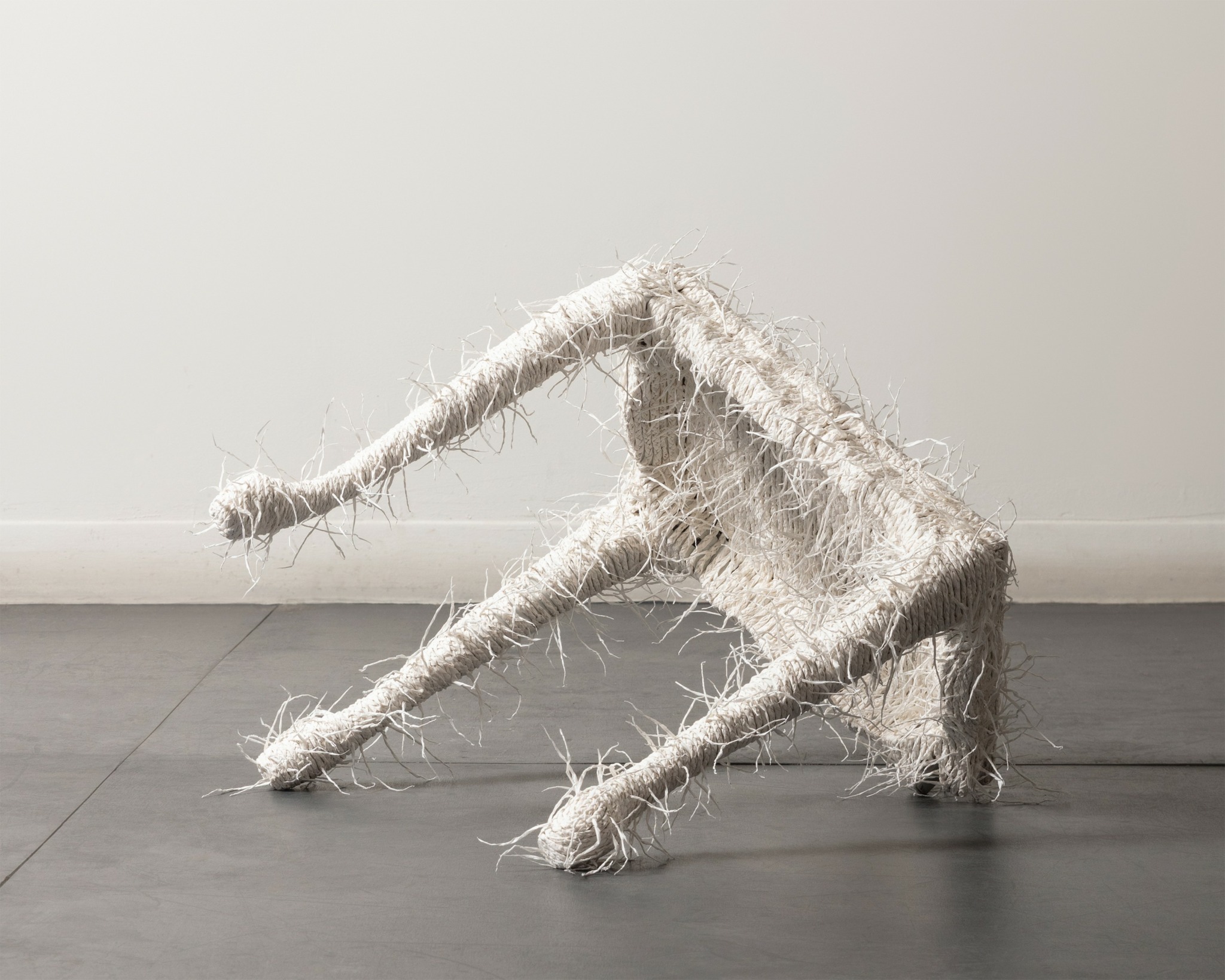
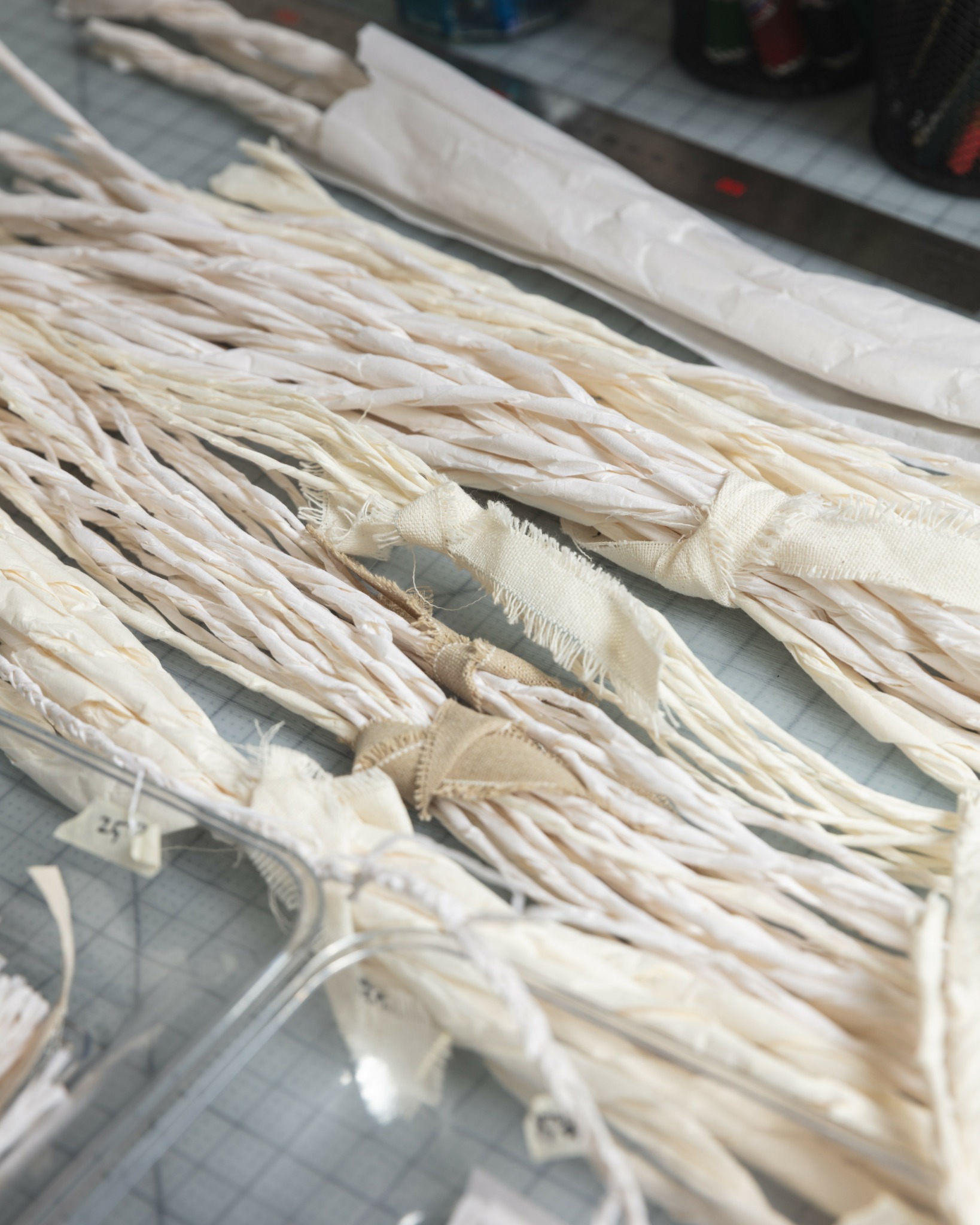
Image Credits
Jeong Hur