

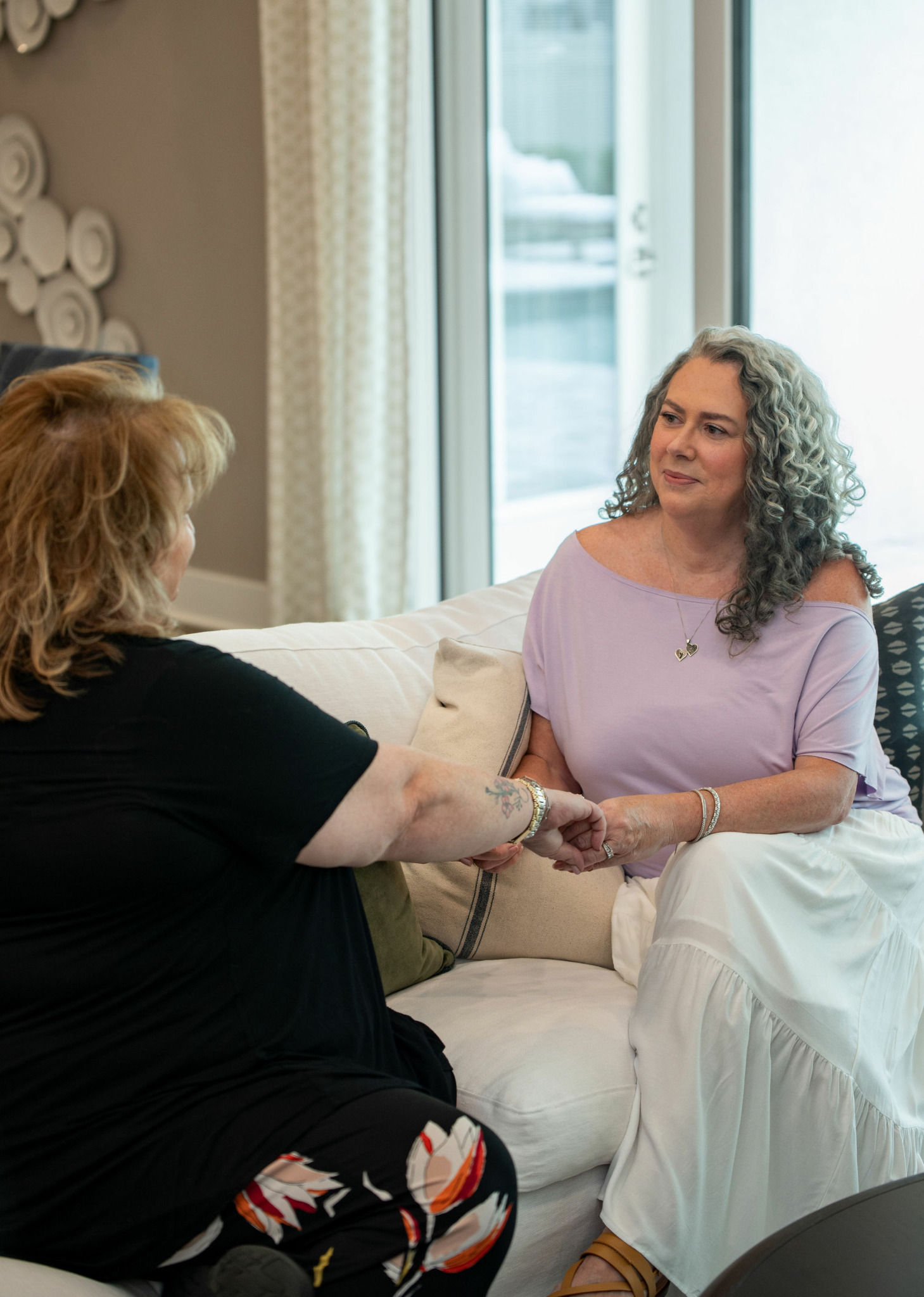

We recently connected with Terri Chaplin and have shared our conversation below.
Alright, Terri thanks for taking the time to share your stories and insights with us today. It’s always helpful to hear about times when someone’s had to take a risk – how did they think through the decision, why did they take the risk, and what ended up happening. We’d love to hear about a risk you’ve taken.
A risk I took recently began with a message that, at first glance, might have sounded unusual to most people.
A woman reached out to me after the loss of her mother. She was deep in grief. She wasn’t sleeping, wasn’t eating well, and felt completely overwhelmed by the weight of what she was carrying. In her message, she shared that she was looking for a place to go where she could rest, heal, and be cared for. As our conversations continued, she eventually asked if I would consider traveling with her to St. John in the U.S. Virgin Islands to provide grief support during her stay.
What made the request even more extraordinary was the timeline. She first reached out to me on a Wednesday morning and wanted to leave just two days later, on Friday. She wasn’t simply asking me to meet her there. She specifically requested that I fly to meet her so that I could accompany her on the flight and ferry ride to St. John, providing support from the very beginning of the journey.
My first reaction was a mix of compassion and hesitation.
As a grief companion and educator, I had supported many people through loss, but I had never traveled with a client in this way before. Accepting would mean stepping outside my comfort zone. It would require time away from my husband, arranging care for my dog, rescheduling work commitments, and navigating the unknowns of what this experience would actually look like. I also knew this would require clear boundaries, thoughtful planning, and a great deal of trust from both of us.
At the same time, something in my heart kept telling me that this was exactly the support she needed.
After many conversations, careful consideration, and putting a structure in place that felt safe and supportive for both of us, I said yes.
When we arrived in St. John, I could immediately see the heaviness she was carrying. She described feeling as though she was barely holding herself together. During our time together, we had deep conversations, practiced heart-focused breathing, walked through guided visualizations, and created space for her to express emotions she had been carrying for years. We talked about her grief, her relationship with her mother, unresolved family wounds, forgiveness, and the fear she had about returning home after the trip.
The transformation was remarkable.
After our second day together, she looked at me and said, “I feel completely different. I feel lighter.”
The best way she could describe it was through a metaphor we created together. She said she felt like she had been walking up a steep hill carrying a giant boulder completely alone. She was exhausted, hurting, and convinced she had to carry it by herself. Then someone came alongside her and helped share the weight. The hill was still there. The boulder hadn’t disappeared. But she no longer had to carry it alone.
A month later, we’re still working together. She continues to tell me how much that experience changed her life. On Mother’s Day, she surprised me with a beautiful bouquet of flowers and a card thanking me for everything I had done and continue to do for her.
Looking back, the biggest risk wasn’t boarding a plane and traveling to an island with a client. The real risk was trusting myself enough to step into a completely new way of serving someone.
That experience reminded me that growth often lives just beyond the edge of what feels comfortable. It reinforced that the work I do is about far more than grief support. It’s about human connection. It’s about being willing to walk beside someone in their darkest moments and helping them discover that they don’t have to carry their pain alone.
Saying yes to that opportunity was a risk. It was also one of the most meaningful decisions I’ve made in my work, and it reaffirmed exactly why I feel called to do what I do.
This experience also gave birth to something new. It helped me recognize that there are times when traditional support isn’t enough, and what someone truly needs is a compassionate companion willing to step into their world and walk beside them. From that realization, Healing Hearts Sacred Journeys was born. A private, immersive grief companioning experience designed for those navigating profound loss and life transitions. Whether your heart needs the healing presence of the ocean, the comfort of family, or simply a safe space away from the demands of everyday life, I come alongside you. I travel with you, spend intentional time with you, and gently support you through the tender conversations, emotions, and moments that arise along the way.
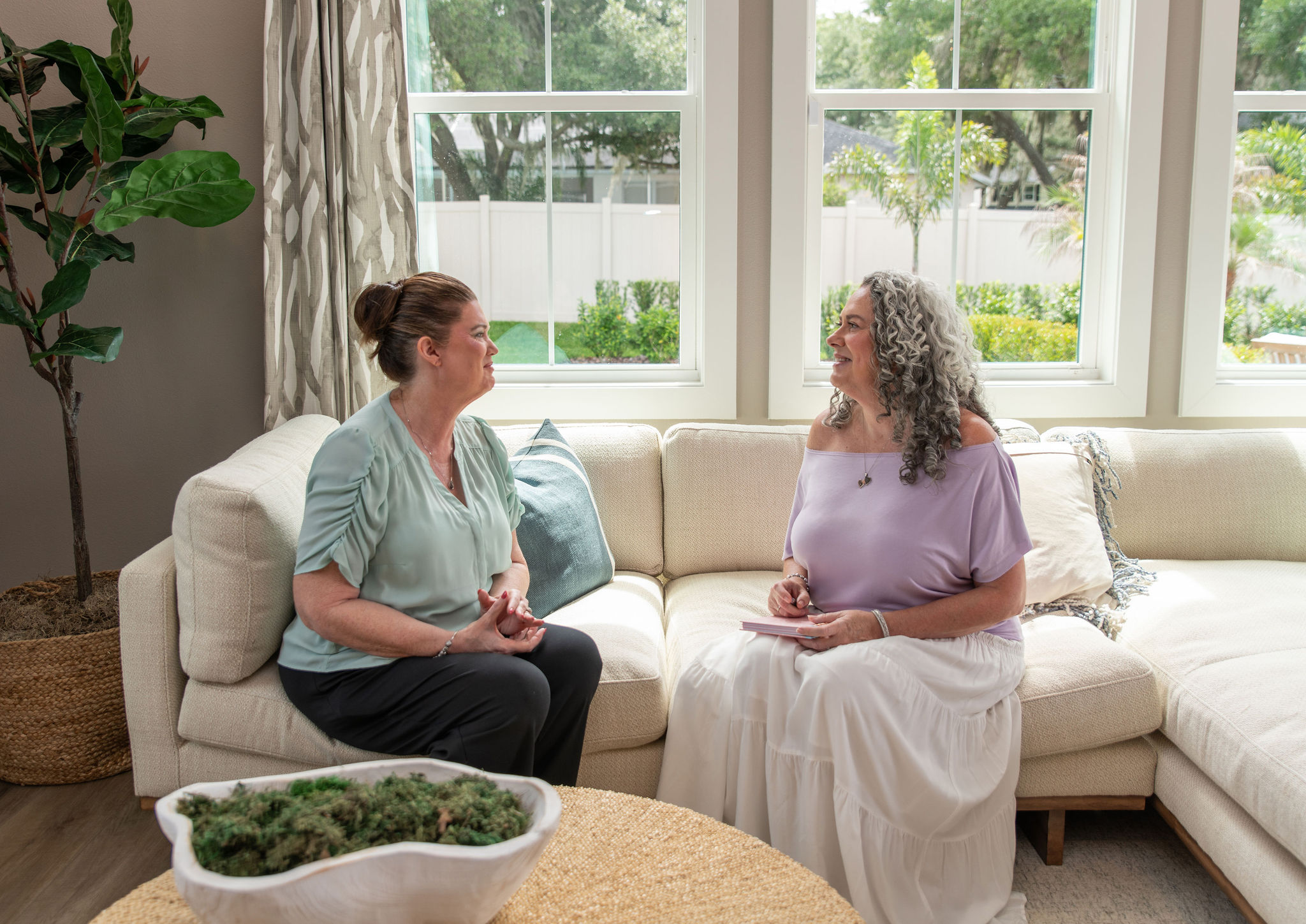
As always, we appreciate you sharing your insights and we’ve got a few more questions for you, but before we get to all of that can you take a minute to introduce yourself and give our readers some of your background and context?
I am Terri Chaplin, a Grief Companion, Educator, and founder of Living in Gratitude with TLC and Healing Hearts Community. My work is deeply personal because it was born from my own experience with profound loss.
In 2005, my first husband, Troy passed away after a long illness, and in 2012, my son Tyler passed away unexpectedly. Like so many grieving parents, I found myself trying to survive something I never imagined I would face. In those early days, I quickly discovered that while people cared, very few truly understood grief. Most people wanted to fix it, rush it, or make it more comfortable. What I needed was someone willing to sit beside me in it.
As I moved through my own healing journey, I became passionate about understanding grief, resilience, personal growth, and the science behind healing. I pursued extensive education and certifications, eventually becoming a grief companion, strategic life coach, HeartMath Certified Mentor, and accredited course provider. What began as my own search for healing grew into a calling to help others navigate loss with compassion, support, and hope.
Today, I provide private grief companioning, grief education, support groups, workshops, retreats, and a professional certification program. I am the creator of the Healing Hearts Master Grief Coach Certification, where I train others to support individuals navigating grief.
What sets my work apart is that I don’t believe grief is something that needs to be fixed. Grief is a natural response to loss. Instead of trying to help people “get over it,” I help them learn how to carry both their love and their loss in a way that allows them to continue living meaningful and fulfilling lives.
Many of the people who come to me feel isolated, misunderstood, stuck, or overwhelmed by their grief. Some are grieving the death of a loved one. Others are grieving divorce, estrangement, health challenges, identity shifts, or major life transitions. My role is not to tell them how to grieve. My role is to walk alongside them, hold space for their experience, and provide tools, education, and support that help them move forward without leaving their loved one behind.
Recently, my work evolved in a way I never anticipated. A grieving woman reached out to me and asked if I would travel with her to St. John in the U.S. Virgin Islands to provide grief support while she navigated one of the most difficult periods of her life. That experience ultimately inspired the creation of Healing Hearts Sacred Journeys, a private, immersive grief companioning experience where I travel alongside clients to provide support wherever their healing journey takes them. It reinforced something I have always believed: healing often happens in connection, presence, and feeling deeply seen.
What I am most proud of is not the certifications I’ve earned or the programs I’ve created. It is the privilege of witnessing transformation. It is watching someone who feels broken by loss discover that they are stronger than they ever imagined. It is hearing someone say, “I can breathe again.” It is helping people realize that while grief changes us, it does not have to define us.
Above all else, I want people to know that they do not have to walk through grief alone. There is no timeline. There is no right or wrong way to grieve. There is only your journey.
My mission is to create a world where grief is understood, where people feel supported rather than judged, and where no one feels they have to carry their pain by themselves. Every person I serve is part of honoring my son Tyler’s legacy, and for that, I am endlessly grateful.
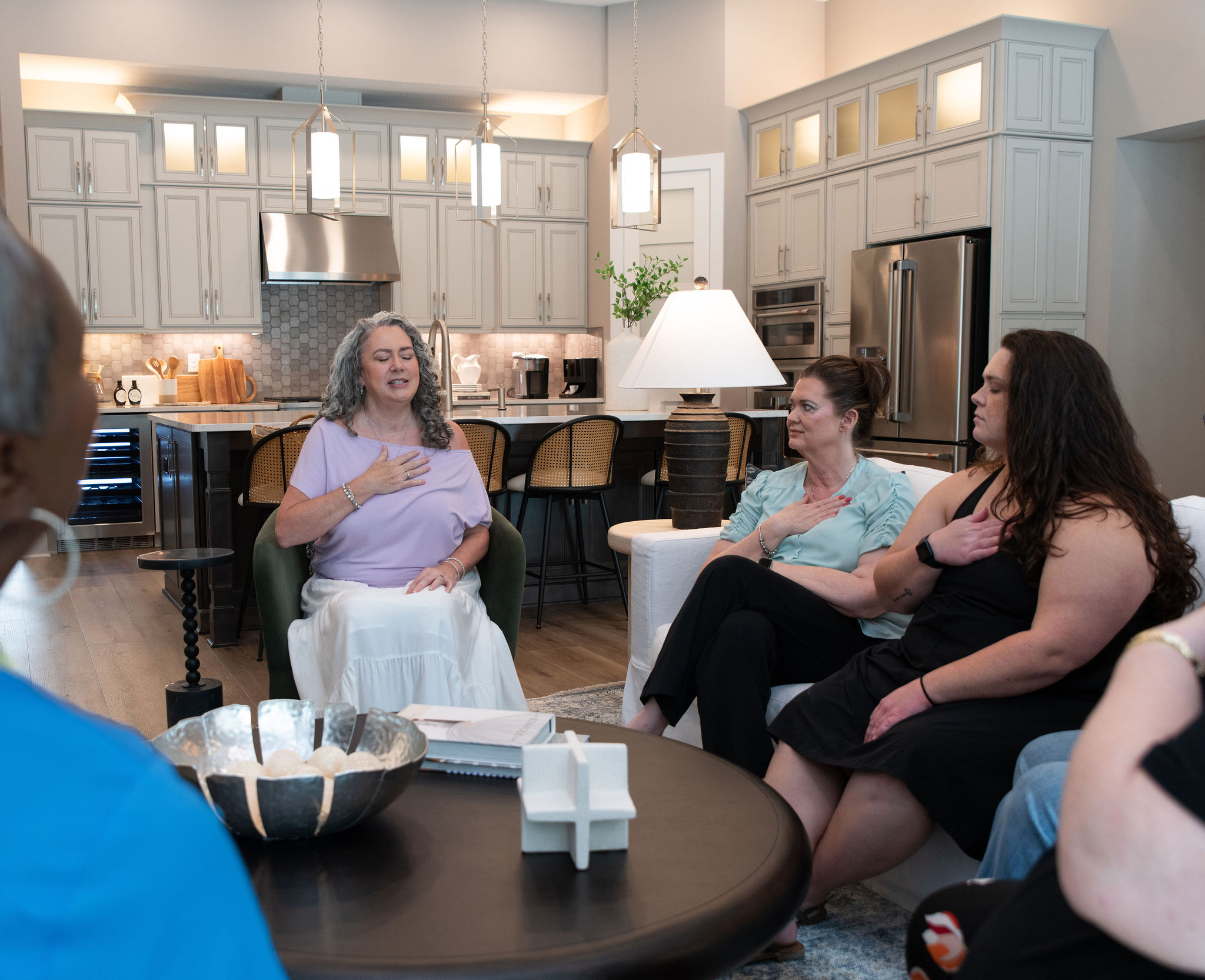
Training and knowledge matter of course, but beyond that what do you think matters most in terms of succeeding in your field?
While training and knowledge are important, I believe the most valuable qualities for success in my field are compassion, presence, and the ability to sit with discomfort.
Many people want to help someone who is grieving, but far fewer are willing or able to sit beside someone in their pain without trying to fix it, rush it, or make it more comfortable. Grief can bring intense emotions, difficult conversations, and moments of profound vulnerability. To truly support someone through that experience requires patience, empathy, and the ability to hold space without judgment.
I also believe self-awareness is essential. The people we serve are often navigating some of the hardest moments of their lives. If we haven’t done our own healing work, it can be easy to project our experiences, opinions, or discomfort onto them. Being able to separate our story from theirs allows us to remain present and supportive in a way that honors their unique journey.
Another quality that has served me well is authenticity. People can tell when someone is showing up from a place of genuine care. I don’t try to position myself as someone who has all the answers. Instead, I show up as a compassionate guide who is willing to walk alongside them. That human connection often becomes more valuable than any technique or strategy.
Finally, I believe courage plays a significant role in this work. It takes courage to sit with heartbreak, to witness suffering, and to continue opening your heart even when the stories are difficult. It also takes courage to trust your intuition and follow where you feel called to serve, even when the path doesn’t look like anyone else’s.
Knowledge can teach you about grief. Experience can deepen your understanding of it. But compassion, presence, authenticity, and courage are what allow you to truly make a difference in someone’s life.
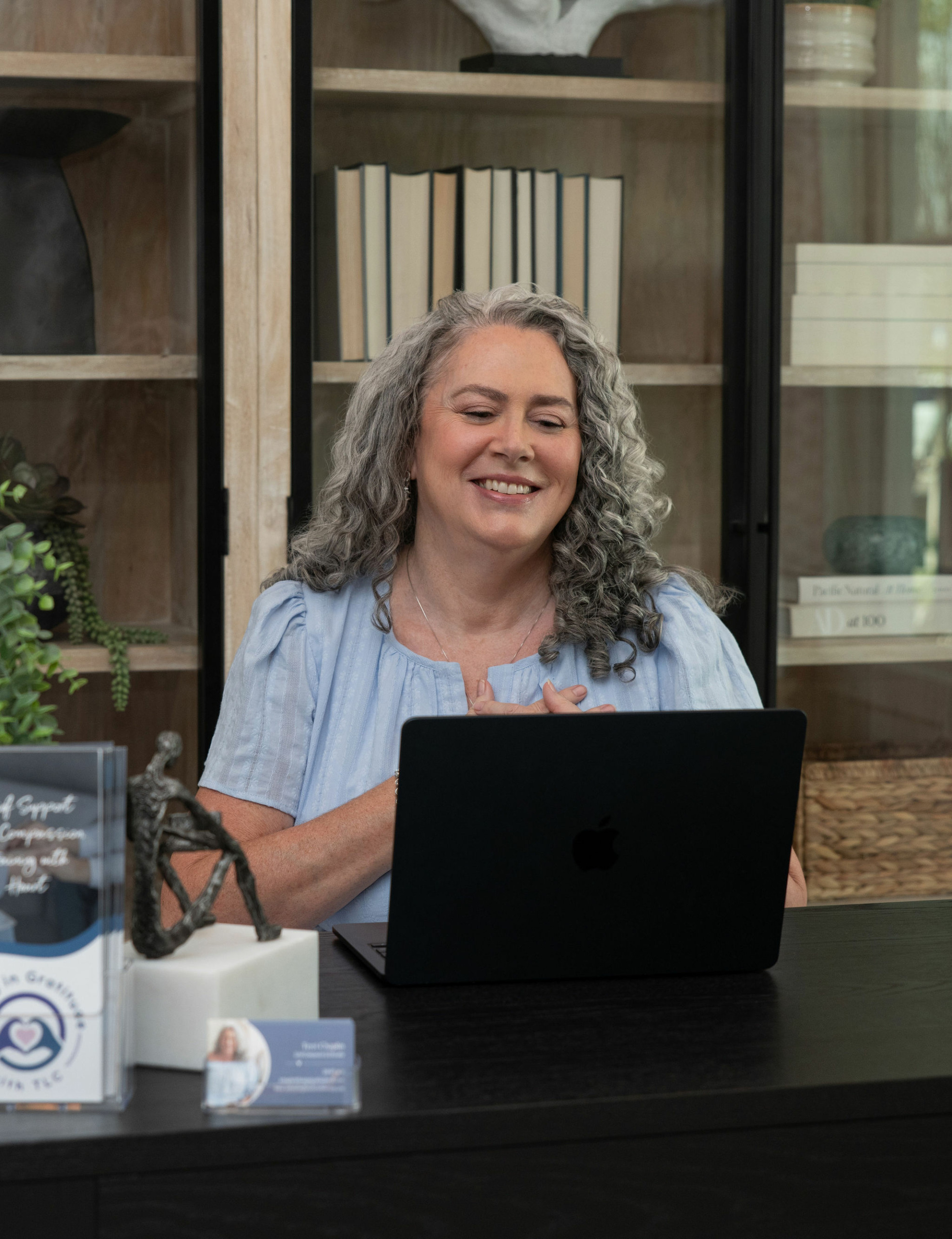
Can you tell us about what’s worked well for you in terms of growing your clientele?
The most effective strategy for growing my clientele has been showing up with authenticity and sharing the heart behind my work.
Grief is deeply personal, so people need to feel safe before they are willing to reach out for support. I have found that when I share my own story, my perspective on grief, and the real meaning behind the work I do, people begin to connect with me on a human level first. That trust matters.
Social media has been a powerful tool for that. Not because I am trying to sell, but because I use it to educate, encourage, and help people feel less alone. When someone reads something I have written and thinks, “She understands what I’m feeling,” that often becomes the beginning of a connection.
Referrals and word of mouth have also been incredibly meaningful. When someone feels truly seen and supported, they naturally want others to experience that same care. Some of my most beautiful client relationships have come from someone sharing my name with a friend, family member, or colleague who was grieving.
More than anything, I believe growth has come from staying aligned with my mission. I don’t try to be everything to everyone. I focus on serving grieving hearts with compassion, presence, and integrity. When people feel that, the right clients find their way to me.
Contact Info:
- Website: https://www.myhealingheartscommunity.com/
- Facebook: https://www.facebook.com/terri.chaplin/
- Linkedin: https://www.linkedin.com/in/teresa-terri-chaplin-54043352/
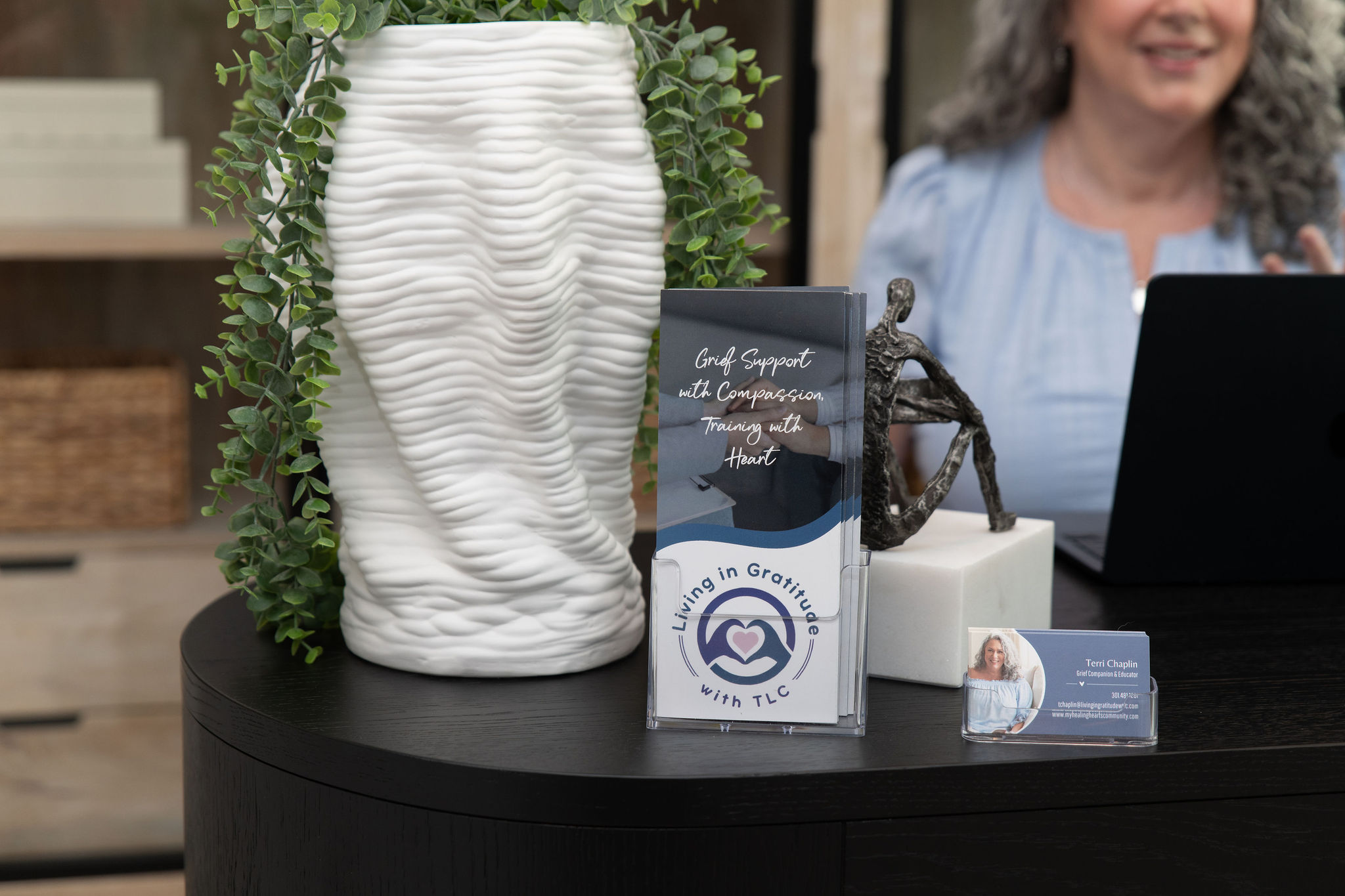
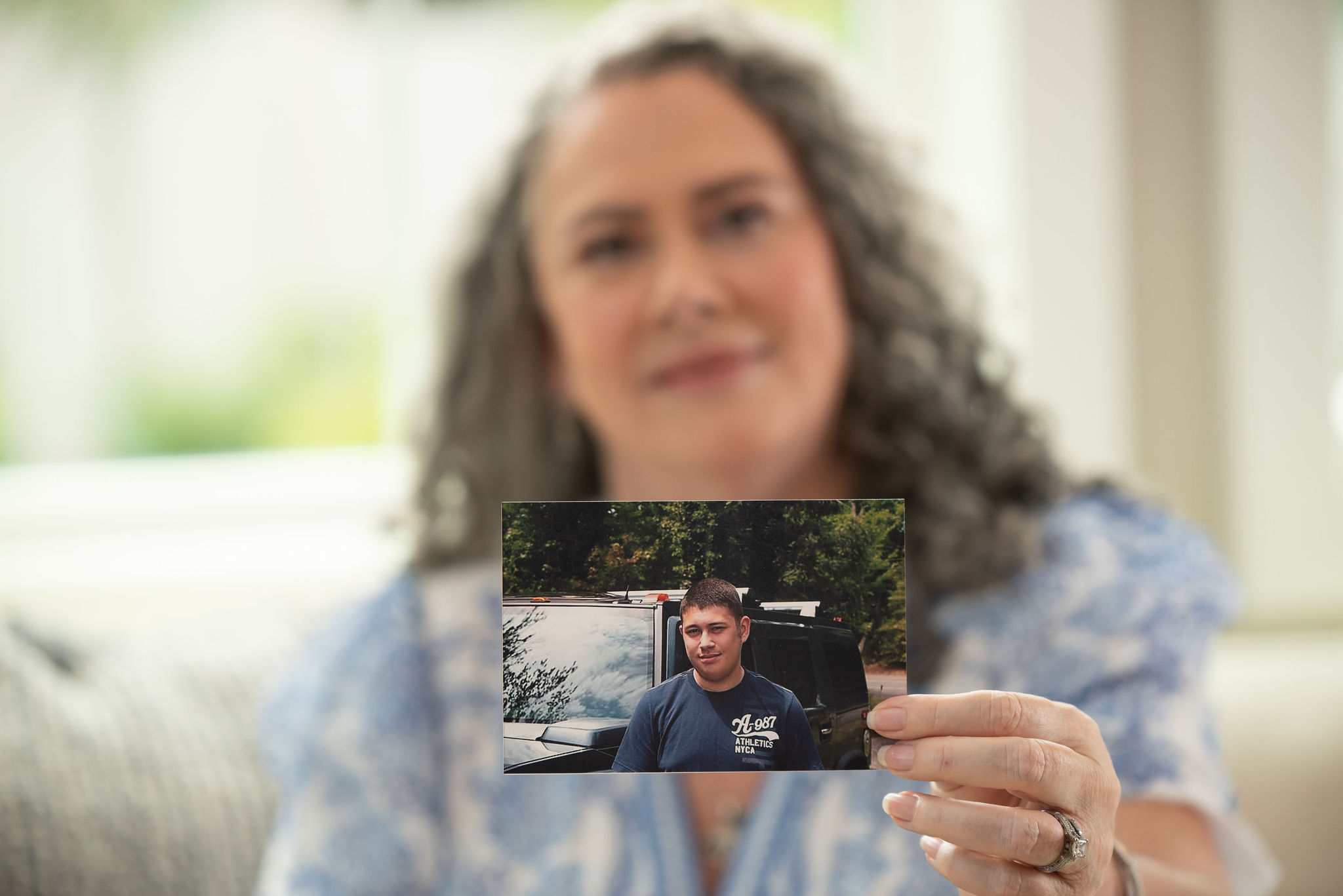
Image Credits
Elena Burley, B & E Photography