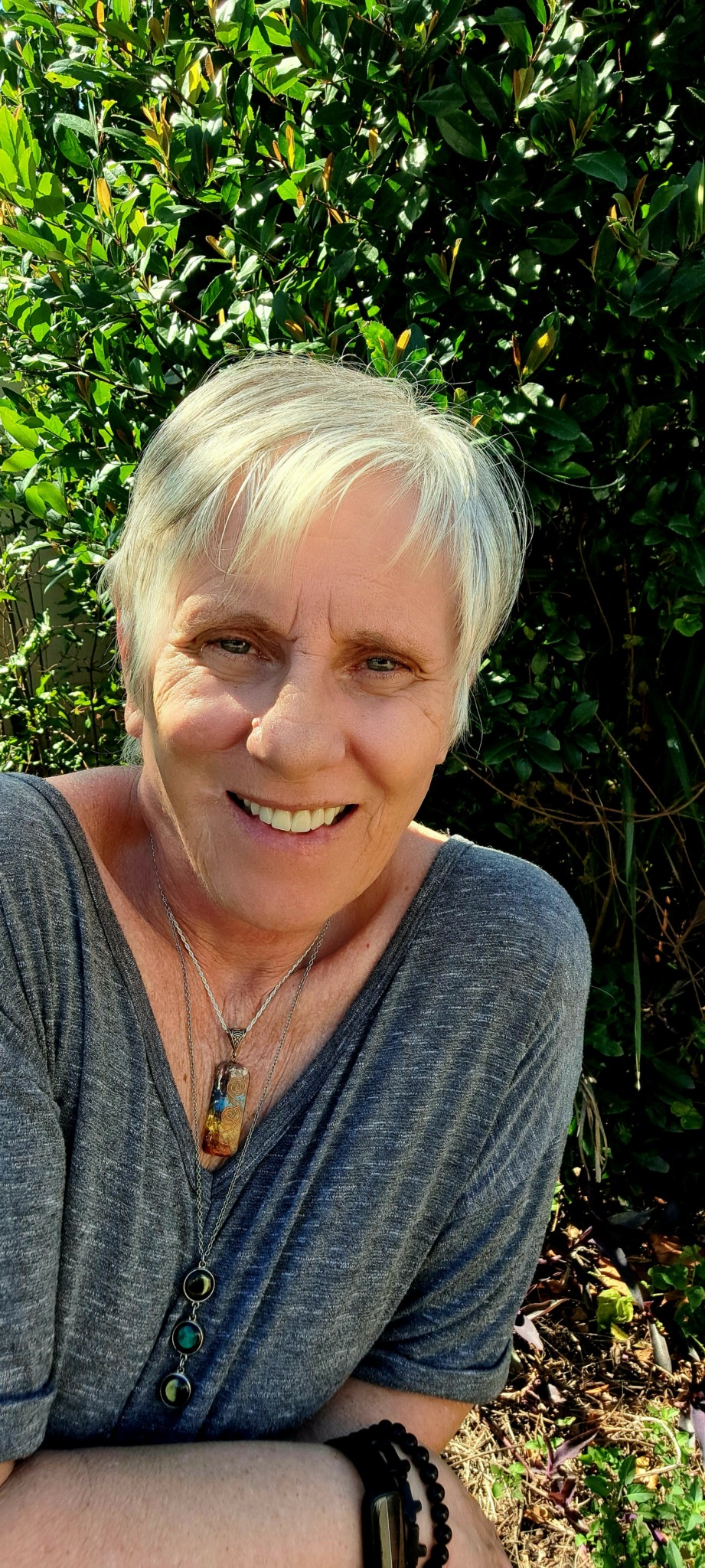

We were lucky to catch up with Paula Adams recently and have shared our conversation below.
Paula, appreciate you joining us today. How did you get your first job in the field that you practice in today?
My first “job” in the field I practice today didn’t come with an application, a paycheck, or a title. It came when I was eight years old, barefoot in the doorway of a small room where a woman in our community was taking her last breaths. My mother stood on one side of me, my grams on the other — the two women who raised me in the old ways, who understood death not as an ending but as a passage.
They already knew I was different.
I had been drawn to death since I could walk. On our farm, when animals gave birth, I was the child who didn’t just coo over the newborns — I was the one who instinctively knew which one wasn’t going to make it. And without anyone telling me to, I would sit with that dying animal until its final breath. I would wash its little body, speak to it softly, and honor it in a way that felt ancient, ritualistic, and strangely familiar.
Looking back, that was my first training.
My first apprenticeship.
My first calling.
So when my grams and mom took my hands that day and walked me toward a dying woman’s bedside, it didn’t feel frightening or strange. It felt like stepping into a room I had always known. Half of me was the child standing there in the present — and half of me was something older, something cosmic, something that knew how to walk in the in‑between.
That in‑between place — the threshold — has always felt like home to me.
I remember the sensation clearly: a soft opening in my chest, a quiet knowing, a sense that I was both here and not here. My grams whispered, “Lead with your heart and soul, and the rest will take care of itself.” And it did. I wasn’t scared. I wasn’t overwhelmed. I was steady. Present. Connected.
That moment — that first walk — was the defining moment of my life.
As sure as I knew I would one day be a writer, I knew death and I would be intertwined for as long as I am here in this place and time.
There was no recruiting process. No interview. No résumé.
Just a lineage of women who recognized a gift in me and trusted me enough to guide me into it. They were the ones who always showed up for the dying, for the grieving, for the community. And they raised me to do the same.
So when people ask how I got my first job in this field, the truth is simple:
I didn’t choose this work — this work chose me.
And I’m grateful every day that it did.
Paula, love having you share your insights with us. Before we ask you more questions, maybe you can take a moment to introduce yourself to our readers who might have missed our earlier conversations?
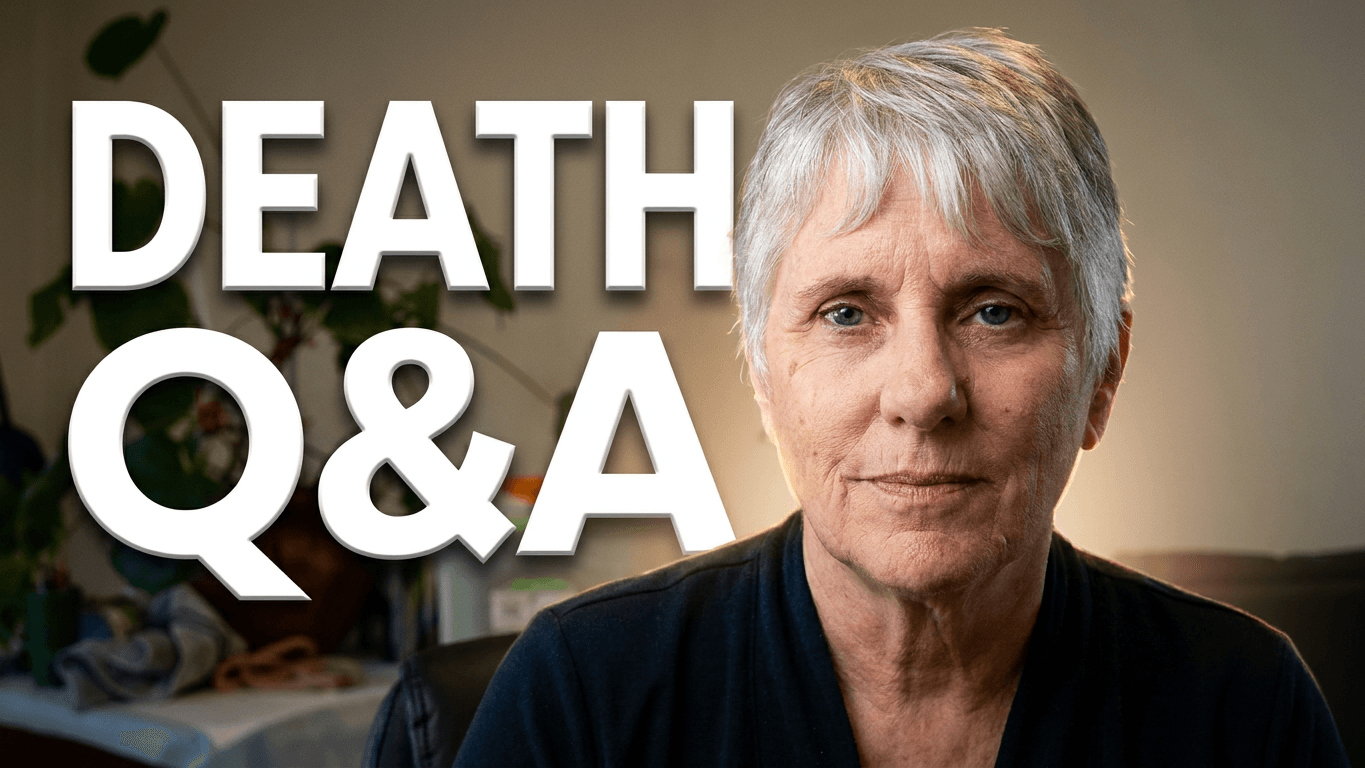
I was raised inside a lineage most people today have never witnessed — a lineage where death was not feared or hidden, but honored as a natural, sacred part of the human cycle. My mother and my grandmother were the ones the community called when someone was dying, and from the moment I was born, they recognized the same gift in me. I grew up watching them sit at bedsides, wash bodies, speak truth into rooms where everyone else whispered, and hold the dying with a steadiness that felt ancient.
My initiation into this work came when I was eight years old. They took my hands and walked me toward a woman taking her last breaths. I remember feeling half in this world and half in the in‑between — the place where the veil thins and the cosmic part of me steps forward. It wasn’t frightening. It felt like home. That moment shaped everything that came after. I knew, even then, that death and I would be intertwined for as long as I’m here.
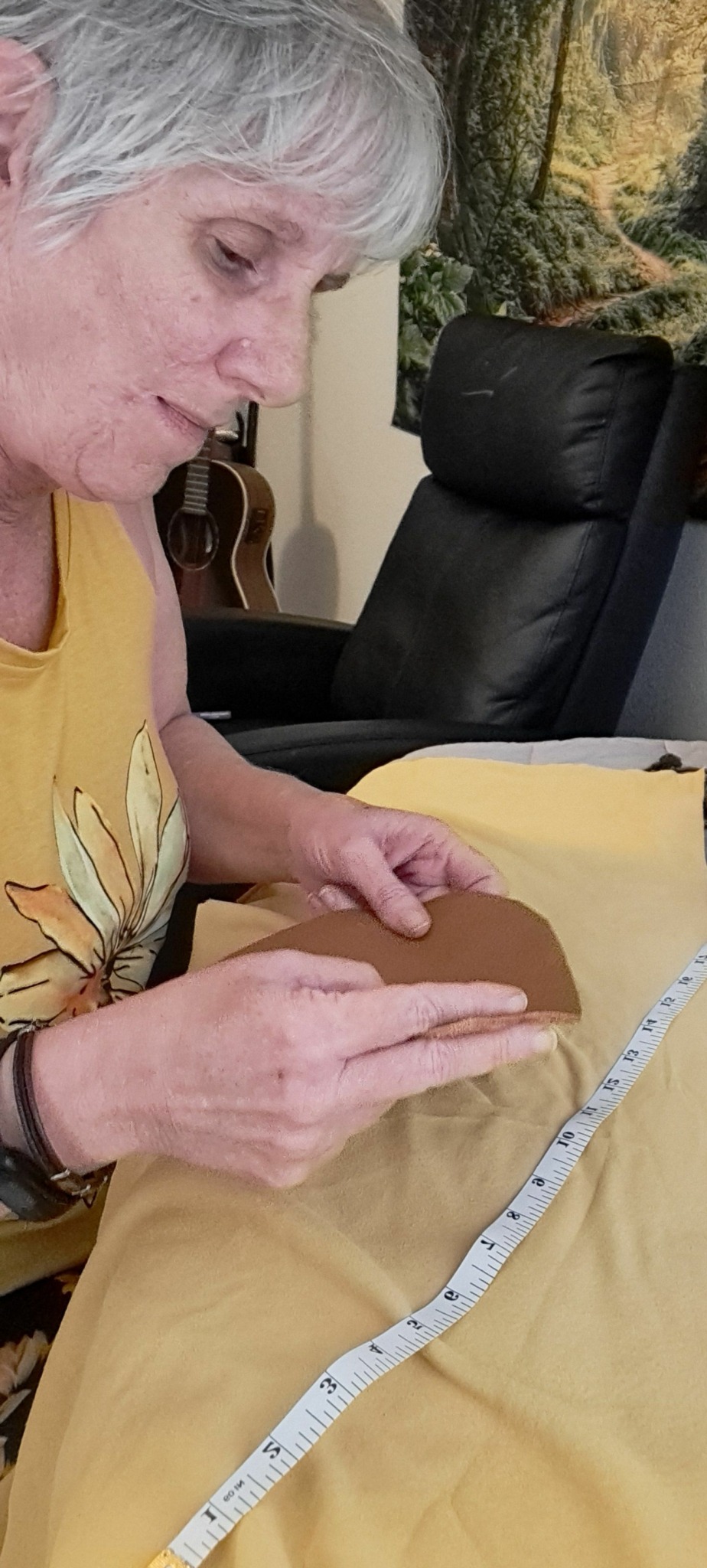
Today, I am a Deathwalker, educator, ritualist, storyteller, shroud‑maker, and advocate for end‑of‑life sovereignty. My work spans several interconnected realms:
Death literacy education for all ages
End‑of‑life autonomy and advocacy in a collapsing healthcare and deathcare system
Ritual and ceremony design for families, communities, and the dying
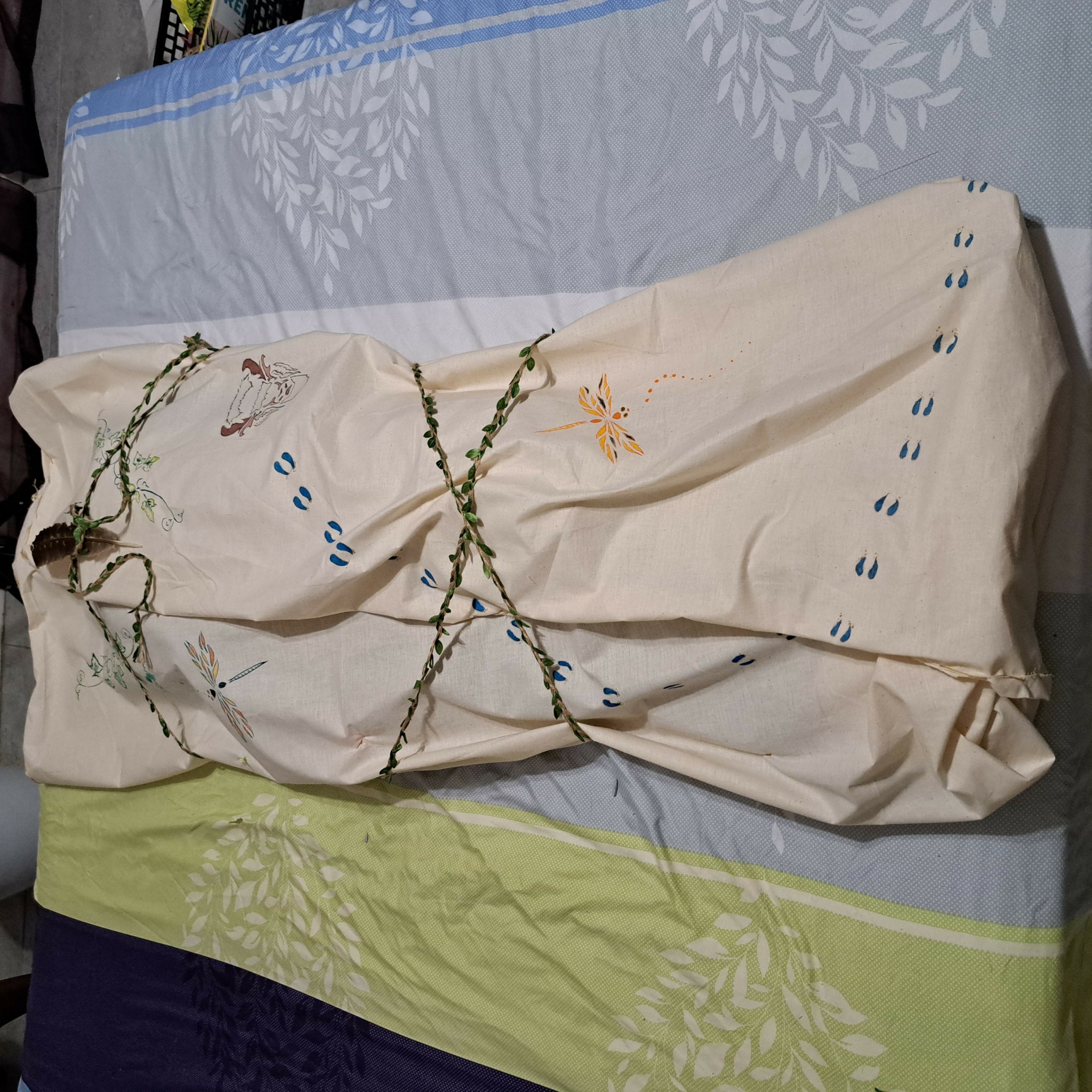
Handmade natural death shrouds — eco‑friendly, ritual‑rooted, and created as vessels of passage
Public speaking on death, dying, and the dead
Children’s books that teach courage, emotional truth, and the natural cycles of life
Caregiver support for those navigating medical abandonment and system failures
What sets me apart is that I don’t approach death as pathology. I approach it as a threshold — a sacred crossing that deserves clarity, dignity, and sovereignty. I don’t offer euphemisms or soft‑pedaled language. I offer truth, presence, and the old ways that were nearly lost.
My handmade death shrouds are part of that lineage. They are created from natural, earth‑friendly materials, sewn with intention, ritual, and respect. Each shroud is a final garment, a vessel of passage, and a return to the ancient practice of honoring the body without chemicals, plastics, or industrialization. It is one of the most intimate forms of artistry I offer.
I also speak publicly about death, dying, and the dead — not to sensationalize, but to normalize. To bring death back into the conversation. To help people understand what is happening in our healthcare system, why families feel abandoned, and how we can reclaim our endings.
What I’m most proud of is the way my work helps people feel less alone. Whether it’s a caregiver who finally understands what’s happening, a dying person who feels seen, or a child who learns that death is not a monster but a natural part of life — those moments matter. They ripple outward.
What I want people to know about my brand and my work is this:
I am here to restore what our culture lost — the rituals, the honesty, the sovereignty, the courage. I am here to help people die on their own terms, with dignity and choice. And I am here to teach the living how to walk beside the dying without fear.
My work is not about death.
It is about humanity, truth, and remembering who we were before fear took over.
Are there any books, videos, essays or other resources that have significantly impacted your management and entrepreneurial thinking and philosophy?
My management and entrepreneurial philosophy didn’t come from business school or leadership seminars — it came from the threshold. It came from watching people die, from witnessing systems fail, and from learning how to build something honest in a culture that avoids the truth. But there are resources that have deeply influenced how I think about autonomy, sovereignty, and the work I do today.
One of the most impactful books for me is Theresa Evans’ Choosing to Die. It’s a rare piece of writing that tells the truth about MAID, caregiving, and the emotional terrain of supporting someone through a sovereign death. Her clarity, her courage, and her refusal to sanitize the experience affirmed everything I’ve witnessed in my own work. It’s a book that doesn’t flinch — and that matters.
Another resource that shaped me is The Death Wish Podcast. It’s raw, unfiltered, and willing to talk about the things most people avoid. Listening to people speak openly about death, grief, autonomy, and the failures of our systems helped reinforce my belief that we need more public conversations that don’t tiptoe around the truth.
I also return often to The Final Network, a book that explores the underground history of end‑of‑life choice, advocacy, and the people who fought — often quietly — for the right to die on one’s own terms. It’s a reminder that sovereignty has always required courage, community, and a willingness to challenge institutions that profit from fear.
Beyond those, I draw inspiration from works that explore the collapse of systems and the rise of community‑based care, including:
Being Mortal by Atul Gawande — a clear-eyed look at how medicine lost its way
The Smell of Rain on Dust by Martín Prechtel — a poetic exploration of grief as a communal responsibility
The Art of Dying Well by Katy Butler — practical, honest, and deeply human
The Hospice Doctor’s Widow — a personal account of caregiving and system failures
The Good Death by Ann Neumann — a journalistic look at the politics and ethics of dying in America
These works don’t just inform my thinking — they sharpen it. They remind me that my work sits at the intersection of truth-telling, advocacy, ritual, and community care. They reinforce the belief that death literacy is not a niche topic; it’s a cultural necessity.
What sets my philosophy apart is that I don’t approach deathwork as a business model. I approach it as a calling, a lineage, and a responsibility. These resources help me stay grounded in that truth while navigating the realities of entrepreneurship in a field most people don’t want to look at directly.
How’d you build such a strong reputation within your market?
My reputation wasn’t built the modern way. I didn’t buy ads, chase algorithms, or pay for likes. My work is old‑school, lineage‑rooted, and resonance‑driven. Everything I’ve built has come from a vibration I put out into the world — a frequency that draws the right humans toward me and quietly repels the ones who aren’t aligned.
People find me because they feel me before they ever meet me.
Word of mouth has been my strongest ally. Families talk. Caregivers talk. Communities talk. And in the deathcare world, the truth travels fast. I’m also the person other death doulas send their “too complicated,” “too intense,” or “too emotionally heavy” cases to. When someone is dying and the room is full of fear, conflict, or collapse, I’m the one they call. That alone has shaped my reputation more than any marketing strategy ever could.
My reputation comes from my writing — the clarity, the honesty, the mythic‑practical truth‑telling that helps people feel less alone. It comes from my speaking — naming what others avoid, teaching what our culture forgot, and bringing death back into the light. It comes from my listening — the kind of listening that holds a room steady. And it comes from my presence — the skill of being fully there, unflinching, grounded, and sovereign.
Presence is not a personality trait. It’s a discipline.
What sets me apart is that I don’t perform this work. I live it. I was raised in it. I was initiated into it at eight years old. My reputation is not a brand strategy — it’s the natural consequence of showing up honestly, consistently, and without fear in spaces where most people hesitate.
If people know me for anything, I hope it’s this:
I tell the truth gently.
I hold the line fiercely.
And I help people die on their own terms.
Contact Info:
- Website: https://deathwalkerpaula.godaddysites.com/
- Instagram: https://www.instagram.com/deathwalkerpaula/#
- Facebook: https://www.facebook.com/paula.adams2
- Linkedin: https://www.linkedin.com/in/cronedeathwalker/
- Youtube: https://www.youtube.com/@deathwalkerpaula
- Other: https://substack.com/@deathwalkerpaula?utm_source=user-menu
https://open.spotify.com/user/31u62jmb4y3cigiezqf3j645lzsi?si=531d7330ea784101