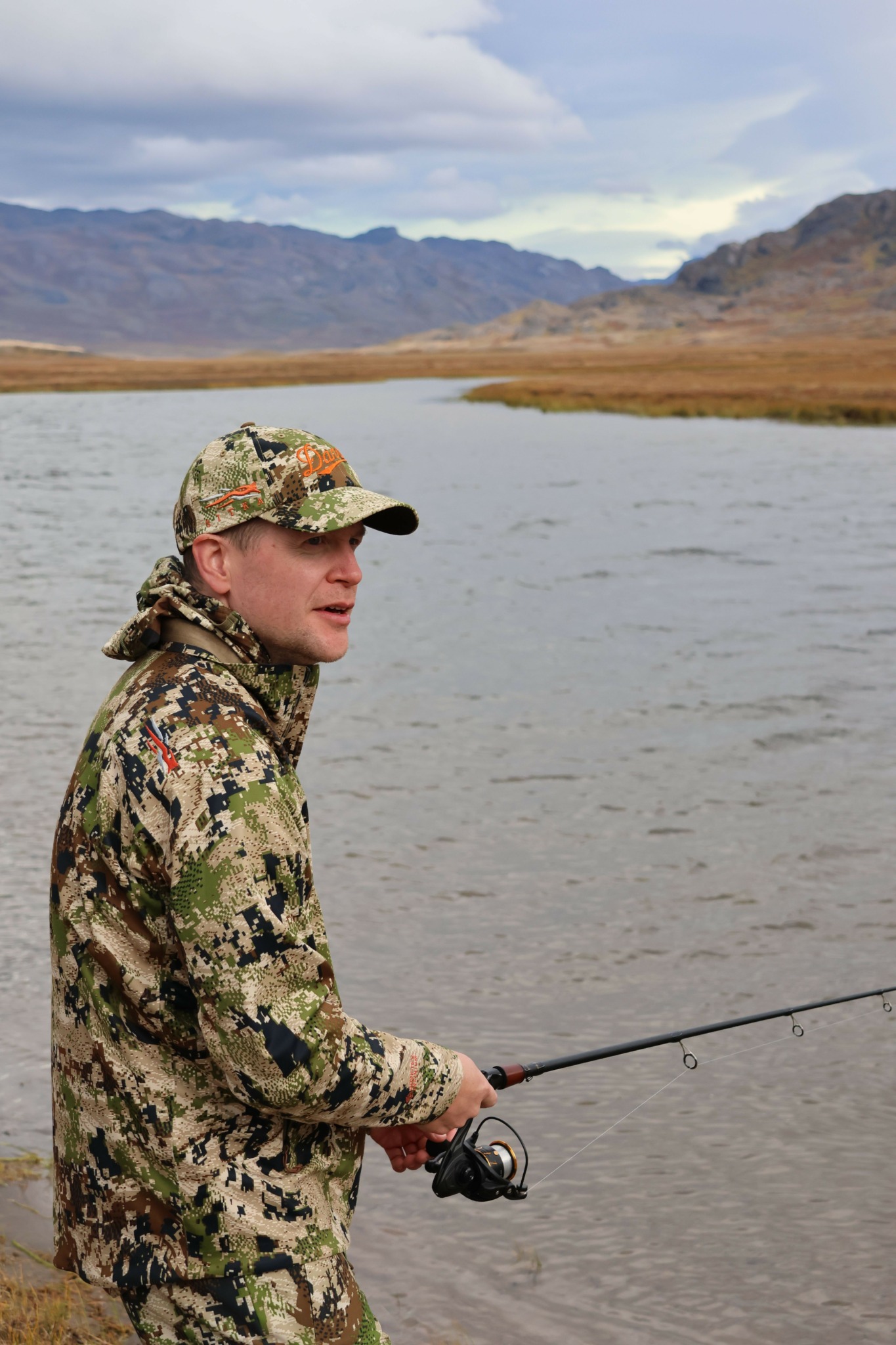

We were lucky to catch up with Luke Guest recently and have shared our conversation below.
Hi Luke, thanks for joining us today. Can you share a story that illustrates an important or relevant lesson you learned in school
The most important lesson I learned in school was that talent has limits, but discipline and resilience do not. I learned this at sixteen when I left home to attend a residential high school for academically gifted students in Mississippi. Until then, I had always been one of the strongest students in my classes. Suddenly, I was surrounded by students who had all been the best wherever they came from. I still remember carrying everything I owned up the stairs to my small dorm room—a laundry basket, a backpack, and a few bags—then watching my parents drive away. Standing in that worn dorm room, I wasn’t worried about failing academically; I was wondering if I belonged at all.
The next two years tested me in ways I never expected. The workload was relentless, the competition was intense, and for the first time, intelligence alone wasn’t enough. I spent countless nights studying in a dorm closet after lights-out, memorizing pages of history notes and pushing through exhaustion. I even failed a course by two-tenths of a point, an experience that challenged my identity and confidence. But instead of quitting, I took the class again at a local college over the summer, worked harder than ever, and finished with one of the highest grades in the course. Through those experiences, I learned that success isn’t determined by being the smartest person in the room. It’s determined by your willingness to keep showing up, keep learning, and keep moving forward when things get difficult. That lesson has shaped how I approach business, leadership, fatherhood, and every significant challenge I’ve faced since.
As always, we appreciate you sharing your insights and we’ve got a few more questions for you, but before we get to all of that can you take a minute to introduce yourself and give our readers some of your background and context?
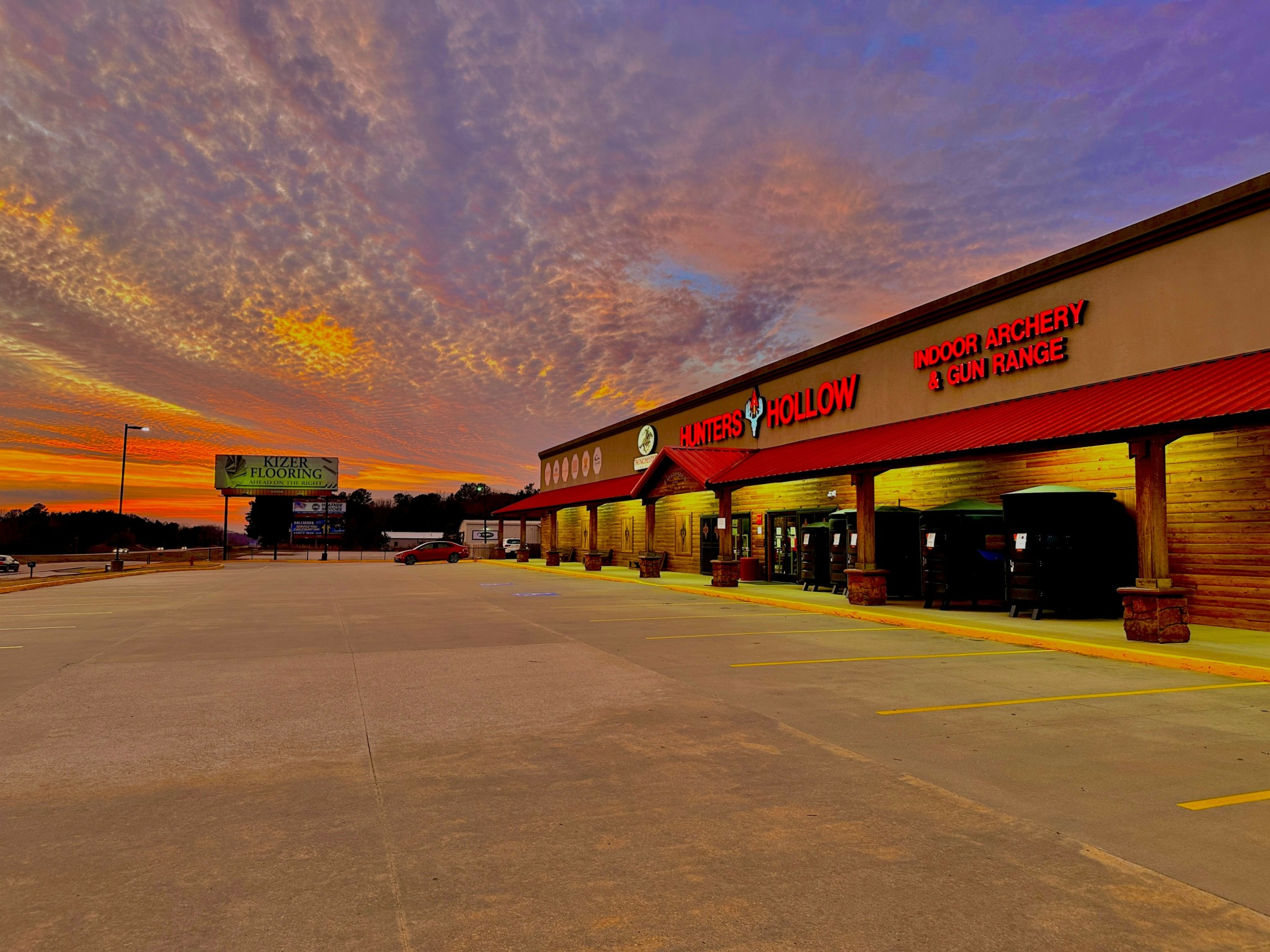
I am a second-generation business owner, which is something I never take for granted. My father started our business from nothing. What began as a hobby in his garage eventually grew into something much larger because he was willing to invest countless hours, take risks, and pursue a vision that many people probably couldn’t see at the time. Nearly forty years later, that small garage operation has become a 35,000-square-foot facility and one of the largest privately owned hunting and fishing stores in the Southeast.
Taking over a family business comes with a unique sense of responsibility. When you’ve watched your father pour his life into building something from the ground up, you gain a deep appreciation for what it took to get there. I had the privilege of seeing the business grow firsthand, and that perspective has shaped how I approach leadership and decision-making today. My goal isn’t simply to maintain what was built, but to honor that legacy while continuing to grow and improve it for future generations.
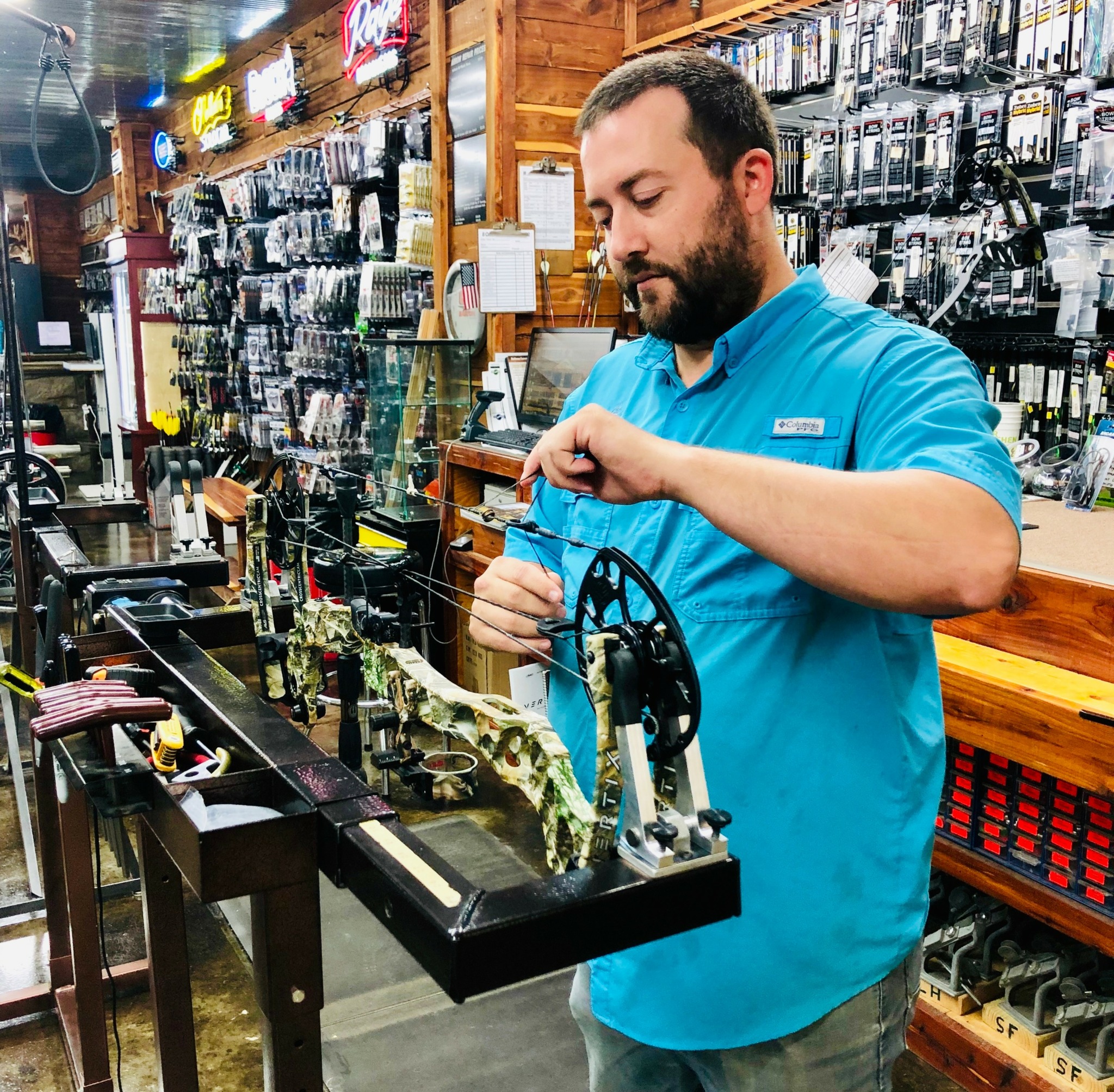
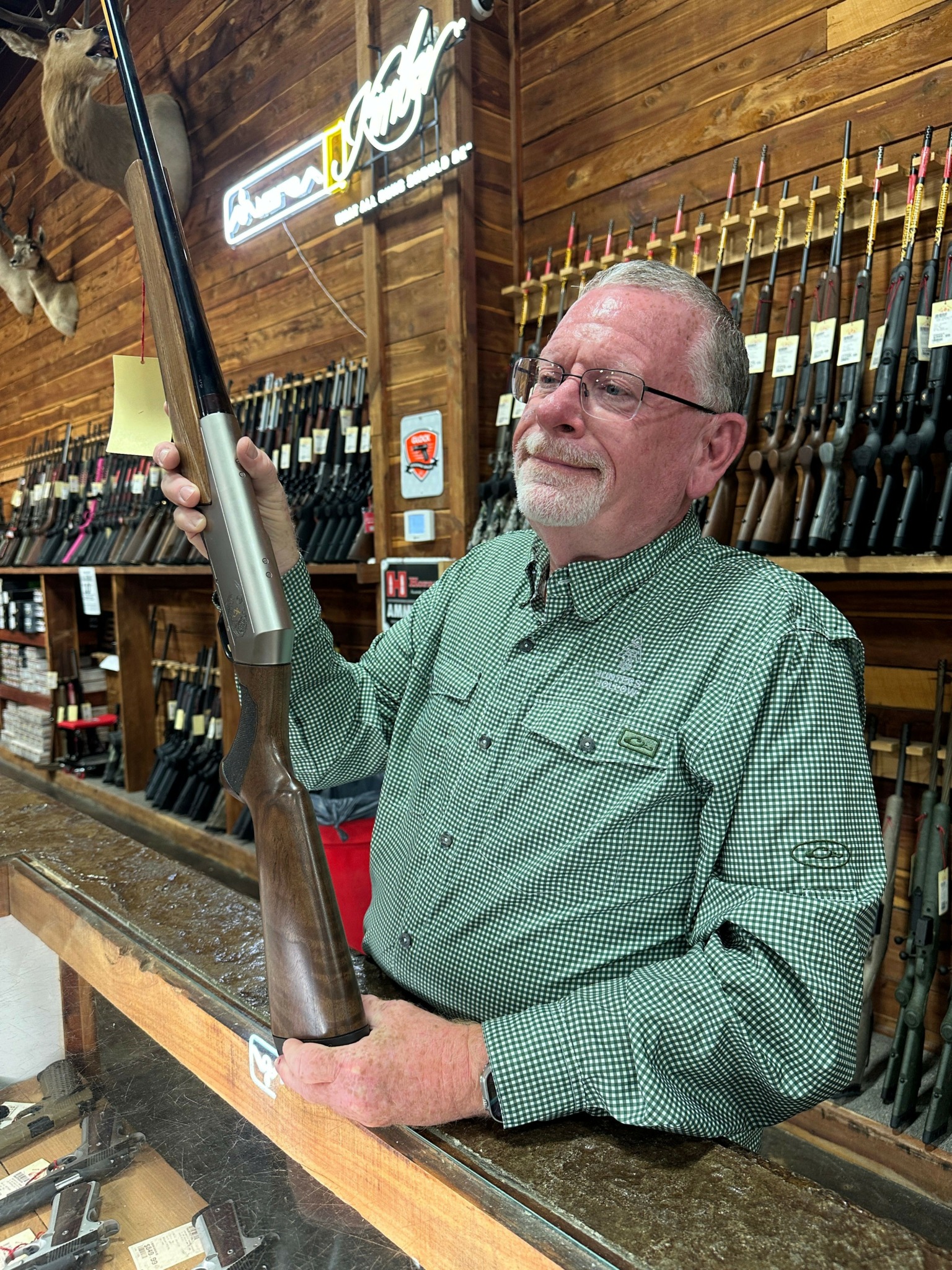
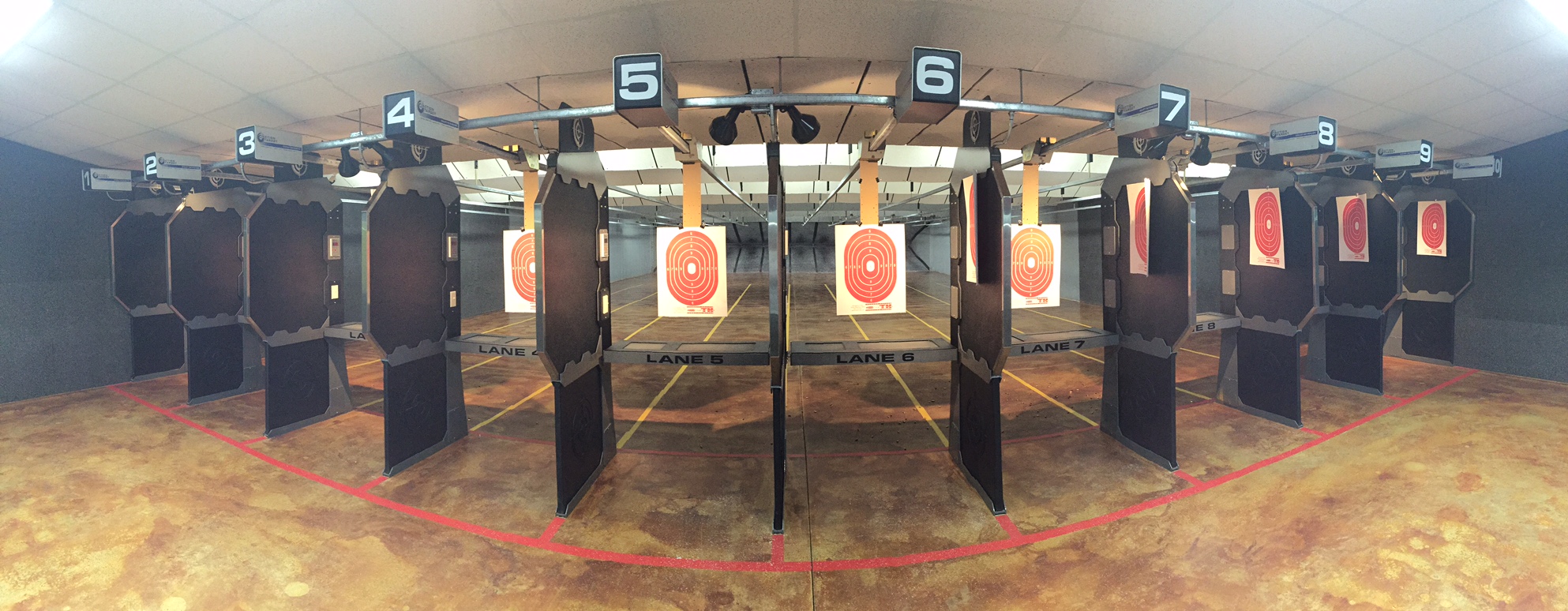
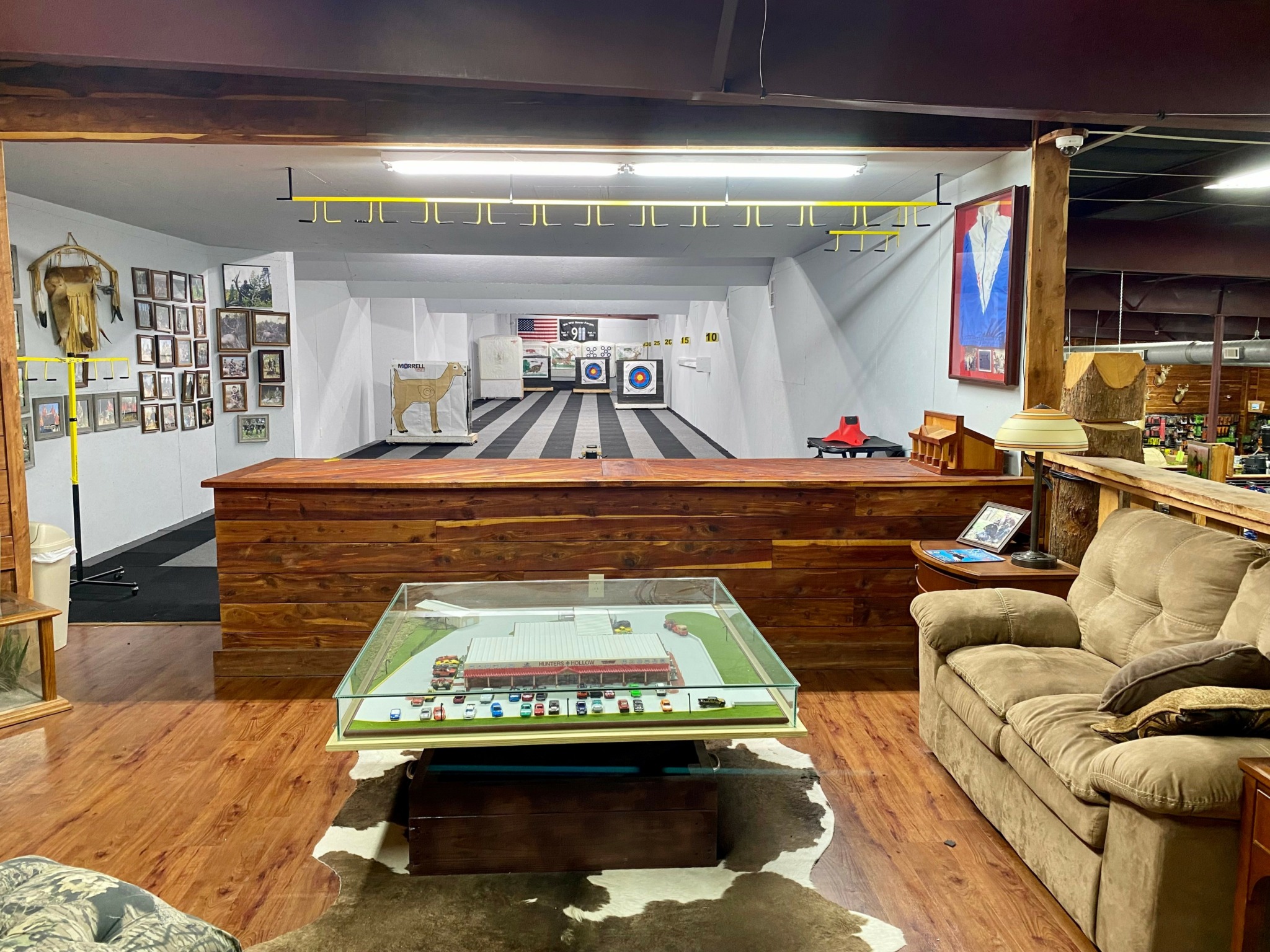
At Hunters’ Hollow, we strive to be much more than a retail store. We provide everything needed for hunting, fishing, shooting sports, and the outdoor lifestyle. In addition to offering a wide selection of products, we have an indoor gun range, an indoor archery range, and a full-service archery shop. What sets us apart is that customers can purchase equipment, receive expert guidance, learn how to use it properly, and practice with it—all in one location. That combination of products, expertise, and hands-on experience is something very few outdoor retailers can offer.
What I’m most proud of is that we’ve built a business centered on relationships, trust, and service. We don’t just sell products; we help people enjoy the outdoors, develop new skills, and create memories with family and friends. Whether someone is an experienced hunter, a competitive archer, or a beginner looking for guidance, we want them to feel welcomed, supported, and confident that they’re getting honest advice from people who genuinely care about the outdoor community.
Any insights you can share with us about how you built up your social media presence?
Social media can be an incredibly powerful tool when it is used the right way. For us, building a following has never been about chasing trends or trying to create a version of ourselves that isn’t real. From the beginning, our approach has been simple: be genuine, provide value, and let people see who we truly are.
Of course, we share products, promotions, and information about the outdoor industry, but we’ve always believed that people connect with more than just what you sell. They connect with what you stand for. For the past ten years, we have shared a weekly devotion on our business social media pages specifically geared toward outdoorsmen. It has become a meaningful part of who we are as a company and a reflection of the values that guide us both personally and professionally.
I think there is something powerful about authenticity. In today’s world, people can usually tell when someone is being genuine and when they’re simply trying to market to them. We’ve never felt the need to hide our beliefs or separate our values from our business. Instead, we’ve tried to be consistent in both. Interestingly, we’ve found that even people who may not share our beliefs often respect the fact that we’re open and honest about them.
Ultimately, I believe our social media growth has been the result of building relationships rather than simply building an audience. People want to connect with real people and real stories. By consistently sharing our passion for the outdoors, our knowledge of the industry, and the values that matter most to us, we’ve been able to create a community of followers who trust us, engage with us, and feel connected to our brand.
How did you put together the initial capital you needed to start your business?
Because I am a second-generation business owner, the initial capital story is really the story of our company’s major expansion. My father started the business in his garage as a side hobby and spent decades building it into a successful outdoor retail business. When the opportunity came to purchase land and build a much larger facility, we knew it would require a significant investment and a level of risk we had never taken before.
We spent months developing a detailed business plan, projecting revenue, analyzing costs, and preparing for meetings with lenders. What I remember most wasn’t the numbers themselves, but realizing how different an idea looks when you have to convince someone else to believe in it. Every assumption, projection, and forecast was questioned. It taught me that preparation doesn’t eliminate uncertainty—it simply helps you manage it. Eventually, we found a bank willing to invest in our vision, and the project moved forward.
Once the financing was secured, the real work began. Land was purchased, buildings were constructed, and what had existed as a plan on paper suddenly became reality. That experience taught me one of the most valuable lessons in business: growth always requires faith, responsibility, and the willingness to act before there are guarantees. Looking back, obtaining the capital was important, but learning how to move forward despite uncertainty was the lesson that has stayed with me ever since.
Contact Info:
- Website: http://www.huntershollow.com
- Instagram: @huntershollowinc
- Facebook: https://facebook.com/huntershollow