
Alright – so today we’ve got the honor of introducing you to ADEOLA DAVIES-AIYELOJA. We think you’ll enjoy our conversation, we’ve shared it below.
Hi ADEOLA, thanks for joining us today. What’s been the most meaningful project you’ve worked on?
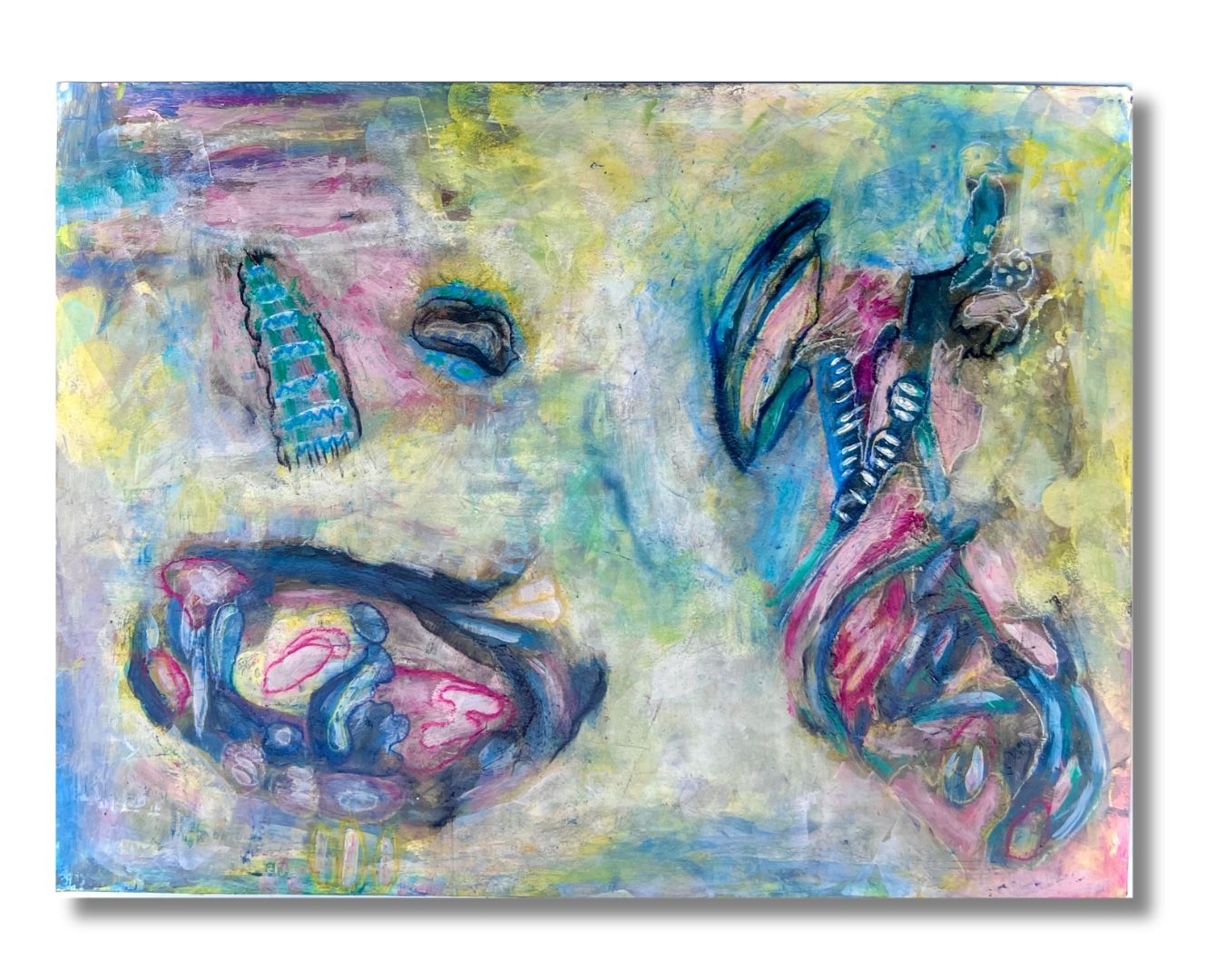
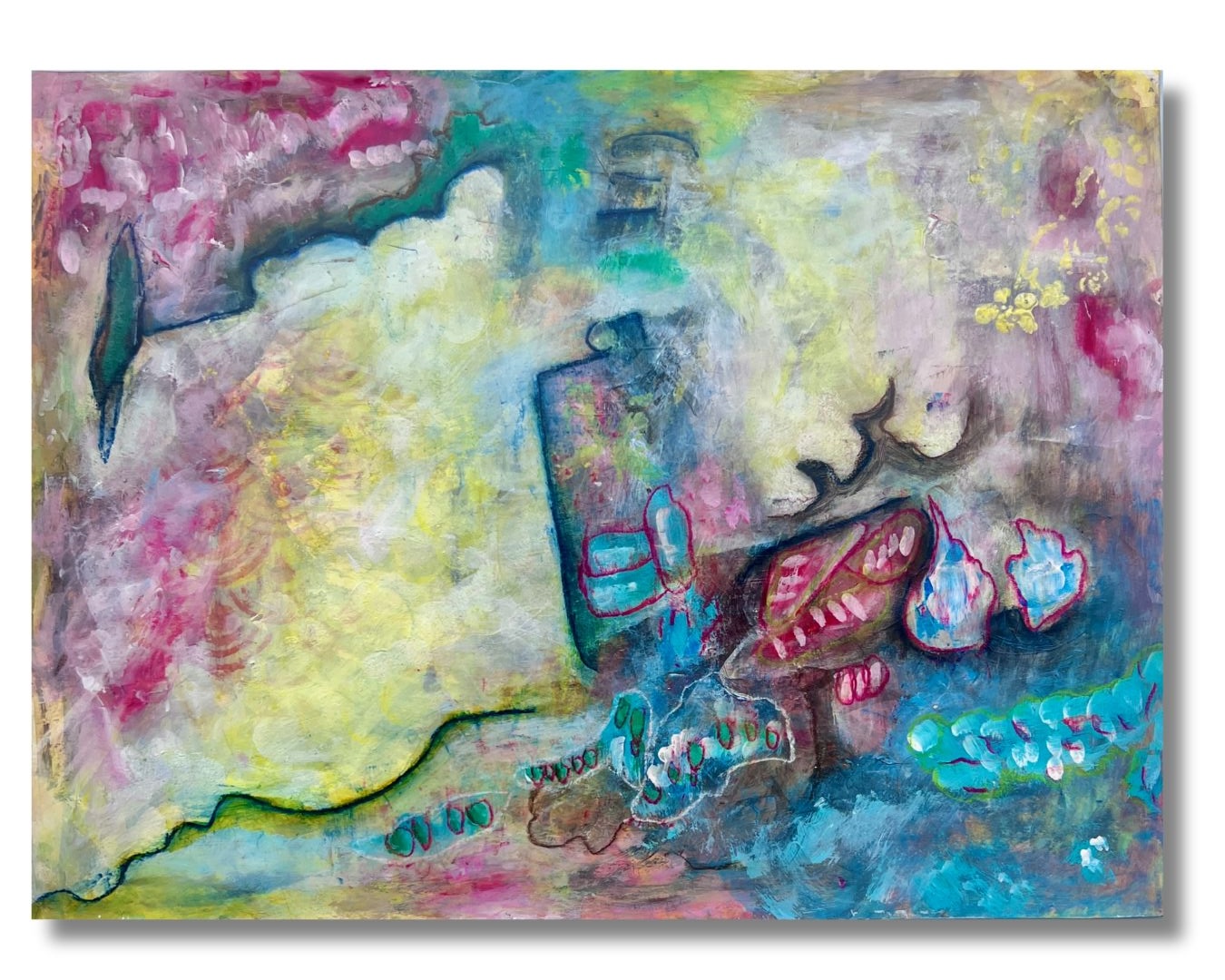
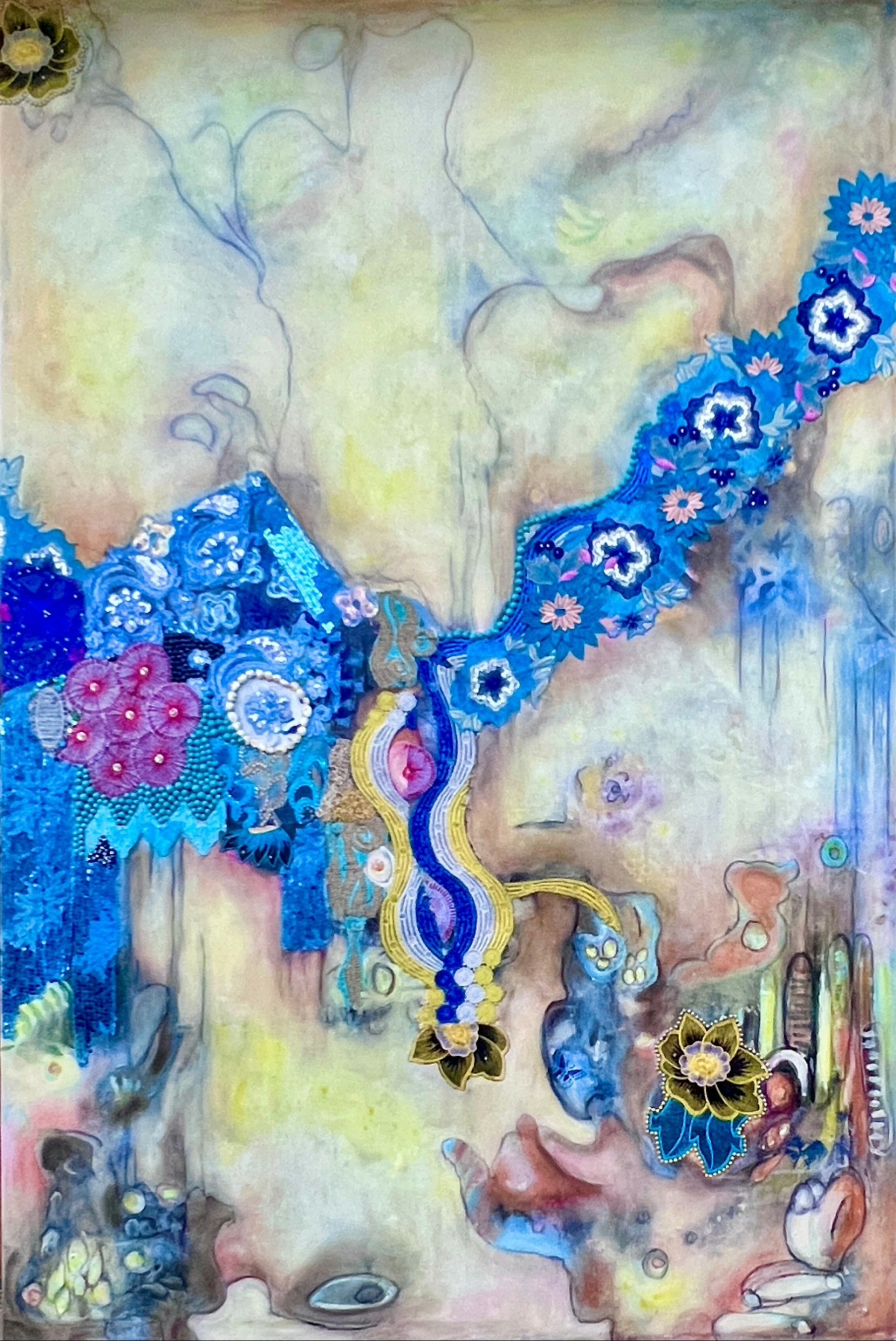
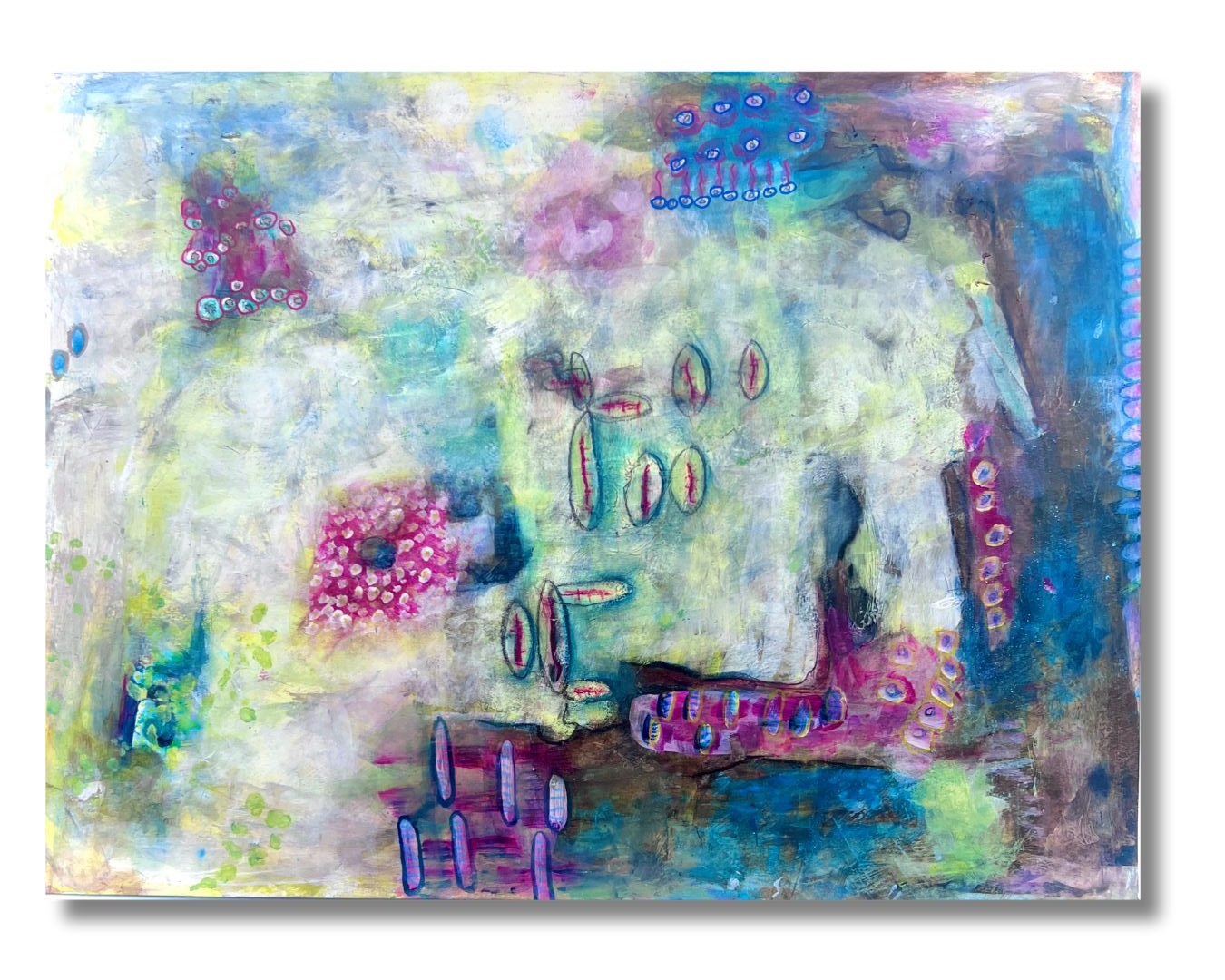
My most recent meaningful project is Living Matter, a solo exhibition presented at Matter Studio Gallery in Southern California. The work in that show was born directly from my artist residency in Jamaica through the Adisa Ancestral Residency program, and it represents one of the most profound creative and spiritual experiences of my life.
Jamaica met me in ways I did not anticipate. The landscape spoke. The soil, the sea, the light, the botanical life surrounding me carried memory in a way I could feel in my body. As a woman of African descent, standing on Caribbean land felt like an act of reunion. That feeling poured directly into the paintings I made during and after the residency. Working in mixed media, I created a series of abstracted landscapes saturated with the color palette of the Caribbean: deep turquoise waters, warm ochres, lush greens, and the particular luminosity of that island light. The works were not literal depictions. They were emotional and ancestral responses to a landscape that felt both foreign and deeply familiar at the same time.
When those paintings came home and were installed at Matter Studio Gallery, something beautiful happened in the community. Visitors did not simply view the exhibition. They entered into it. People shared stories about their own ancestral connections, their relationships to the Caribbean, to the African diaspora, and to the feeling of arriving somewhere and recognizing it in your bones. The gallery became a gathering space where art opened conversations that might not have happened anywhere else.
That is what made Living Matter so meaningful to me. It was not just a solo show. It was evidence that when an artist does the deep interior work of connecting to ancestral memory and place, that authenticity travels. It reaches people. It gives them permission to explore their own roots and tell their own stories.
Living Matter confirmed for me that my most important role as an artist is to create that kind of space, where beauty, history, and community can breathe together.
Awesome – so before we get into the rest of our questions, can you briefly introduce yourself to our readers.
My name is Adeola Davies-Aiyeloja, and I am a multidisciplinary artist, curator, educator, and cultural advocate whose work explores ancestry, identity, womanhood, spirituality, resilience, and our relationship with the natural world. Born in Lagos, Nigeria, and now based in Southern California, my practice is rooted in Yoruba cultural philosophy, African diasporic narratives, and the enduring power of visual storytelling.
Before becoming a full-time artist, I spent more than twenty years as a K-12 educator. Teaching was deeply rewarding, but art had always been a constant thread running through my life. Eventually I made the courageous decision to leave the classroom and fully embrace my calling. That transition was both challenging and transformative, allowing me to merge my commitment to education, community engagement, and creative expression into a unified practice.
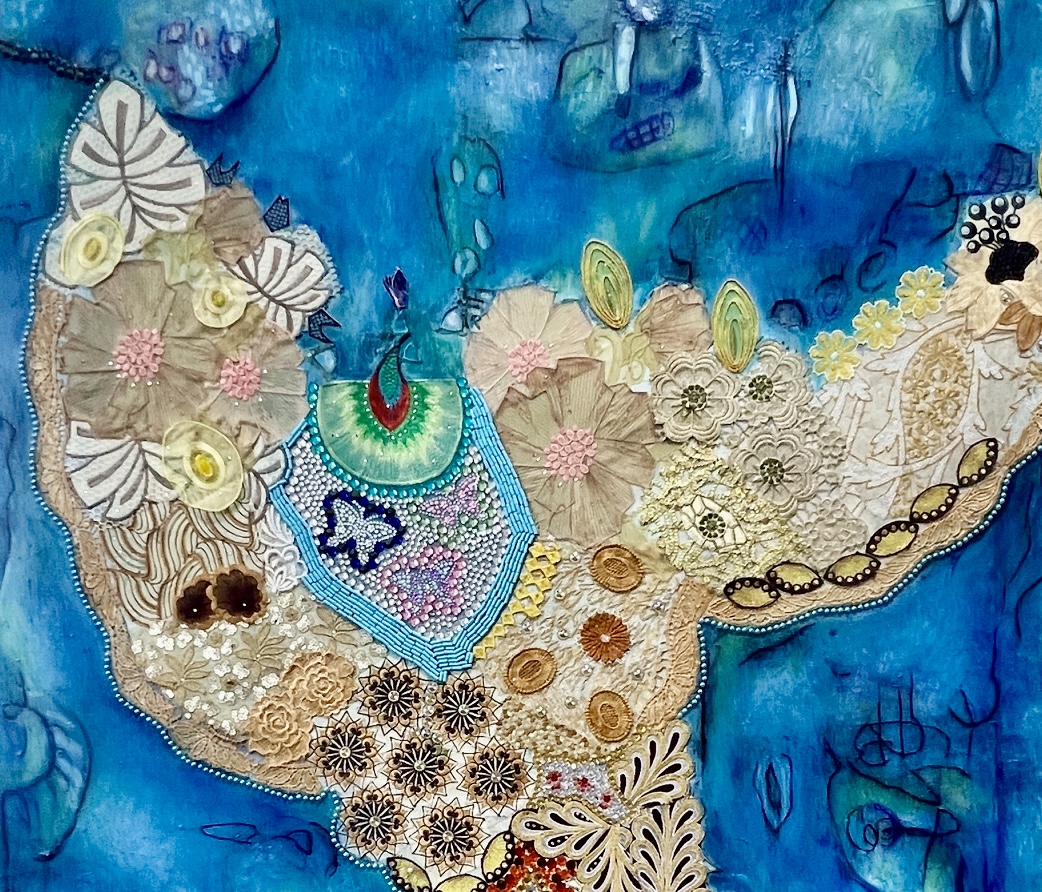
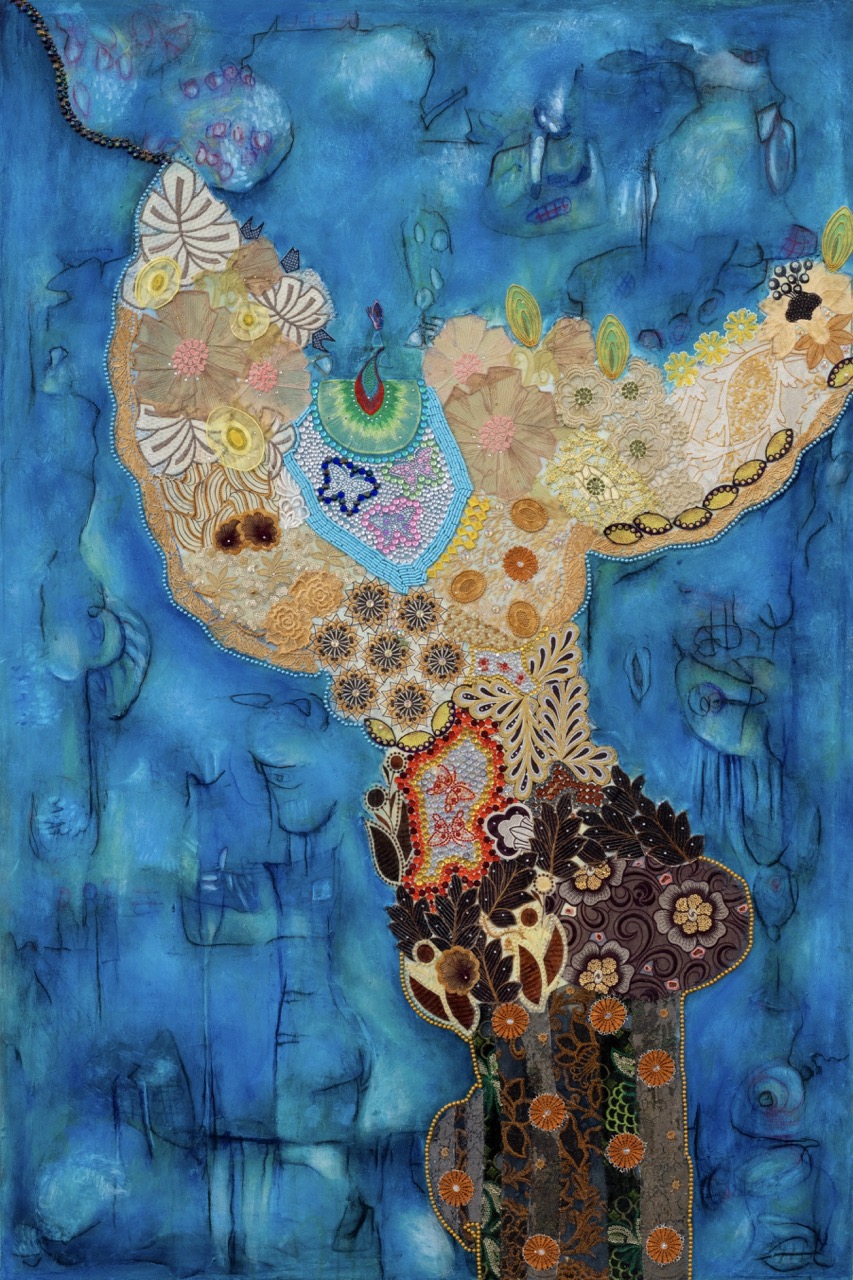
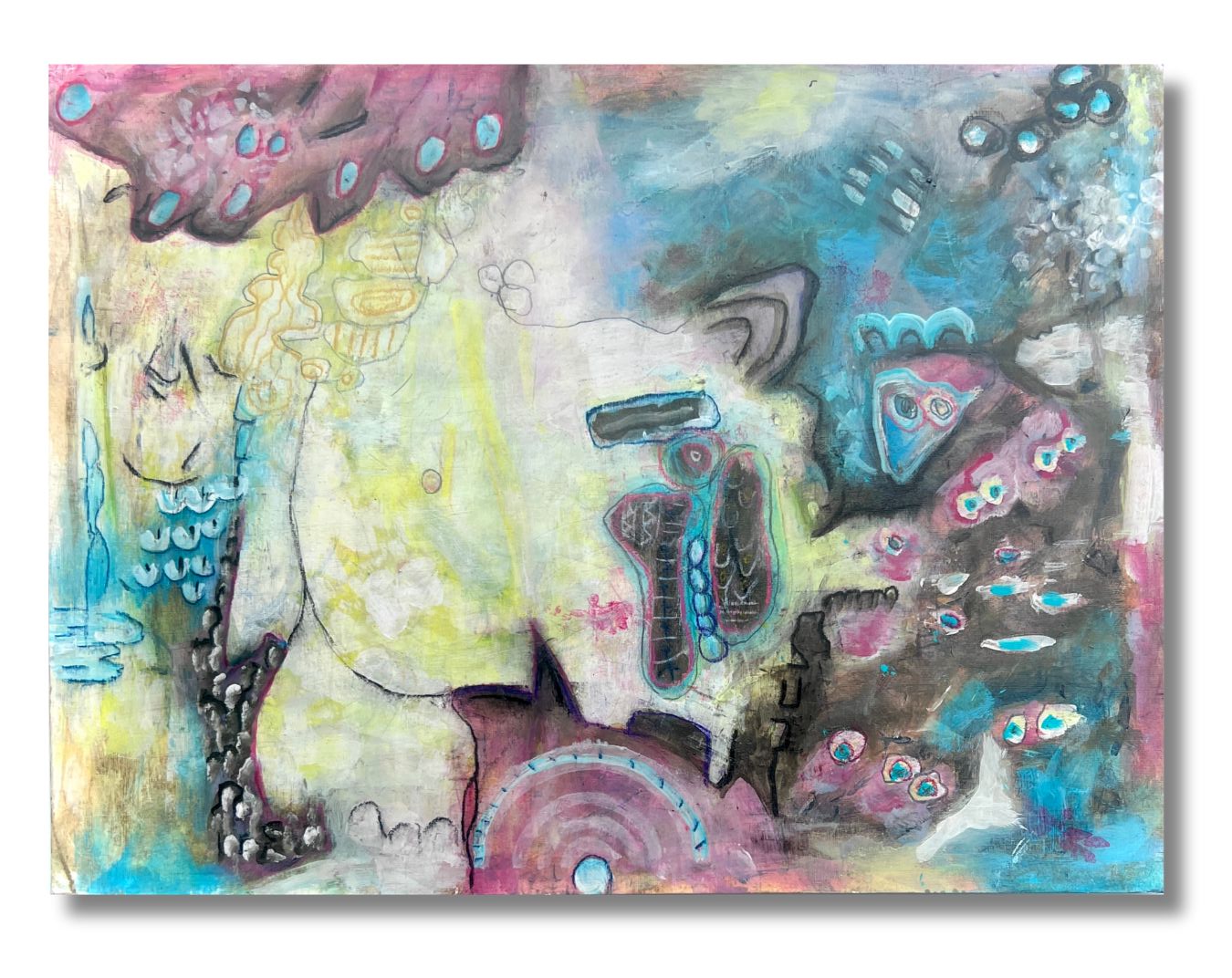
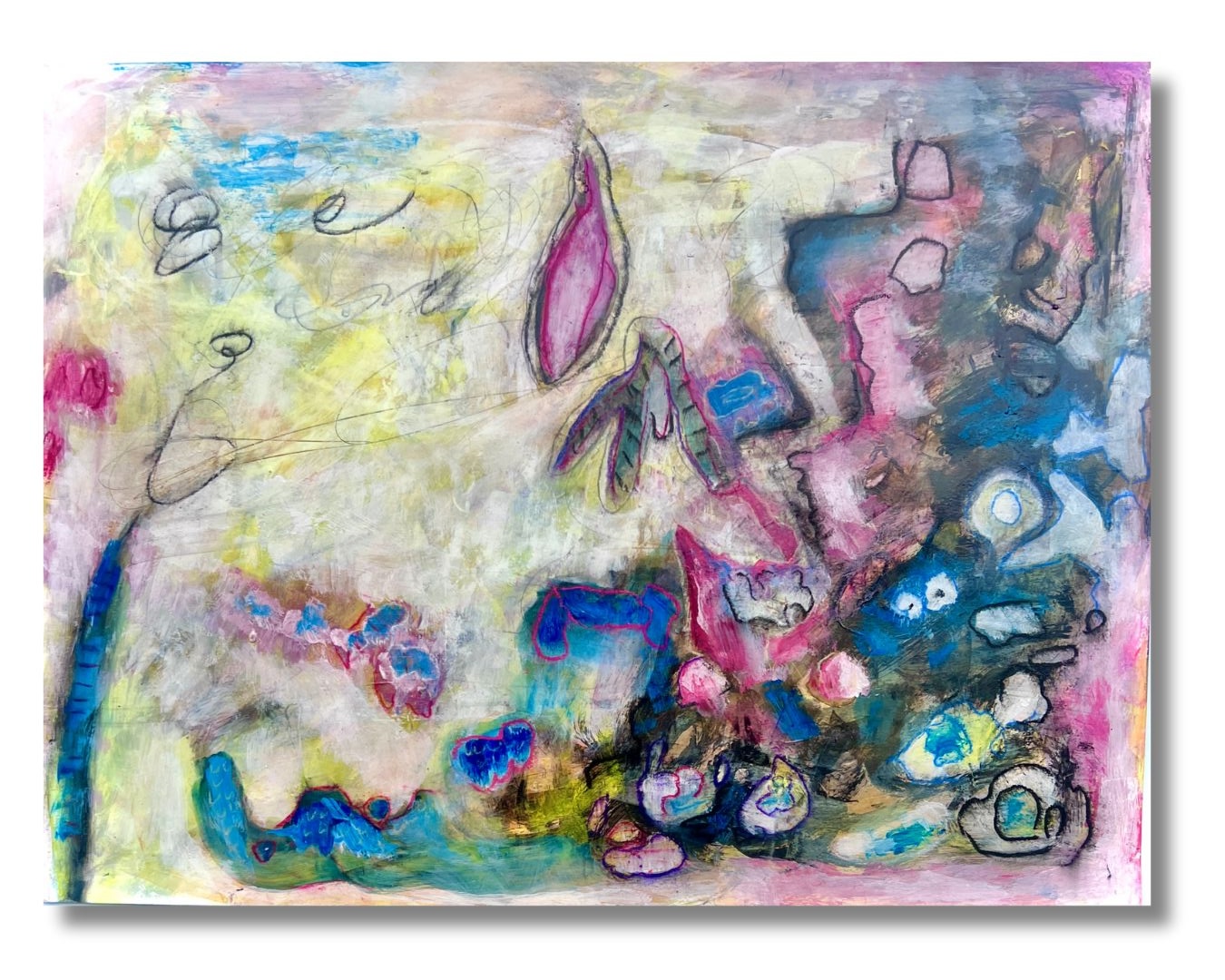
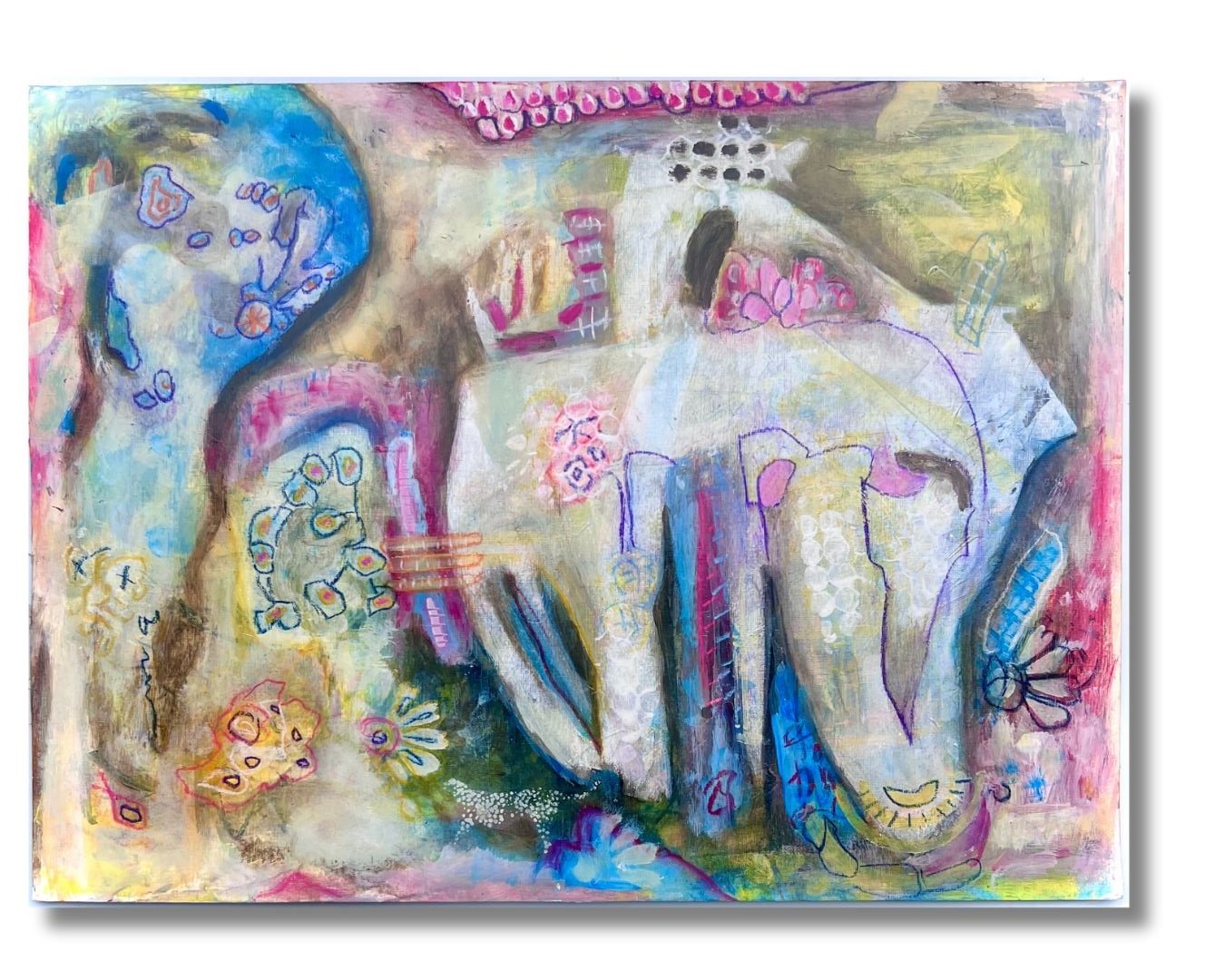
Today I work across painting, printmaking, cyanotype textiles, sculpture, enamel on metal, mixed media, and wearable art. I am particularly drawn to combining traditional techniques with contemporary narratives, creating work that bridges personal experience, cultural memory, and collective history. What distinguishes my work is its layered, multidisciplinary nature and its capacity to generate meaningful conversation. Whether through large-scale installations, intimate mixed media works, or community-based projects, I strive to make art that is both visually compelling and emotionally resonant.
Community sits at the center of my practice. The Menopause Narratives Art Project, a California Arts Council-supported initiative, amplified conversations around women’s health inequities through cyanotype workshops, exhibitions, and a published book. Projects like this reflect my belief that art is a catalyst for dialogue, empowerment, and lasting change. I also work to create opportunities for other artists through curatorial projects, mentorship, and collaborative exhibitions, with particular attention to voices that have been historically underrepresented.
Among my proudest accomplishments are exhibiting nationally and internationally, having work acquired by museum and private collections including the Riverside Art Museum and the private collection of Nobel Laureate Toni Morrison, completing artist residencies in the United States, France, Jamaica, and Minnesota, and seeing my work featured in television productions and publications. Yet what I treasure most is the human impact. When someone tells me a piece helped them feel seen, reconnected them to their heritage, or opened an important conversation, that is the truest measure of success.
I want collectors, followers, and supporters to know that every work I create carries a narrative. Whether it speaks to ancestral memory, environmental stewardship, feminine strength, or the resilience of the human spirit, my goal is not simply to produce beautiful objects but to create experiences that invite reflection, foster dialogue, and affirm our shared humanity.
At its core, my practice is about transformation: transforming materials into stories, stories into connection, and connection into opportunities for healing, understanding, and hope.
How can we best help foster a strong, supportive environment for artists and creatives?
As an artist, I help people make sense of the world. My work preserves cultural histories, challenges perspectives, and creates space for dialogue and connection. Yet artists are among the least supported professionals, despite the real value we bring to communities.
The most important shift I want to see is society recognizing that creative work is real work. I have experienced firsthand the expectation that artists should donate their time, labor, and expertise in exchange for exposure alone. That has to change. Fair compensation is not a luxury; it is what makes long-term creative careers possible.
I also believe we need stronger infrastructure across the board: accessible arts education, funded residencies, public art programs, and affordable studio space. I have watched talented artists never reach their potential simply because they lacked access to resources or mentorship. When communities invest in the arts, they invest in innovation, cultural vitality, and economic growth.
As both an artist and former educator, I know firsthand what arts education makes possible. Creativity teaches critical thinking, problem solving, empathy, and self-expression. Protecting arts education means nurturing the next generation of thinkers and cultural leaders.
Support does not always require a large financial commitment. Attend exhibitions. Visit open studios. Share an artist’s work. Purchase original art when you are able. Showing up and engaging matters more than people realize.
I am especially passionate about creating opportunities for historically underrepresented artists. A healthy creative ecosystem must reflect the full diversity of the communities it serves. When we invest in artists from varied backgrounds and perspectives, we enrich the collective story of who we are.
I have witnessed the power of artists supporting artists throughout my career. Some of my most meaningful opportunities came from fellow creatives who opened doors, shared resources, or simply said keep going. Generosity and collaboration, not competition, are what build a culture where art and artists can truly thrive.
For you, what’s the most rewarding aspect of being a creative?
The most rewarding aspect of being an artist is the moment a piece of work connects with someone in a way they did not expect and neither did I.
I can spend weeks or months inside a body of work, living with the materials, the questions, the process. And then the work goes into the world and something happens that I could not have planned. Someone stands in front of a painting and begins to cry. Someone tells me a piece reminded them of their grandmother. Someone says for the first time they felt their own cultural story reflected back at them on gallery walls. Those moments are why I do this work.
I also find deep reward in the process itself. I am a maker at heart. There is something grounding and almost meditative about working with my hands, whether I am building up layers on a canvas, working with metal and enamel, or responding to a material that pushes back and surprises me. The studio is where I work things out, not just aesthetically but personally and spiritually. My practice is inseparable from how I understand myself and the world.
Teaching people, opening doors for other creatives, facilitating workshops where someone discovers for the first time what their hands can make, that still feeds me in a profound way. The thread between those two callings never really broke.
Ultimately the most rewarding thing is knowing that the work matters beyond the making of it. That it lives in people, sparks conversations, and reminds us of our shared humanity long after it leaves my hands.
Contact Info:
- Website: http://www.adeolastudio.org
- Instagram: https://www.instagram.com/adeolastudio_art/ https://www.instagram.com/adeolametalsmithstudio/
- Facebook: https://www.facebook.com/DaviesAiyeloja/
- Linkedin: https://www.linkedin.com/in/adeola-davies-aiyeloja/
- Other: https://substack.com/@adeolastudio