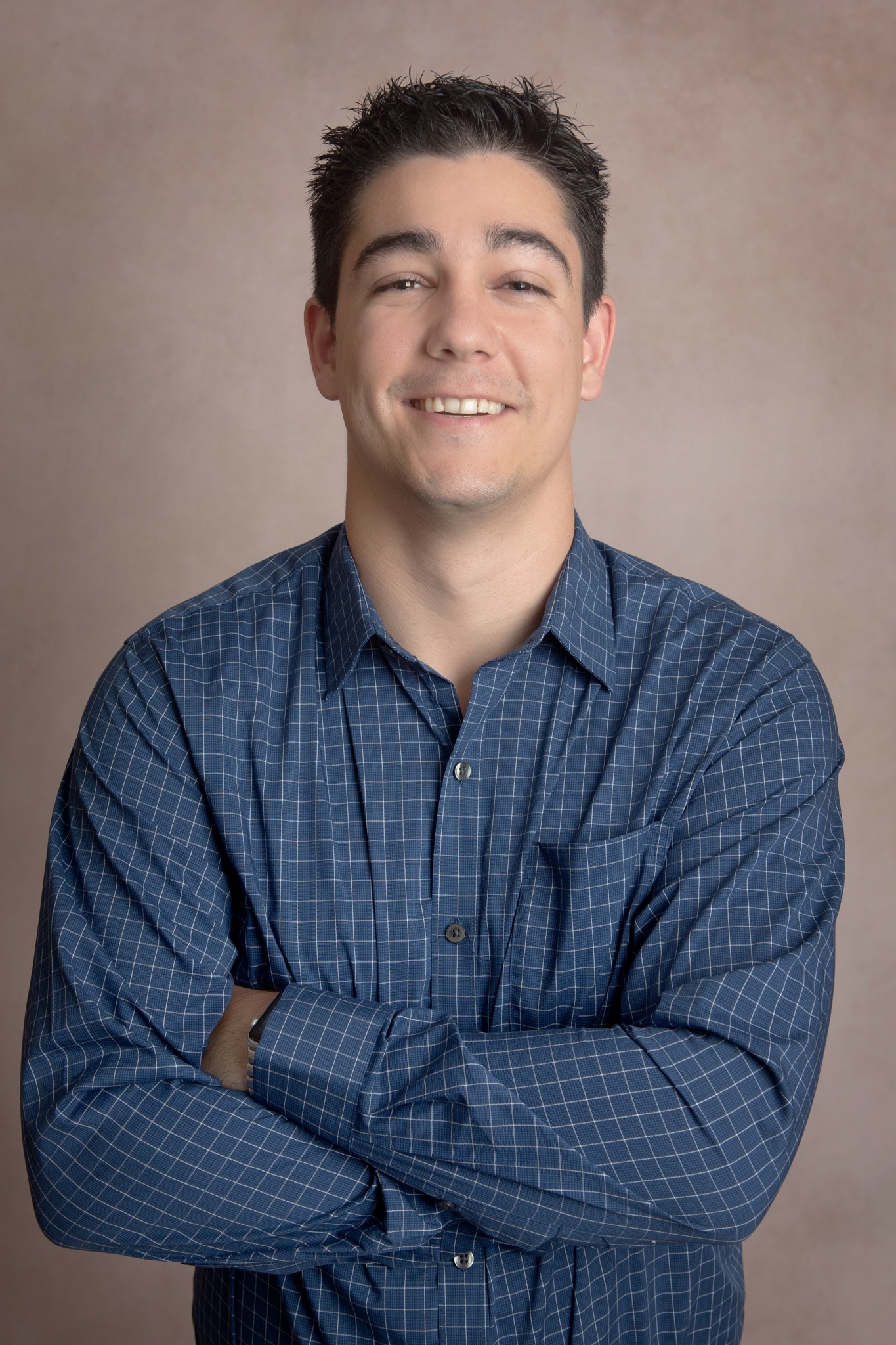

We caught up with the brilliant and insightful Lucas MacMillan a few weeks ago and have shared our conversation below.
Hi Lucas, thanks for joining us today. Was there a moment in your career that meaningfully altered your trajectory? If so, we’d love to hear the backstory.
Out of high school, my ultimate goal was to become a medical doctor. I decided to start with a Bachelor of Science in Nursing to build a solid foundation of hands-on, clinical experience. I genuinely loved being in the hospital! Acute care is an environment that literally saves lives on a daily basis, and I was proud to be part of that frontline team and getting this experience. But this is also where my trajectory shifted.
The real turning point happened during a mental health rotation. I was caring for a man who, in his lucid moments, greatly reminded me of my grandpa. During one of his better days as I handed him his lunchtime medications, he looked at me and asked me: “Is this the best thing I can do for my health?”
Wow. My mind immediately jumped to outdoor exercise, personalized nutrition, and personal freedom—things that simply weren’t accessible within the rigid constraints of a hospital budget and environment. In that moment, I became acutely aware of the massive gap between what I wanted to offer him and what I was actually equipped to provide. I finally broke the silence with “The doctor is smarter than me, and he believes this is best.”
I thought about that single interaction many times. It made me realize that I needed to play a different role in the larger healthcare system – I needed to work with people long before they ended up in a hospital bed. I needed a much wider, more comprehensive toolkit.
That realization sparked a bit of a quarter-life crisis, but it ultimately led my wife, Brittany—who is an ICU nurse herself—to point me toward naturopathic medicine. Once I looked into it (and honestly got over the initial resistance to this new direction), I realized it was the exact path I had been searching for.
The lesson I took from that patient interaction still forms the foundation of my clinical philosophy today. True healthcare shouldn’t just be about managing a decline or slapping a band-aid on symptoms. It has to focus on your quality of life first, empowering you with sustainable, root-cause solutions wherever possible. Taking this further, finding my path wasn’t about figuring out which box I fit best into – it was about understanding myself first, and surrounding myself with what I actually need to thrive and best serve others.
Everyone’s goals and path will be different. I found that blending my nursing background with the training and perspectives of naturopathic medicine offered me the missing piece. It gave me the clinical freedom to meet people where they were at, and helped me and my patients step out of the cycle of reactive healthcare. This gave us room to think ahead, and look for what really adds to the quality of life.
Lucas, before we move on to more of these sorts of questions, can you take some time to bring our readers up to speed on you and what you do?
I have always been intrigued by the human body. Once I joined the nursing program with plans of becoming a medical doctor, I learned a lot about healthcare and how the pieces of the cog fit together. This set me up to position my services as a unique bridge between different sides of healthcare.
I focussed my practice on hormones, injuries and pain, and overall health and longevity when I started over a decade ago. I have learned much since then, but the clinic focus remains the same. From ultrasound guided regenerative injections and bio identical hormone prescriptions to working DEXA scans and comprehensive lab tests into the picture and treatment goals, I love helping my people find their best way forward. I have been interviewed and featured on podcasts and TV shows, and offered a number of presentations to a variety of businesses and local venues. I love learning, and I love helping my people learn.
After working a number of clinics, I finally decided to settle into one space and branch out from pure patient care. I am now the clinic director of the Delbrook Integrative Medical Centre in North Vancouver, where we work as a specialized hub that connects our people to a curated ecosystem of top-tier practitioners.
We are unique in that we work hard for our people, both in and out of the clinic. The logo is a group of people, and our reviews are a testament of how hard we work to serve those around us. We are good at what we do, and we like to have fun while we do it. I am most proud of our focus on people, and how we have built a clinic and systems that are designed to make our people’s lives and experiences better.
Can you share a story from your journey that illustrates your resilience?
The first two years of acquiring and modernizing Delbrook Integrative Medical Centre were an absolute trial by fire. I was treating patients at another clinic when I spotted the opportunity to build this space. After doing my due diligence, I went to the bank to secure financing, feeling that familiar mix of hope and uncertainty I imagine every new business owner knows.
Eventually, the approval came through—but with one massive condition: I needed to pay off a completely maxed-out business credit card. This was the first time I had ever heard of this card.
The backstory involved a charismatic marketing contact I had attempted a brief joint venture with. Without my knowledge, she had opened a credit card under our joint business name, attaching it to me by forging my signature. Getting that resolved involved police reports, endless back-and-forth with the bank, and a lot of deep breaths. It nearly cost me the clinic before the doors even opened, but it served as a masterclass in navigating high-stakes, real-world adversity. I learned to focus on what is, not what should be.
Less than a year after clearing that hurdle, COVID-19 hit. The pandemic shook every facet of life and business. We had to shut down entirely, lay off our admin team, and face the financial realities of a brand-new practice in a locked-down world. When we were finally able to open our doors again, we were met with a community that was hurting. We supported our patients through the loss of loved ones, the loss of security, and a range of hardships most of us had never seen before.
Everybody processes stress differently. Through all that chaos, I learned that I find my footing when I have a job to do and people to help. Staying strong for my family, my team, and my patients actually made it easier to bear my own uncertainties. I knew I wasn’t alone, and I made sure they knew they weren’t either.
Unexpected bombs will always drop, testing different parts of our foundation. I am grateful to say that we are still here, and every hurdle has taught us more about who we are. Our patients appreciate that we don’t just talk about wellness from the sidelines—we navigate the exact same real-world stressors they do. We are in this together.
Learning and unlearning are both critical parts of growth – can you share a story of a time when you had to unlearn a lesson?
Early in my career, I was part of a clinic that taught me two very different lessons. First, I saw the undeniable power of a well-oiled machine; I was incredibly impressed by how documented processes and scripted background systems kept the day-to-day operations running smoothly. Second, I saw how poor communication and a lack of genuine care could rot that same machine from the inside out.
Decisions were frequently made that heavily impacted the team, but they were simply handed down as new expectations. Concerns were dismissed, and the clear, straightforward conversations just weren’t happening. I promised myself that in my own clinic, my team would never feel like isolated pawns on a chessboard.
But when I stepped into leadership, I had a major lesson to unlearn: I equated operational structure with corporate coldness.
I wanted my clinic to be exclusively about the people, so my pendulum swung too far the other way. I distanced myself from my past experiences by avoiding formal agreements and assuming an “open door policy” was enough to keep everyone aligned. I eventually learned the hard way that when you aim for complete transparency but forget to build clear, reliable systems, you actually end up feeding the very confusion and disconnection you were trying to avoid.
The lesson I had to unlearn was that structure and compassion are opposites. They simply aren’t. I realized that clear boundaries, written agreements, and solid processes are exactly what provide the security and freedom to focus entirely on the patient in front of us, and the team beside us. Learning to walk that line between deep compassion and solid clinical structure has been a journey, but it’s ultimately what allows us to serve our people so effectively today.
Contact Info:
- Website: https://delbrookintegrative.com
- Instagram: https://www.instagram.com/delbrookintegrative/
- Facebook: https://www.facebook.com/DelbrookIntegrative/
- Linkedin: https://www.linkedin.com/in/delbrook-integrative-medical-centre-bbba45195/
- Other: Google Business: https://share.google/PZzzatDFIBaCJXS25