

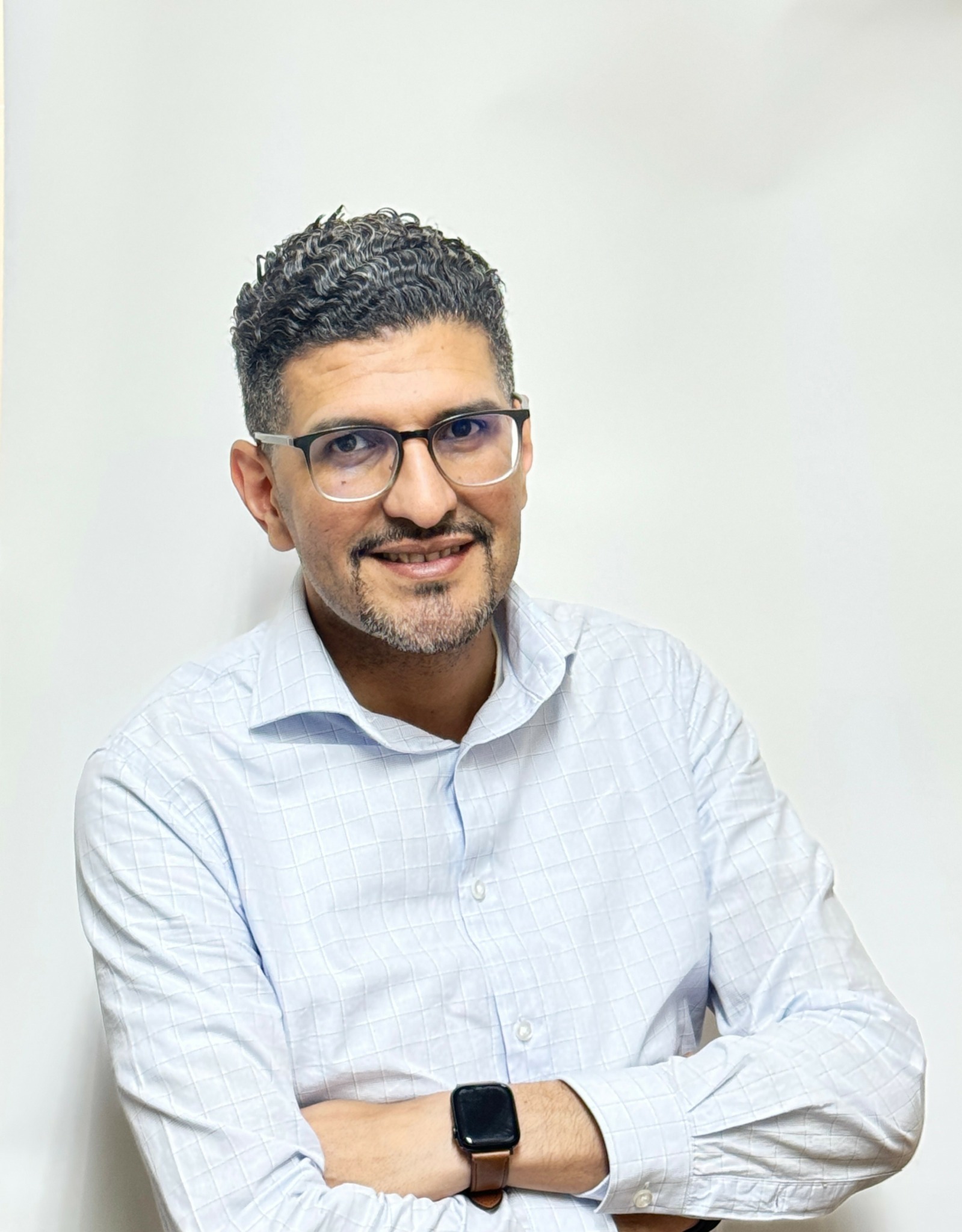

We caught up with the brilliant and insightful Mohamed Saadani a few weeks ago and have shared our conversation below.
Alright, Mohamed thanks for taking the time to share your stories and insights with us today. Are you happy as a creative professional? Do you sometimes wonder what it would be like to work for someone else?
Of course!I feel happy being an artist. For one thing, my perception of the world and the environment we live in differs from that of others. I sense this in my conversations with friends and everyday people. An artist sees and analyzes things differently, guided by their own philosophy and the way they deconstruct subjects or objects within their imagination. I am firmly convinced that an artist who creates art cannot commit to an ordinary job unless forced to do so by major economic necessity.
A full-time, conventional job is seen as a trap that stifles an artist’s creative potential, preventing them from flourishing in their field and missing out on opportunities to enhance their skills and performance. I faced this dilemma when I used to work in education, I couldn’t simply quit my position due to family commitments and responsibilities. However, I did have a little time on weekends or in the afternoons to practice my art, something that was, above all, a deep passion and a breath of fresh air. I believe that practicing or creating art offers essential benefits, psychologically, for instance, it acts as a powerful tool for emotional regulation, it alleviates so much of the stress I experience in my daily life and boosts my self-esteem, especially when I appreciate the aesthetic quality of my work. And, of course, from a sociological perspective, it allows me to forge deep social connections with fellow artists and the public, fostering a sense of belonging to the community of creative artists
Awesome – so before we get into the rest of our questions, can you briefly introduce yourself to our readers.
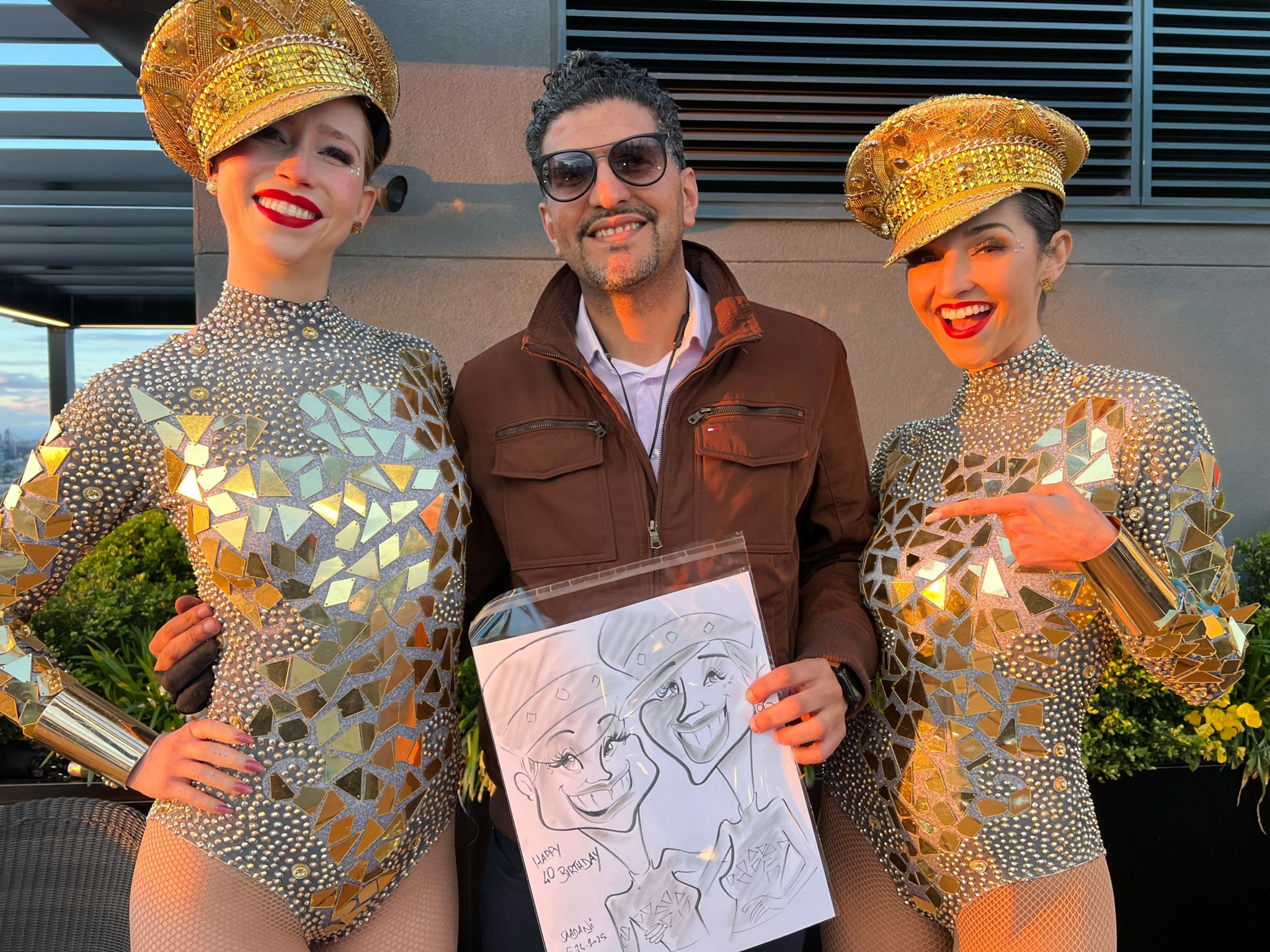
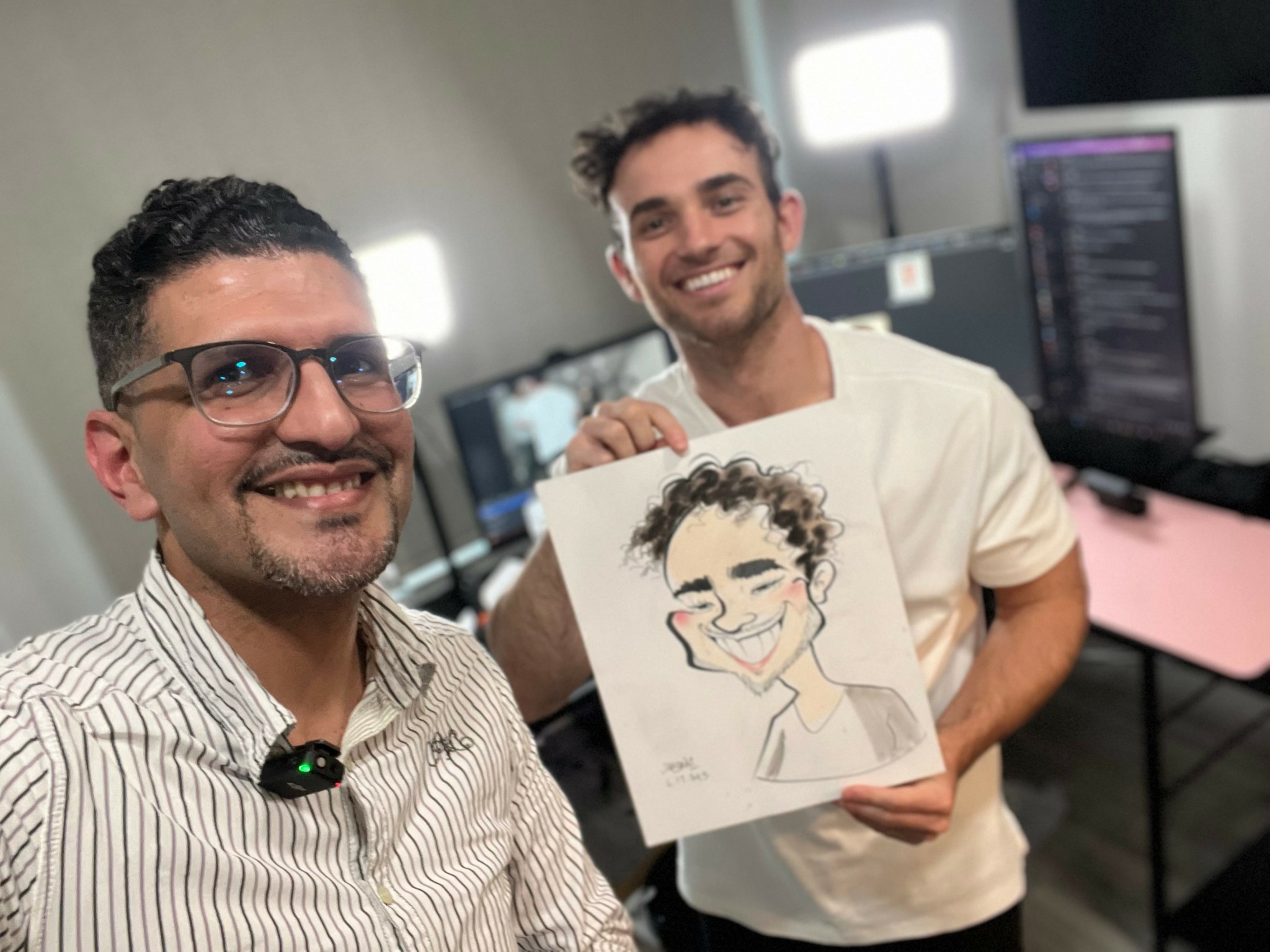
I am Mohamed Saadani, a Moroccan caricature artist and illustrator living in the USA since 2022. I began my career publishing satirical cartoons in a humor-focused weekly, as well as in various regional and national newspapers. I was passionate about drawing comic book characters, often replicating the Franco-Belgian style, which was a major source of inspiration for me. Later, I began exploring the features of the human face, exaggerating them to create a more humorous, cartoonish look. I also sought to connect with the community of Moroccan and international caricaturists to share experiences and delve deeper into the secrets of the craft. I joined the Moroccan Caricaturists Association, eventually serving as its Secretary General before moving to the USA. Currently, I work as an entertainer, creating caricatures at public and private events. I strive to make these occasions memorable by sketching guests, providing them with a unique keepsake that captures the joy of the celebration.
It is a job I love dearly, beyond the creative and artistic aspects, it has allowed me to discover the social landscape of communities living in the US and their cultural traditions. I often found myself at family or ethnic community celebrations, each with its own unique rituals. I saw myself as a cosmopolitan artist moving through the diverse Melting Pot of New York and New Jersey, while simultaneously acting as an ambassador for my own Moroccan culture through my interactions with the public as I sketched people. It is a form of intercultural dialogue that fosters an appreciation for one another’s art and culture.
Have any books or other resources had a big impact on you?
I believe Platonic thought has greatly influenced me particularly the Allegory of the Cave, which reveals the true nature of our reality and how people perceive their jobs and businesses. I was convinced that the life of an ordinary civil servant closely resembled that of a slave, forced to obey orders and laws and accept harsh conditions just to secure a modest, stagnant ordinary life. I knew it was no easy feat for an individual to make the courageous decision to leave that confined comfort zone and venture into an uncertain new world, moving from illusion to reality. Eventually, I chose to embark on this path, a journey that is, in truth, both painful and risky, driven by the hope of reaching a better world where I could fully harness my artistic and creative abilities.
The French painter Paul Gauguin’s journey to Polynesia also inspired me. He sought an unspoiled, pure place, free from modern influence. In Tahiti, he discovered a pristine setting characterized by wild, luminous nature. He employed vibrant colors, imbuing his paintings with a new spirituality drawn from local myths. This reveals an artist whose mindset is constantly in search of authenticity and purity. Thus, travel or migration profoundly influences an artist’s inspiration and creativity.
Can you share your view on NFTs? (Note: this is for education/entertainment purposes only, readers should not construe this as advice)
On this subject, I was contacted by a Manhattan-based company about producing NFT images. However, the nature of the work didn’t align with my expectations or ambitions, so I was unsure about the potential benefits, especially given a previous bad experience with a crypto platform where I lost a considerable amount of money. I know many artists have made a good living from NFTs, but in my case, it simply didn’t interest me
Contact Info:
- Website: https://saadanicaricatures.com/home/
- Instagram: https://www.instagram.com/saadanicaricatures/
- Facebook: https://www.facebook.com/mohamed.saadani1
- Linkedin: https://www.linkedin.com/in/mohamed-saadani-7aa82158/
- Youtube: https://www.youtube.com/@saadanicaricatures
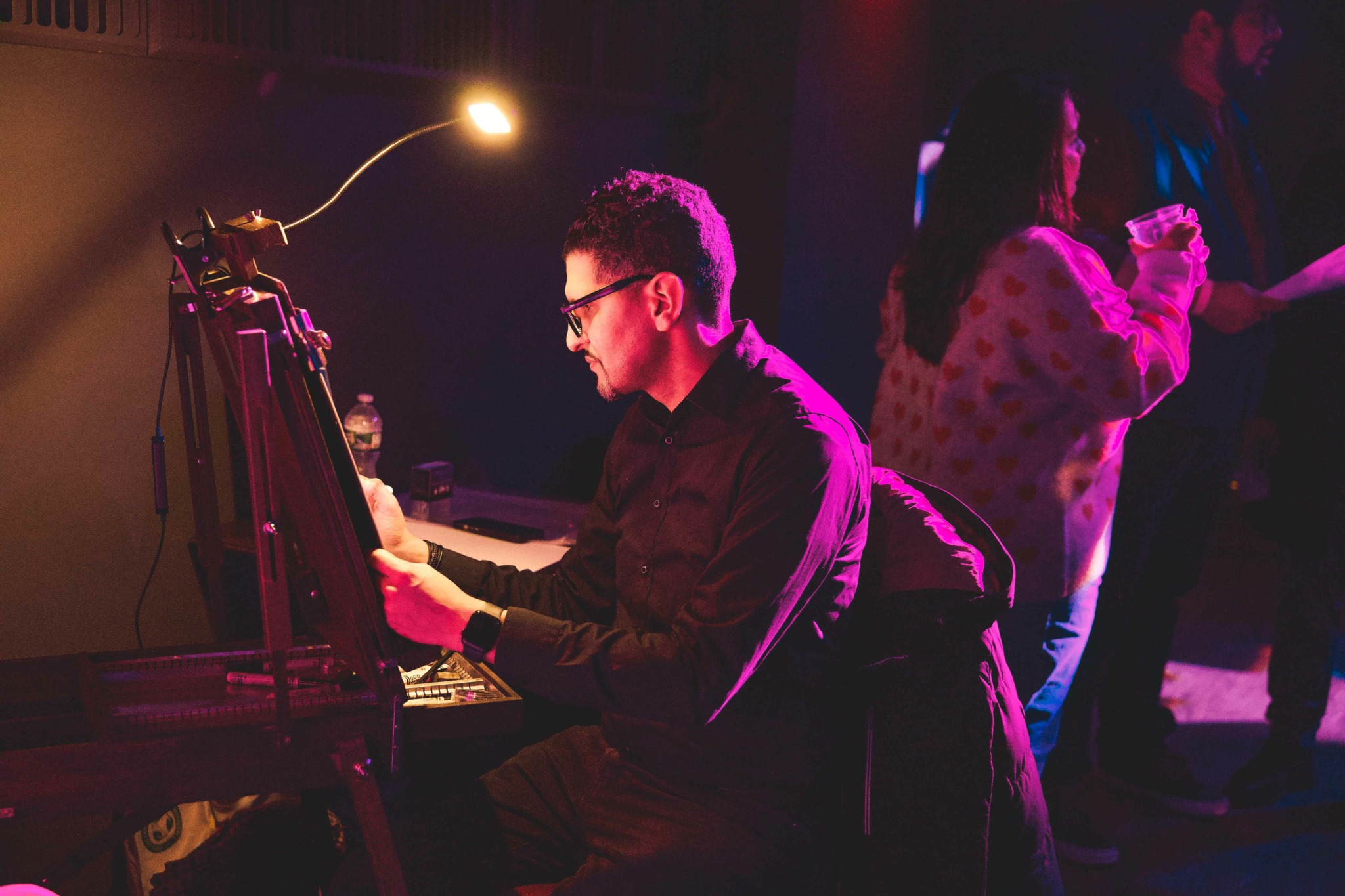
Image Credits
Saadani