

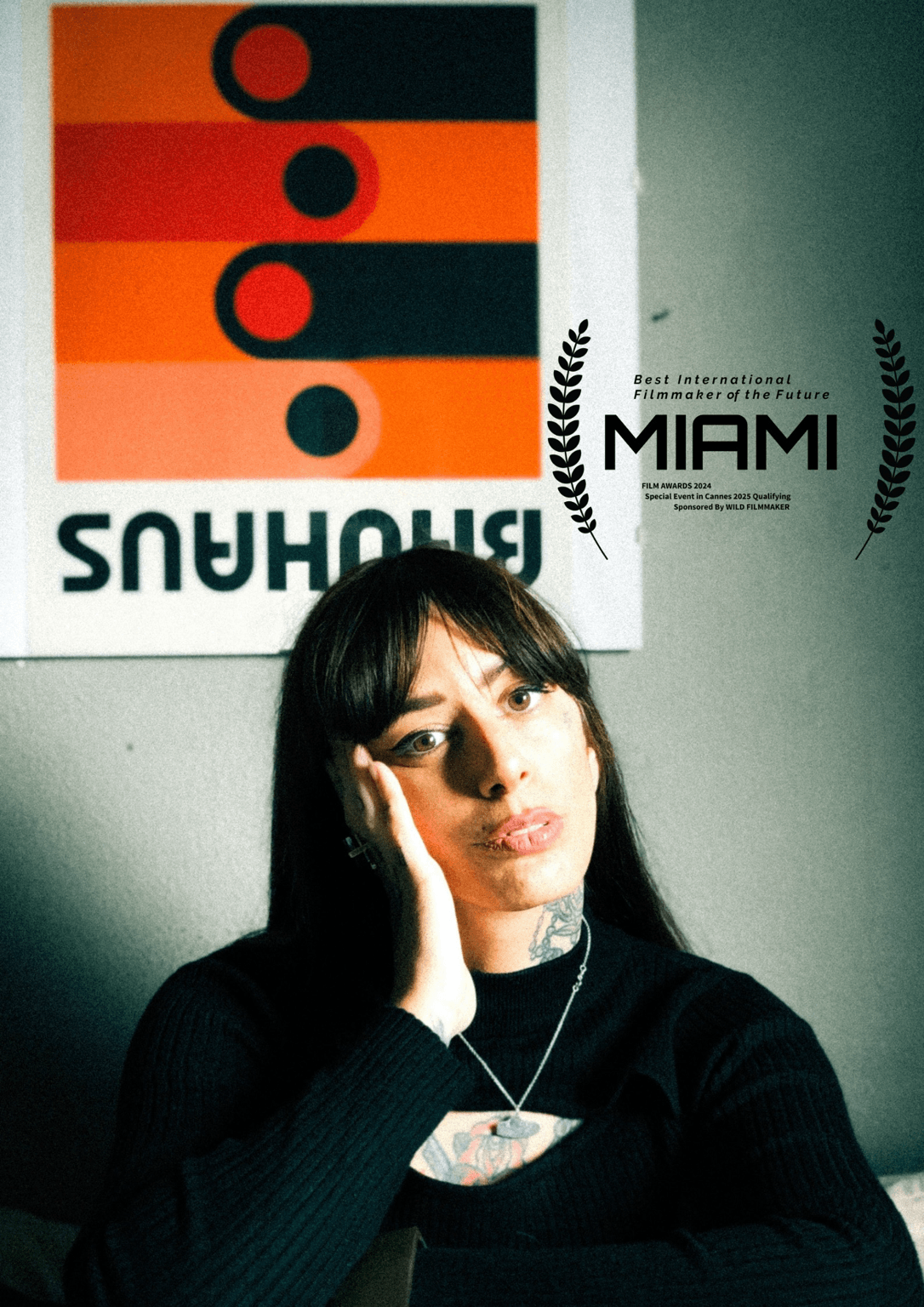

We’re excited to introduce you to the always interesting and insightful Fran Marconi. We hope you’ll enjoy our conversation with fran below.
Hi Fran, thanks for joining us today. Can you talk to us about a project that’s meant a lot to you?
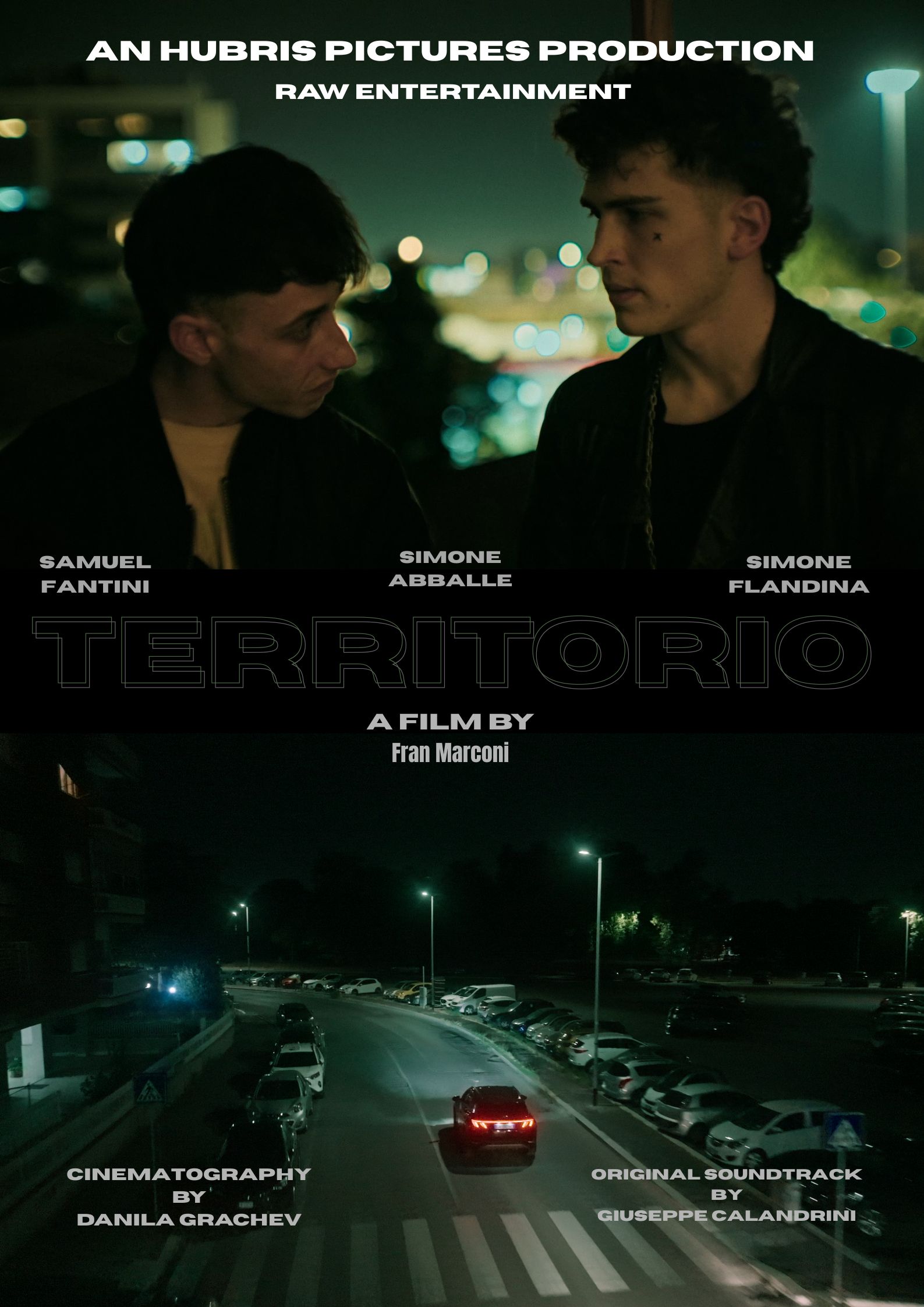
The most meaningful project I’ve worked on is *Territorio*.
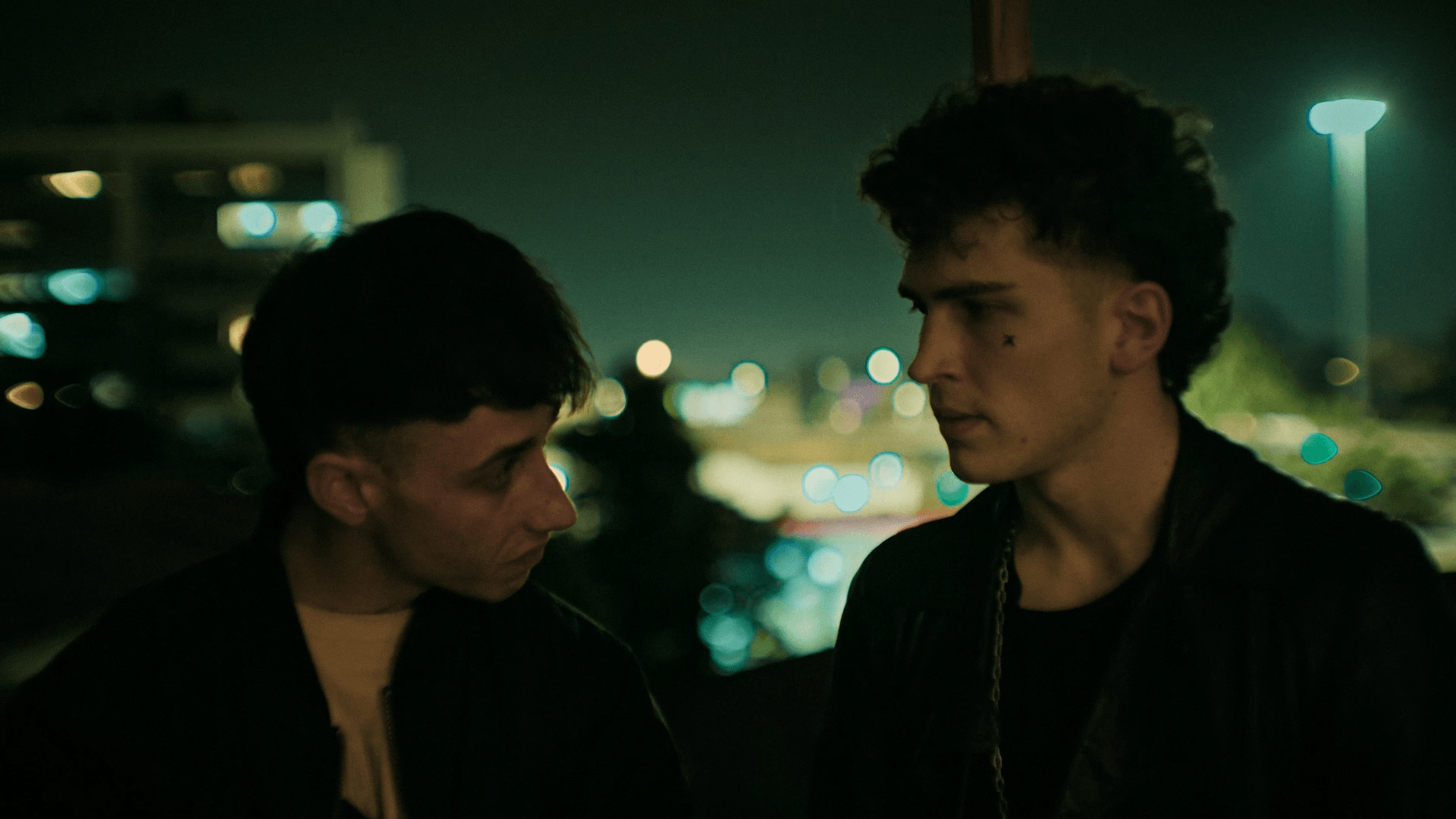
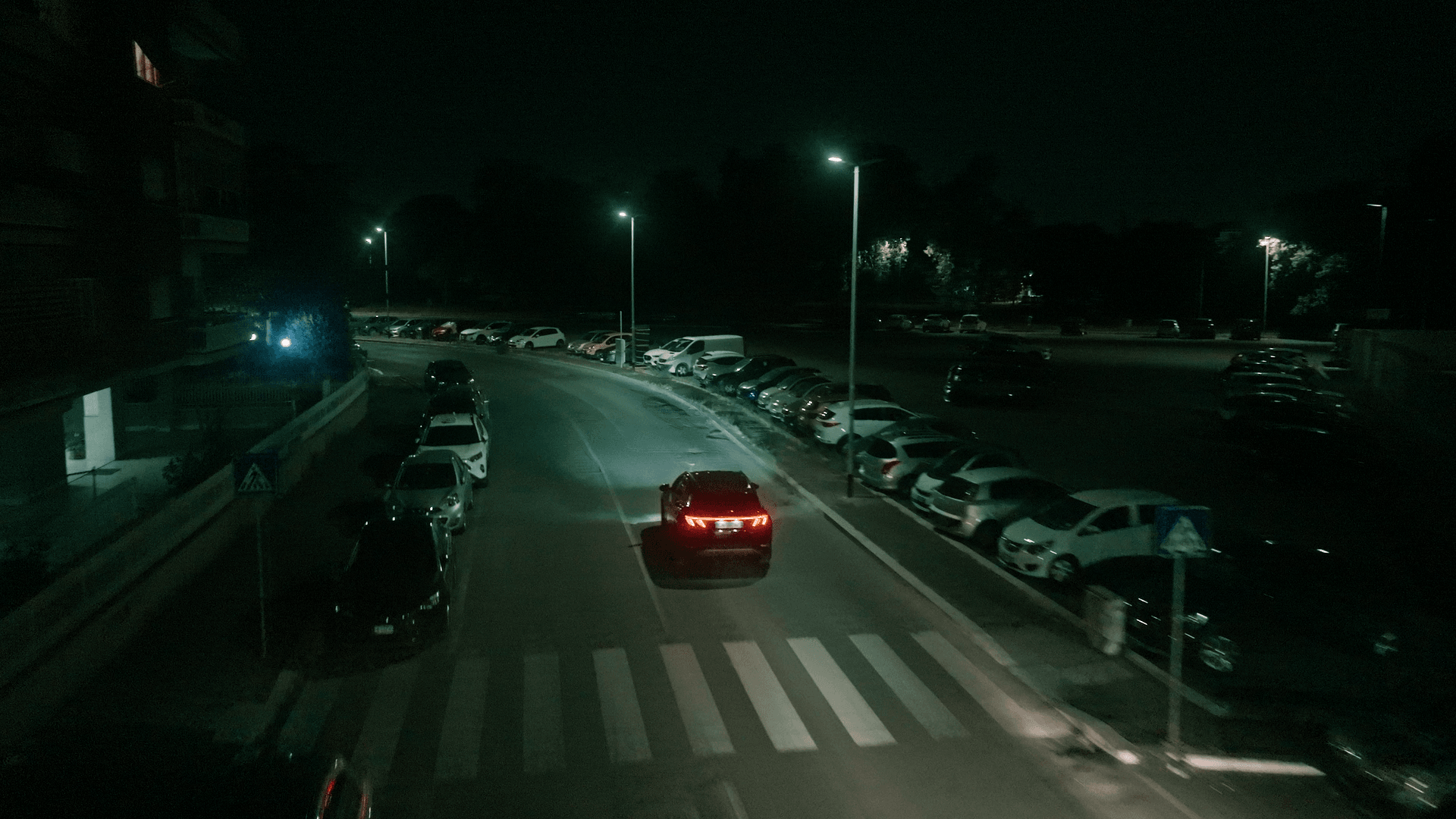
There are many reasons why this film remains so close to my heart. First, because of its themes. The story explores a reality that is often overlooked: young people growing up in environments shaped by poverty, violence, drugs, and limited opportunities. While many audiences associate these struggles with cities like New York or Los Angeles, similar realities exist in Rome, often hidden behind the city’s beauty and history.
The project was particularly meaningful because it allowed me to return to my hometown and portray a side of Rome that is rarely shown on screen. Rather than focusing on postcards and monuments, I wanted to tell the story of neighborhoods where young people face difficult choices every day and where their environment can shape their future.
Working with such young actors was another unforgettable experience. Their honesty, vulnerability, and commitment resulted in some of the most powerful performances I have ever directed. Watching them bring these characters to life reminded me why I fell in love with filmmaking in the first place.
The production itself was also special. We brought together an international crew, creating a collaborative environment where different perspectives enriched the film. There was something deeply meaningful about people from different countries coming together to tell a story rooted in a very specific community.
More than anything, *Territorio* represents the kind of cinema I aspire to make: emotionally honest, socially conscious, and deeply connected to real people and places. It is a film about territory in every sense of the word—not only the physical places we come from, but also the emotional and social landscapes that shape who we become.
Awesome – so before we get into the rest of our questions, can you briefly introduce yourself to our readers.
I am an Italian filmmaker, writer, producer, and editor passionate about telling emotionally driven stories that explore the complexities of human relationships, identity, and belonging.
I grew up in Rome, a city of extraordinary beauty but also profound contradictions. Those contrasts shaped the way I see the world and continue to influence my work today. I have always been fascinated by the lives and struggles that often exist outside the spotlight—the people, communities, and emotions that are rarely given the attention they deserve.
My path into filmmaking was not a traditional one. Before becoming a filmmaker, I studied to become a Creative Director in the fashion industry at UAL in London, UK; While I was drawn to the visual language and artistic expression of that world, I eventually realized that my true calling was not fashion itself, but storytelling.
Determined to learn the craft from the ground up, I worked as a Production Assistant on every set I could find between London and Berlin. Those experiences gave me a firsthand education in filmmaking, allowing me to observe productions of every scale while developing a deep appreciation for the collaborative nature of cinema. They also reinforced my belief that powerful stories are built through dedication, curiosity, and a willingness to learn every aspect of the process.
Over the years, I have written, directed, produced, and edited my own projects, developing a hands-on approach that allows me to stay closely connected to every stage of the creative process. Building my career independently taught me resilience and strengthened my commitment to telling stories that feel authentic and emotionally honest.
What draws me to cinema is its ability to create empathy. A film can transport us into someone else’s experience and reveal truths that are difficult to express in everyday life. Whether I am exploring themes of grief, transformation, social inequality, or personal resilience, my goal is always the same: to create stories that resonate on a deeply human level.
Today, my work continues to focus on character-driven narratives that blend emotional intimacy with social awareness. I am particularly interested in stories that challenge perspectives, amplify underrepresented voices, and leave audiences with questions long after the credits roll.
For you, what’s the most rewarding aspect of being a creative?
The most rewarding aspect of being a creative person is difficult to separate from the most challenging one.
Creativity has given me some of the greatest joys of my life, but it has also brought periods of intense introspection, vulnerability, and uncertainty. I don’t think being an artist is something I consciously chose one morning. It feels more like something I have always been.
From a very young age, I was constantly drawn to creative expression. I moved between painting, sketching, sculpture, photography, and eventually filmmaking. Looking back, it was almost inevitable that my parents encouraged me to attend the Academy of Fine Arts in Rome. I was fascinated by visual language and the many ways a story could be told without words.
Over time, those different artistic disciplines converged into one passion: storytelling. Whether through an image, a photograph, a film, or a performance, I became interested in creating emotional experiences that connect people to one another.
The truth is that pursuing a creative life is rarely the most stable or predictable path. It requires a great deal of resilience and a willingness to embrace uncertainty. I certainly didn’t choose this profession because it promised financial security. If anything, artists often accept the opposite.
What keeps me going is the feeling of bringing something into existence that did not exist before. There is a unique joy in developing an idea, nurturing it through countless challenges, and eventually seeing it come to life. For me, that feeling is incomparable.
Despite the sacrifices, the vulnerability, and the emotional highs and lows, I cannot imagine doing anything else. Creating stories is not simply what I do—it is how I understand the world, and perhaps even how I understand myself.
Is there something you think non-creatives will struggle to understand about your journey as a creative?
One thing that people outside the creative world may not fully understand is that being creative is not simply a profession or a lifestyle choice. For many artists, it feels more like a way of experiencing life.
There is a common belief that creativity is driven by inspiration, but in reality it often requires discipline, persistence, and an ability to continue working through uncertainty. Much of the creative process happens long before a project exists in a tangible form. It can involve years of observation, questioning, imagining, and carrying ideas that may never become reality.
I also think people sometimes underestimate the vulnerability involved. Every creative project contains a piece of the person who made it. When artists share their work, they are often sharing their fears, memories, questions, and perspectives. That level of exposure can be both rewarding and challenging.
Another misconception is that success removes self-doubt. In my experience, the opposite can be true. Every new project begins with uncertainty. Every story asks new questions. Creativity requires a willingness to start over again and again, even when there are no guarantees.
At the same time, I would not trade that journey for anything. The creative path is rarely the easiest one, but it offers a sense of purpose that is difficult to describe. There is something extraordinary about transforming an idea, emotion, or experience into a piece of work that can connect with another human being, sometimes across cultures, languages, and generations.
Perhaps the most difficult thing to explain is that many artists do not create because they want to—they create because they need to. It is how they make sense of the world, and in many ways, how they make sense of themselves.
Contact Info:
- Instagram: https://www.instagram.com/fran_marconi_/
- Youtube: https://www.youtube.com/@adirtycinematicmind
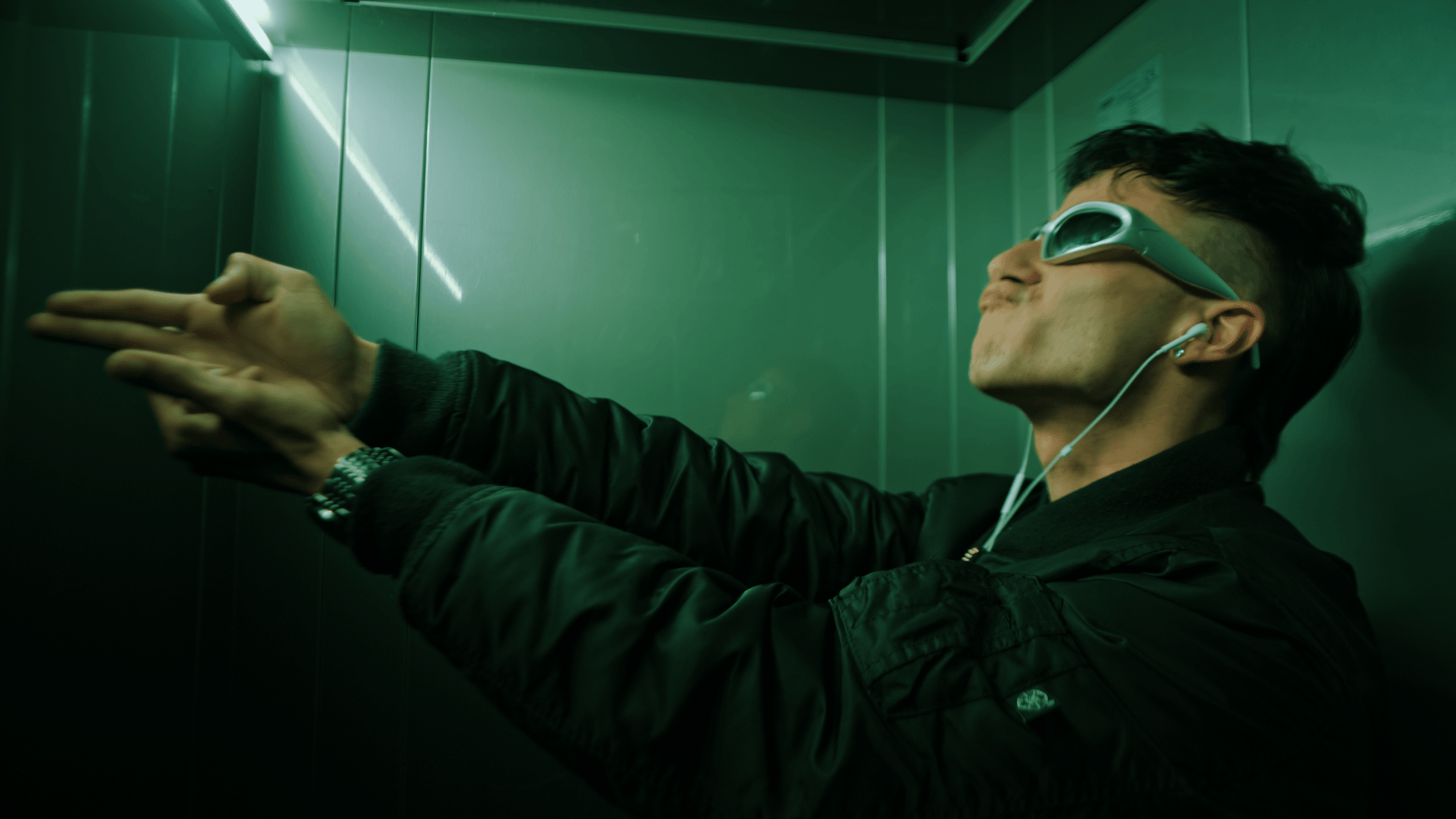
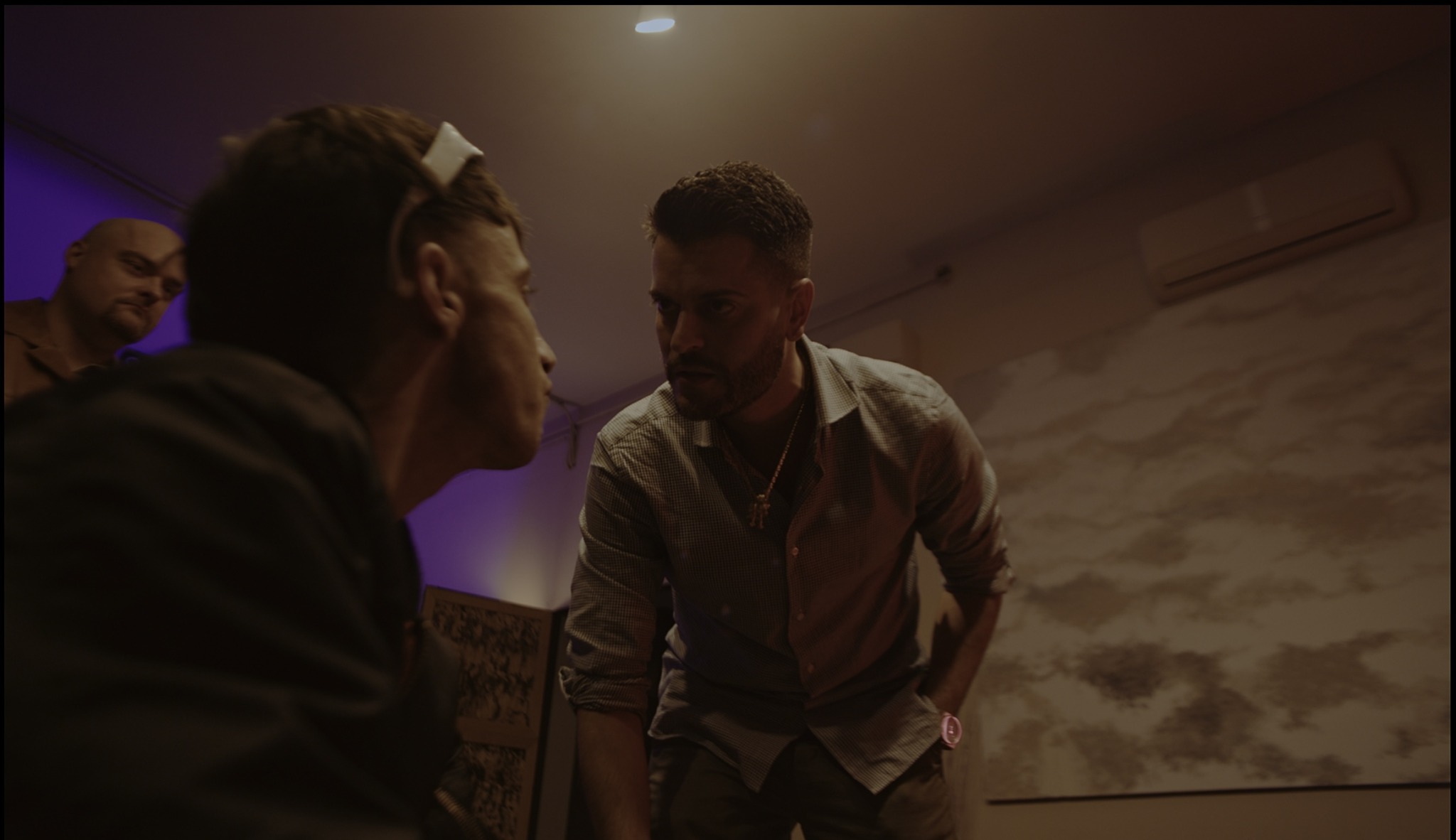
Image Credits
I’m the owner of every images.