
We recently connected with Amanda Hawkins and have shared our conversation below.
Amanda, thanks for joining us, excited to have you contributing your stories and insights. It’s always helpful to hear about times when someone’s had to take a risk – how did they think through the decision, why did they take the risk, and what ended up happening. We’d love to hear about a risk you’ve taken.
The biggest risk I have taken is the one I am living right now.
Two months ago, I had a good job in hospitality and events. I had four kids at home, a paycheck I could count on, and a life that made sense on paper. I knew what I was good at. I knew how to run a room, manage chaos, solve problems, build relationships, and make things happen.
Then a forty-year-old nonprofit crossed my path, and I realized very quickly that it was not just struggling — it needed to be rebuilt from the ground up.
The finances were a mess. Money had been going out for years, but not enough was coming back in. Systems were broken or missing completely. The books needed serious work. The organization had history, name recognition, and people who cared about it, but it did not have the structure it needed to survive the next season.
Anybody with a lick of sense probably would have looked at it and said, “Absolutely not.”
Apparently, I am not wired that way.
I walked away from my job and took it on anyway.
Then the risk got even bigger. The organization could not afford to pay me, so I deferred my own salary. That meant four kids at home, no guaranteed paycheck, and a massive responsibility sitting in my lap — a responsibility I did not create, but chose to carry.
I am not going to pretend I was fearless. I have sat at my kitchen table at night trying to make numbers work that did not want to cooperate. I have been scared. I have questioned myself. I have had moments where I thought, “What in the world did I just do?”
But every time I came close to talking myself out of it, I came back to the same thing: the mamas, the babies, and the families in Mississippi who need someone to actually show up.
We live in a state where too many women and children fall through the cracks. There are families who do not need another organization talking at them. They need people who will answer the phone, open the door, find the diapers, stock the closet, make the connection, and stay long enough to help.
That is what I believed this organization could become.
So I jumped.
The story does not have a neat, finished ending yet. I am still in the middle of the risk. But it is already turning into something real.
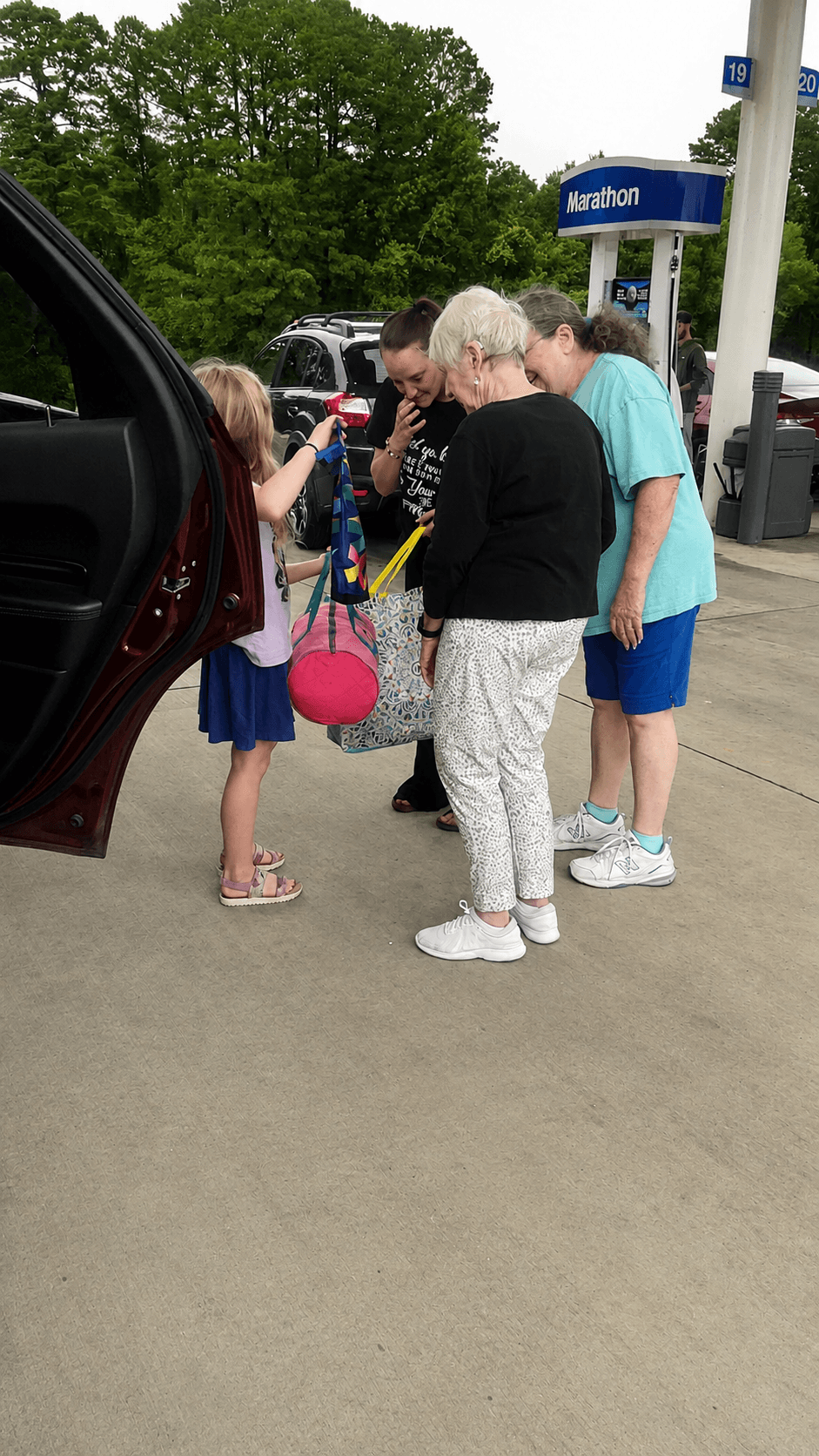
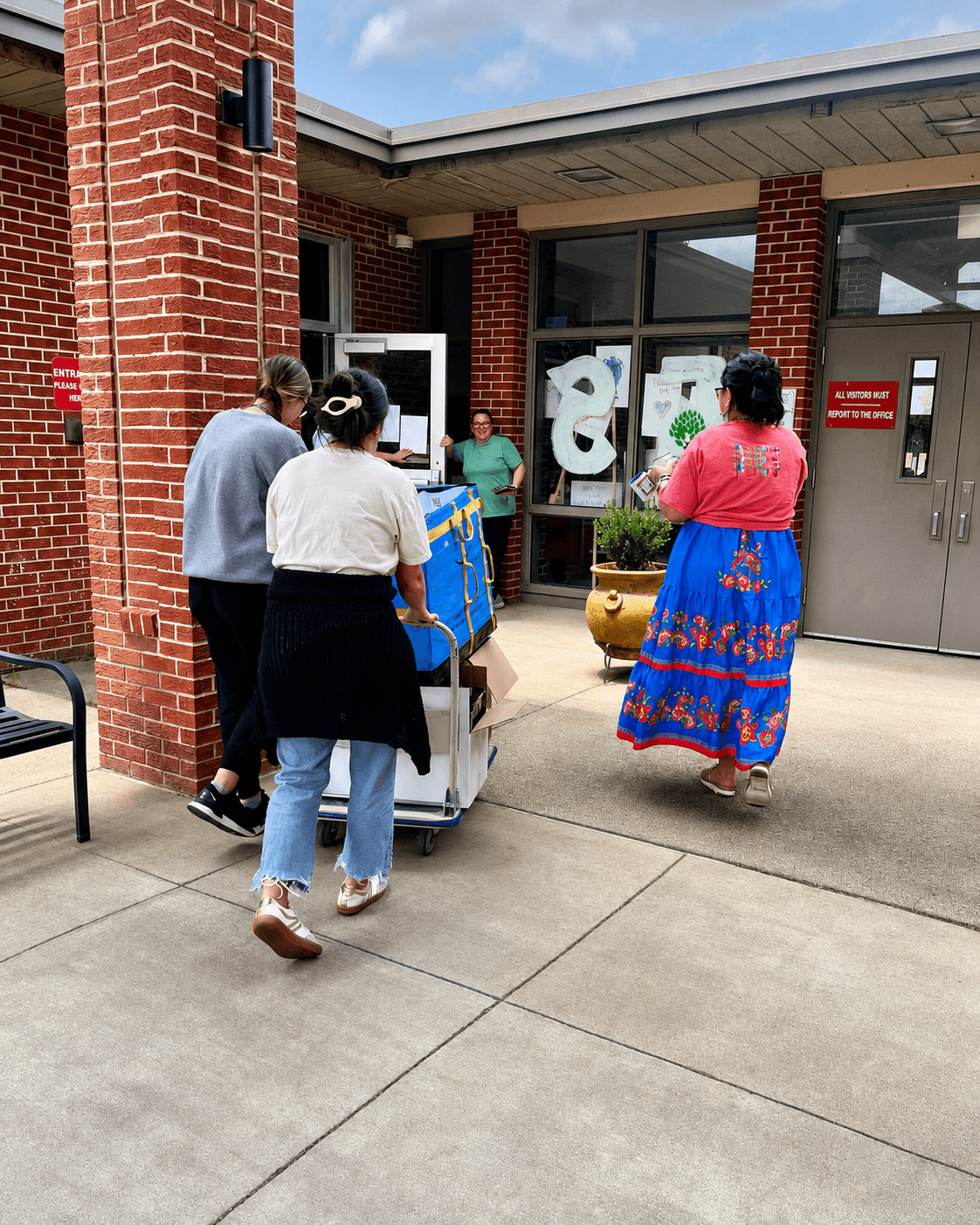
In the first two months, we have started rebuilding the organization’s foundation, facing the financial problems honestly, cutting waste, creating systems, and shifting the mission toward direct, practical help for Mississippi families. We already have a school closet stocked with clothes, shoes, hygiene items, and supplies so a child who needs something does not have to go without or be embarrassed in front of everybody. We have already had real families walk through our doors and leave with things they actually needed.
It is not polished. It is not perfect. It is still hard.
But it is real.
And for me, that is the whole point. I did not take this risk because it was safe. I took it because I believed there was still something worth saving — and more importantly, something worth building.
Four kids, no paycheck, a nonprofit that needed rebuilding from the floor up, and the whole beautiful mess of it.
I would do it again tomorrow.
Some things are just worth the leap.
Great, appreciate you sharing that with us. Before we ask you to share more of your insights, can you take a moment to introduce yourself and how you got to where you are today to our readers.
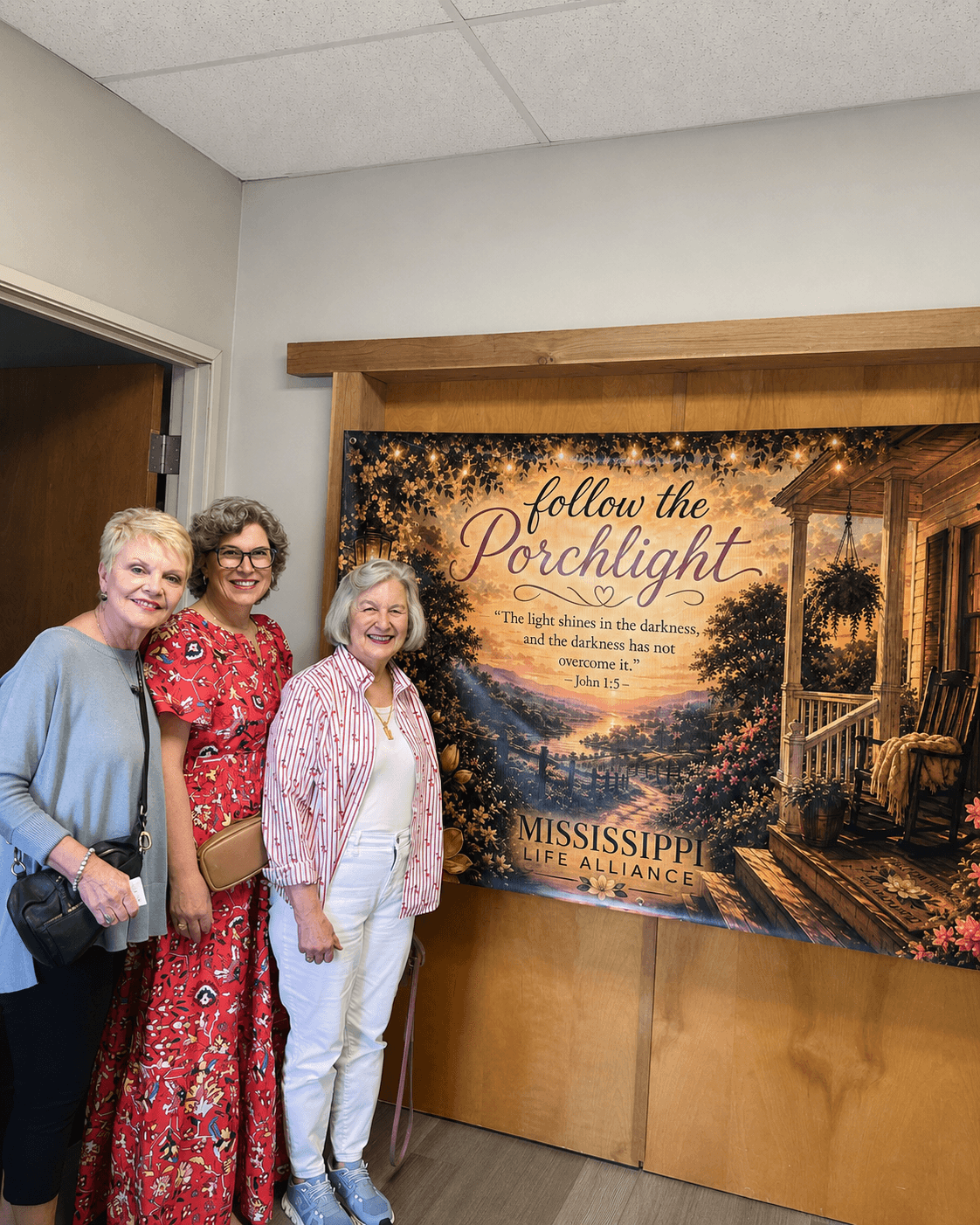
I’m Amanda Hawkins, and I’m the Executive Director of Mississippi Life Alliance and the founder/vision-builder behind The Porchlight Initiative.
My background is probably not what people expect when they hear “nonprofit executive director.” I did not come into this from a polished nonprofit career path. I came from hospitality, restaurants, bars, events, and operations. I spent years learning how to read a room, solve problems fast, manage people, stretch resources, calm chaos, and figure things out with whatever was in front of me.
At the time, I did not realize how much that was preparing me for this work.
Hospitality taught me how to serve people in real time. It taught me that when someone is overwhelmed, embarrassed, scared, frustrated, hungry, exhausted, or just trying to hold it together, the answer is not a speech. The answer is showing up, listening, meeting the immediate need, and treating that person with dignity while you do it.
That is the heart of my work now.
Mississippi Life Alliance is a forty-year-old nonprofit that is being rebuilt and reimagined for this next season. Through The Porchlight Initiative, we are creating practical, community-based support systems for women, children, families, students, foster youth, elderly residents, and anyone in Mississippi who is falling through the cracks.
Our programs are built around real needs, not just ideas that sound good on paper.
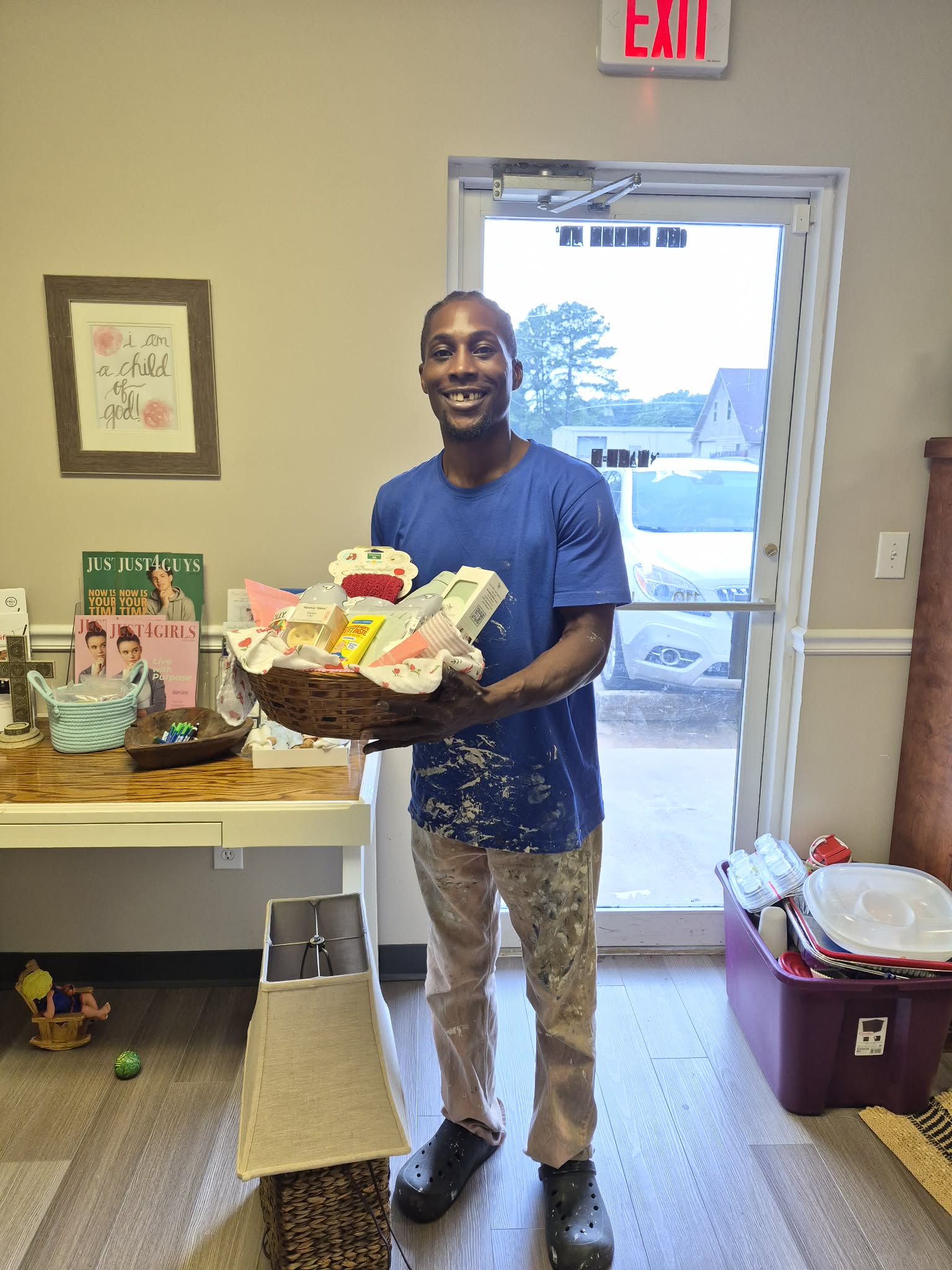
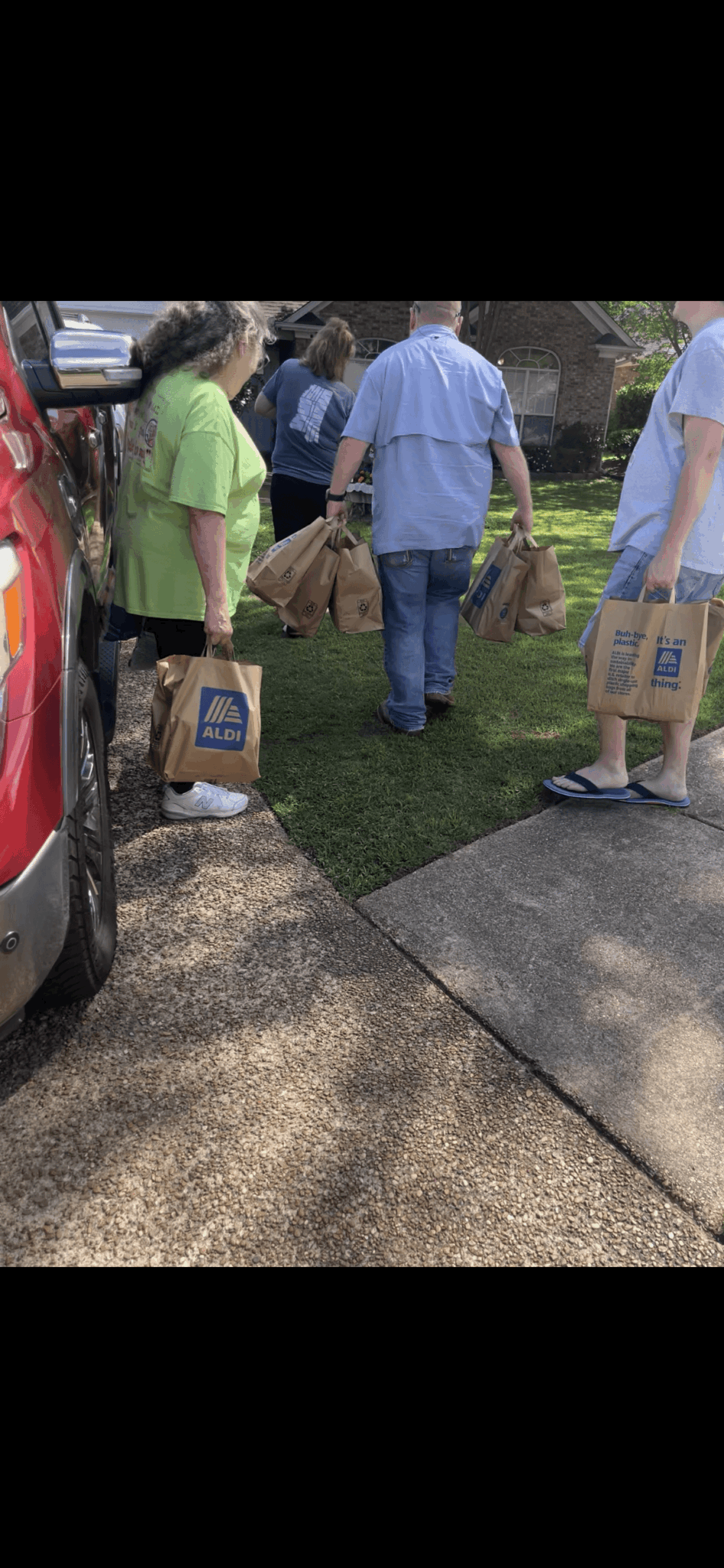
We have school closets stocked with clothing, shoes, hygiene items, and basic supplies so children can get what they need without shame or embarrassment. We are building community closets, food support, emergency grocery assistance, NICU baskets for mothers with babies in the hospital, backpacks for teens aging out of foster care, volunteer networks, and direct-resource pipelines between families and the people who want to help.
A big part of our work is maternal and family support. Mississippi has far too many mothers and babies struggling without enough access to care, support, transportation, supplies, education, or encouragement. I believe we cannot just talk about valuing life if we are not willing to help people live. That means showing up after the baby is born. It means helping the mama who is scared. It means supporting the family that is one emergency away from falling apart. It means building systems that make help easier to reach.
The problems we solve are practical ones, but they are also deeply human ones.
A child needs shoes.
A mother needs diapers.
A family needs groceries.
A student needs hygiene items.
A foster teen needs basic supplies to start over.
An elderly resident needs to feel remembered.
A woman in crisis needs someone to answer the phone and not make her feel like a burden.
That is where we come in.
What sets us apart is that we are not trying to build a program that makes people beg for help, prove they are worthy, or wait forever while their situation gets worse. We are trying to build something that feels more like a porch light left on — steady, warm, visible, and there when you need it.
I am most proud of the fact that this work is already becoming real.
In a very short amount of time, we have started rebuilding the organization from the inside out. We are cleaning up systems, cutting waste, creating structure, building programs, stocking closets, forming partnerships, and helping real families with real needs. It is not perfect yet. It is not polished yet. But it is honest, practical, and moving.
I am also proud that this work still feels personal. I do not want Mississippi Life Alliance to become some cold organization where people are numbers and needs are just data points. I want people to know there are actual human beings on the other side of this work who care whether they make it through the week.
At the core, I believe this: Mississippi does not need more people talking over struggling families. Mississippi needs people willing to stand beside them.
That is what I am building.
A nonprofit that is rooted in faith, dignity, practical help, and community. A place where mothers, children, families, students, and vulnerable people can be met with compassion instead of judgment. A place where people do not just hear that their lives matter — they feel it because somebody showed up.
That is The Porchlight Initiative.
We are not here to perform compassion. We are here to practice it.
Other than training/knowledge, what do you think is most helpful for succeeding in your field?
Other than training or knowledge, I think the most helpful thing for succeeding in this kind of work is being willing to stay in the room when things get hard.
A lot of people can care about a cause when it is clean, organized, and easy to explain. It is a whole different thing to care enough to step into the mess, look at what is broken, and say, “Okay, what can we fix first?”
For me, so much of this work comes down to discernment, grit, and relationships. You have to be able to listen well. You have to be able to tell the difference between what sounds good on paper and what will actually help a person standing in front of you. You have to be humble enough to learn, but steady enough to make decisions. And you have to be willing to do unglamorous work that nobody claps for.
My background in hospitality taught me that. You learn very quickly that people do not always need a perfect system before they need help. Sometimes they need someone calm enough to figure out the next right thing. They need someone who can read the room, solve the problem, make the call, find the resource, and keep moving.
That has probably helped me more than anything.
In nonprofit work, especially in Mississippi, people can feel when you are performing compassion versus practicing it. They know when they are being treated like a project, and they know when someone genuinely sees them.
So yes, knowledge matters. Training matters. Structure matters.
But I think the thing that makes the biggest difference is having the heart and the backbone to keep showing up — especially when it is inconvenient, uncomfortable, underfunded, and far from perfect.
That is where the real work happens.
Can you tell us about a time you’ve had to pivot?
The biggest pivot I have made was realizing that the skills I built in hospitality were never just about hospitality.
For years, my world was restaurants, bars, events, service, and operations. I knew how to manage chaos. I knew how to walk into a room where ten things were going wrong at once and figure out what needed to happen first. I knew how to read people, solve problems quickly, build relationships, stretch limited resources, and make people feel taken care of even when things were hectic behind the scenes.
At the time, I thought that was just my career.
Looking back, I think it was training ground.
My pivot happened when I saw a nonprofit that had been around for forty years but was clearly struggling. It needed systems. It needed structure. It needed someone willing to look at the hard things instead of pretending they were not there. And more than anything, it needed to become useful again in a real, practical way for Mississippi families.
I did not come into this work through the traditional nonprofit path. I came into it as a mother, a problem-solver, and someone who had spent years serving people face-to-face. I understood what it meant to meet people in real time, not in theory. I understood that sometimes the most important thing you can do is stop talking long enough to see what someone actually needs.
So I pivoted.
I walked away from a career that made sense on paper and stepped into nonprofit leadership. Not because it was easy, and definitely not because I had it all figured out, but because I could see the connection. The same skills I used to run events, manage people, calm chaos, and serve customers could be used to build programs, support families, organize resources, and rebuild an organization from the ground up.
The room changed.
The mission changed.
But the heart of the work did not.
Hospitality taught me how to serve people well. Nonprofit work gave that service a deeper purpose.
Now, through Mississippi Life Alliance and The Porchlight Initiative, I am taking those same instincts and using them to build practical support systems for mothers, children, families, students, foster youth, and vulnerable people across Mississippi.
That pivot has not been clean or comfortable. It has been messy, scary, and humbling. But it has also felt like the first time all the pieces of my life, my work history, my strengths, and my heart started pointing in the same direction.
I did not leave one career because it failed me.
I pivoted because I finally understood what all of it had been preparing me to do.
Contact Info:
- Website: https://Www.mslifealliance.org
- Facebook: https://www.facebook.com/share/1AvPijiXyx/?mibextid=wwXIfr