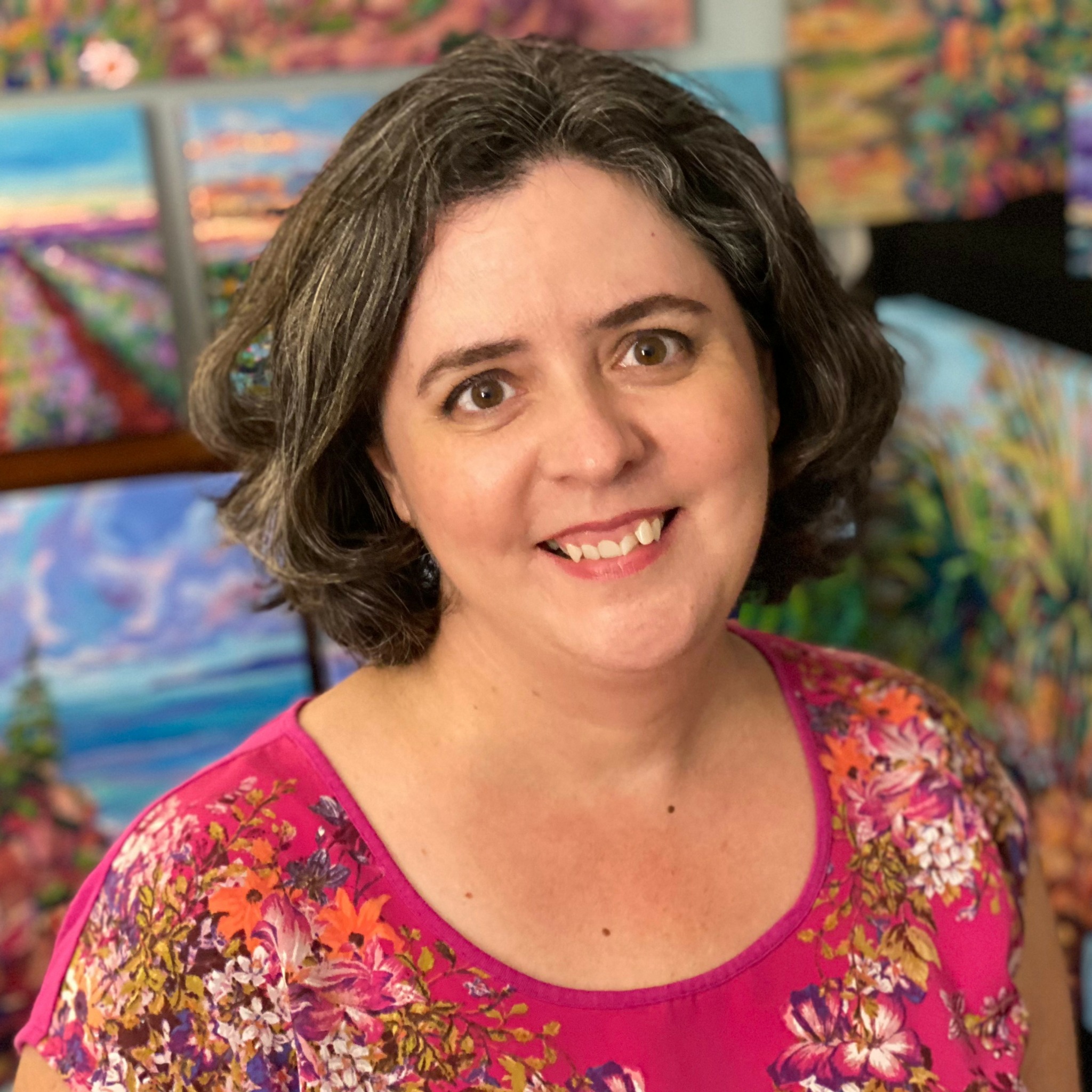

Alright – so today we’ve got the honor of introducing you to Heather. We think you’ll enjoy our conversation, we’ve shared it below.
Heather, looking forward to hearing all of your stories today. We’d love to hear the backstory behind a risk you’ve taken – whether big or small, walk us through what it was like and how it ultimately turned out.
While I have a website, most of my collectors discover my work through outdoor art festivals. These events come with both rewards and risks.
One of the most rewarding aspects is the opportunity to connect with hundreds of people in a single weekend. Visitors can experience the artwork in person, seeing details and colors that photographs often can’t capture. They ask questions, share their reactions, and allow me to tell the stories behind the paintings. Those conversations often become some of the most meaningful parts of the experience.
At the same time, outdoor festivals can be nerve-racking. As an artist, you’re essentially placing your livelihood under a tent and hoping the elements cooperate. You can’t control the weather, attendance, or even whether your vehicle will get you to the show without incident. I’ve weathered thunderstorms inside my tent, held onto display walls during powerful wind gusts, and traveled both near and far in pursuit of new audiences.
Over the years, I’ve experienced great shows and disappointing ones. Every event requires an application process, and artists are typically selected through jury review. I’ve exhibited at some of my most successful festivals only to be declined the following year. It can be unpredictable and humbling.
Yet I keep showing up. Each festival brings the possibility of meeting someone who connects with my work in a meaningful way. Those connections—with new collectors, fellow artists, and the communities I visit—are what make the challenges worthwhile and keep me returning season after season.
Great, appreciate you sharing that with us. Before we ask you to share more of your insights, can you take a moment to introduce yourself and how you got to where you are today to our readers.
I’ve always loved creating. In junior high and high school, I spent countless hours in my room drawing people, experimenting with new subjects and mediums. Hundreds of sketches helped me develop my artistic skills and deepen my passion for art.
Wanting a practical career that still allowed me to be creative, I earned a degree in Graphic Design and spent nearly 20 years working as a graphic designer. During that time, on the side, I explored a wide variety of artistic mediums and styles. Yet as the years passed, I felt a growing sense of dissatisfaction. I longed to paint more, but I felt stuck and unsure of how to make that transition.
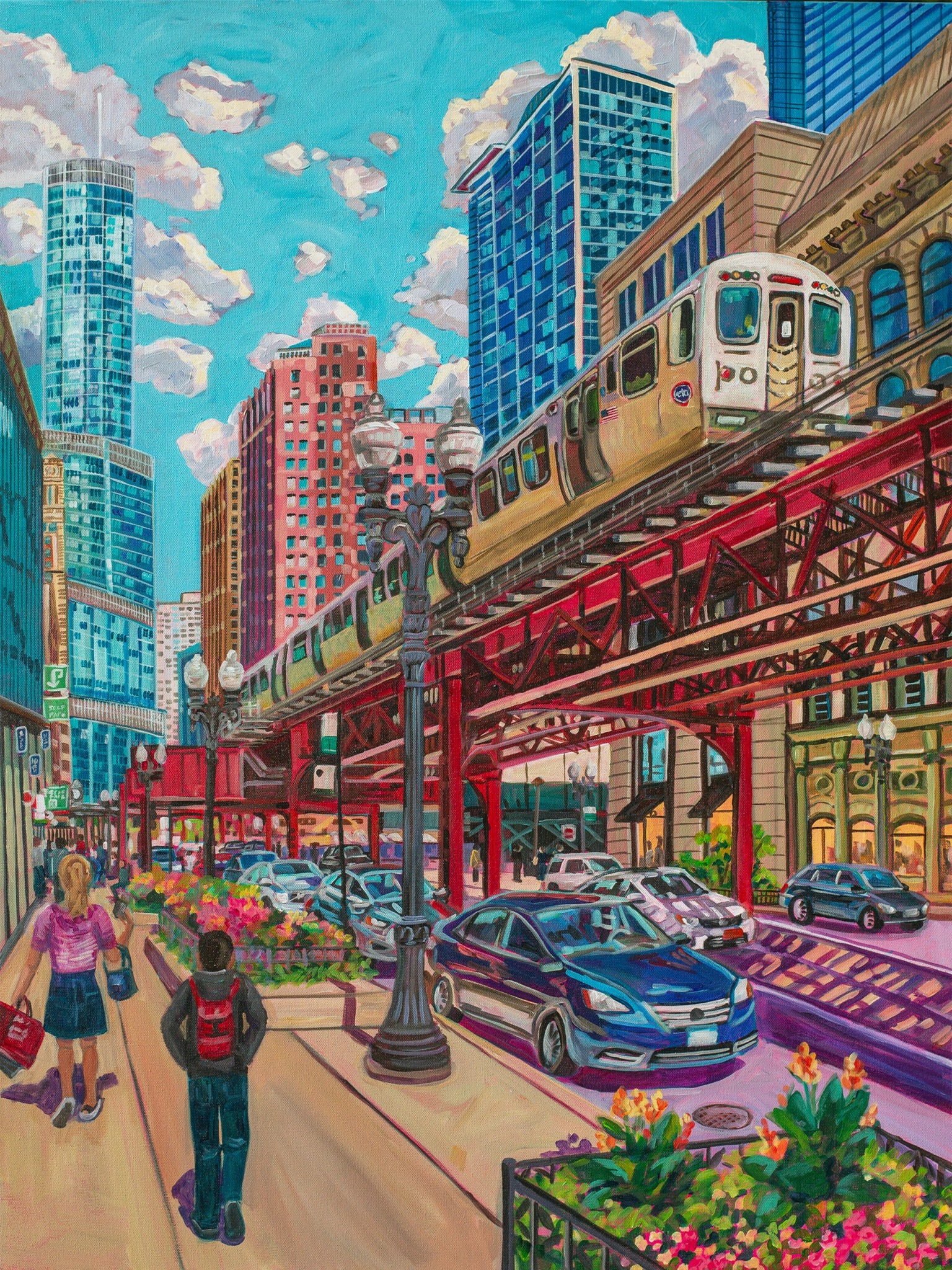
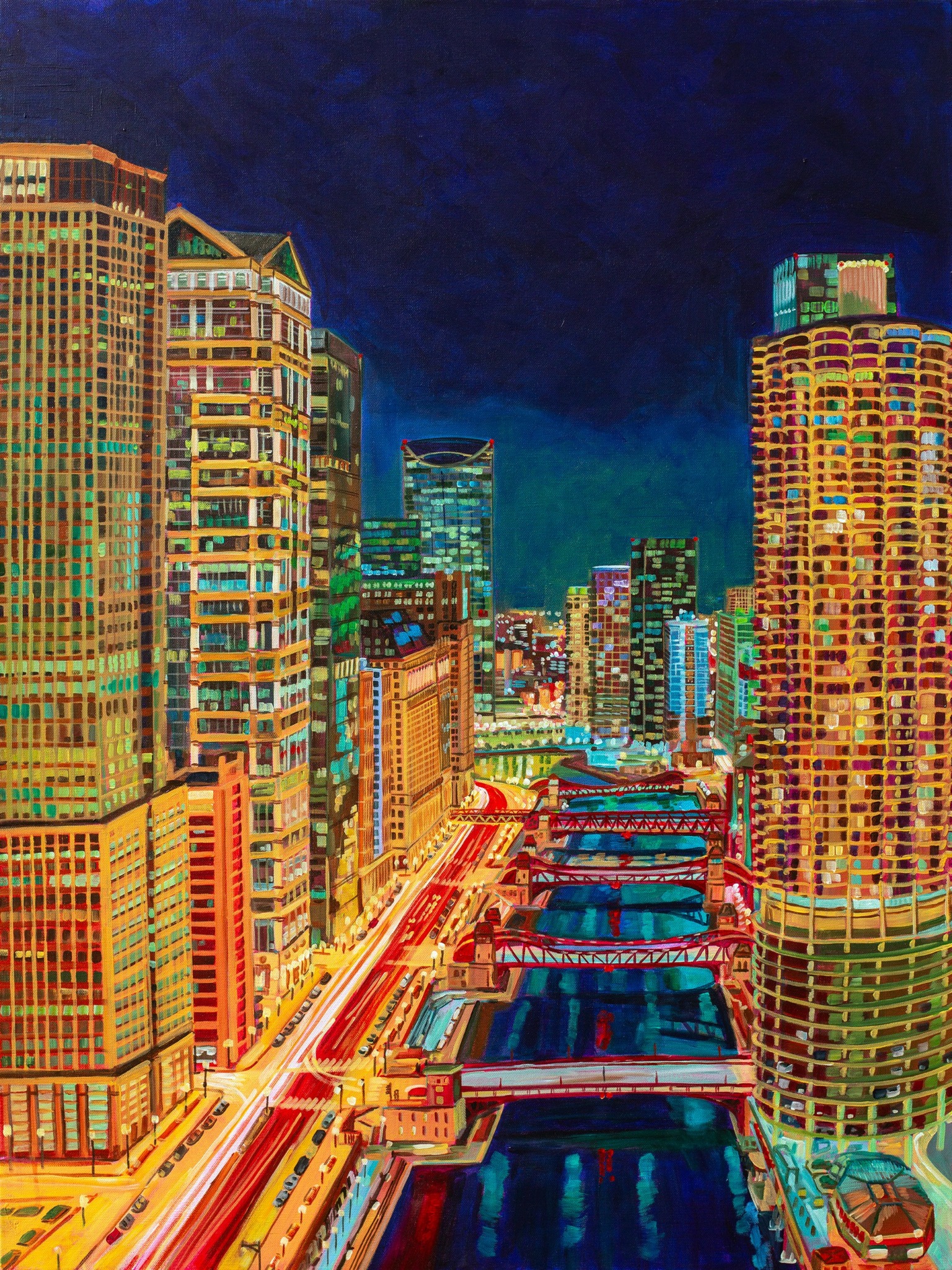
After many conversations with friends, mentors, fellow artists, and my husband—as well as a great deal of prayer—I felt both the encouragement and freedom to make a significant change. I began painting scenes inspired by my city’s downtown. Once I had completed a collection of work, I applied for consideration for a solo exhibition at City Hall.
The response was immediate and encouraging. They loved the paintings and wanted to see more. That exhibition became my launching point. It gave me the confidence to leave my graphic design career behind and focus on painting full-time.
Since then, I have worked with several galleries, participated in both solo and group exhibitions, and learned from artists who generously shared their experience. One friend in particular, a full-time artist, encouraged me to begin applying to outdoor fine art festivals—a step that opened even more opportunities. Today, I offer both original paintings and reproductions online, reaching collectors beyond my local community.
From the beginning, I knew it was important to find inspiration close to home. While I have since painted many different locations, I believe it was capturing the scenes and character of the place where I live that first opened the door to new opportunities and helped shape my journey as a professional artist.
What do you think is the goal or mission that drives your creative journey?
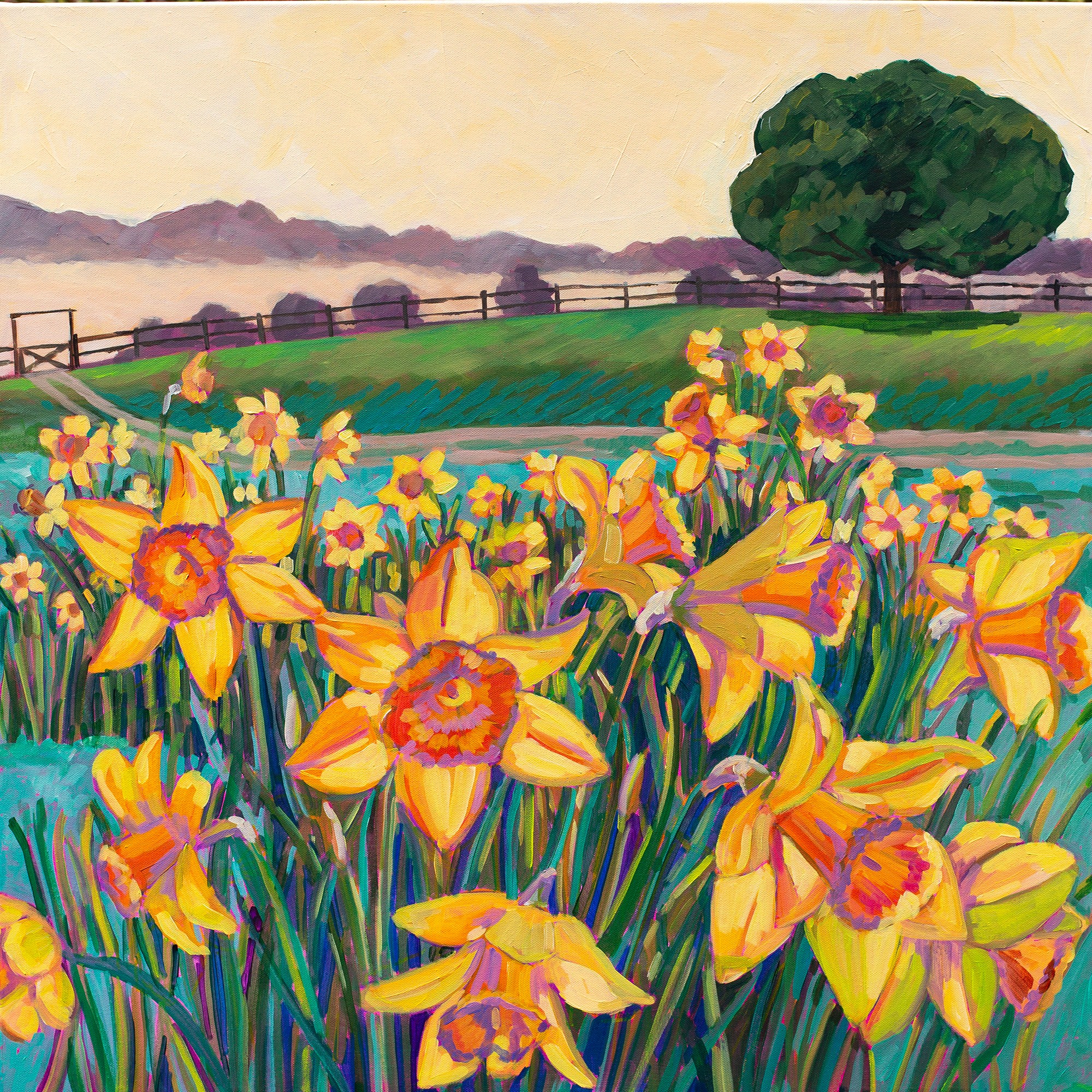
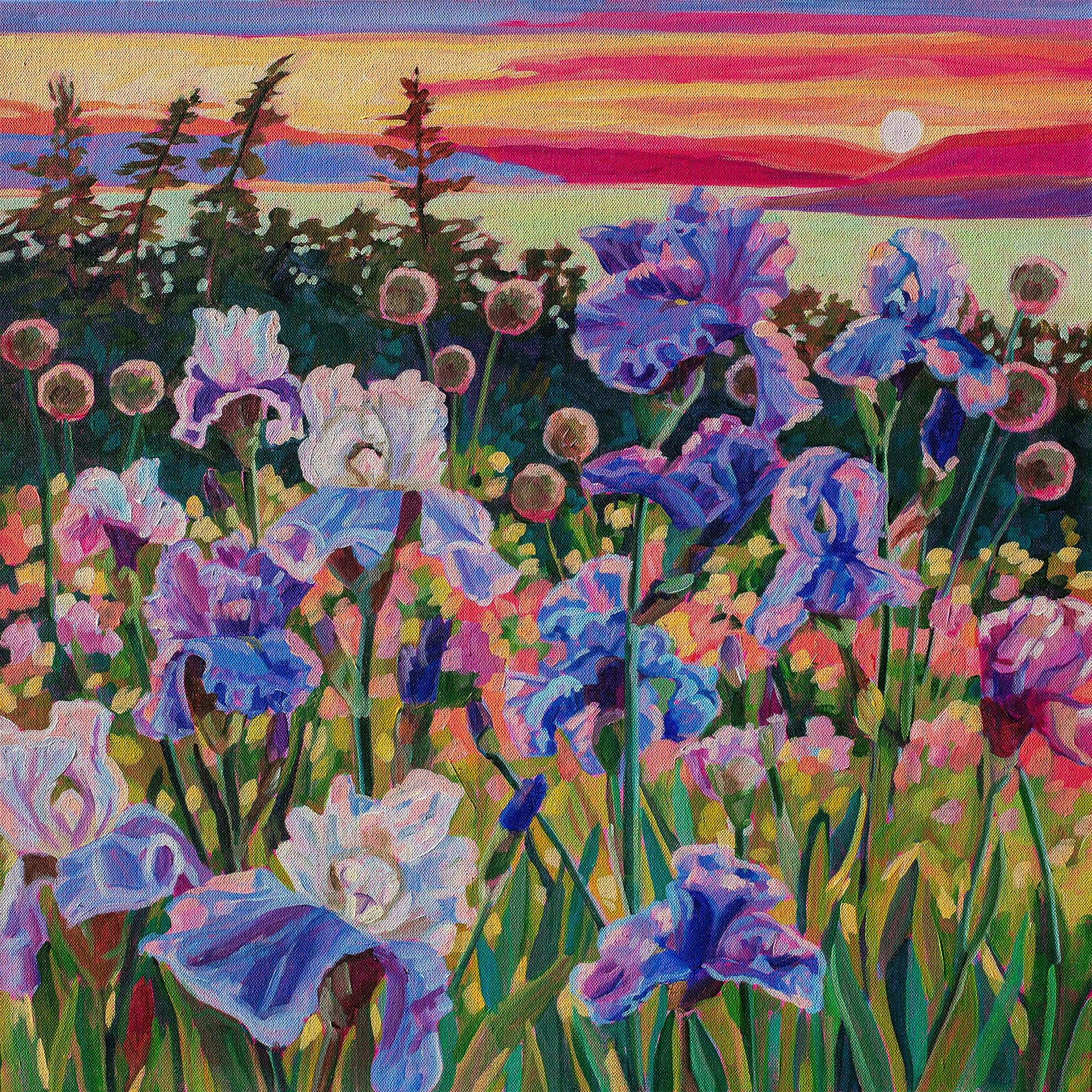
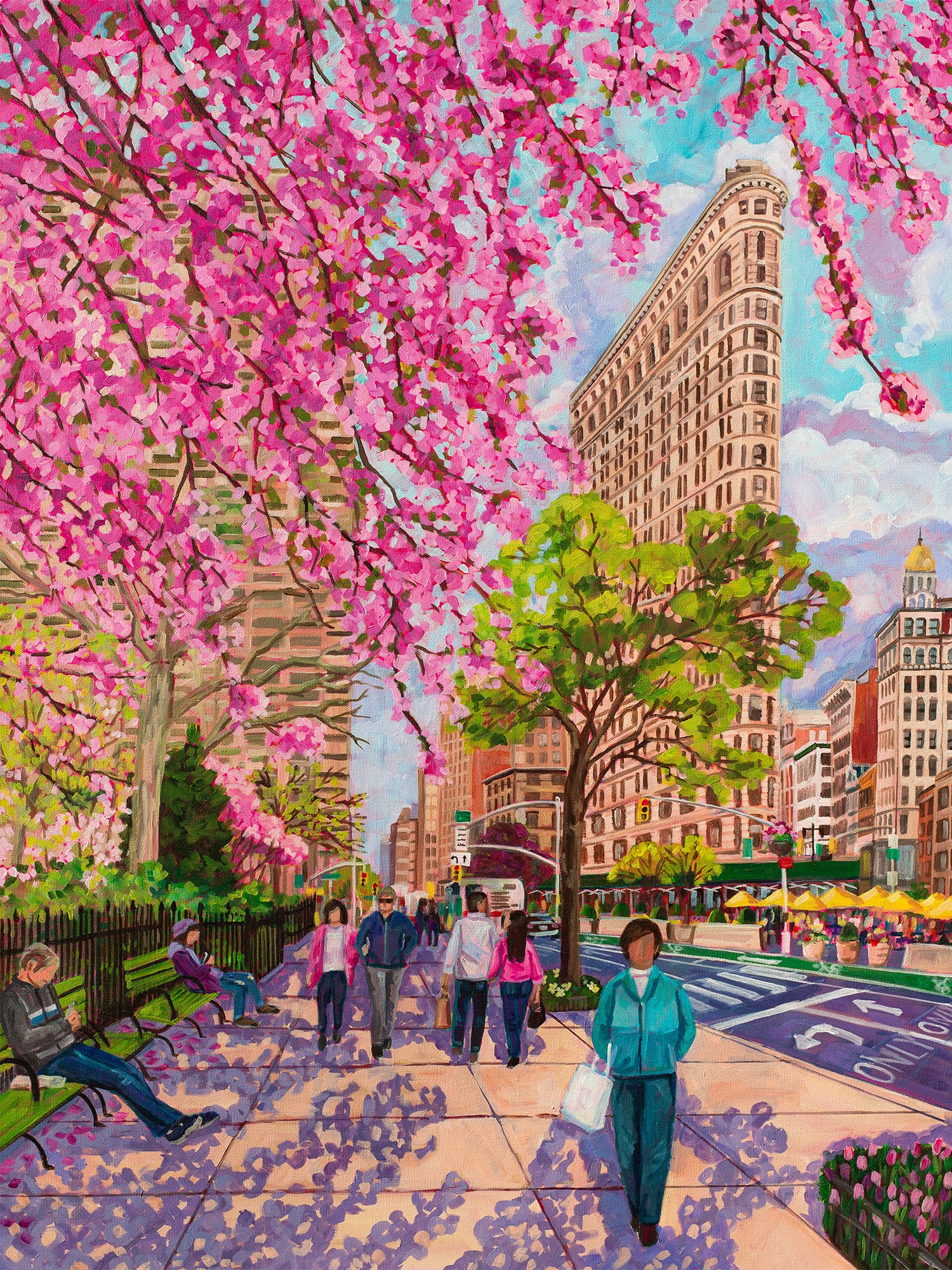
My goal is to create art at the intersection of personal inspiration and collector appeal. I work in series, exploring subjects that range from floral still lifes and panoramic New York cityscapes to the rugged landscapes of the Scottish Highlands. With each collection, I strive to create work that is immediately recognizable as my own through a consistent style and color palette, while still offering something fresh and compelling that leaves viewers eager to see what comes next.
Although I often return to my roots by painting scenes that reflect the world around me, I am continually drawn to new locations and subjects. At the heart of my work is a desire to create paintings that inspire hope and remind people that beauty still exists in everyday life.
The creative process is not always predictable. Sometimes I feel firmly in the driver’s seat, pursuing an idea with intention and direction. Other times, opportunities seem to lead the way. For example, when I decided to explore floral still lifes, I sought inspiration through photography, arranging flowers, and looking at other artists’ work. In contrast, an invitation to participate in a festival in Atlanta sparked an entirely new body of work focused on cityscapes, leading me to immerse myself in research and discover fresh sources of inspiration.
Whether the idea begins with a deliberate vision or an unexpected opportunity, each series expands my perspective and challenges me to see the world in new ways. And each collection teaches requires me to learn different skills and keeps the creative process fresh and interesting.
Is there something you think non-creatives will struggle to understand about your journey as a creative? Maybe you can provide some insight – you never know who might benefit from the enlightenment.
One of the comments I hear most often is, “You have so much talent—I can’t even draw a stick figure.” It’s usually said as a compliment, but it reflects how mysterious the artistic process can seem to people looking at a finished piece of art.
I love my daughter’s perspective on this. She’s currently studying art in college, and we often talk about what it means to become an artist. The truth is, there isn’t any magic pixie dust that allows me to paint the way I do. What people see today is the result of years of practice, experimentation, and persistence. Thousands of hours spent drawing, painting, making mistakes, and trying again have taught me lessons in composition, color theory, design, and style.
When I started drawing in middle school, I was very average. Like most artists, I improved through repetition and a willingness to keep learning. While there may be a few rare individuals who can pick up a pencil or paintbrush and create something extraordinary without formal training, for most of us, artistic ability is a skill that develops over time through hard work and dedication.
That’s one of the reasons I encourage anyone who feels drawn to create art to simply begin. Don’t wait until you feel talented enough. Go to the store, buy some supplies, and start. Every artist begins somewhere, and every painting, drawing, or sketch is a step toward becoming better than you were the day before. (And don’t be afraid of failing, you only fail if you stop.) Keep going, evaluate what works and doesn’t, and try again. And don’t be afraid of asking others for constructive criticism. Study other artists’ work, not to copy, but to observe how they handle color, light, brush strokes, and what makes their composition dynamic. You may not see progress from one day to the next, but if you look back after a year, you will be surprised at what you’ve learned and the confidence you’ve gained.
Contact Info:
- Website: https://HeatherNagyArt.com
- Instagram: https://www.instagram.com/heather.nagy/
- Facebook: https://www.facebook.com/HLNagyArt