



We caught up with the brilliant and insightful Jeanelle Ditto a few weeks ago and have shared our conversation below.
Alright, Jeanelle thanks for taking the time to share your stories and insights with us today. How did you scale up? What were the strategies, tactics, meaningful moments, twists/turns, obstacles, mistakes along the way? The world needs to hear more realistic, actionable stories about this critical part of the business building journey. Tell us your scaling up story – bring us along so we can understand what it was like making the decisions you had, implementing the strategies/tactics etc.
Okay, buckle up, because my “scaling story” is really a “I burned the whole thing down and rebuilt it from the studs while also rebuilding myself” story. There was no clean upward graph. There was a divorce, a pandemic, and a full identity overhaul — all stacked on top of each other like that was a reasonable amount of change for one human to handle at once.
Let me back up.
I spent 15 years in medical sales and marketing, climbing from the bottom. Then I had my two babies at 30, and I found myself pumping in airport bathrooms between flights, missing bedtime for a job that never once lit me up. Hospitals and doctors’ offices are basically the opposite of beautiful and calm — and somewhere in those fluorescent-lit hallways I had this loud, undeniable thought: I want to build the opposite of this for people. So I did the unreasonable, slightly terrifying thing — I went back to school for my interior design degree.
The moment I finished, I jumped into small residential projects. Building confidence, building my process, figuring out who I was as a designer one client at a time.
And at the exact same time? My marriage was falling apart. So picture this: I’m trying to build a creative business from scratch while my entire personal life is collapsing around me. I moved out, found this live-work loft, set up a tiny showroom downstairs and an apartment upstairs for me and my two kids. I was finally, FINALLY up and running.
A week later — a week! — COVID hit, and I watched the entire investment I’d poured into that showroom disappear.
I didn’t get to fall apart, though. I was a single mom of two and those little residential projects were literally what kept the lights on. So I put my head down and I built.
And it was in that grind — exhausted, scrappy, figuring it out in real time — that I had the realization that actually changed everything: I am not a B2C girl. I was good at residential. But put me in a room with a business owner, a doctor, a CEO? That’s my native language. That’s where I come alive. I’d spent years assuming “interior designer” meant houses, when really my superpower was always B2B — I just had to live a whole chapter to find that out.
So I did the scary, decisive thing again. I walked away from residential completely and went all in on helping businesses transform their brand and their spaces — because for a business owner, the client experience IS the revenue strategy.
Here’s where it gets good. The second commercial project I landed after making that pivot was for a private equity investor named Kyle Mallien. His whole business is helping entrepreneurs buy, scale, and sell companies. I’m in there designing his space, and I have this lightbulb moment — his clients buy businesses that need a brand and physical transformation, and that is literally what I do. We were built for each other before we even knew it.
Fast forward four years, and that man is now my partner — in business and in life. What started as one project is now the actual engine driving how I scale: I get to help the businesses his clients acquire get rebranded, redesigned, and repositioned into something that builds real legacy, not just a prettier lobby.
None of this was a strategy I picked off a whiteboard. The divorce and COVID stripped away everything that wasn’t working and left me standing with the one thing that was — and forced me to actually listen to it. Turns out the real unlock wasn’t surviving the chaos. It was getting honest enough with myself to admit my strength was somewhere I hadn’t planned on, even after I’d already bet years and a degree on a different version of the story. That’s the part I’m most proud of — not that I rebuilt the business, but that I let myself become someone new in the process.
Great, appreciate you sharing that with us. Before we ask you to share more of your insights, can you take a moment to introduce yourself and how you got to where you are today to our readers.
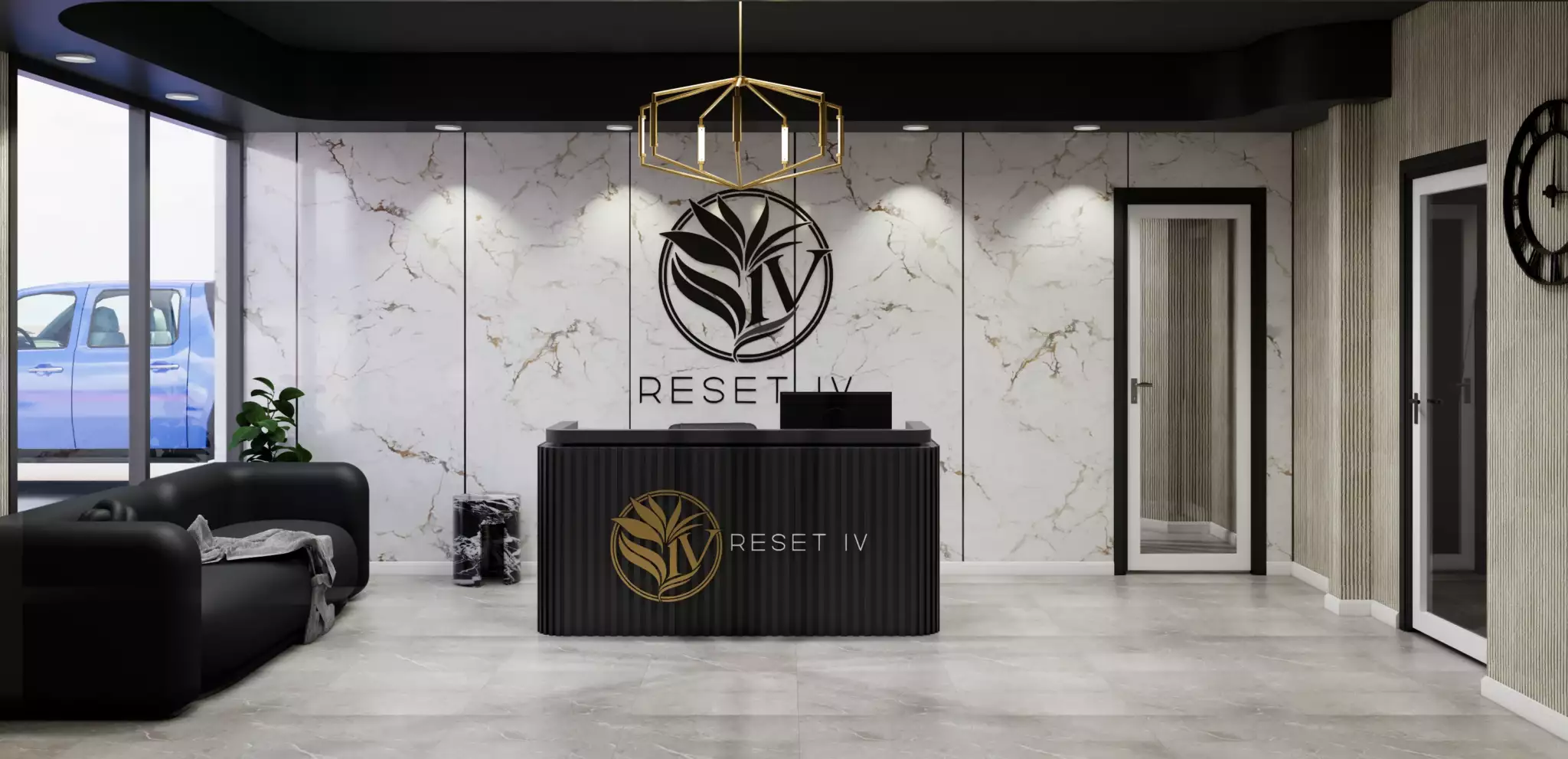
I’m Jeanelle Ditto, founder of Blush Interior Designs, and I call myself a commercial space strategist — which is my fancy way of saying I blend almost a decade of luxury design intuition with AI-powered tools to help business owners build spaces that elevate their brand, pull in their dream clients, and bring some actual calm to the chaos of running a business. I don’t just design rooms. I engineer transformations. That’s the whole game for me.
Here’s the thing people don’t expect: I didn’t grow up dreaming in fabric swatches. I spent 15 years in medical sales and marketing before I ever touched a moodboard professionally, and honestly, that’s a huge part of my secret weapon. That world taught me how to read a business owner, understand what actually drives their revenue, and speak fluent CEO instead of just “what color do you want your kitchen.” After one too many years walking through hospitals and doctors’ offices that felt like the visual opposite of beautiful or calm, I had enough. I went back to school for interior design with one mission: build the antidote to those spaces. I started in residential, but it didn’t take long to figure out my real superpower was always B2B. Put me in a room with a business owner and I light up.
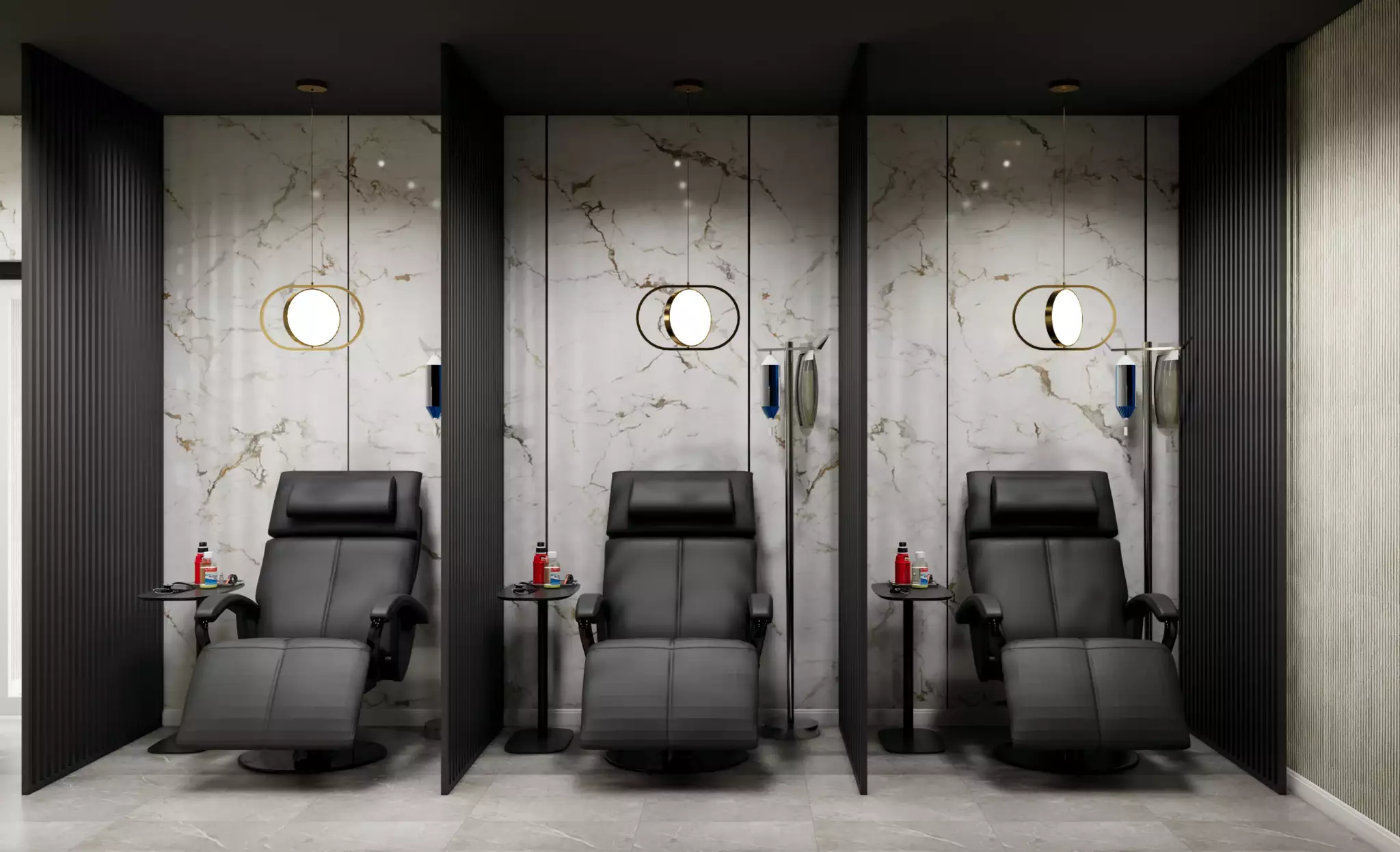
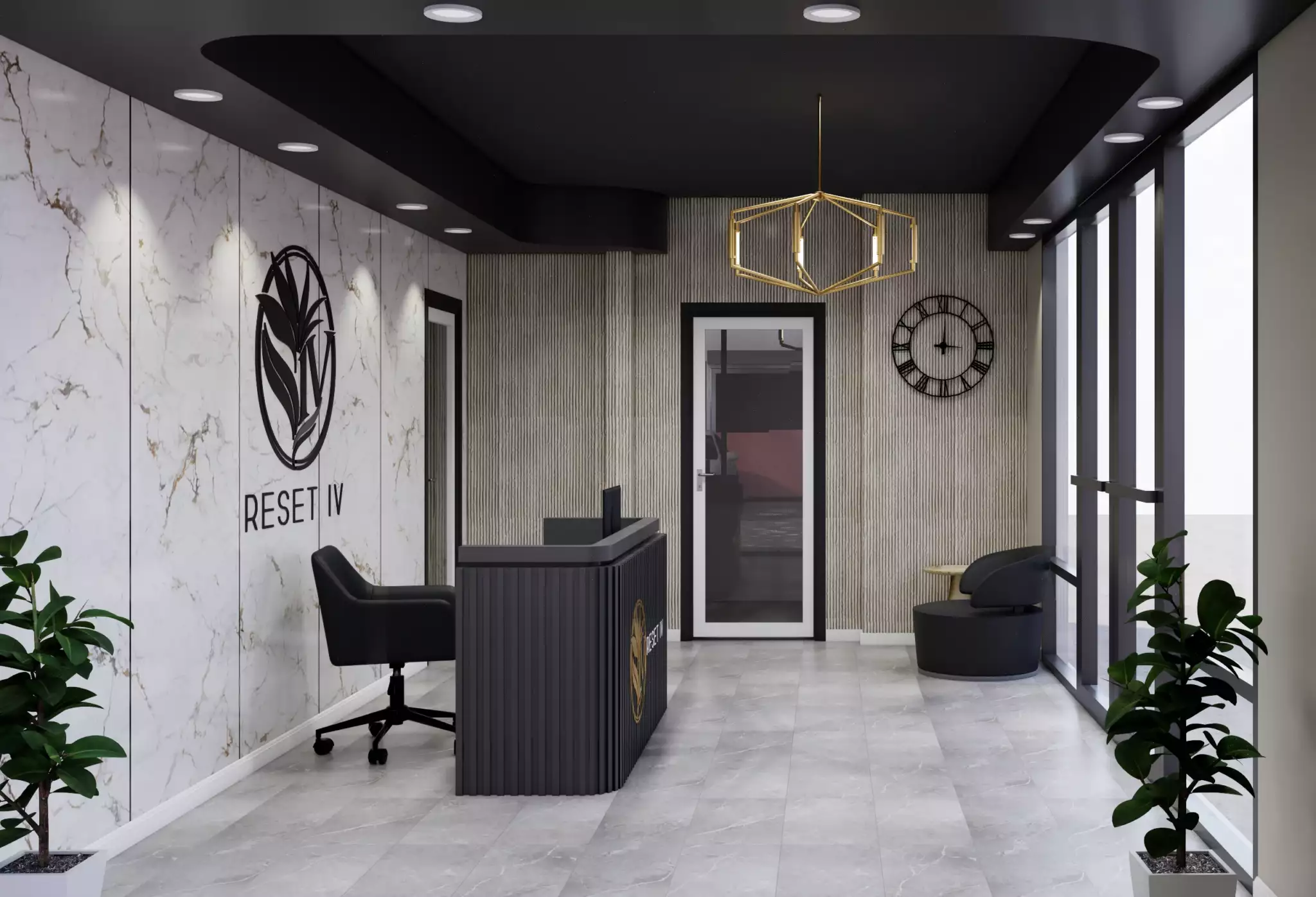
These days, Blush works exclusively with businesses — rebranding and redesigning physical spaces to match where they’re actually headed, not just where they happen to be standing today. We work nationally, we’ve got a showroom carrying multiple cabinetry lines, and a team that takes projects from first concept all the way through full brand rollout.
The problem I actually solve:
Most business owners treat their space like overhead — something you fix once it starts looking tired. I treat it like a growth lever. Your space either reinforces your brand and pulls in your ideal client, or it quietly sabotages every dollar you’re spending on marketing and sales. I close that gap, every time.
What sets me apart — and this is the part I’m a little obsessed with:
My process starts somewhere most designers never even think to go. I figure out exactly who the business owner’s ideal client avatar is, and then I become that person inside their space. I walk it, I sit in it, I experience it the way their dream client would, before a single design decision gets made. This isn’t a moodboard exercise — it’s me literally stepping into someone else’s shoes so the space gets built around how it needs to FEEL, not just how it needs to look.
And then there’s the piece almost nobody else in my industry has: real business scaling and M&A expertise sitting right next to my design expertise, thanks to my partner Kyle Mallien, who helps entrepreneurs buy, scale, and sell businesses for a living. We push each other to level up constantly, and that means I’m not just designing for what a business looks like today — I’m designing with full visibility into where that business is headed and what it’ll need to support its next stage of growth. I’m forecasting the future, not just picking paint colors.
What I’m most proud of:
Honestly? Building Blush taught me way more about myself than it taught me about design. I learned what my real strengths and weaknesses are. And the biggest lesson of all — your mind is an unbelievably powerful thing. If you can pause in the middle of total chaos and get brutally honest about your own strengths, then point those strengths directly at solving someone else’s problem, you don’t just end up with good design. You end up creating a genuinely great experience — one that opens doors for both you and your client, and sometimes builds something neither one of you even knew you needed until it existed right in front of you. That mindset shift is the thing I’m proudest of. More than any single project, more than any milestone.
What I want you to know about my brand:
I’m not a decorator. I’m a strategist who happens to work in physical space. Every single project starts with your business goals and your ideal client — design is just how we make that real. If you’re a business owner who’s outgrown how your space represents you, that gap right there? That’s exactly why I exist.
What’s a lesson you had to unlearn and what’s the backstory?
I had to unlearn the belief that “interior designer” meant residential. That if you weren’t doing beautiful homes, you weren’t really doing the thing.
I didn’t grow up around design — I spent 15 years in medical sales and marketing before I ever went back to school for it. So when I finally became a designer, I think some part of me assumed I had to validate that title the “traditional” way: take on homeowners, build a portfolio of gorgeous houses, follow the path every other designer I’d ever seen seemed to follow. B2C felt like the legitimate version of the craft. B2B felt like something adjacent to it, not the real thing.
It took actually doing the residential work to unlearn that. I was good at it. I built real confidence and a real process working with homeowners. But I noticed something every single time I sat across from a business owner instead — I came alive in a completely different way. I understood their language. I understood what they actually needed, because I’d spent a decade and a half living in that world myself, reading rooms full of executives and decision-makers. With homeowners, I was a good designer. With business owners, I was in my element.
The backstory that forced the realization was messier than I would’ve chosen — a divorce, then COVID wiping out the investment I’d made in my first showroom, all while residential projects were the only thing keeping me and my two kids afloat. There wasn’t room to overthink it. I just had to be honest about where I was actually strong versus where I’d assumed I was supposed to be.
Once I let go of the idea that B2C was the “real” path and B2B was some lesser detour, everything got clearer. I stopped designing rooms and started engineering transformations for businesses — which, it turns out, was the work I was built for the whole time. I just had a belief in the way that told me otherwise.
Have any books or other resources had a big impact on you?
I’ll be honest — I don’t sit down and read books. I’m running a business, I’m a partner, I’m a mom to four kids, and I’m trying to stay healthy and be the best version of myself in the middle of all of it. There’s no time block in my day for a hardcover and a cup of tea. So I live on audio. Podcasts while I’m getting ready in the morning, audiobooks while I’m walking my dog. That’s where my thinking actually gets shaped.
Two podcasts I come back to constantly: Alignment with Jenn and Build with Leila Hormozi. They hit two different sides of how I have to operate — Jenn’s content keeps me grounded in mindset, nervous system regulation, and the inner work that has to happen before any outer success sticks. Leila’s keeps me sharp on the actual operating mechanics of scaling a business without losing your mind in the process. I need both. Mindset without operations is just a nice feeling. Operations without mindset burns you out.
On audiobook, two have genuinely changed how I think: Atomic Habits and Becoming Bulletproof. Atomic Habits rewired how I think about growth in general — not chasing some big dramatic leap, but stacking small, consistent systems that compound, which is exactly how I rebuilt this business after losing everything during COVID. Becoming Bulletproof hit me on the confidence and resilience side — learning to operate from a place of genuine self-trust instead of needing outside validation before I make a move, which matters constantly when you’re the one making every call in your business.
My philosophy comes from stacking those four together: regulate your mind, build the systems, trust yourself, and run the business like it’s actually a business. None of it works in isolation. That combination is what actually changed how I lead.
Contact Info:
- Website: https://www.blushinteriordesigns.com
- Instagram: https://www.instagram.com/blushinteriordesigns/
- Facebook: https://www.facebook.com/jeanelle.ditto/
- Linkedin: https://www.linkedin.com/in/jeanelleditto
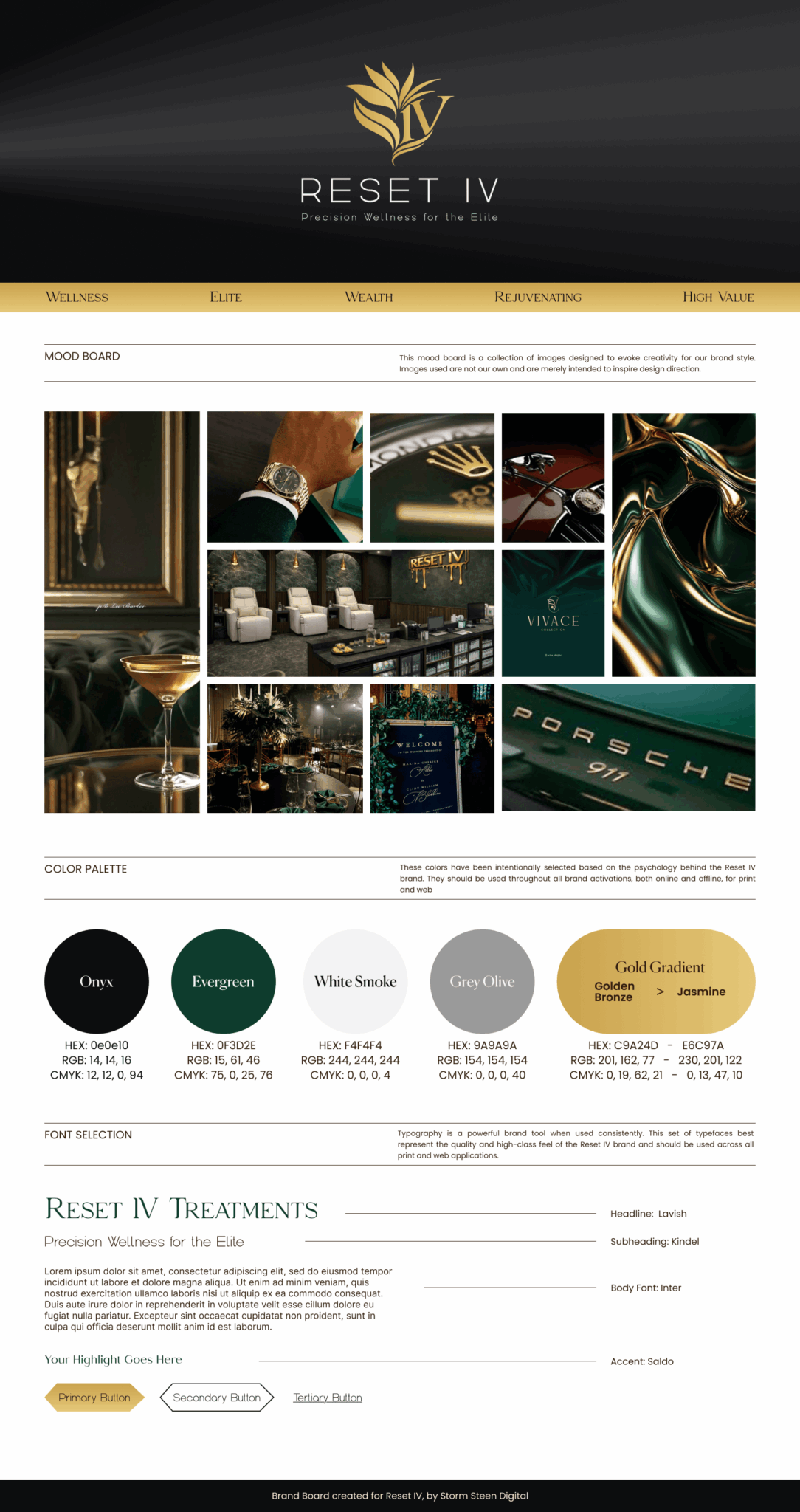
Image Credits
Photo by Solifoto