

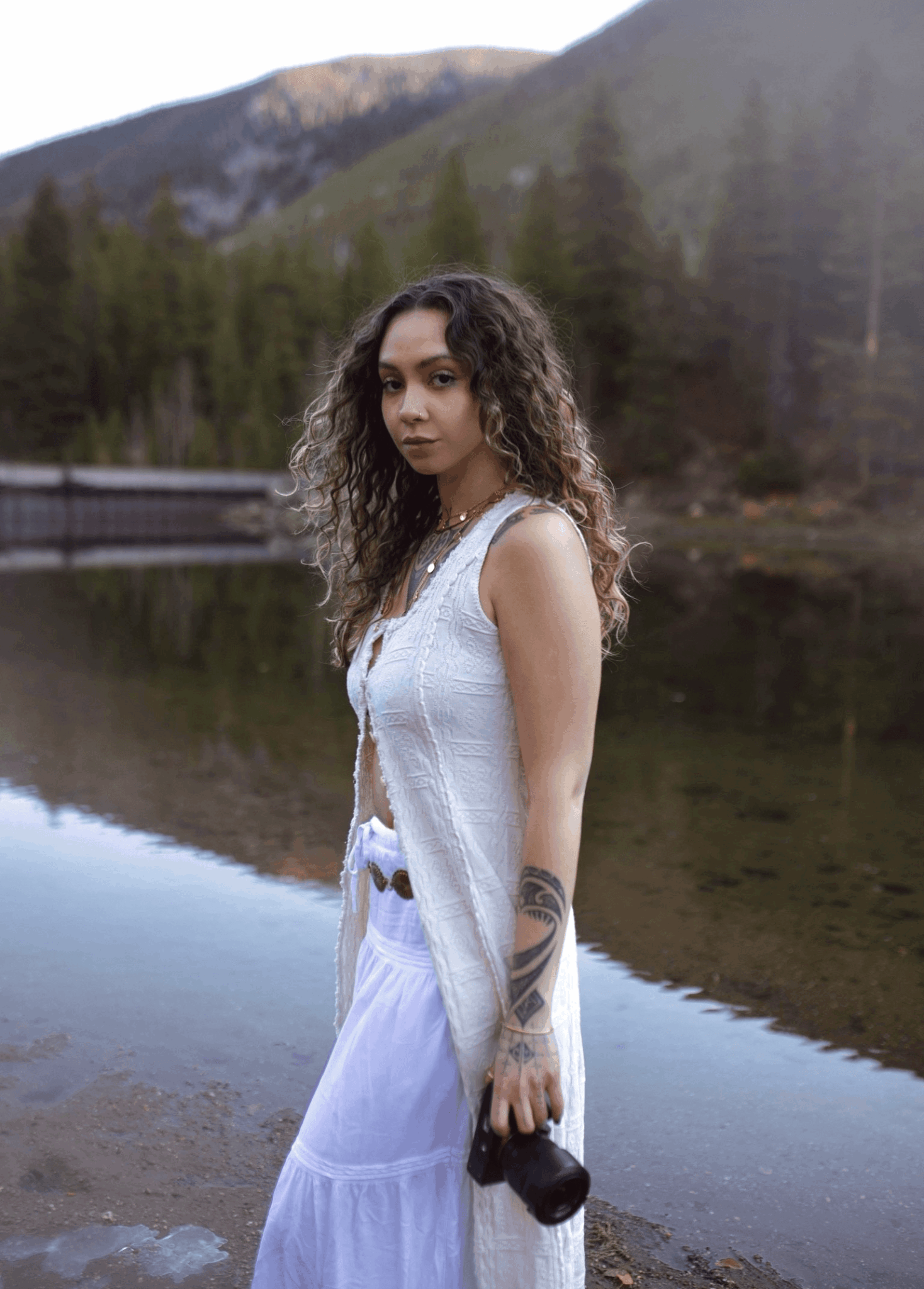

Alright – so today we’ve got the honor of introducing you to Tatia Ruch. We think you’ll enjoy our conversation, we’ve shared it below.
Tatia, thanks for joining us, excited to have you contributing your stories and insights. We’d love to hear about a project that you’ve worked on that’s meant a lot to you.
On My High Horse, my very first truly meaningful conceptual project.
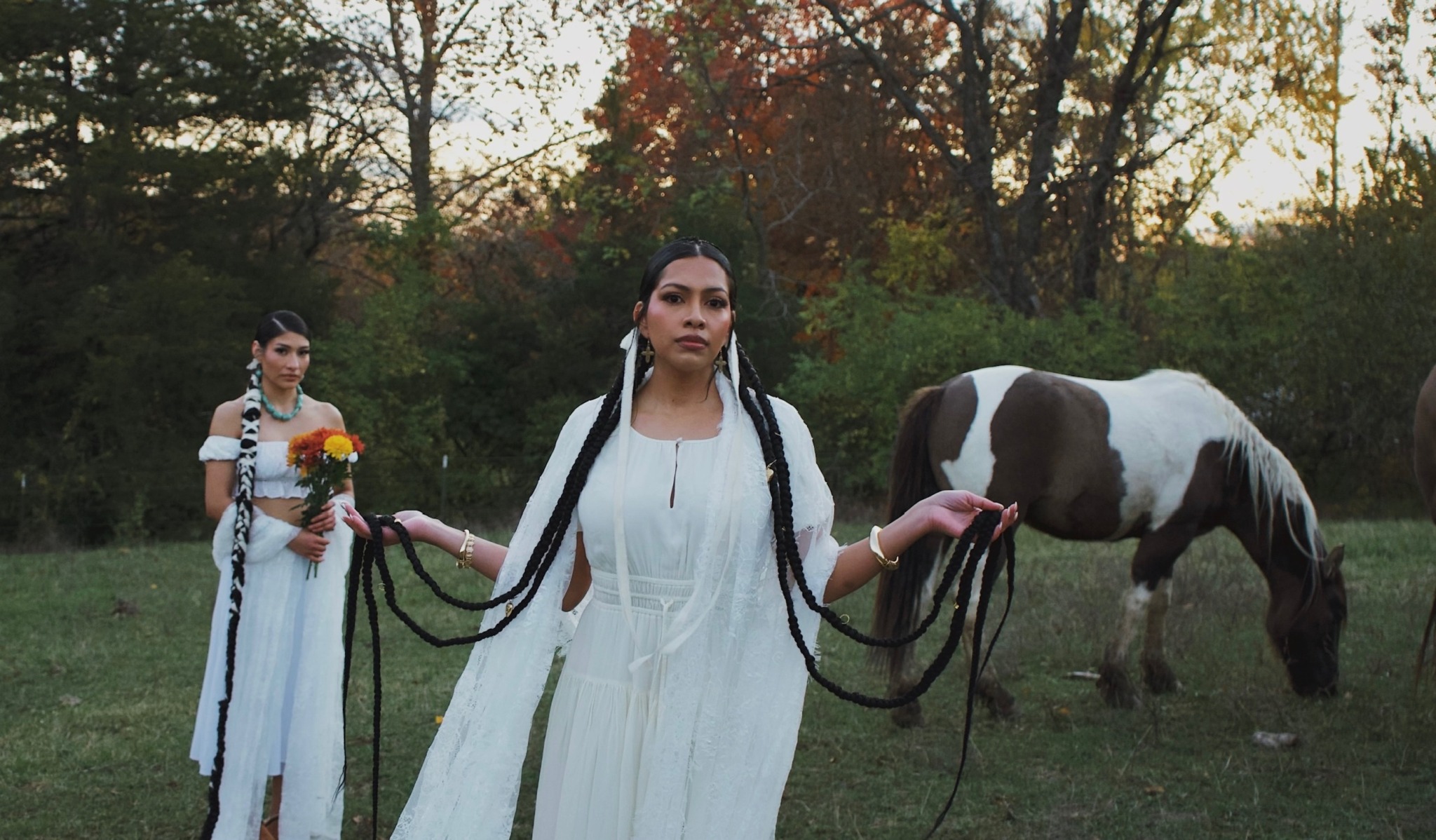
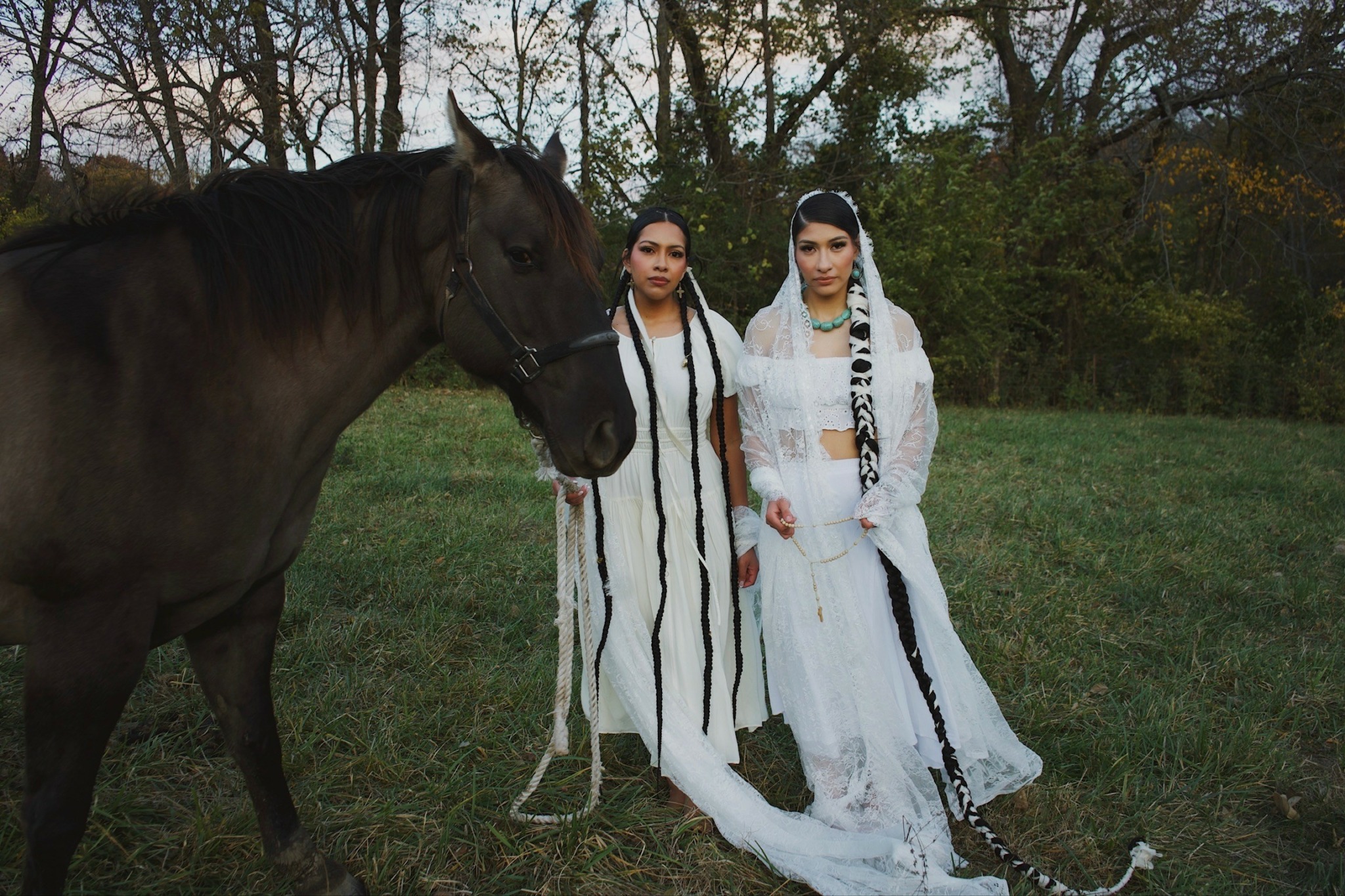
On My High Horse is a visual exploration of identity, heritage, womanhood, and resilience. Drawing inspiration from Mexican cultural influences, this project celebrates the empowerment and unwavering strength of women—a resilience as powerful, untamed, and enduring as a stallion. Through symbolism, traditional styling, and deeply personal narratives, the series seeks to honor the beauty of Mexican culture while highlighting the stories of women who carry its legacy in different ways.
At its heart, this project is about reclaiming space, embracing heritage, and recognizing that cultural identity is not always inherited in the same way. Sometimes it is passed down through generations, and sometimes it is rediscovered through intention, curiosity, and connection.
And while there is much research behind this shoot, perspective of culture and heritage is important. And I am still learning of all the history and facts, and with this being public, I would hope that anyone with differing knowledge of the elements used and understood within this shoot, will be open and honest enough to correct me, should that be needed.
The Elements of the Project,
The Symbolism of the Horse
The horse serves as one of the central symbols throughout the series. In Mexican culture, the horse represents power, nobility, freedom, and strength—qualities most vividly embodied through the iconic charro and the longstanding traditions of charrería, Mexico’s national equestrian sport.
Beyond symbolism, horses have long been woven into the fabric of everyday life throughout rural Mexico, where they have served as essential companions in agriculture, transportation, and labor. Their significance extends into Mexican art, folklore, and craftsmanship, often appearing in carvings, textiles, and the intricate detailing of charro saddles, reflecting the deep bond between people and these revered animals.
Within On My High Horse, the horses become more than subjects or props. They stand as mirrors of the women portrayed beside them—strong yet graceful, independent yet deeply connected to history and tradition. Their presence embodies a spirit of resilience that has carried generations of Mexican women through both triumph and adversity.
The Legacy of the Adelitas
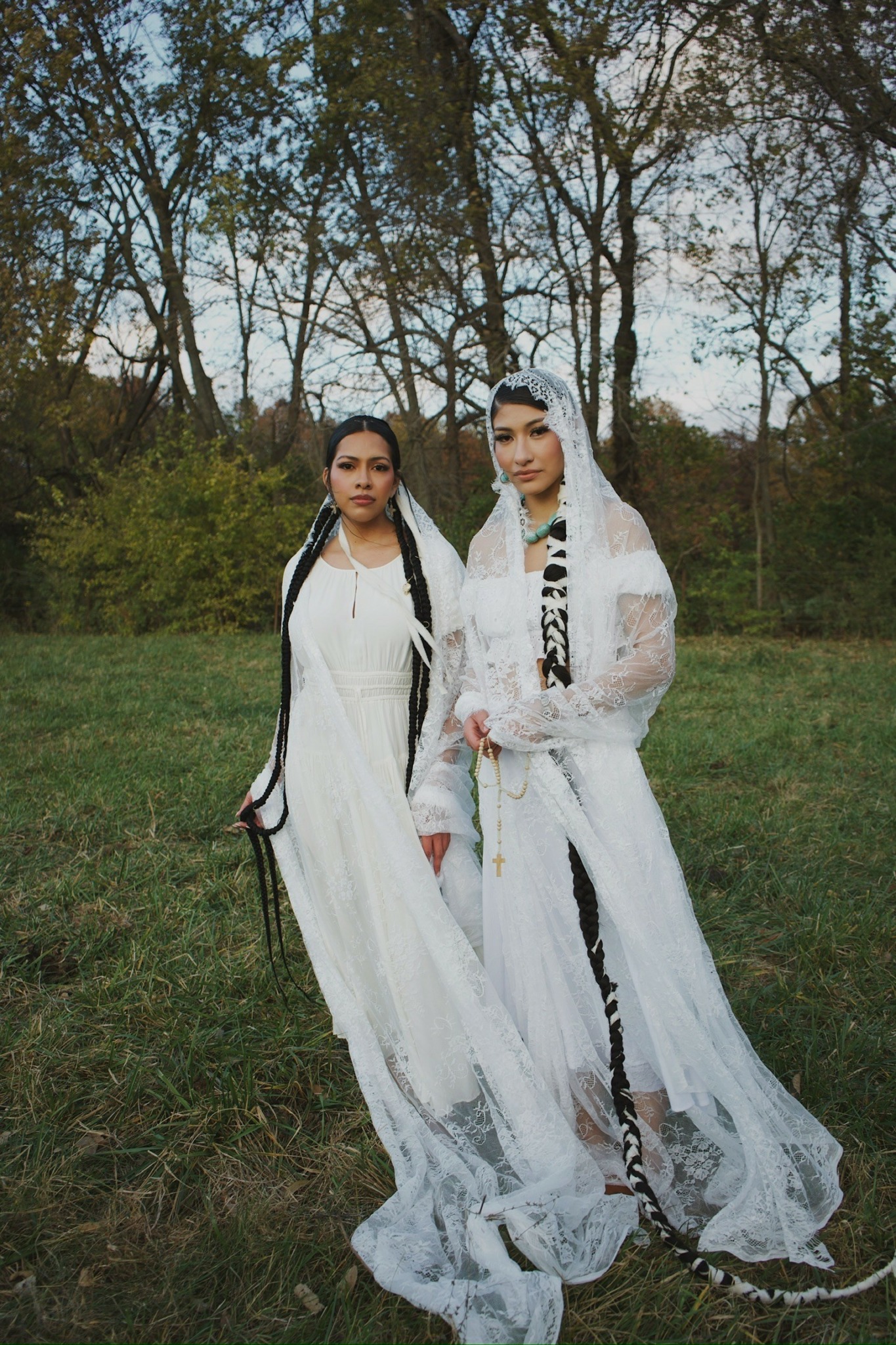
The braided hairstyles worn throughout the shoot draw inspiration from the iconic Adelitas—the revolutionary women, often referred to as Soldaderas, who played vital roles during the Mexican Revolution. These women were more than supporters of the movement; many served as soldiers, nurses, strategists, and providers, embodying courage and resilience during one of the most transformative periods in Mexican history.
The braids associated with Adelita imagery have become enduring symbols of female empowerment, cultural heritage, and Indigenous identity. Across many regions of Mexico, braided hairstyles have historically served as forms of communication and cultural expression. The style, placement, and adornments woven into the braids could signify a woman’s social standing, marital status, community affiliation, or participation in important ceremonies and events. Colored ribbons, ornaments, and weaving techniques often carried meanings unique to a particular region or celebration.
For On My High Horse, the braids became more than a historical reference—they became a symbol of connection. They represent the intertwining of generations, cultures, stories, and experiences that shape identity and community.
Hair stylist Essence Samone reflected on this symbolism, sharing:
“The process of braiding is simplistically complex. It’s the intertwining of three hair strands being woven into one another to make one beautiful connection in a sort of way. When it came to this shoot, it was no different. It was a multicultural collaboration between women from all walks of life. Paying homage to Hispanic heritage was beautiful because it showed the connection to my African roots and how minorities from centuries before us worked together to build the world we now have today. I will forever correlate braids with us minorities because it’s simply who we are, whether Native American, Black, Asian, etc.”
Her words beautifully capture one of the core themes of this project: the idea that culture is both individual and collective. While the braids pay tribute to the Adelitas and Indigenous Mexican traditions, they also symbolize the shared histories, resilience, and contributions of communities whose stories are often interconnected. Just as three strands are woven together to create something stronger, this shoot brought together women from different backgrounds, experiences, and perspectives to create a visual narrative rooted in heritage, empowerment, and unity.
By incorporating these braids into the shoot, we honor the women who came before us—those who fought, nurtured, protected, and persevered. The braids become a visual thread connecting past and present, celebrating both ancestral strength and contemporary womanhood.
Beauty as Collaboration and Connection
Just as the braids symbolized connection, heritage, and the weaving together of different stories, the makeup artistry for On My High Horse was approached with the same level of intention and care. Every detail of the shoot—from wardrobe and hair to location and expression—was thoughtfully considered to create imagery that felt authentic to both the cultural inspiration behind the project and the women bringing it to life.
For makeup artist Shayla Nash, beauty is not about transformation but enhancement—highlighting what already exists and allowing confidence to take center stage.
“Doing makeup is an art form for me. It’s the intersection of creativity, collaboration, and human connection. I love to know what my muse will be wearing, how their hair will be styled, and the setting to help me envision a look that’s cohesive and also unique to their features. With that, trust, intention, and all of the other details come together to enhance what’s already there. It’s my goal to create a space for confidence to shine.”
— Shayla Nash, Makeup Artist
Her perspective reflects one of the foundational ideas behind On My High Horse: every creative element is strongest when it works in harmony with the others. The styling, braiding, makeup, horses, and cultural references were never intended to overshadow the women in front of the camera. Instead, they served as tools to elevate and celebrate them—to create space for their stories, identities, and confidence to shine through.
Like the braids woven throughout the project, the makeup artistry became another thread in the larger tapestry of collaboration. It serves as a reminder that powerful imagery is rarely created by one person alone. Rather, it is built through trust, artistry, and the collective efforts of people coming together with a shared vision, each contributing their unique perspective to tell a story that is both personal and universal.
Styling as Cultural Storytelling
Every element of styling within On My High Horse was intentionally chosen to reflect the richness and complexity of Mexican cultural traditions, and local Kansas City stylist Ashley Duffy brought that vision to life.
The dresses draw inspiration from the traditional enagua, known for its voluminous, tiered skirts and flowing ruffles. These garments are emblematic of folkloric styles found throughout regions such as Veracruz and Yucatán, where vibrant cultural expressions like jarabes and son jarocho are brought to life through music, dance, and costume. The movement of the skirts echoes the movement of history itself—dynamic, expressive, and inseparable from the stories they carry.
The styling also incorporates elements inspired by the huipil, a garment deeply rooted in Indigenous traditions throughout Mexico and Central America. Often handcrafted and rich with symbolic embroidery, the huipil reflects regional identity, ancestral knowledge, and cultural continuity. Each pattern, stitch, and motif tells a story of lineage, community, and place. By weaving these influences into the shoot, we honor the Indigenous foundations that continue to shape Mexican culture today.
The veils featured throughout the project draw inspiration from the mantilla, a timeless lace veil with origins in 16th-century Spain. Historically worn by women of high social standing and later adopted more broadly across Spanish society, the mantilla evolved into a significant cultural symbol throughout Spain and Latin America. It carries both religious and social meaning, traditionally worn during Catholic ceremonies as a sign of reverence while also representing grace, femininity, and cultural pride.
Within this series, the mantilla serves as a bridge between history and modern identity. It softens while simultaneously strengthening the imagery, embodying the duality often expected of women—to be both gentle and resilient, elegant and powerful.
The models in this project, two beautiful Mexican women, shared their stories, their connection to this concept, such is Meg’s Story: Coming Home to Herself; For model Meg, this shoot became something far more personal than a creative collaboration—it became an act of healing.
Being Mexican was something she felt long before she fully understood it. Adopted into a white American family, she grew up disconnected from many of the traditions, language, foods, and cultural experiences often associated with Mexican identity. She didn’t have family members teaching her Spanish or sharing stories of their ancestors. Instead, what she learned first were the ways she was different.
Growing up as one of the only Hispanic children in her school, she became acutely aware of the features that connected her to her heritage. Her nose, profile, and appearance were frequently labeled as “ethnic,” “different,” or “unattractive.” The very characteristics that tied her to generations before her became sources of insecurity.
As she grew older, she began to understand the complicated space she occupied between heritage and cultural upbringing. She often felt as though she wasn’t “Mexican enough” because her experiences didn’t mirror the traditional narratives she saw represented around her.
Then came this shoot.
Seeing herself through these images became transformative. For the first time, the features she had spent years criticizing became the features she found most beautiful. The girl who had been taught to view herself through the lens of difference finally saw herself through the lens of belonging.
The experience allowed her to reclaim pieces of an identity she hadn’t been given the opportunity to fully explore growing up. It reminded her that heritage is not solely something inherited—it can also be rediscovered, nurtured, and intentionally embraced.
For Meg, On My High Horse became more than a photoshoot.
It became acceptance.
It became healing.
It became a homecoming.
A reminder that being Mexican is not defined by how one was raised, but by the connection, respect, and love one holds for their roots. It became an opportunity to rewrite the narrative—not only for herself, but for her daughter and for every young girl who has ever felt different before she felt proud.
Luz’s Story: Carrying Tradition Forward
For Luz, culture, heritage, and nationality have always been inseparable.
Her memories of Mexico are rooted in family, community, and simplicity. She remembers sitting beside her grandmother as she sold street food, feeling immense pride in her work. She remembers hot afternoons that brought special treats, cold evenings that meant extra hugs, roaming iguanas, and a childhood best friend whose fence had a hole worn through from constant visits and shared adventures.
When she moved to the United States, she faced the challenge of adapting to a new country while remaining deeply connected to the traditions, language, and customs that shaped her upbringing. Through every transition, she carried Mexico with her.
For Luz, being Mexican comes with a profound sense of responsibility—not as a burden, but as a privilege. It means speaking up in social climates that often challenge immigrant communities. It means working harder to create opportunities where privilege may not exist. It means preserving traditions, language, values, and stories for future generations.
These responsibilities are embraced willingly because the love of culture outweighs any prejudice or misunderstanding directed toward it.
Through this project, Luz represents the countless individuals who build lives between worlds while refusing to let go of the heritage that shaped them. Her story is one of perseverance, pride, and unwavering connection to her roots.
The Heart of the Project; On My High Horse is ultimately a celebration of women who stand firmly in their identities—whether inherited, rediscovered, or continually evolving.
It is about honoring the generations of women who came before us, whose strength echoes through braided hair, embroidered garments, revolutionary spirit, and enduring traditions.
It is about recognizing that culture is not static. It lives within stories, memories, language, family, and community. It survives through those who choose to carry it forward.
And like the horse that stands beside these women throughout the series, it is powerful, resilient, and impossible to tame.
As always, we appreciate you sharing your insights and we’ve got a few more questions for you, but before we get to all of that can you take a minute to introduce yourself and give our readers some of your background and context?
Tatia Photography began long before the Instagram profile was ever created.
I have been surrounded by art in all its forms for as long as I can remember. My Pacific Island heritage has shaped not only who I am, but how I see the world—in the quiet ways I express myself and the way I create. Singing, dancing, woodworking, shell carving, drawing, painting, weaving, sewing, cooking—you name it. Art was never treated as something separate from life. It was woven into everyday moments, taught with intention by my parents and the family who surrounded me.
I am deeply grateful for that exposure because it cultivated my vision long before I ever picked up a camera. It taught me to notice light and shadow, color and texture. It taught me to appreciate craftsmanship and detail. More importantly, it taught me to recognize depth in people—the stories they carry, the emotions they hold, and the beauty that exists beyond what is immediately visible.
Art was, and still is, a constant in my life.
It did not take long for me to realize that photography drew me in more than any other medium. My phones were filled with thousands—if not tens of thousands—of photos. My parents noticed this fascination and eventually found a hand-me-down Canon camera and enrolled me in a photography class when I was thirteen years old.
Something clicked.
Photography ignited a creative spark that has never left me.
I can still remember the moment I first became interested in portraiture—when people became my subjects instead of trees, flowers, insects, or architecture.
My family traveled frequently around the United States, and during those long drives, I started seeing the world differently. I would notice a patch of light against a brick wall, the shadows stretching through an alleyway, or sunbeams filtering through a grove of trees. I found myself imagining someone standing there, perfectly framed within the scene.
I remember thinking, That would make such a beautiful photograph of a person.
And almost immediately afterward, thinking, But I don’t want to photograph people.
At the time, I preferred the stillness of buildings and landscapes. They didn’t move. They didn’t have opinions. They simply existed, waiting to be observed. Looking back now, I think some part of me already knew where photography would take me, even before I was ready to admit it.
Life, apparently, had other plans.
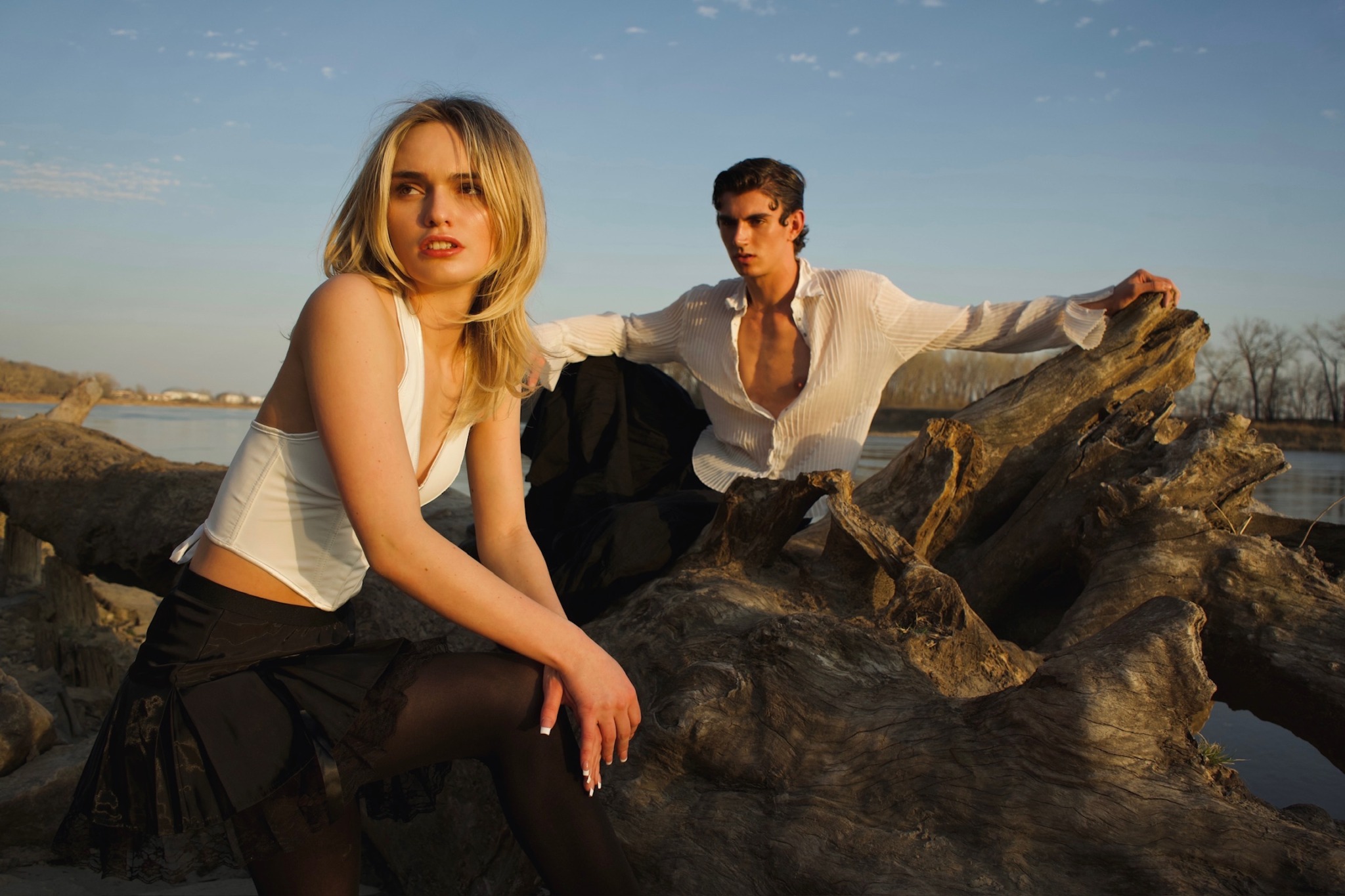
I had really cool friends in high school—creative friends, fashionable friends, friends who were always willing to indulge my ideas. I started photographing them, using all those mental notes I had been collecting about light, shadow, and location.
We would drive around Kansas City searching for hidden places: abandoned buildings, forgotten roads, overlooked corners of the city, quiet lakeshores where no one else seemed to go. I’d tell them where to stand, where to look, how to angle their face toward the light.
Sometimes we’d get dressed up for no reason other than finding a beautiful location and creating something together.
Those afternoons became experiments. I was learning how people interacted with their environment, how emotion translated through a photograph, and how light could completely transform a person.
That was where my love for photographing people truly began.
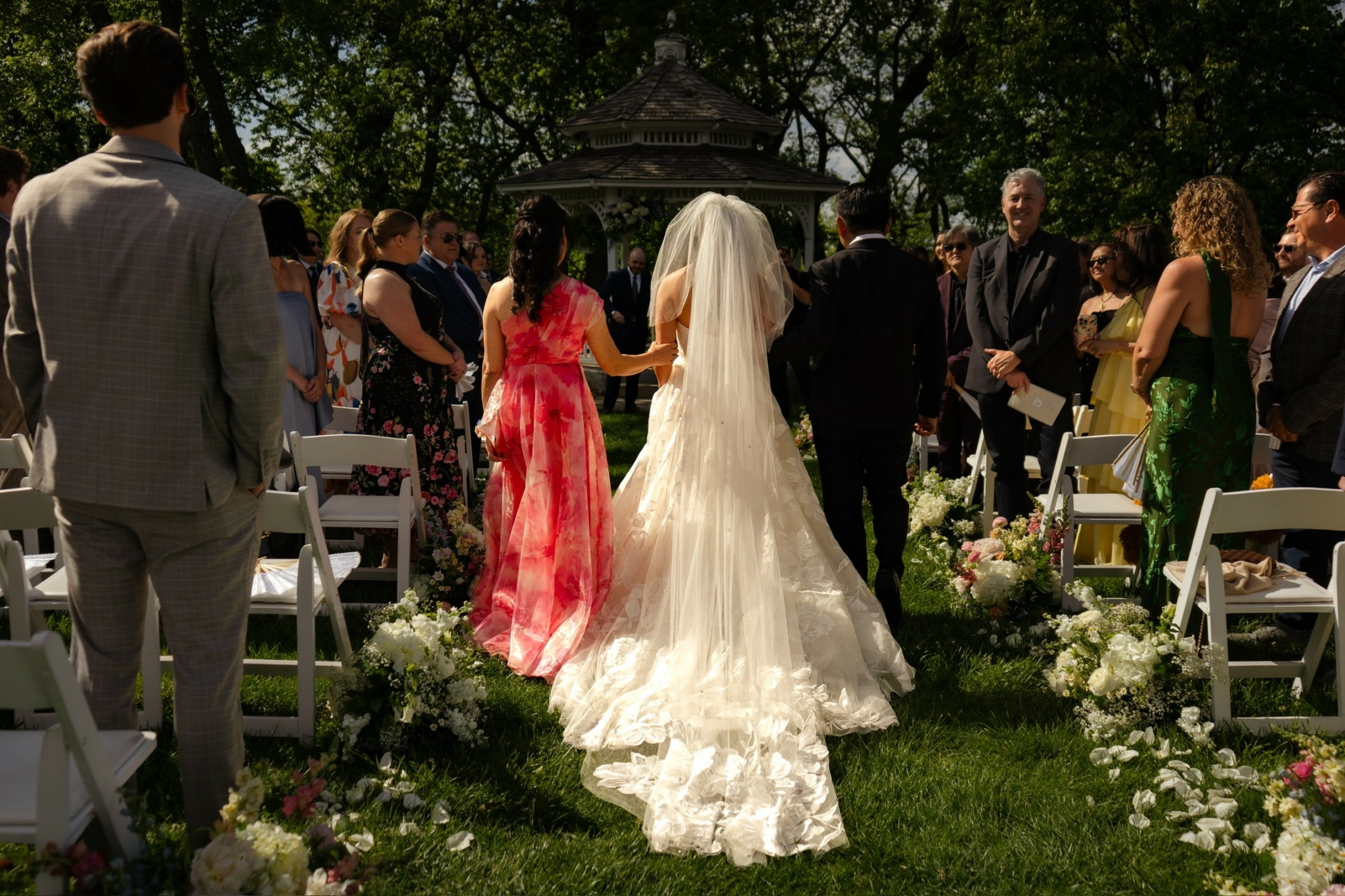
As I got older, I started working photography jobs for various companies—studio photography, weddings, family portraits, and events. Every opportunity taught me something new. My technical skills improved. My understanding of light deepened. My confidence behind the camera grew.
When I was sixteen, my parents gifted me a Sony a7III for Christmas.
I still use that camera today.
Shoutout to Sony for making a camera durable enough to survive years of heavy use.
At nineteen, I charged my first clients thirty dollars for a one-hour photoshoot.
I haven’t stopped since.
Well, technically, I charge a lot more than thirty dollars now.
What once felt impossible has become reality. People trust me with their weddings, their families, their businesses, their milestones, and the moments they never want to forget. They invest not only in photographs, but in my perspective, my experience, and my ability to tell a story.
Sometimes I think about my thirteen-year-old self sitting in that first photography class, or my sixteen-year-old self experimenting with portraits around Kansas City, and I wonder what she would think if she could see where all of this led.
I think she’d be pretty proud.
Tatia Photography is, at its core, intentional creation.
It is the culmination of my culture, my experiences, the people I’ve met, the stories I’ve been trusted with, and the countless perspectives that have shaped my own. Every photograph I create carries pieces of those influences.
One of the questions I get asked most often is what my niche is.
The truth is, I don’t have a niche.
I have a style.
Some artists reshape the world around them, creating entirely new realities from their imagination. My art is different. My work is about observing the world as it already exists and finding the beauty within it. It’s about seeing people as they are and creating images that feel honest, cinematic, and intentional.
I photograph weddings because I love preserving fleeting moments that become lifelong memories.
I photograph families because every stage of life deserves to be remembered.
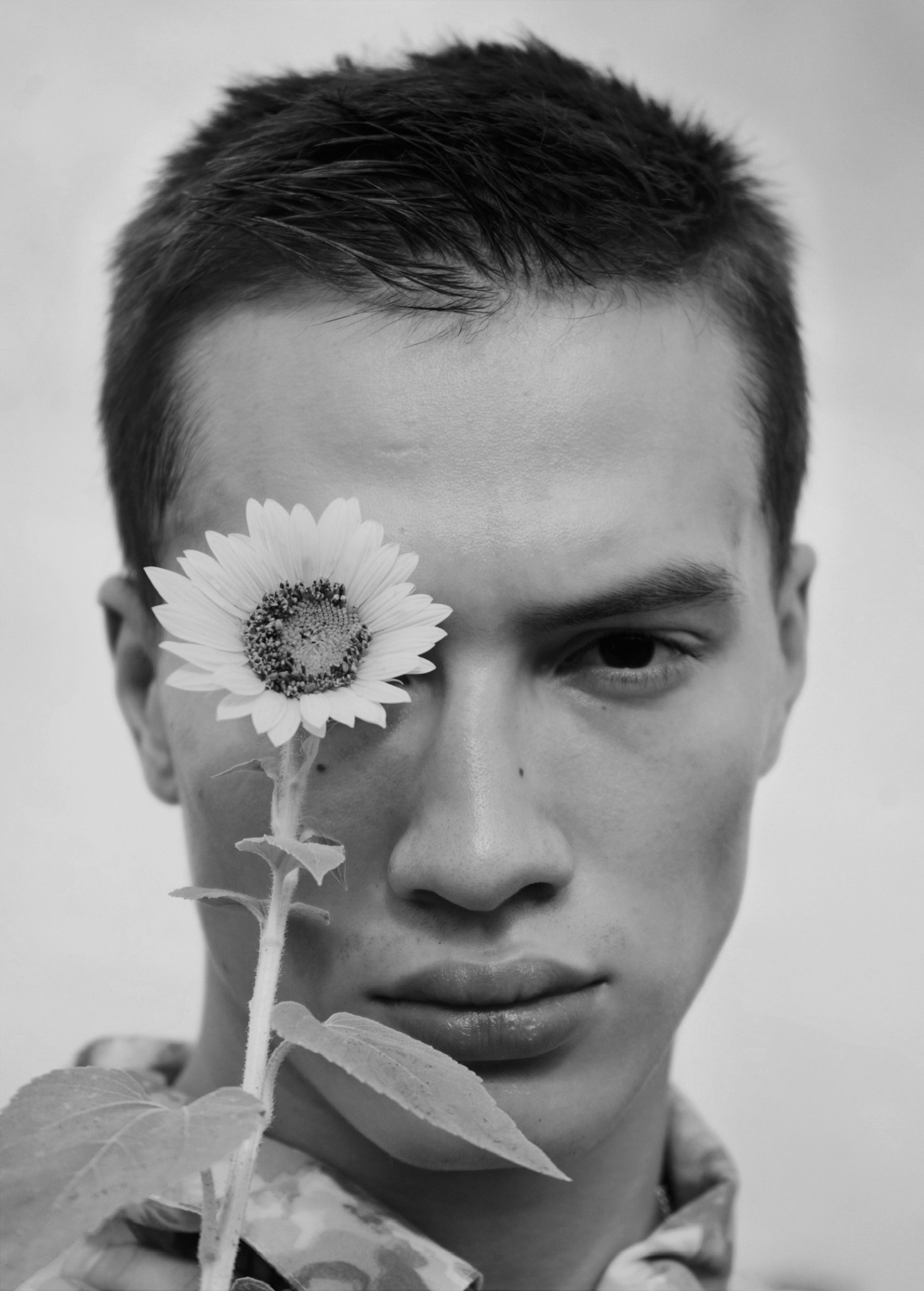
I photograph portraits because there is something powerful about helping someone see themselves differently.
I photograph brands, businesses, events, and creative projects because every story deserves to be told well.
I don’t limit myself to one type of photography because life itself isn’t limited to one story.
My art has always been about people—their connections, their memories, their identities, and the moments that matter to them.
Photography simply became the language I was meant to tell those stories in.
Are there any resources you wish you knew about earlier in your creative journey?
Connections! People know people!
Once I started putting myself out there in scenes that I usually would not be comfortable putting myself in, creative spaces and meetups, applying for runways and fashion events, even if its being uncomfortable or working for free; connections are priceless. I wish I put myself out there sooner, met the people who have quite literally had a hand in shaping my career sooner. But everything happens in due time, take the intiative!
What do you think is the goal or mission that drives your creative journey?
I would love to become a full time creative-freelancer. Sharing my art is one the most cherished parts of my life, I hope to one day to make enough to live off of that alone.
Contact Info:
- Instagram: @tatiaphotography
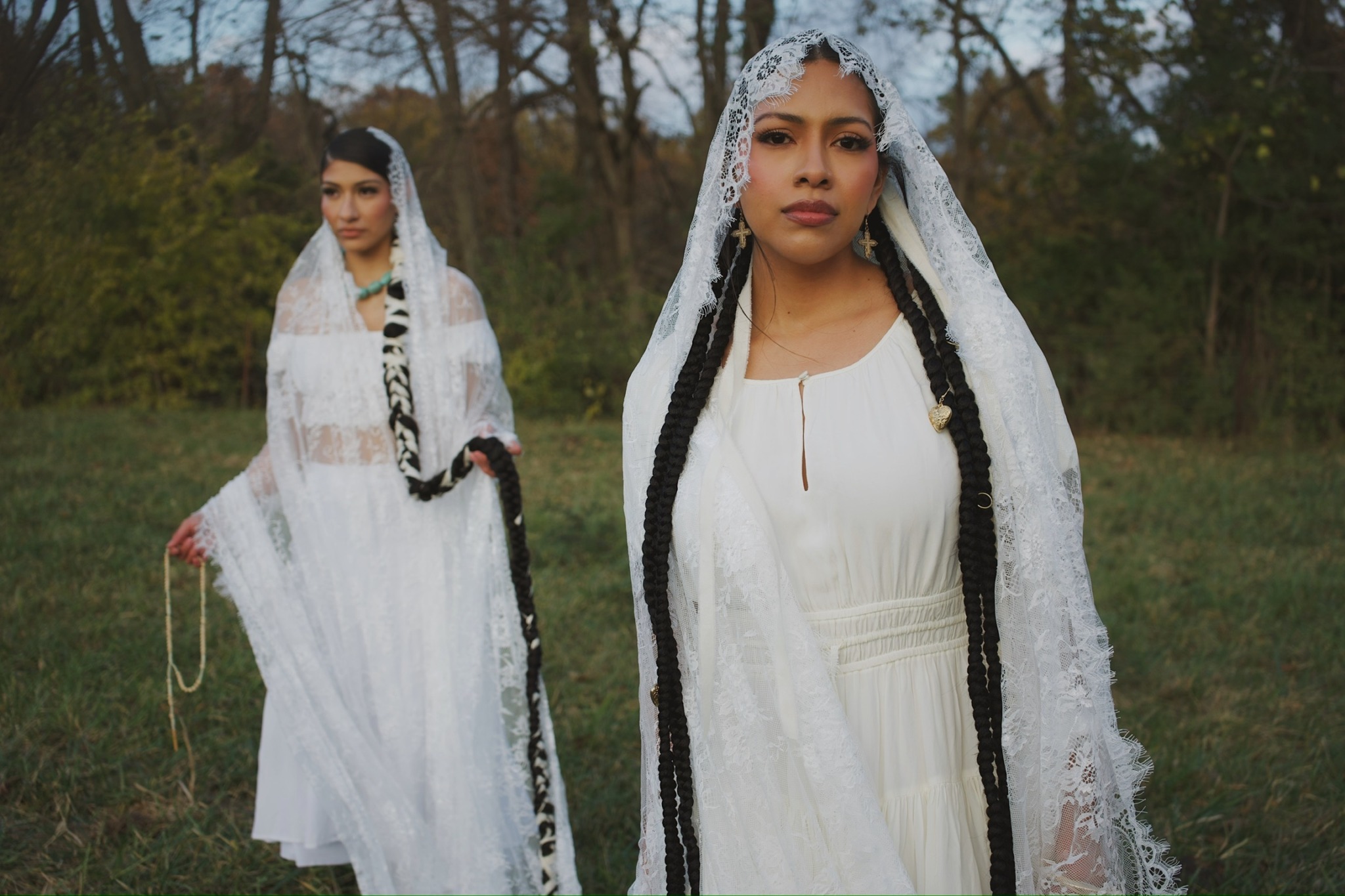
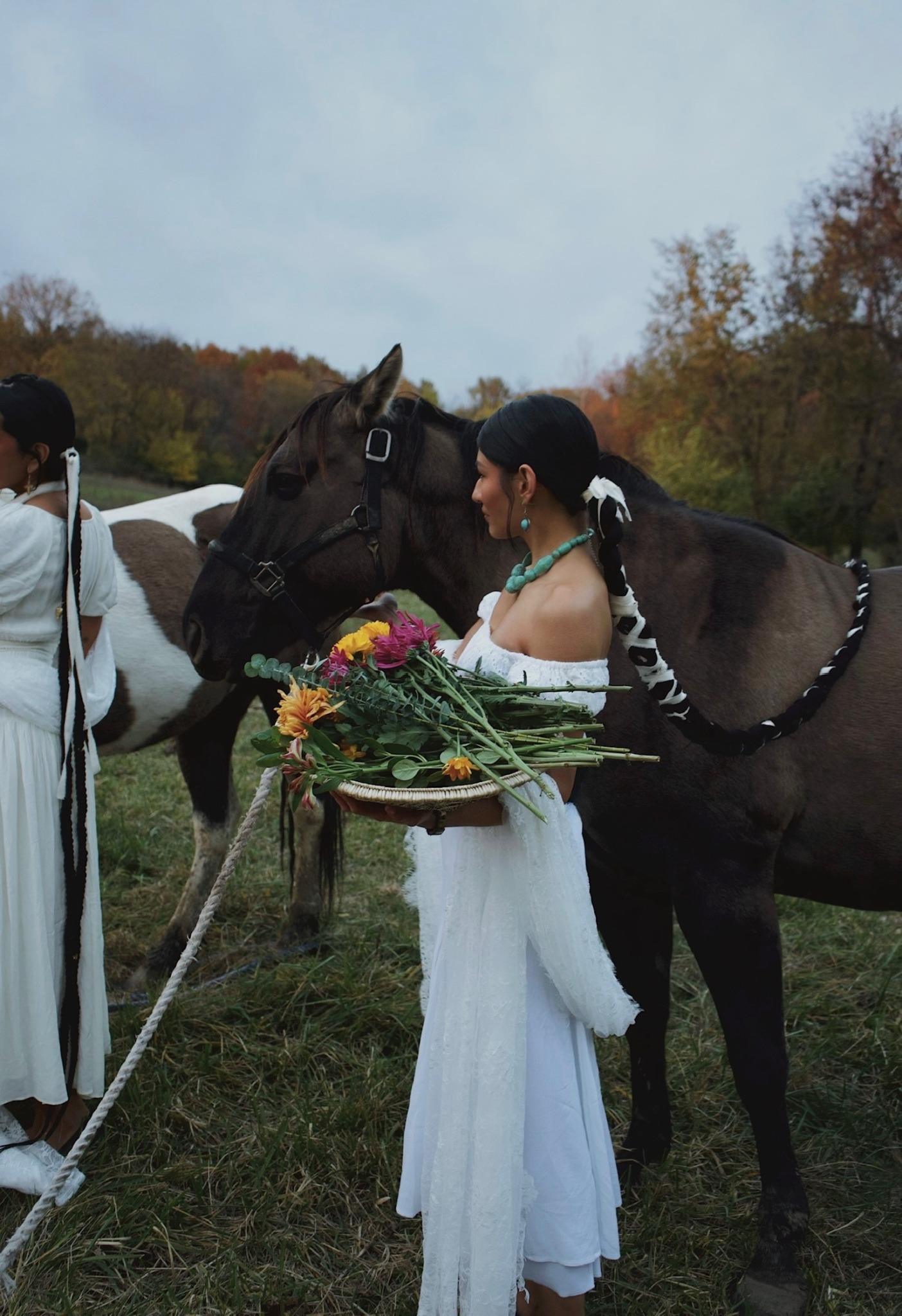
Image Credits
@maricharlsonphoto