
We were lucky to catch up with Carina recently and have shared our conversation below.
Carina, thanks for taking the time to share your stories with us today Can you recount a story of an unexpected problem you’ve faced along the way?
One of the most unexpected challenges in my career was realizing that economic development is rarely limited by a lack of programs or resources. More often, it’s limited by a lack of alignment.
In my industry it is assumed that if communities had access to funding, technical assistance, or support programs, progress would naturally follow. What I discovered is that communities often have many assets, organizations, and opportunities already in place, but those efforts may be operating independently rather than in coordination.
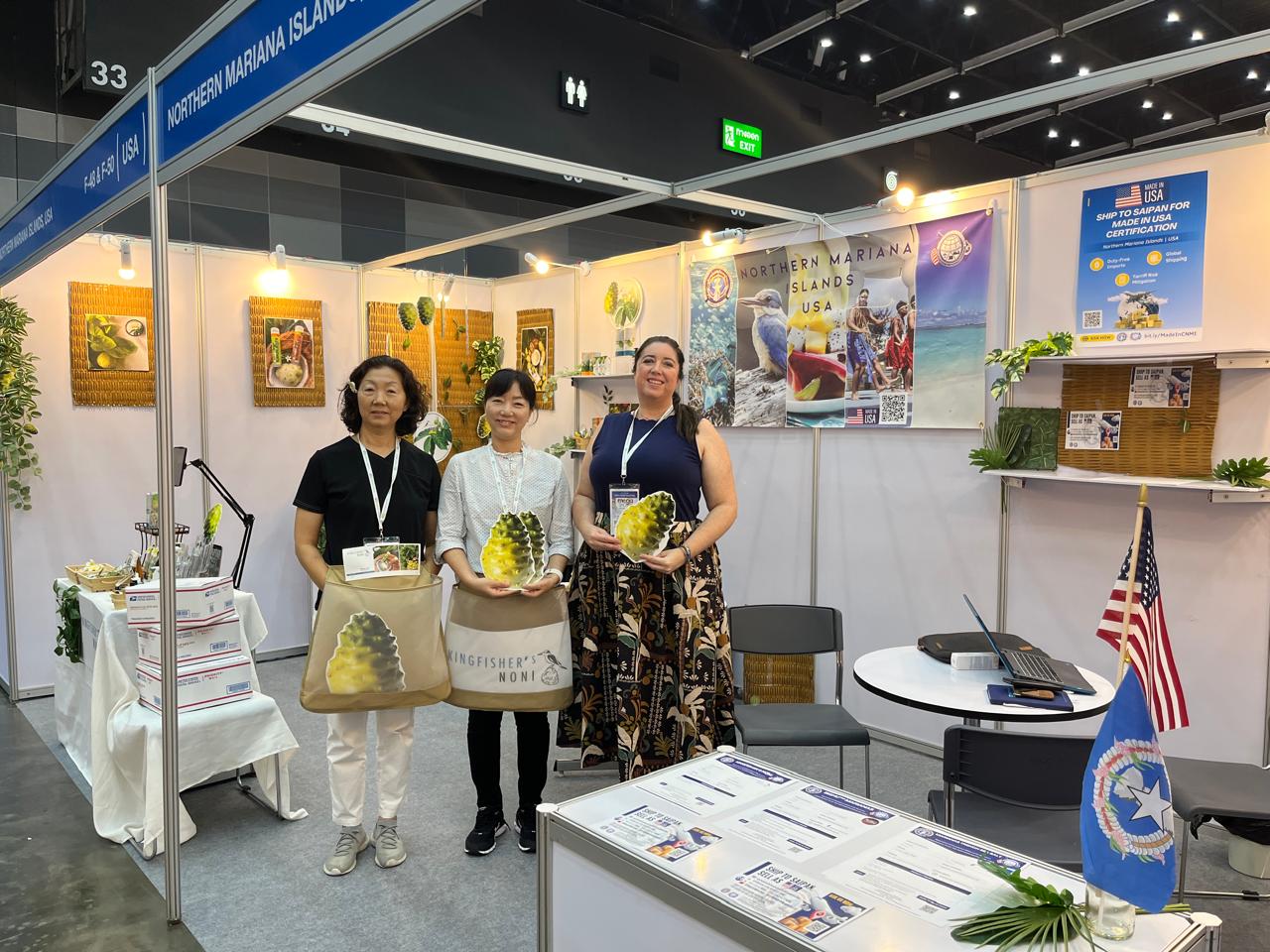
A great example comes from my work in the Commonwealth of the Northern Mariana Islands, where I supported economic recovery and development initiatives. The region faces unique challenges related to geography, economic diversification, workforce development, and disaster recovery. Like many communities, there were passionate organizations, dedicated leaders, and valuable resources already working to support residents and businesses. The challenge wasn’t finding people who cared—it was finding ways to connect existing efforts so they could build on one another.
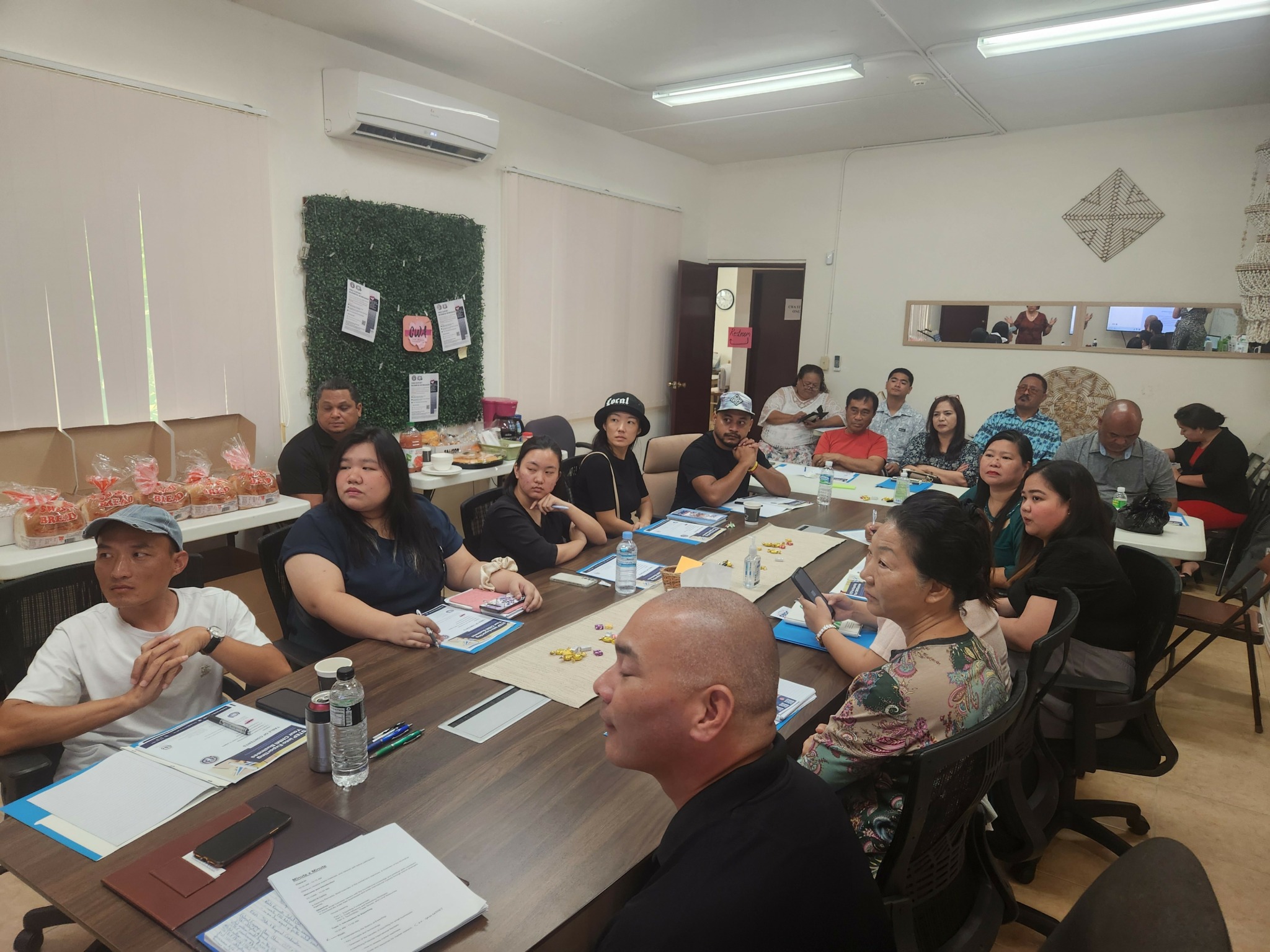
Instead of focusing on creating something entirely new, I spent time listening, meeting with stakeholders, understanding priorities, and identifying the assets that already existed within the community. Throughout my career, I’ve found that communities often have the people, programs, resources, and ideas they need to move forward, they’re just not always connected to one another.
My work has become less about creating new initiatives and more about building ecosystems. That means helping organizations, entrepreneurs, government agencies, nonprofits, educators, and community leaders understand where their efforts intersect and how they can create greater impact together than they can independently.
Through those conversations, partnerships began to emerge, information became more accessible, duplication of effort was reduced, and organizations discovered opportunities to collaborate around shared goals. What started as individual projects evolved into stronger networks of support, communication, and trust.
The experience reinforced one of the most important lessons of my career: sustainable progress doesn’t happen because one organization has all the answers. It happens when people recognize the value they each bring to the table and are willing to work together toward a common vision.
The unexpected lesson for me was that progress isn’t always about launching another program. Sometimes the most impactful work is helping people recognize the assets, relationships, and opportunities that already exist and creating the conditions for them to work together. That’s the foundation of ecosystem building, and it’s become the focus of my work whether I’m supporting entrepreneurs, economic development, recovery efforts, or community initiatives.
Great, appreciate you sharing that with us. Before we ask you to share more of your insights, can you take a moment to introduce yourself and how you got to where you are today to our readers.
My career has been centered around one core idea: helping people, organizations, and communities recognize their strengths and work together to create meaningful impact.
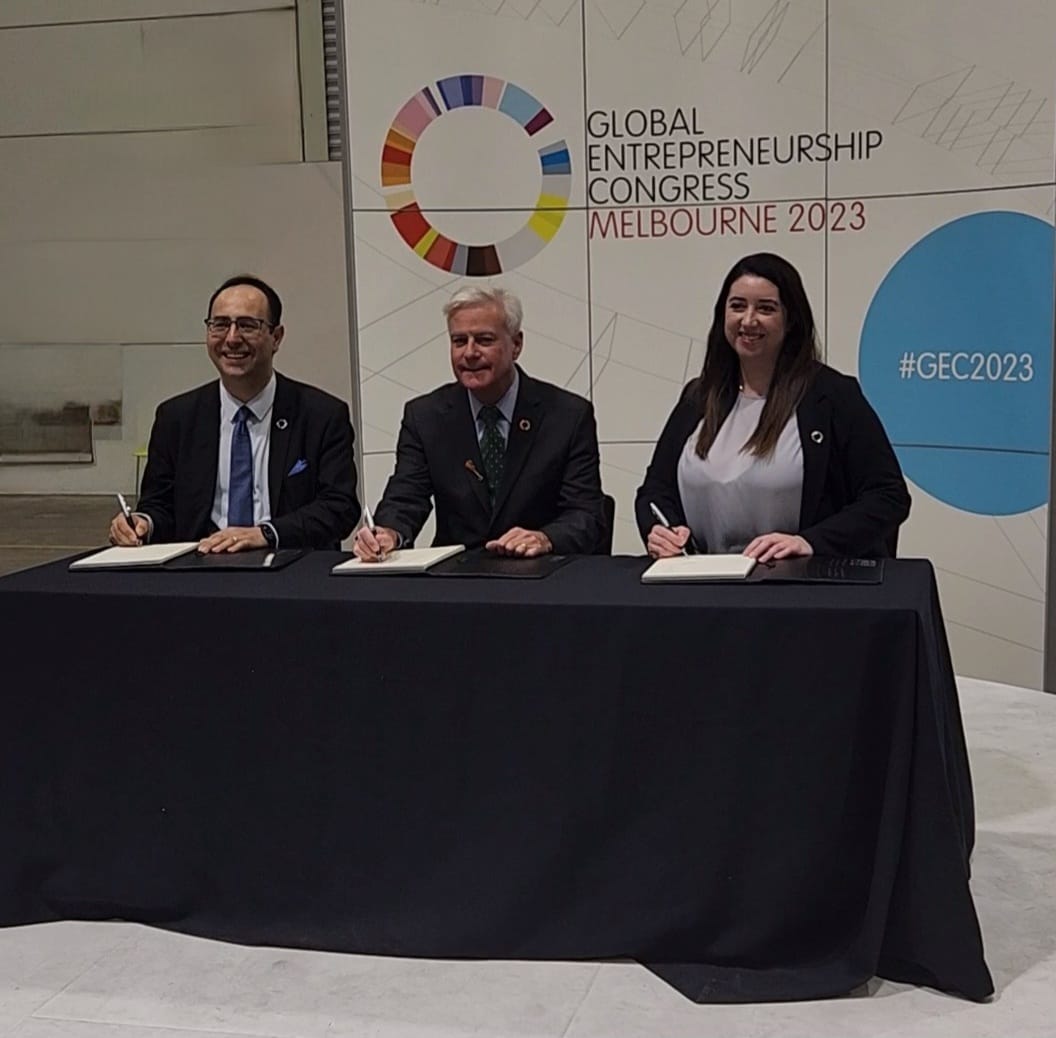
Over the past twelve years, I have worked at the intersection of entrepreneurship, economic development, community engagement, and ecosystem building. While my roles have varied—from business owner and nonprofit founder to consultant, program designer, and Economic Recovery Corps Fellow—the common thread has always been bringing people, resources, and opportunities together in ways that create lasting value.
I am the founder of Splash Coworking in San Marcos, Texas, the area’s first local collaborative workspaces designed to support entrepreneurs, small businesses, remote workers, and innovators. What began as a coworking space evolved into a broader ecosystem that provides connections, mentorship, education, and access to resources that help people start and grow businesses. Through this work, I developed a passion for understanding how communities function and what it takes to create environments where people can succeed together.
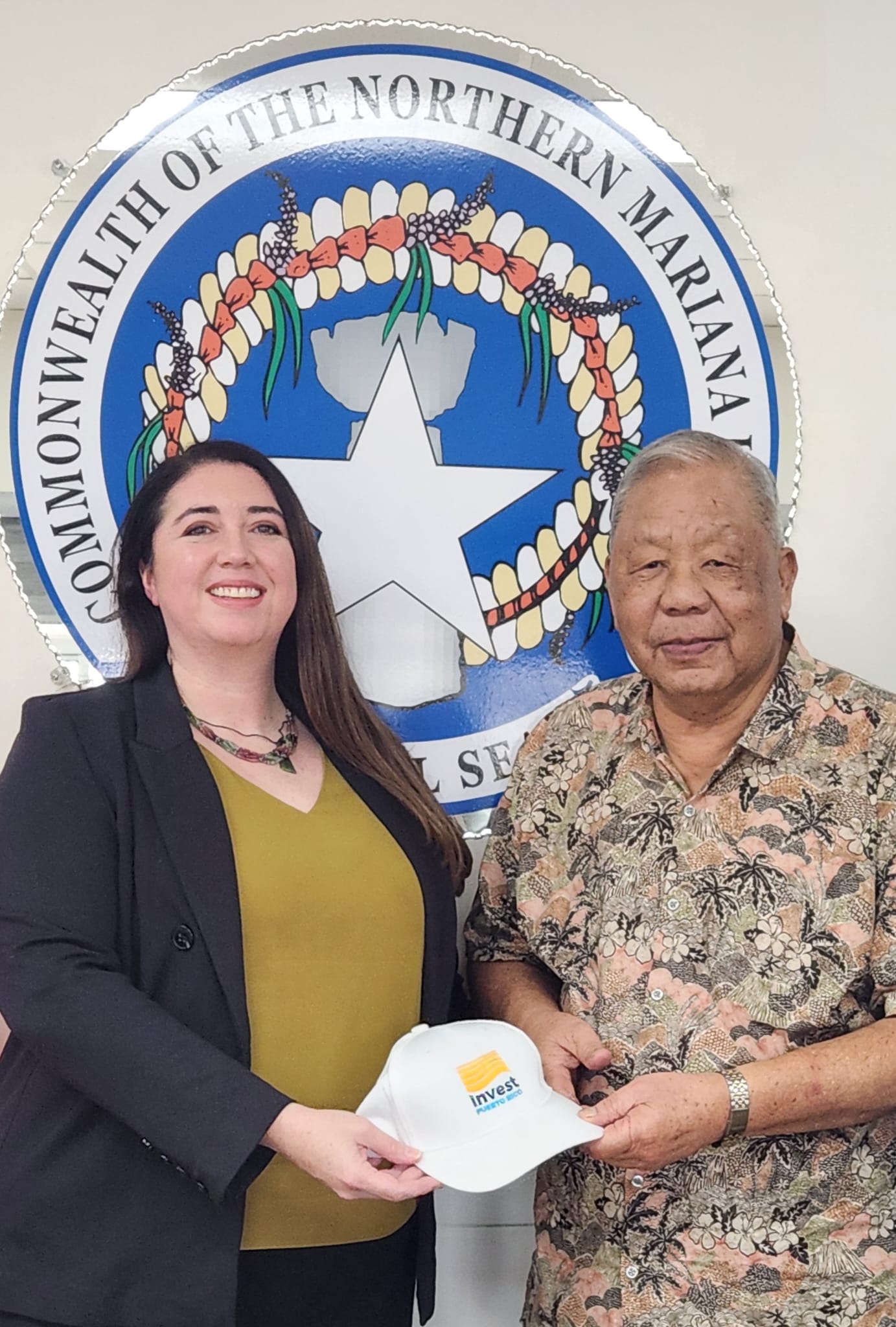
Throughout my career, I have had the opportunity to support a wide range of initiatives, including entrepreneurship programs, workforce development efforts, economic recovery planning, export readiness programs, community engagement strategies, and nonprofit capacity building. Most recently, I have been serving in the Commonwealth of the Northern Mariana Islands through the Economic Recovery Corps, where I have worked alongside local leaders and organizations to support economic resilience, stakeholder engagement, and long-term development efforts.
What sets my work apart is that I do not start by asking, “What should we create?” Instead, I start by asking, “What already exists, and how can we make it stronger?” I believe communities often have more assets, talent, and opportunity than they realize. The challenge is not always a lack of resources; it is helping people connect those resources in ways that create greater impact. My work focuses on identifying strengths, building trust, fostering collaboration, and helping stakeholders align around shared goals.
I often describe myself as an ecosystem builder and practitioner because that is the role I have consistently played. Whether working with entrepreneurs, nonprofits, government agencies, educators, or community leaders, I help create the conditions for collaboration, innovation, and sustainable growth. I am particularly passionate about supporting underrepresented entrepreneurs, strengthening local economies, and helping communities identify and activate their unique assets.
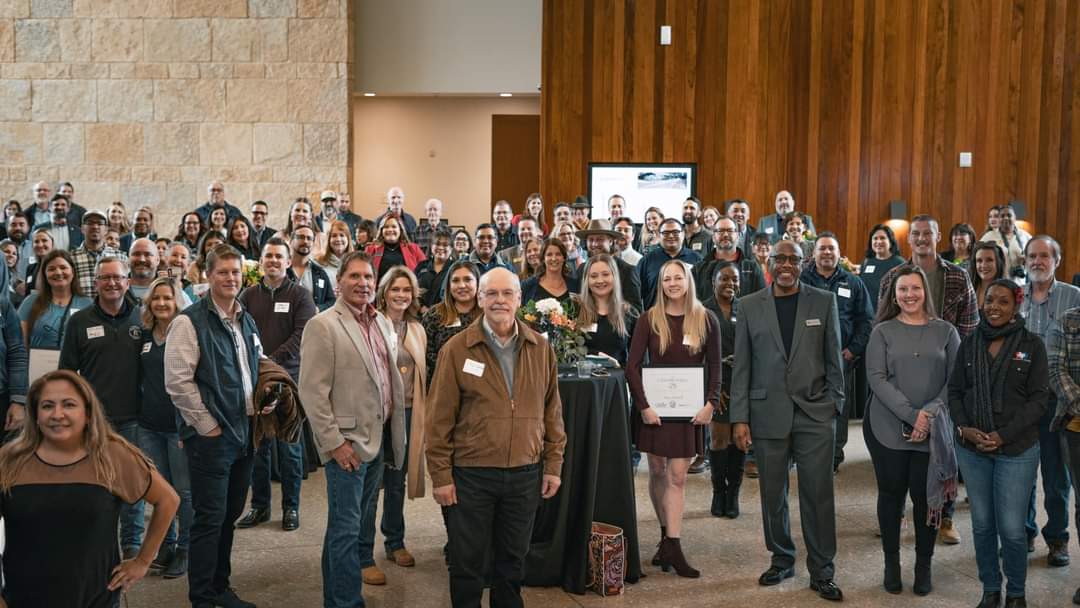
What I am most proud of is not any single project or program. It is the relationships, partnerships, and networks that continue to create value long after my direct involvement has ended. The most meaningful work I have been part of has always been rooted in people, helping them see possibilities, connect with one another, and build something larger than they could have accomplished alone.
If there is one thing I hope people take away from my work, it is that meaningful progress happens when we invest in people, build trust, and create opportunities for collaboration. Programs may come and go, but strong ecosystems and strong relationships have the power to transform communities for generations.
How about pivoting – can you share the story of a time you’ve had to pivot?
One of the most significant pivots in my career wasn’t driven by a crisis, it was driven by a shift in perspective.
Early in my work, I was focused on creating programs, events, and initiatives to solve specific challenges facing entrepreneurs and communities. Like many people in community and economic development, I believed the answer was often to build something new.
Over time, I began to notice a pattern. Many communities already had talented leaders, dedicated organizations, valuable resources, and people working hard to make a difference. The challenge wasn’t always a lack of programs. More often, it was a lack of connection between those efforts.
That realization changed the way I approached my work.
Instead of asking, “What should we create?” I started asking, “What already exists, and how can we help it work better together?” I shifted my focus from building individual programs to building ecosystems—connecting people, organizations, resources, and opportunities in ways that create long-term value.
That pivot influenced everything from how I built Splash Coworking to how I approach economic development, entrepreneurship support, and community engagement today. Rather than measuring success by the number of programs launched, I became more interested in the relationships formed, the partnerships created, and the capacity communities developed to continue moving forward on their own.
The impact of that shift has been profound. I’ve seen organizations discover new opportunities through collaboration, entrepreneurs gain access to networks they didn’t know existed, and communities unlock assets that were already present but underutilized.
The experience taught me that meaningful change doesn’t always come from building something new. Sometimes it comes from helping people recognize the strengths, resources, and opportunities that already exist around them. That philosophy continues to guide my work today and has become one of the defining principles of my career.
Are there any books, videos or other content that you feel have meaningfully impacted your thinking?
Absolutely. I have always been a lifelong learner, and many of the books that have influenced me most share a common theme: they focus on people, relationships, leadership, and the systems that help communities and organizations thrive.
A few that have had a significant impact on my thinking include *The Power of Moments* by Chip and Dan Heath, *Culture Code* by Daniel Coyle, *Team of Teams* by General Stanley McChrystal, *Atomic Habits* by James Clear, *Tribes* by Seth Godin, *Blue Ocean Strategy* by W. Chan Kim and Renée Mauborgne, and *Never Split the Difference* by Chris Voss.
While each book approaches leadership from a different perspective, they all reinforced a lesson I’ve seen throughout my career: success is rarely about having the best idea alone. It comes from building trust, creating environments where people can contribute their strengths, communicating effectively, and helping individuals work together toward a shared purpose.
As someone who works at the intersection of entrepreneurship, economic development, and community engagement, books like *The Power of Moments*, *Culture Code*, and *Team of Teams* have especially influenced how I think about ecosystem building. They helped shape my belief that meaningful progress happens when people feel connected, valued, and empowered to contribute.
I am also a strong believer in making learning accessible. Through a partnership between Splash Coworking and the San Marcos Public Library, many of the books that have influenced my thinking are featured in a curated collection available in one of the library’s Huddle Rooms. The collection was designed to give entrepreneurs, community leaders, and lifelong learners access to some of the resources that have shaped my own approach to leadership, business, and community development.
There are organizations out there too that are finding creative ways to make knowledge more accessible and spark meaningful conversations. One example recently is work of Black Innovation Alliance during South by Southwest (SXSW2026). For the past five years I have advocated in various capacities for the work they put out into the world. Their SXSW activation created a space where people could engage with a thoughtfully curated collection of books, including titles that have faced challenges or bans in some communities. The experience was a powerful reminder that books are more than information, they are opportunities to expand perspectives, ask better questions, and better understand one another. Efforts like that reinforce my belief that learning, innovation, and community building are deeply connected.
I hope as this is read, more than any single book, however, the greatest lesson I’ve learned is to remain curious. The most effective leaders I’ve met continue learning, continue listening, and remain open to new perspectives long after they’ve achieved success.
Contact Info:
- Website: https://splashcoworking.com/
- Instagram: https://www.instagram.com/SplashCoworking/
- Facebook: https://www.facebook.com/SplashCowork/
- Linkedin: https://www.linkedin.com/in/carinabostonpinales/
- Other: https://economicrecoverycorps.org/fellow-information/carina-boston-pinales/