



We recently connected with Stephanie Bliss and have shared our conversation below.
Hi Stephanie, thanks for joining us today. Can you talk to us about a project that’s meant a lot to you?
One of the most meaningful projects I’ve worked on is Poetry in the Garden, a program I created at the Field House Museum in 2023. The idea had been in the back of my mind for years because I wanted to find a way to connect Eugene Field’s literary legacy with contemporary voices and make poetry feel approachable, alive, and community-centered.
As a museum professional, much of my work focuses on preserving and interpreting the past, but I’ve always believed historic spaces should also serve as places where new creativity can flourish. Eugene Field’s poetry connected with generations of readers because it captured emotion, imagination, humor, and everyday life in ways people could relate to. I wanted to create a program that honored that spirit while also giving regional and emerging poets a meaningful platform to share their own work.
For a long time, the program remained just an idea. Like many museums, we were balancing limited resources, staffing challenges, and the reality that creative ideas often have to wait until the right opportunity comes along. Everything changed when we received a Regional Arts Commission grant, which finally gave me the chance to bring the vision to life after years of planning and hoping.
Poetry in the Garden was designed as both a literary program and a community experience. Each year, we invite poets of all ages and skill levels to submit their original, unpublished works for consideration. The program features four categories, with selected poets highlighted and invited to read their work in the museum’s garden. One of my favorite aspects of the project is that it creates opportunities for people who may never have publicly shared their writing before. Some participants are experienced poets, while others are submitting work for the very first time, and I love that the program makes space for both.
Since launching the series, we’ve highlighted the work of 36 poets and welcomed numerous attendees to the museum, many of whom had never visited before. It has been incredibly rewarding to watch people gather in a historic space to listen, reflect, and connect through storytelling and poetry. The atmosphere during the readings feels intimate and welcoming, and there’s something very special about hearing contemporary voices in a place so deeply tied to literary history.
What makes the project especially meaningful to me is the way it bridges the past and present. Museums are often seen as places that only look backward, but I believe they should also inspire new ideas and creativity. Through Poetry in the Garden, we’re not only celebrating Eugene Field’s legacy, but also supporting living writers and helping foster a creative community in St. Louis today.
The program also reminded me that meaningful projects don’t always begin as large institutional initiatives. Sometimes they start as ideas you quietly carry with you for years until the right moment arrives to finally make them real. Seeing Poetry in the Garden grow from a long-held idea into a successful and continuing program has been one of the most rewarding experiences of my career.
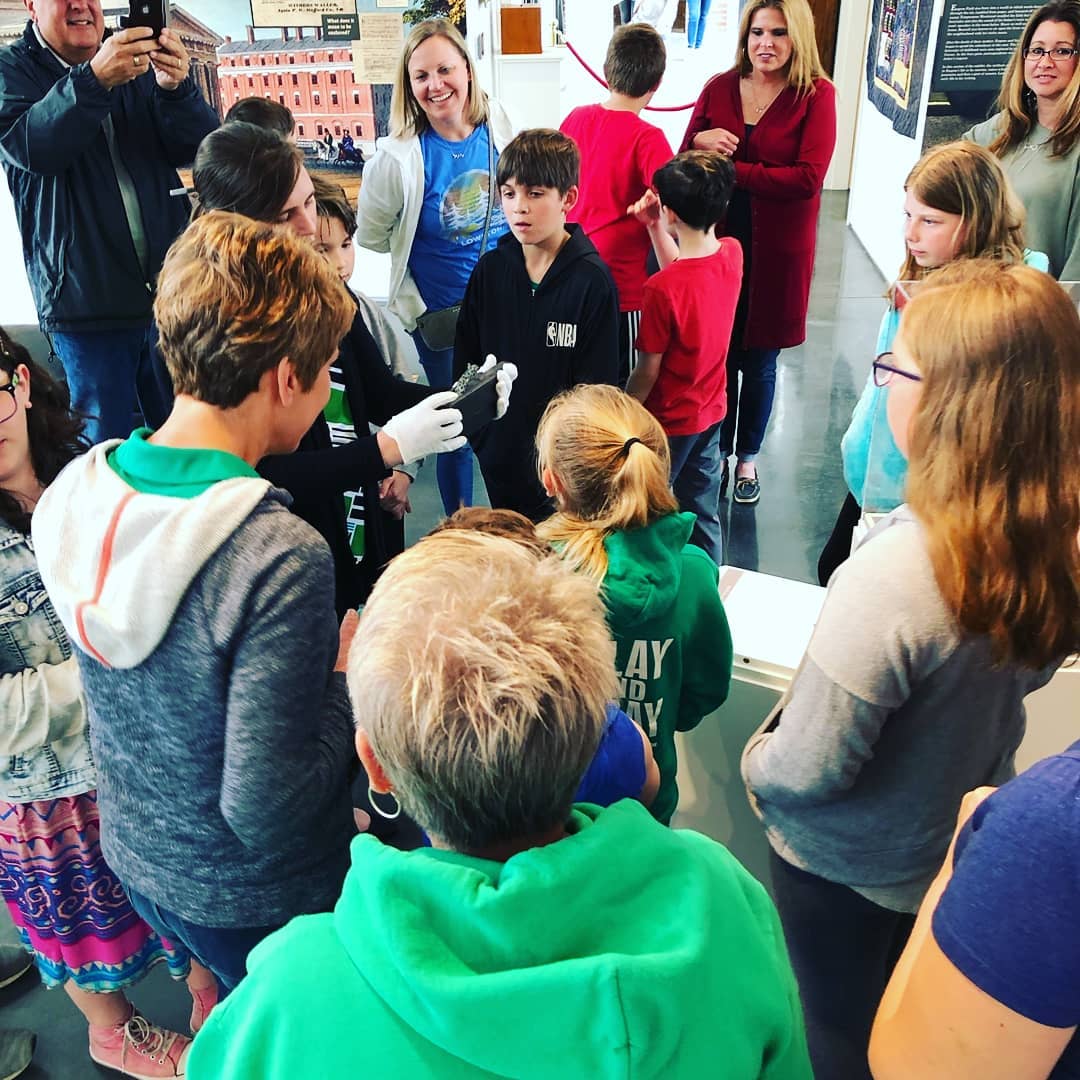
Stephanie, love having you share your insights with us. Before we ask you more questions, maybe you can take a moment to introduce yourself to our readers who might have missed our earlier conversations?
I’m a museum professional and historic preservation advocate who has spent most of my career at the Field House Museum in St. Louis. I actually began there in 2010 as an intern while still figuring out exactly where I wanted my career path to lead. Over time, I moved into part-time staff positions, eventually full-time roles, then assistant director, and in 2017, I became the museum’s director. Having the opportunity to grow within the same institution for so many years has given me a deep appreciation for the importance of preserving not just historic objects, but also the stories and connections that give them meaning.
My interest in museums really began during childhood. My mom frequently took us to the State Historical Museum of Iowa, and those visits left a lasting impression on me. I loved the idea that history could be experienced through objects, spaces, and storytelling rather than simply read in a textbook. Later, while living in Maryland, I discovered the field of historic preservation and realized there was an entire profession dedicated to protecting and interpreting these places and stories for future generations.
What I love most about working in museums, a smaller museum, is that no two days are ever the same. One day I might be researching and creating an exhibit, the next hosting a public program or special event, and another day working directly with artifacts and archival materials connected to the people who shaped our history. That variety keeps the work exciting and constantly creative. In many ways, museum work is a blend of storytelling, education, design, preservation, and community engagement all rolled into one.
Over the years, I’ve worked on everything from exhibit development and collections care to fundraising initiatives, educational programming, and major institutional projects, including our museum expansion and the creation of new community-centered programs like Poetry in the Garden. I’m especially passionate about finding ways to make museums feel welcoming and relevant to audiences who may not traditionally see themselves reflected in historic spaces. I believe museums should not only preserve history, but also create opportunities for connection, creativity, and conversation in the present.
I think what sets my work apart is my focus on storytelling and accessibility. Whether we’re interpreting a nationally significant story like Roswell Field’s involvement in the Dred and Harriet Scott freedom suit or creating a whimsical exhibit centered around childhood toys and literature, I want visitors to feel emotionally connected to what they are experiencing. I’m always looking for ways to make history approachable, engaging, and meaningful for a broad audience.
One of the things I’m most proud of is helping the Field House Museum continue to evolve while still honoring its historic mission. Museums today face the challenge of balancing preservation with innovation, and I enjoy finding creative ways to bridge those worlds. Programs, new exhibitions, collaborative community events, and educational initiatives allow us to bring fresh perspectives into a historic setting while still respecting the stories at the institution’s core.
More than anything, I want people to know that museums are not static places filled only with old objects behind glass. They are living spaces that preserve memory, inspire creativity, and help communities better understand themselves and each other. Being part of that work has been incredibly meaningful to me, and I feel fortunate that my career allows me to combine creativity, history, education, and public engagement every day.
Is there a particular goal or mission driving your creative journey?
At the heart of my work is the goal of making history come alive for people in meaningful and memorable ways. I believe history should be more than dates in a textbook or objects sitting silently behind glass. It should spark curiosity, emotion, conversation, and reflection. Museums have the ability to help people connect with the past in deeply personal ways, and I see that as both a responsibility and an opportunity.
Part of that mission also means telling history honestly. Every community and every historic site carries stories that are inspiring, complicated, painful, and sometimes uncomfortable. I think it’s important that we acknowledge all aspects of our past—the good, the bad, and the ugly—because understanding history fully helps us better understand the world we live in today. I hope that through exhibits, programs, and storytelling, we can encourage people not only to learn about the past but also to think about how we can create a better future.
I’m especially passionate about finding creative ways to educate and inspire the public. Whether that’s through immersive exhibits, literary programs, community events, or hands-on experiences, I want people to walk away feeling connected to something larger than themselves. Some of the most rewarding moments in museum work happen when a visitor suddenly sees history differently or discovers a personal connection they never expected.
On a personal level, another mission that drives me is helping people understand that creativity doesn’t fit into a single box. When people think about creative careers, they often picture traditional artists, designers, or performers, but there are so many creative paths that aren’t always recognized. For example, when students study graphic design in college, they may not immediately think about exhibit design as a career option, even though museums rely heavily on visual storytelling and design. The same is true for education majors who may not realize how impactful museum programming and public history can be as educational careers.
I think it’s important for people, especially younger generations, to understand that creativity exists in so many forms and industries. Museums are filled with creative professionals who combine storytelling, research, education, design, preservation, and public engagement in ways that many people never see behind the scenes. I hope my work helps show that there are meaningful and innovative careers outside the traditional expectations people often place on themselves.
Ultimately, my creative journey is driven by the belief that history and creativity both have the power to connect people, inspire empathy, and encourage new ways of thinking. If I can help someone feel more curious, more informed, or more inspired through the work I do, then I feel like I’ve succeeded.
How about pivoting – can you share the story of a time you’ve had to pivot?
One of the biggest pivots in my life happened when I was a young college student trying to figure out what direction I wanted to take. At the time, I struggled to find a major or career path that truly felt right for me. Like many people at that age, I felt pressure to have everything figured out, but I didn’t. Eventually, I became frustrated and uncertain enough that I decided to leave college altogether.
Not long after, I moved from the Midwest to Maryland. During that period of my life, I worked at a rental company during the day and waited tables in the evenings. While I learned a lot from those jobs, I also realized pretty quickly that I didn’t want that to be my long-term future. I remember feeling stuck and unsure of what came next, but at the same time, I knew I wanted to find work that felt meaningful and creative.
One day, I decided to look through the course catalog at the local community college. I started exploring different majors and subjects simply to see what sparked my interest. I signed up for classes in criminal justice, forensics, interior design, and something I had honestly never even heard of before: historic preservation.
Historic preservation immediately stood out to me. It combined history, storytelling, architecture, culture, and creativity in a way that I had never experienced before. For the first time, I could actually picture myself building a career around something I genuinely cared about. It felt like I had finally found the thing that connected all of my interests together.
At the same time, I realized I wanted to be closer to my family again, so I began researching programs back in the Midwest. That search led me to Southeast Missouri State University, which offered a four-year degree in Historic Preservation. Moving back and starting over academically felt like a huge leap, but it ended up completely changing the course of my life.
As part of my degree program, I completed an internship at the Field House Museum. What started as an internship eventually turned into a part-time position, then a full-time role, and over the years, I continued to grow within the organization until becoming director in 2017.
Looking back, that pivot taught me that careers and creative journeys are rarely linear. At one point, I truly felt like I had failed because I didn’t immediately know what I wanted to do. But stepping away, trying different jobs, moving across the country, and exploring unfamiliar subjects ultimately led me to the career that was right for me. It also reinforced something I strongly believe today: sometimes the path that makes the least sense at first ends up leading exactly where you were supposed to go.
Contact Info:
- Website: https://www.fieldhousemuseum.org
- Instagram: https://www.instagram.com/fieldhousemuseum
- Facebook: https://www.facebook.com/FieldHouseMuseum
Image Credits
Headshot – Wiseman
Group Photo – Field House Museum