
Alright – so today we’ve got the honor of introducing you to Meraki Fade. We think you’ll enjoy our conversation, we’ve shared it below.
Meraki, appreciate you joining us today. What’s been the most meaningful project you’ve worked on?
Travelling alone into the jungles of West Sumatra to document indigenous shamanic tattoo traditions was one of the most meaningful experiences of my life because I was witnessing a lineage that has never been broken. These are among the oldest tattoo designs in the world, passed directly from one generation to the next, carried in the body rather than written down.
The tattoos are not decorative. They mark responsibility, spiritual balance, ancestry, and connection to land. To document them felt significant because this knowledge is inherited, not copied, and once a lineage disappears it cannot be recreated. Recording these practices was never about spectacle, but about careful documentation before such traditions are eroded or misunderstood.
Working alone required patience and restraint. Much of the meaning lay beyond the camera—in observation, trust, and knowing when not to film. What I was allowed to witness happened regardless of my presence.
The documentary became more than a record. It became a responsibility: to represent these tattoo traditions with accuracy, dignity, and cultural context, and to honour the fact that they are living archives of human history.
Awesome – so before we get into the rest of our questions, can you briefly introduce yourself to our readers.
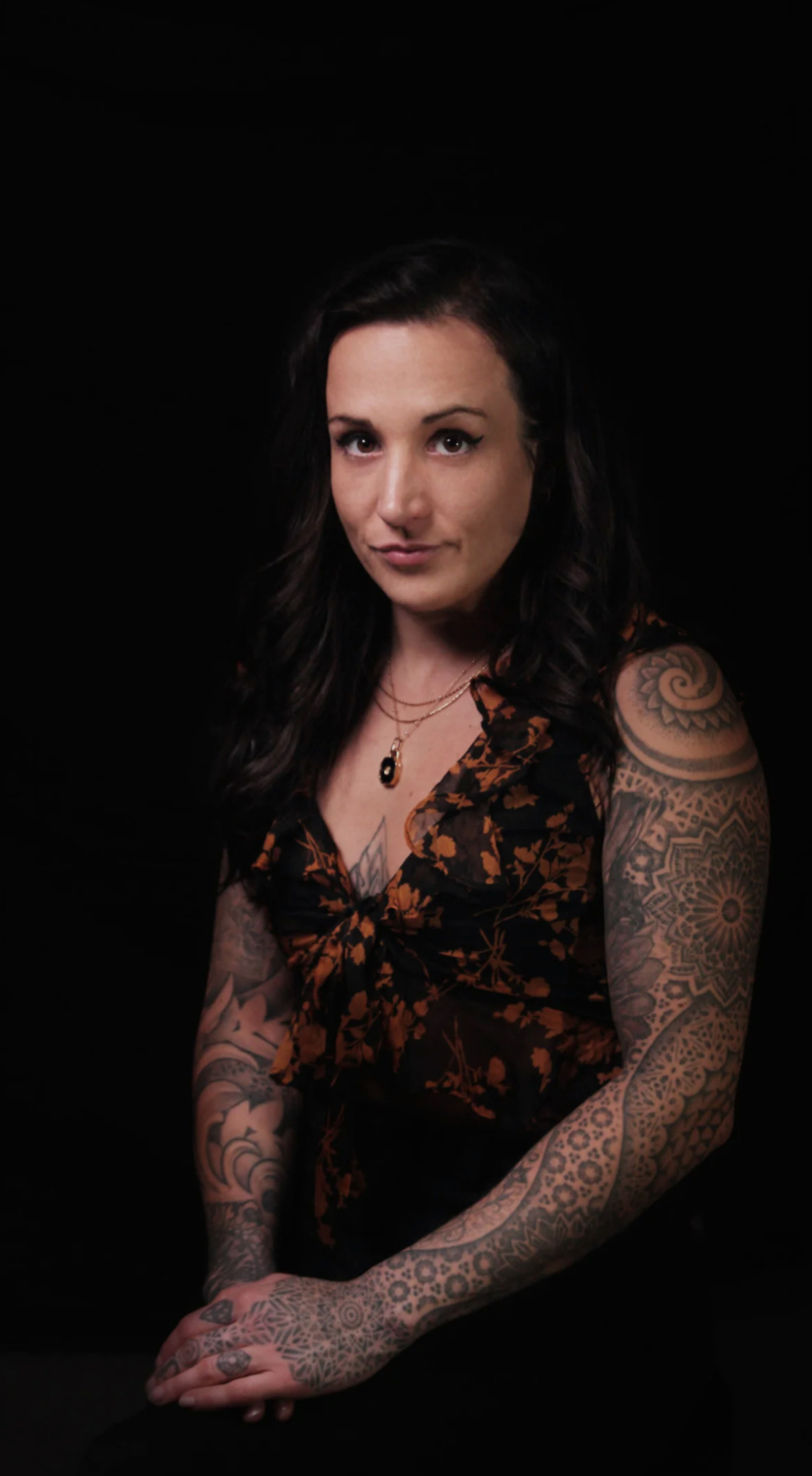
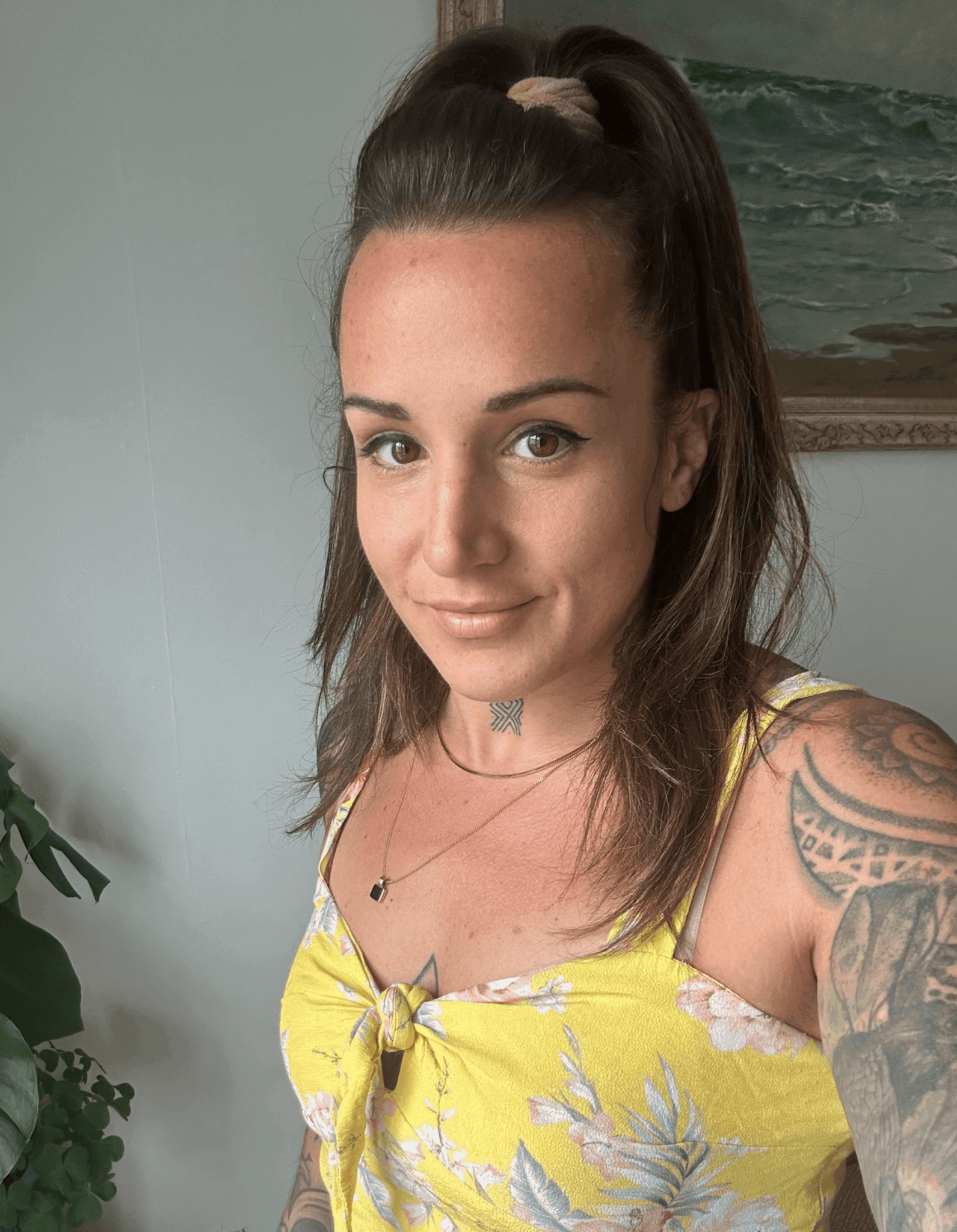
I’m a tattoo artist, researcher, and documentary maker whose work sits at the intersection of contemporary tattooing and ancient cultural practice. I came into tattooing through a deep interest in pattern, symbolism, and the way markings have been used throughout human history—not just as decoration, but as language, protection, identity, and rite of passage.
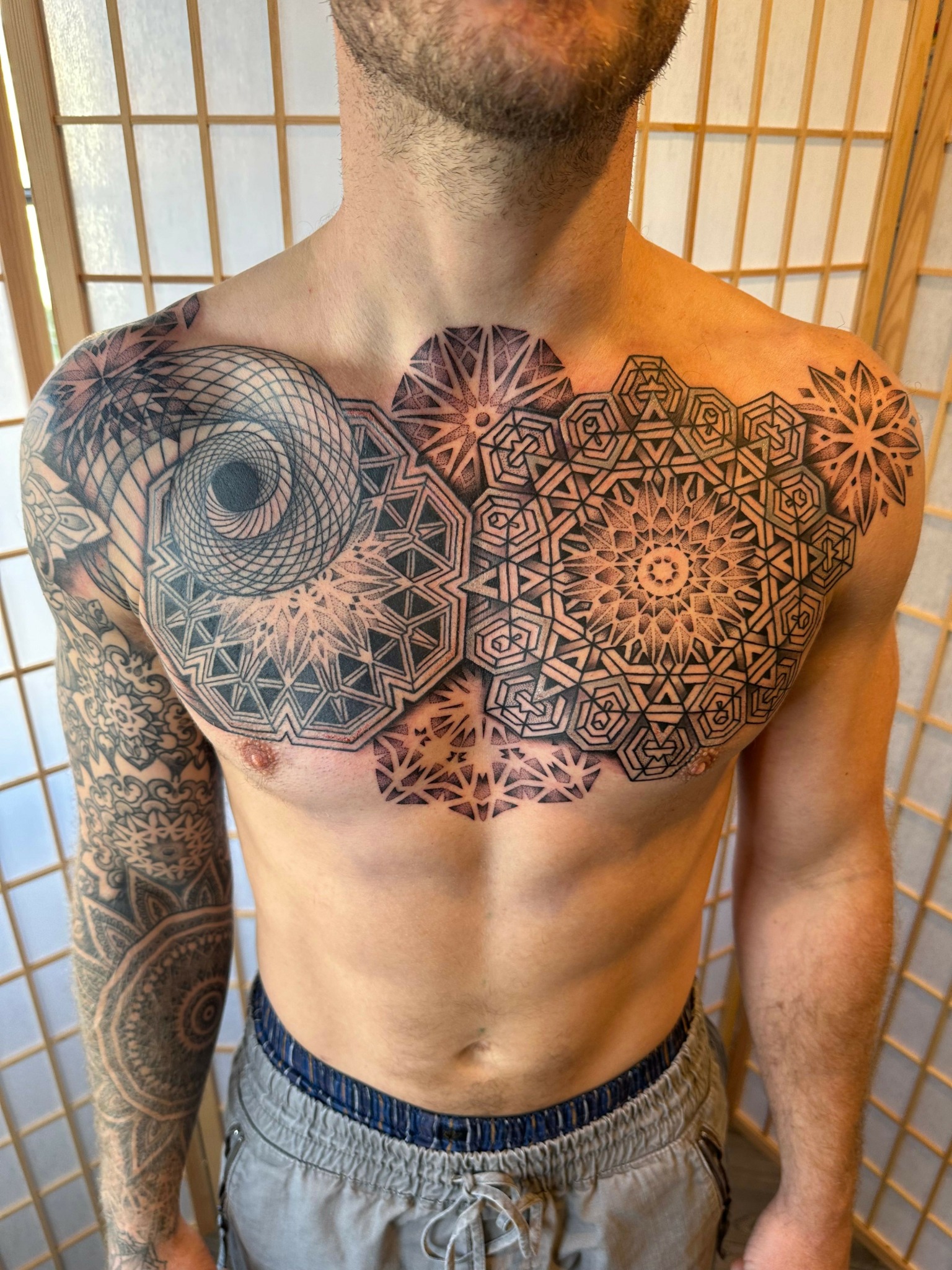
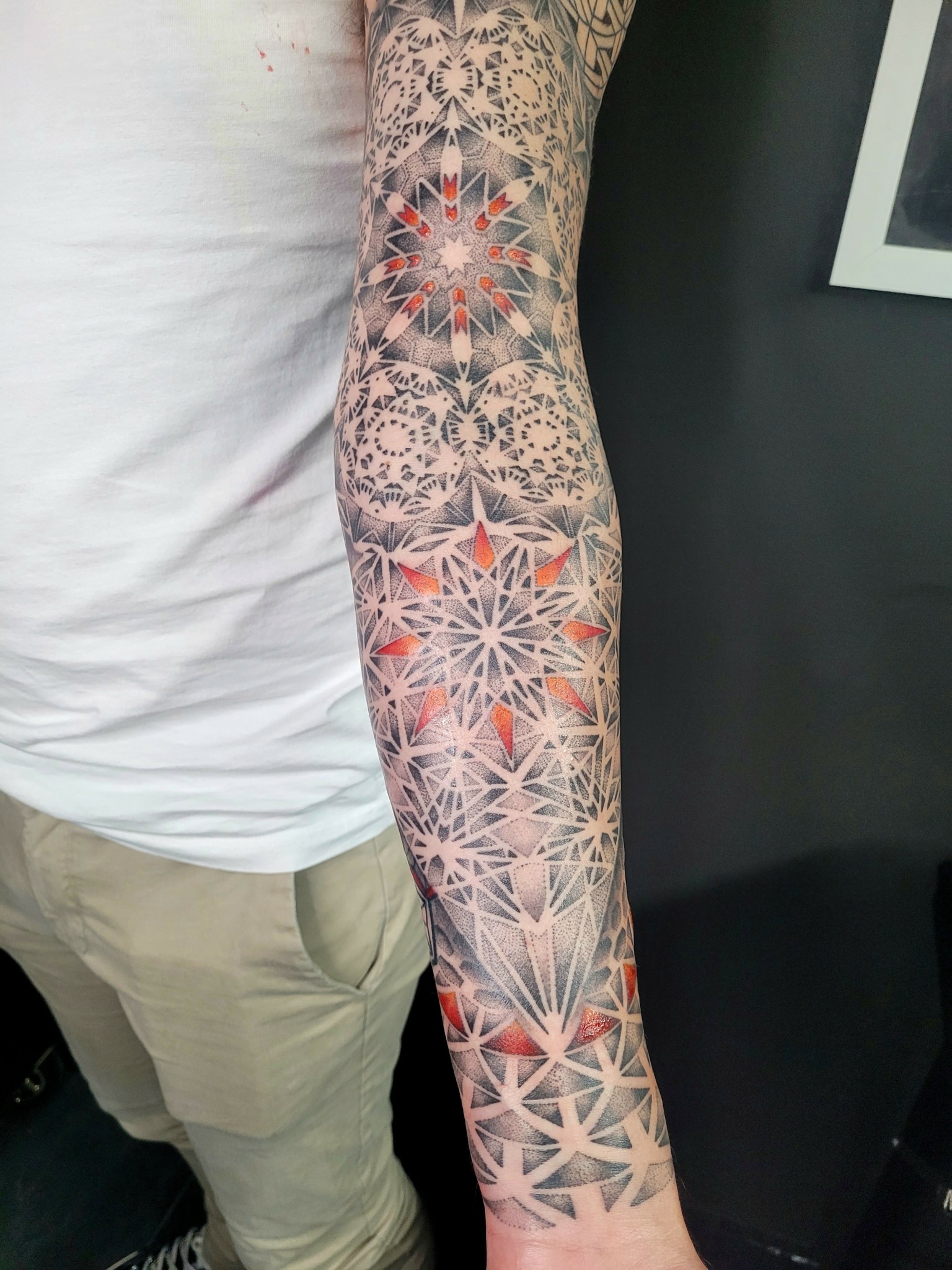
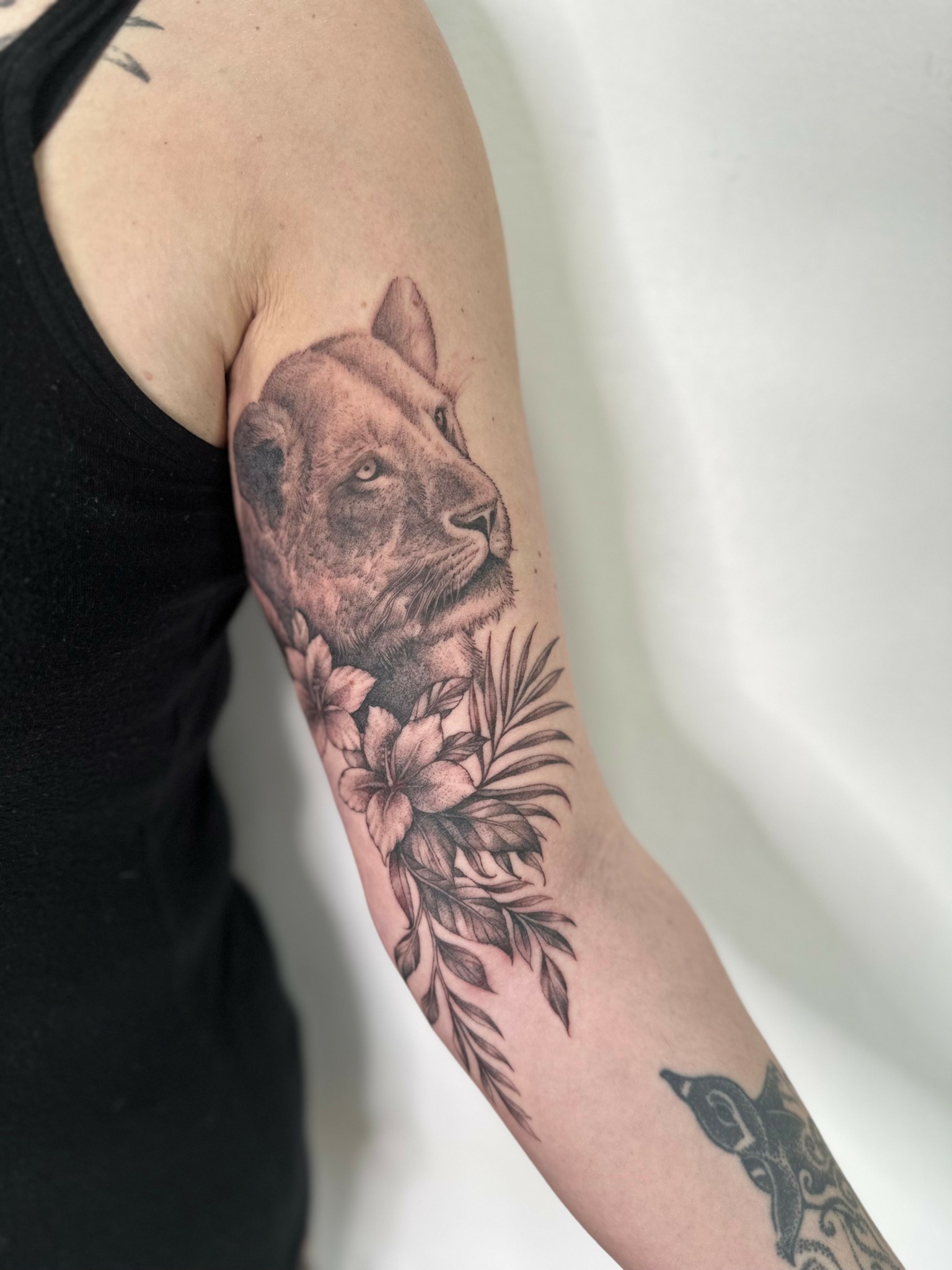
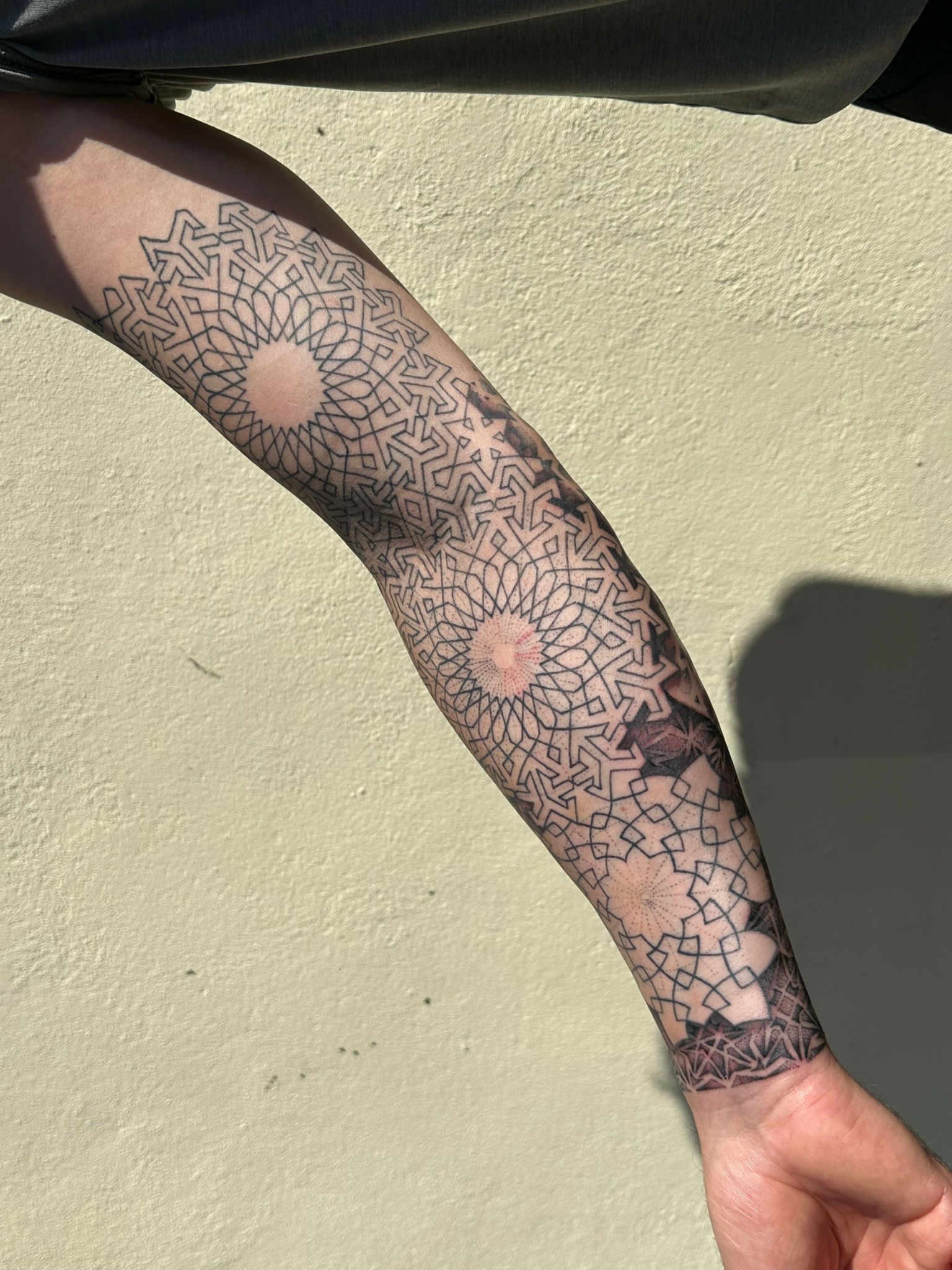
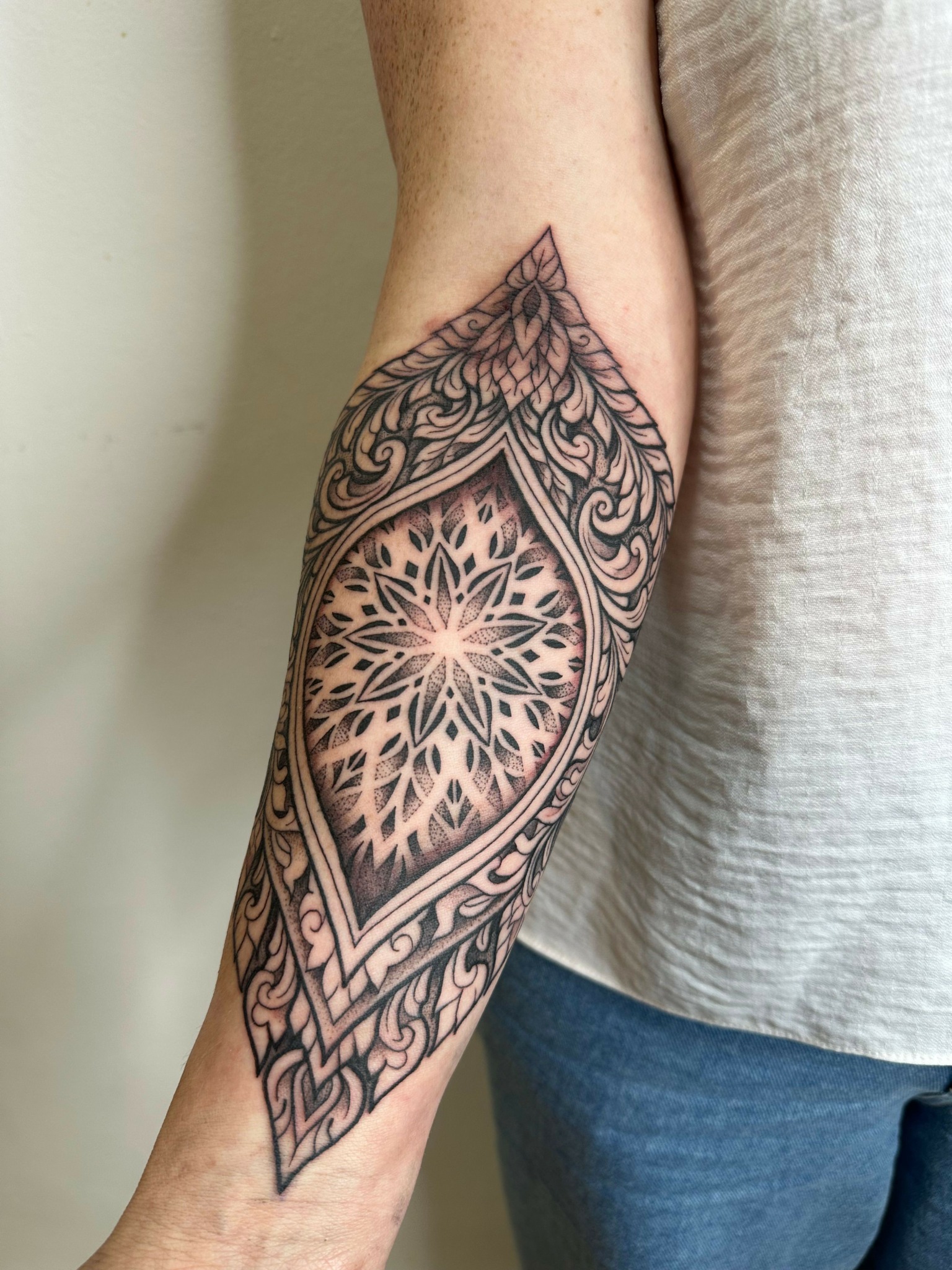
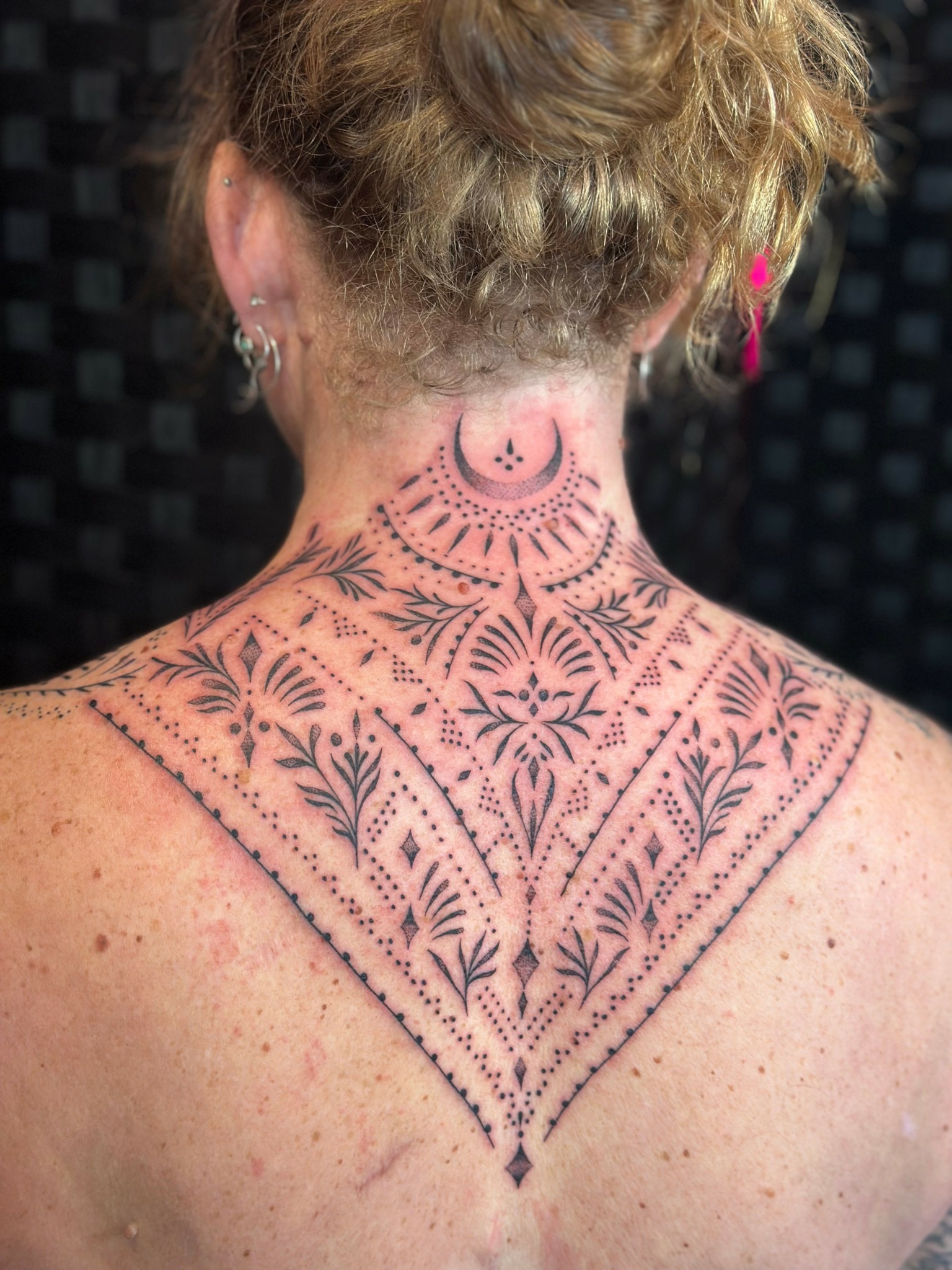
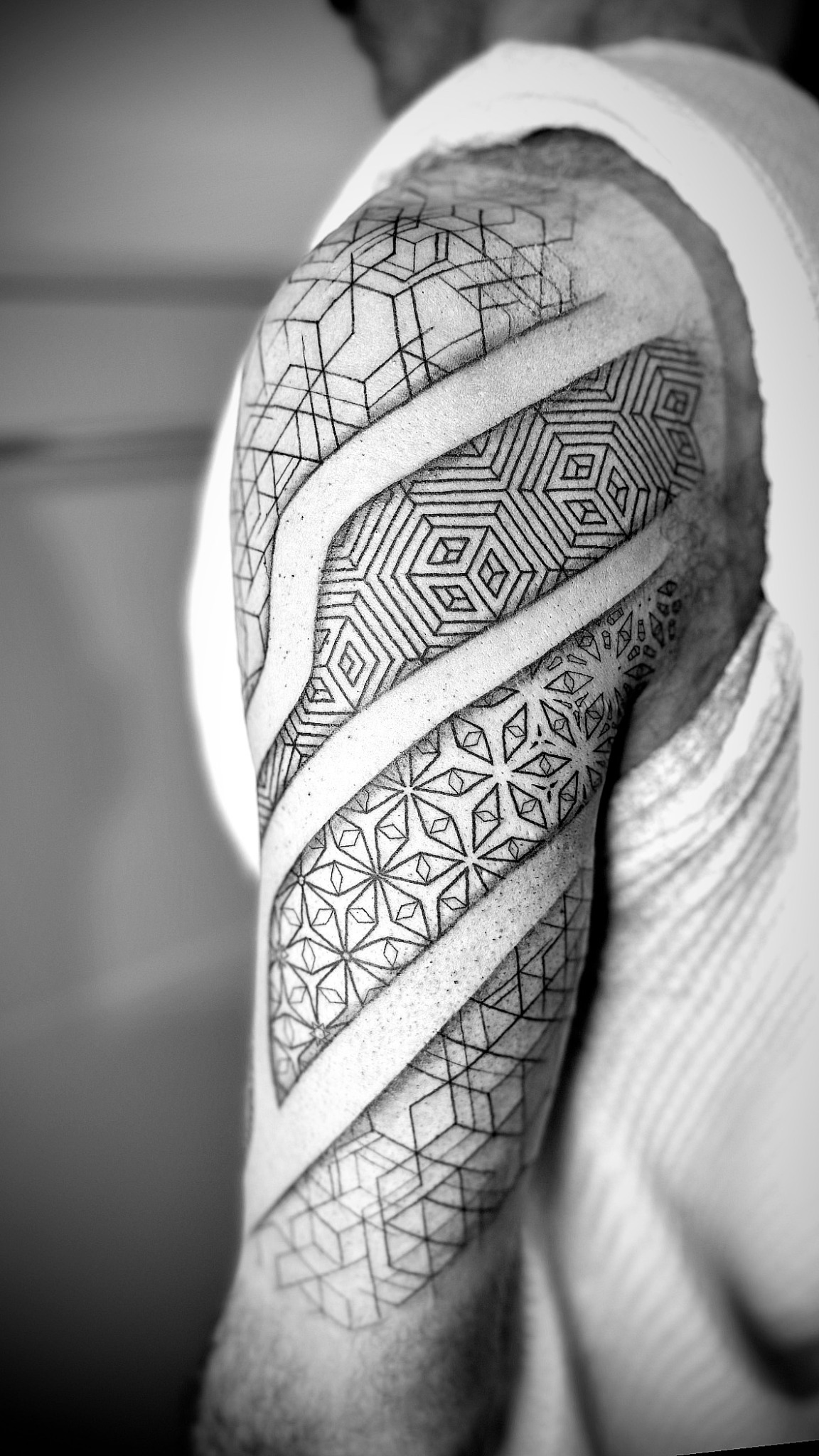
My practice today spans two connected paths. The first is my tattoo work, where I specialise in geometric, dotwork, ornamental, and pattern-based tattoos, often working on large-scale pieces such as sleeves and back projects. I focus heavily on flow, longevity, and how a design sits with the body over time. A large part of my work involves reworking or covering existing tattoos, scars, or poorly aged pieces, helping clients transform something they may feel disconnected from into something intentional and meaningful.
The second path is my research and documentary work through Tattoo Anthropology. I travel independently to work with indigenous and remote communities, documenting some of the oldest surviving tattoo traditions in the world. This work is not about replication or aesthetics, but about understanding tattooing as a living cultural system—one passed directly from generation to generation, often without written records. Preserving these practices accurately and respectfully is central to everything I do.
What sets my work apart is that I approach tattooing as both a craft and a form of cultural responsibility. My designs are informed by years of research into traditional tattoo systems, sacred geometry, and anthropological context, but they are always adapted thoughtfully for the individual wearing them. I don’t believe in trends or copying imagery; I believe in building work that is personal, structurally sound, and rooted in meaning.
I’m most proud of having built a practice that bridges worlds—modern tattoo studios and remote jungle longhouses, contemporary skin and ancestral knowledge—without compromising respect for either. Whether I’m tattooing a client or filming a disappearing tradition, my focus is the same: patience, integrity, and depth.
What I want people to know about my work is that it’s not rushed, superficial, or purely visual. Everything I create is considered, researched, and built to last. Tattoos matter. Stories matter. And when they’re treated properly, they can carry far more than ink.
Is there a particular goal or mission driving your creative journey?
My work sits at the intersection of art, anthropology and storytelling. As a tattoo artist and researcher, I’m driven by a desire to preserve, document and share the cultural histories that live within tattooing. Tattoos are often dismissed as decoration, yet they are one of humanity’s oldest forms of communication, carrying stories of identity, spirituality, resilience and belonging across generations.
Through my tattoo practice, field research and writing, I aim to bridge the gap between contemporary tattoo culture and the traditional communities that have kept these practices alive for centuries. Whether I’m interviewing Indigenous tattoo practitioners in Southeast Asia, documenting endangered traditions, or creating large-scale ornamental body art in my studio, I see each project as part of a wider conversation about what it means to be human and how we use marks on the body to tell our stories.
We’d love to hear a story of resilience from your journey.
One story that stands out is a journey that began with my research into traditional tattooing and ended up becoming a lesson in resilience. Over the years I’ve lived and worked in some of the world’s most remote places, spending time in deep primary rainforest with Indigenous shamans and heavily tattooed tribal communities in Borneo and West Sumatra. I’ve also travelled across Polynesia researching ancestral tattoo traditions, meeting people whose cultural knowledge has survived despite centuries of colonial pressure and change.
Perhaps the most challenging experience was sailing over 4,000 kilometres across the South Pacific as a volunteer researcher. The voyage enabled me to interview the last living bloodline tattooist of Easter Island before continuing towards Tahiti. While we were in the middle of the ocean, the COVID-19 pandemic escalated and the world effectively shut down around us. We found ourselves isolated at sea, living on rations, uncertain which ports would accept us and eventually requiring repatriation. It was a reminder that resilience isn’t about being fearless; it’s about adapting to uncertainty, staying resourceful and continuing forward when there is no clear path ahead. That lesson has shaped both my creative work and my life ever since.
Contact Info:
- Website: www.fadefxtattoo.com & www.tattooanthropology.com
- Instagram: @meraki_fade
- Facebook: Fade Meraki Tattooist
- Youtube: Meraki Fade Tattoo Anthropology