


We caught up with the brilliant and insightful Ian Kay a few weeks ago and have shared our conversation below.
Alright, Ian thanks for taking the time to share your stories and insights with us today. Coming up with the idea is so exciting, but then comes the hard part – executing. Too often the media ignores the execution part and goes from idea to success, skipping over the nitty, gritty details of executing in the early days. We think that’s a disservice both to the entrepreneurs who built something amazing as well as the public who isn’t getting a realistic picture of what it takes to succeed. So, we’d really appreciate if you could open up about your execution story – how did you go from idea to execution?
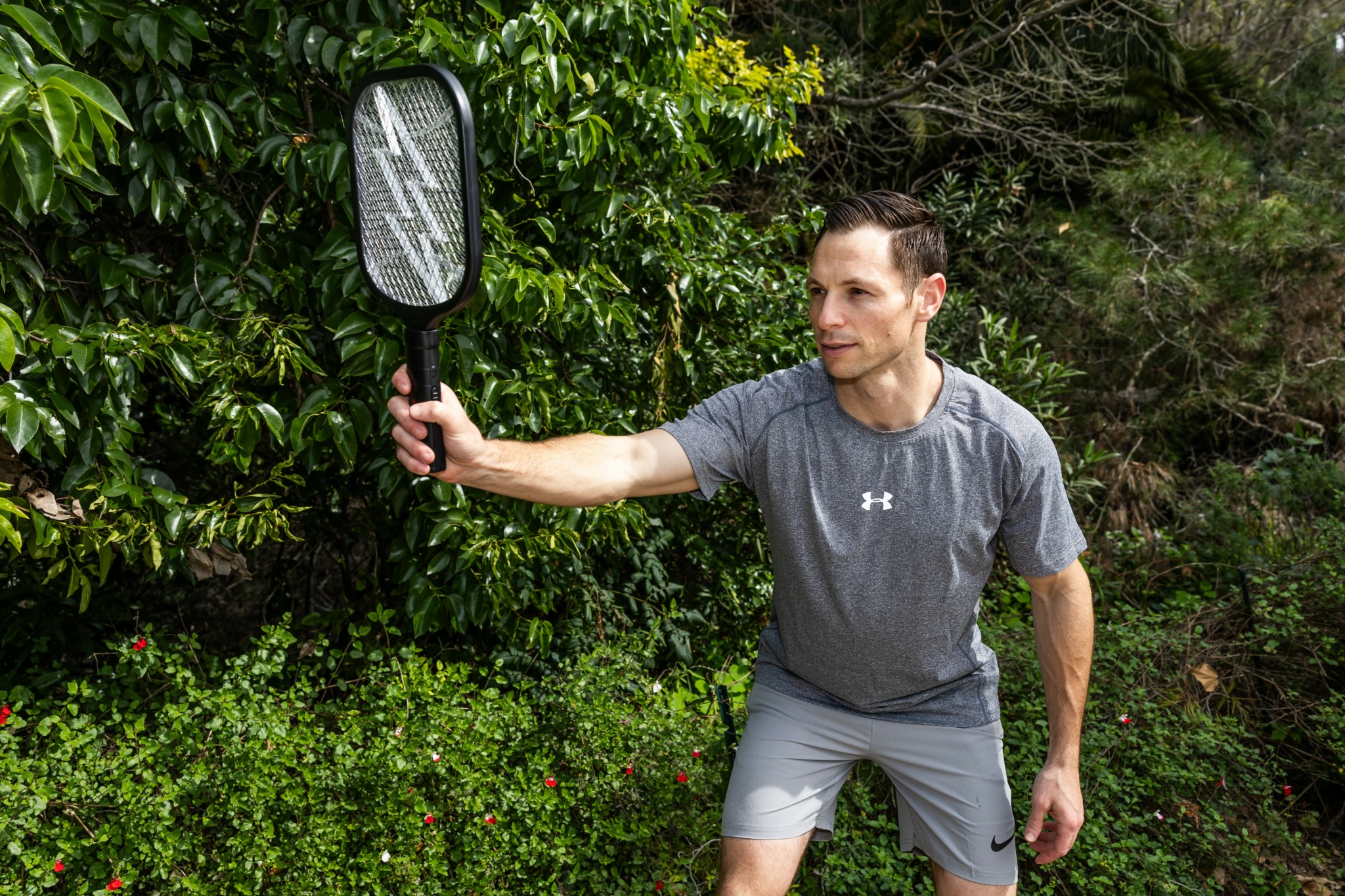
The idea for PickleZapper started around a dinner table conversation with my father and business partner, Neil Kay. Like many entrepreneurs, we weren’t trying to invent something revolutionary, we were trying to solve a simple everyday problem.
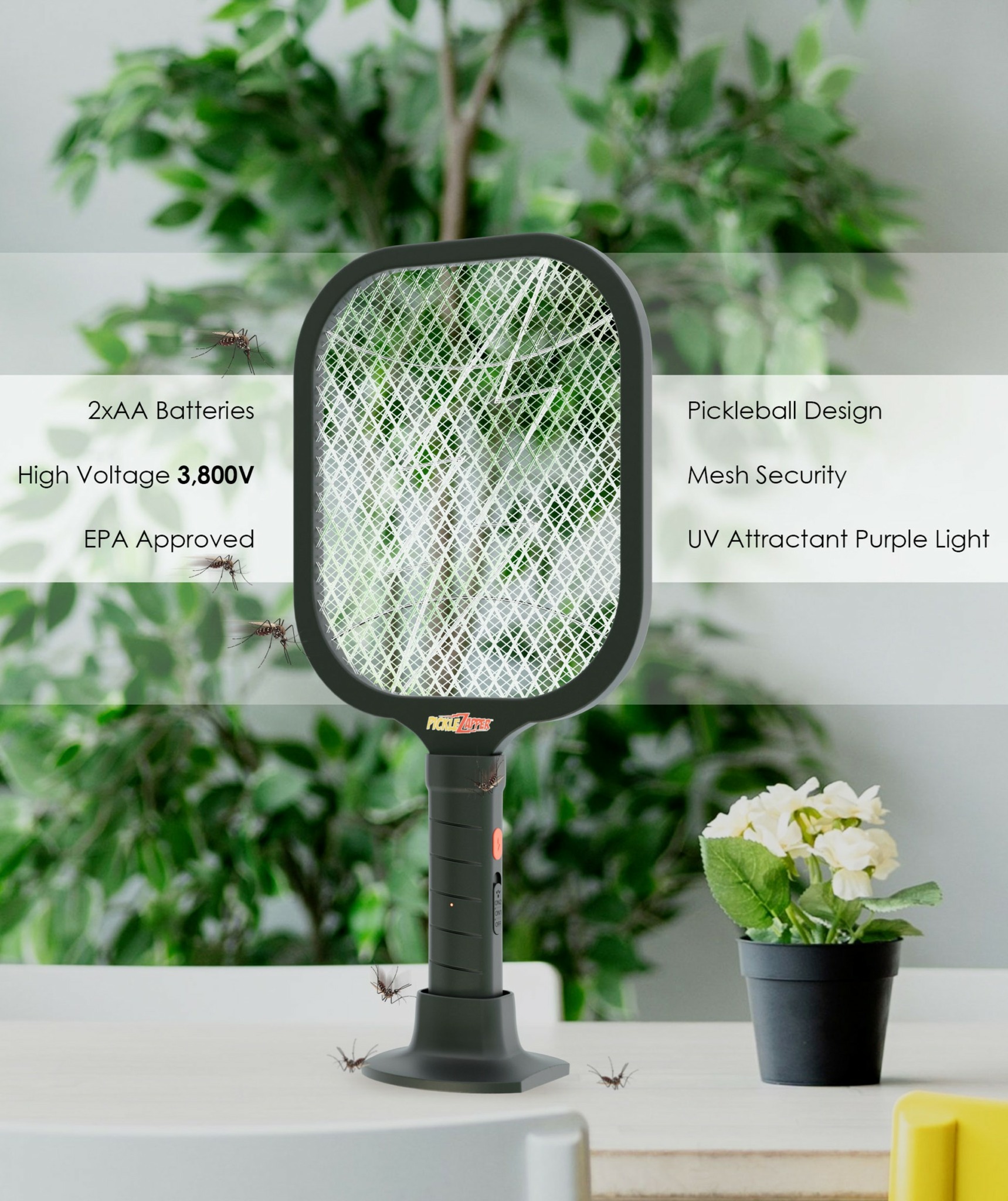
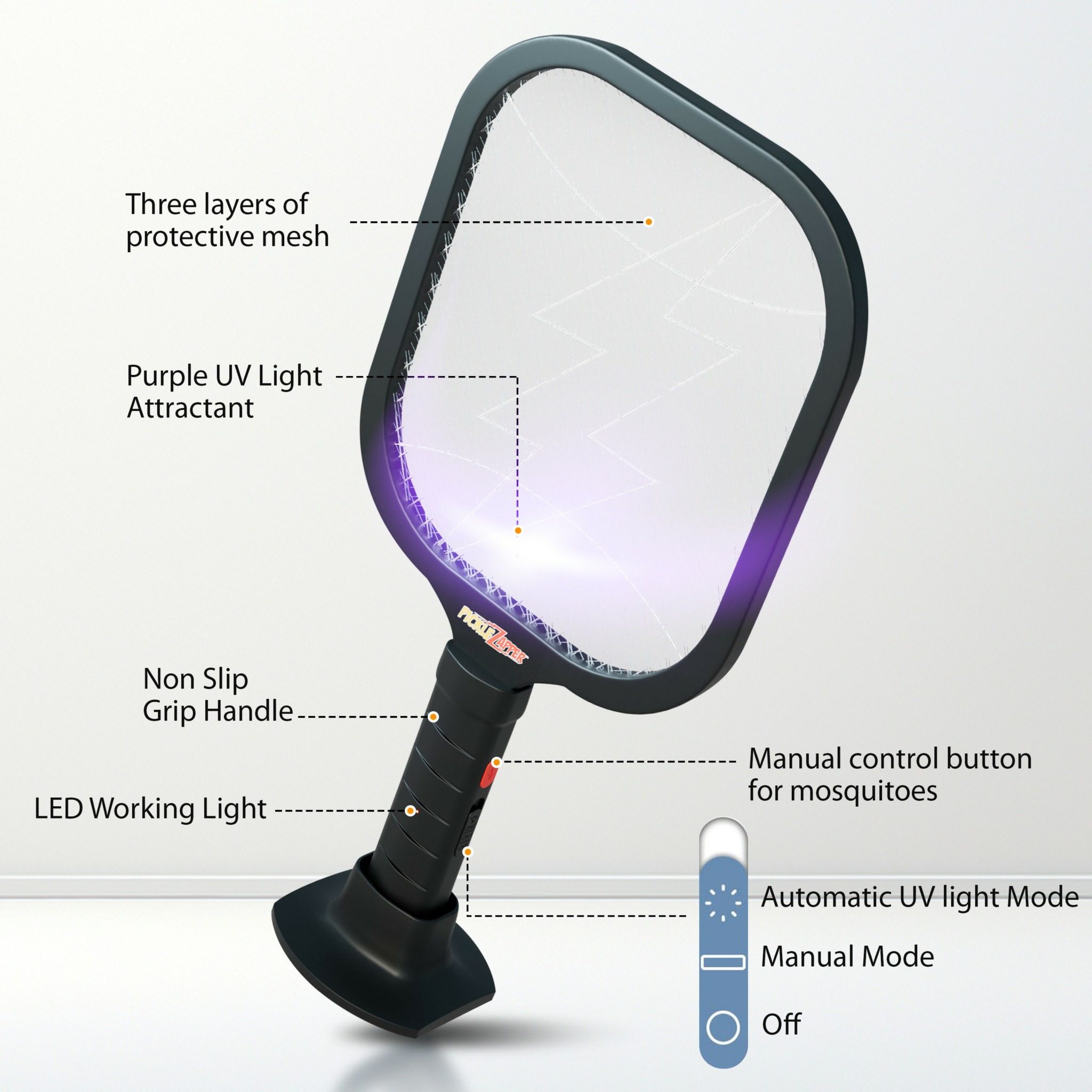
We noticed that people were constantly battling flies, mosquitoes, and other flying insects with products that either smelled bad, contained chemicals, or simply weren’t very fun to use. At the same time, pickleball was exploding in popularity across America. One day in 2024, my dad looked at a traditional electric bug swatter and said, “Why couldn’t this be designed better and made to look like a pickleball paddle?”
That simple question became the spark.
The next phase wasn’t glamorous. We spent months researching existing bug-zapping products, studying patents, analyzing consumer reviews, and identifying what people liked and disliked about the options already available. We learned that consumers wanted something effective, safe around families, comfortable to grip, feel like an actual pickleball paddle, be at a reasonable price and visually appealing.
From there, we began protecting our intellectual property, working with engineers and manufacturing partners to develop prototypes. We went through a few design revisions to improve the weight, voltage, durability, UV attraction lighting, and overall user experience.
One of the biggest lessons was realizing that a product is much more than an idea. You have to figure out sourcing, packaging, compliance testing, safety certifications, product liability insurance, shipping logistics, trademarks, branding, marketing, photography, social media, and e-commerce infrastructure. Every answer uncovered three new questions.
During development, we sought feedback from friends, family members, pickleball players, homeowners, grill masters, gardeners, and parents. We value honest opinions. What surprised us was how many people smiled when they first saw the product. The puns are intended. This PickleZapper wasn’t just functional, it created an emotional reaction. People immediately understood it, laughed, and wanted to try it.
That feedback gave us the confidence that we were onto something.
As we moved closer to launch, we focused heavily on branding and storytelling. We wanted PickleZapper to represent more than your average pest control device electric zapper racket. We wanted it to encourage people to take charge of their environment without relying on chemicals. We aimed for people to swing off the court with the new game of hitting bugs. We intended it to be practical, protective, entertaining, and memorable.
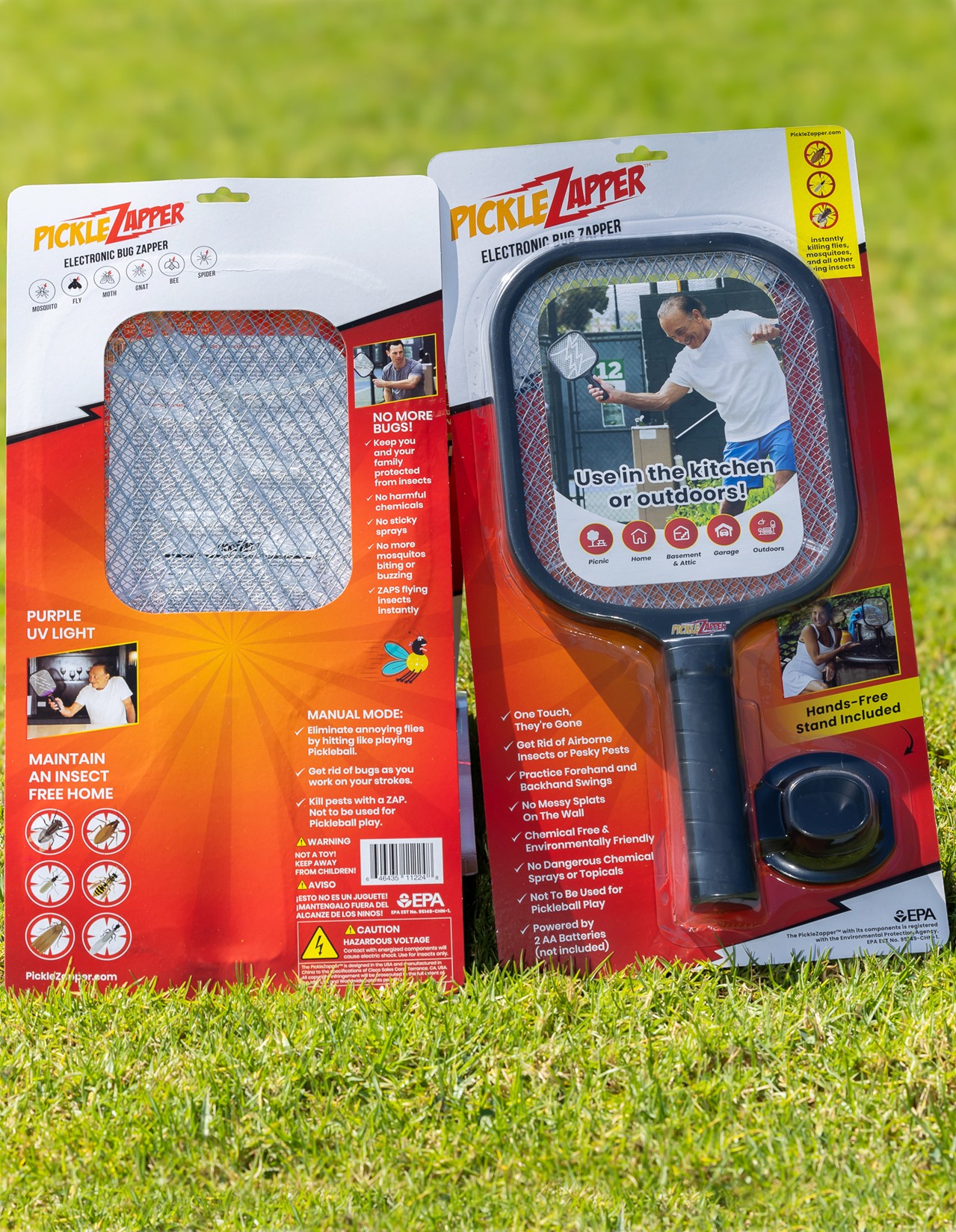
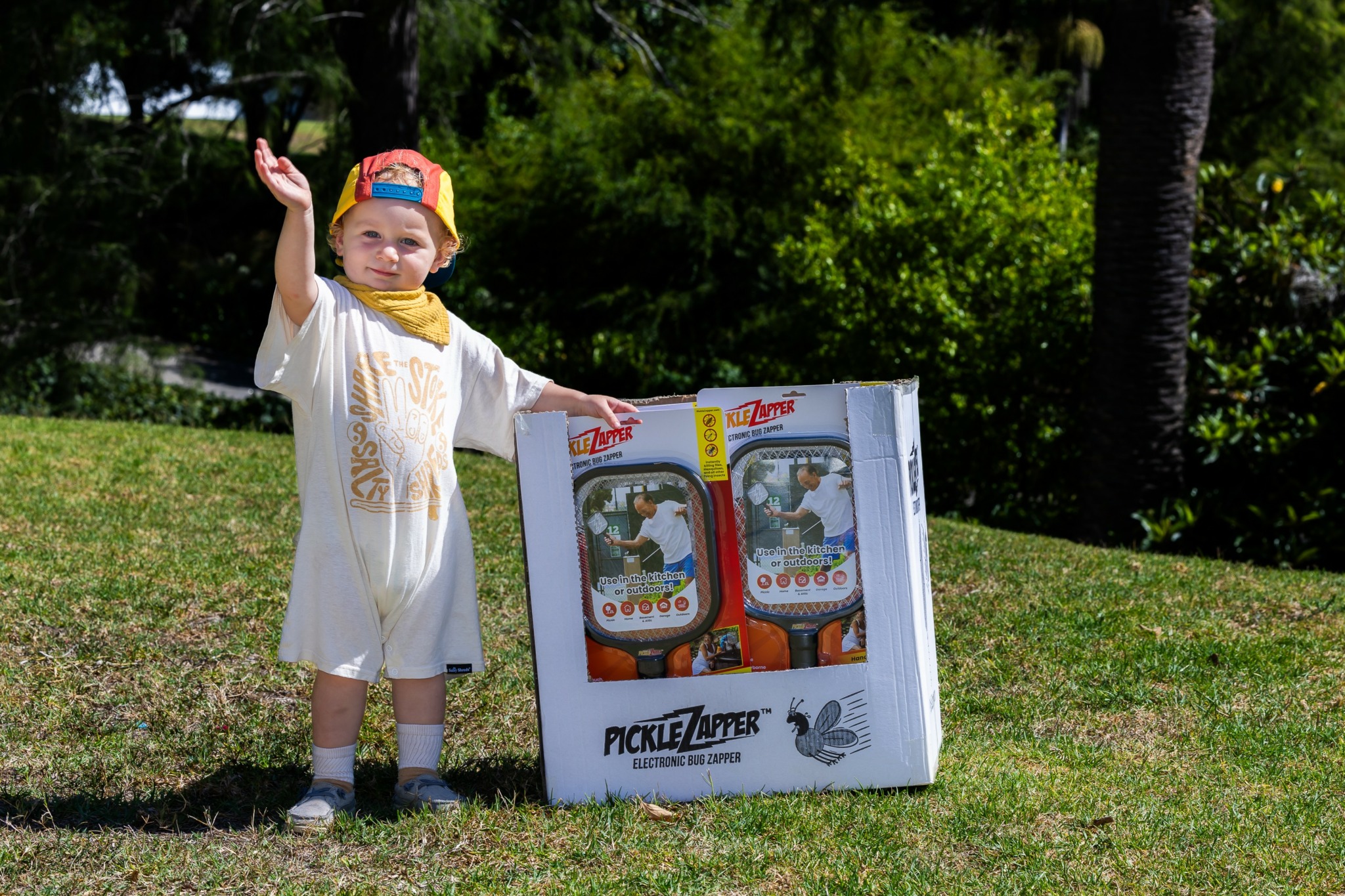
The launch at the World Pickleball Convention was really the beginning rather than the finish line. We built our website, created marketing assets, developed blister retail packaging and direct to consumer packaging, produced content for product listing, social media, and started introducing the product to buyers, customers, influencers, retailers, and media outlets. Every customer interaction became an opportunity to learn and improve.
Looking back, the biggest takeaway is that execution matters far more than inspiration. Lots of people have ideas. The difference is being willing to take the next step, then the next step after that, even when the path isn’t completely clear.
PickleZapper exists today because my father and I were willing to embrace trial and error, listen to feedback, stay persistent, and continue improving the product message relationship with our community and customers until we knew it could genuinely make people’s lives a little better.
That’s the entrepreneurial journey in a nutshell: identify a problem, create a solution, keep learning, and never be afraid to evolve.
Ian, before we move on to more of these sorts of questions, can you take some time to bring our readers up to speed on you and what you do?
I didn’t necessarily choose my industry, the industry found me through curiosity, creativity, and a desire to bring ideas to life.
I’ve always been fascinated by innovation, branding, product development, and helping people see possibilities where others see obstacles. Early in my career, I gravitated toward entrepreneurship and intellectual property because I loved the challenge of taking an idea that existed only in someone’s mind and helping transform it into something tangible that could positively impact people’s lives.
My first startup product launch was in 2014 with the Rally Flip Cap, a surprise flip-cap messaging system integrated into headwear. The concept allowed wearers to reveal hidden messages and branding underneath the bill of a cap. That experience taught me the realities of entrepreneurship; prototyping, manufacturing, intellectual property protection, licensing, marketing, distribution, and everything that goes into bringing a product to market. I also learned the power of connection in building a community of raving fans who enjoy being seen and standing out from the crowd.
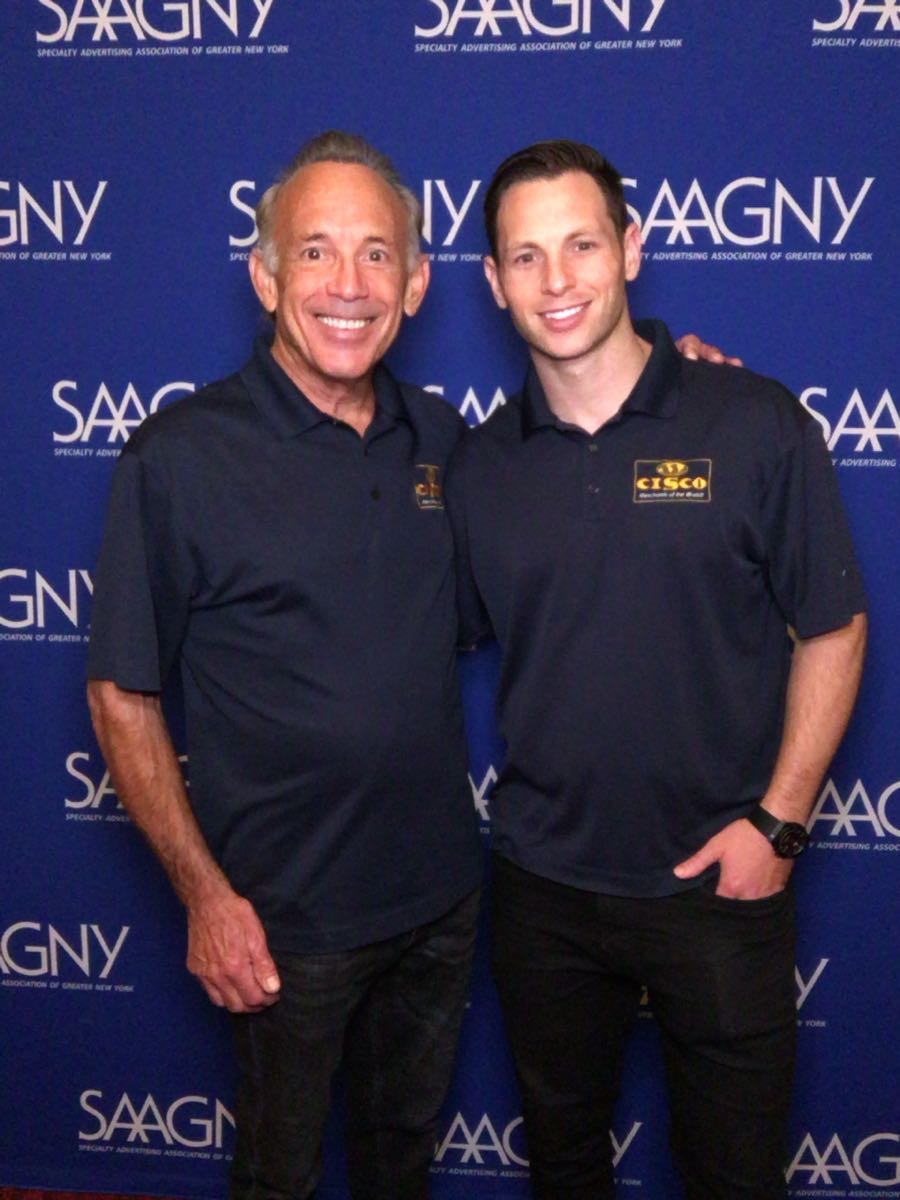
Today, I serve as Creative Director for Cisco Sales Corporation, where I help oversee brand strategy, creative development, product innovation, and visual storytelling across multiple brands and industries. My role is to bridge the gap between business objectives and creative execution. I work closely with entrepreneurs, inventors, executives, startups, and established businesses to help them clarify their messaging, strengthen their positioning, and communicate their value more effectively.
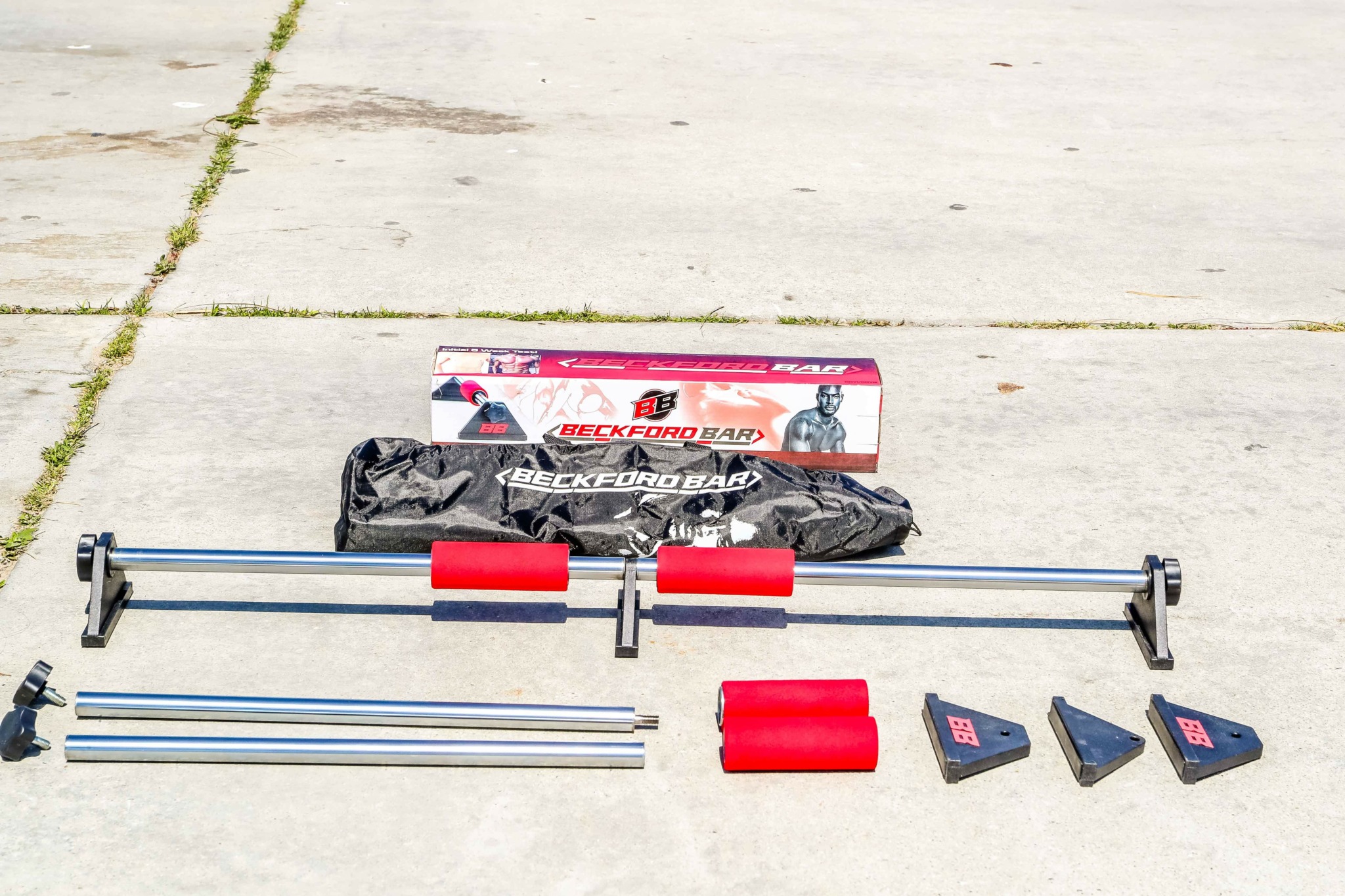
Over the years, I’ve had the opportunity to help develop and market products ranging from fitness equipment like the Beckford Bar to consumer products like The Digi-Piggy, 1-2-3 Miracle Sharpener, PickleZapper, while also supporting business owners with speaking directly to their target demographic, branding, public relations, media exposure, and audience engagement.
One area I am particularly passionate about is helping entrepreneurs and business owners find clarity and confidence in their messaging. Many great founders have incredible products, services, and expertise, but struggle to communicate their story (find their voice) in a way that resonates with customers, investors, media outlets, or strategic partners.
I enjoy helping people uncover what makes them unique and teaching them how to separate their personal brand from their business brand while ensuring both work together. People connect with people before they connect with companies. When leaders learn how to communicate authentically and confidently, everything improves, from sales conversations and media interviews to partnerships and customer relationships.
I believe what sets me apart is that I don’t just look at products or marketing campaigns. I look at people. Every successful brand has a human story behind it. Whether I’m helping launch a consumer product, develop a marketing strategy, secure media opportunities, or coach someone through their personal brand development, my goal is always to create meaningful connections.
What I’m most proud of isn’t a specific product or campaign. It’s the opportunity to help people believe in themselves and their ideas. Throughout my career, I’ve worked with celebrities, inventors, founders, executives, athletes, and business owners who simply needed someone to help them see the bigger picture and take the next step forward.
My own journey has included overcoming congenital heart challenges, multiple open-heart surgeries, Tourette Syndrome, and setbacks that taught me resilience, empathy, and gratitude. Those experiences shaped my leadership philosophy and reinforced my belief that mindset, persistence, faith, and relationships often matter more than talent alone.
If there’s one thing I want people to know about me and my work, it’s that I’m passionate about helping people bring ideas to life. Whether that’s through product innovation, branding, storytelling, intellectual property strategy, media visibility, or leadership development, I believe every person has a unique story worth sharing and a gift worth developing.
My mission is to be a catalyst for growth; helping people and organizations overcome obstacles, discover their strengths, and build a legacy that positively impacts others.
We often hear about learning lessons – but just as important is unlearning lessons. Have you ever had to unlearn a lesson?
One of the biggest lessons I had to unlearn was the belief that if I simply hoped, wished, or prayed hard enough, things would somehow work themselves out.
Growing up, I faced a lot of adversity at a young age. I was born with a congenital heart defect that led to numerous doctor visits, procedures, and eventually open-heart surgeries. There were times when I felt physically limited compared to other kids. I would tire more easily, and there was always uncertainty surrounding my health. On top of that, I experienced a traumatic dog attack involving an aggressive Rottweiler that left both physical and emotional scars.
As a child, those experiences can make you feel powerless. You spend a lot of time hoping things will get better, hoping the pain will stop, hoping life becomes easier.
What I eventually had to unlearn was the idea that hope alone creates outcomes.
Over time, I discovered that faith is much more active than passive. Faith isn’t simply wishing for a better future; it’s believing in a future that doesn’t exist yet and then taking action toward it. I learned to create a vision for where I wanted to be, mentally picture the outcome I desired, and trust the process even when I couldn’t see the entire path.
As I matured, my relationship with God evolved as well. I began to understand that faith and action work together. I stopped focusing solely on what I was afraid of losing and started focusing on what I was being prepared for. I learned to ask, seek, knock, and move forward while trusting that everything would unfold as it was meant to.
Another lesson I had to relearn was the importance of detachment. Sometimes we become so attached to a specific outcome that we create unnecessary suffering when life unfolds differently. I’ve learned to hold the vision but release the timeline. Divine timing is real. Some of the greatest opportunities, relationships, and breakthroughs in my life arrived later than I expected but exactly when I needed them.
Looking back, I now see that the pain wasn’t punishment, it was preparation.
The fear from heart surgery, the emotional impact of the dog attack, the feeling of being different, fragile, or limited as a child all became part of the foundation that shaped my purpose.
Those experiences taught me resilience, empathy, gratitude, and perseverance. They also helped me connect more deeply with people who are navigating their own challenges.
Today, I believe that some of our greatest wounds can become our greatest gifts if we’re willing to learn from them. The obstacles I once wished away became the very experiences that prepared me for leadership, entrepreneurship, mentoring others, and helping people move through difficult seasons of their own lives.
The lesson I unlearned was that life happens to us.
The lesson I learned instead is that life often happens for us. Sometimes what feels like protection, redirection, or even pain is quietly preparing us for a purpose we can’t yet see.
When I look back now, I wouldn’t choose many of those experiences again, but I am grateful for what they taught me. They helped me become the person I was meant to be.
Any insights you can share with us about how you built up your social media presence?
One of the biggest mistakes I see businesses make is hiding the founder or creator behind the brand. People connect with people before they connect with products. If you’re the founder, inventor, or business owner, you should be part of the content strategy. Let people see why you created the product. Let them see the problem you were trying to solve. Show them how you use it yourself and why it matters to you.
For example, when we developed the Beckford Bar, I could speak from personal experience because I wanted an effective way to train after open-heart surgeries, while balancing a busy schedule and after becoming a father implemented into my adaptable routine. With PickleZapper, my father Neil Kay and I were trying to create a safer, chemical-free way for families to take charge of their environment. It’s a joke we turned into a brand and meshed with the lifestyle of a CEO. Those stories create connection because they’re authentic.
Another lesson I’ve learned is that people don’t care how much you know until they know how much you care. Over time, audiences can tell the difference between someone who genuinely wants to help and someone who only wants to sell. The more you pour into your audience through education, inspiration, entertainment, and encouragement, the more trust you build.
I also encourage people to share results and transformations, not just promotions. Show customer success stories. Share lessons learned. Documenting individuals journey’s is underrated. Highlight wins, setbacks, and progress. If every post is “Buy now,” or “Join us” people eventually tune out. If your content helps someone solve a problem, improve their life, or see a new perspective, they’ll keep coming back.
For those just starting out, my advice is simple: know your audience, stay consistent, and be yourself. Not everyone will understand your vision. Not everyone will need your product or service. That’s okay. Focus on serving the people who do.
When you genuinely love what you do and communicate with authenticity, confidence, and purpose, people notice. The right audience begins to gravitate toward your message. Loyalty isn’t built through algorithms alone, it’s built through trust, consistency, and human connection.
In a world filled with noise, be a light. Lead with value. Serve before you sell. Build relationships before transactions. If you do that long enough, your audience won’t just become customers, they’ll become supporters, advocates, and fans who believe in your mission as much as you do.
Contact Info:
- Website: https://ciscousa.com
- Instagram: https://www.instagram.com/iangkay/
- Facebook: https://www.facebook.com/ian.kay.g
- Linkedin: https://www.linkedin.com/in/ian-kay-62bb4659/
- Twitter: https://x.com/RallyFlipCap
- Youtube: https://www.youtube.com/@ciscosales4935
Image Credits
Some of the images of the PickleZapper clamshell packaging and outside are from photographer Ryan Brunkow https://www.instagram.com/brunkowbusiness/ https://www.linkedin.com/in/ryanbrunkow/